



Italian art is defined by its rich history and diverse contributions to Western culture. From the early Renaissance to Futurism and beyond, Italian artists have shaped movements and aesthetics. The Italian Renaissance, with its emphasis on humanism and classical ideals, remains a cornerstone. Later movements such as Futurism, born in the early 20th century, demonstrate a continuing drive to push artistic boundaries. Italian art blends tradition with innovation, leaving an impact on the global art world.
Key Movements
12 movements shaped italian art.
Key Artists


Key Ideas
-
The Italian Renaissance
Beginning in the 14th century, the Italian Renaissance saw a revival of classical learning and artistic expression. Artists such as Botticelli, Leonardo da Vinci, and Michelangelo produced works of unparalleled beauty and technical skill. This period established new standards for painting, sculpture, and architecture.
-
Venetian School
The Venetian School emerged as a distinct style during the Renaissance. Characterised by its use of colour, light, and atmosphere, artists such as Titian and Bellini created works that captured the opulence and drama of Venice. Their techniques influenced generations of painters.
-
Futurism
In the early 20th century, Futurism celebrated modernity, technology, and speed. Italian artists like Umberto Boccioni and Giacomo Balla sought to capture the dynamism of the industrial age. The movement influenced other avant-garde movements and artistic disciplines.
-
Arte Povera
Emerging in the late 1960s, Arte Povera challenged traditional art materials and values. Italian artists associated with this movement, such as Gilberto Zorio, used everyday objects to create works that questioned consumerism and the art market. Arte Povera remains influential in contemporary art.
Museums in Italy
59 museums.
Rome (17)
-
Galleria Nazionale d'Arte Antica
Tue–Sun 10:00–19:00, closed Mondays · 15€ adults
-
Galleria Nazionale d'Arte Moderna e Contemporanea di Roma
Tue–Sun 9:00–19:00, closed Mondays · €17 adults
-
Capitoline Museums
Daily 9:30–19:30
-
Galleria Doria Pamphilj
Mon–Thu 9:00–19:00, Fri–Sun 10:00–20:00, closed Wednesdays · €16
-
French Academy in Rome
Mon–Sun 09:30–19:00, closed Tuesdays · 18€ adults
-
Galleria Spada
-
Palazzo Pallavicini-Rospigliosi
-
Galleria Borghese
-
Galleria Nazionale d'Arte Antica di Palazzo Corsini
Tue–Sun 10:00–19:00, closed Mondays · 15€ adults
-
Palazzo Barberini
Tue–Sun 10:00–19:00, closed Mondays · 15€
-
Santa Maria del Popolo
Free
-
San Carlo al Corso
-
San Luigi dei Francesi
Free
-
San Pietro in Vincoli
Mon–Sat 07:30–12:20, Sun/holidays 09:00–12:00; afternoons daily 15:00–17:50 (standard time) or 15:00–18:50 (daylight saving time) · Free
-
Sant'Andrea al Quirinale
-
Sovereign Military Order of Malta
-
Villa Farnesina
Mon–Sat 9:00–14:00, closed Sundays (except second Sunday of the month 9:00–17:00) · €12 adults, €10 reduced


Milan (9)
-
Pinacoteca di Brera
Tue–Sun 08:30–19:15, closed Mondays
-
Museo Poldi Pezzoli
Mon, Wed–Sun 10:00–18:00, closed Tuesdays
-
Galleria d'arte moderna di Milano
Tue–Sun 10:00–17:30, closed Mondays · €8 adults
-
Gallerie d'Italia – Milano
Tue–Sun 9:30–19:00, closed Mondays · €12 adults
-
Museo del Novecento
Tue–Sun 10:00–19:30, Thu 10:00–22:30, closed Mondays
-
Arturo Schwarz
-
Biblioteca Ambrosiana
-
Mattioli Collection
-
Snta Maria delle Grazie
Mon–Sat 07:00–13:00 and 15:00–19:30, Sun 07:30–12:30 and 15:00–21:00 · Free (donations appreciated)


Florence (12)
-
Uffizi Gallery
-
Santissima Annunziata
-
Galleria dell'Accademia
-
Bargello National Museum
-
Gabinetto dei disegni e delle stampe
-
Galleria Palatina
-
Palazzo Vecchio
-
Basilica of Santa Maria Novella
Mon–Thu 9:00–17:30, Fri 11:00–17:30, Sat 9:00–17:00, Sun 13:00–17:00
-
Fondazione Roberto Longhi
-
Casa Buonarroti
Wed–Mon 10:00–16:30, closed Tuesdays · €8 adults
-
Medici Chapels
-
New Sacristy


Venice (6)
-
Gallerie dell'Accademia
Tue–Sun 09:00–19:00, closed Mondays · €20 adults
-
Peggy Guggenheim Collection
Wed–Mon 10:00–18:00, closed Tuesdays · 17 € adults
-
Doge's Palace
35,00 € adults
-
Galleria Internazionale d'Arte Moderna
Tue–Sun 10:00–18:00 (Apr–Oct) or 10:00–17:00 (Nov–Mar), closed Mondays · 15,00 € adults
-
Ca' Pesaro
15,00 € adults
-
Santa Maria della Salute
Basilica: 9:00–17:30 daily; Sacrestia (Museum): Tue–Sun 10:00–12:00 and 14:00–17:00, closed Mondays · Basilica: Free; Sacrestia (Museum): Ticket required


Turin (3)


Bologna (2)


Naples (1)

Genoa (1)

Bergamo (1)


Messina (1)

Modena (1)

Cremona (1)

Sorrento (1)

Pozzuoli (1)

All Italian Artists
194 artists.

Achille Beltrame
Achille D'Orsi

Achille Funi

Achille Glisenti

Achille Perilli
Adolfo de Carolis

Adolfo Feragutti Visconti

Afro
Agostino Bonalumi
Agostino Carracci

Agostino Mitelli
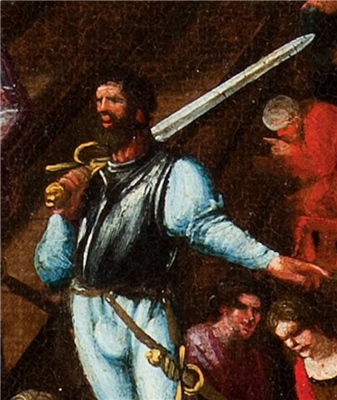
Agostino Tassi
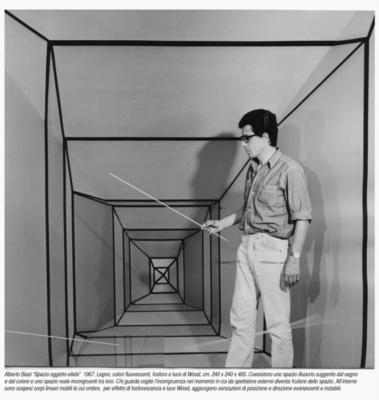
Alberto Biasi

Alberto Burri
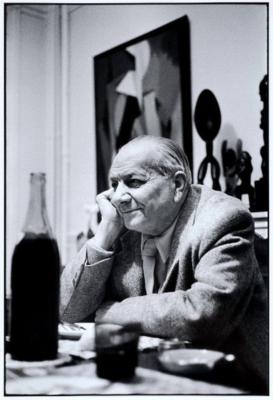
Alberto Magnelli
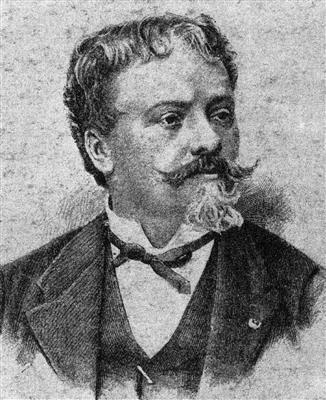
Alberto Pasini
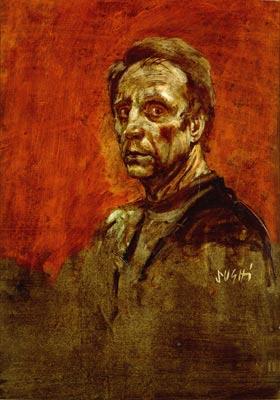
Alberto Sughi
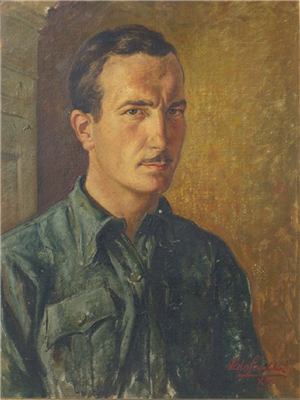
Aldo Locatelli
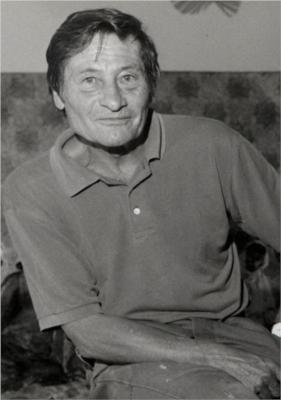
Aldo Mondino

Alessandro Longhi
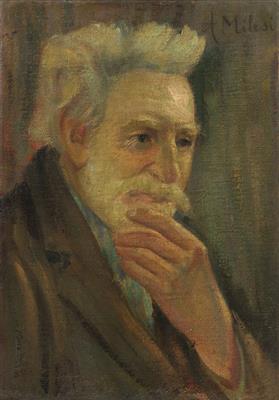
Alessandro Milesi

Alessandro Tiarini

Alessandro Turchi
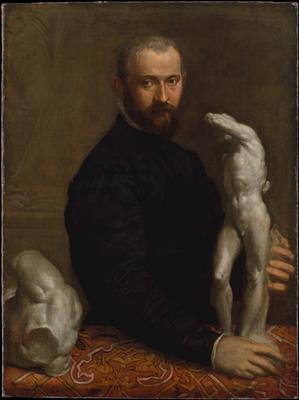
Alessandro Vittoria
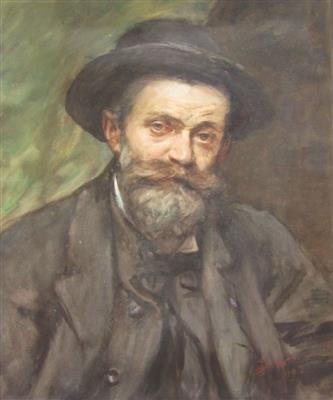
Alessandro Zezzos
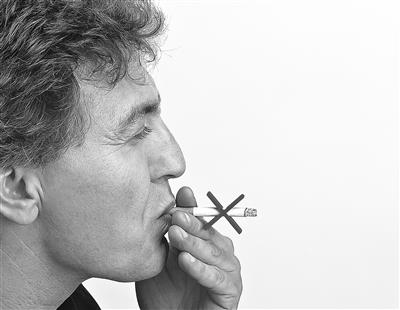
Alfio Giuffrida
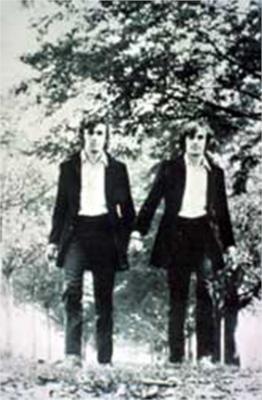
Alighiero Boetti

Amedeo Bocchi

Amedeo Modigliani

Amleto Cataldi
Andrea Benetti
Andrea del Sarto
Andrea del Verrocchio

Andrea Mantegna
Andrea Palladio

Andrea Pisano
.jpg?width=800)
Andrea Sacchi
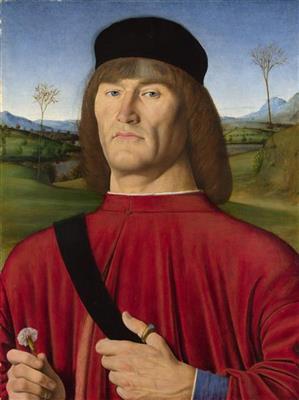
Andrea Solario

Angelo Dall'Oca Bianca
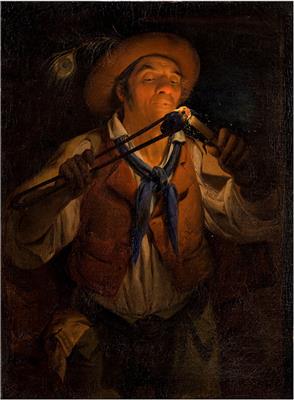
Angelo Inganni

Angelo Morbelli
Angelo Visconti

Annibale Carracci
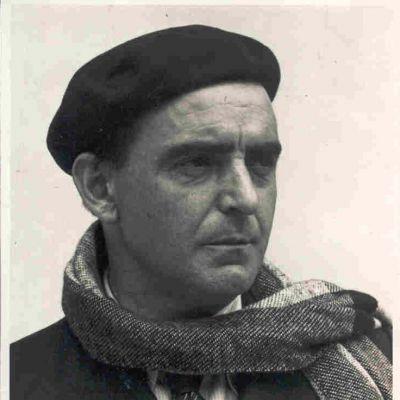
Anselmo Bucci
.jpg!Portrait.jpg)
Antonello da Messina
Antonietta Brandeis
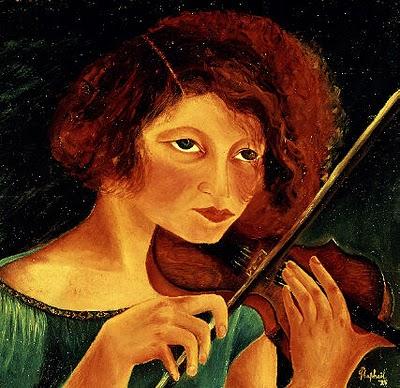
Antonietta Raphael
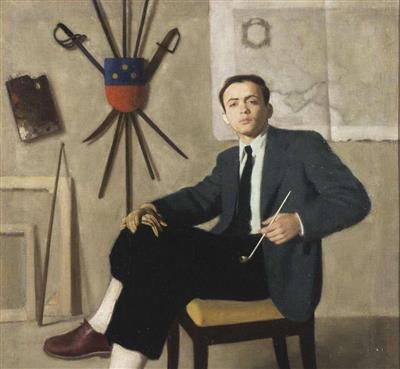
Antonio Bueno

Antonio Calderara
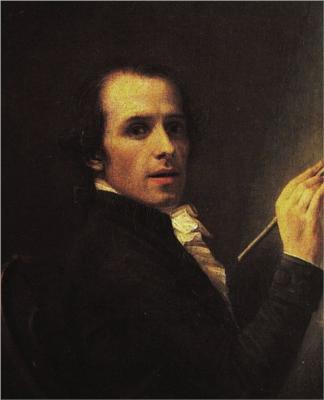
Antonio Canova
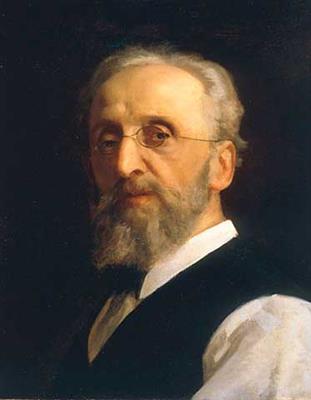
Antonio Ciseri
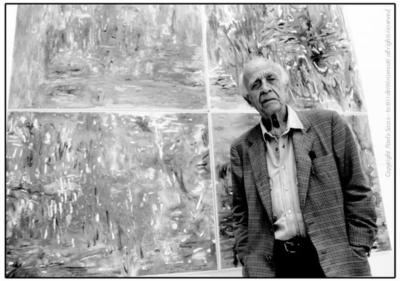
Antonio Corpora
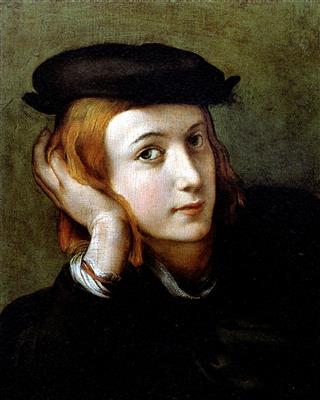
Antonio Corradini
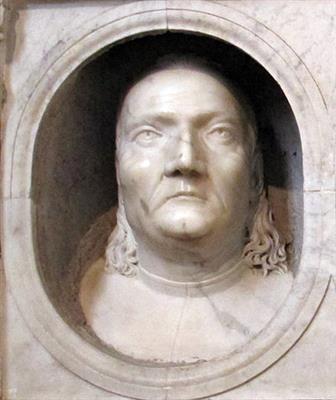
Antonio del Pollaiolo
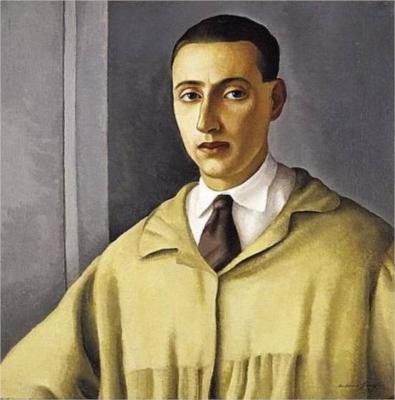
Antonio Donghi
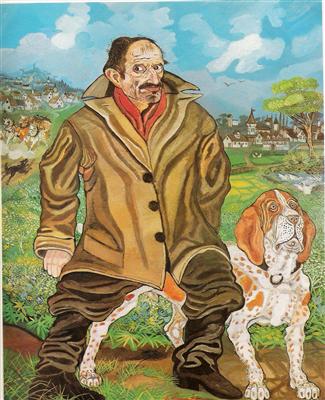
Antonio Ligabue
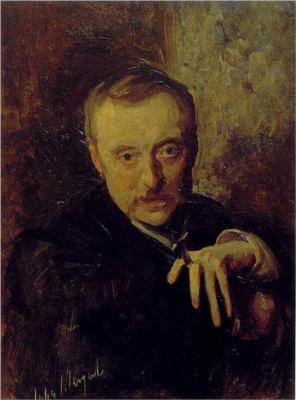
Antonio Mancini

Antonio Maria Viani

Antonio Sanfilippo
Antonio Sicurezza

Armando Spadini

Artemisia Gentileschi
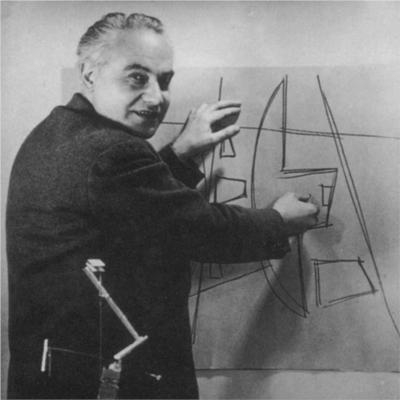
Atanasio Soldati
Attilio Pratella
Aurelio Tiratelli
Bahman Mohasses
Baldassare Verazzi

Bartolomeo Montagna
Bartolomeo Passerotti
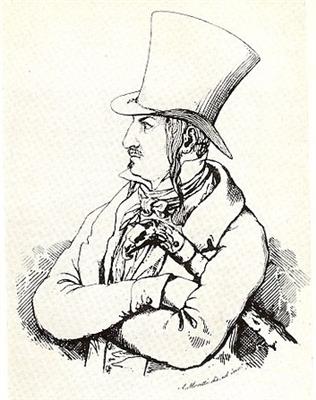
Bartolomeo Pinelli

Benedetta Cappa
.jpg?width=800)
Benedetto Caliari

Benedetto Luti
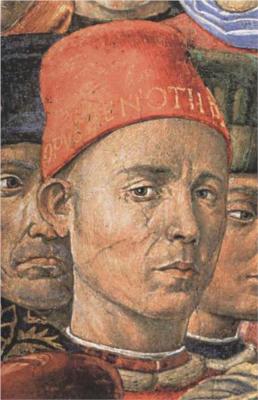
Benozzo Gozzoli
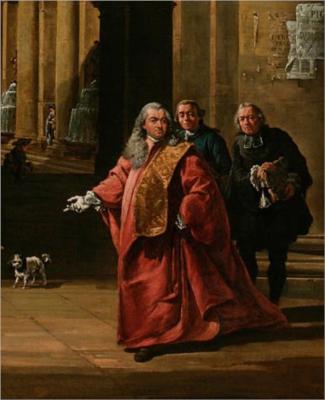
Bernardo Bellotto
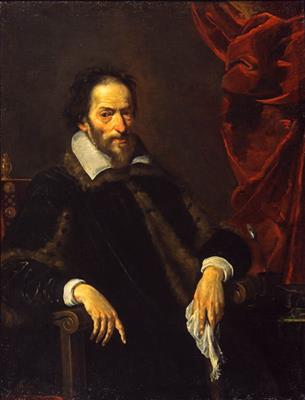
Bernardo Strozzi

Bice Lazzari
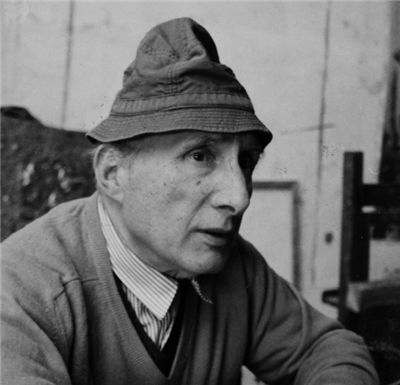
Bruno Canova
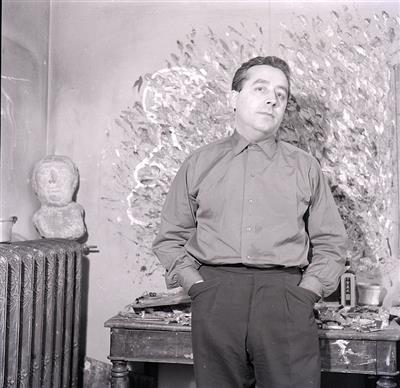
Bruno Cassinari
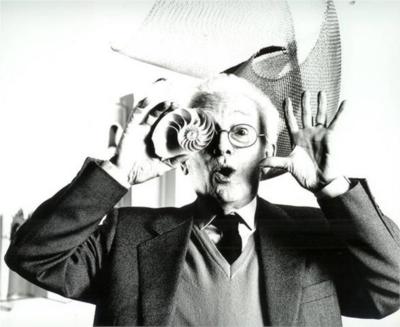
Bruno Munari
Showing the first 80 of 194 artists, alphabetically.
Frequently Asked Questions
What is Italy's greatest contribution to art?
Italy's most important contribution is the Italian Renaissance, which transformed Western art and culture. Beginning in the 14th century, this period saw innovations in painting, sculpture, and architecture, with artists developing new techniques and approaches to representation. The Renaissance emphasis on humanism and classical ideals continues to influence art today.Who are the most important Italian artists to know?
Sandro Botticelli is essential for his graceful paintings, such as 'The Birth of Venus'. Antonio Canova was a crucial Neoclassical sculptor, famed for his marble sculptures that captured idealised beauty. These artists represent different periods of Italian art history.Which Italian artist is underappreciated?
Antonietta Brandeis, active in the late 19th and early 20th centuries, is a somewhat overlooked artist. Her cityscapes and genre paintings offer a glimpse into Venetian life. Although popular in her time, she is less known today.When did Italy develop a distinctive national style?
Italy began to develop a distinctive national style during the Trecento (1300s), with the emergence of artists like Giotto. This period saw a move away from Byzantine art towards more naturalistic representation. The Early Renaissance further solidified this trend in the 15th century.
Love what you see? Take it home.
See all art prints →