



The Renaissance, spanning from 1400 to 1599, marks a rebirth of classical ideals and a shift towards humanism. This era saw artists such as Leonardo da Vinci and Michelangelo revolutionise art through innovations in perspective, anatomy, and realism. The rediscovery of classical texts and artistic principles fuelled a new focus on human potential and achievement, moving away from purely religious themes.
Key Movements
Art movements active during the renaissance.
Key Ideas
-
The birth of perspective
Renaissance artists rediscovered and refined linear perspective, creating the illusion of depth and realism in their paintings. This technique allowed for more accurate and lifelike depictions of space and form, transforming the way viewers experienced art.
-
Humanism
Humanism placed emphasis on human values, reason, and individual potential. This philosophical shift influenced art by focusing on human subjects, emotions, and experiences, rather than solely religious narratives.
-
Patronage
Wealthy patrons, including the Church and noble families, played a crucial role in supporting Renaissance artists. This system allowed artists to create ambitious and innovative works, while also shaping the themes and styles of the era.
-
Anatomical study
Artists like Leonardo da Vinci conducted detailed studies of human anatomy to achieve greater accuracy in their depictions of the human form. This scientific approach to art resulted in more realistic and expressive figures.
-
Classical revival
The Renaissance witnessed a renewed interest in classical art and architecture from ancient Greece and Rome. Artists drew inspiration from classical forms, proportions, and themes, integrating them into their own works.
Key Artists


All Renaissance Artists
146 artists.

Abraham Bloemaert
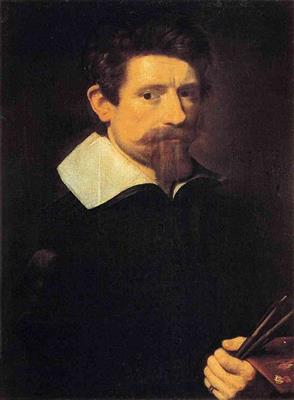
Adam Elsheimer
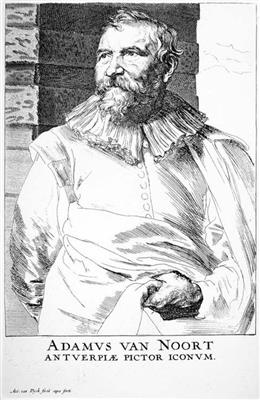
Adam van Noort
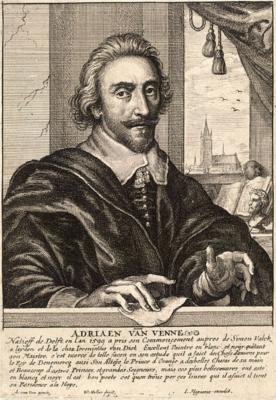
Adriaen van de Venne

Aegidius Sadeler

Agnolo Bronzino
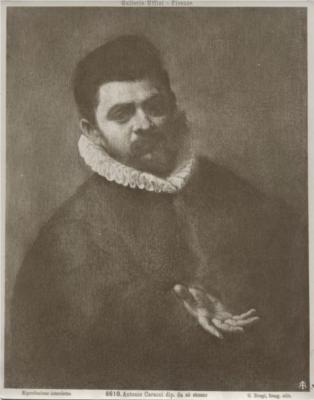
Agostino Carracci
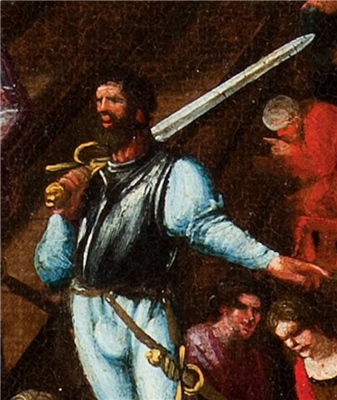
Agostino Tassi
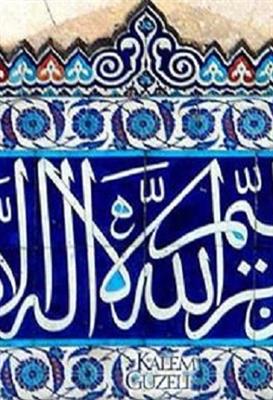
Ahmed Karahisari

Albrecht Altdorfer

Albrecht Dürer
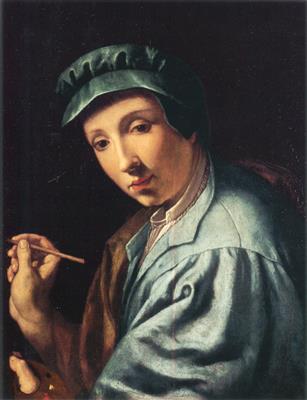
Alessandro Allori
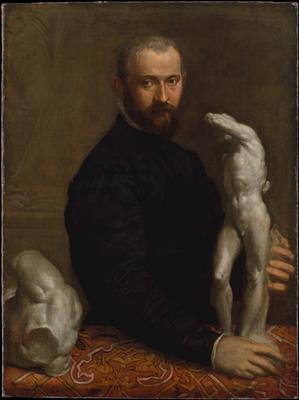
Alessandro Vittoria
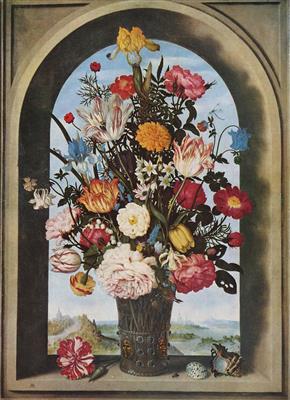
Ambrosius Bosschaert
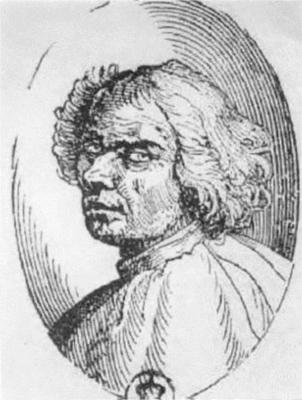
Andrea del Castagno
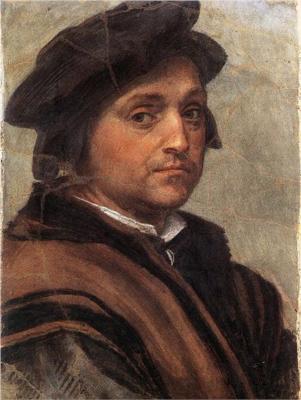
Andrea del Sarto
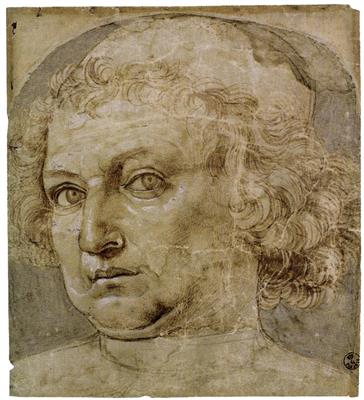
Andrea del Verrocchio

Andrea Mantegna
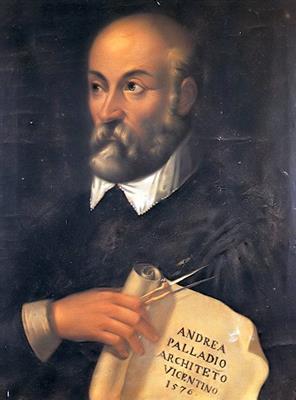
Andrea Palladio
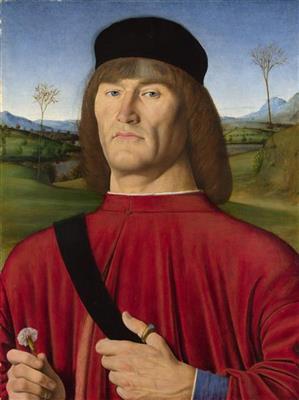
Andrea Solario

Annibale Carracci

Anthony van Dyck
.jpg!Portrait.jpg)
Antonello da Messina
Antoniazzo Romano

Antonio da Correggio
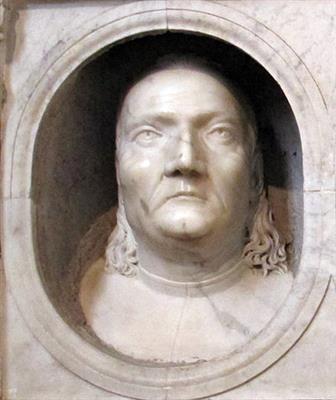
Antonio del Pollaiolo
%2C%20RP-P-1918-1773.jpg?width=800)
Antonio Tempesta

Artemisia Gentileschi
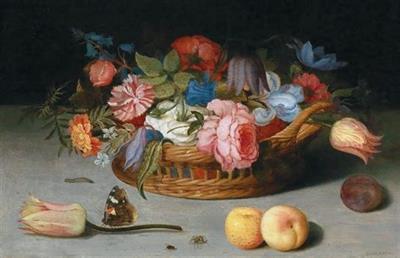
Balthasar van der Ast
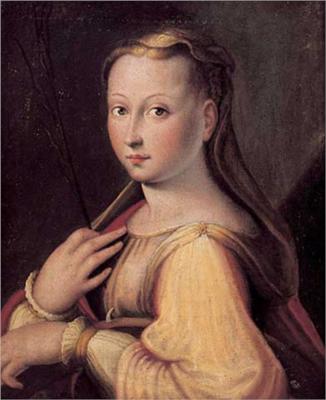
Barbara Longhi
%2C%20by%20Jacob%20Adriaensz%20Backer.jpg?width=800)
Bartholomeus Breenbergh
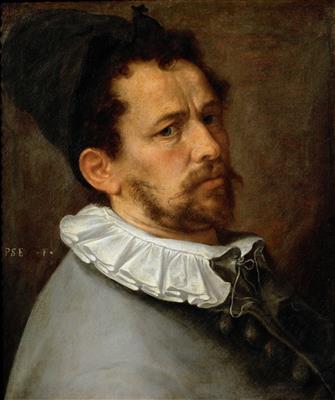
Bartholomeus Spranger
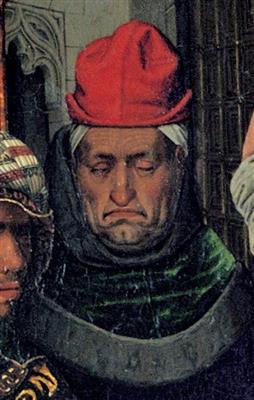
Bartolome Bermejo
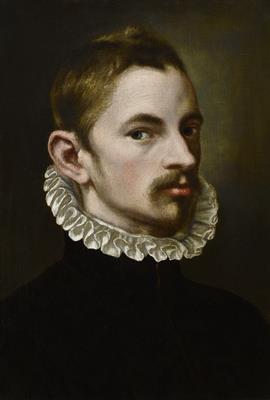
Bartolomeo Passerotti
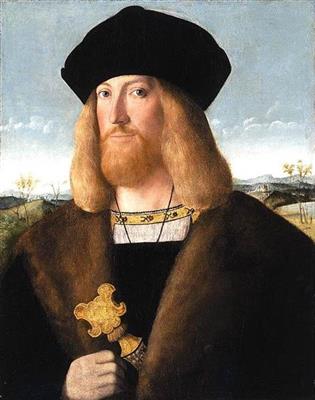
Bartolomeo Veneto
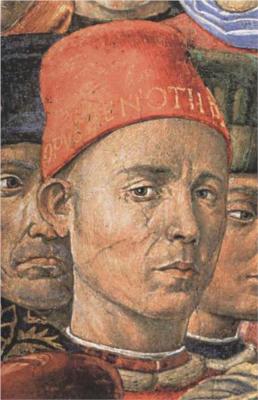
Benozzo Gozzoli
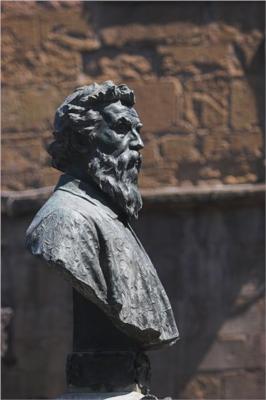
Benvenuto Cellini
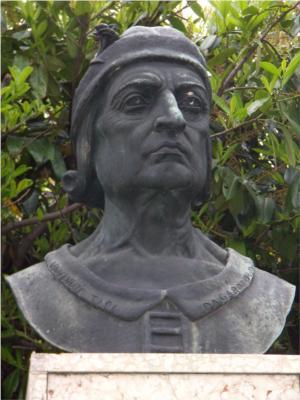
Benvenuto Tisi
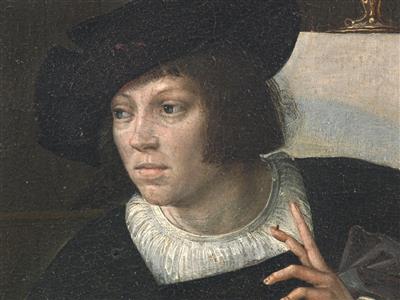
Bernard Van Orley
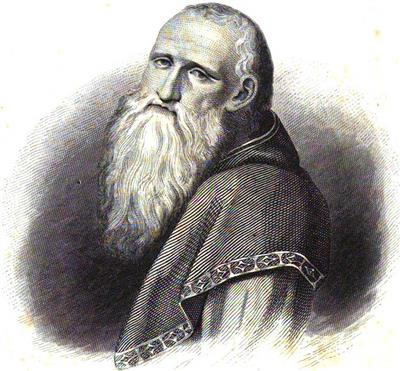
Bernardino Luini
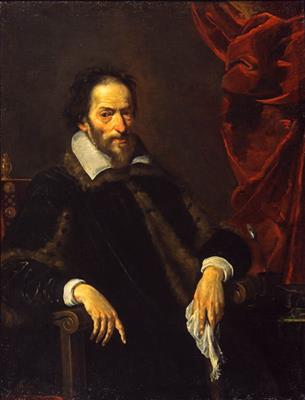
Bernardo Strozzi
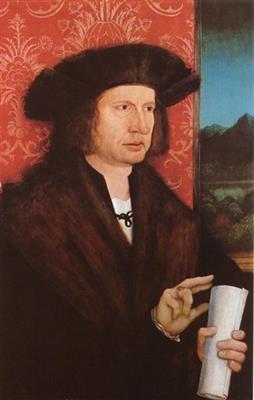
Bernhard Strigel

Caravaggio

Carlo Braccesco
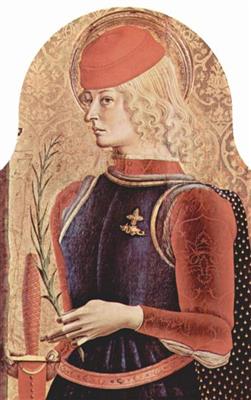
Carlo Crivelli

Carlo Saraceni
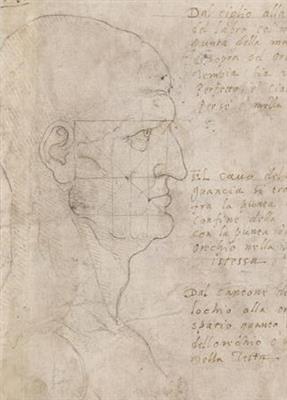
Carlo Urbino
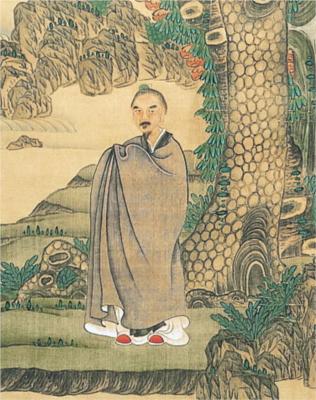
Chen Hongshou

Christoph Jamnitzer

Cima da Conegliano
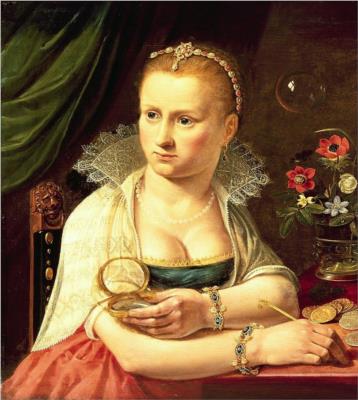
Clara Peeters
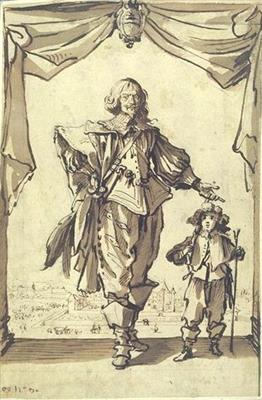
Claude Deruet
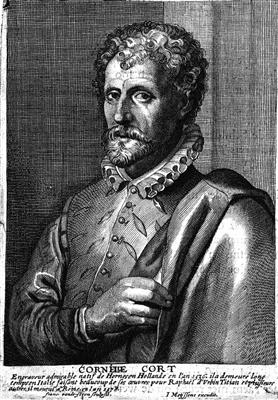
Cornelis Cort
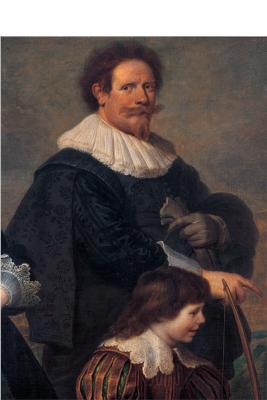
Cornelis de Vos
.jpg?width=800)
Cornelis Schut

Cornelis van Haarlem

Cosimo Tura

Crispijn van de Passe the Elder
Cristofano dell'Altissimo
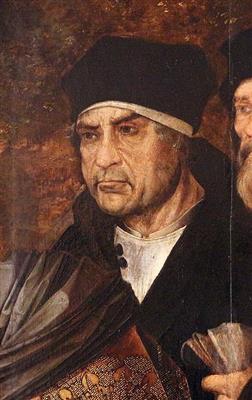
Cristovao de Figueiredo

Daniël Mijtens
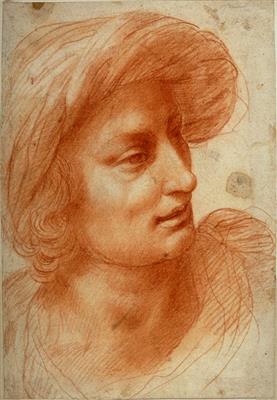
Daniele da Volterra
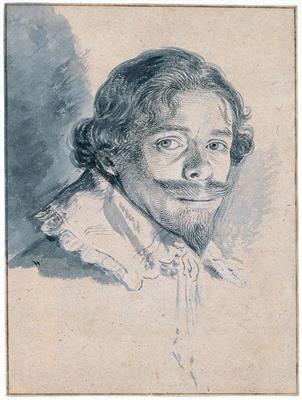
David Bailly

Defendente Ferrari
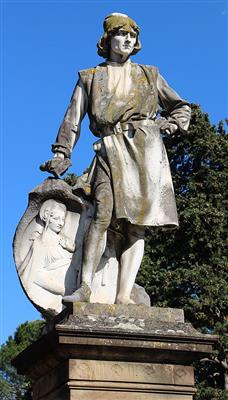
Desiderio da Settignano

Diego Velázquez
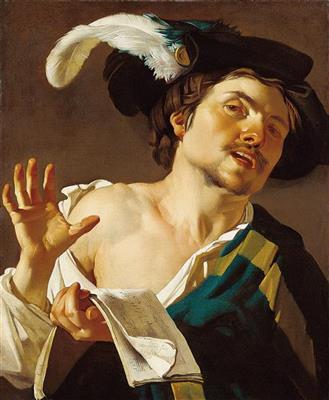
Dirck van Baburen
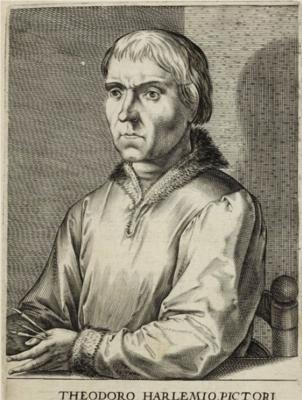
Dirk Bouts
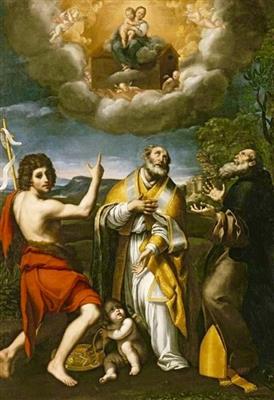
Domenichino
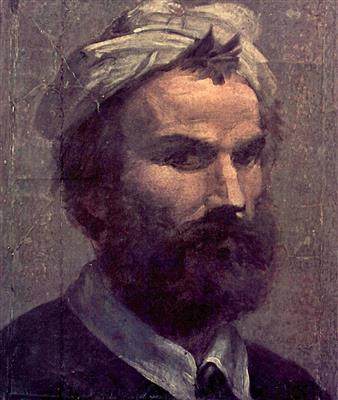
Domenico Beccafumi
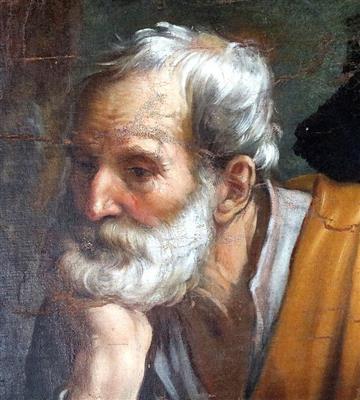
Domenico Fiasella
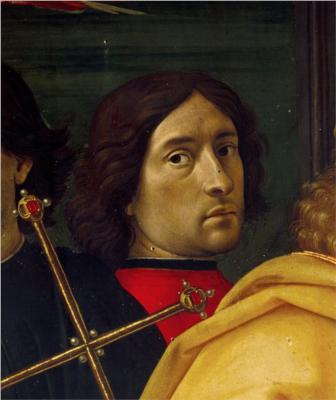
Domenico Ghirlandaio

Domenico Tintoretto
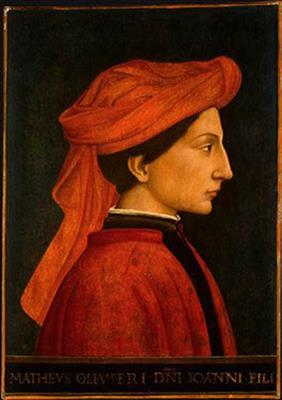
Domenico Veneziano
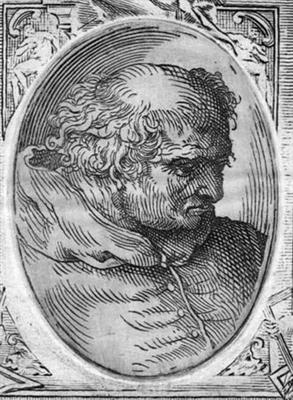
Donato Bramante

Dong Qichang
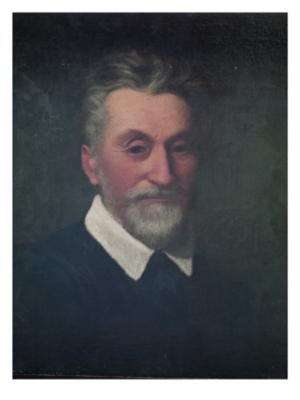
Dosso Dossi

El Greco

Esaias van de Velde
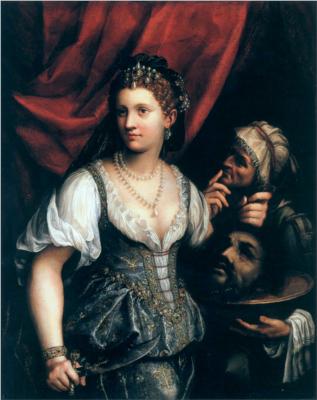
Fede Galizia
Showing the first 80 of 146 artists, alphabetically.
Browse by Era
Frequently Asked Questions
Why is the Renaissance a turning point in art history?
The Renaissance marks a turning point due to its revival of classical ideals and innovations in artistic techniques. The rediscovery of linear perspective, emphasis on humanism, and detailed anatomical study led to a new era of realism and expression in art.Which artists define the Renaissance?
Leonardo da Vinci and Michelangelo are two artists who define the Renaissance. Other important figures include Raphael, Sandro Botticelli, and Hieronymus Bosch, each contributing unique styles and innovations to the era.What's a lesser-known Renaissance artist worth discovering?
Giuseppe Arcimboldo is a lesser-known Renaissance artist whose distinctive portrait style is worth discovering. He is best known for creating imaginative portrait heads made entirely of objects such as fruits, vegetables, flowers, and books.What came after Renaissance art?
The Renaissance transitioned into the Baroque period around 1600. Baroque art is characterised by its drama, emotional intensity, and elaborate ornamentation, building upon the technical advancements of the Renaissance while embracing a more theatrical style.
Love what you see? Take it home.
See all art prints →