


The 19th century was a period of immense change and diversification in the art world. Beginning with Romanticism and Neoclassicism, the century saw the rise of movements like Realism, Impressionism, and Post-Impressionism, each challenging established norms and exploring new ways of representing the world. This era paved the way for modern art, with artists experimenting with abstraction, symbolism, and subjective expression.
Key Movements
Art movements active during the 19th century.
Key Ideas
-
Romanticism's emotional intensity
Rejecting Enlightenment rationalism, Romanticism emphasised emotion, imagination, and the individual experience. Artists explored themes of nature, heroism, and the sublime, often with dramatic and expressive brushwork.
-
Realism's focus on everyday life
In contrast to Romanticism, Realism sought to depict the world as it was, without idealisation or artifice. Artists like Gustave Courbet portrayed ordinary people and scenes from contemporary life, challenging academic conventions.
-
Impressionism's capture of fleeting moments
Impressionism aimed to capture the transient effects of light and atmosphere. Artists such as Claude Monet used broken brushstrokes and pure colours to convey the sensory experience of a particular moment in time.
-
Post-Impressionism's diverse explorations
Post-Impressionism encompassed a range of individual styles that built upon and reacted against Impressionism. Artists like Vincent van Gogh and Paul Cézanne explored subjective expression, symbolism, and formal structure in their work.
-
The rise of Art Nouveau
Emerging in the late 19th century, Art Nouveau sought to integrate art and design in everyday life. Characterised by flowing lines, organic motifs, and decorative ornamentation, it influenced architecture, furniture, and graphic arts.
Key Artists




All 19th Century Artists
791 artists.
A.Y. Jackson
Aaron Douglas

Abanindranath Tagore
Abbott Handerson Thayer

Abdullah Suriosubroto
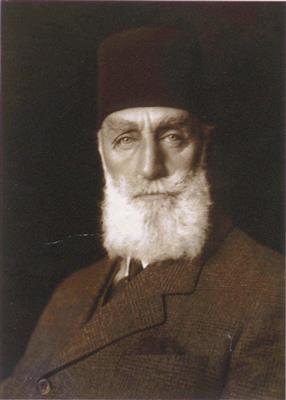
Abdulmejid II

Abraham Jacobus Wendel

Abraham Manievich

Achille Beltrame
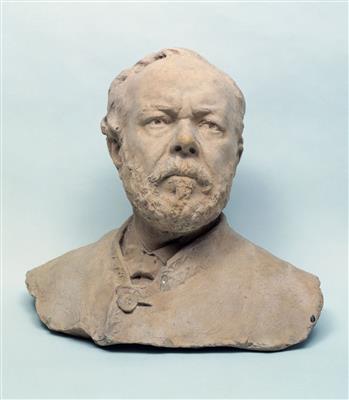
Achille D'Orsi
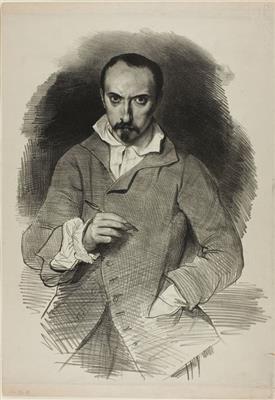
Achille Devéria

Achille Funi

Achille Glisenti
Achille Pinelli
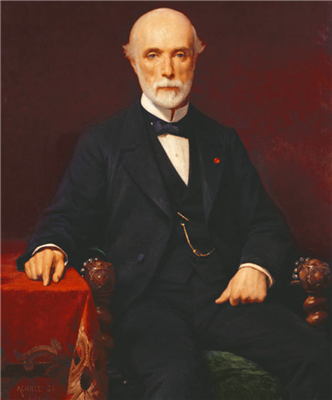
Achille Zo
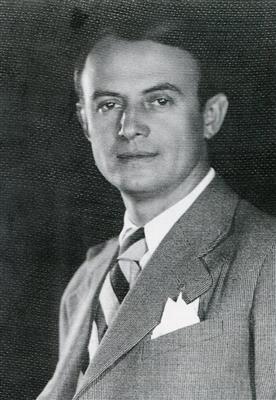
Adalbert Erdeli

Adolf Dietrich
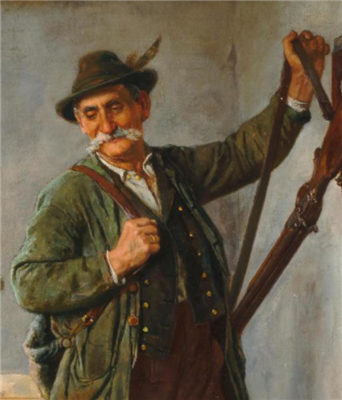
Adolf Eberle
Adolf Fleischmann
Adolf Hirémy-Hirschl

Adolf Holzel

Adolf Wolfli
Adolfo de Carolis

Adolfo Feragutti Visconti
Adolph de Meyer
Adolph Menzel

Adolph Tidemand
.jpg?width=800)
Adolph Treidler
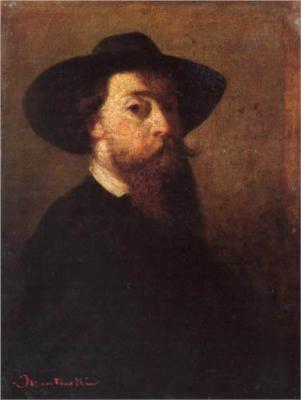
Adolphe Joseph Thomas Monticelli

Adolphe Monticelli
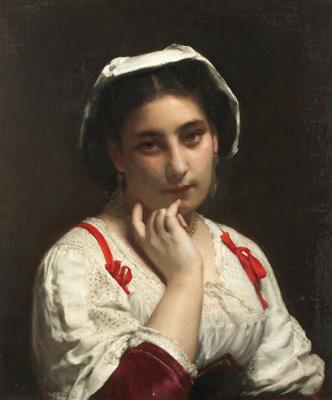
Adolphe Piot

Adolphe Willette
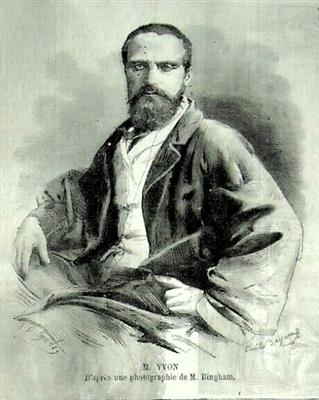
Adolphe Yvon

Adrien Moreau
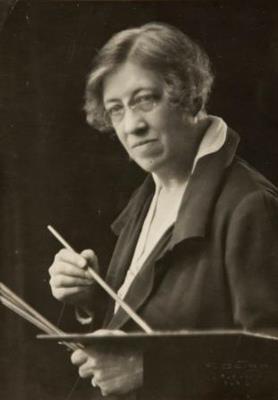
Agnes Goodsir
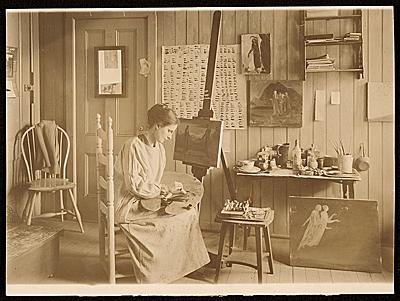
Agnes Lawrence Pelton
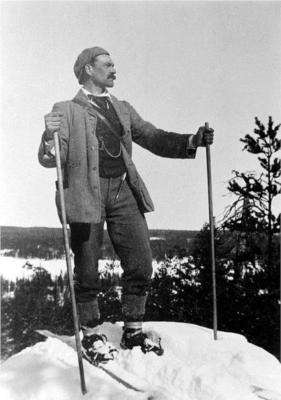
Akseli Gallen-Kallela
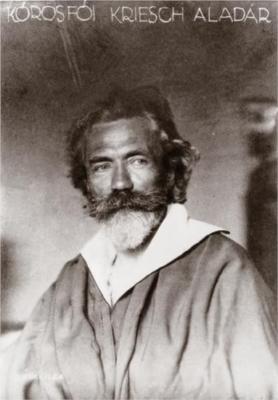
Aladar Korosfoi-Kriesch

Albert Anker
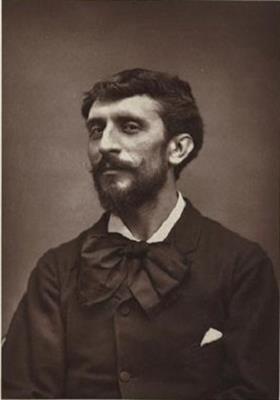
Albert Aublet
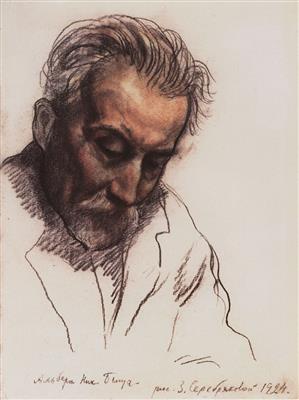
Albert Benois

Albert Bierstadt
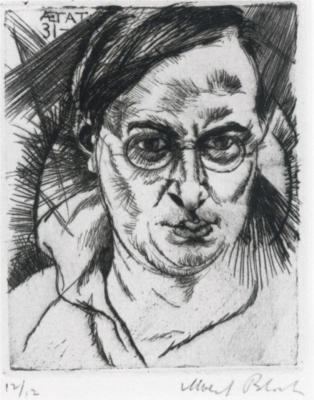
Albert Bloch
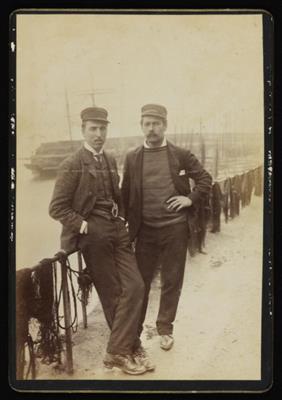
Albert Chevallier Tayler

Albert Dubois-Pillet

Albert Edelfelt
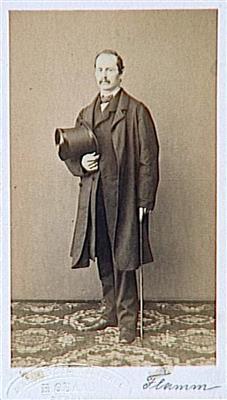
Albert Flamm

Albert Gleizes
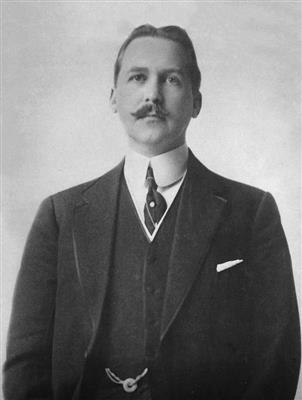
Albert Herter
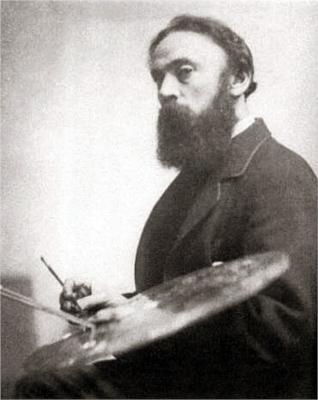
Albert Joseph Moore
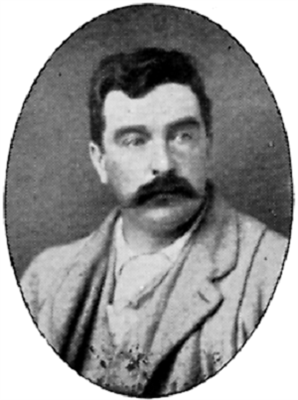
Albert Julius Olsson
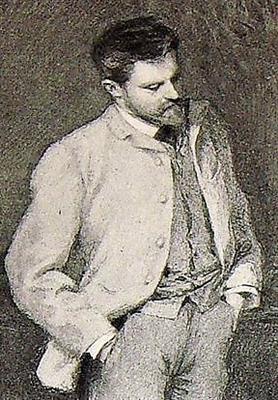
Albert Lynch
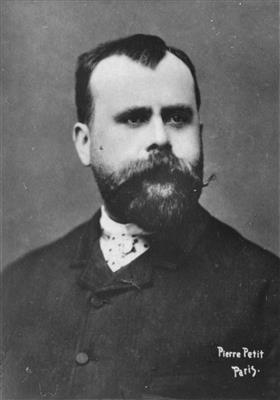
Albert Maignan
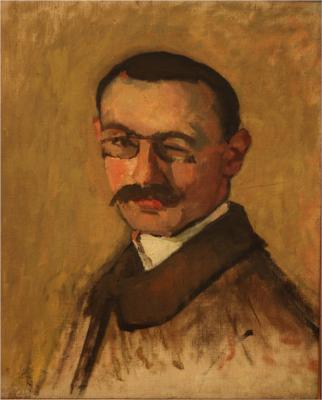
Albert Marquet
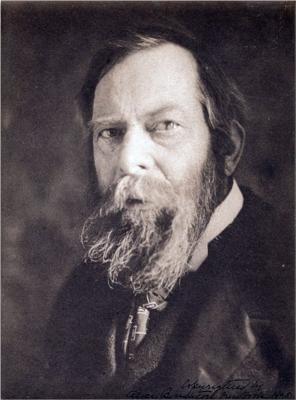
Albert Pinkham Ryder
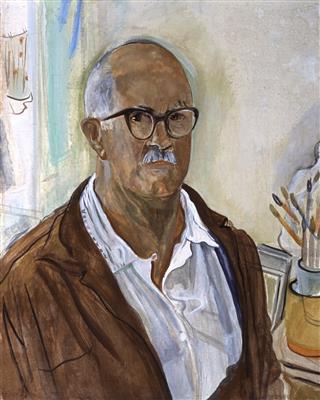
Alberto da Veiga Guignard
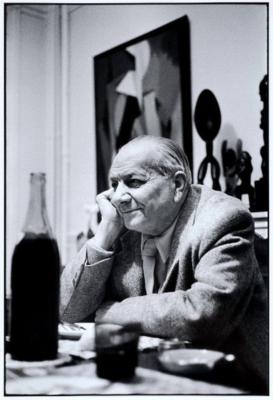
Alberto Magnelli
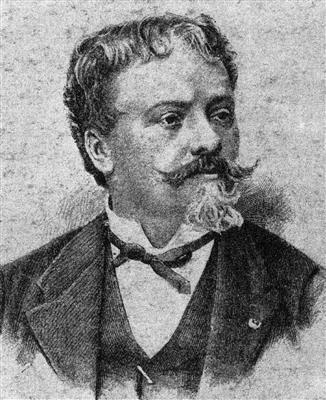
Alberto Pasini
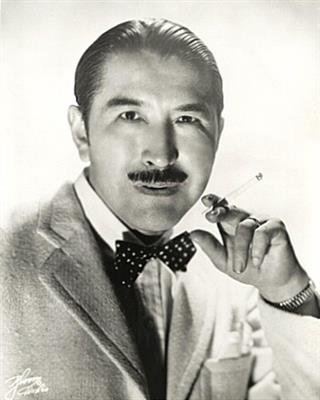
Alberto Vargas
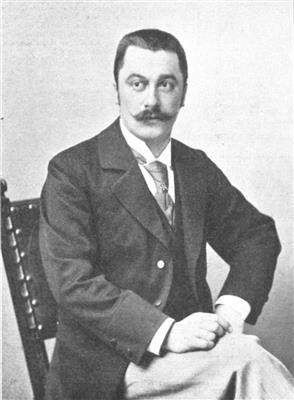
Albin Egger-Lienz
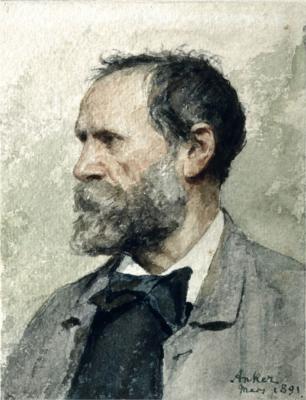
Albrecht Anker
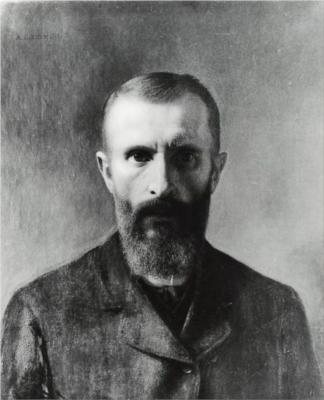
Aleksander Gierymski

Aleksander Kuprin
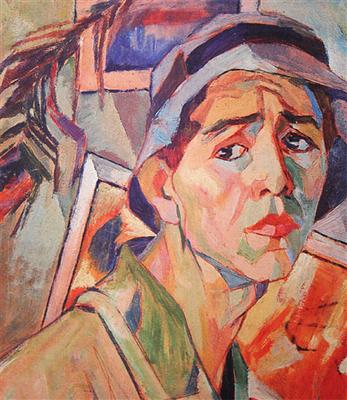
Aleksandr Deyneka
Aleksey Morgunov
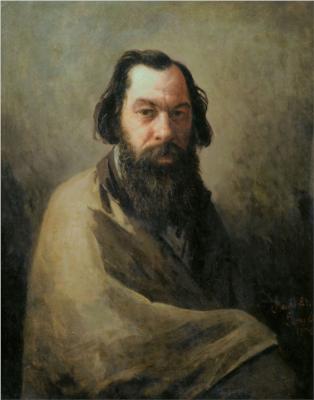
Aleksey Savrasov
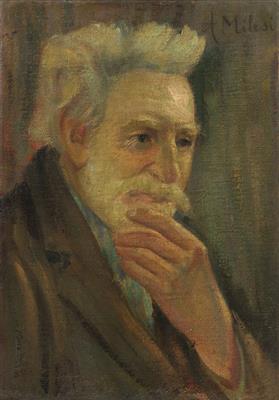
Alessandro Milesi
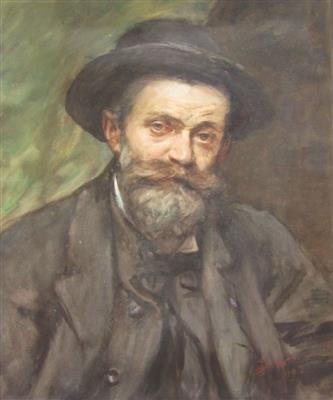
Alessandro Zezzos

Alexander Bazhbeuk-Melikyan

Alexander Calder
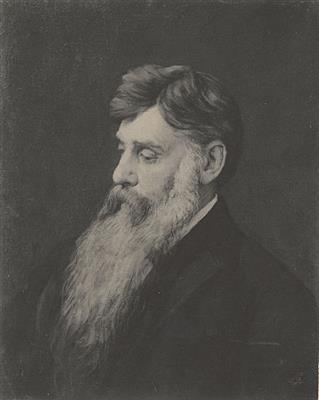
Alexander Helwig Wyant
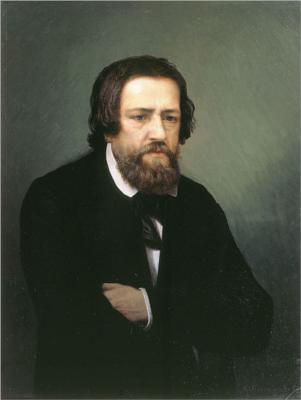
Alexander Ivanov

Alexander Khvostenko-Khvostov

Alexander Osmerkin

Alexander Pope
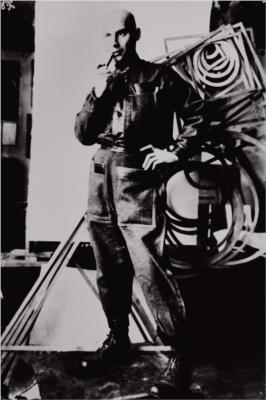
Alexander Rodchenko

Alexander Shevchenko

Alexandra Exter
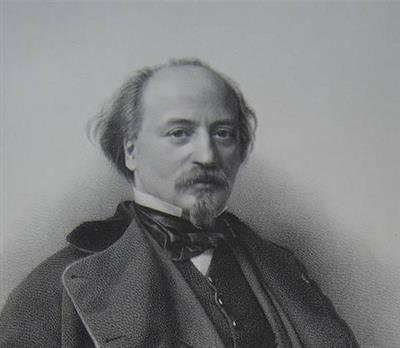
Alexandre Antigna
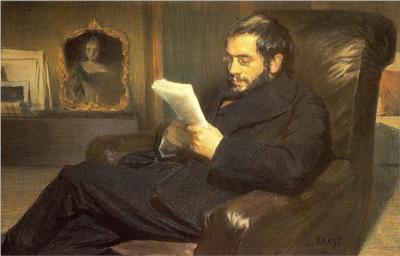
Alexandre Benois
Showing the first 80 of 791 artists, alphabetically.
Browse by Era
Frequently Asked Questions
Why is the 19th century a turning point in art history?
The 19th century saw a rejection of academic standards and the rise of avant-garde movements. Impressionism, for example, broke with traditional techniques, focusing on light and fleeting moments, thereby influencing generations of artists and the course of modern art.Which artists define the 19th century?
Claude Monet and Vincent van Gogh are two artists who define the 19th century. Monet's Impressionistic studies of light, and Van Gogh's emotionally charged Post-Impressionism, both represent the innovative spirit of the era. You can view many works from this period at the Musée d'Orsay in Paris.What's a lesser-known 19th-century artist worth discovering?
Aubrey Beardsley, an English illustrator and author, is worth discovering. His bold, decadent, and often controversial drawings epitomise the Aesthetic movement and offer a unique perspective on the late Victorian era.How did the 19th century end?
The 19th century transitioned into the 20th with the rise of movements like Fauvism and Cubism. These movements, emerging in the early 1900s, further broke with representational traditions, paving the way for abstract art and the diverse artistic expressions of the modern era.
Love what you see? Take it home.
See all art prints →