


The 18th century witnessed a shift from the ornate Rococo style to the more austere Neoclassicism, reflecting changing social and political climates. Rococo, with its emphasis on luxury and leisure, dominated the early part of the century, particularly in France. As the century progressed, Neoclassicism emerged, drawing inspiration from classical antiquity and promoting ideals of order, reason, and civic virtue. This period also saw the rise of Romanticism, which valued emotion and individualism.
Key Movements
Art movements active during the 18th century.
Key Ideas
-
The rise of Neoclassicism
Neoclassicism emerged as a reaction against the extravagance of the Rococo. It sought to revive the artistic principles of ancient Greece and Rome, emphasising symmetry, balance, and clarity.
-
Rococo's playful elegance
Characterised by its ornate decoration, pastel colours, and playful themes, Rococo art reflected the aristocratic tastes of the early 18th century. It often depicted scenes of leisure, love, and mythology.
-
The emergence of Romanticism
Romanticism valued emotion, imagination, and individualism, often depicting dramatic and sublime scenes of nature. Artists like William Blake and Caspar David Friedrich exemplify this movement.
-
The influence of the Enlightenment
The Enlightenment's emphasis on reason and empirical observation influenced artistic production. This is evident in the rise of Neoclassicism and the growing interest in scientific accuracy in art.
-
The development of landscape painting
British landscape painting flourished, with artists like Thomas Gainsborough and John Constable capturing the beauty and variety of the English countryside. These works often reflected contemporary ideas about nature and society.
Key Artists


All 18th Century Artists
100 artists.

Abraham Teerlink
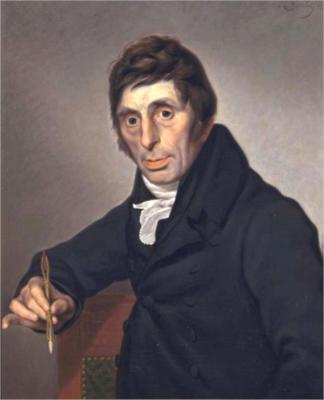
Abraham van Strij
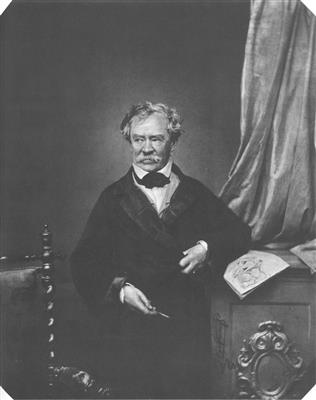
Albrecht Adam
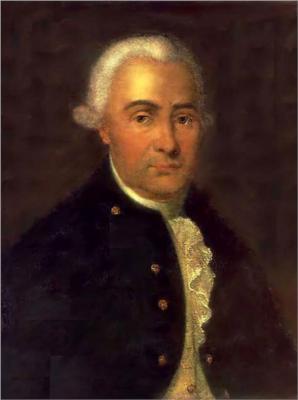
Aleksey Antropov
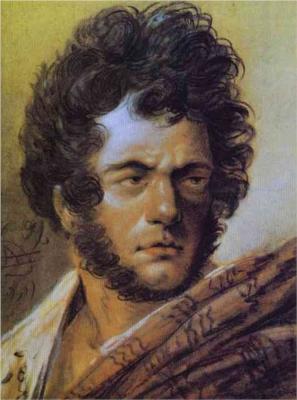
Alexander Orlowski
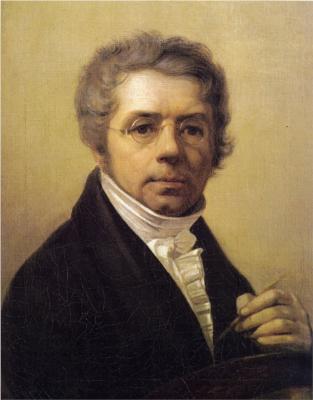
Alexey Venetsianov

Allan Ramsay

Ando Hiroshige
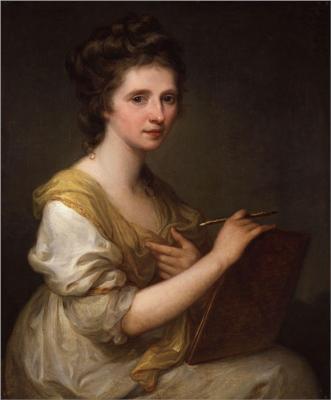
Angelica Kauffman

Angelica Kauffmann
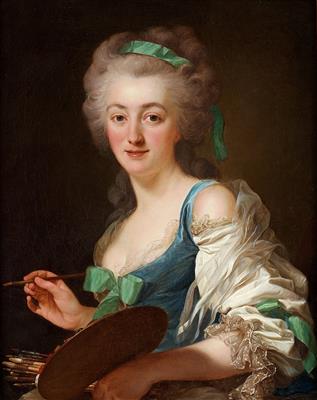
Anne Vallayer-Coster
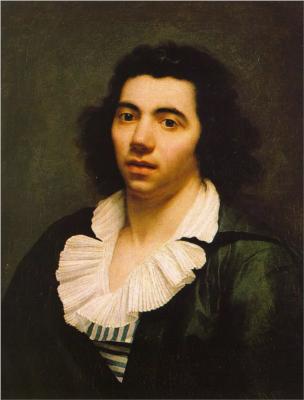
Anne-Louis Girodet
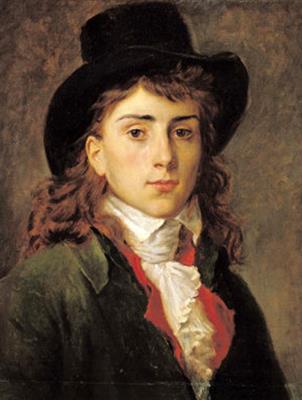
Antoine-Jean Gros
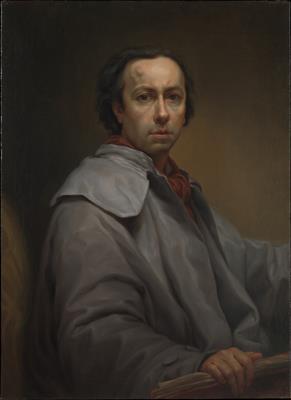
Anton Raphael Mengs
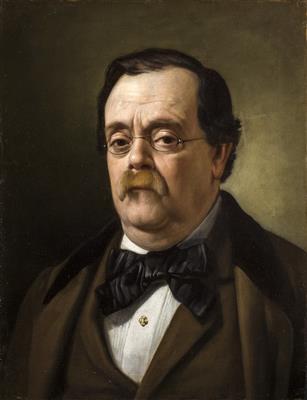
Antonio Cabral Bejarano
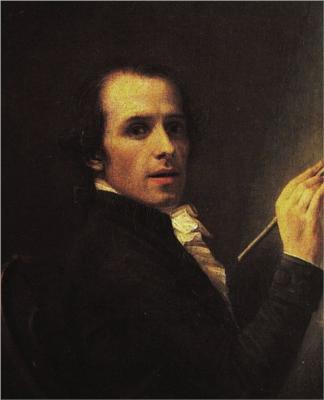
Antonio Canova

Antonio González Velázquez
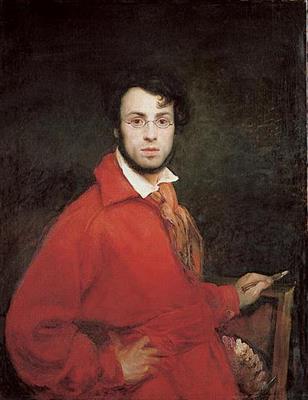
Ary Scheffer

Asher Brown Durand
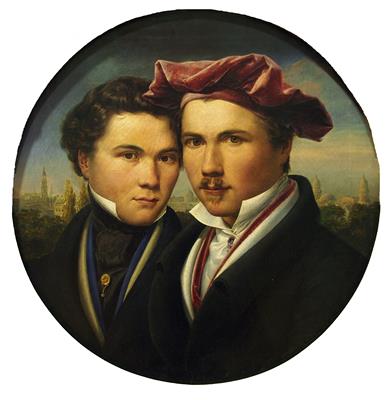
August Ahlborn
.jpg!Portrait.jpg)
Auguste Edouart
Barbara Krafft
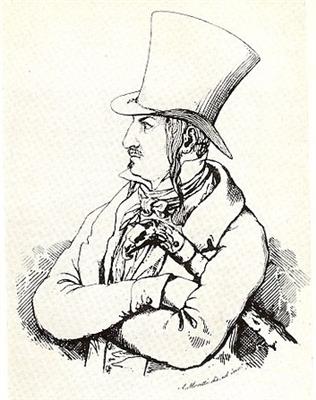
Bartolomeo Pinelli

Benjamin West
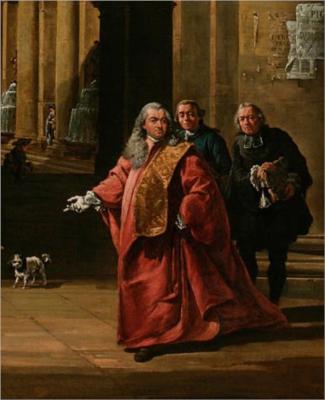
Bernardo Bellotto
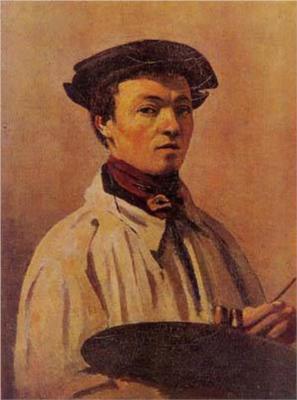
Camille Corot
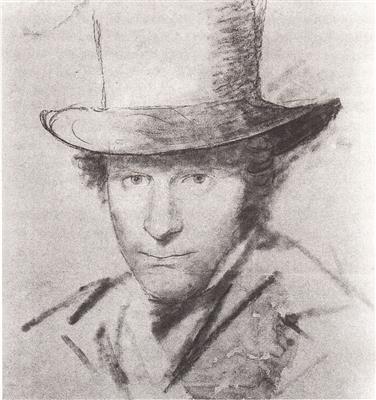
Carl Blechen

Carl Joseph Begas
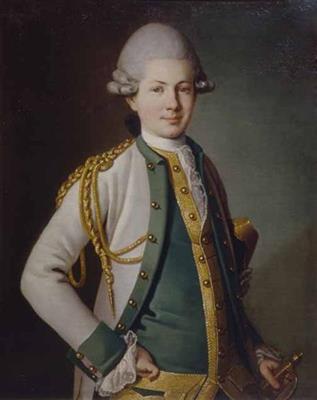
Carl-Ludwig Johann Christineck
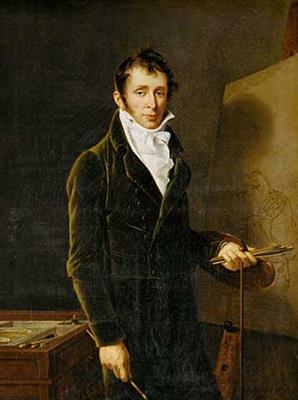
Carle Vernet

Caspar David Friedrich
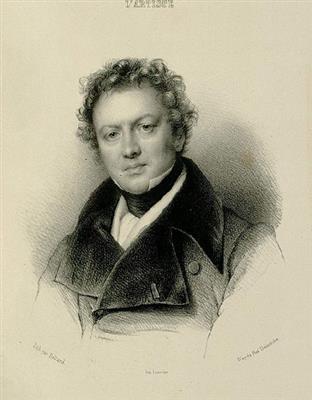
Charles de Steuben

Charles Hayter

Charles Joseph Natoire
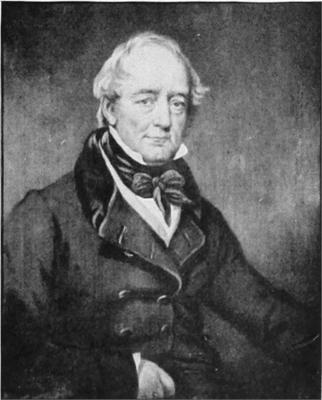
Charles Turner
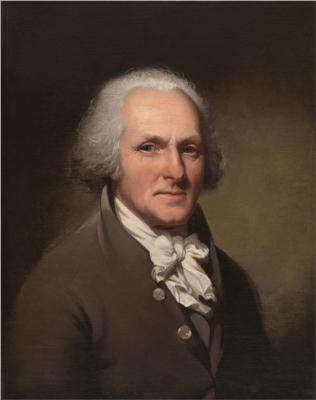
Charles Willson Peale
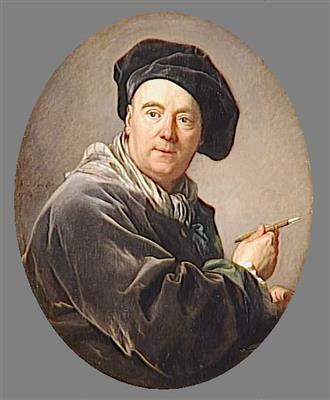
Charles-Andre van Loo (Carle van Loo)
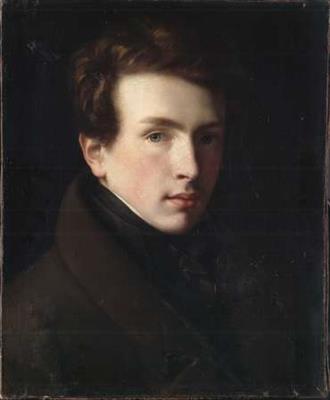
Charles-Philippe Lariviere
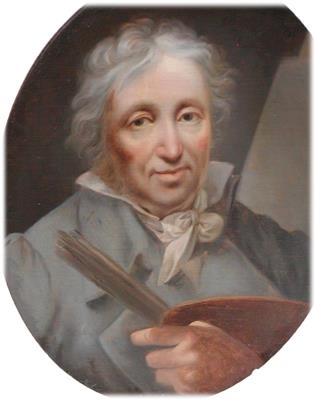
Christian August Lorentzen
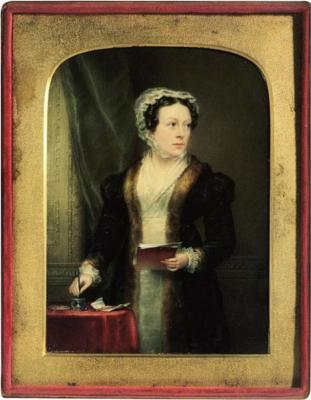
Christina Robertson

Christoffer Wilhelm Eckersberg

Claude Joseph Vernet

Copley Fielding
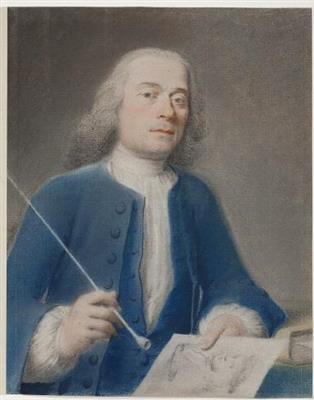
Cornelis van Noorde

Corrado Giaquinto
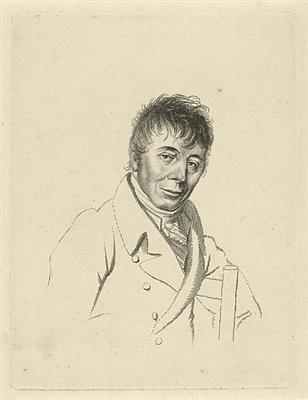
Daniël Dupré

David Allan

David Cox

David Morier

David Roberts
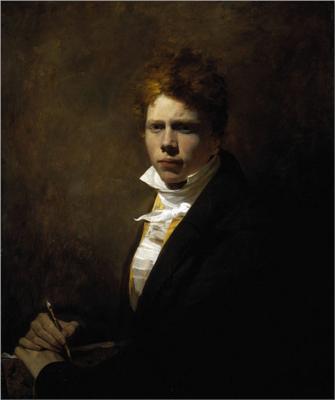
David Wilkie
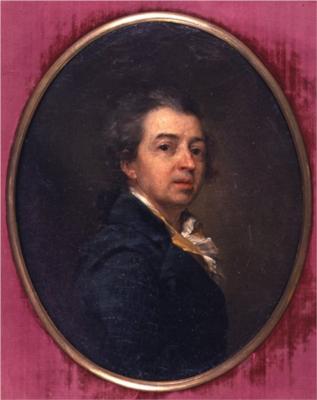
Dmitry Levitzky
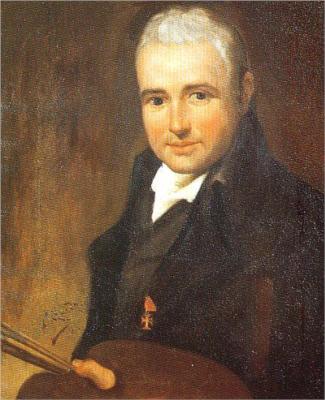
Domingos Sequeira

Edward Dodwell
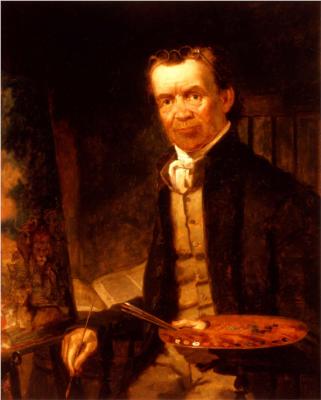
Edward Hicks

Elisabeth Louise Vigee Le Brun
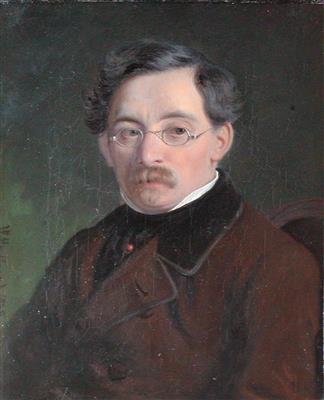
Ernst Meyer

Eugène Delacroix
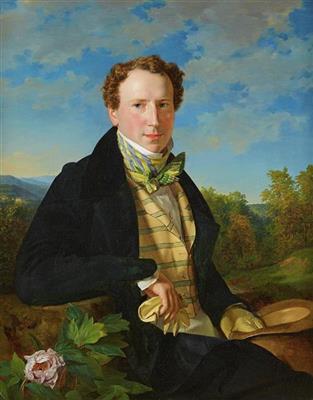
Ferdinand Georg Waldmüller

Francesco Hayez

Francisco Goya

Francois Levaillant

Frederick Richard Lee

Gaspare Traversi

George Jackson

George Stubbs

Giovanni Domenico Tiepolo

Henry Fuseli

Ito Jakuchu

J. M. W. Turner

Jacques Barraband

Jacques-Louis David

Jacques-Philippe Le Bas

James Sowerby

Jean Baptiste Camille Corot

Jean-Auguste-Dominique Ingres

Jean-Honoré Fragonard

Jean-Jacques-François Le Barbier
%20by%20Johann%20Zoffany.jpg?width=800)
Johann Zoffany

John Constable
Showing the first 80 of 100 artists, alphabetically.
Browse by Era
Frequently Asked Questions
Why is the 18th century a turning point in art history?
The 18th century represents a turning point because it saw the decline of the Baroque and Rococo styles and the rise of Neoclassicism, which promoted a return to classical ideals. This shift reflected broader changes in society and thought, particularly the Enlightenment's emphasis on reason and order.Which artists define 18th-century art?
Key artists from this era include Jacques-Louis David, known for his Neoclassical paintings, and Thomas Gainsborough, celebrated for his British portraits and landscapes. Museums like the Louvre in Paris and the National Gallery in London hold significant collections of 18th-century art.What's a lesser-known 18th-century artist worth discovering?
Joseph Wright of Derby is a compelling, but perhaps lesser-known, artist from this period. He is known for his paintings of scientific experiments and industrial scenes, capturing the spirit of the Enlightenment and the burgeoning Industrial Revolution.How did the 18th century end?
The 18th century concluded with the rise of Romanticism, which gained momentum in the late 1700s and early 1800s. This movement, with its focus on emotion and individualism, marked a departure from the Neoclassical emphasis on reason and order.
Love what you see? Take it home.
See all art prints →