



Abraham van Strij
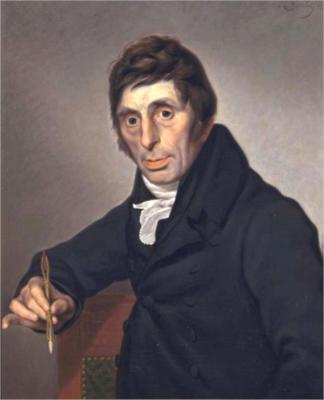
The Dordrecht workshop that Abraham van Strij and his brother Jacob inherited from their father was one of the city's most active artistic institutions. Over several generations, the Van Strij family shaped the visual culture of a city that, a century earlier, had produced Carel Fabritius and Nicolas Maes. Abraham's contribution was not merely to continue a tradition but to train a new generation: his pupils included the marine painter Johannes Christiaan Schotel and landscape painter Pieter Rudolph Kleijn.
Biography
Van Strij was born in Dordrecht in 1753[2]. He and Jacob trained under their father Leendert and later under Joris Ponse before taking over the family practice. Abraham became a member of the Dordrecht Guild of St. Luke and eventually served as its director, a position that placed him at the centre of the city's artistic community. He also taught his son Abraham II, extending the family line into the nineteenth century.
His surviving work includes genre scenes in the manner of the Dutch[2] Golden Age, among them The Drawing Lesson (c. 1800[2]) and Woman Reading at the Window, both showing his interest in interior scenes with careful light. The style reflects the late-eighteenth-century revival of seventeenth-century Dutch domestic painting, positioning van Strij within the broader European rediscovery of Vermeer and de Hooch at a moment when those earlier masters were being re-evaluated.
Van Strij died in Dordrecht in 1826[2].
Timeline
- 1753Born in Dordrecht. He later inherited the family workshop with his brother Jacob.
- 1800Painted the genre scene "The Drawing Lesson".
- 1826Died in Dordrecht.
Notable Works
Tap to view larger.
Where to See Abraham van Strij
1 museum worldwide.
-
 1 works
Newport Museum and Art Gallery
Newport, United Kingdom
Next stop
Browse the movements →
Every movement in the collection, from the Renaissance to Pop art.
Related Artists


Frequently Asked Questions
What is Abraham van Strij known for?
Abraham van Strij is known for genre scenes in the style of the Dutch[2] Golden Age. His surviving works include The Drawing Lesson (c. 1800[2]) and Woman Reading at the Window, both of which demonstrate his interest in interior scenes and careful use of light. His style reflects the late-eighteenth-century revival of seventeenth-century Dutch domestic painting.Who was Abraham van Strij?
Abraham van Strij was an artist from Dordrecht who, with his brother Jacob, inherited the family workshop. The Van Strij family shaped the visual culture of Dordrecht for generations, following in the footsteps of Carel Fabritius and Nicolas Maes. He trained a new generation of artists, including Johannes Christiaan Schotel and Pieter Rudolph Kleijn.What was Abraham van Strij's art style?
Abraham van Strij's art style reflected the late-eighteenth-century revival of seventeenth-century Dutch[2] domestic painting. He worked in the manner of the Dutch Golden Age, demonstrating an interest in interior scenes and careful light. His work positions him within the broader European rediscovery of Vermeer and de Hooch.How did Abraham van Strij die?
Abraham van Strij died in 1826[2] at the age of 73.
Sources
Editorial draws on the following primary and tertiary references for Abraham van Strij.
- [1] museum Newport Museum and Art Gallery Used for: museum holdings.
- [2] wikipedia Wikipedia: Abraham van Strij Used for: biography, birth dates, death dates, identifiers, movement attribution, nationality.
- [3] book Jennifer D. Milam, Historical Dictionary of Rococo Art Used for: biography.
- [4] book Masterpieces of western art : a history of art in 900 individual studies from the Gothic to the present day Used for: biography.
Editorial overseen by Solis Prints. Sources verified 2026-10-07. Click a source for details, or hover over [N] in the page above to preview.
Editorial standardsMethodologyCorrectionsAI disclosureAbout the editorial team