



Dutch art is best known for its Golden Age in the 17th century. During this period, artists moved away from grand historical themes, instead focusing on genre painting, landscapes, and portraiture. This shift marked a turning point in Western art, demonstrating that everyday subjects could be viable and important. The Dutch Republic's innovative spirit fostered a unique artistic environment, characterised by realism and a departure from conventional artistic norms.
Key Movements
12 movements shaped dutch art.
Key Artists


Key Ideas
-
Dutch Realism
Seventeenth-century Dutch art is celebrated for its realism. Artists depicted everyday life, capturing ordinary people and scenes with remarkable detail. This focus on realism was a departure from the more stylised and idealised forms of art prevalent elsewhere in Europe.
-
Genre Painting
Genre painting, which portrays scenes from daily life, flourished in the Netherlands. Artists like Jan Steen excelled in this area, creating narrative-rich works that offered insights into Dutch society, customs, and values. These paintings often contained moral messages or social commentary.
-
The Hague School
Emerging in the late 19th century, the Hague School saw artists move away from academic traditions. They embraced a more naturalistic style, focusing on landscapes and scenes of rural life. Anton Mauve was a leading figure, known for his atmospheric depictions of the Dutch countryside.
-
Modernism
Dutch artists played a role in the development of Modernism. Figures such as Bart van der Leck explored abstract forms and experimented with colour and composition. These artists contributed to the broader European movement, pushing the boundaries of artistic expression.
Museums in Netherlands
28 museums.
Amsterdam (5)
-
Rijksmuseum
Daily 09:00–17:00 · €25 adults, free under-18
-
Stedelijk Museum Amsterdam
-
Amsterdam Museum
Amsterdam in Motion: Mon-Wed 11:30-16:30, Thu-Fri 10:00-17:00, Sat-Sun 10:00-18:00; Huis Willet-Holthuysen: Daily 10:00-17:00
-
Van Gogh Museum
Daily 09:00–18:00, Fridays until 21:00 (with seasonal variations)
-
Frans Buffa & sons


The Hague (4)


Rotterdam (2)


Venlo (2)

Haarlem (2)


Otterlo (1)


Heino (1)


Leeuwarden (1)

s-Hertogenbosch (1)


's-Heerenberg (1)

Maastricht (1)

Spanbroek (1)

Schiphol (1)
All Dutch Artists
518 artists.
%20(cropped).jpg?width=800)
Aat Veldhoen

Abraham Begeyn

Abraham Bloemaert

Abraham Hondius

Abraham Hulk Senior

Abraham Jacobus Wendel

Abraham Johannes Couwenberg

Abraham Lambertsz van den Tempel

Abraham Lion Zeelander
Abraham Mignon

Abraham Rademaker
Abraham Storck

Abraham Teerlink
.jpg?width=800)
Abraham van Beijeren
Abraham van Strij
%20-%20Portrait%20of%20Adam%20de%20Coster.jpg?width=800)
Adam de Coster

Adam Pynacker
Adam van der Meulen

Adam Willaerts

Adolf le Comte
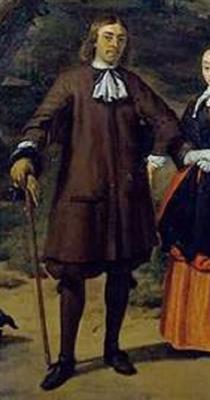
Adriaen van de Velde
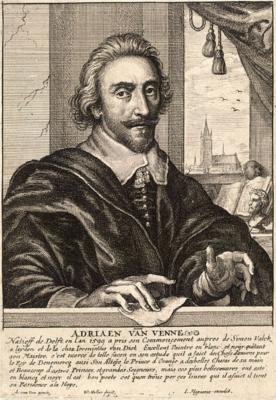
Adriaen van de Venne

Adriaen van der Werff

Adriaen Van Ostade

Adriaen van Stalbemt

Adriaen van Utrecht

Aegidius Sadeler

Aelbert Cuyp

Aert Schouman

Aert van der Neer

Aert van Waes

Aertgen van Leyden

Albert Martin

Albertus Jacobus Besters
%2C%20door%20B.L.%20Hendriks.jpg?width=800)
Alexander Ver Huell
%20Alida%20Withoos%20(1662-1730).jpg?width=800)
Alida Withoos

Allaert Claesz

Allaert van Everdingen
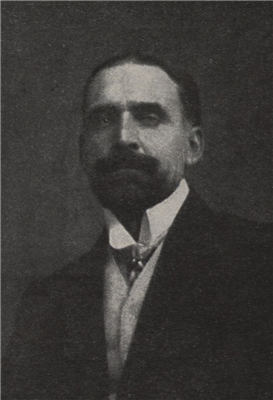
Alois Hans Schram
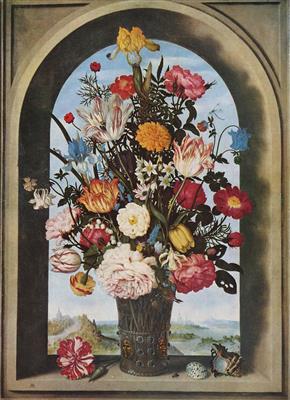
Ambrosius Bosschaert

Andreas Schelfhout

Andries Both

Anna Maria Stork Kruyff

Annie Roland Holst-de Meester

Anthonie Palamedesz.
%20door%20Johan%20Coenraad%20Hamburger%20in%201841.jpg?width=800)
Anthonie Waldorp

Anthony van Dyck

Anton Abraham van Anrooy

Anton Heyboer

Anton Mauve

Anton Molkenboer

Anton van Teijn

Anton Wierix II

Antonie Louis Koster
.jpg?width=800)
Antonie Sminck Pitloo
Antonie Waterloo

Antonis Mor

Antoon Derkinderen

Arent de Gelder

Arnold Boonen

Arnold Houbraken

Arnoldus Johannes Eymer

Ary de Vois
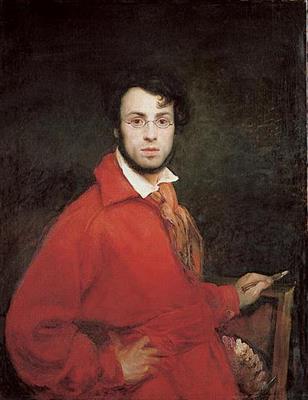
Ary Scheffer

August Allebé

August Le Gras

Balthasar van den Bossche
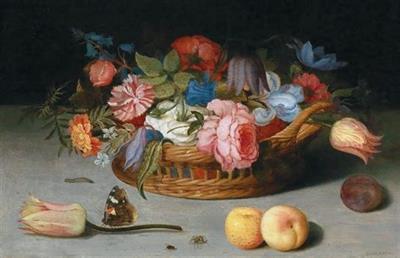
Balthasar van der Ast

Barend Graat
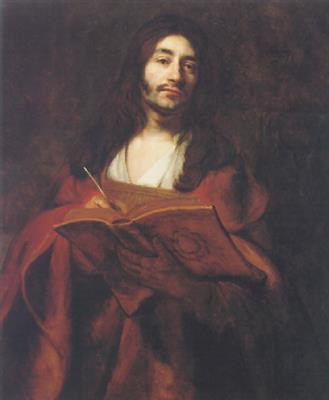
Barent Fabritius
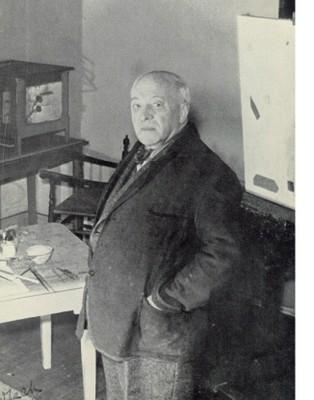
Bart van der Leck

Barthold van Riemsdijk

Bartholomeus Barbiers
%2C%20by%20Jacob%20Adriaensz%20Backer.jpg?width=800)
Bartholomeus Breenbergh
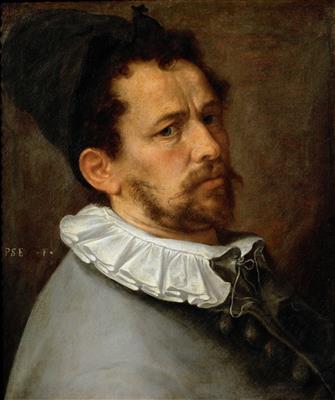
Bartholomeus Spranger

Bartholomeus van der Helst
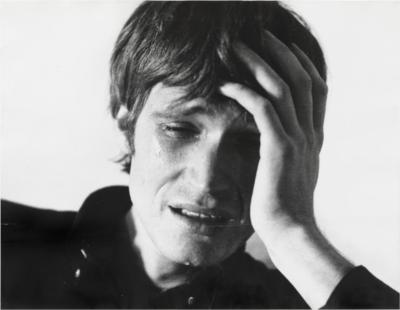
Bas Jan Ader

Bastiaan de Poorter

Ben Wierink
.jpg?width=800)
Bernard te Gempt
Showing the first 80 of 518 artists, alphabetically.
Frequently Asked Questions
What is the Netherlands' greatest contribution to art?
The Netherlands' greatest contribution to art is its role in developing genre painting during the Dutch Golden Age. This period saw a shift away from history paintings, with artists focusing on everyday scenes and subjects. This change marked a turning point in Western art, demonstrating that less grandiose subjects could produce viable art.Who are the most important Dutch artists to know?
Several Dutch artists have made significant contributions to art history. Rembrandt is a key figure from the Golden Age, known for his portraits and use of light. Anton Mauve, associated with the Hague School, captured the Dutch landscape with a distinctive atmospheric style.Which Dutch artist is underappreciated?
Cornelis Springer, while not as famous as some of his contemporaries, offers a fascinating look at Dutch urban environments. His paintings document the architecture and atmosphere of Dutch towns, providing a valuable historical record. His work deserves greater recognition for its detail and historical insight.When did the Netherlands develop a distinctive national style?
The Netherlands developed a distinctive national style during the Dutch Golden Age in the 17th century. This period saw artists move away from traditional historical painting. They embraced realism and focused on genre scenes, landscapes, and portraits, establishing a unique artistic identity.
Love what you see? Take it home.
See all art prints →