



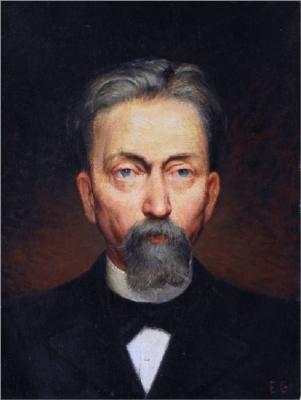
About Emile Galle
- École de Nancy
- Art Nouveau
French[3] Art Nouveau[3] master who transformed glass-making into botanical art through cameo carving, acid-etching, and marqueterie de verre techniques.
Where to see Emile Galle
Collection holdings are reported here; current display varies. Check with each museum before visiting.
-
19 recorded works
National Gallery of Armenia
Yerevan, Armenia
Also here (6)
-
 4 recorded works
Cleveland Museum of Art
Cleveland, United States

-
4 recorded works
Museum of Fine Arts of Lyon
Lyon, France
-
 3 recorded works
Art Institute of Chicago
Chicago, United States
-
3 recorded works
Musée d'Orsay
Paris, France
-
 2 recorded works
Musée des Arts Décoratifs
Paris, France
-
2 recorded works
Smithsonian American Art Museum
Washington D.C., United States
-
1 recorded work
Cooper Hewitt, Smithsonian Design Museum
New York City, United States
-
1 recorded work
Museum of Fine Arts of Reims
Reims, France
-
1 recorded work
Musée des Beaux-Arts de la ville de Paris
Paris, France


Frequently Asked Questions
Where can I see Emile Galle's work?
Émile Gallé's glasswork and furniture are held in many public collections. The Musée d’Orsay in Paris has several examples of his Art Nouveau[3] glass pieces, including lamps and vases. The Corning Museum of Glass in New York also holds a selection of Gallé's glass creations, illustrating his technical innovations. Closer to Gallé's home, the Musée de l’École de Nancy in Nancy, France, has perhaps the most comprehensive collection. This museum is dedicated to the École de Nancy, an art collective of which Gallé was a founder and leading figure. The collection includes not only glass but also furniture, drawings, and other decorative arts, providing a broad view of his artistic output and its regional context. Smaller collections can be found in museums worldwide, such as the Metropolitan Museum of Art in New York and the Victoria and Albert Museum in London. These may feature individual pieces within broader decorative art displays. Auction houses and specialist dealers also handle Gallé's work, offering opportunities to view pieces that occasionally become available on the market.What should I know about Emile Galle's prints?
Émile Gallé (1846[3]-1904[3]) was a French[3] artist and designer who worked in glass, ceramics, furniture, and jewellery. Born in Nancy, Lorraine, he studied botany, art history, and drawing before learning glassmaking at his father's studio and at Burgun, Schverer & Co. in Meisenthal. He established his own workshop in 1873[3]. Gallé's early works featured pale green, yellow, brown, or clear glass with Rococo shapes and enamelled decoration. These designs drew influence from French medieval history and Japanese art. Flowers, plants, insects, and trees were common motifs, often informing the decorative details. He innovated with techniques such as patination, acid-etching, applied glass cabochons, swirling colours, and metallic foils. Some pieces employed a unique *marquetrie de verre* process, pressing and rolling slabs of hot coloured glass. From 1900, Gallé's firm moved into mass production, manufacturing carved cameo glass comprising up to five layers of different coloured glass. The outer layers were carved, and metallic foil was often added between layers. After Gallé's death in 1904, his son-in-law Paul Perdrizet directed the firm, continuing mass production of older designs. The factory closed in 1931.Why are Emile Galle's works important today?
Émile Gallé (1846[3]-1904[3]) was a glassmaker, ceramicist, and furniture designer. He is best known as a figure in the Art Nouveau[3] movement. His work is important for several reasons. Gallé's glasswork, often inspired by botanical forms, is notable for its technical innovations. He experimented with layering glass, acid etching, and inclusions to create complex, naturalistic effects. His designs moved away from symmetry, embracing organic shapes and flowing lines that defined Art Nouveau. Gallé's factory produced a wide range of objects, from vases and lamps to furniture and ceramics. These items were widely distributed and helped popularise Art Nouveau style internationally. His firm employed many designers and artisans, contributing to the growth of decorative arts. Beyond aesthetics, Gallé was interested in symbolism and often incorporated literary or poetic references into his work. This intellectual dimension adds another layer to his creations. He was also politically engaged, expressing his views on social issues through his art. His work continues to be collected and studied by those interested in the history of design, glassmaking, and the Art Nouveau era.What techniques or materials did Emile Galle use?
Émile Gallé, born in Nancy, France, in 1846[3], studied botany, art history, and drawing before learning glassmaking. He gained skills at his father’s studio in Nancy and at Burgun, Schverer & Co. in Meisenthal. By 1873[3], he had established his own workshop. Gallé's early works used pale green, yellow, brown, or clear glass with Rococo shapes and enamelled decoration. These designs often featured flowers, plants, insects, and trees. He also employed a unique *marquetrie de verre* technique, pressing and rolling slabs of hot coloured glass. Gallé moved away from enamelled glass toward innovative methods. These included patination, acid-etching, applied glass cabochons, swirling colours, and layered decoration of metallic foils. From 1900, his firm went into mass production of carved cameo glass. These pieces were made from up to five layers of different coloured glass, with carved outer layers. Metallic foil was often added between the layers to emphasise decoration. Gallé's glassworks expanded, and he incorporated new materials, such as carved and etched glass and *pâte de verre*. He also developed new vase forms in previously unseen colours. Artisans produced his designs, signing the pieces after Gallé's approval. Gallé died in 1904[3], but his firm continued production until 1931.Who did Emile Galle influence?
Émile Gallé, born in Nancy, France, in 1846[3], was a significant figure in the Art Nouveau[3] movement. He studied botany, art history, and drawing before learning glassmaking from his father and at Burgun, Schverer & Co. By 1873[3], he had his own workshop. Gallé's early glasswork featured Rococo shapes and enamelled decoration, drawing inspiration from French[3] medieval history and Japanese art. His designs often used flowers, plants, insects, and trees. He innovated with techniques such as acid-etching, metallic foils, and layered coloured glass. From 1900, his firm manufactured carved cameo glass. In 1901, Gallé, along with other artists like Majorelle and Daum, founded the School of Nancy, where he also served as president. After Gallé's death in 1904[3], his son-in-law, the art historian Paul Perdrizet, managed the firm, continuing production of older designs. Victor Prouvé then became the leader of the École de Nancy. The firm closed in 1931, and the workshops were later destroyed.Who influenced Emile Galle?
Émile Gallé, born in Nancy in 1846[3], was influenced by a range of sources. He studied botany, art history, and drawing before learning glassmaking from his father and at Burgun, Schverer & Co. in Meisenthal. His early glass pieces, made before he established his own workshop in 1873[3], featured Rococo shapes and enamelled decoration. These designs drew inspiration from French[3] medieval history and Japanese art. Flowers, plants, insects, and trees frequently appeared in his work; they were not mere surface decoration, but models for decorative details. Gallé also spent time in London and Paris, visiting museums and botanical gardens. He studied plants, animals, and insects, creating detailed reproductions for later use in his decorative work. Victor Prouvé, whom he met around 1870, became a close friend and colleague. In 1901, Gallé founded the École de Nancy, along with Louis Majorelle and Antonin and Jean-Auguste Daum. Gallé died in 1904[3].What is Emile Galle's most famous work?
It is difficult to name one single work as Emile Gallé's most famous, as he was prolific in glasswork, ceramics, and furniture design. He is best known as a glass artist, and some of his most celebrated pieces include elaborate vases and lamps. These often featured botanical motifs, reflecting his interest in botany. Gallé's glasswork frequently incorporated innovative techniques, such as layering different colours of glass and acid etching, to create depth and detail. His pieces often reflect themes of nature, symbolism, and poetry, aligning with the Art Nouveau[3] movement. Although it is challenging to single out one specific piece, his dragonfly- and flower-themed glassworks are among his most recognisable and sought after.What style or movement did Emile Galle belong to?
Émile Gallé (1846[3]-1904[3]) is associated with the Art Nouveau[3] style. Born in Nancy, France, he studied botany, art history, and drawing before learning glassmaking from his father and at Burgun, Schverer & Co. In 1873[3], Gallé established his own glass studio. He drew inspiration from plants, animals, and insects, incorporating these into his designs. His early works featured pale green, yellow, brown, or clear glass, with Rococo shapes and enamelled decoration influenced by French[3] medieval history and Japanese art. He employed innovative materials like carved and etched glass and pâte de verre. He also developed new glass vase forms with unusual colours. Gallé's glass creations earned him the Grand Prize at the 1889 Exposition. In 1901, he founded the School of Nancy with other artists, serving as its President. He participated in the Exposition of Decorative Arts in Turin, Italy, the following year. After his death, his widow managed the glassworks until the First World War. The factory finally closed in 1935.
Sources
Where to See guide aggregates verified holdings of Emile Galle's works across the following collections.
- [1] museum Cleveland Museum of Art Used for: museum holdings.
- [2] museum Art Institute of Chicago Used for: museum holdings.
- [3] wikipedia Wikipedia: Emile Galle Used for: biography.
- [4] book Judith Miller, Art Deco (Collector's Guides) Used for: biography, stylistic analysis.
- [5] book Jean Lahor, Art Nouveau Used for: biography.
- [6] book Uecker, Wolf, Art nouveau and art deco lamps and candlesticks Used for: biography, stylistic analysis.
- [7] book Judith Miller, DK Collector's Guides: Art Deco Used for: biography, stylistic analysis.
Editorial overseen by Solis Prints. Sources verified 2026-09-30. Click a source for details, or hover over [N] in the page above to preview.
Editorial standardsMethodologyCorrectionsAI disclosureAbout the editorial team