


The 17th century saw the rise of the Baroque style, characterised by drama, grandeur, and elaborate ornamentation. This period also witnessed the Dutch Golden Age, a time of exceptional artistic production in the Netherlands. Realism gained prominence, with artists focusing on detailed depictions of everyday life, portraits, and landscapes. The century saw significant developments in technique and subject matter, influencing artistic movements for centuries to come.
Key Movements
Art movements active during the 17th century.
Key Ideas
-
The Baroque Style
Baroque art is known for its dramatic use of light and shadow, emotional intensity, and ornate details. It aimed to evoke a sense of awe and wonder in the viewer, often employed in religious and palatial settings.
-
Dutch Realism
In contrast to the Baroque's grandeur, Dutch Realism focused on the everyday lives of ordinary people. Artists depicted scenes of daily life, portraits, and landscapes with meticulous detail and accuracy.
-
Still Life Painting
Still life emerged as a popular genre, particularly in Dutch art. These paintings often featured arrangements of objects, such as flowers, food, and household items, rendered with remarkable realism.
-
The Catholic Reformation
The Catholic Reformation influenced Baroque art, with many works commissioned to promote Catholic teachings and inspire religious fervour. These artworks often featured dramatic scenes and emotional portrayals of saints and biblical figures.
Key Artists
All 17th Century Artists
76 artists.
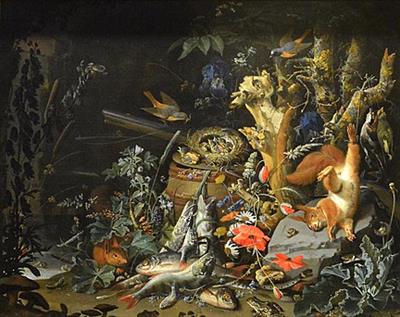
Abraham Mignon
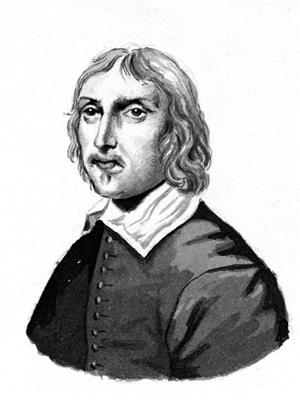
Abraham Storck
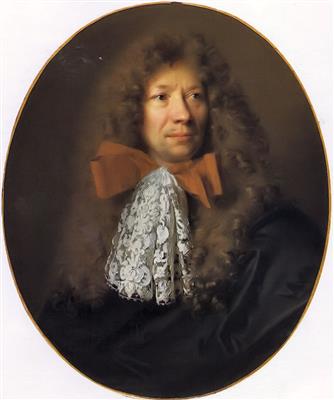
Adam van der Meulen

Adriaen Brouwer
Adriaen van de Velde

Adriaen Van Ostade

Aelbert Cuyp

Aert van der Neer

Alexey Zubov
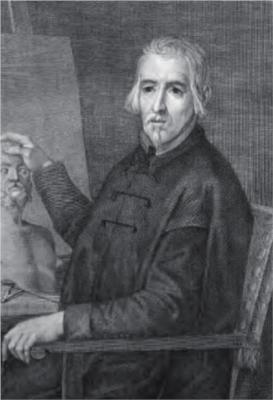
Alonzo Cano
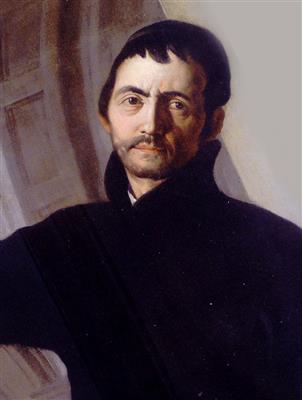
Andrea Pozzo
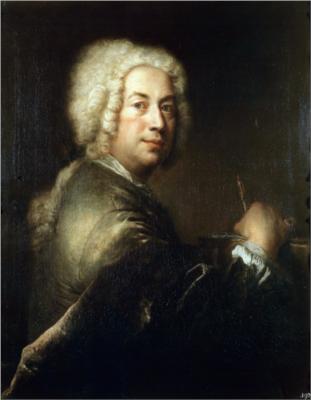
Antoine Pesne
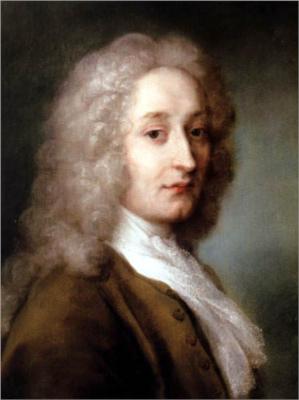
Antoine Watteau
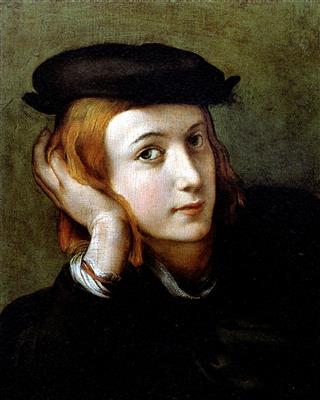
Antonio Corradini
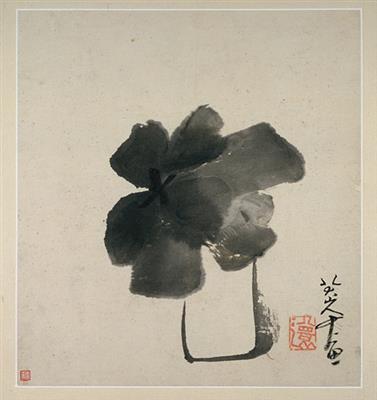
Bada Shanren
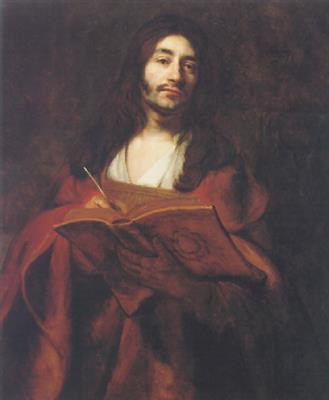
Barent Fabritius

Bartholomeus van der Helst

Bartolome Esteban Murillo
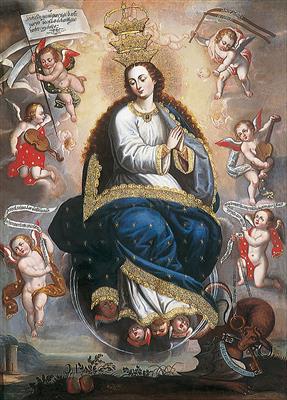
Basilio Santa Cruz Pumacallao

Canaletto
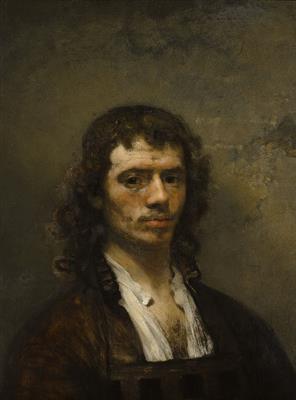
Carel Fabritius

Carlo Dolci

Caspar Netscher
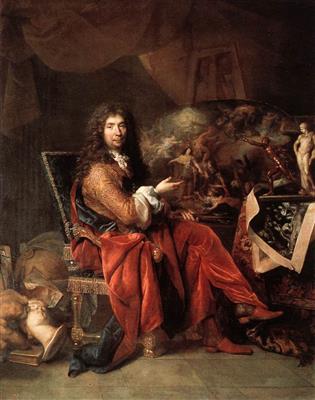
Charles Le Brun
%20cropped.jpg?width=800)
Claude Gillot

Claude Lorrain
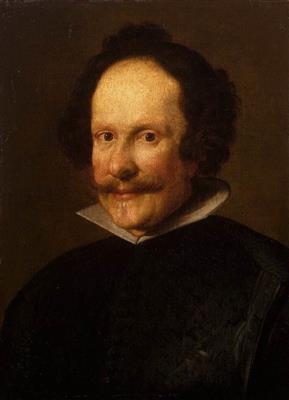
Claudio Coello

Cornelis Norbertus Gijsbrechts

Cornelis Saftleven

David Teniers The Younger

Eglon van der Neer

Elisabetta Sirani

Erasmus Quellinus II

Eustache Le Sueur
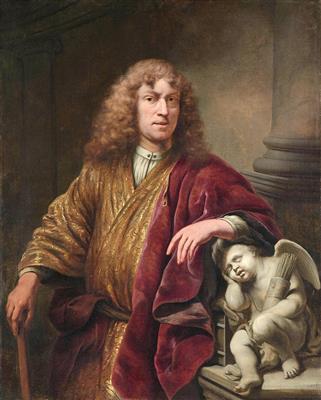
Ferdinand Bol

Giovanna Garzoni

Giovanni Battista Gaulli

Giovanni Battista Piazzetta

Giovanni Battista Tiepolo

Giovanni Paolo Panini

Godfried Schalcken

Govert Flinck

Guido Cagnacci

Hendrick Bloemaert

Jacob van Ruisdael

Jacques d'Arthois

Jan Steen

Jan van Huysum

Jan van Kessel the Elder

Jean-Baptiste Oudry

Johann Heinrich Schönfeld

Johannes Vermeer

Juan de Pareja
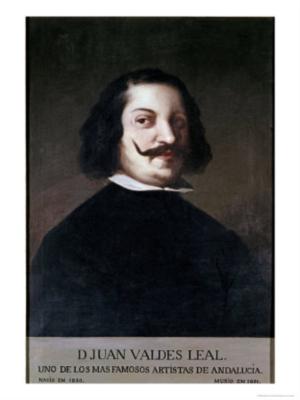
Juan de Valdes Leal

Judith Leyster

Lorenzo Lippi
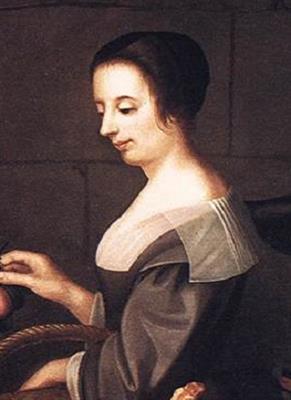
Louise Moillon

Luca Giordano

Maria Sibylla Merian

Mattia Preti

Meindert Hobbema

Nicolaes Pieterszoon Berchem

Ogata Korin

Pedro De Mena

Peter Lely

Philippe de Champaigne

Pieter de Grebber

Pieter de Hooch

Pieter Jansz. Quast

Rembrandt van Rijn

Sebastiano Ricci

Sébastien Bourdon

Wallerant Vaillant

Wilhelm Schubert van Ehrenberg

Willem Drost

William Hogarth
Browse by Era
Frequently Asked Questions
Why is the 17th century a turning point in art history?
The 17th century marks a turning point due to the rise of the Baroque style, which broke from Renaissance classicism with its emphasis on drama and emotion. Simultaneously, the Dutch Golden Age saw the development of realism and genre painting, shifting the focus to everyday life and detailed observation.Which artists define 17th-century art?
Several artists define this period, including Rembrandt van Rijn, known for his dramatic portraits and biblical scenes, and Johannes Vermeer, celebrated for his intimate genre paintings. You can view works by both artists at the National Gallery in London.What's a lesser-known 17th-century artist worth discovering?
Judith Leyster was a Dutch Golden Age painter who excelled in genre scenes and portraits. Her painting 'Self-Portrait' showcases her skill and confidence as an artist, challenging the male-dominated art world of the time.How did the 17th century end?
The 17th century concluded with the Baroque style still dominant, but with the seeds of the Rococo movement beginning to sprout, particularly in France. The Ancien Régime, spanning from 1620 to 1775, saw French art flourish, setting the stage for new artistic directions in the following century.
Love what you see? Take it home.
See all art prints →