



Russian art encompasses a diverse range of movements and styles, from religious painting to the avant-garde. The Russian avant-garde, which flourished roughly from 1890 to 1930, represents Russia's most important contribution to the history of art. This period saw the birth of movements like Suprematism and Constructivism, which rejected traditional representation in favour of geometric abstraction and functional design. Key figures such as Wassily Kandinsky and Kazimir Malevich pushed the boundaries of art, influencing generations of artists worldwide. Later, the rise of Socialist Realism saw a return to more figurative styles, but the legacy of the avant-garde continues to inspire.
Key Movements
12 movements shaped russian art.
Key Artists
Key Ideas
-
The Itinerants
Also known as the Peredvizhniki, this group of Russian realist artists formed in the late 19th century as a protest against academic restrictions. They aimed to depict the lives of ordinary people and social injustices in their art.
-
Russian Avant-Garde
This umbrella term encompasses various revolutionary art movements that emerged in Russia in the early 20th century. These movements, including Suprematism and Constructivism, were characterised by abstraction, geometric forms, and a rejection of traditional artistic conventions.
-
Suprematism
Founded by Kazimir Malevich in the 1910s, Suprematism focused on pure geometric abstraction, aiming to express the supremacy of feeling in art. Malevich's 'Black Square' is a key example of this movement.
-
Constructivism
Arising after the Russian Revolution of 1917, Constructivism sought to create art that served a social purpose. Constructivist artists often worked with industrial materials and focused on functional design.
Museums in Russia
9 museums.
Saint Petersburg (3)


Moscow (3)


Saratov (1)

Krasnodar (1)


All Russian Artists
66 artists.
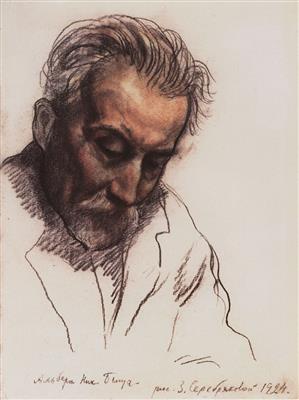
Albert Benois
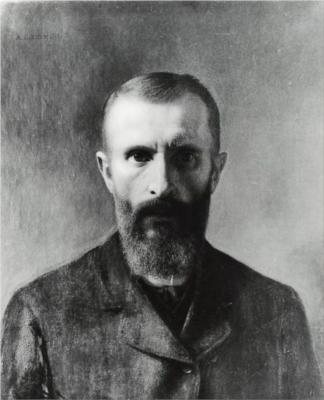
Aleksander Gierymski

Aleksander Kuprin
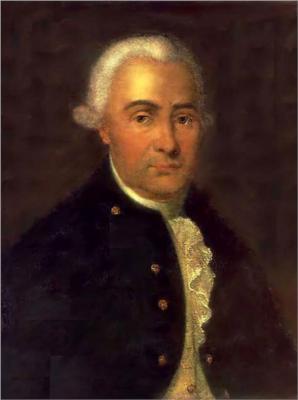
Aleksey Antropov
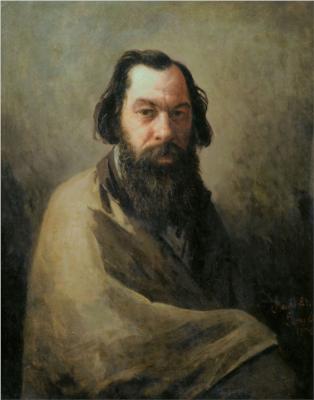
Aleksey Savrasov

Alexander Bazhbeuk-Melikyan
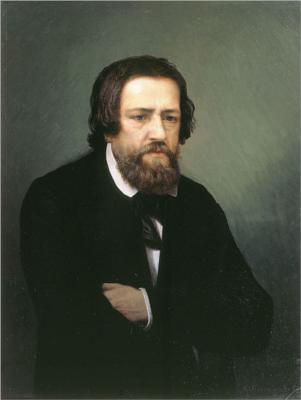
Alexander Ivanov
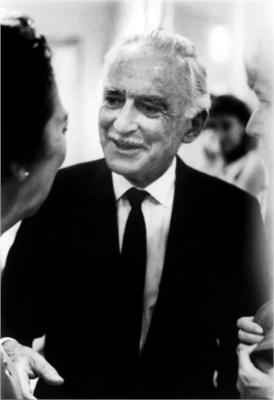
Alexander Liberman

Alexander Osmerkin
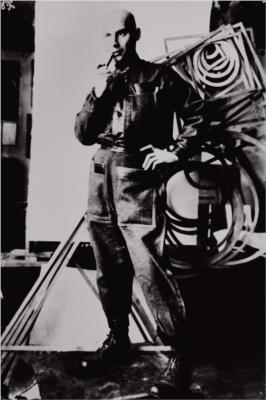
Alexander Rodchenko

Alexander Shevchenko

Alexandra Exter
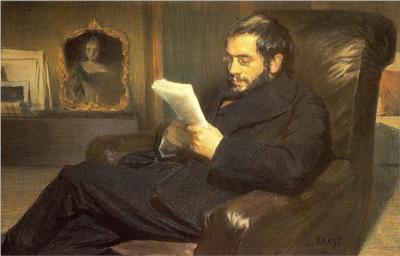
Alexandre Benois

Alexandre Jacovleff

Alexei Harlamoff
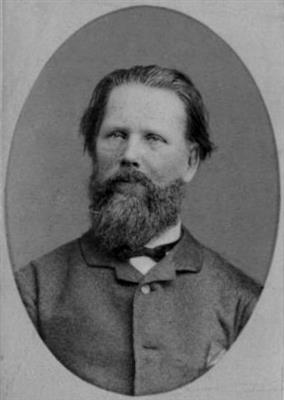
Alexei Korzukhin

Alexej Von Jawlensky
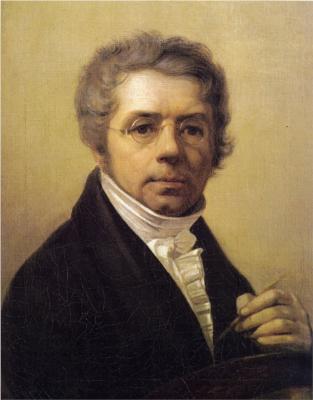
Alexey Venetsianov

Alexey Zubov
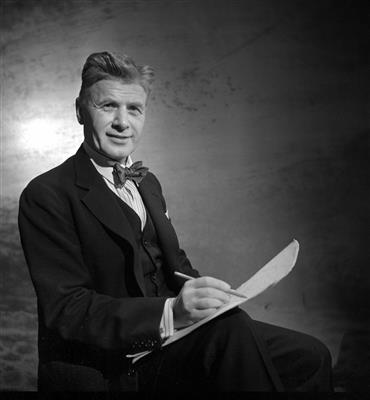
Alexis Gritchenko
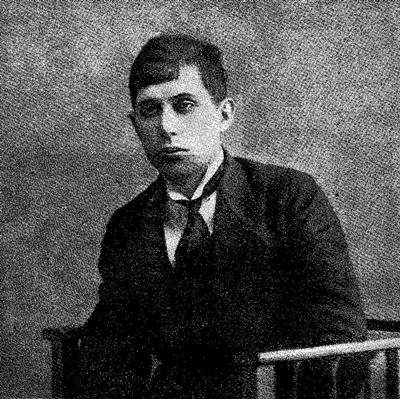
Anatol Petrytsky

Andranik Avetisyan

Andre Lanskoy

Andrei Ryabushkin
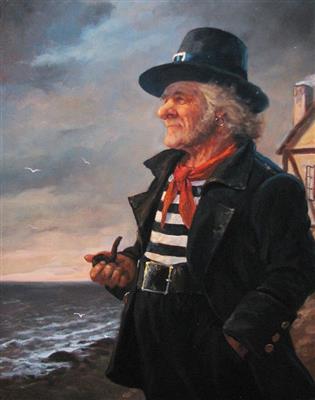
Andrey Shishkin
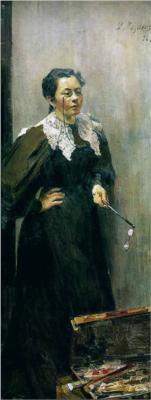
Anna Ostroumova-Lebedeva
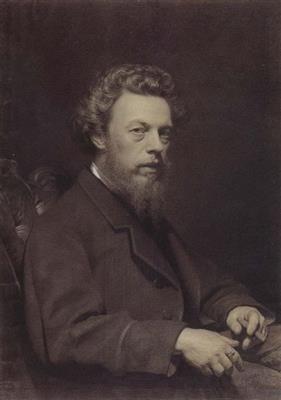
Apollinary Goravsky
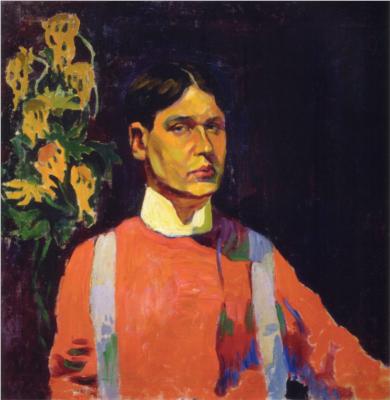
Aristarkh Lentulov
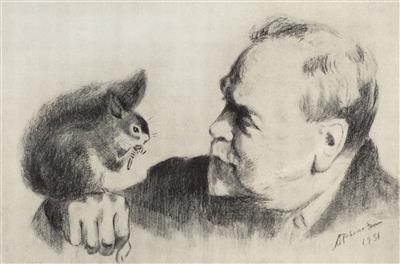
Arkady Rylov
.jpg?width=800)
Arkhip Kuindzhi

Boris Grigoriev
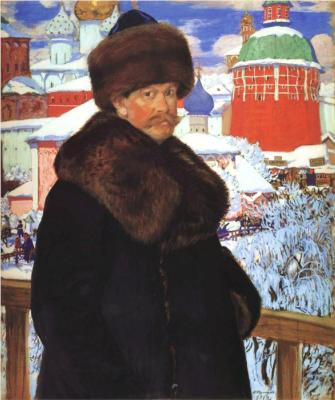
Boris Kustodiev
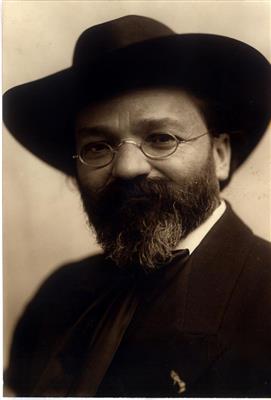
Boris Schatz
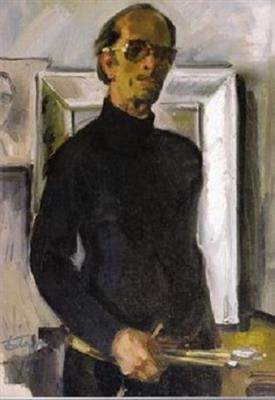
Boyukagha Mirzazade
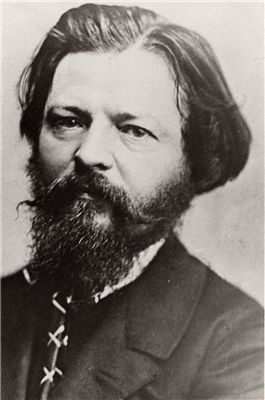
Carl Wenig
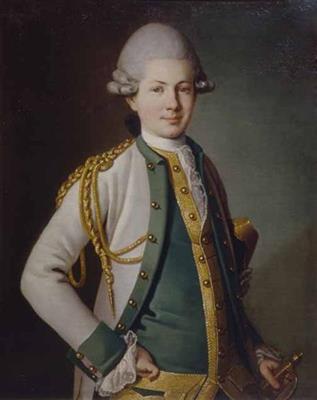
Carl-Ludwig Johann Christineck

Chaïm Soutine

David Burliuk
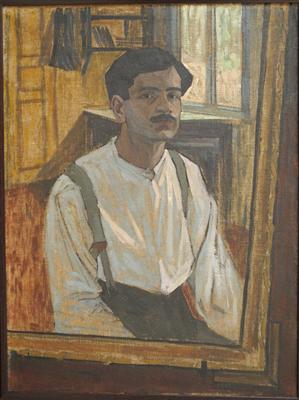
David Kakabadze
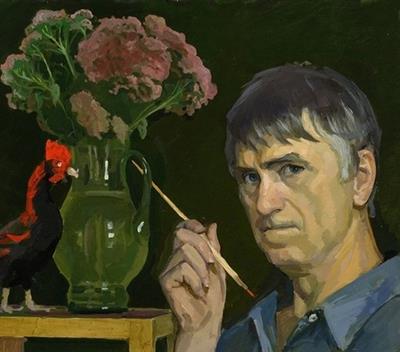
Dmitri Zhilinsky
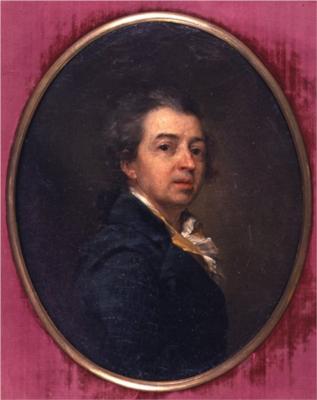
Dmitry Levitzky
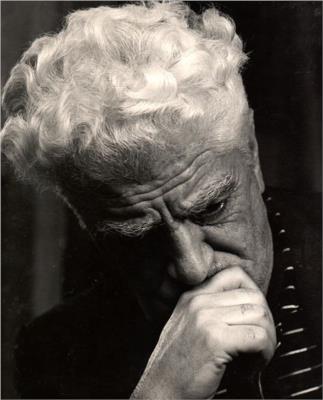
Eduard Isabekyan

Eduard Steinberg
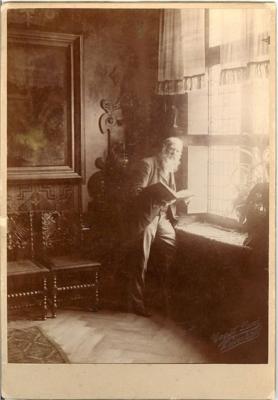
Eduard von Gebhardt

El Lissitzky

Gustavs Klucis

Heorhii Narbut

Ivan Kliun

Ivan Kramskoi

Ivan Vladimirov

Kazimir Malevich

Konstantin Korovin

Léon Bakst

Lyubov Popova

Marianne von Werefkin

Marie Bashkirtseva

Natalia Goncharova

Nicholas Roerich

Sonia Delaunay

Tamara de Lempicka

Vasily Andreevich Tropinin

Vladimir Orlovsky

Vsevolod Maximovich

Wassily Kandinsky

William Walcot

Zinaida Serebryakova
Frequently Asked Questions
What is Russia's greatest contribution to art?
Russia's most significant contribution is arguably the Russian avant-garde movement, which flourished from approximately 1890 to 1930. This period saw the rise of influential movements such as Suprematism and Constructivism, which radically altered the course of art history.Who are the most important Russian artists to know?
Wassily Kandinsky, a pioneer of abstract art, is essential for understanding 20th-century art. Alexandre Benois was also a very influential artist, critic, and stage designer associated with the Ballets Russes.Which Russian artist is underappreciated?
Anna Ostroumova-Lebedeva, a graphic artist and watercolourist, is somewhat overlooked despite her contributions to Russian art. Her cityscapes and prints offer a unique perspective on early 20th-century Russia.When did Russia develop a distinctive national style?
A distinctive national style began to emerge in the 19th century, particularly with the rise of the Itinerants (Peredvizhniki) in the 1870s. These artists focused on depicting Russian life and culture, moving away from purely academic or Western European styles.
Love what you see? Take it home.
See all art prints →