

1874–1943 · Russian
William Walcot
- Art Nouveau architecture

Notable Works
Tap to view larger.
Next stop
Browse the movements →
Every movement in the collection, from the Renaissance to Pop art.
William Walcot prints
Hand-finished archival prints from William Walcot's body of work.
 Brooklyn Bridge - William Walcot
From £28.00
Brooklyn Bridge - William Walcot
From £28.00
 Herodias: Page 45 - William Walcot
From £37.00
Herodias: Page 45 - William Walcot
From £37.00
 Durham Cathedral - William Walcot
From £37.00
Durham Cathedral - William Walcot
From £37.00
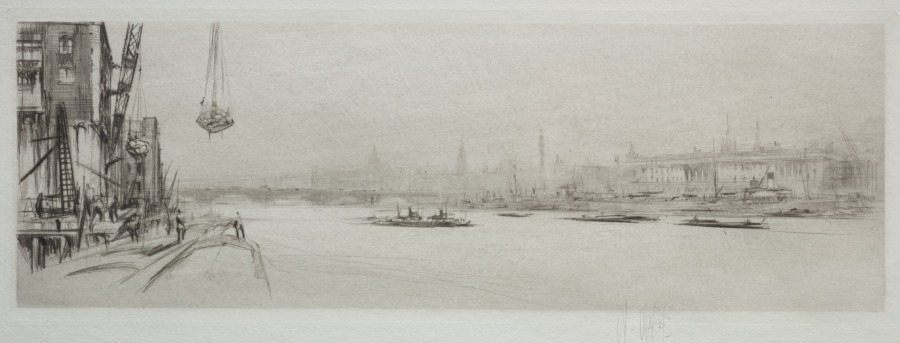
 London (View of the Thames) - William Walcot
From £37.00
London (View of the Thames) - William Walcot
From £37.00
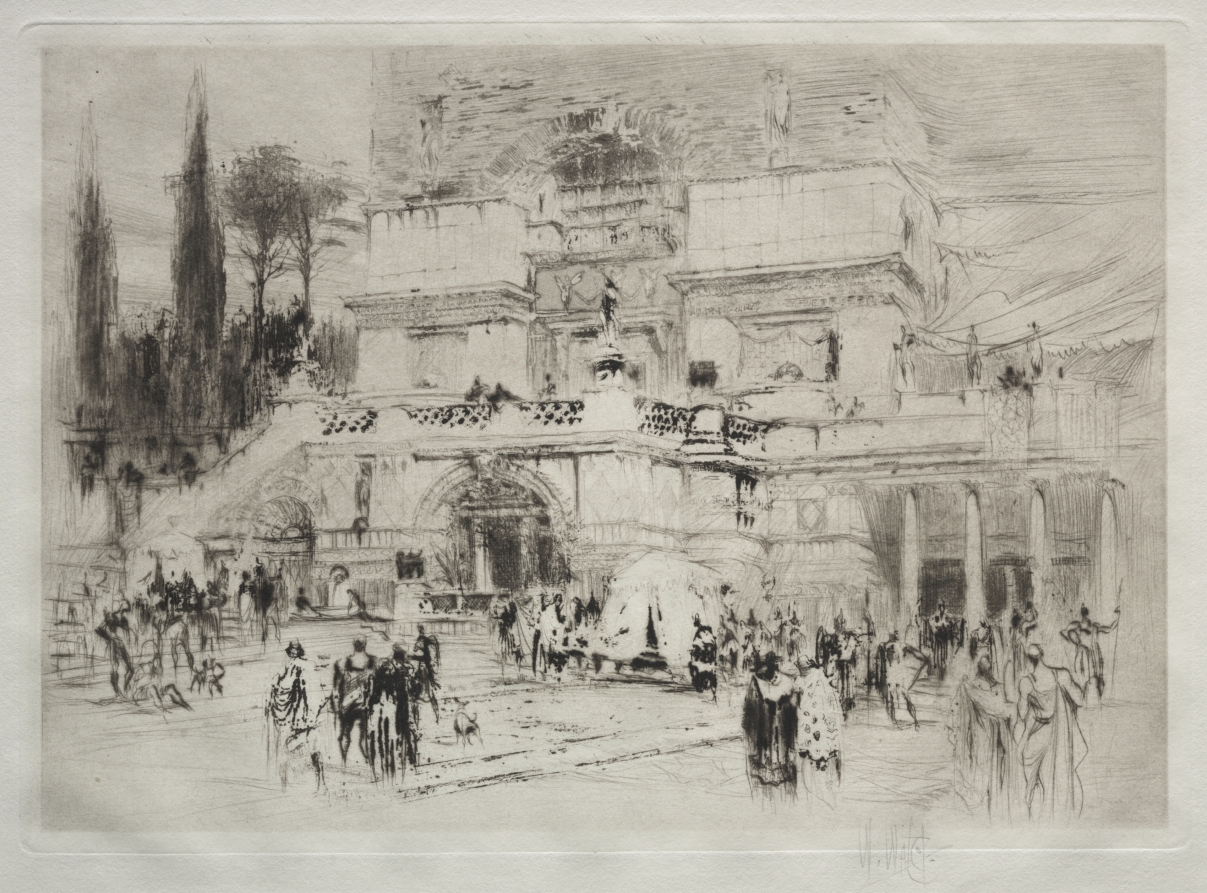
 The Days of Ancient Rome: At the House of a Patrician - William Walcot
From £37.00
The Days of Ancient Rome: At the House of a Patrician - William Walcot
From £37.00
 The Baptistry, Florence - William Walcot
From £28.00
The Baptistry, Florence - William Walcot
From £28.00
Related Artists


Take William Walcot home.
See all William Walcot prints →Frequently Asked Questions
What is William Walcot's most famous work?
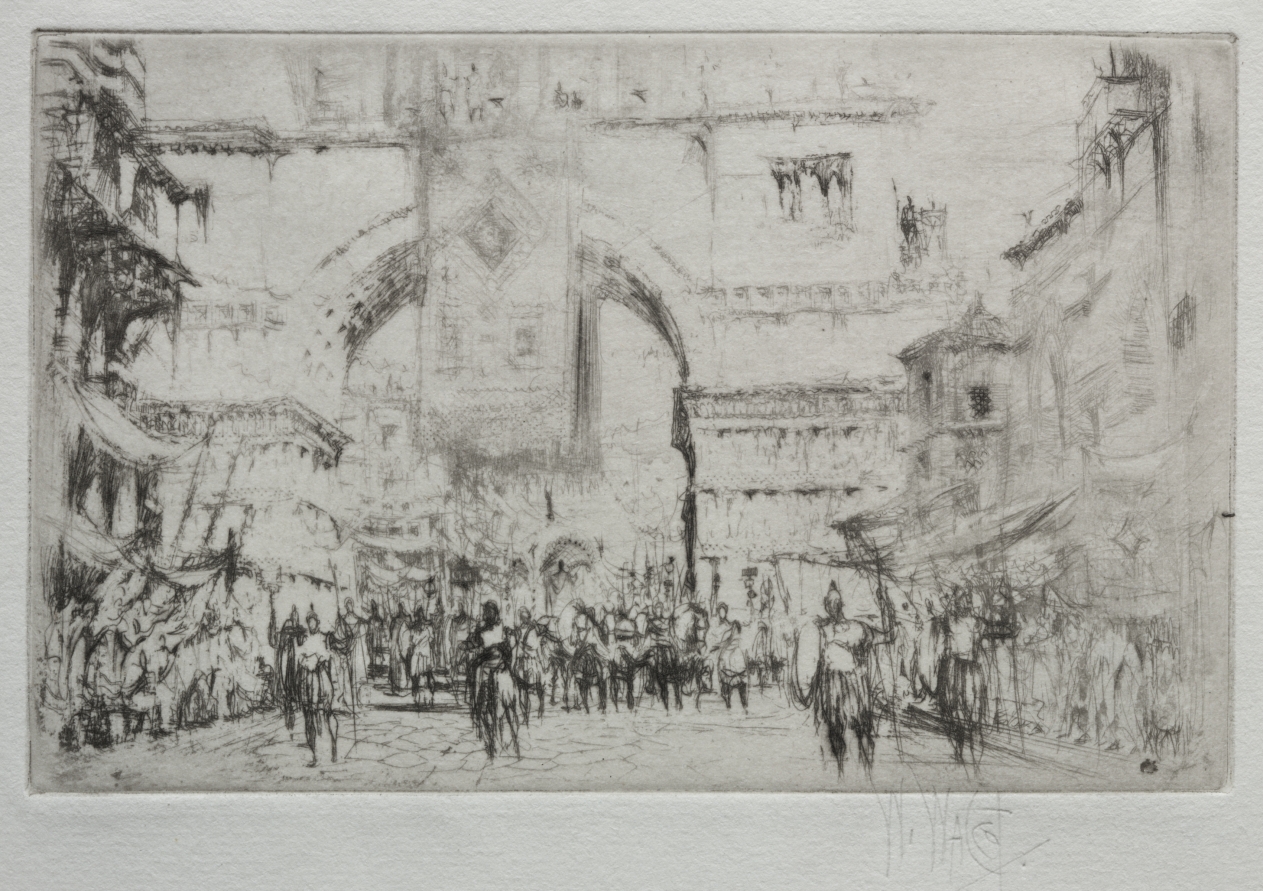
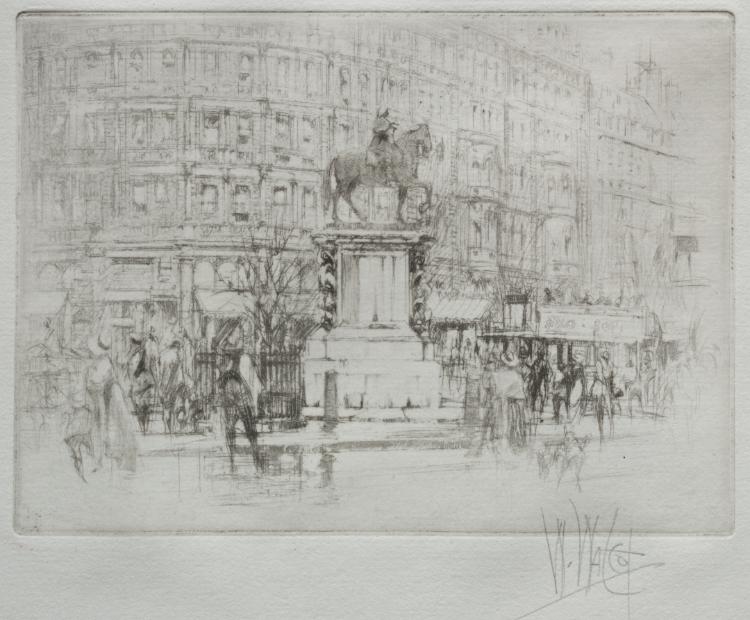
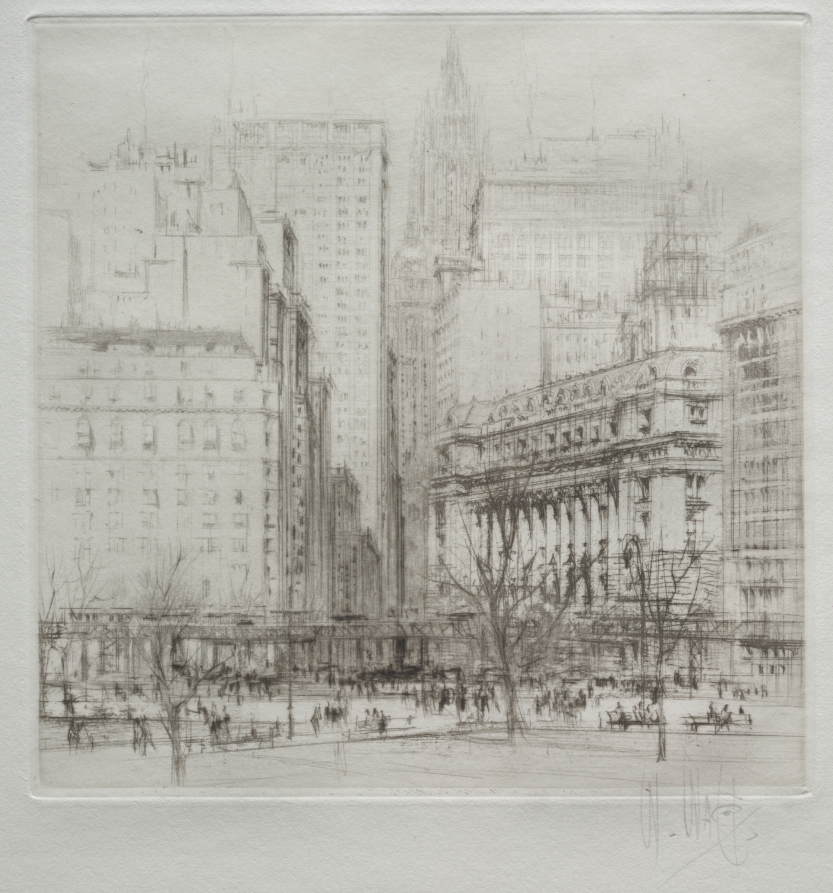
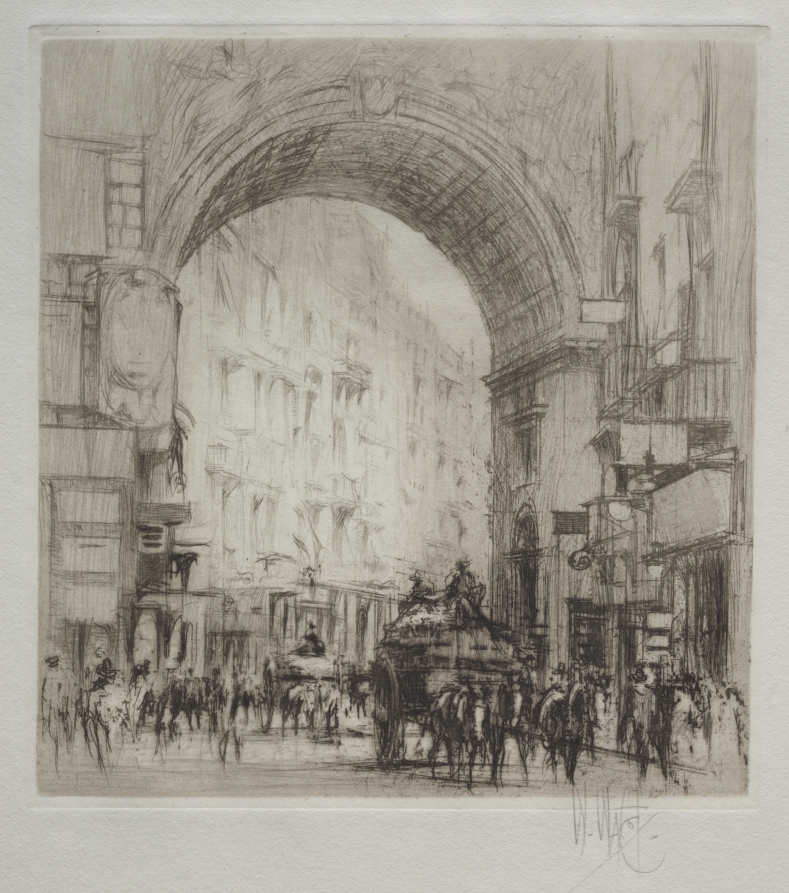
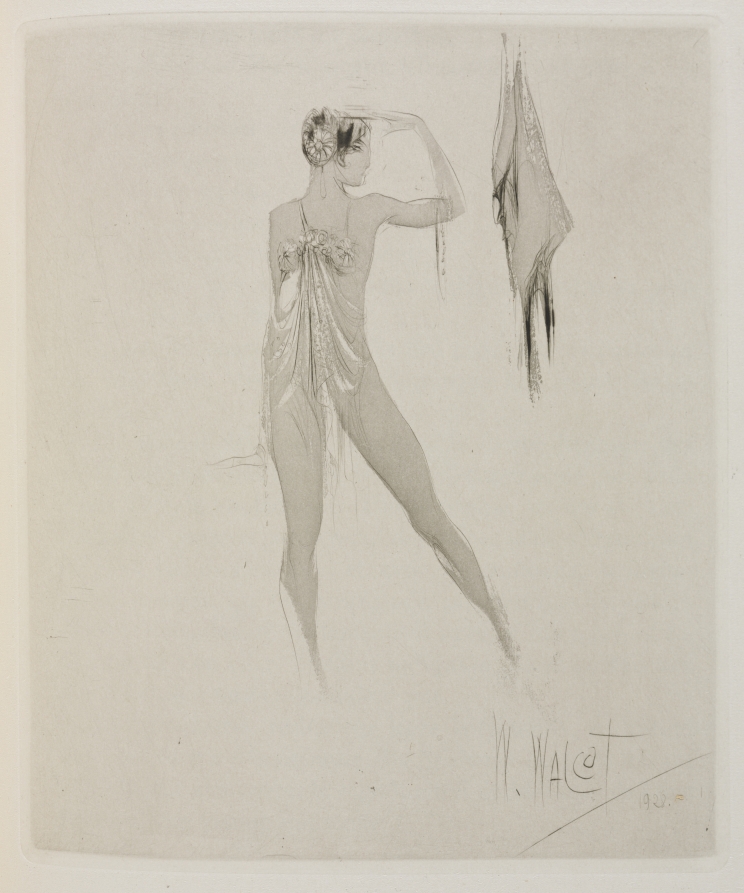
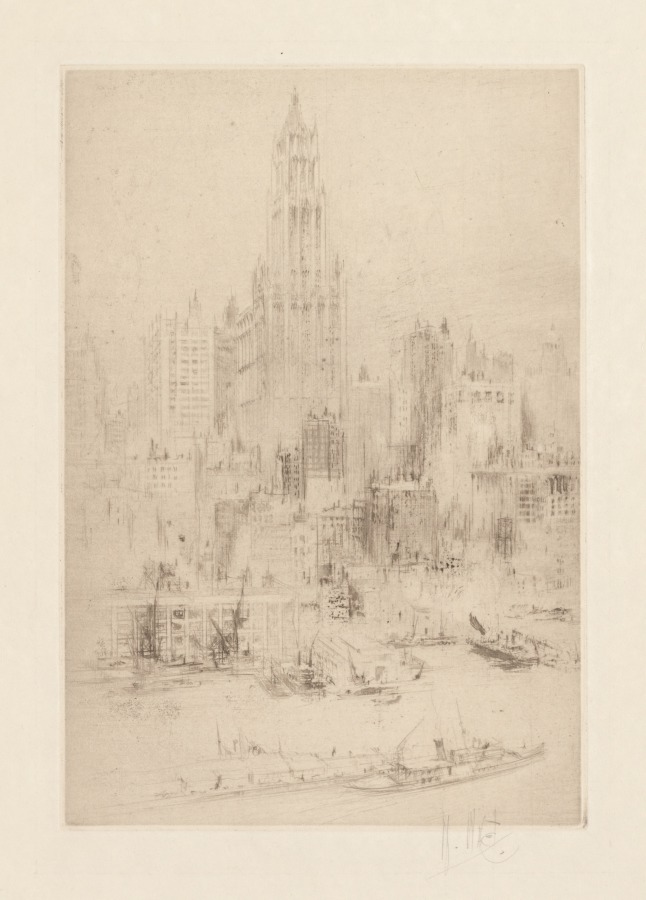
It is difficult to name one single work as William Walcot's most famous. He was a prolific artist, producing a large number of etchings, watercolours, and drawings, mainly of architectural subjects. Walcot is best known for his atmospheric depictions of classical architecture, often featuring imagined scenes of ancient Rome and Greece. He also produced many images of London and other European cities. His style combines precise architectural detail with a soft, impressionistic touch, creating a sense of atmosphere and grandeur. He employed techniques such as etching, drypoint, and watercolour washes to achieve these effects. His works were popular during the early 20th century, and he exhibited widely. Today, his prints and paintings can be found in many public and private collections.Where can I see William Walcot's work?
You can find works by William Walcot in several museum collections. In the United States, these include the Charles Hosmer Morse Museum of American Art (Winter Park, Florida), the Los Angeles County Museum of Art (LACMA), the Metropolitan Museum of Art (New York), and the Minneapolis Institute of Arts. Other US museums include the Museum of Modern Art (New York), the Virginia Museum of Fine Arts (Richmond), and the Wolfsonian at Florida International University (Miami Beach). In the United Kingdom, you can view Walcot's work at the Brighton Museum & Art Gallery, the Geffrye Museum (London), the Manchester Art Gallery, the National Museums of Scotland (Royal Museum, Edinburgh), and the Victoria & Albert Museum (London). Other UK locations include the Wallace Collection and the Maidstone Museum and Art Gallery. The York City Art Gallery also has works by Walcot.Who did William Walcot influence?
It is difficult to identify specific artists who were directly influenced by William Walcot, but some general statements can be made about his artistic lineage and context. Walcot's style owes less to Impressionism's analytical technique, and more to a colour impressionism that developed in the 17th century. Looking at American portraiture, artists such as John Singleton Copley and Gilbert Stuart emulated their British contemporaries. Benjamin West painted American historical scenes in a style derived from French historical painters; this style may have been transmitted via British artists working in a similar mode. Fuller and Morse show influences from both the Munich school and British art. These influences are further expressed in the work of Thomas Eakins, Frank Duveneck, and William Merritt Chase. Winslow Homer was influenced by Eakins, and George Bellows is considered a descendent of Chase.Who influenced William Walcot?
It is difficult to assess William Walcot's influences with certainty from the available texts. Richard Parkes Bonington, an English painter who worked in France, is listed in the same index as Walcot in one source. Bonington is known for his watercolour and oil paintings, especially coastal scenes. His work often displays a delicate handling of light and atmosphere. Other possible influences from the index include Johan Christian Claussen Dahl, a Norwegian artist known for his paintings; Jean-Baptiste-Camille Corot, a French painter of the Barbizon school; and Albert Cuyp, a Dutch painter of the Golden Age. Walcot's development likely involved exposure to a range of artists and styles, which he synthesised into his own artistic expression.Who was William Walcot?
William Walcot (1874-1943) was an artist and architect, known for his atmospheric etchings and watercolours of real and imagined architectural subjects. Although British, with a Scottish father and Russian mother, he was born in Russia and trained in Paris. He studied at the École des Beaux-Arts, and his architectural background informed his artistic style. His early career involved working as a draughtsman for architectural practices. He is associated with the etching revival of the early 20th century, and he exhibited extensively. Walcot's images often featured classical or Renaissance buildings, depicted with a subtle tonal range and an emphasis on light and shadow. He frequently included figures in his compositions, giving a sense of scale and animation to the scenes. His work captured the grandeur of architectural spaces, appealing to collectors interested in both art and architecture.