



Spanish art is perhaps best defined by its contributions to the Golden Age, a period of artistic flourishing from the late 16th century to the late 17th century. This era saw the rise of masters such as Diego Velázquez, whose portraits captured the Spanish court with unprecedented realism, and El Greco, whose distinctive style influenced generations. Spanish art also encompasses a range of movements, from Romanticism to Surrealism, each adding unique elements to the nation's artistic identity.
Key Movements
12 movements shaped spanish art.
Key Artists
Key Ideas
-
The Spanish Golden Age
The Spanish Golden Age, spanning the 16th and 17th centuries, saw an explosion of artistic talent in Spain. Artists such as Velázquez and El Greco produced works that are still celebrated for their technical skill and emotional power.
-
Baroque painting
Spanish Baroque painting is characterised by its dramatic use of light and shadow, its emotional intensity, and its focus on religious themes. This style is exemplified by the works of artists such as Francisco de Zurbarán and Bartolomé Esteban Murillo.
-
Surrealism
In the 20th century, Spanish artists played a role in the Surrealist movement, exploring the subconscious mind and the world of dreams. Salvador Dalí is perhaps the most famous Spanish Surrealist, known for his bizarre and dreamlike paintings.
-
Figuration narrative
Emerging in the 1960s, Figuration narrative sought to reintroduce narrative elements into painting, reacting against the dominance of abstract art. Spanish artists like Eduardo Arroyo adopted this style to engage with political and social issues.
Museums in Spain
39 museums.
Madrid (10)
-
Thyssen-Bornemisza Museum
Mon 12:00–16:00, Tue–Sun 10:00–19:00 (summer Tue–Fri 10:00–21:00), Sat 10:00–23:00 · 14€ adults, 10€ reduced, Free for children under 18 and specific groups
-
Museo del Prado
Mon–Sat 10:00–20:00, Sun 10:00–19:00 · €15 adults, free last 2 hours daily
-
Museo Nacional Centro de Arte Reina Sofía
Mon, Wed–Sat 10:00–21:00, Sun 10:00–14:30, closed Tuesdays · 12 €
-
Royal Academy of Fine Arts of San Fernando
Tue–Sun 10:00–15:00, closed Mondays
-
Lázaro Galdiano Museum
Mon–Thu 09:00–14:00
-
Royal Palace of Madrid
-
Museo de la Trinidad
-
Biblioteca Nacional de España
-
Bank of Spain headquarters
-
Fundación Almine y Bernard Ruiz-Picasso


Barcelona (7)
-
Museu Nacional d'Art de Catalunya
Winter (Oct–Apr): Tue–Sat 10:00–18:00, Sun/holidays 10:00–15:00; Summer (May–Sep): Tue–Sat 10:00–20:00, Sun/holidays 10:00–15:00; closed Mondays · €12
-
Poster Section
-
Collection of the Cabinet of Drawings and Prints
-
MACBA Barcelona Museum of Contemporary Art
-
Drawing Section
-
Fundació Joan Miró
Tue–Sat 10:00–20:00, Sun 10:00–19:00, closed Mondays (Winter hours Nov 1–Mar 31: Tue–Sun 10:00–19:00) · €18 adults (on site), €17 adults (online)
-
Museu Picasso
Tue–Sun 10:00–19:00 (Sep 29–Mar 29); Tue, Wed, Sun 09:00–20:00 and Thu–Sat 09:00–21:00 (Mar 31–Sep 27) · €14 online / €15 ticket office


Toledo (5)


Valencia (2)


Bilbao (2)


Zaragoza (2)


Illescas (2)
-
Capilla Mayor del Hospital de la Caridad de Illescas
Tue–Fri 9:00–14:00 & 16:00–17:30 (winter) or 17:00–19:00 (summer), Sat 9:30–14:30 & 16:00–20:00, Sun 11:30–14:30, closed Mondays · 5,00 € adults
-
Hospital de la Caridad de Illescas
Tue–Fri 9:00–14:00 & 16:00–17:30 (winter) / 17:00–19:00 (summer), Sat 9:30–14:30 & 16:00–20:00, Sun 11:30–14:30, closed Mondays · 5,00 € adults


Figueres (2)
-
Dalí Theatre and Museum
Tue–Sun 10:30–18:00 (Jan–Mar, Jun, Oct–Dec), Tue–Sun 09:30–18:00 (Mar–May, Sep), daily 09:00–20:00 (Jul–Aug) · €18.50 adults
-
Gala-Salvador Dalí Foundation
1 Jan–22 Mar: Tue–Sun 10:30–18:00; 23 Mar–31 May: Tue–Sun 9:30–18:00; 1 Jun–30 Jun: Tue–Sun 10:30–18:00; 1 Jul–31 Aug: daily 9:00–20:00; 1 Sep–30 Sep: Tue–Sun 9:30–18:00; 1 Oct–31 Dec: Tue–Sun 10:30–18:00 · €18.50 adults


San Lorenzo de El Escorial (1)

Valladolid (1)

Oviedo (1)


All Spanish Artists
43 artists.

Agustín Esteve
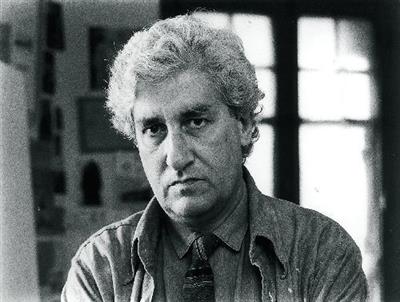
Albert Rafols-Casamada
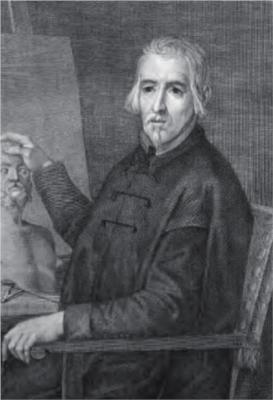
Alonzo Cano

Ángeles Santos Torroella
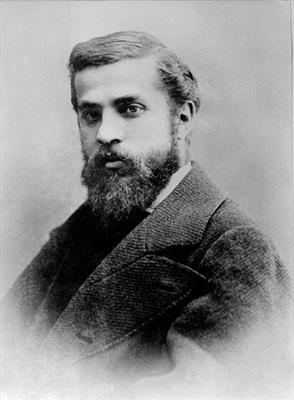
Antoni Gaudí
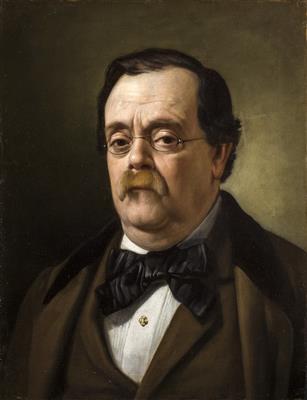
Antonio Cabral Bejarano

Antonio González Velázquez

Antonio Lopez Garcia

Antonio Povedano
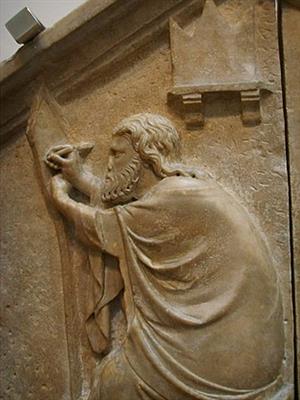
Apelles

Arturo Souto

Bartolome Esteban Murillo
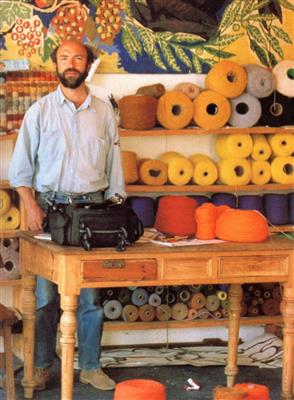
Carles Delclaux Is

Carlos de Haes

Carlos Nadal

Cecilio Pla y Gallardo
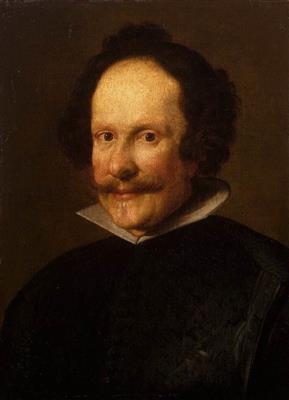
Claudio Coello
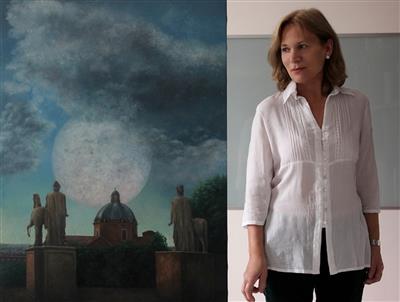
Consuelo Hernández

Daniel Vierge

Darío de Regoyos

Diego Velázquez
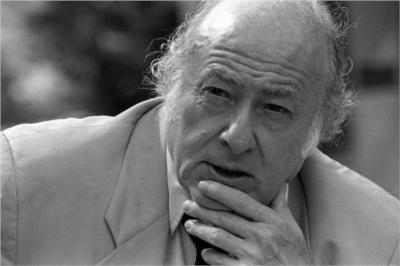
Eduardo Arroyo
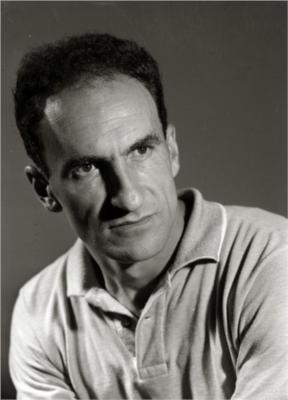
Eduardo Chillida
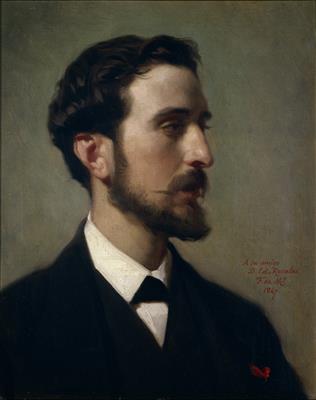
Eduardo Rosales

Eduardo Zamacois
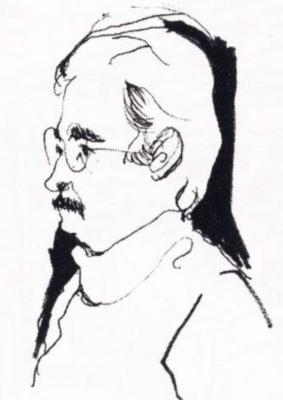
Emilio Grau Sala
Enrique Silvestre

Francisco Goya

Joan Miró
%20Retrat%20del%20pintor%20Joaquim%20Sunyer%20-%20Manolo%20Hugu%C3%A9%20-%20Museu%20Nacional%20d'Art%20de%20Catalunya.jpg?width=800)
Joaquim Sunyer
José Guerrero

Juan Bautista Martínez del Mazo

Juan de Pareja

Juan Gris

Lucas Velázquez

Martín Rico

Pablo Picasso

Pedro Berruguete

Pedro De Mena

Rafael Benet i Vancells

Rafael Zabaleta
Remedios Varo

Salvador Dalí
Frequently Asked Questions
What is Spain's greatest contribution to art?
Spain's most important contribution to art is its development of Baroque painting during the Golden Age. Spanish Baroque is known for its dramatic use of light and shadow, its intense emotionalism, and its focus on religious subjects, influencing artists across Europe.Who are the most important Spanish artists to know?
Diego Velázquez is essential for his Baroque portraits, particularly of the Spanish royal family. Salvador Dalí is another key figure, famed for his Surrealist paintings; his works can be viewed at the Museo Nacional Centro de Arte Reina Sofía in Madrid.Which Spanish artist is underappreciated?
Ángeles Santos Torroella, a Surrealist painter, deserves greater recognition. Her work from the 1920s and 1930s explored themes of identity and the subconscious, but she remains less well known than her male counterparts.When did Spain develop a distinctive national style?
Spain developed a distinctive national style during its Golden Age in the 17th century. This period saw the emergence of unique Spanish characteristics in painting, particularly within the Baroque style, differentiating it from other European schools.
Love what you see? Take it home.
See all art prints →