



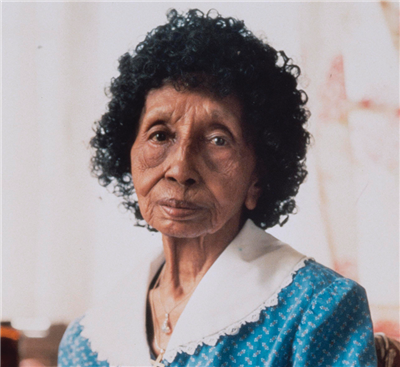
About Clementine Hunter
Museums5
Countries1
Most worksMinneapolis Institute of Art, Minneapolis · 2 works
Loading map…
Where to see Clementine Hunter
Ranked by works you can see in person.
-
2 works
Minneapolis Institute of Art
Minneapolis, United States
-
1 works
Pennsylvania Academy of the Fine Arts
Philadelphia, United States


-
1 works
Crystal Bridges Museum of American Art
Bentonville, United States
-
1 works
Museum of Fine Arts, Houston
Houston, United States
-
0 works
Smithsonian American Art Museum
Washington D.C., United States


Frequently Asked Questions
Who was Clementine Hunter?
Clementine Hunter began making art in her fifties, drawing from her memories of everyday life on the Melrose Plantation in Louisiana. She worked as a farm labourer from a young age, picking cotton and pecan nuts, and later in the main house. Hunter had many memories to draw from when she began making art.What is Clementine Hunter known for?
Clementine Hunter is known for painting the rhythms of Black Southern rural life. Her subjects included cotton picking, baptisms, funerals, Saturday-night dances, and church processions. Her palette grew brighter over time, with early earth-toned scenes gradually giving way to the vivid colour she became known for.What was Clementine Hunter's art style?
Arthritis from the 1950s onward changed Clementine Hunter's line, loosening it toward something more impressionistic. However, this did not affect the specificity of gesture and scene within her works. Her early works used earth tones, but her palette grew brighter over time.
Sources
Where to See guide aggregates verified holdings of Clementine Hunter's works across the following collections.
- [1] wikipedia Wikipedia: Clementine Hunter Used for: biography.
- [2] book Dorling Kindersley, Artists: Inspiring Stories of the World's Most Creative Minds Used for: biography, stylistic analysis.
Editorial overseen by Solis Prints. Sources verified 2026-09-02. Click a source for details, or hover over [N] in the page above to preview.
Editorial standardsMethodologyCorrectionsAI disclosureAbout the editorial team