



Andy Warhol
Warhol grew up in Pittsburgh, the son of Carpatho-Rusyn immigrants from what is now Slovakia. His father was a construction worker. His mother, Julia, made tin flowers and sold them door to door. She also drew. When Andy was ill as a child (he had chorea, a nervous system disorder that kept him bedridden for stretches), she sat with him making paper cutouts and teaching him to draw. She later moved to New York to live with him and addressed envelopes for his early commercial work. Her handwriting appeared on his artwork. She was good at cats.
_%E2%80%93_LOC.jpg?width=800)
Biography
He moved to New York after graduating from Carnegie Tech in 1949 and spent the 1950s as a commercial illustrator. He was successful at it: shoe drawings for I. Miller, album covers, magazine illustrations. The work was loose, charming, and camp. He won awards. But commercial art was not taken seriously, and Warhol wanted to be taken seriously.
The Campbell's Soup Cans came in 1962. Thirty-two canvases, one for each flavour. Then Marilyn, then Elvis, then the car crashes and electric chairs. The technique was silk-screen printing: photographic images transferred to canvas through a mesh screen and printed in flat, commercial colours. The process removed the artist's hand almost entirely, which was the point. Warhol made art that looked like it had been manufactured, in a culture that manufactured everything.
The Factory, his silver-foiled studio on East 47th Street, became the centre of a scene that included musicians, actors, drag queens, socialites, and addicts, sometimes all at once. He made films. He started Interview magazine. He managed the Velvet Underground. He was shot by Valerie Solanas in 1968 and nearly died; he wore a surgical corset for the rest of his life.
His late work, often dismissed, includes the Oxidation Paintings (made with urine on metallic paint), the Shadow series, and the Last Supper paintings. He died in 1987 after gallbladder surgery, at fifty-eight. His estate was valued at around 600 million dollars.
Timeline
- 1928Born Andrew Warhola on 6 August in Pittsburgh, Pennsylvania, the youngest of three sons of Carpatho-Rusyn immigrants from what is now northeastern Slovakia.
- 1936Struck by Sydenham's chorea at around eight, a complication of scarlet fever that left him bedridden for months. His mother supplied him with magazines and drawing supplies.
- 1949Graduated from the Carnegie Institute of Technology in Pittsburgh, aged 21, and immediately moved to New York City to pursue commercial illustration.
- 1962Exhibited thirty-two Campbell's Soup Cans at the Ferus Gallery in Los Angeles, aged 34, launching him as a leading figure in Pop Art.
- 1963Established the Factory, his famous silver-foil-lined studio at 231 East 47th Street in Manhattan, aged 35. It became a hub for artists, musicians, and filmmakers.
- 1968Shot and critically wounded on 3 June at the Factory by Valerie Solanas, aged 39. He was pronounced clinically dead before surgeons revived him.
- 1969Co-founded Interview magazine, aged 41, blending film, fashion, and celebrity culture into a defining voice of the New York social scene.
- 1987Died on 22 February in New York City, aged 58, from cardiac arrhythmia following routine gallbladder surgery.
Notable Works
Tap a work to read about it, or to view it larger.
Where to See Andy Warhol
3 museums worldwide.
-
 456 works
National Gallery of Art
Washington D.C., United States
Mon–Sat 10:00–17:00, Sun 11:00–18:00 · Free
With 276 Warhol works, the National Gallery of Art in Washington holds one of the deepest public collections outside Pittsburgh. The range covers screenprints, drawings and paintings from the early commercial years through the celebrity portraits of the 1970s and 1980s.
-
19 works
Museum of Modern Art
New York City, United States
Daily 10:30–17:30 (Sat until 19:00; first Fri of month until 20:00) · Adults $30, students $17
-
 12 works
Art Institute of Chicago
Chicago, United States
Mon 11:00–17:00, Tue closed, Wed 11:00–17:00, Thu 11:00–20:00, Fri–Sun 11:00–17:00 · $32 adults

Next stop
Contemporary →
Explore the artists and ideas of Contemporary.
Andy Warhol prints
Hand-finished archival prints from Andy Warhol's body of work.


Related Artists
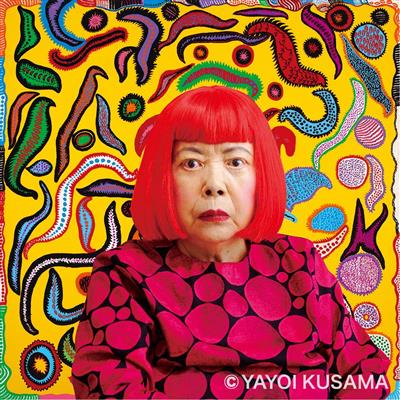


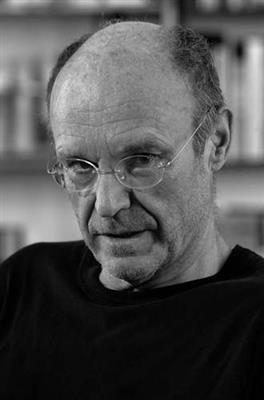


Take Andy Warhol home.
See all Andy Warhol prints →Frequently Asked Questions
Andy warhol art style name?
Andy Warhol is known as the Pope of Pop. His style involved picking subjects from supermarket shelves and tabloids, then mass-producing them via silkscreen duplication.Did andy warhol wear a wig?
Andy Warhol was known for his trademark silver wig, which became an iconic part of his instantly recognisable persona. With it, he closed the gap between art and business.How did andy warhol die?
Andy Warhol died in 1987 at the age of 59.How did andy warhol make his art?
In 1962, Andy Warhol began to experiment with screen printing, a technique common in commercial art but rarely used in fine art at the time. He was attracted to the technique.Is andy warhol still alive?
No, Andy Warhol died in 1987.Was andy warhol shot?
Andy Warhol was shot in 1968 by Valerie Solanas and was hospitalised for eight weeks. He underwent life-saving surgery for five hours, and he was clinically dead for a moment during the operation. He never fully recovered from his injuries.What is andy warhol famous for painting?
Andy Warhol is famous for painting images like Marilyn and Campbell's Soup cans. He picked his subjects off supermarket shelves and from the front pages of the tabloids.When did andy warhol get famous?
Andy Warhol began to develop an intense fascination with beauty and celebrity during a low period in his life. This interest would later define him as an artist.Where can i see andy warhol art?
Andy Warhol's works can be seen at National Gallery of Art, Photographs in the National Gallery of Art, Vanderbilt Museum of Art, and 2 other museums worldwide.Why did andy warhol paint soup cans?
Andy Warhol picked his subjects off supermarket shelves. He then mass-produced images like Campbell's Soup cans in assembly-line fashion, repeating them by silkscreen duplication.Andy warhol art style and characteristics?
Andy Warhol's art style is characterised by mass production and repetition of well-known images. He picked his subjects off supermarket shelves and from the front pages of the tabloids, then mass-produced them via silkscreen duplication.Is andy warhol alive?
No, Andy Warhol died in 1987.
Sources
Editorial draws on the following primary and tertiary references for Andy Warhol.
- [1] museum Buffalo AKG Art Museum Used for: museum holdings.
- [2] museum Westphalian State Museum of Art and Cultural History Used for: museum holdings.
- [3] museum Stedelijk Museum Amsterdam Used for: museum holdings.
- [4] museum Museum Boijmans Van Beuningen Used for: museum holdings.
- [5] museum Cleveland Museum of Art Used for: museum holdings.
- [6] museum Museum of Fine Arts Boston Used for: museum holdings.
- [7] book Dorling Kindersley, Artists: Inspiring Stories of the World's Most Creative Minds Used for: biography.
- [8] book guggenheim-popicons00gugg Used for: biography.
Editorial overseen by Solis Prints. Sources verified 2026-10-02. Click a source for details, or hover over [N] in the page above to preview.
Editorial standardsMethodologyCorrectionsAI disclosureAbout the editorial team