

Collection
Franz Kline
Explore curated art prints selected for distinctive homes and considered interiors.
-

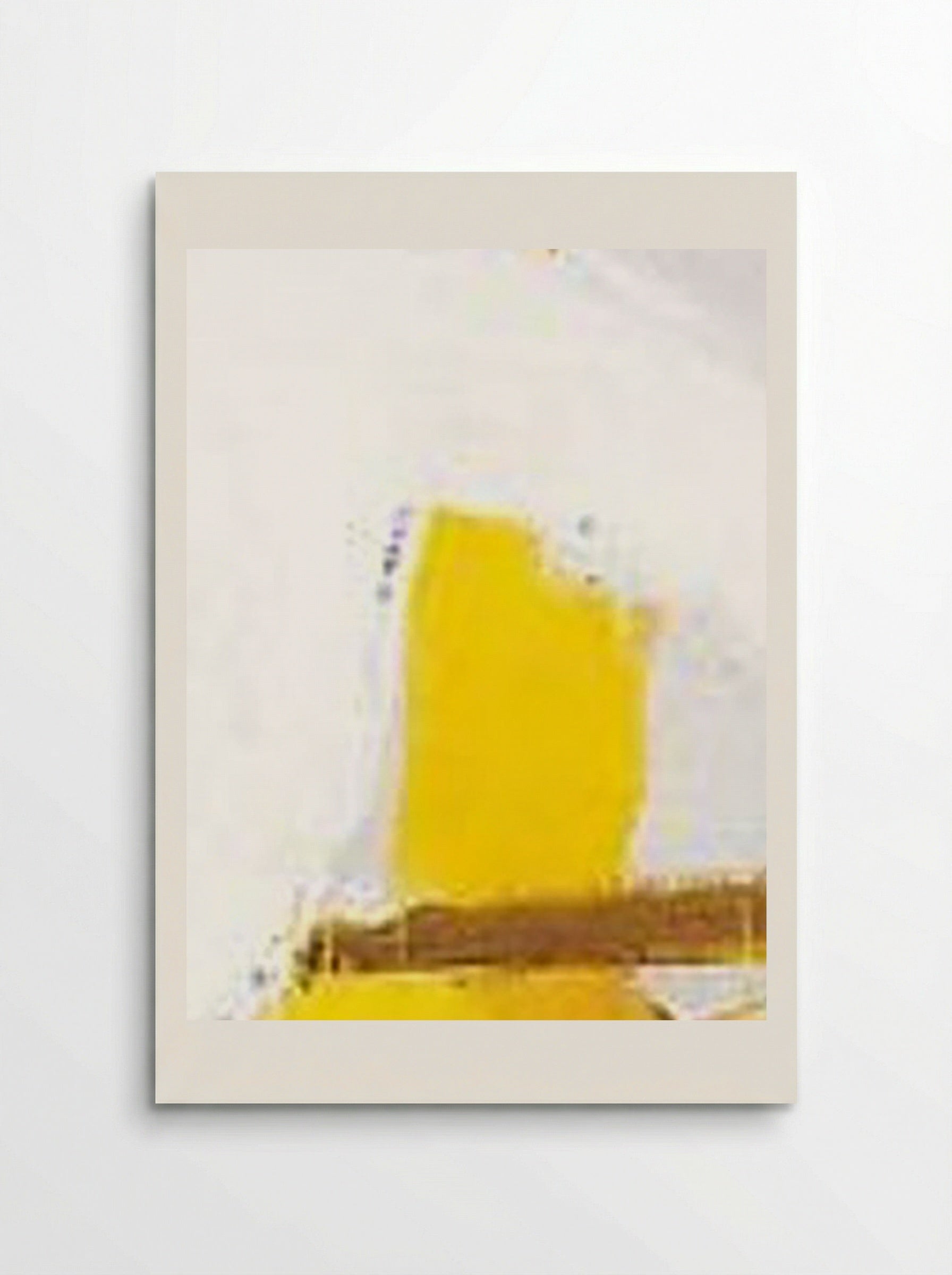
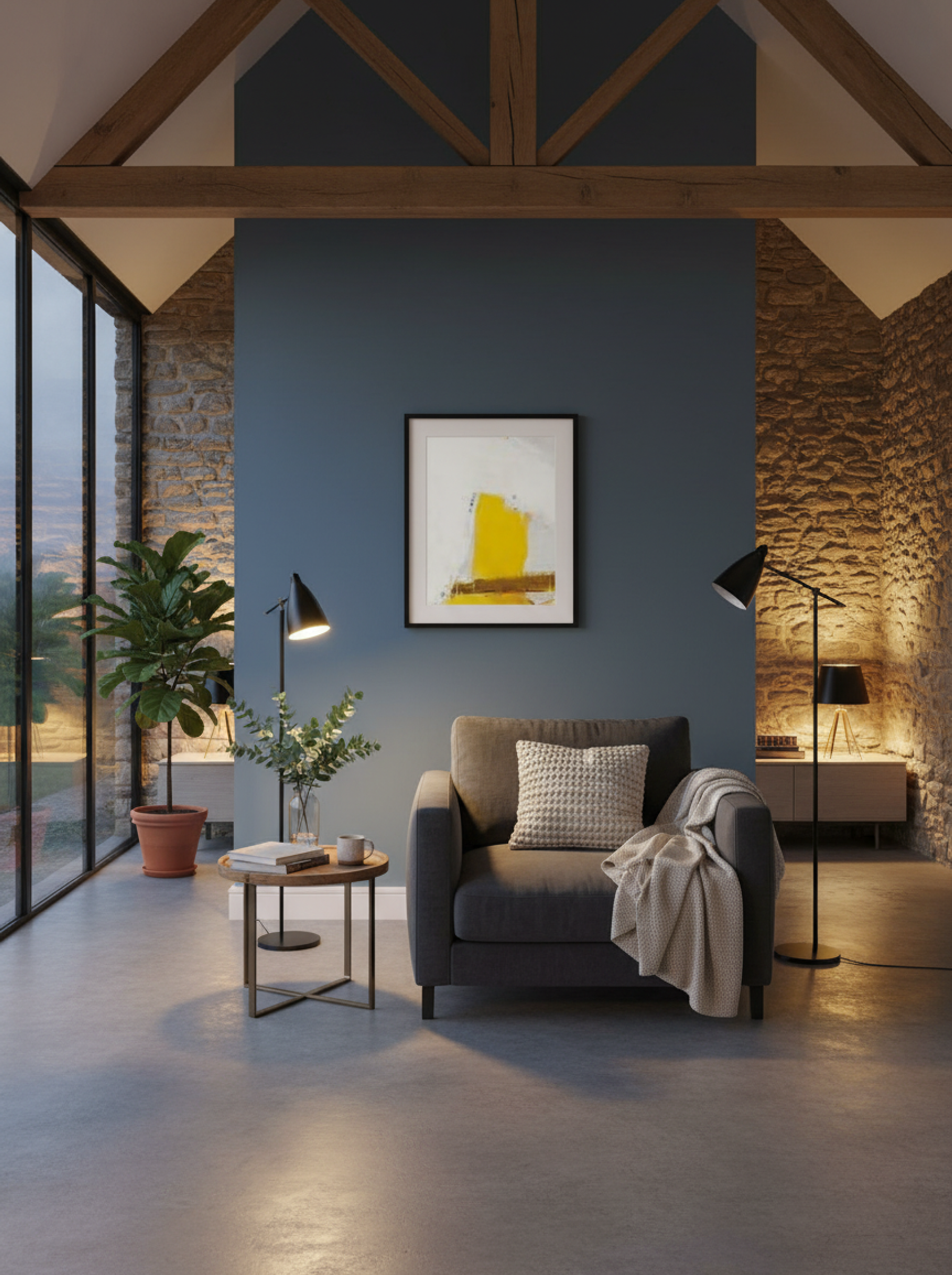
 Zinc Yellow - Franz Kline
Print · Framed
Regular price From £37.00 GBPSale price From £37.00 GBP Regular price -
 Mycenae - Franz Kline
Print · Framed
Regular price From £28.00 GBPSale price From £28.00 GBP Regular price -
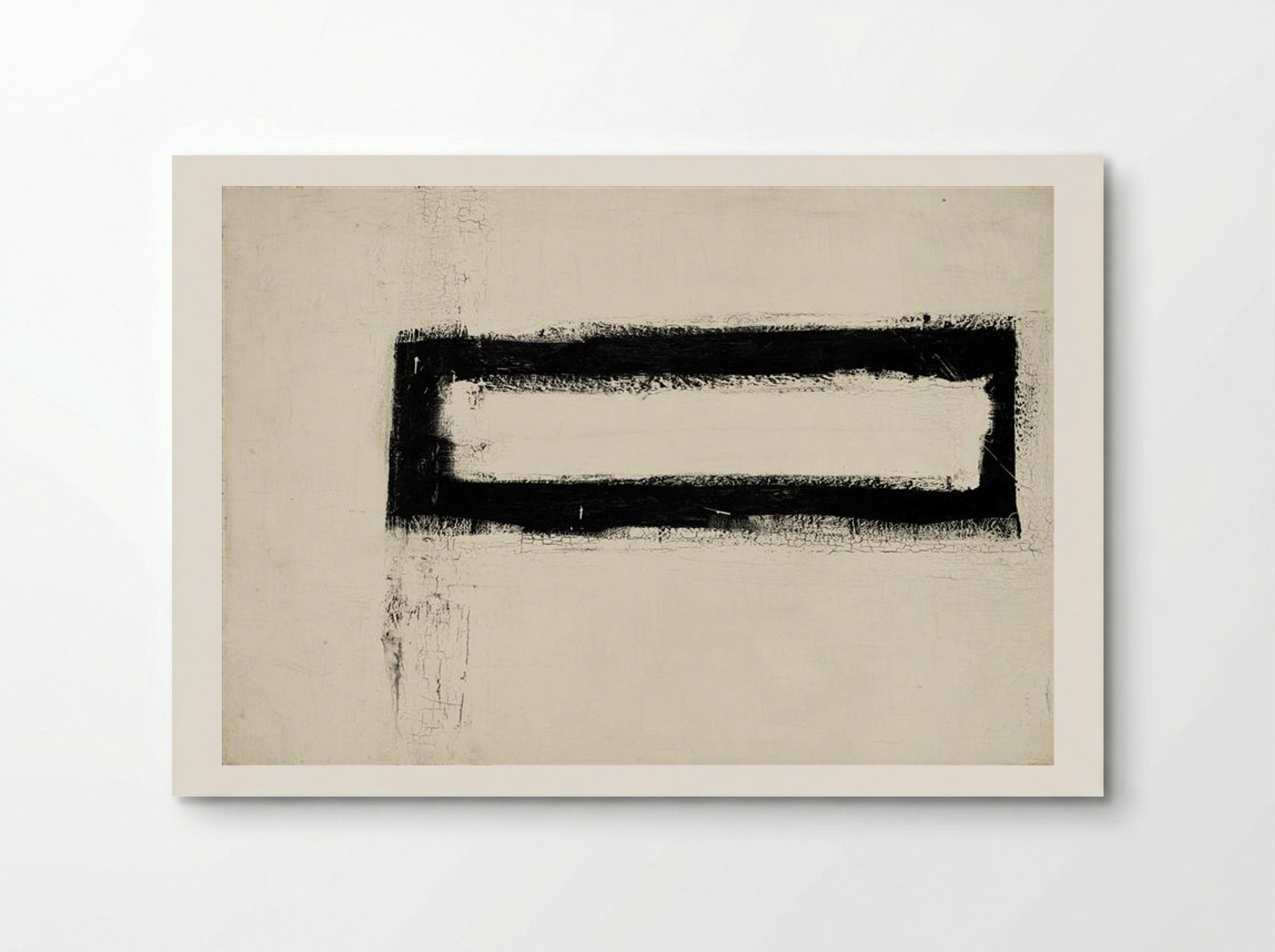
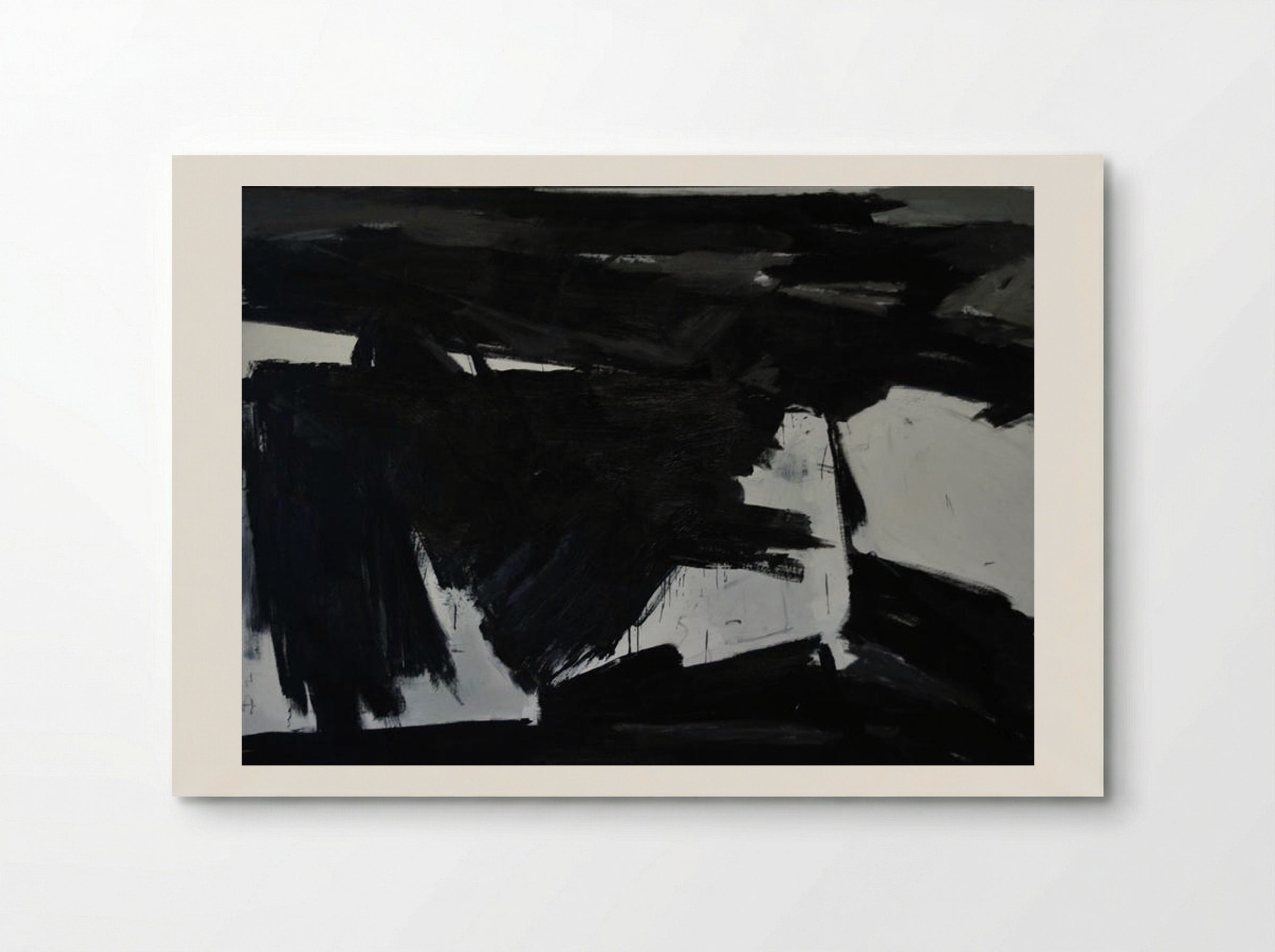 Untitled (Black and White Composition) - Franz Kline
Print
Regular price From £28.00 GBPSale price From £28.00 GBP Regular price -
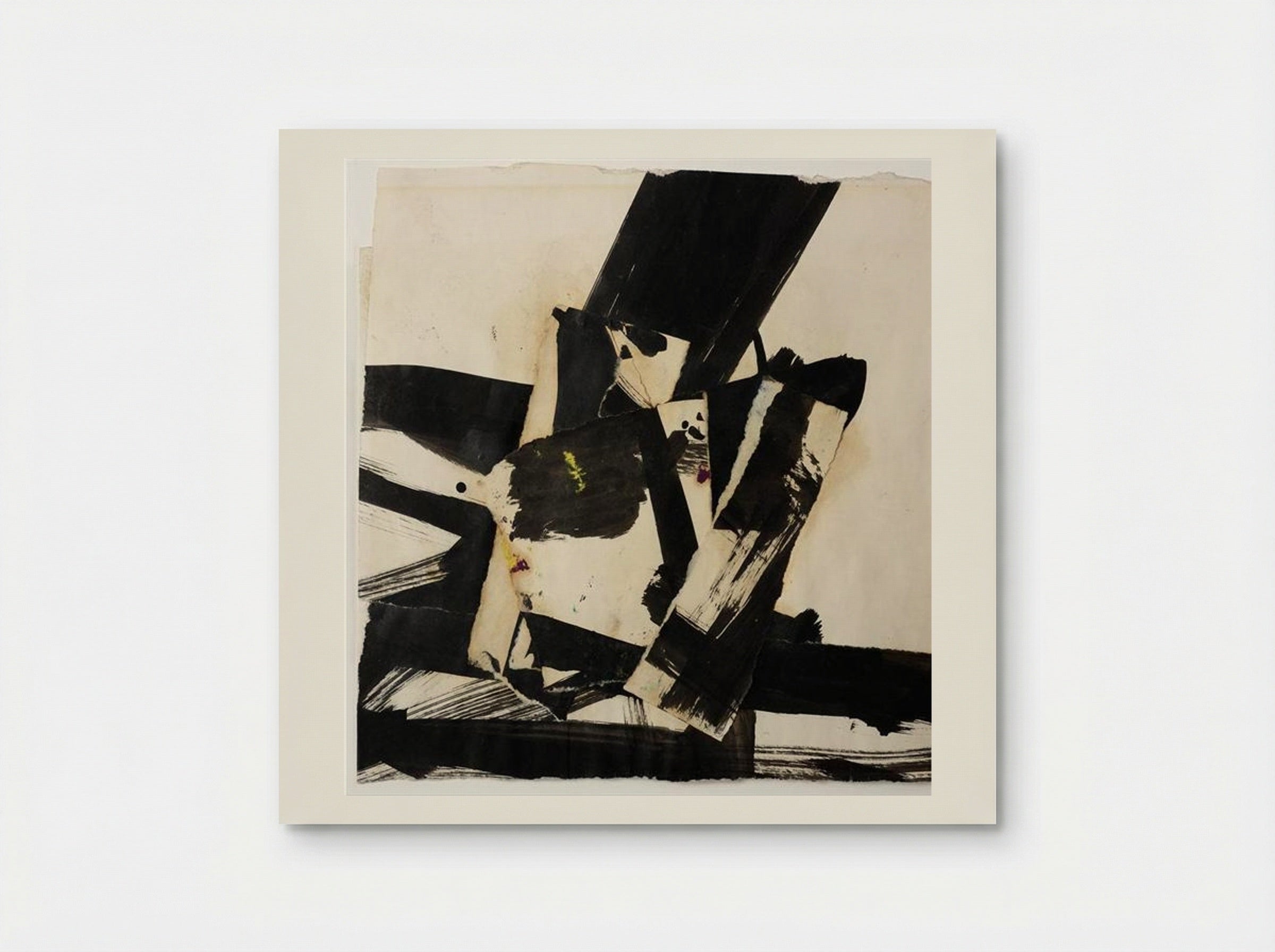 Untitled (Abstract Composition) - Franz Kline
Print
Regular price From £37.00 GBPSale price From £37.00 GBP Regular price -
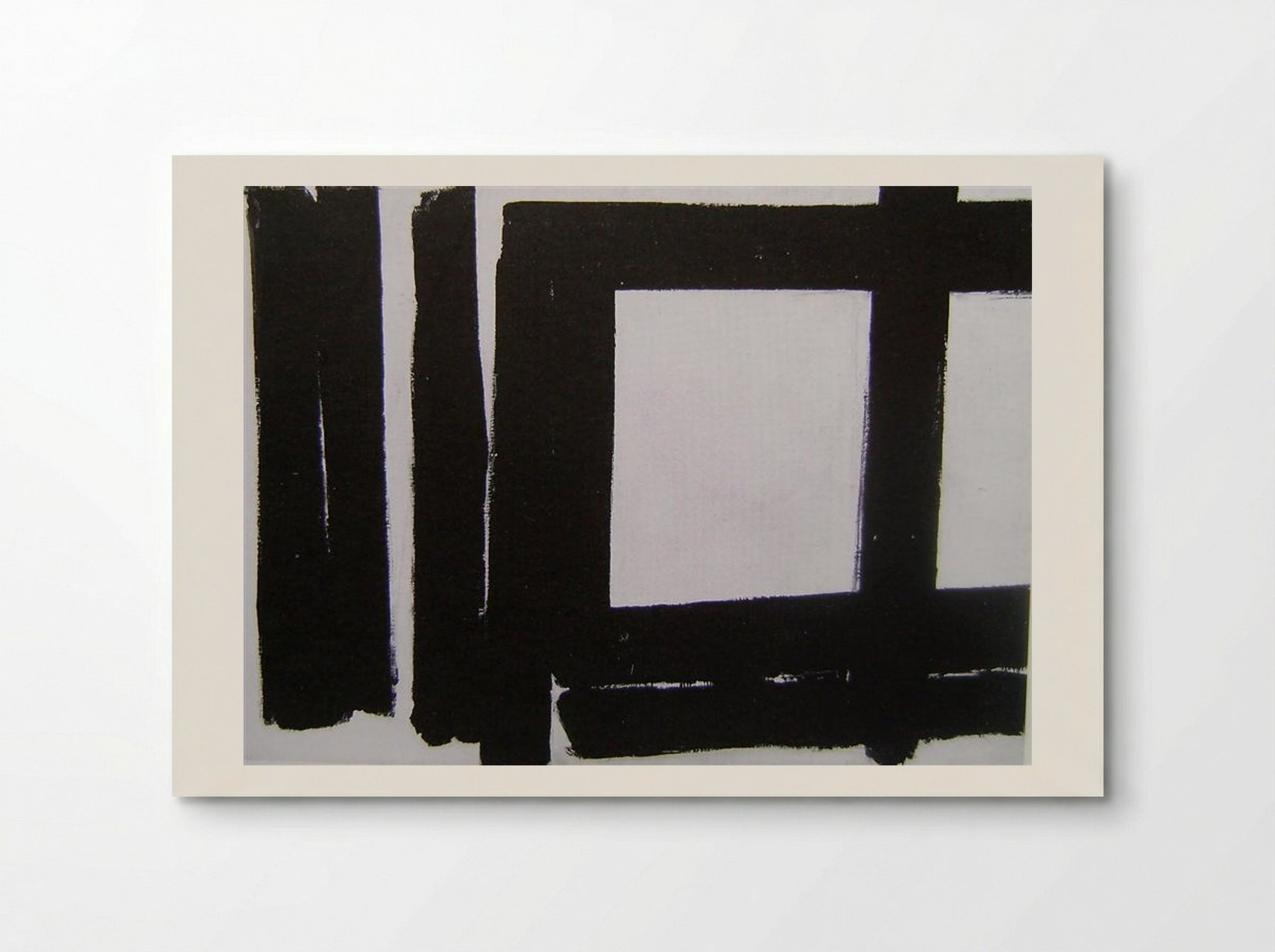 Painting No. 7 - Franz Kline
Print
Regular price From £28.00 GBPSale price From £28.00 GBP Regular price -
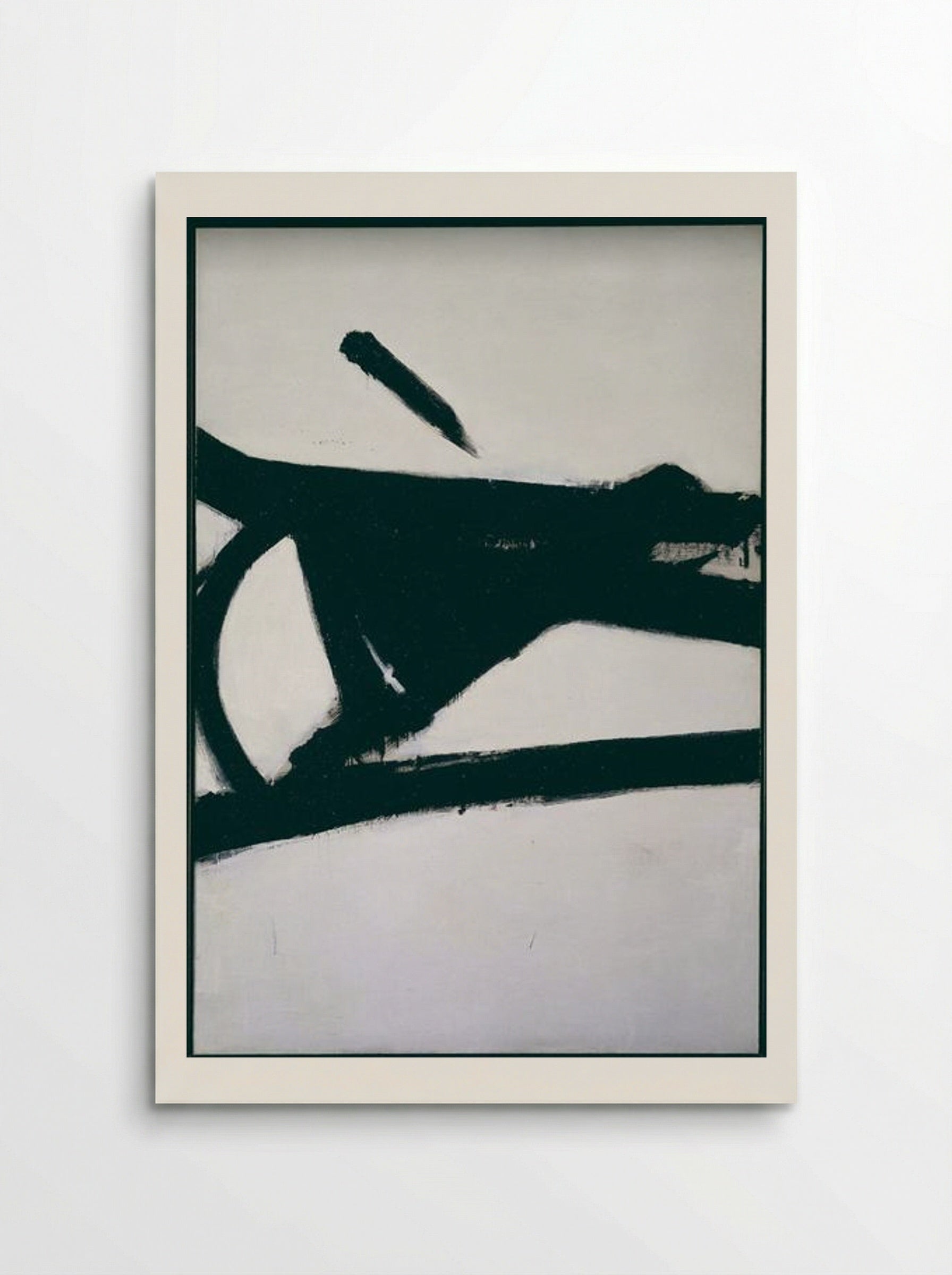 Accent Grave - Franz Kline
Print
Regular price From £28.00 GBPSale price From £28.00 GBP Regular price -
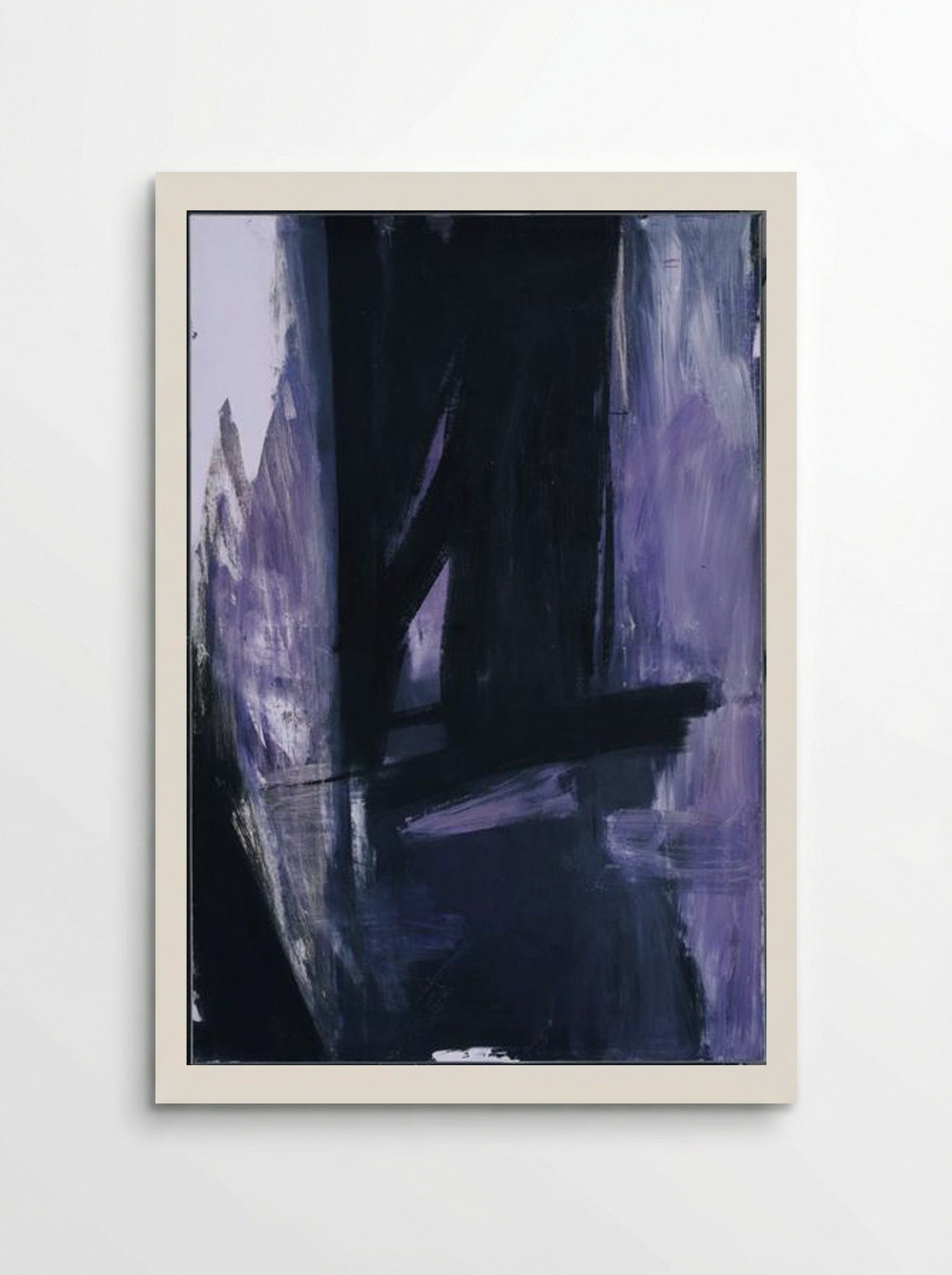 Torches Mauve - Franz Kline
Print
Regular price From £28.00 GBPSale price From £28.00 GBP Regular price -
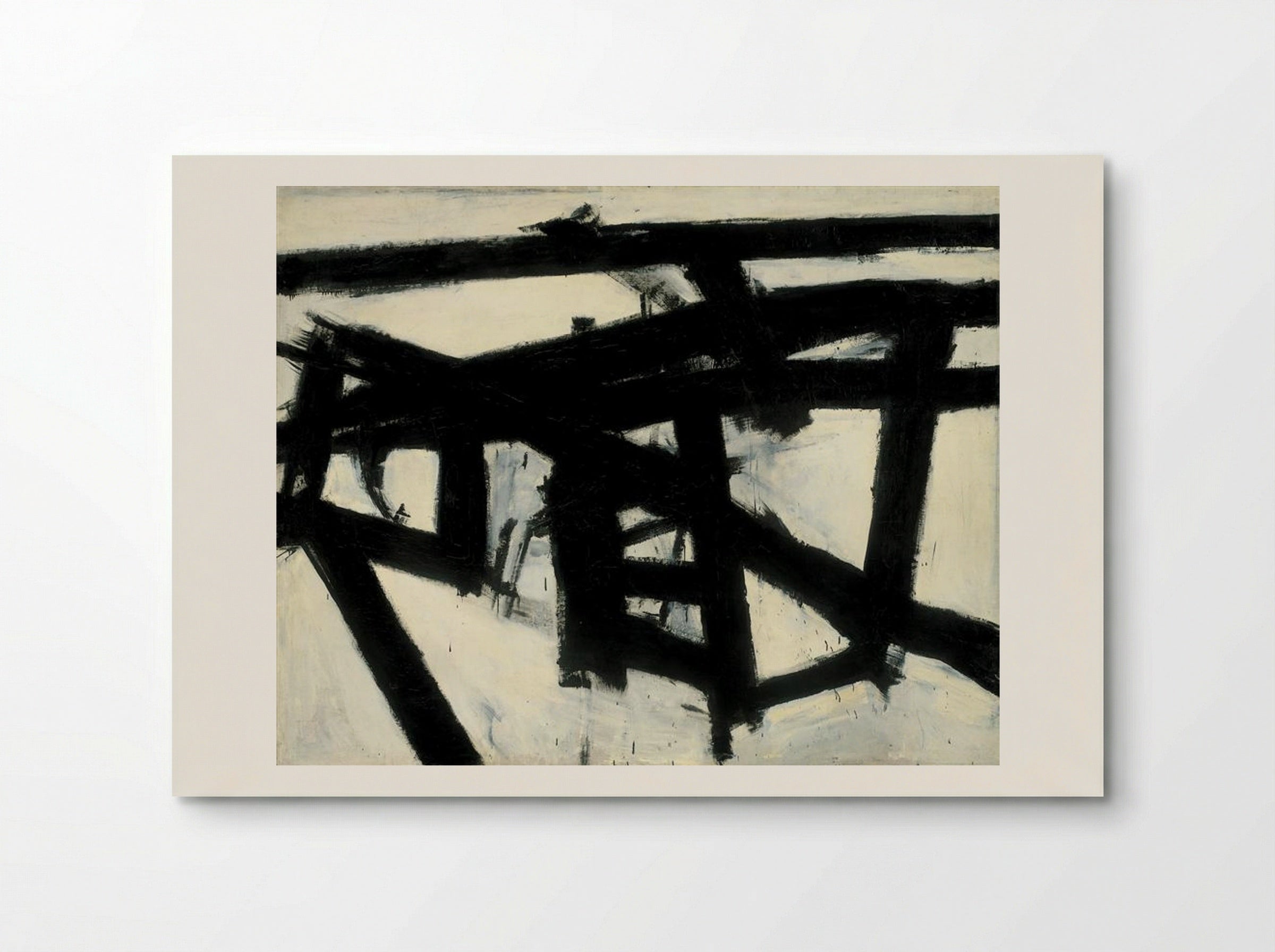
-
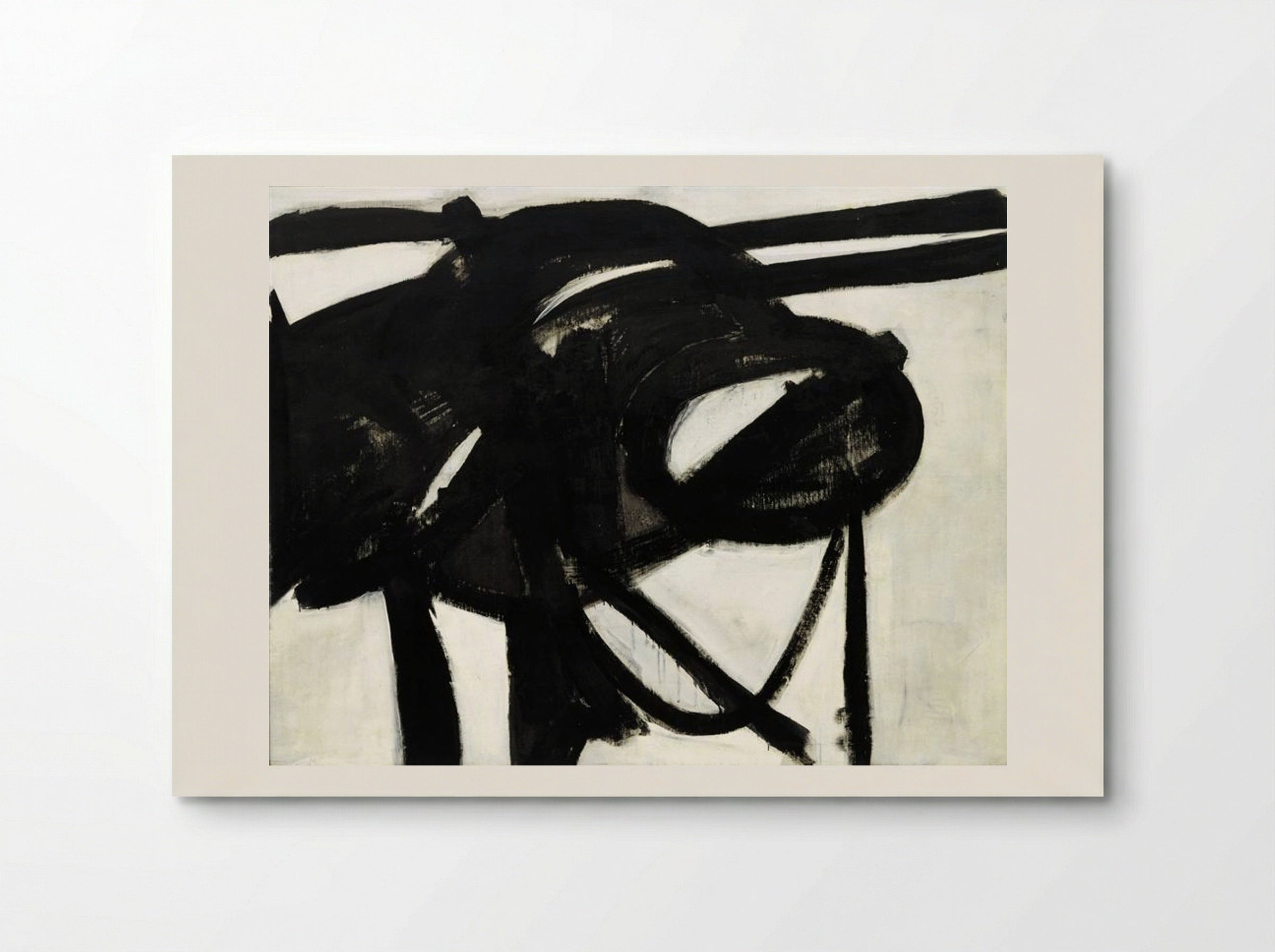
-
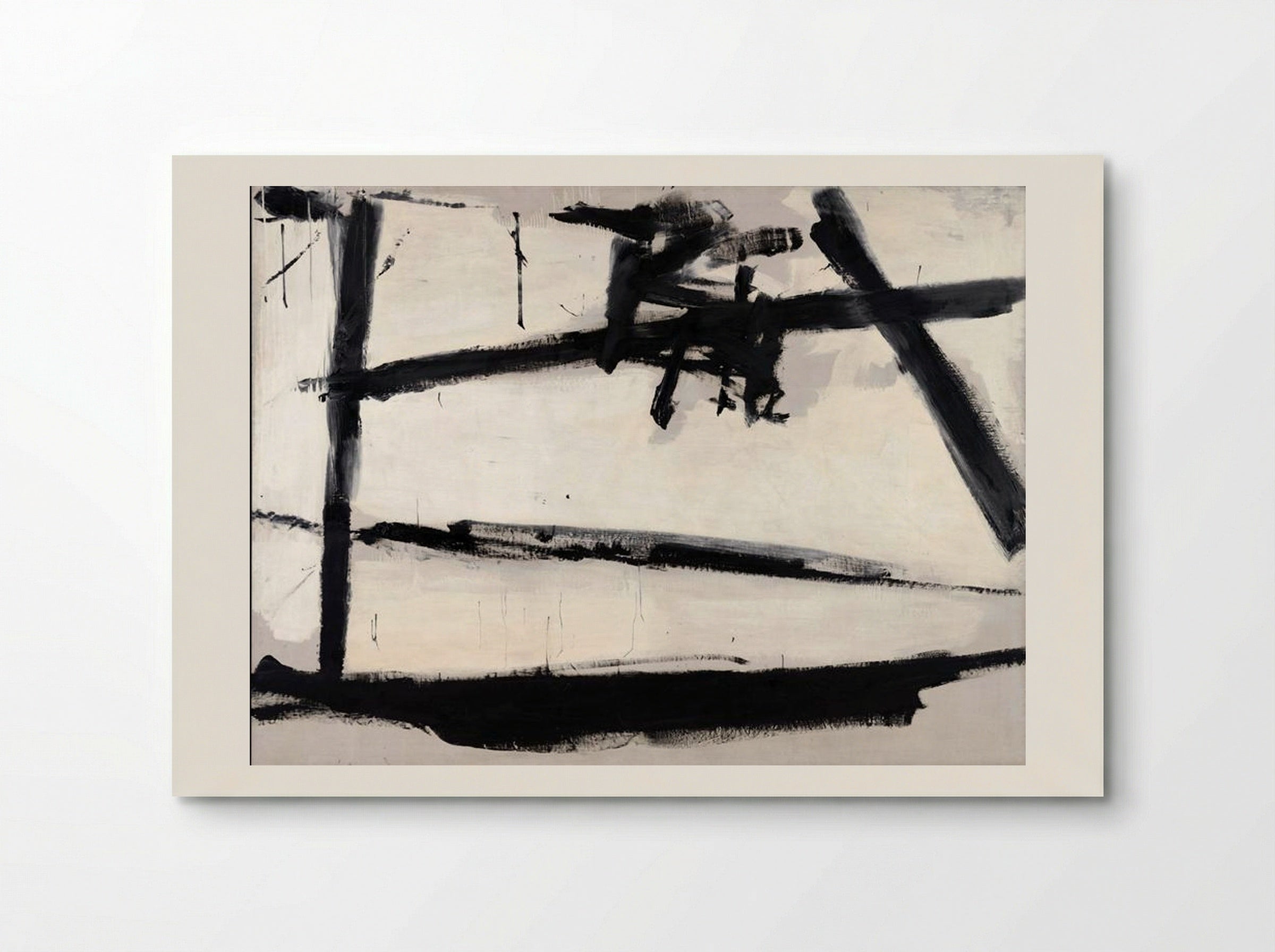
-
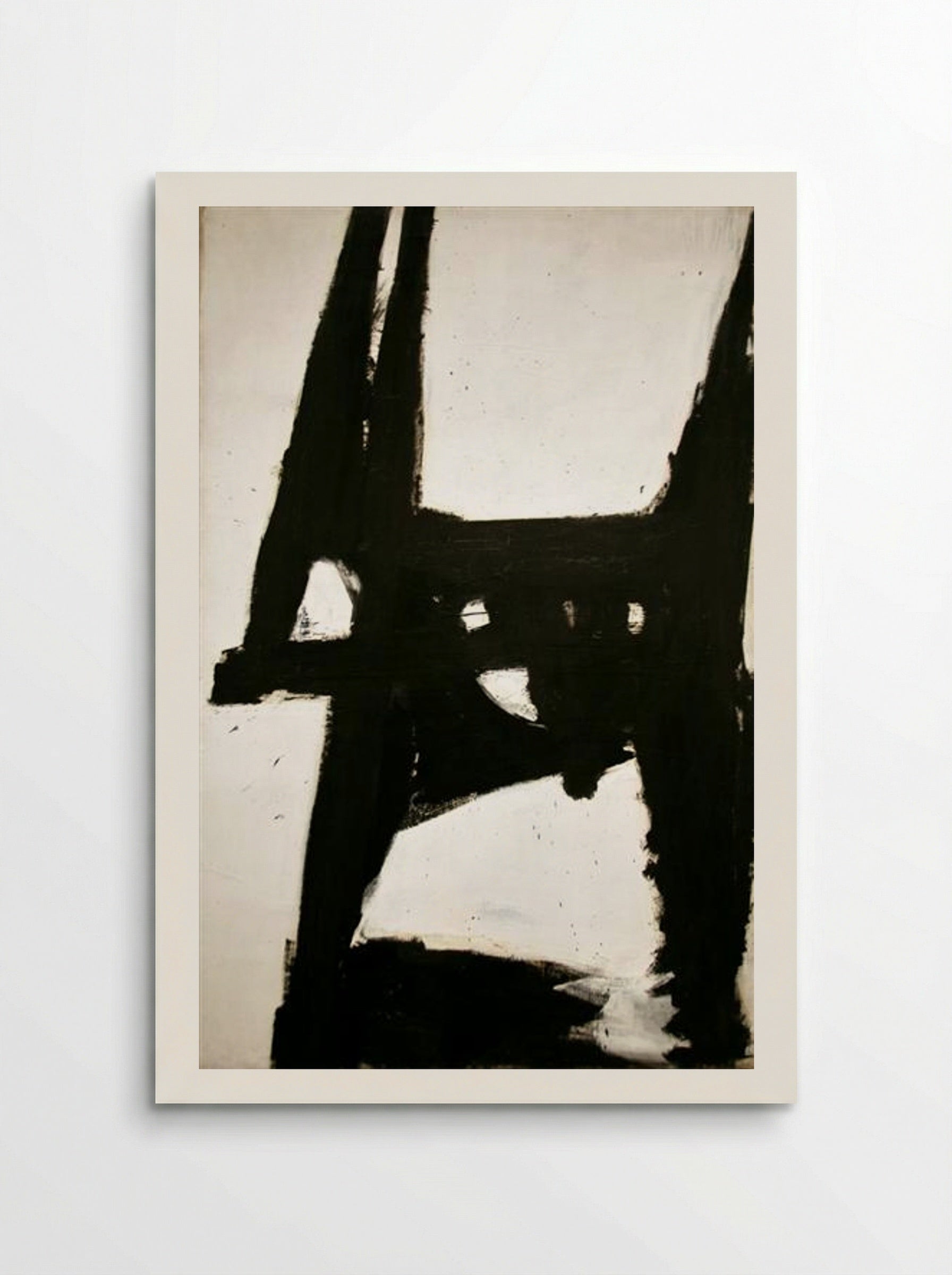 Four Square - Franz Kline
Print
Regular price From £28.00 GBPSale price From £28.00 GBP Regular price -
-
-


Artist Biography
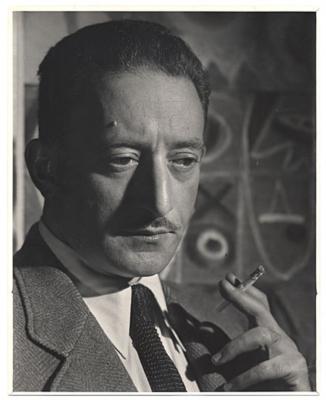
Franz Kline
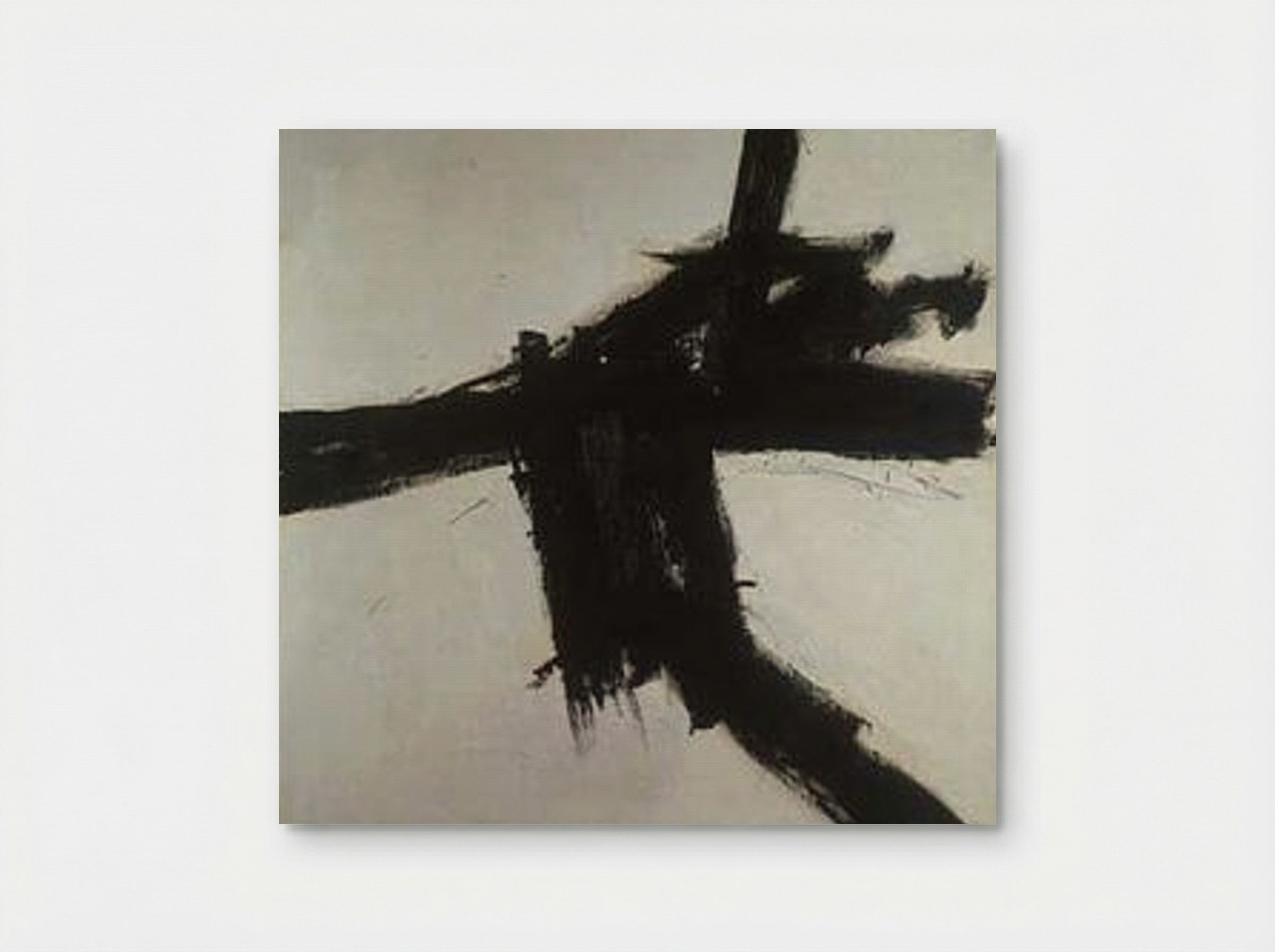
Kline painted black and white. Large canvases, housepainter's brushes, industrial enamel. The strokes are enormous, fast, and structural: they look like bridges, girders, railway trestles, the infrastructure of an industrial city rendered as abstract gesture. He grew up in the coal country of eastern Pennsylvania and the heavy forms of mining and railroad architecture stayed in his work.
He studied at Boston University and the Heatherley School of Fine Art in London, then spent the 1940s painting figurative work in New York. The shift to abstraction came suddenly, according to legend, when de Kooning projected one of Kline's small drawings onto a wall using a Bell-Opticon projector. The enlarged image, freed from its original scale, became something else entirely. Kline began painting large.
The black and white paintings of 1950-61 are his contribution. Mahoning, Chief, and Painting Number 2 are decisive, architectural compositions that look spontaneous but were carefully planned. He made small preparatory studies on telephone book pages and newspaper, working out the balance of black and white before scaling up. The white is not background; it is as active and deliberate as the black.
He reintroduced colour in his last years, which surprised people who had defined him by its absence. He died of heart disease in 1962, at fifty-one. The career lasted roughly twelve years. The paintings are in every major museum of modern art.
He studied at Boston University and the Heatherley School of Fine Art in London, then spent the 1940s painting figurative work in New York. The shift to abstraction came suddenly, according to legend, when de Kooning projected one of Kline's small drawings onto a wall using a Bell-Opticon projector. The enlarged image, freed from its original scale, became something else entirely. Kline began painting large.
The black and white paintings of 1950-61 are his contribution. Mahoning, Chief, and Painting Number 2 are decisive, architectural compositions that look spontaneous but were carefully planned. He made small preparatory studies on telephone book pages and newspaper, working out the balance of black and white before scaling up. The white is not background; it is as active and deliberate as the black.
He reintroduced colour in his last years, which surprised people who had defined him by its absence. He died of heart disease in 1962, at fifty-one. The career lasted roughly twelve years. The paintings are in every major museum of modern art.



Why Choose Us ?