

Collection
Joan Mitchell
Explore curated art prints selected for distinctive homes and considered interiors.
-
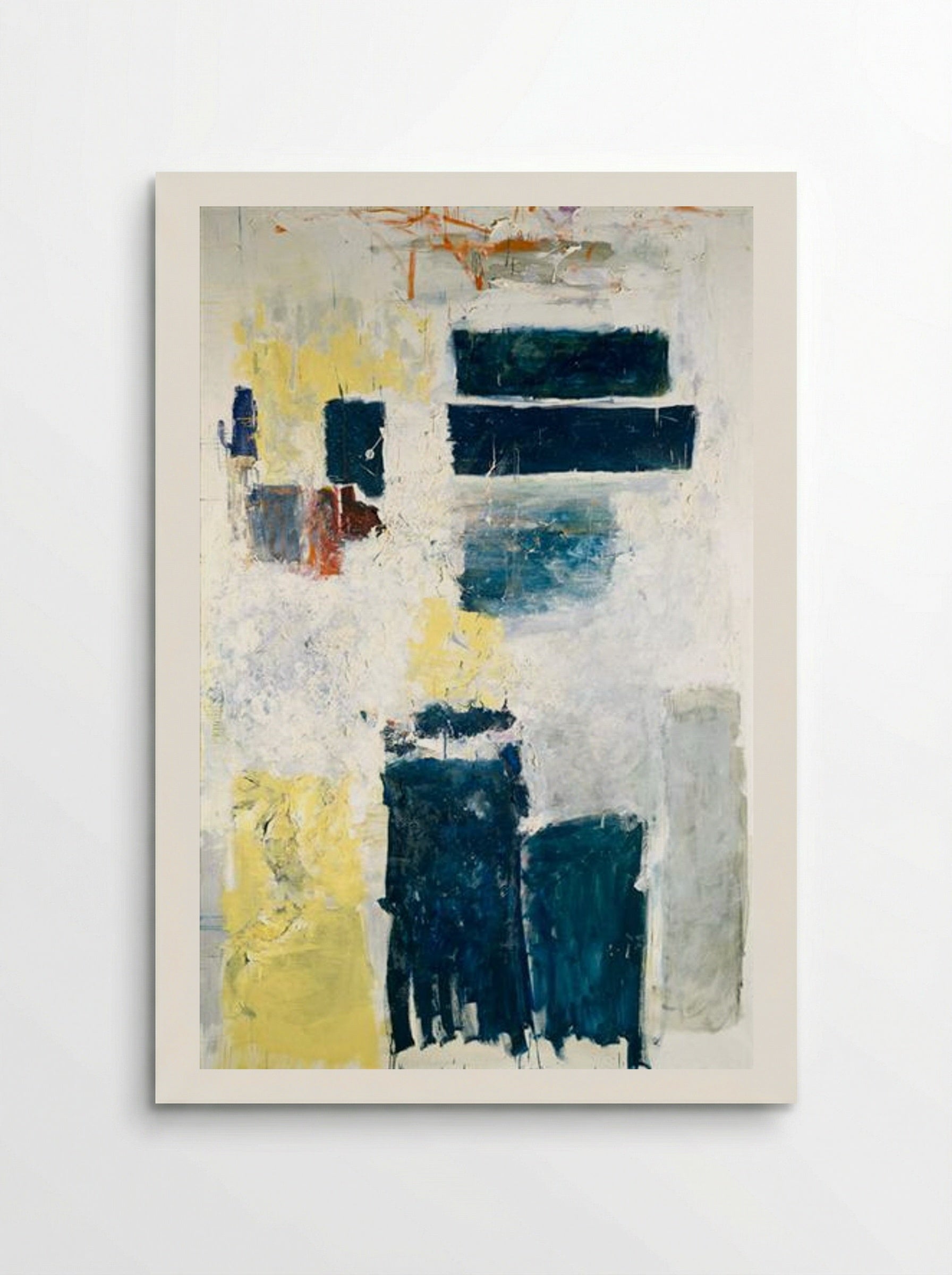
 The Lot - Joan Mitchell
Print · Framed · Canvas
Regular price From £28.00 GBPSale price From £28.00 GBP Regular price -
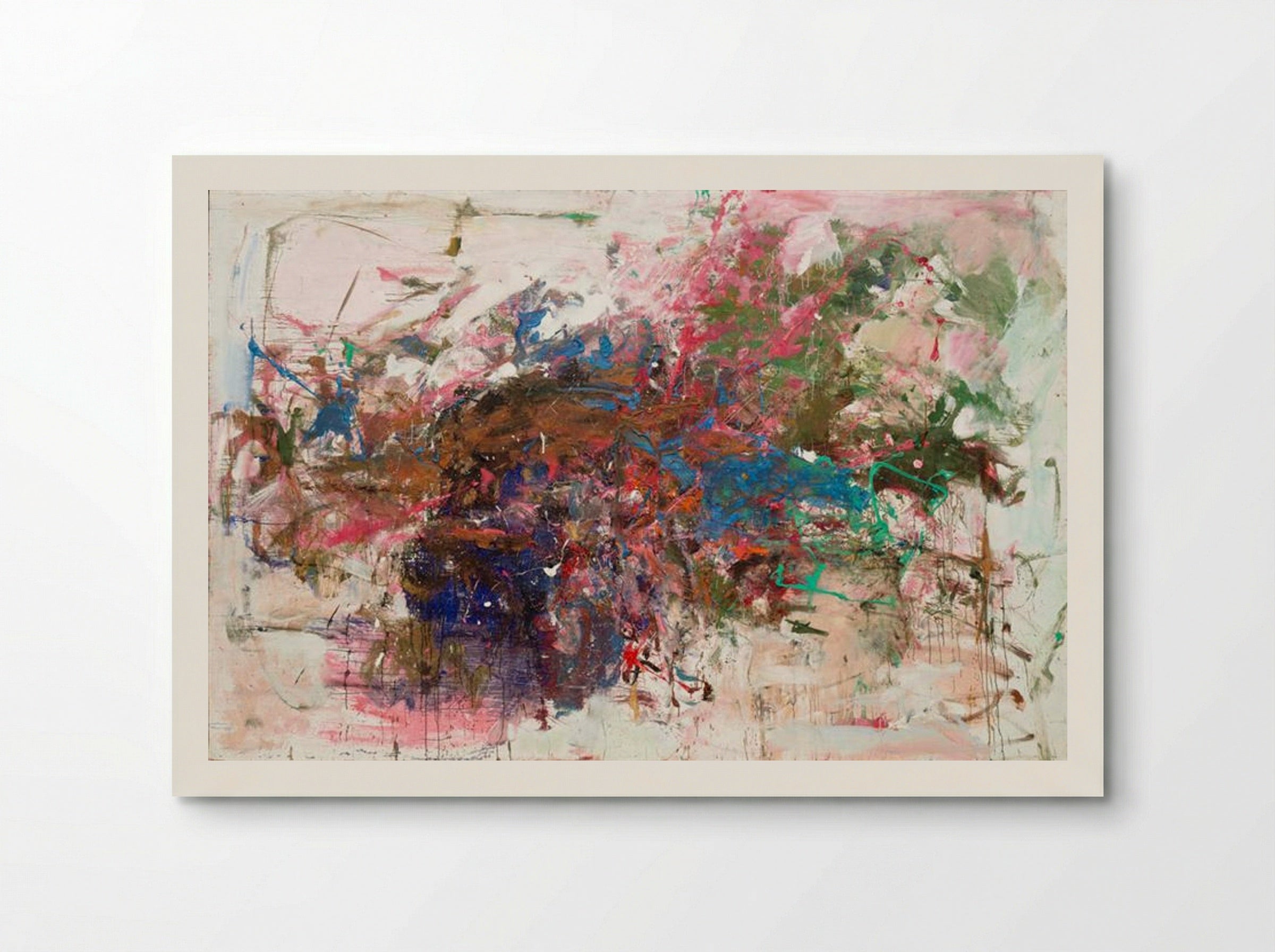
 Grandes Carrières - Joan Mitchell
Print · Framed
Regular price From £28.00 GBPSale price From £28.00 GBP Regular price -

 Merci - Joan Mitchell
Print · Framed
Regular price From £28.00 GBPSale price From £28.00 GBP Regular price -

 Ici - Joan Mitchell
Print · Framed
Regular price From £28.00 GBPSale price From £28.00 GBP Regular price -

 Le Chemin des Ecoliers - Joan Mitchell
Print · Framed
Regular price From £28.00 GBPSale price From £28.00 GBP Regular price -
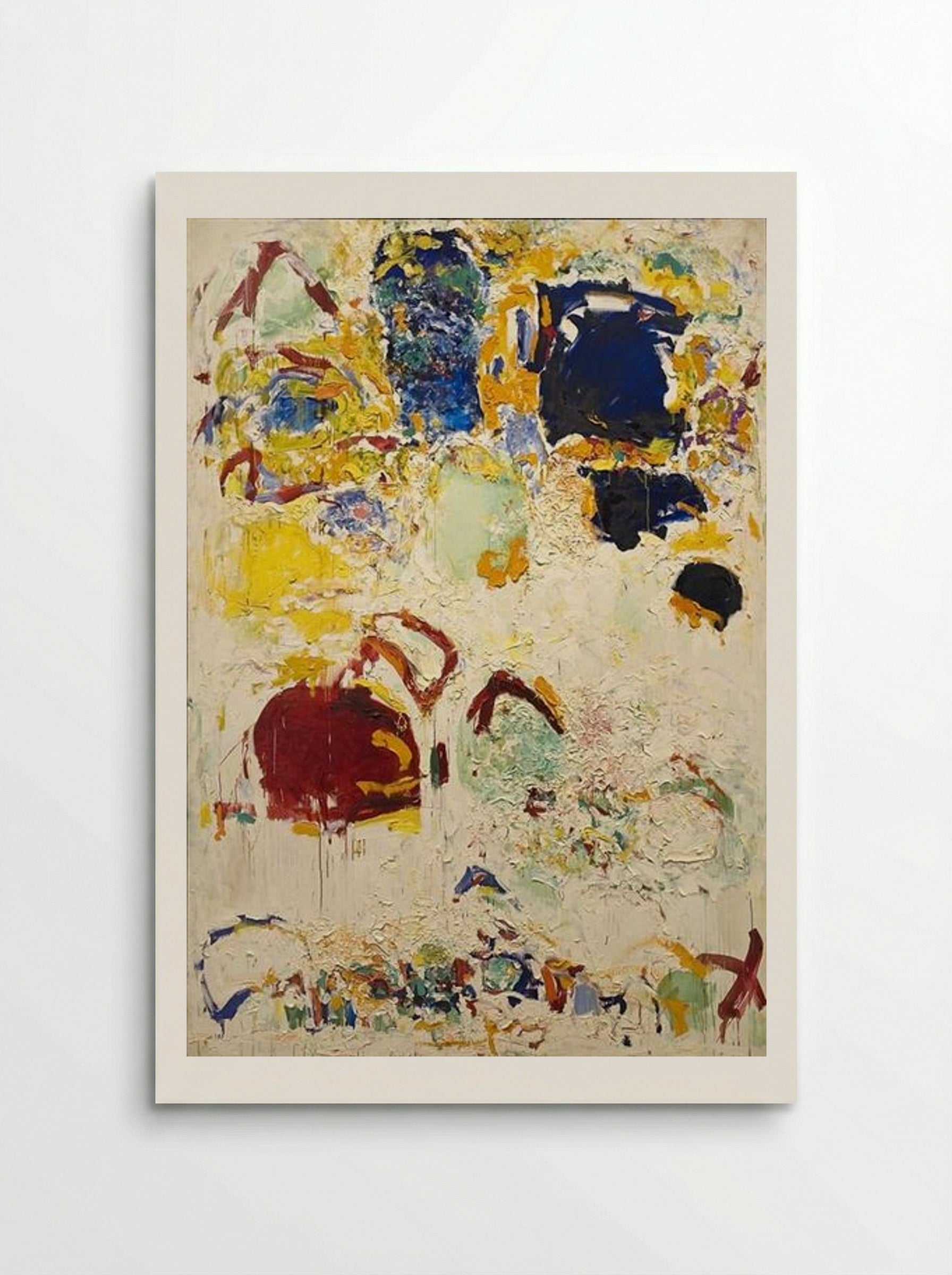 Diabolo (neige et fleurs) - Joan Mitchell
Print
Regular price From £28.00 GBPSale price From £28.00 GBP Regular price -
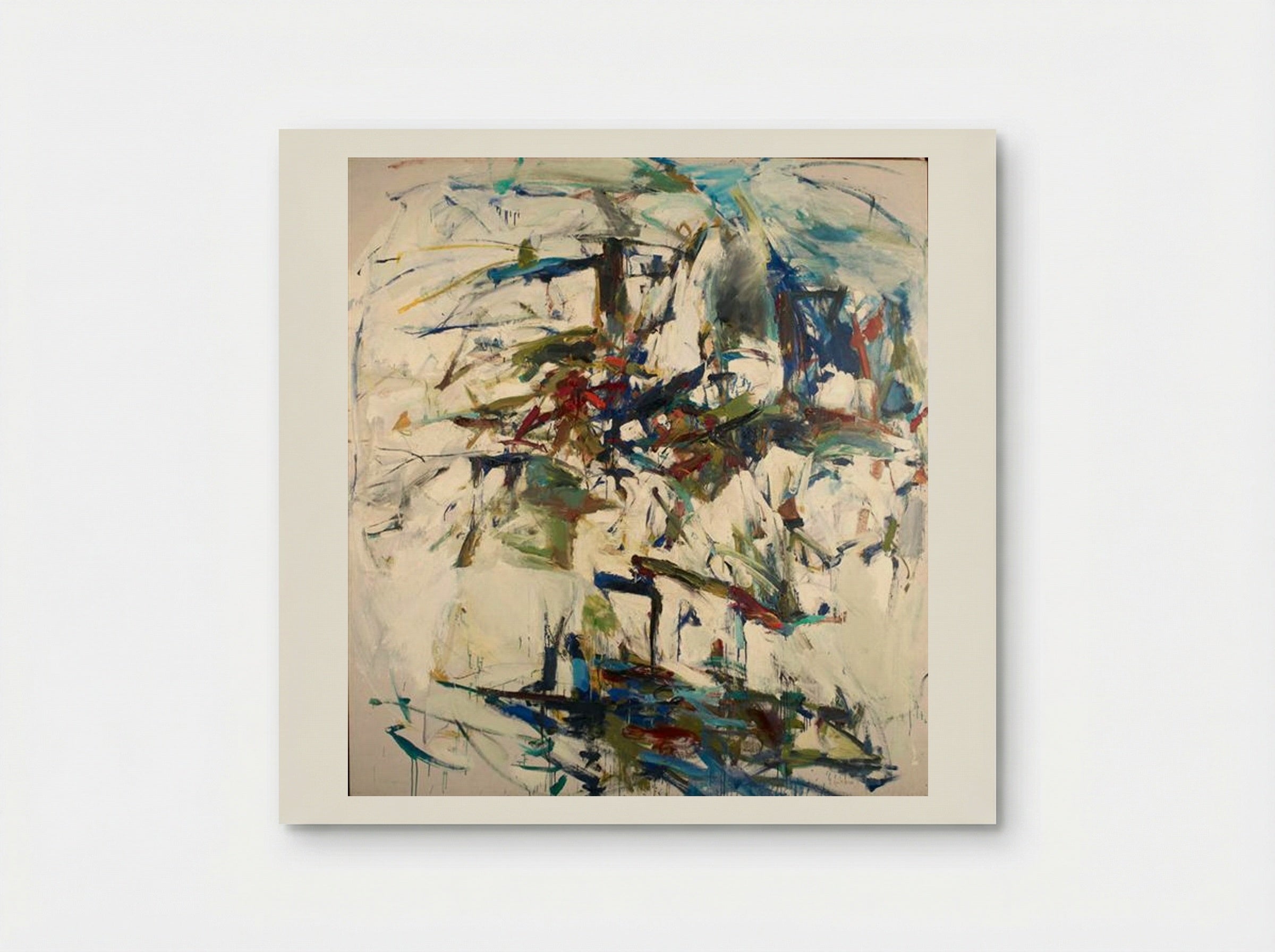 George Went Swimming at Barnes Hole, but It Got Too Cold - Joan Mitchell
Print
Regular price From £37.00 GBPSale price From £37.00 GBP Regular price -
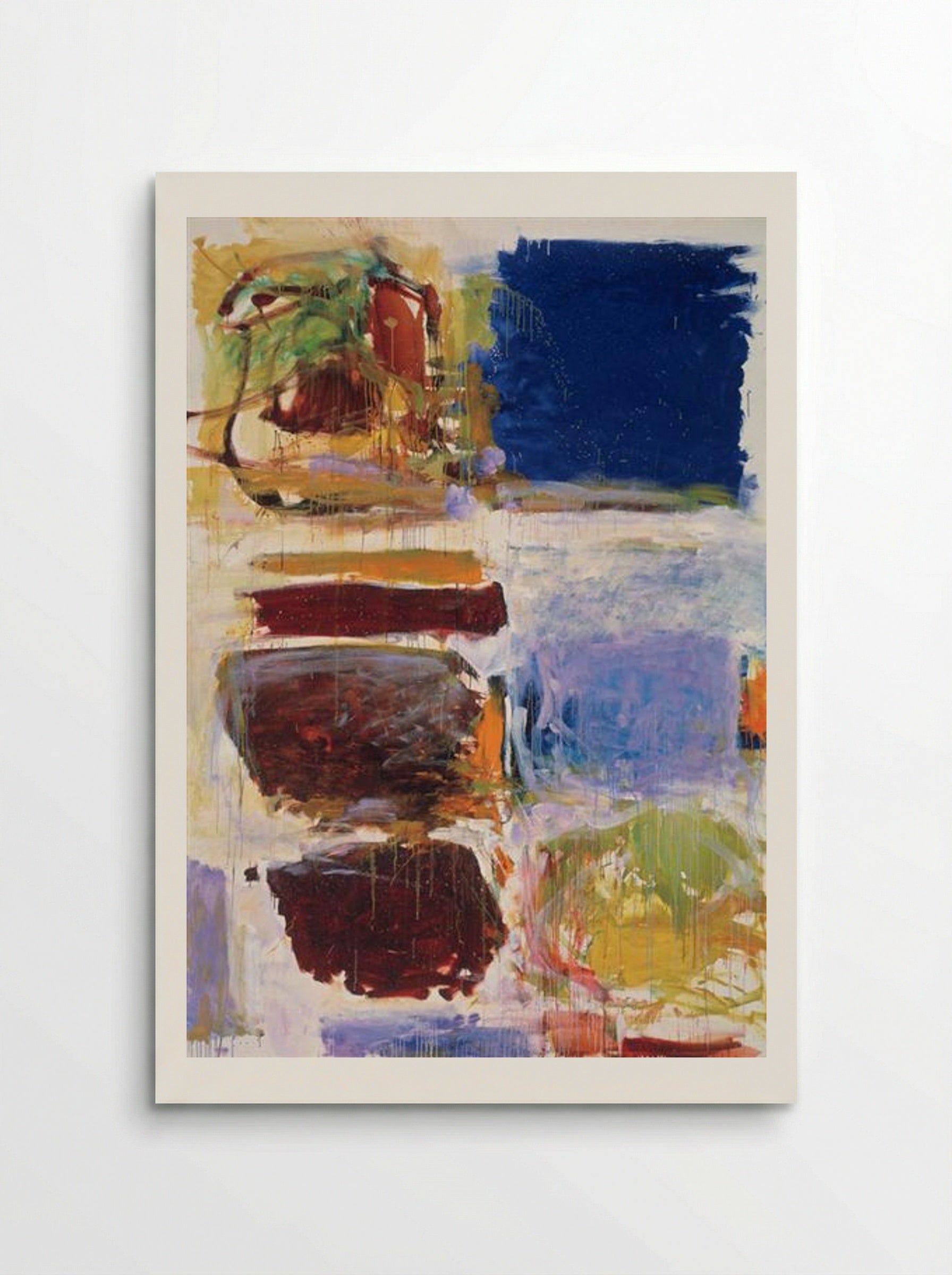 Blue Territory - Joan Mitchell
Print
Regular price From £28.00 GBPSale price From £28.00 GBP Regular price -
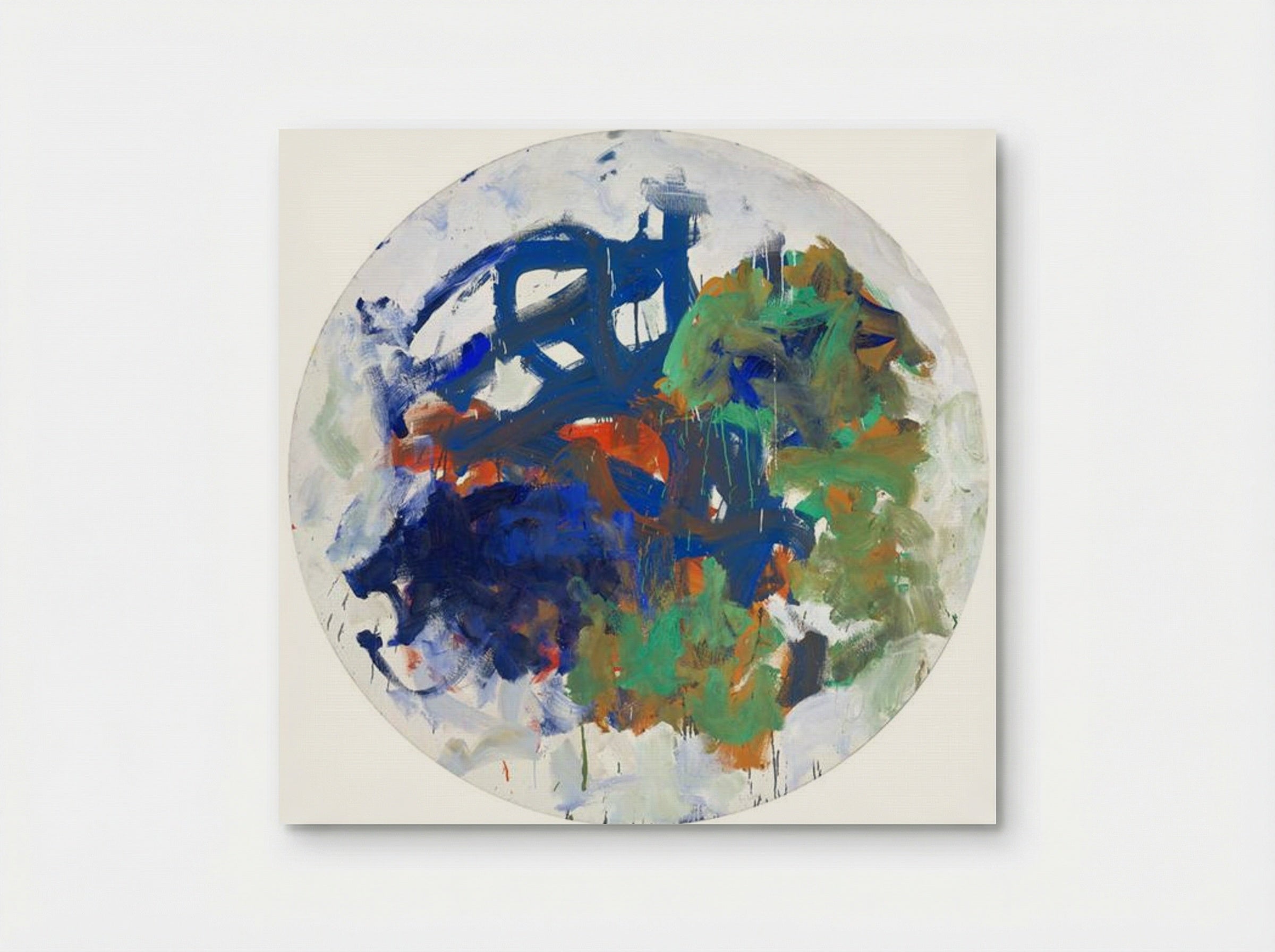
-
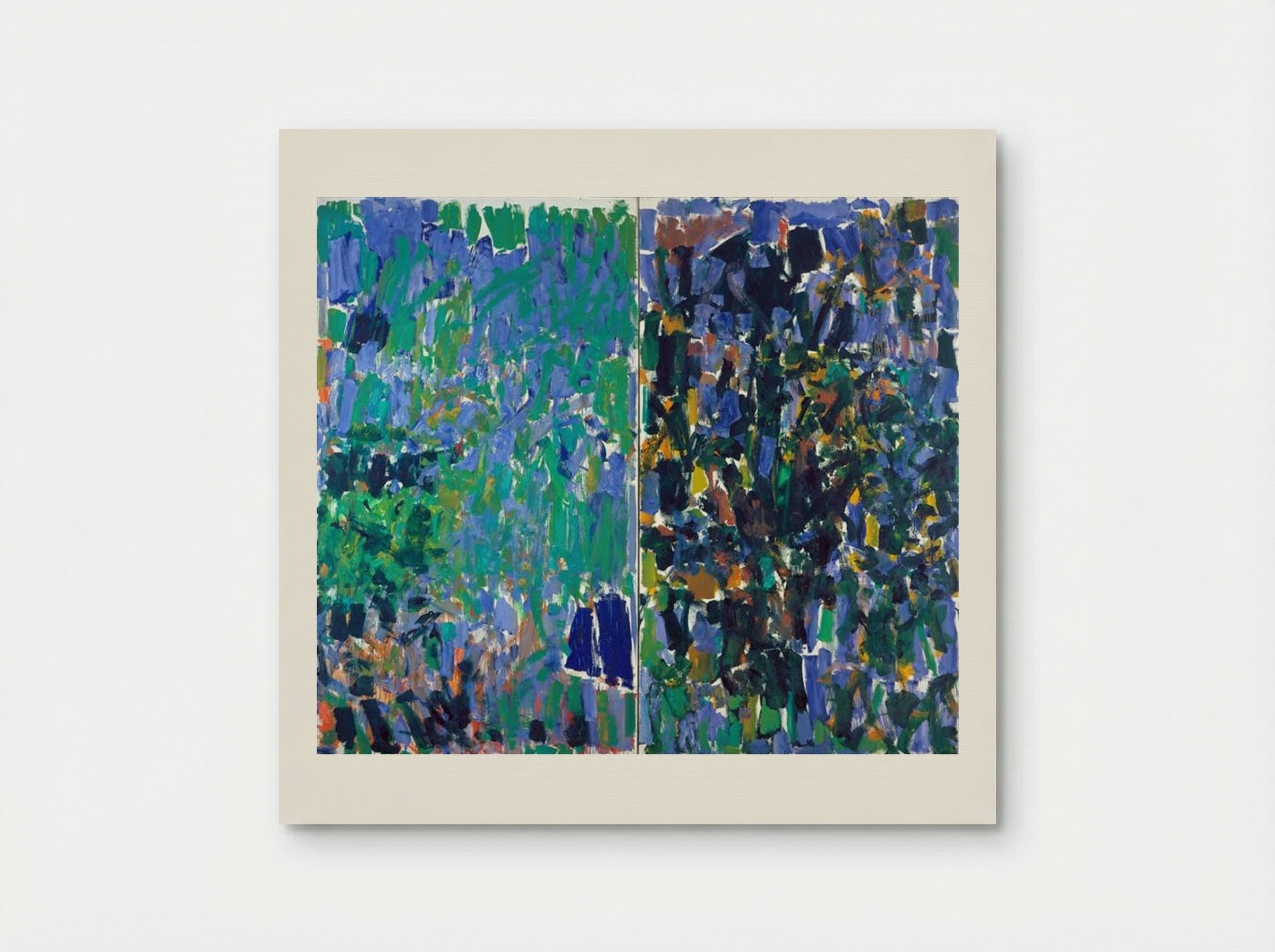
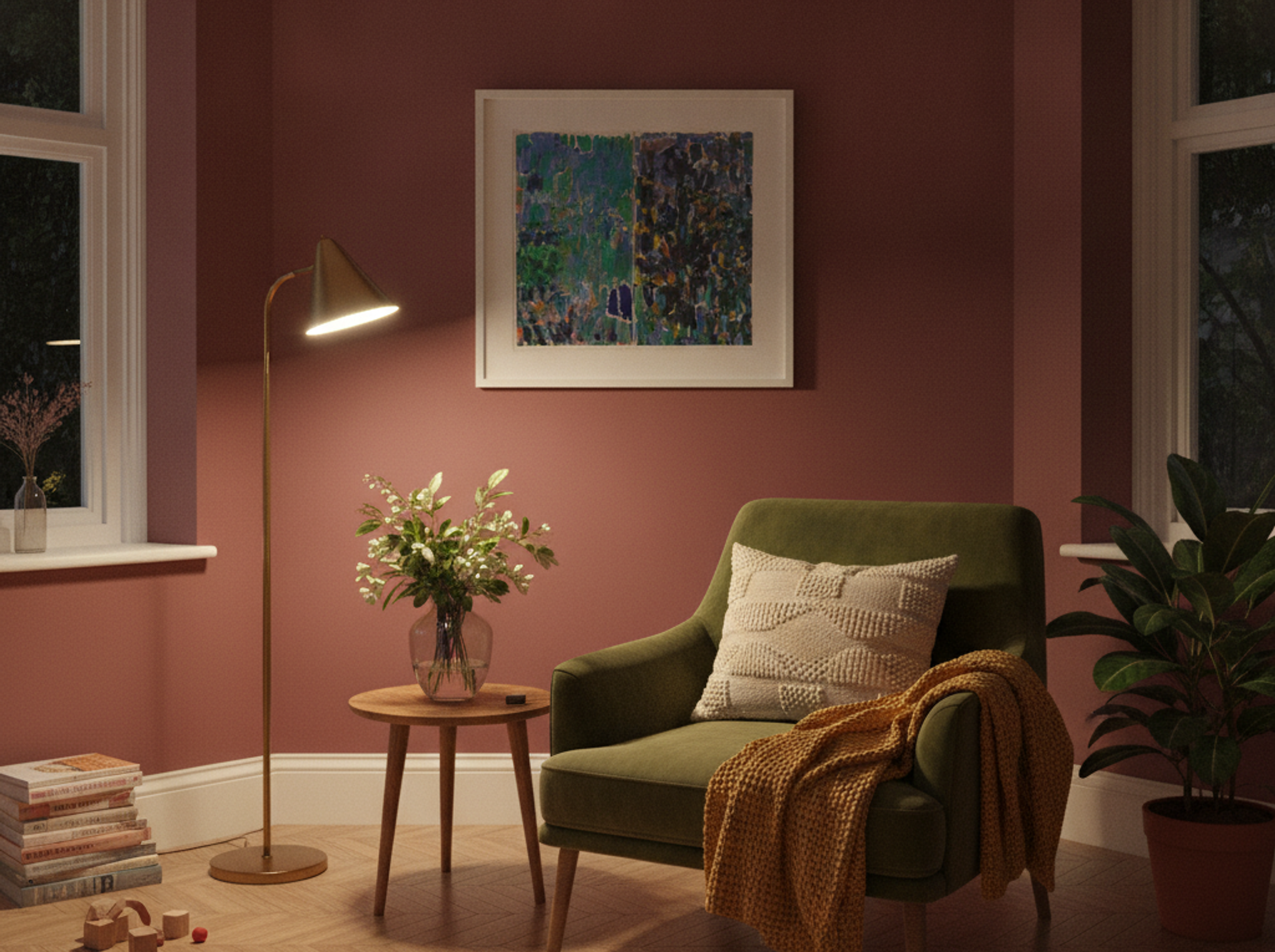 Heel, Sit, Stay - Joan Mitchell
Print · Framed
Regular price From £37.00 GBPSale price From £37.00 GBP Regular price -
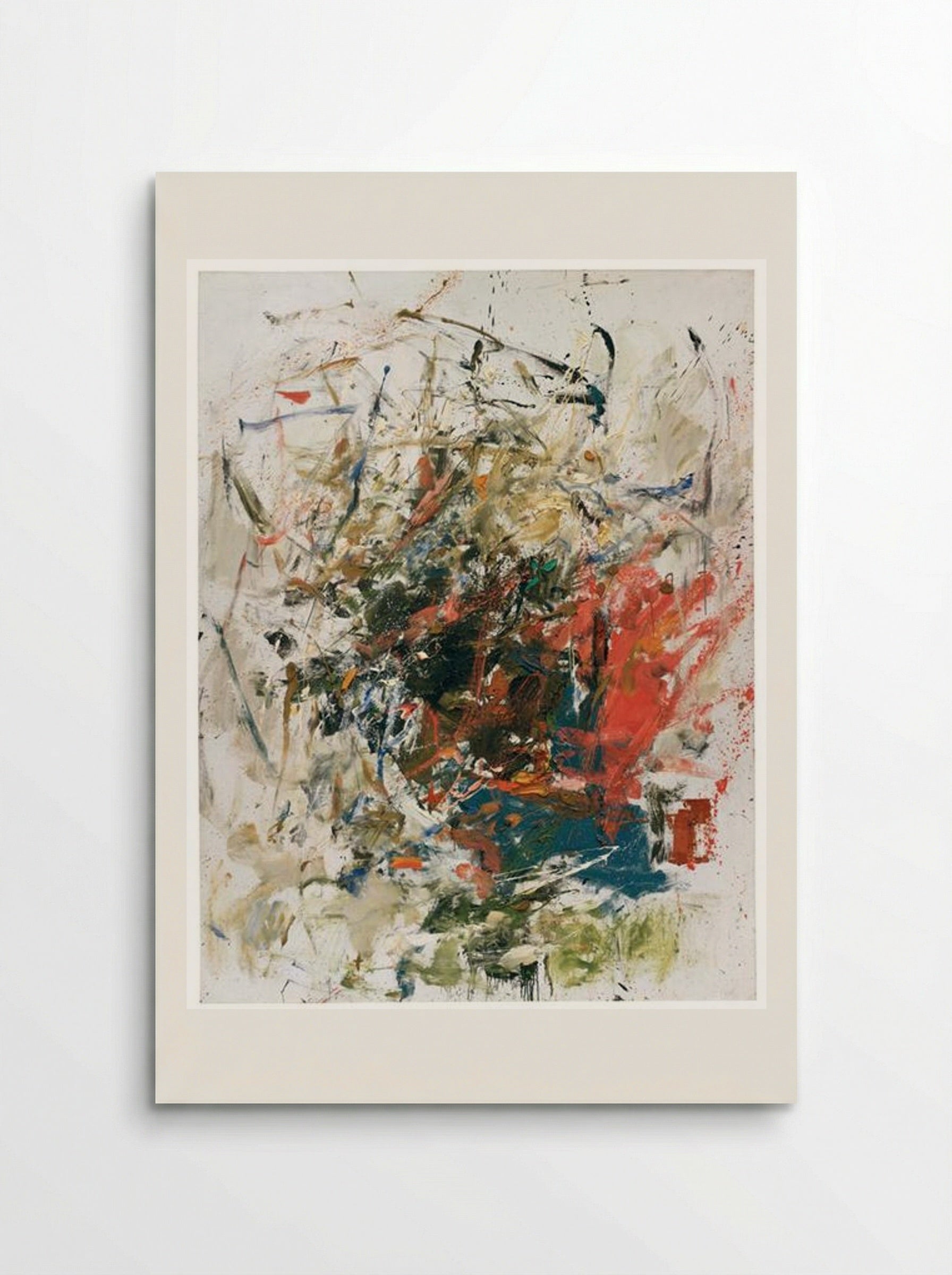
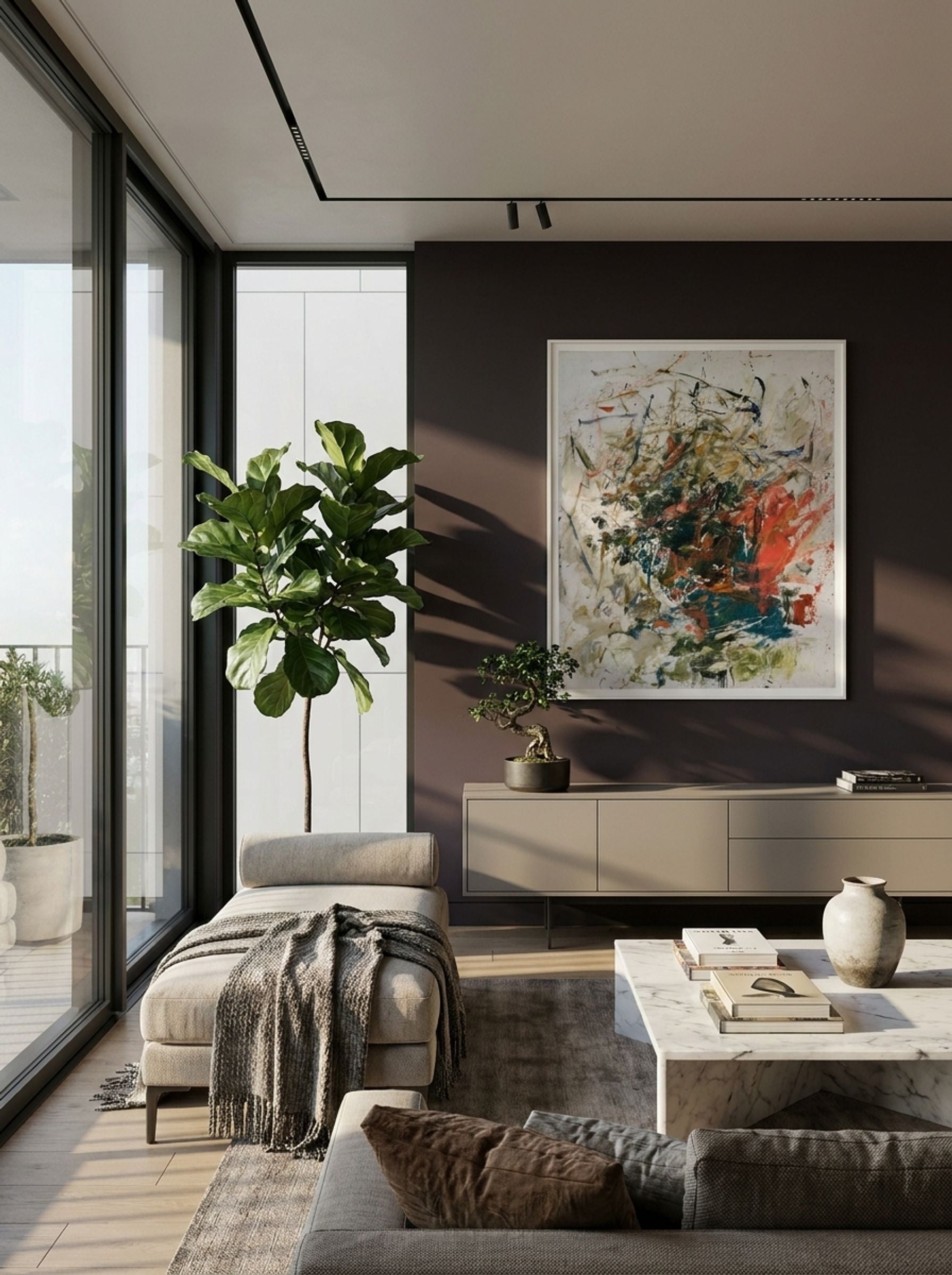 La Chatière - Joan Mitchell
Print · Framed
Regular price From £28.00 GBPSale price From £28.00 GBP Regular price -
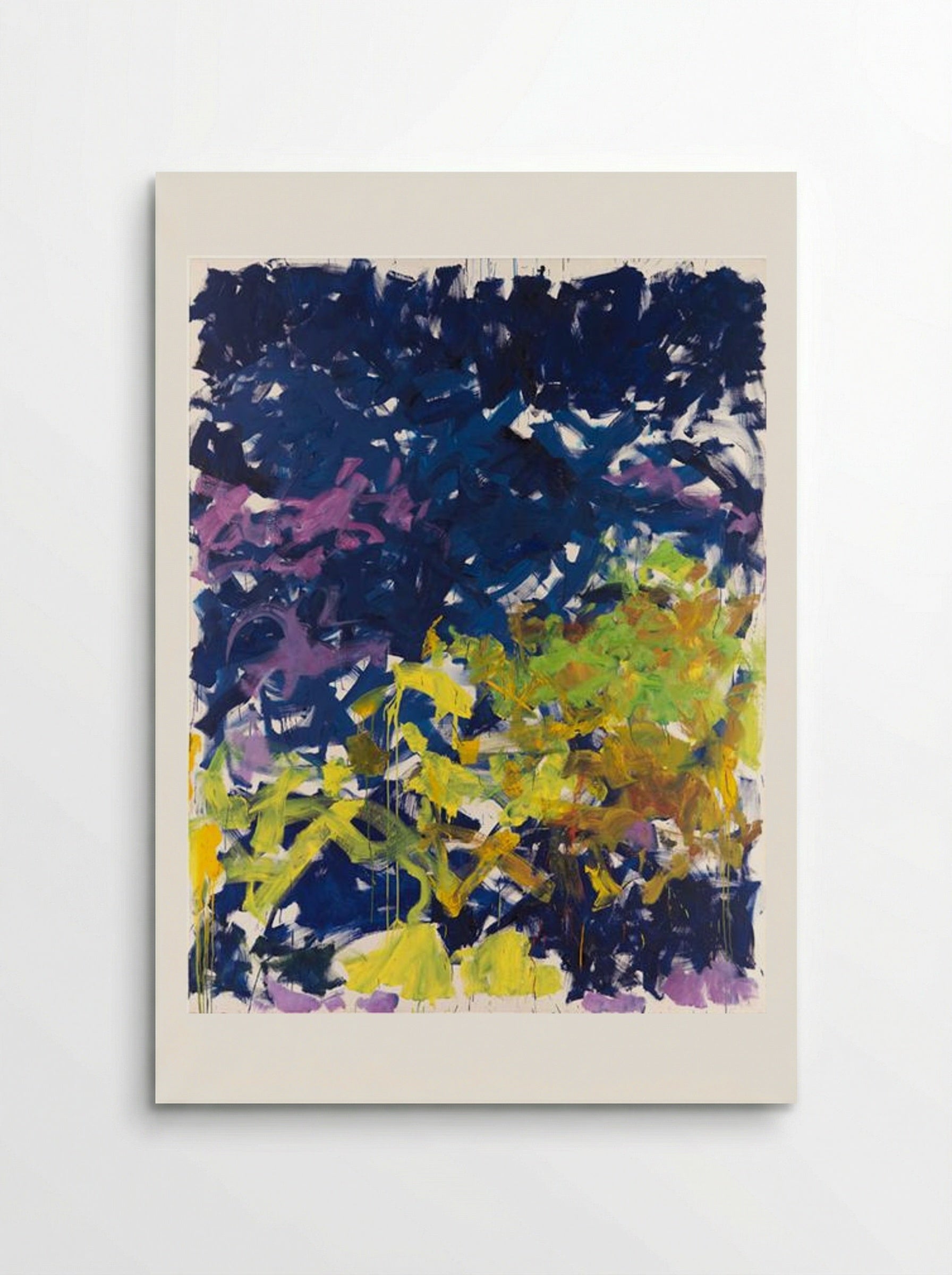
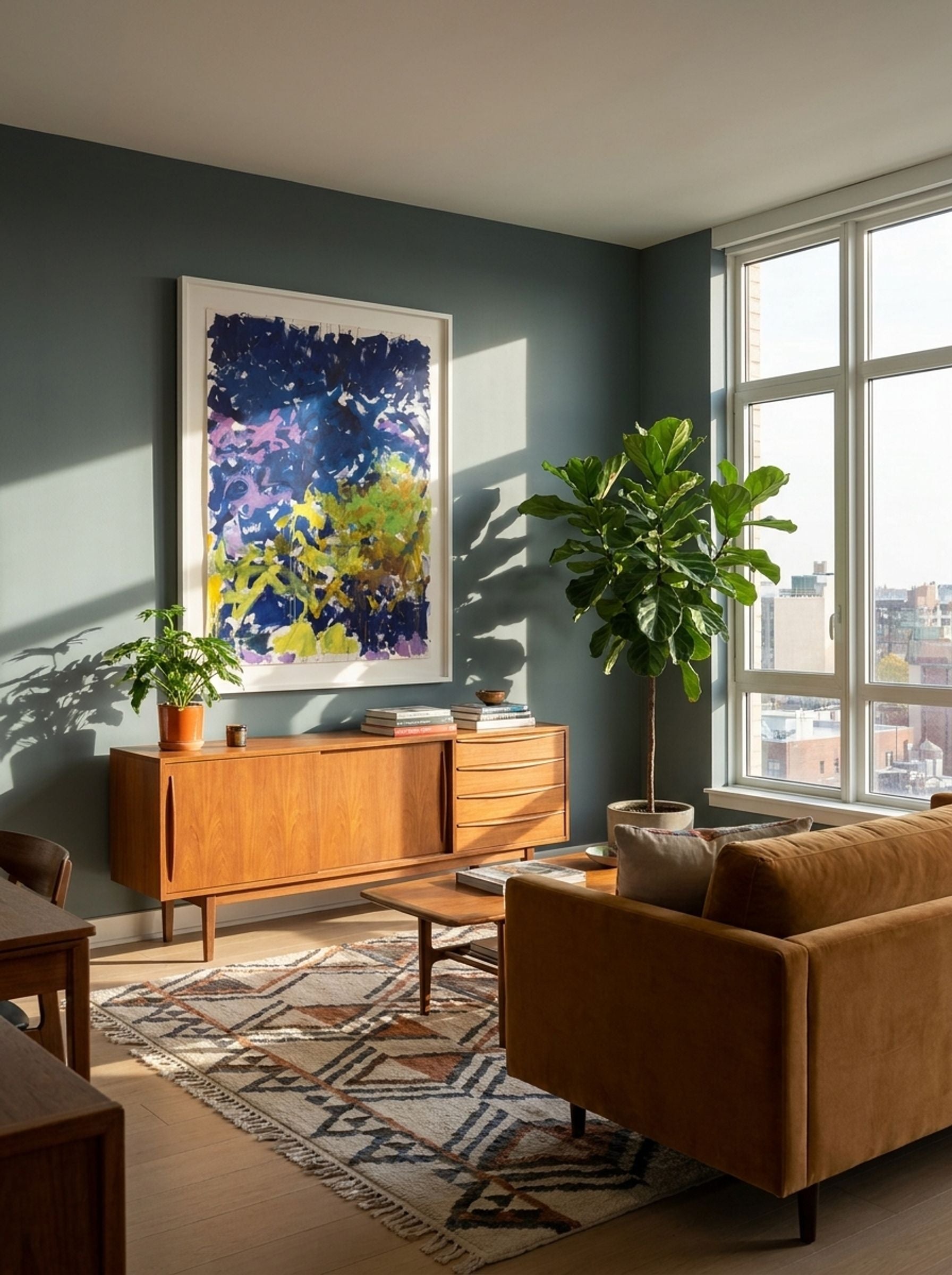 La Grande Vallée XVI, Pour Iva - Joan Mitchell
Print · Framed
Regular price From £28.00 GBPSale price From £28.00 GBP Regular price -
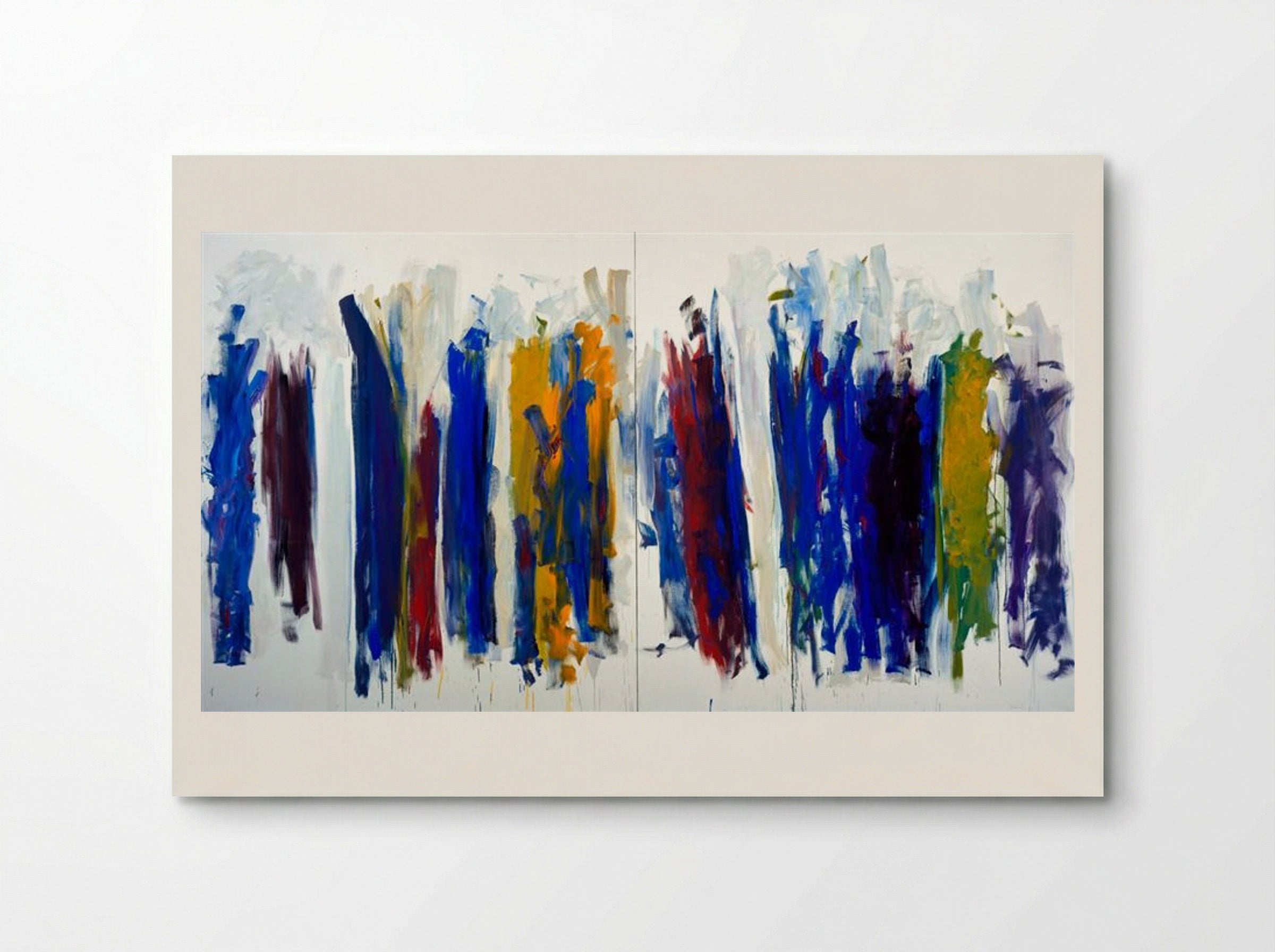
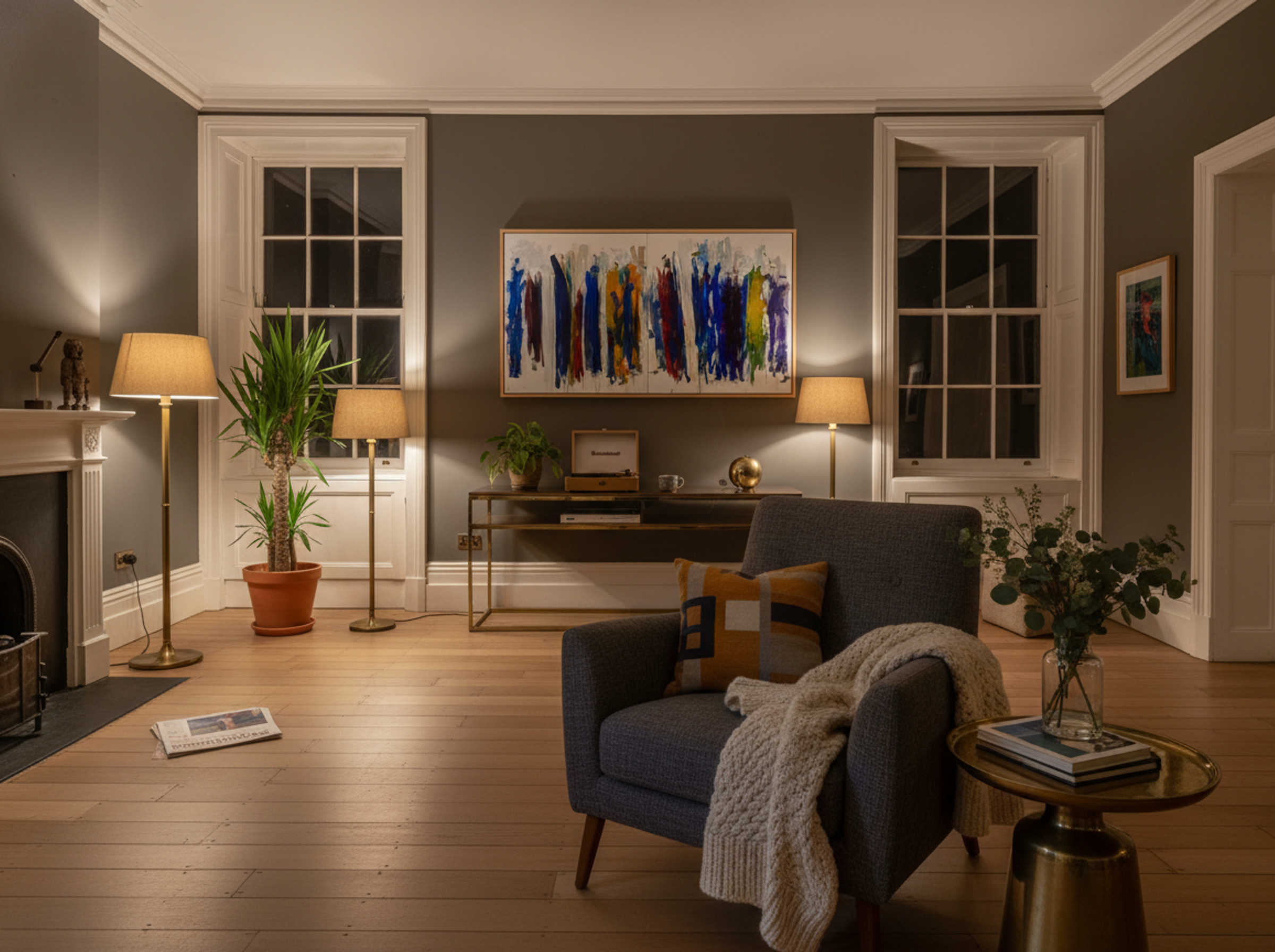 Trees - Joan Mitchell
Print · Framed
Regular price From £28.00 GBPSale price From £28.00 GBP Regular price -
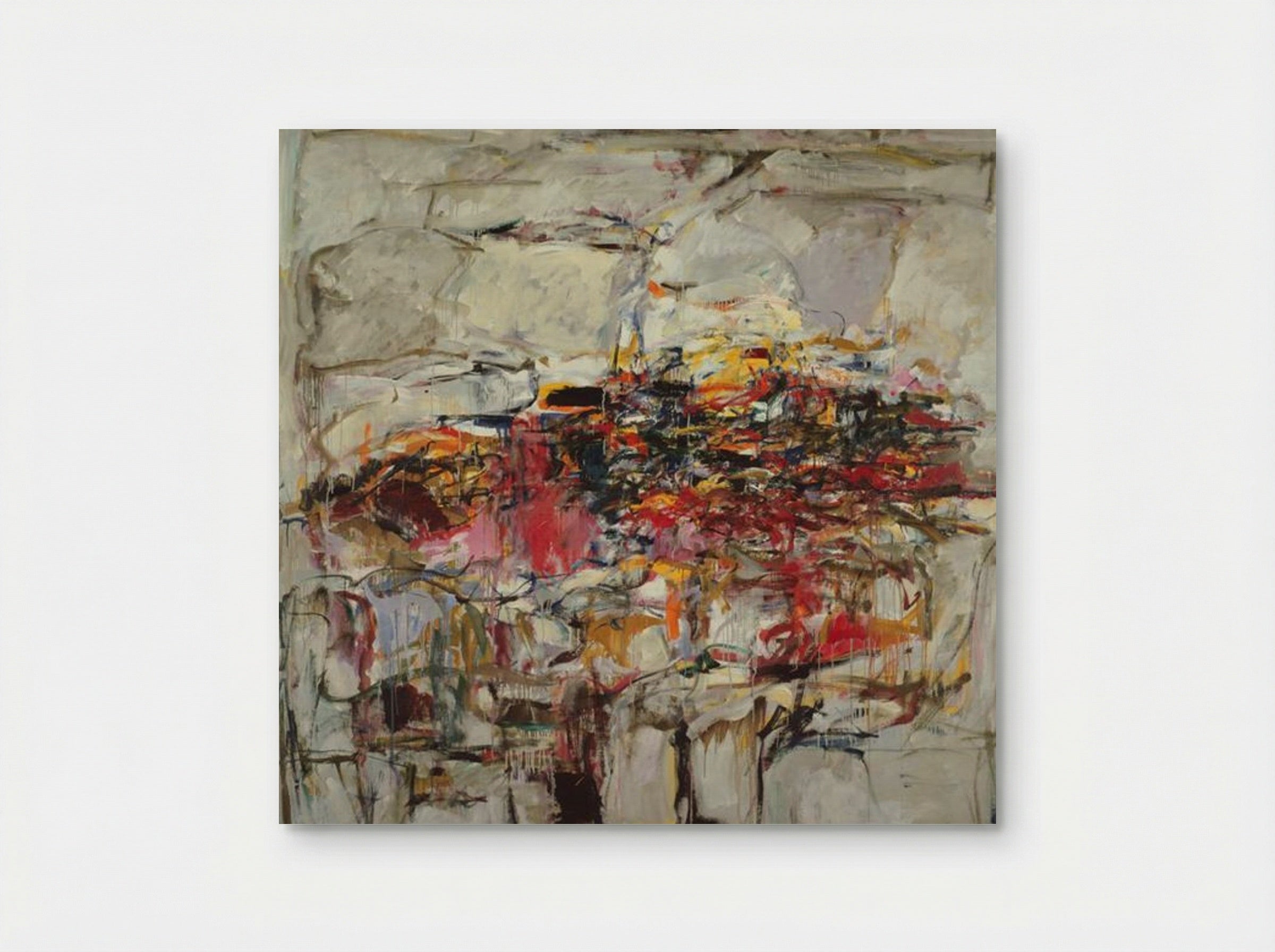
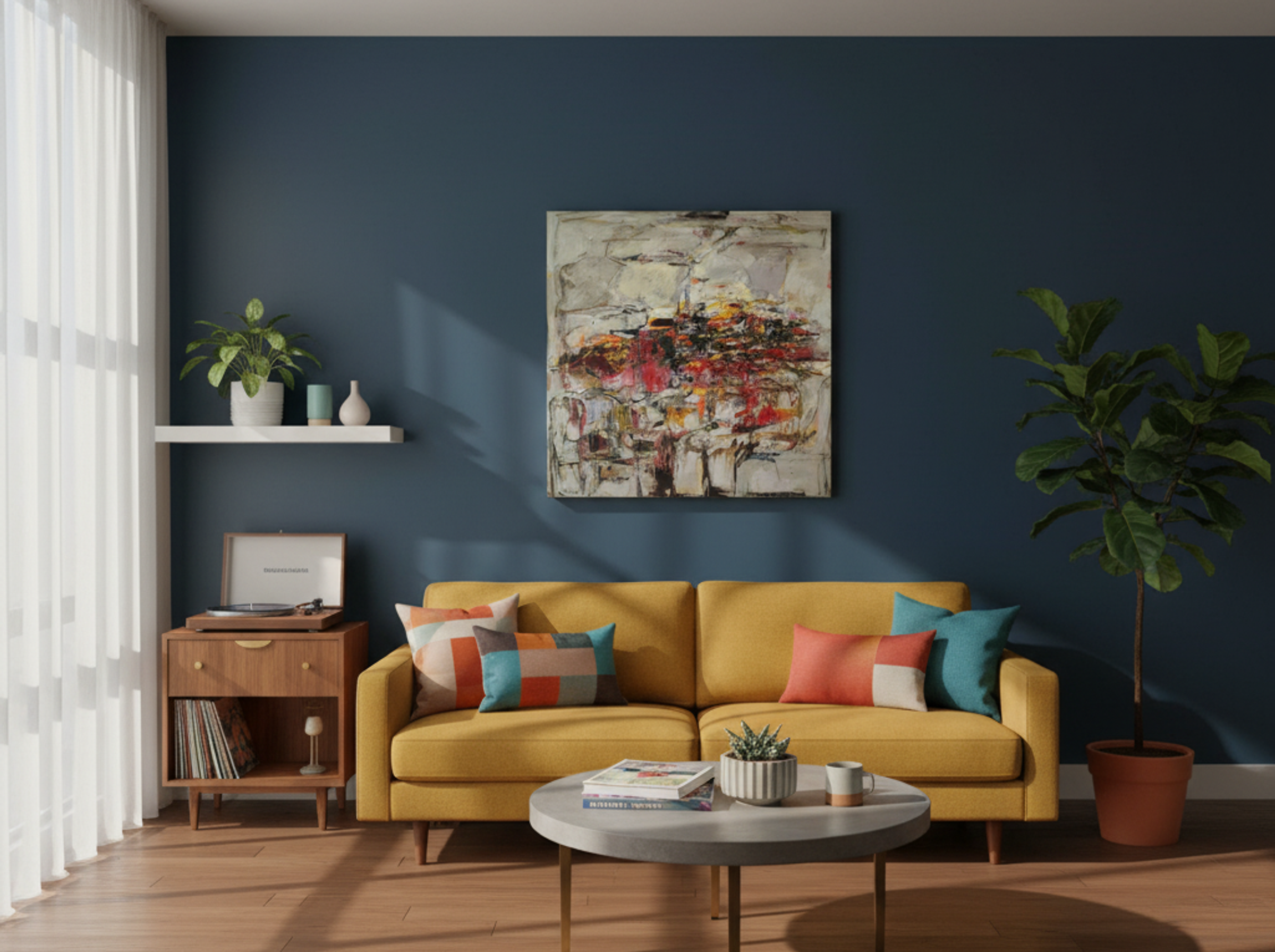 City Landscape - Joan Mitchell
Print · Framed
Regular price From £37.00 GBPSale price From £37.00 GBP Regular price -
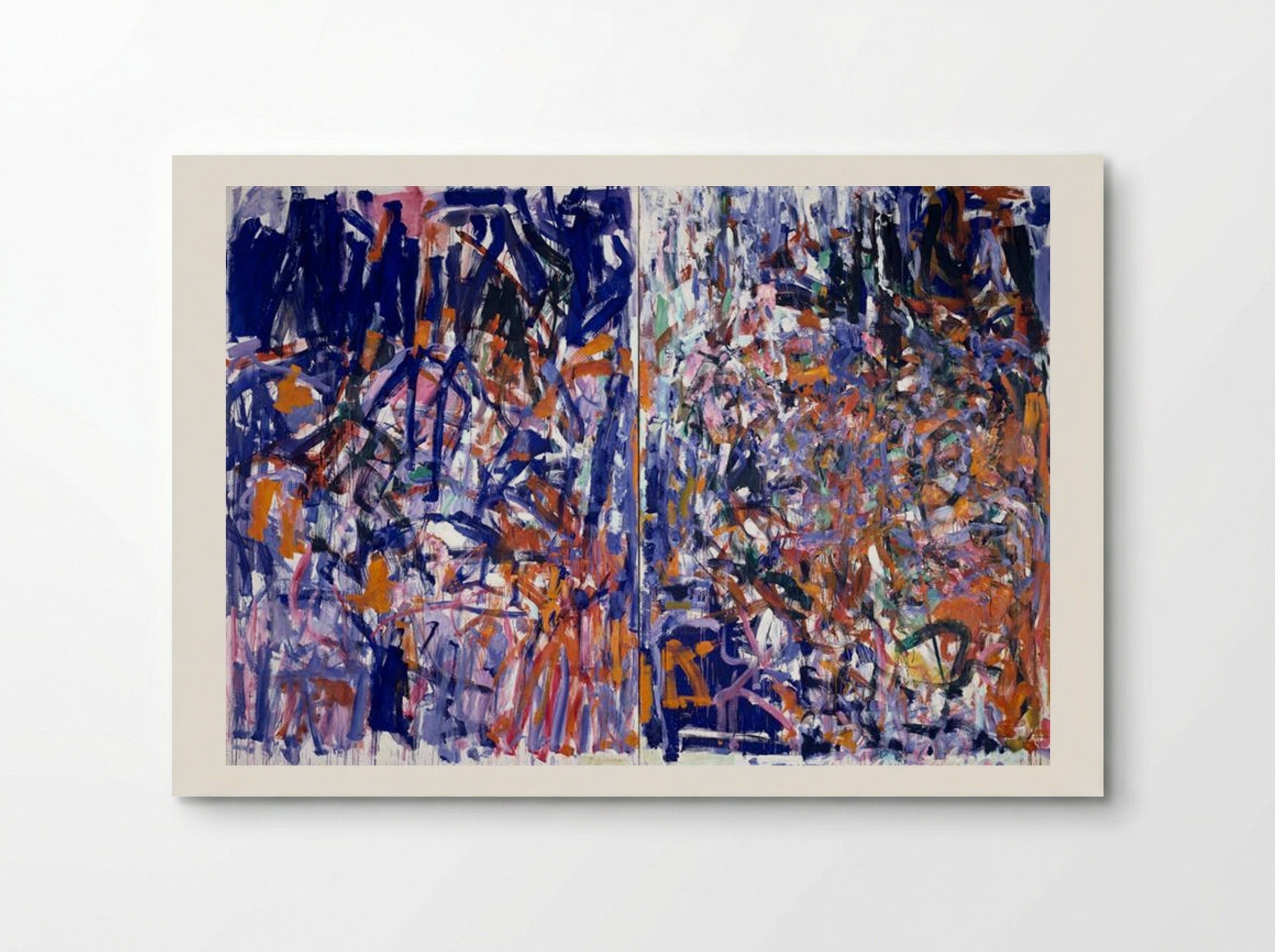
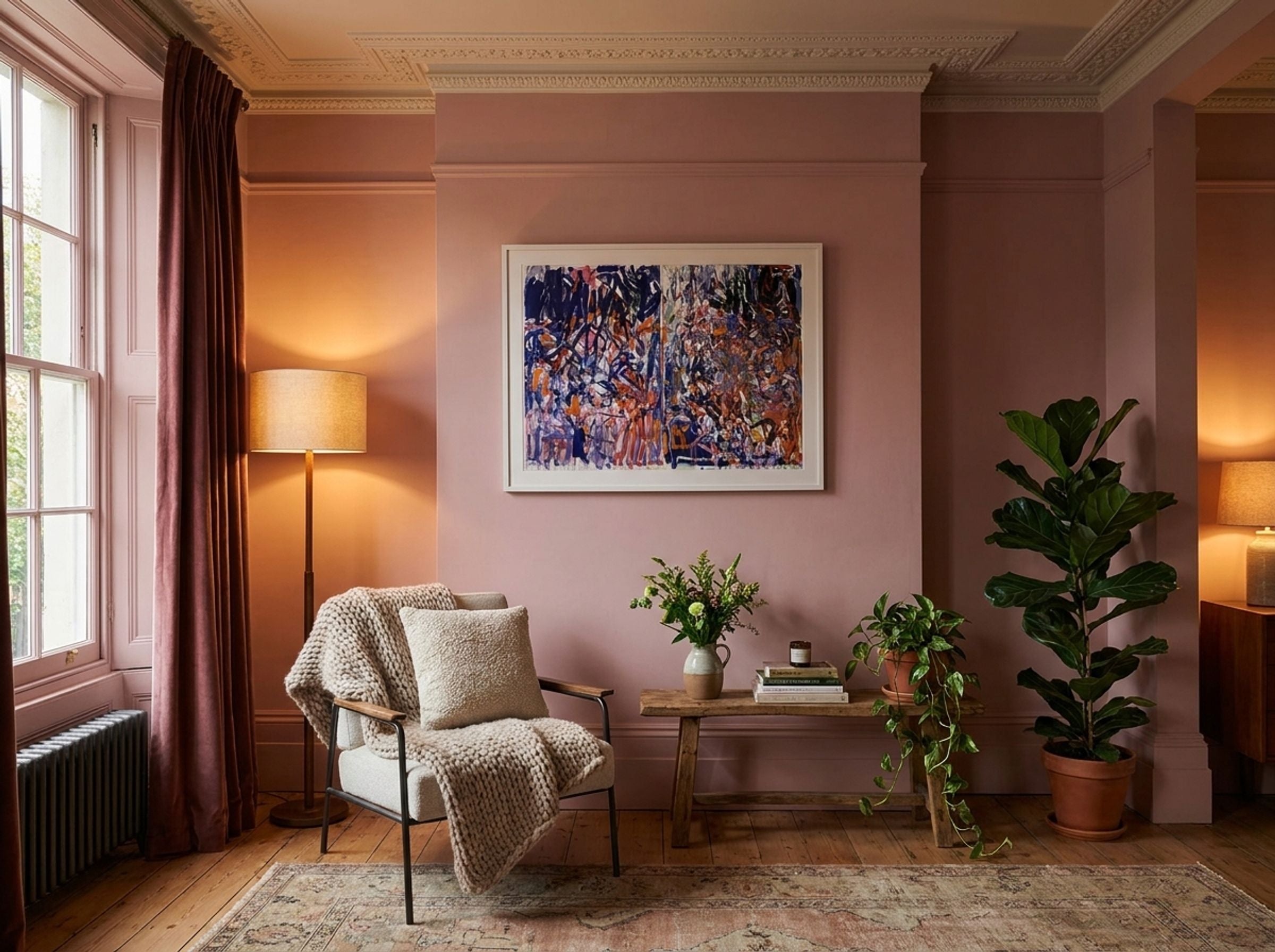 Weeds - Joan Mitchell
Print · Framed
Regular price From £28.00 GBPSale price From £28.00 GBP Regular price -
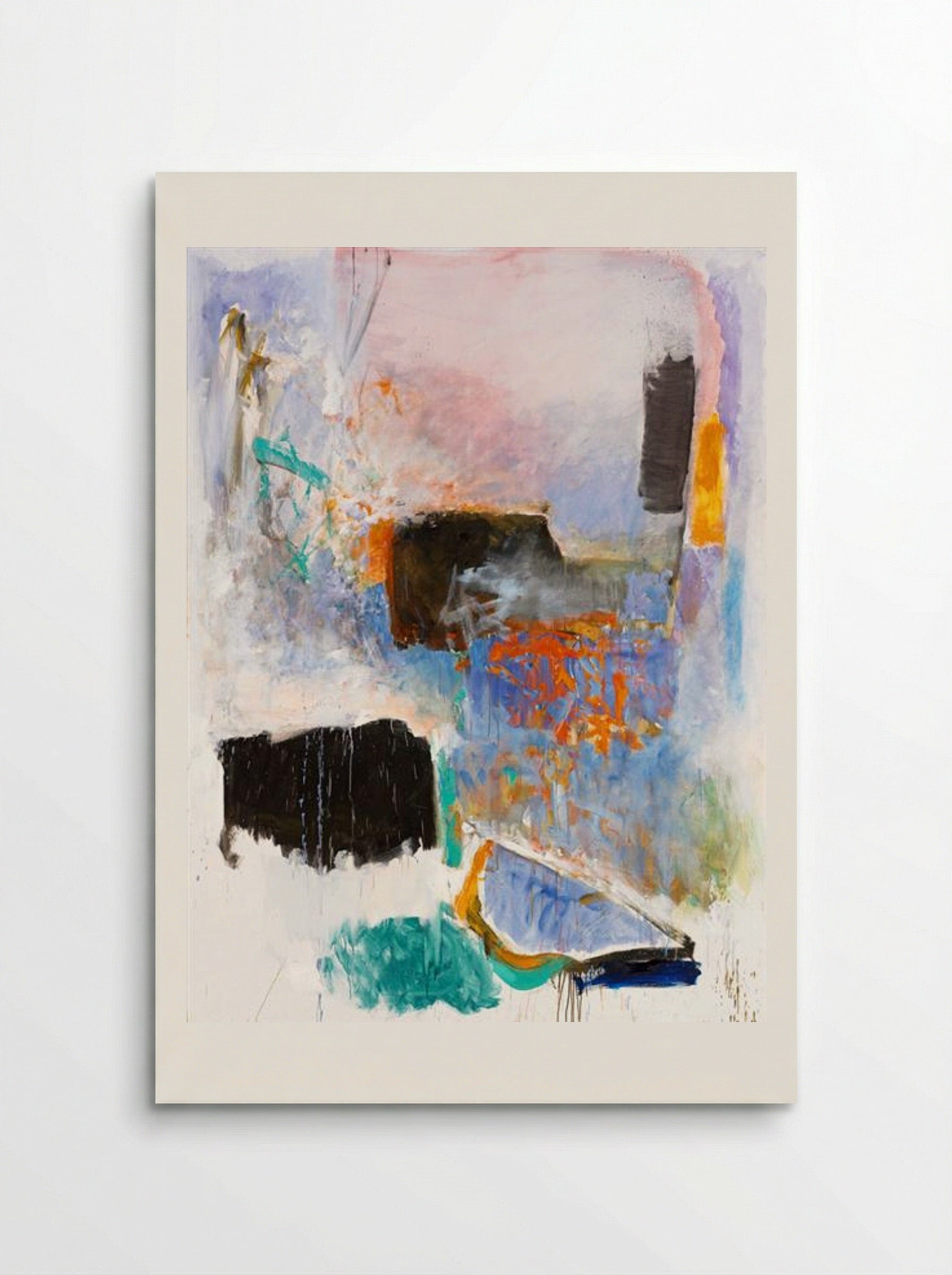
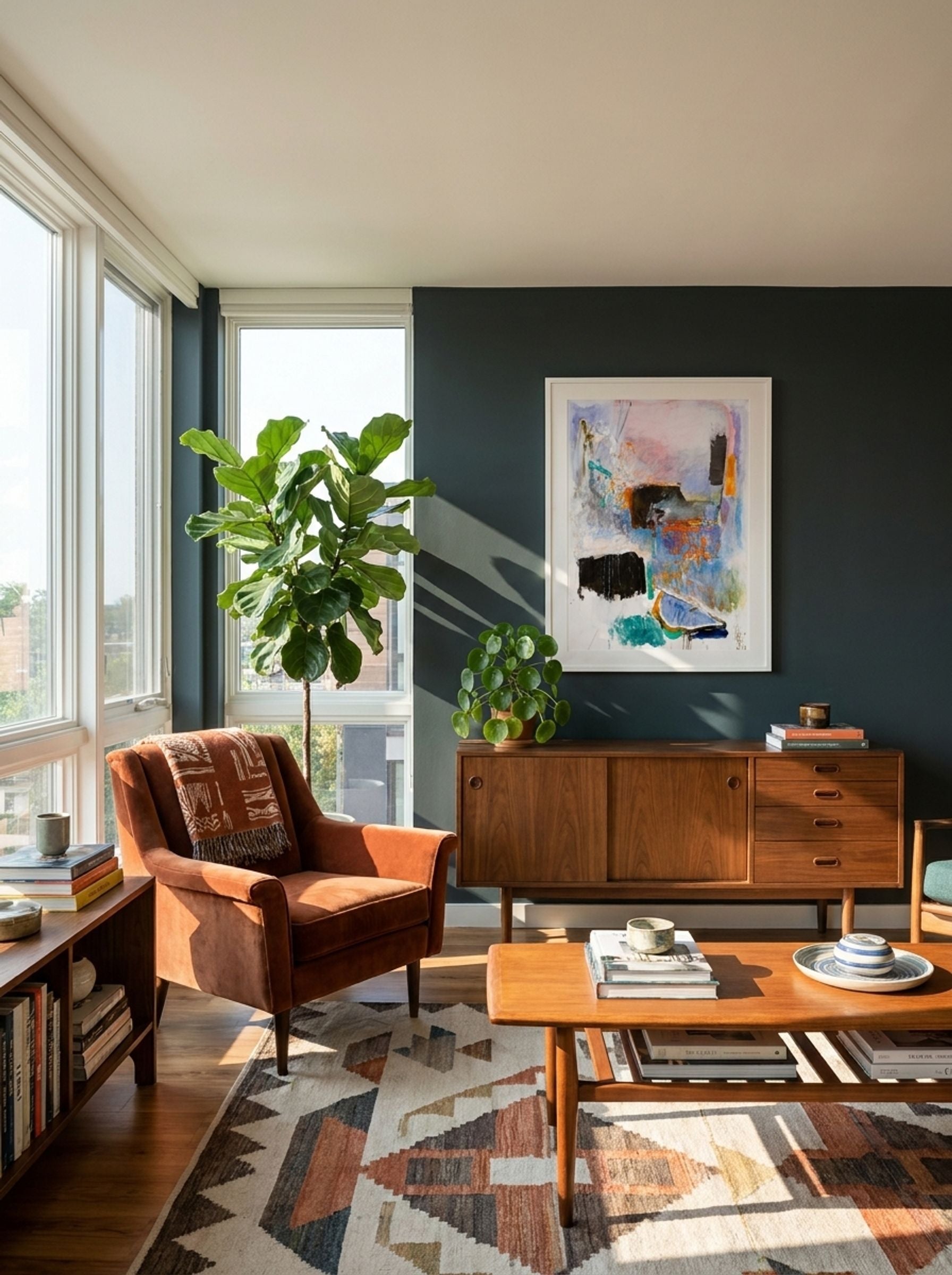 Mooring - Joan Mitchell
Print · Framed
Regular price From £28.00 GBPSale price From £28.00 GBP Regular price -
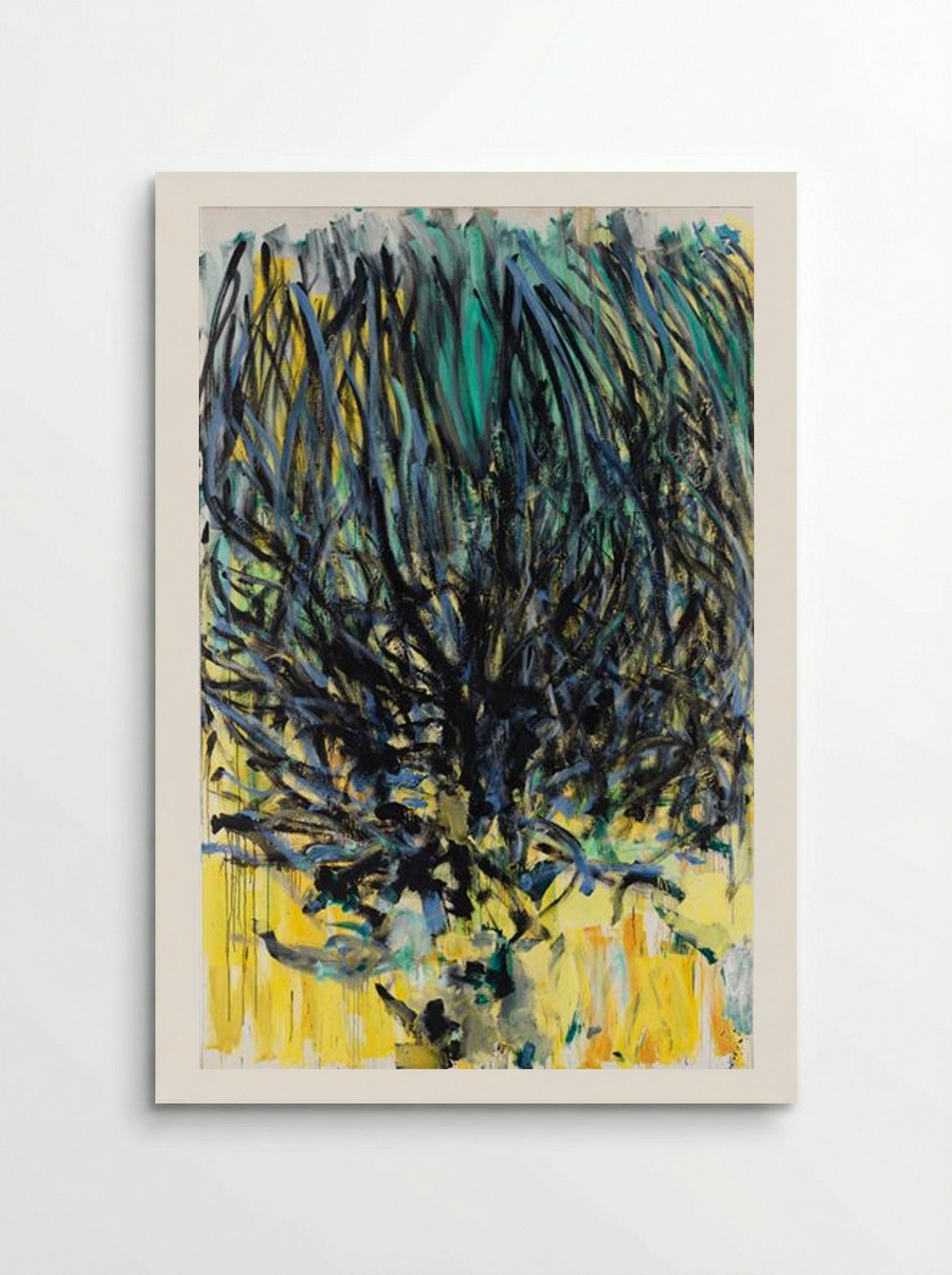
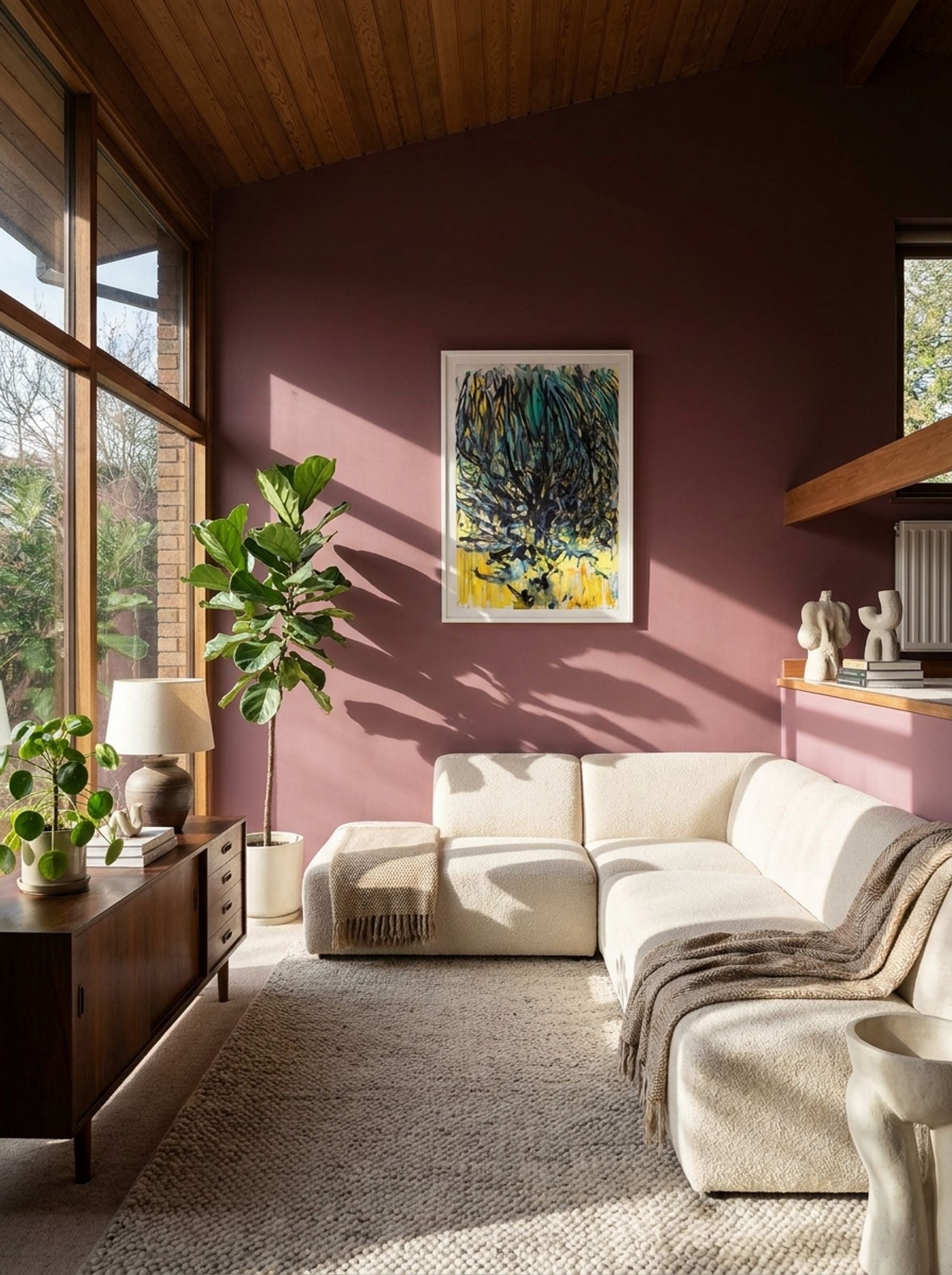 Tilleul - Joan Mitchell
Print · Framed
Regular price From £28.00 GBPSale price From £28.00 GBP Regular price


Artist Biography
Joan Mitchell
Mitchell painted large, aggressive, beautiful abstract canvases that looked nothing like what a woman painter was supposed to produce in the 1950s. The brushwork is violent. The colours are intense. The scale is monumental. She was an Abstract Expressionist in a movement that did not welcome women, and she responded by painting bigger, harder, and with more conviction than most of her male contemporaries.
She grew up in Chicago, the daughter of a dermatologist and a poet. She was a competitive figure skater and diver. The athleticism transferred to her painting: she worked standing, moving around the canvas, using her whole body. She studied at the School of the Art Institute of Chicago and moved to New York in 1949, joining the Cedar Bar circle of de Kooning, Kline, and Pollock.
She moved to France in 1959, first to Paris and then to Vetheuil, the village on the Seine where Monet had lived. The coincidence was not accidental. She painted landscape-derived abstractions that have the luminosity and colour sensitivity of Impressionism executed at Abstract Expressionist scale. La Grande Vallee, a series of large paintings from the 1980s, is a sustained meditation on landscape, memory, and loss.
She drank heavily, was difficult personally, and made no concessions to the market or to critics. She sold well in Europe before America caught up. The retrospective at the Whitney in 2002, three years before her death, confirmed what her collectors had known for decades: she was one of the best painters of the second half of the twentieth century.
She grew up in Chicago, the daughter of a dermatologist and a poet. She was a competitive figure skater and diver. The athleticism transferred to her painting: she worked standing, moving around the canvas, using her whole body. She studied at the School of the Art Institute of Chicago and moved to New York in 1949, joining the Cedar Bar circle of de Kooning, Kline, and Pollock.
She moved to France in 1959, first to Paris and then to Vetheuil, the village on the Seine where Monet had lived. The coincidence was not accidental. She painted landscape-derived abstractions that have the luminosity and colour sensitivity of Impressionism executed at Abstract Expressionist scale. La Grande Vallee, a series of large paintings from the 1980s, is a sustained meditation on landscape, memory, and loss.
She drank heavily, was difficult personally, and made no concessions to the market or to critics. She sold well in Europe before America caught up. The retrospective at the Whitney in 2002, three years before her death, confirmed what her collectors had known for decades: she was one of the best painters of the second half of the twentieth century.




Why Choose Us ?