

Collection
Helen Frankenthaler
Explore curated art prints selected for distinctive homes and considered interiors.
-
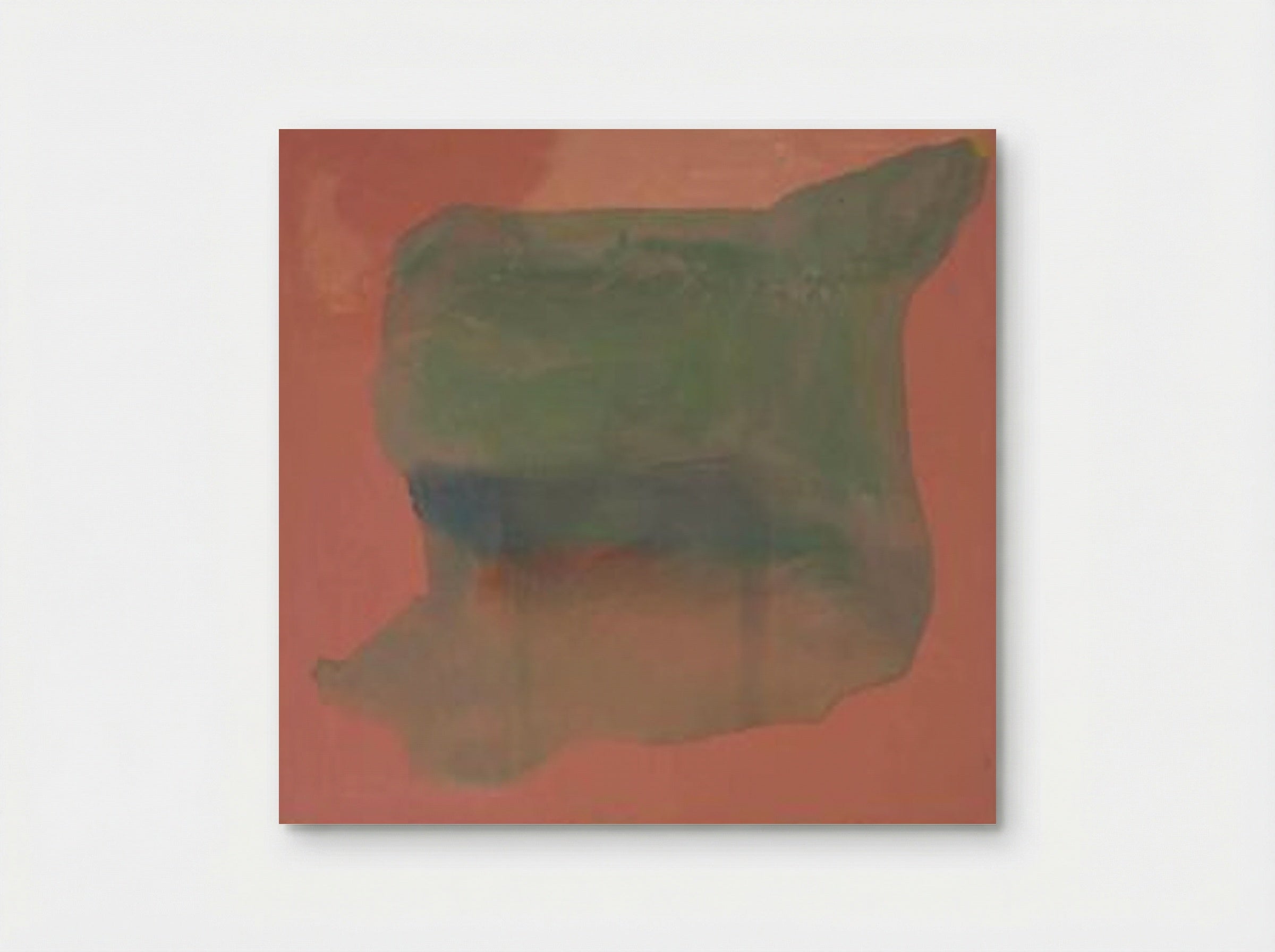
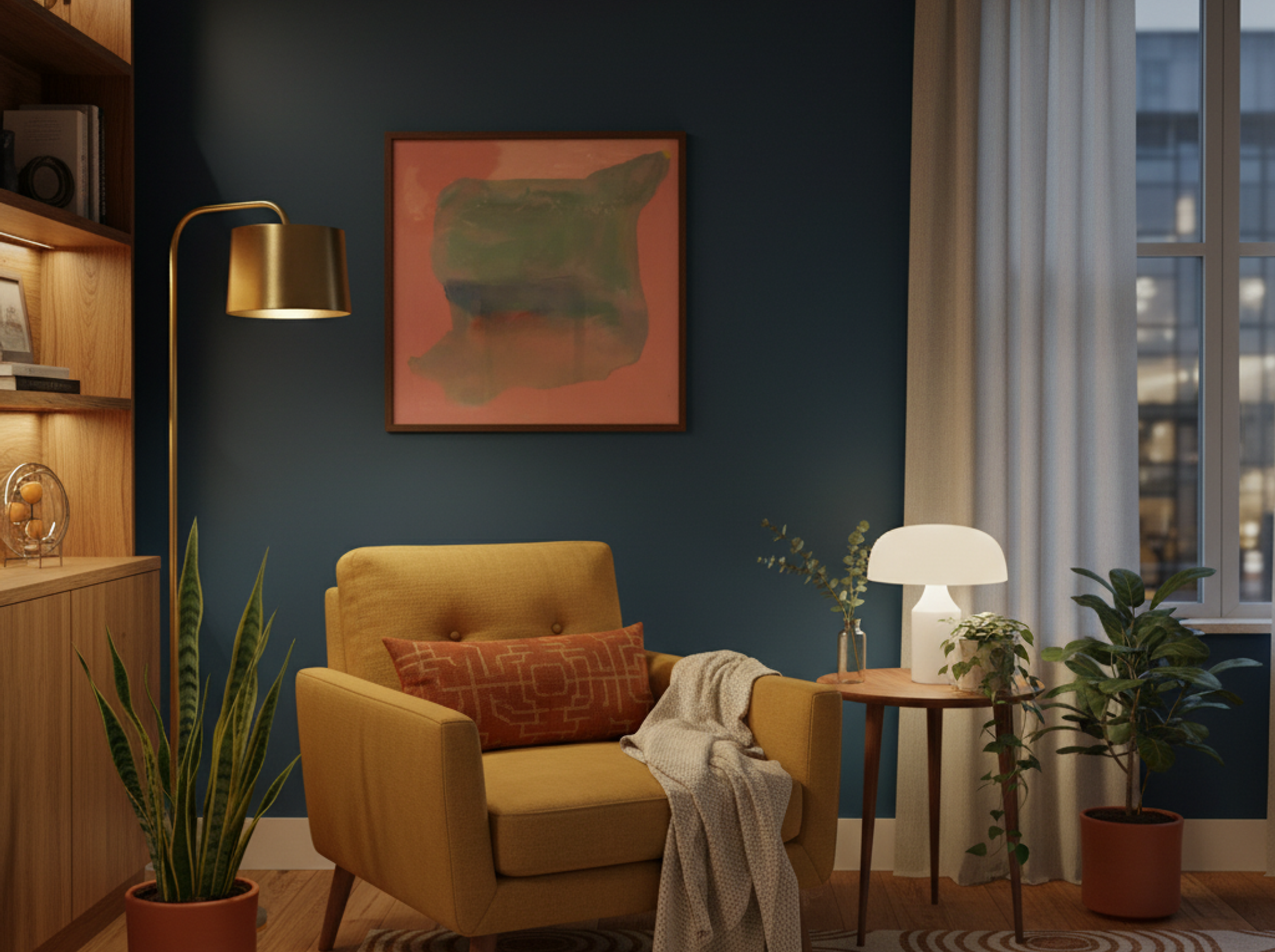 Yearning - Helen Frankenthaler
Print · Framed
Regular price From £37.00 GBPSale price From £37.00 GBP Regular price -
 Basque Beach - Helen Frankenthaler
Print
Regular price From £28.00 GBPSale price From £28.00 GBP Regular price -
 Green Likes Mauve - Helen Frankenthaler
Print
Regular price From £28.00 GBPSale price From £28.00 GBP Regular price -
 Reflections III - Helen Frankenthaler
Print
Regular price From £28.00 GBPSale price From £28.00 GBP Regular price -
 Tales of Genji VI - Helen Frankenthaler
Print
Regular price From £37.00 GBPSale price From £37.00 GBP Regular price -
 Nepenthe - Helen Frankenthaler
Print
Regular price From £28.00 GBPSale price From £28.00 GBP Regular price -
 Summerscene, Provincetown - Helen Frankenthaler
Print
Regular price From £28.00 GBPSale price From £28.00 GBP Regular price -
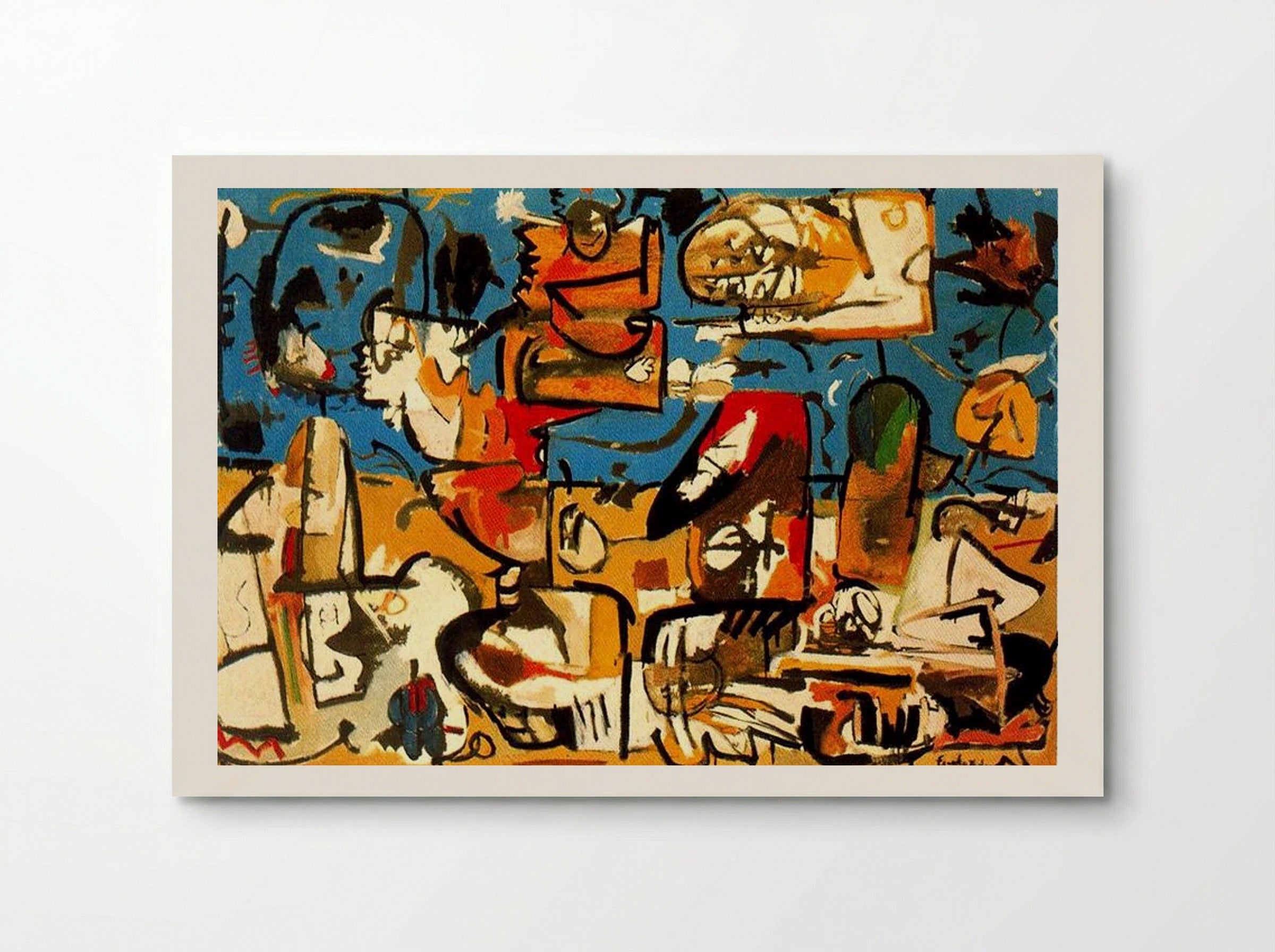
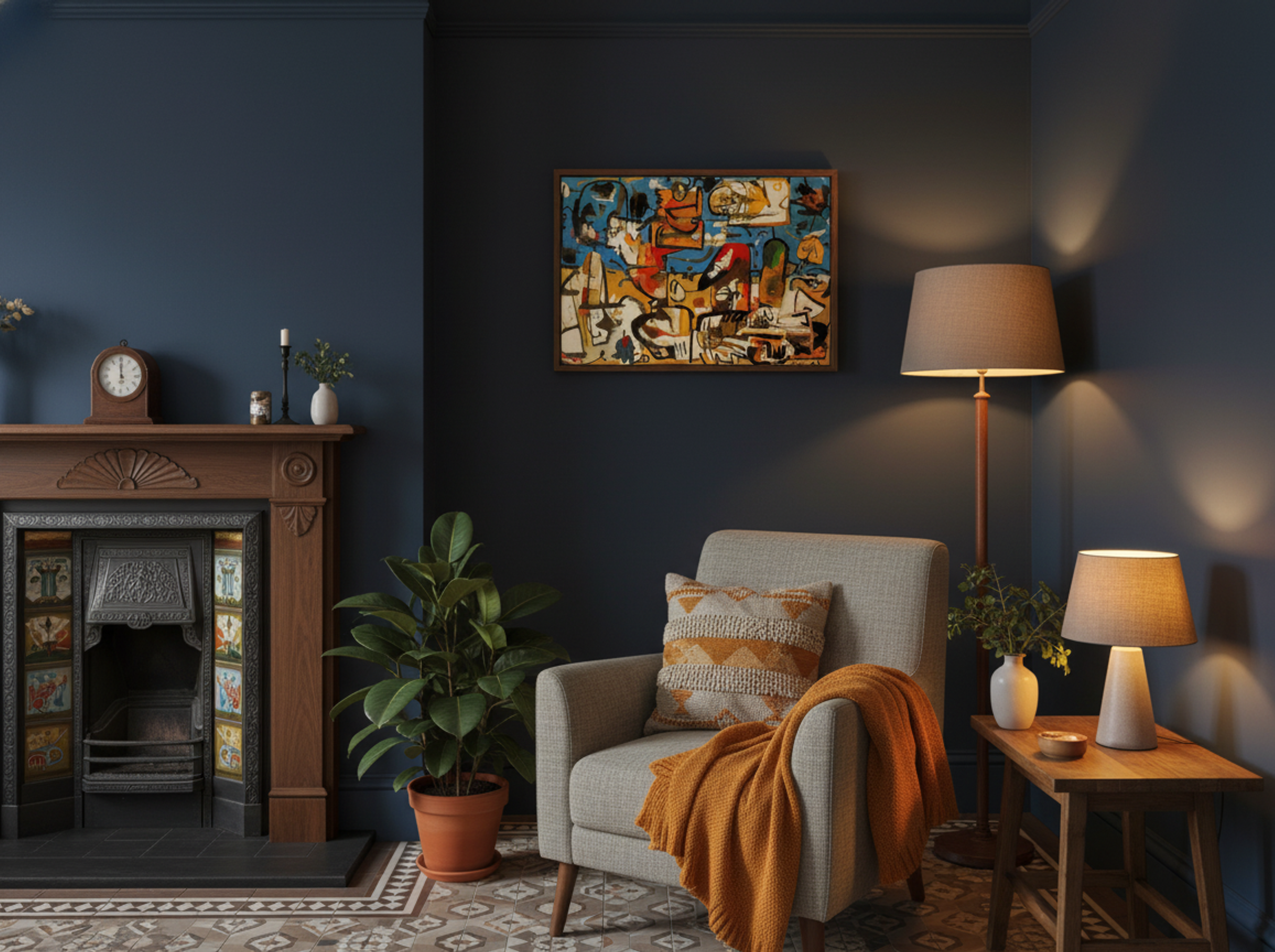 Untitled (Abstract Composition) - Helen Frankenthaler
Print · Framed
Regular price From £28.00 GBPSale price From £28.00 GBP Regular price -
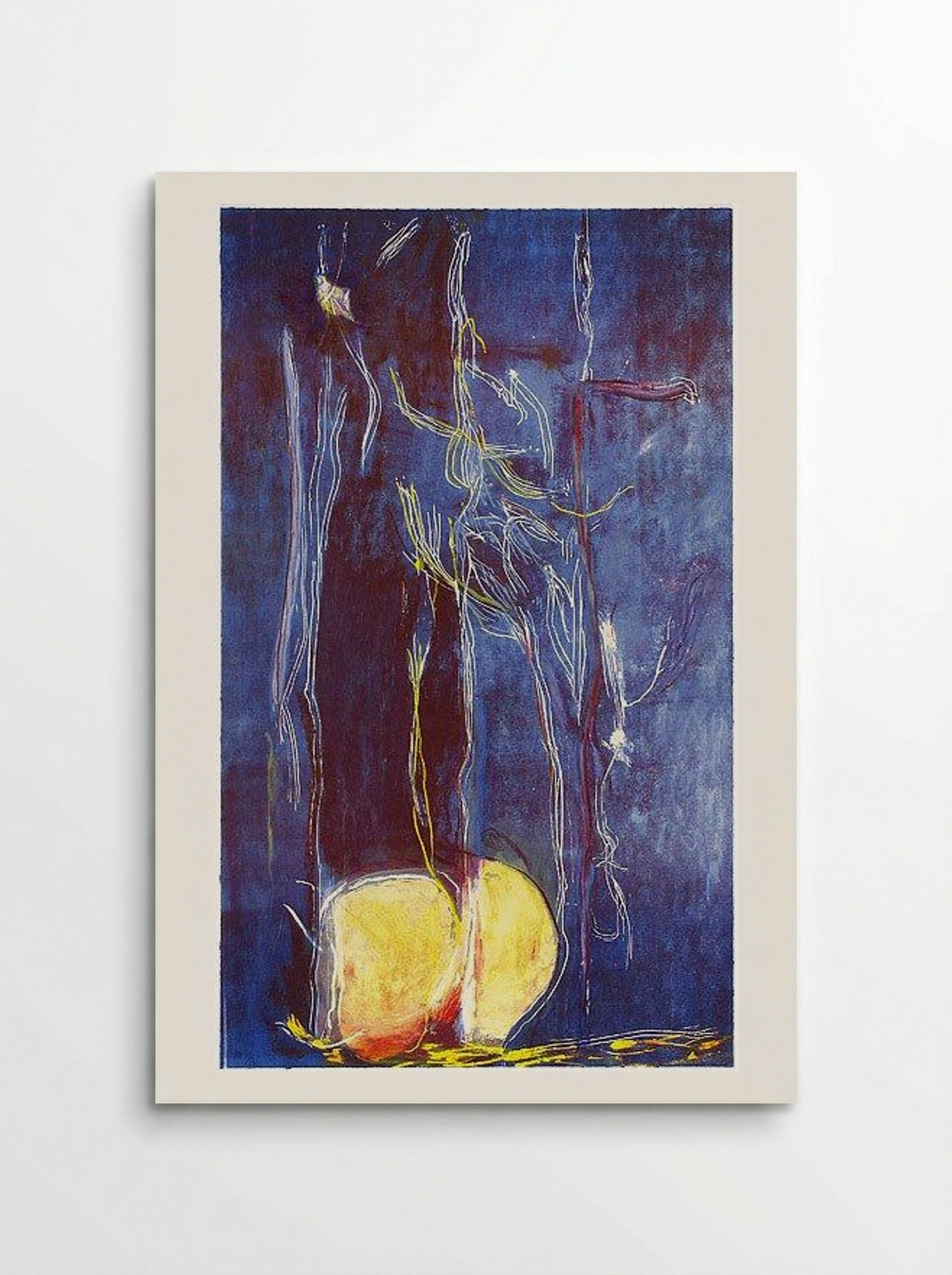 All About Blue - Helen Frankenthaler
Print
Regular price From £28.00 GBPSale price From £28.00 GBP Regular price


Related Artists




Why Choose Us ?