

Collection
Jackson Pollock
Explore curated art prints selected for distinctive homes and considered interiors.
-

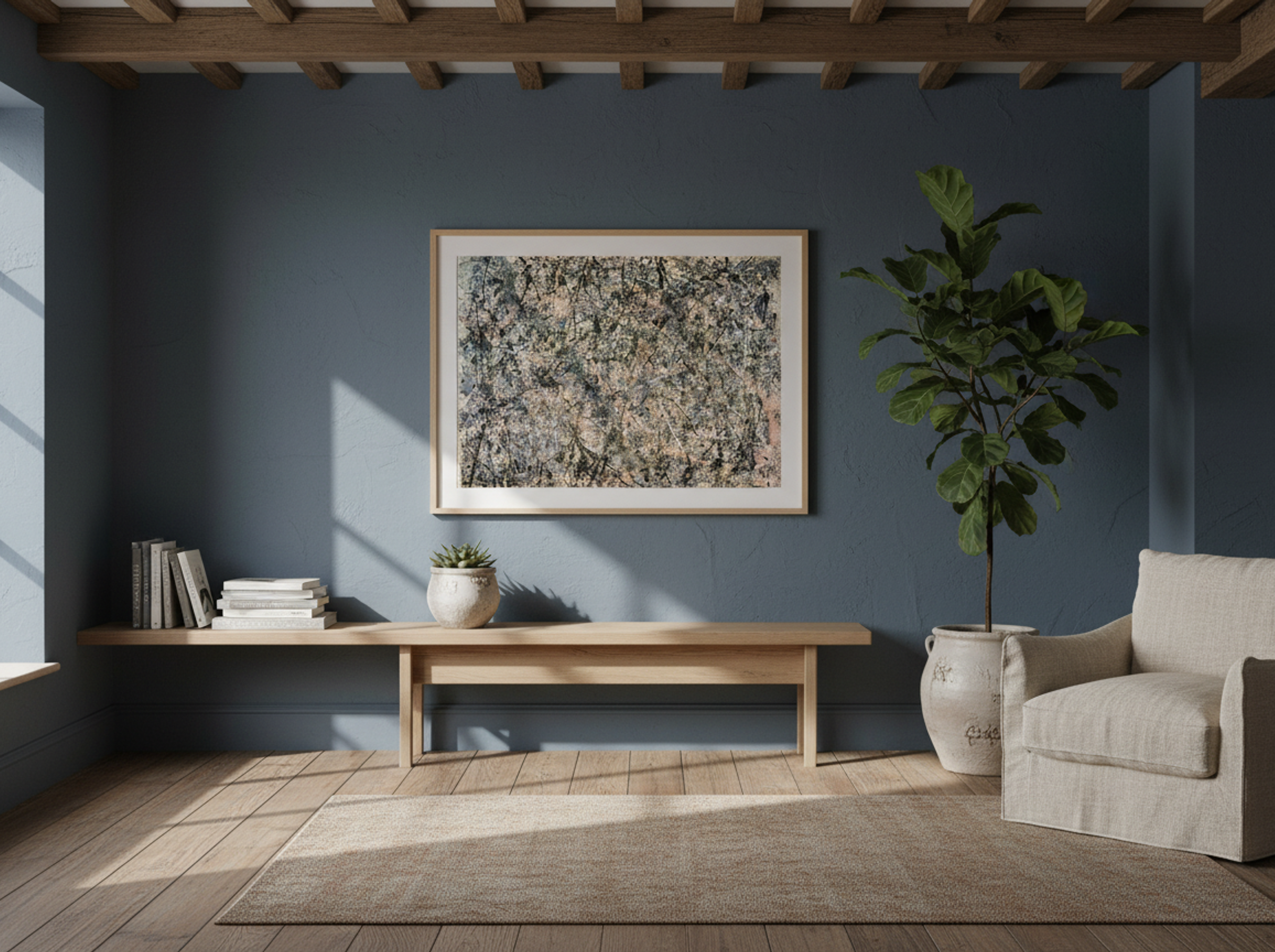 Number 1 (Lavender Mist) - Jackson Pollock
Print · Framed
Regular price From £28.00 GBPSale price From £28.00 GBP Regular price -
 Birth - Jackson Pollock
Print
Regular price From £28.00 GBPSale price From £28.00 GBP Regular price -
 Number 2 - Jackson Pollock
Print
Regular price From £28.00 GBPSale price From £28.00 GBP Regular price -
 Portrait and a Dream - Jackson Pollock
Print
Regular price From £28.00 GBPSale price From £28.00 GBP Regular price -
 Mural on Indian Red Ground - Jackson Pollock
Print
Regular price From £28.00 GBPSale price From £28.00 GBP Regular price -
 Black and White (Number 20) - Jackson Pollock
Print
Regular price From £37.00 GBPSale price From £37.00 GBP Regular price -
 Number 8 - Jackson Pollock
Print
Regular price From £28.00 GBPSale price From £28.00 GBP Regular price -
 Number 3 - Jackson Pollock
Print
Regular price From £28.00 GBPSale price From £28.00 GBP Regular price -
 Moon Woman - Jackson Pollock
Print
Regular price From £28.00 GBPSale price From £28.00 GBP Regular price -
 Blue poles (Number 11) - Jackson Pollock
Print
Regular price From £28.00 GBPSale price From £28.00 GBP Regular price -

 Number 1 (Lavender Mist) - Jackson Pollock
Print · Framed · Canvas
Regular price From £28.00 GBPSale price From £28.00 GBP Regular price -

 Easter and the Totem - Jackson Pollock
Print · Framed · Canvas
Regular price From £28.00 GBPSale price From £28.00 GBP Regular price -

 Number 8 - Jackson Pollock
Print · Framed · Canvas
Regular price From £28.00 GBPSale price From £28.00 GBP Regular price -

 Cathedral - Jackson Pollock
Print · Framed · Canvas
Regular price From £28.00 GBPSale price From £28.00 GBP Regular price -

 Male and Female - Jackson Pollock
Print · Framed · Canvas
Regular price From £28.00 GBPSale price From £28.00 GBP Regular price -

 Man with Knife - Jackson Pollock
Print · Framed · Canvas
Regular price From £28.00 GBPSale price From £28.00 GBP Regular price -
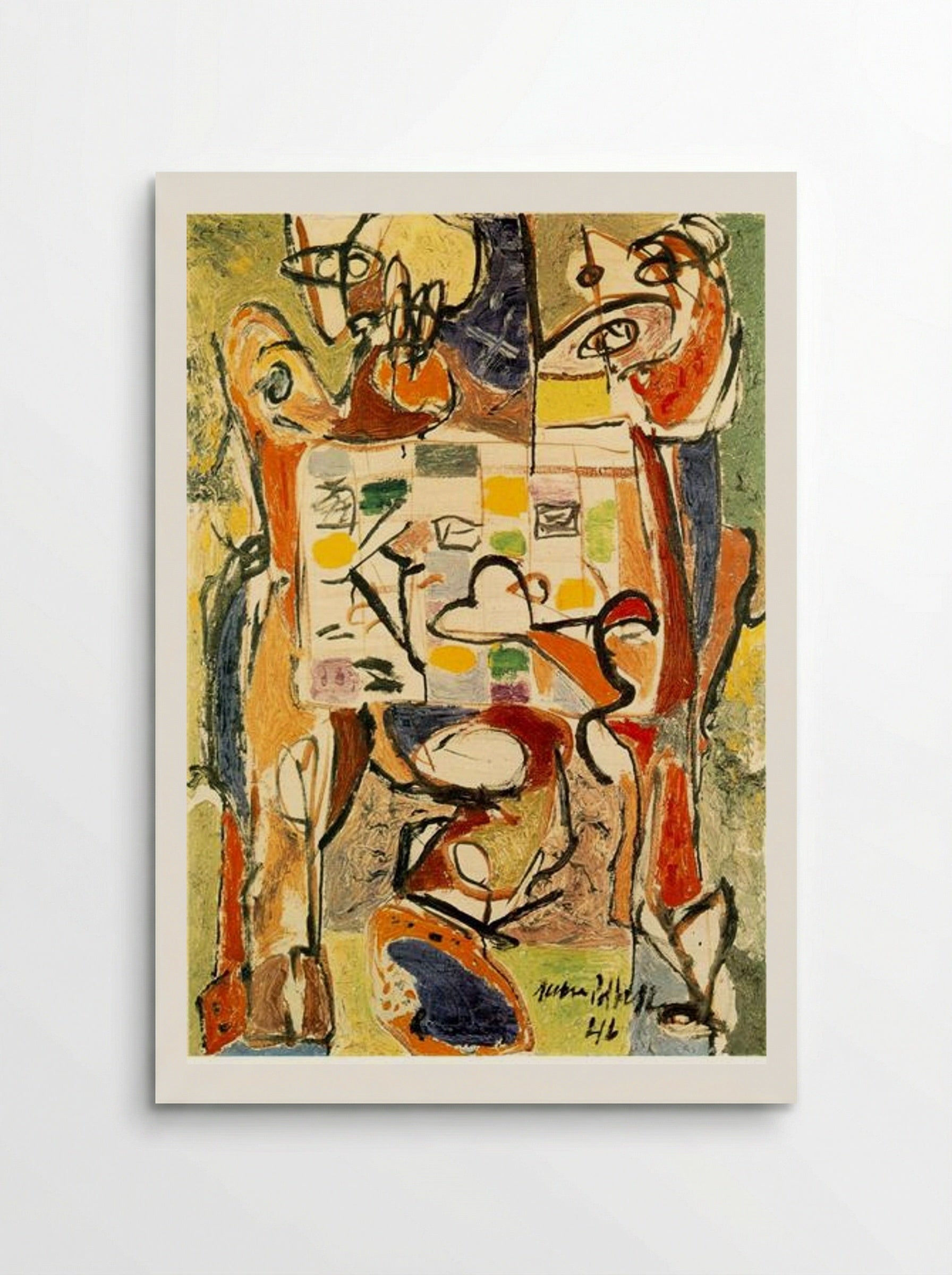 The Tea Cup - Jackson Pollock
Print
Regular price From £28.00 GBPSale price From £28.00 GBP Regular price -
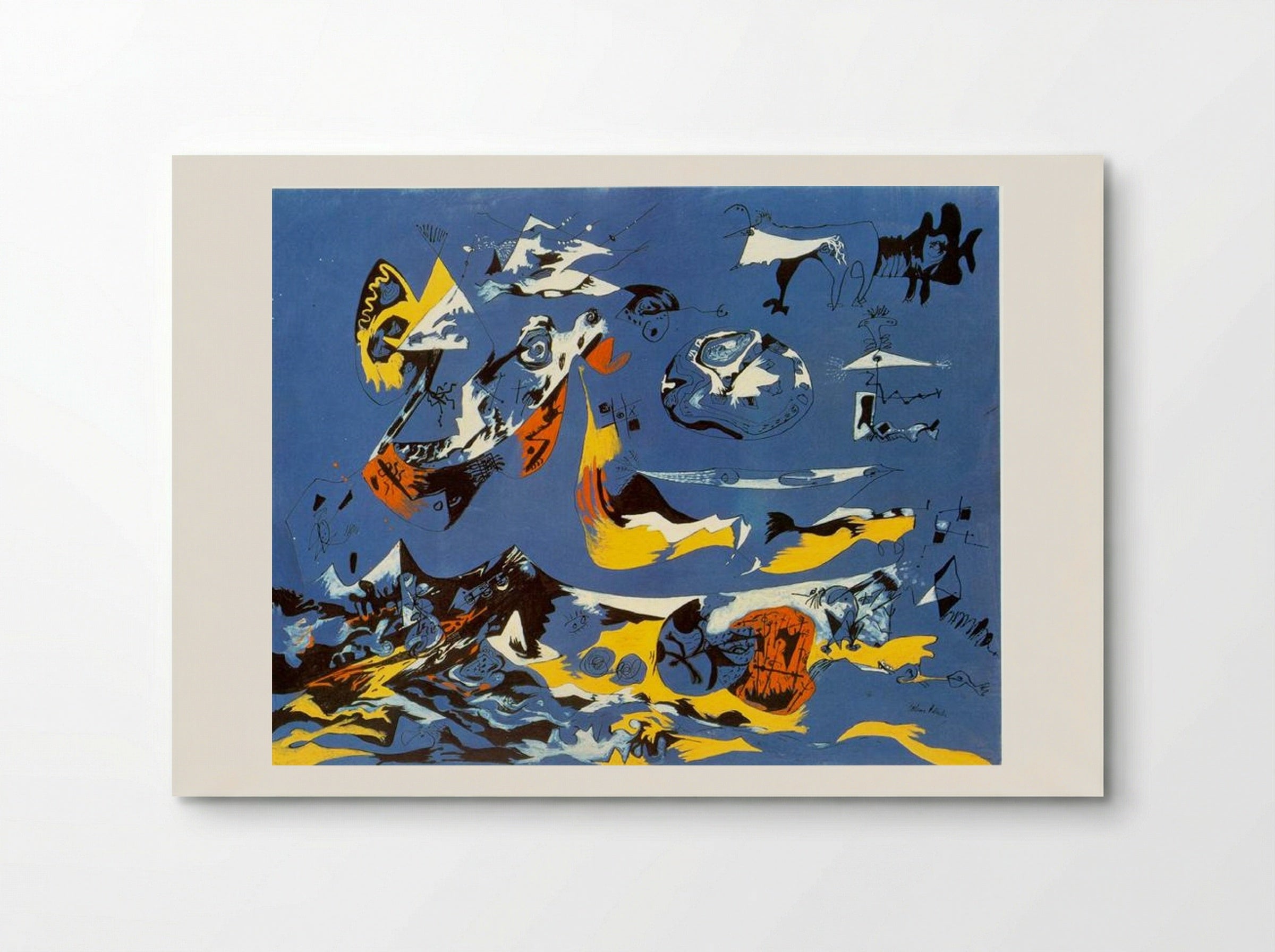 Blue (Moby Dick) - Jackson Pollock
Print
Regular price From £28.00 GBPSale price From £28.00 GBP Regular price -
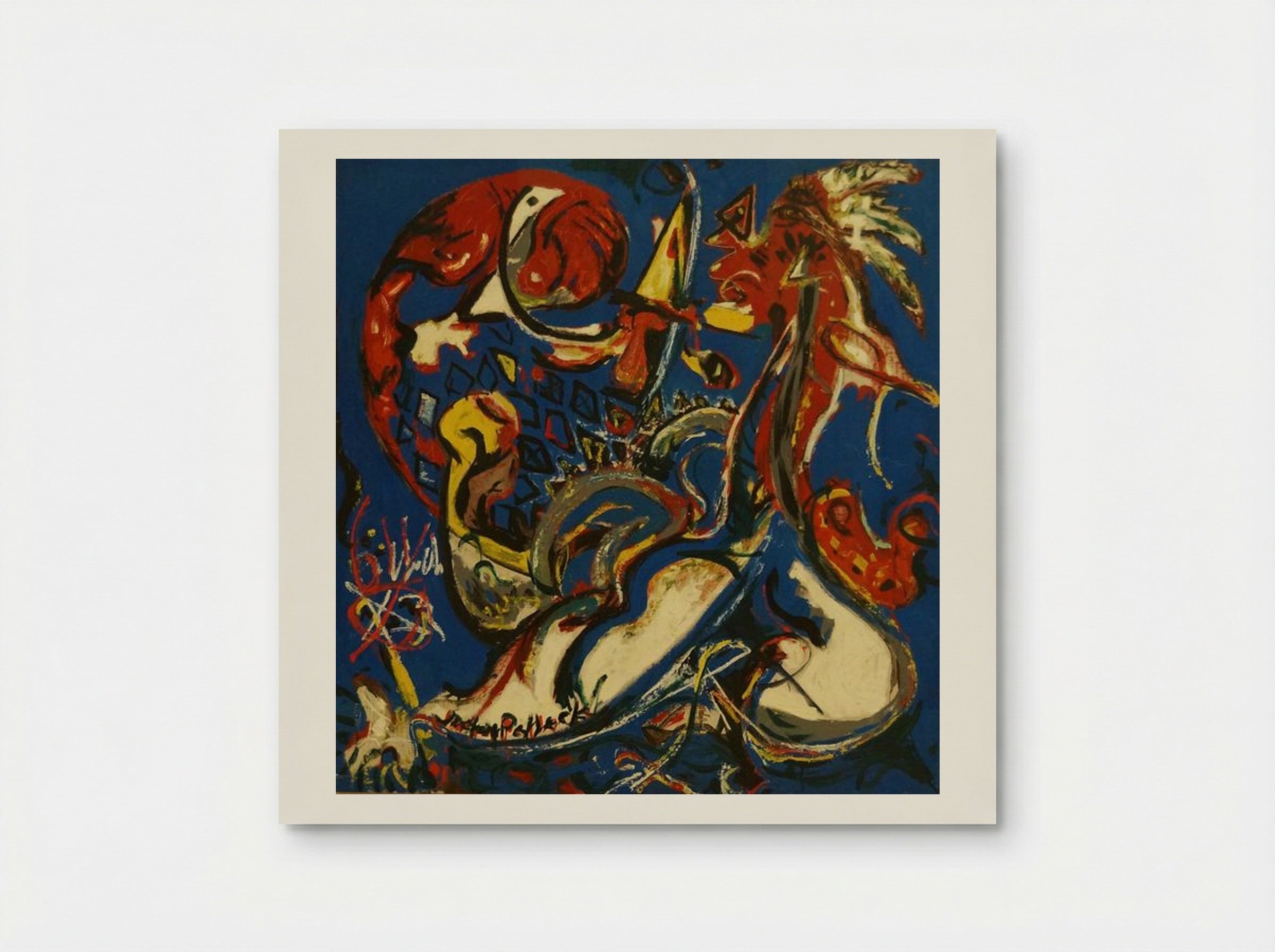 The Moon-Woman Cuts the Circle - Jackson Pollock
Print
Regular price From £37.00 GBPSale price From £37.00 GBP Regular price -
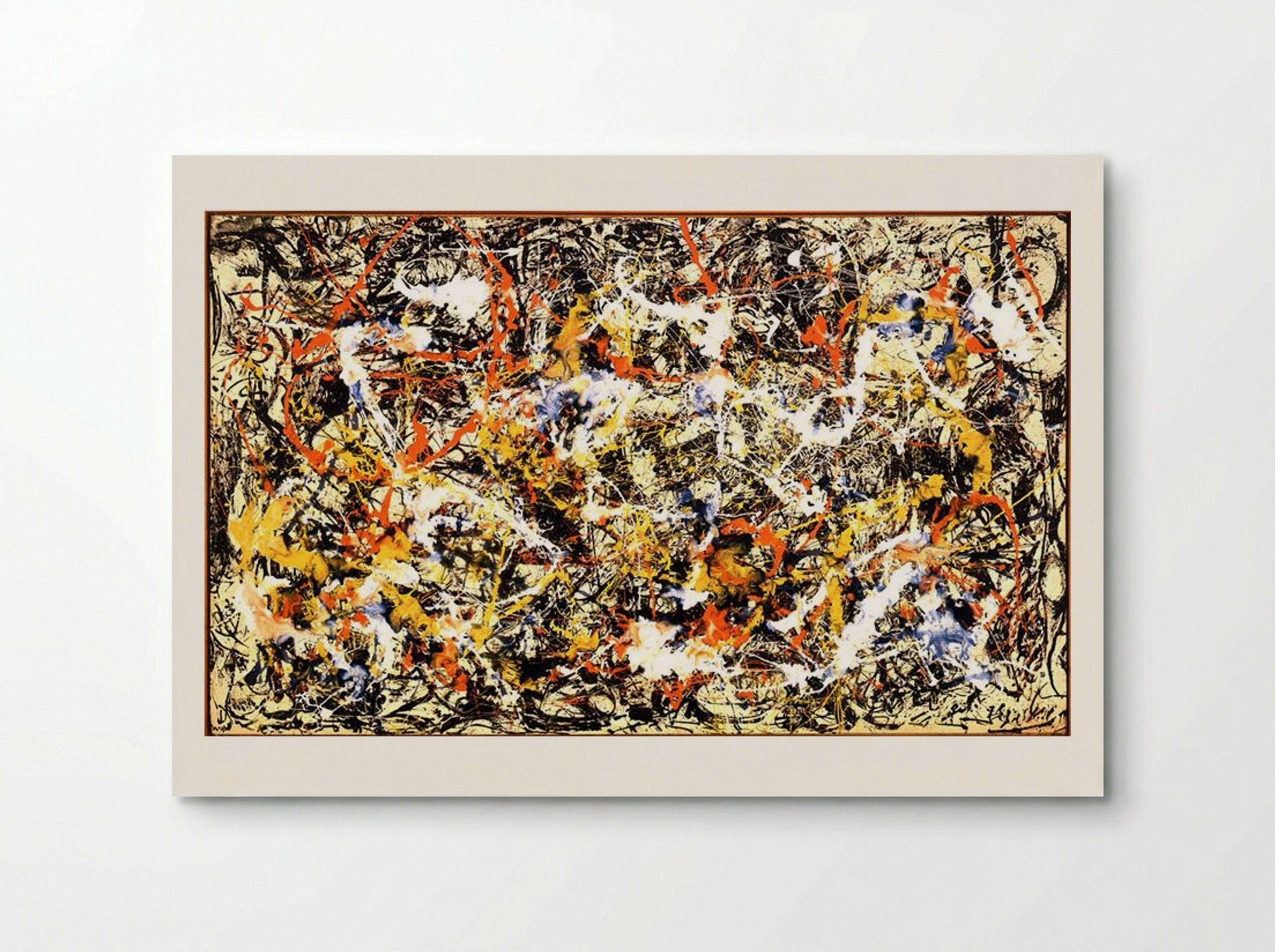
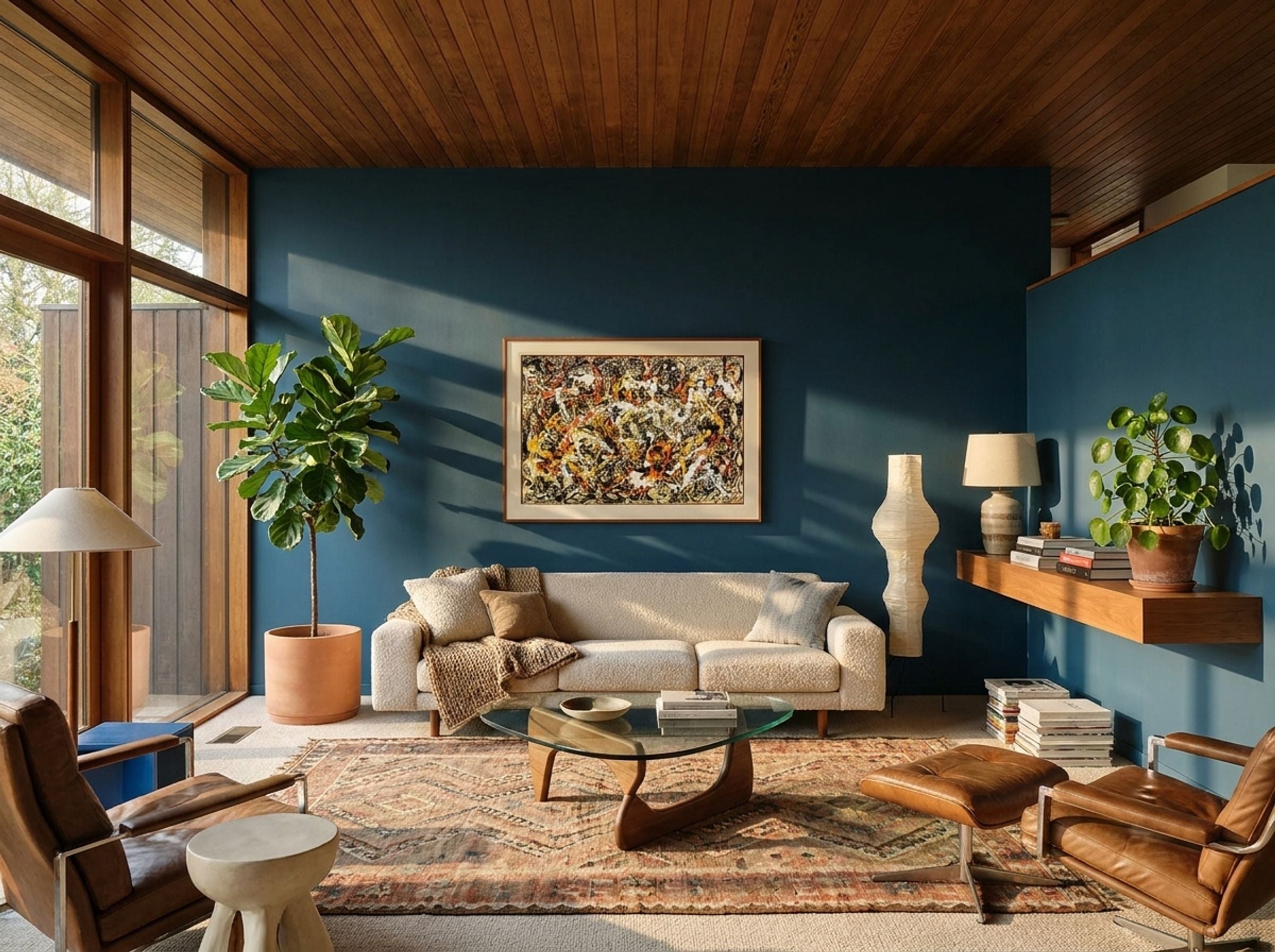 Convergence - Jackson Pollock
Print · Framed
Regular price From £28.00 GBPSale price From £28.00 GBP Regular price -
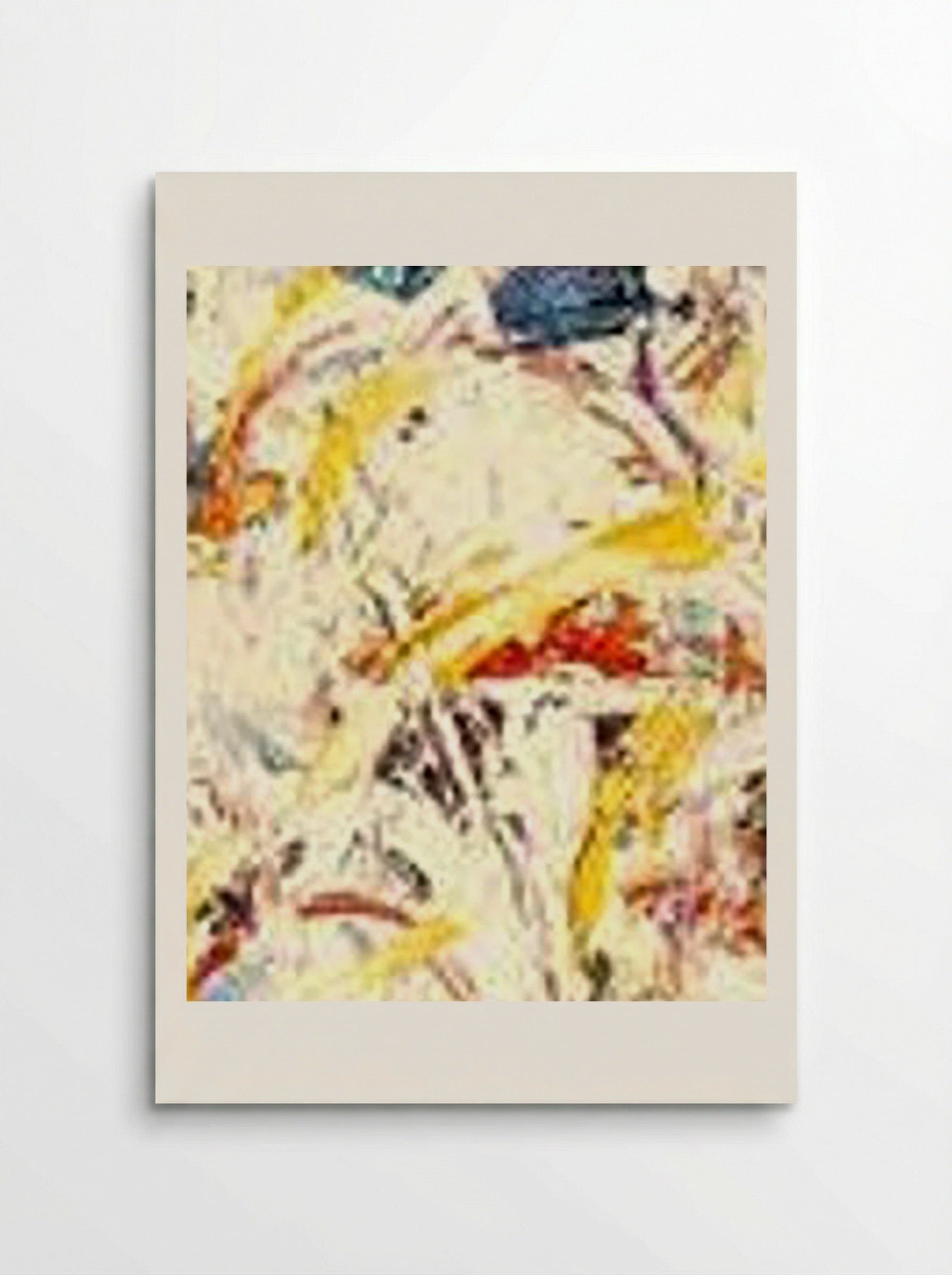
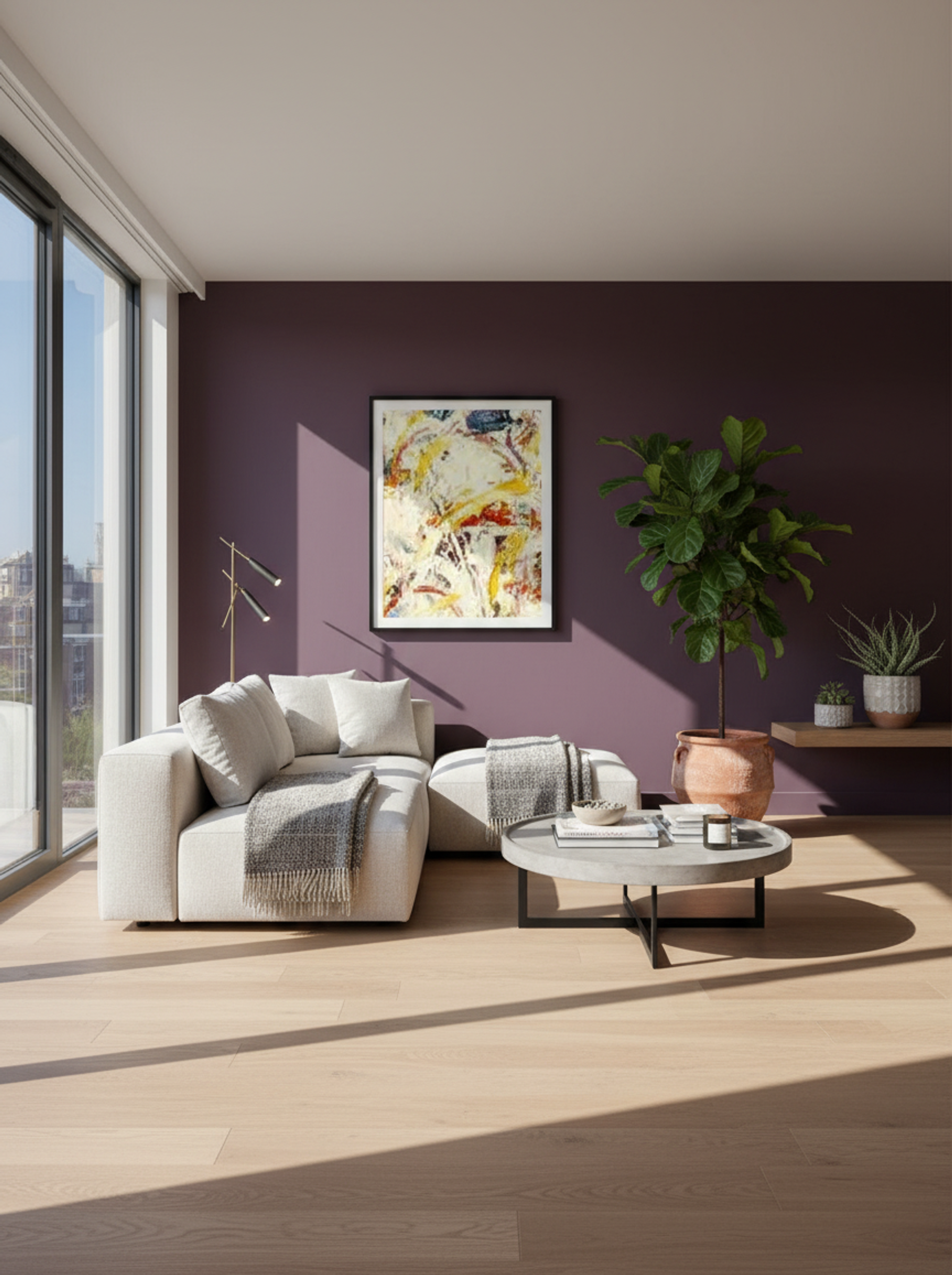 Shimmering Substance - Jackson Pollock
Print · Framed
Regular price From £28.00 GBPSale price From £28.00 GBP Regular price -
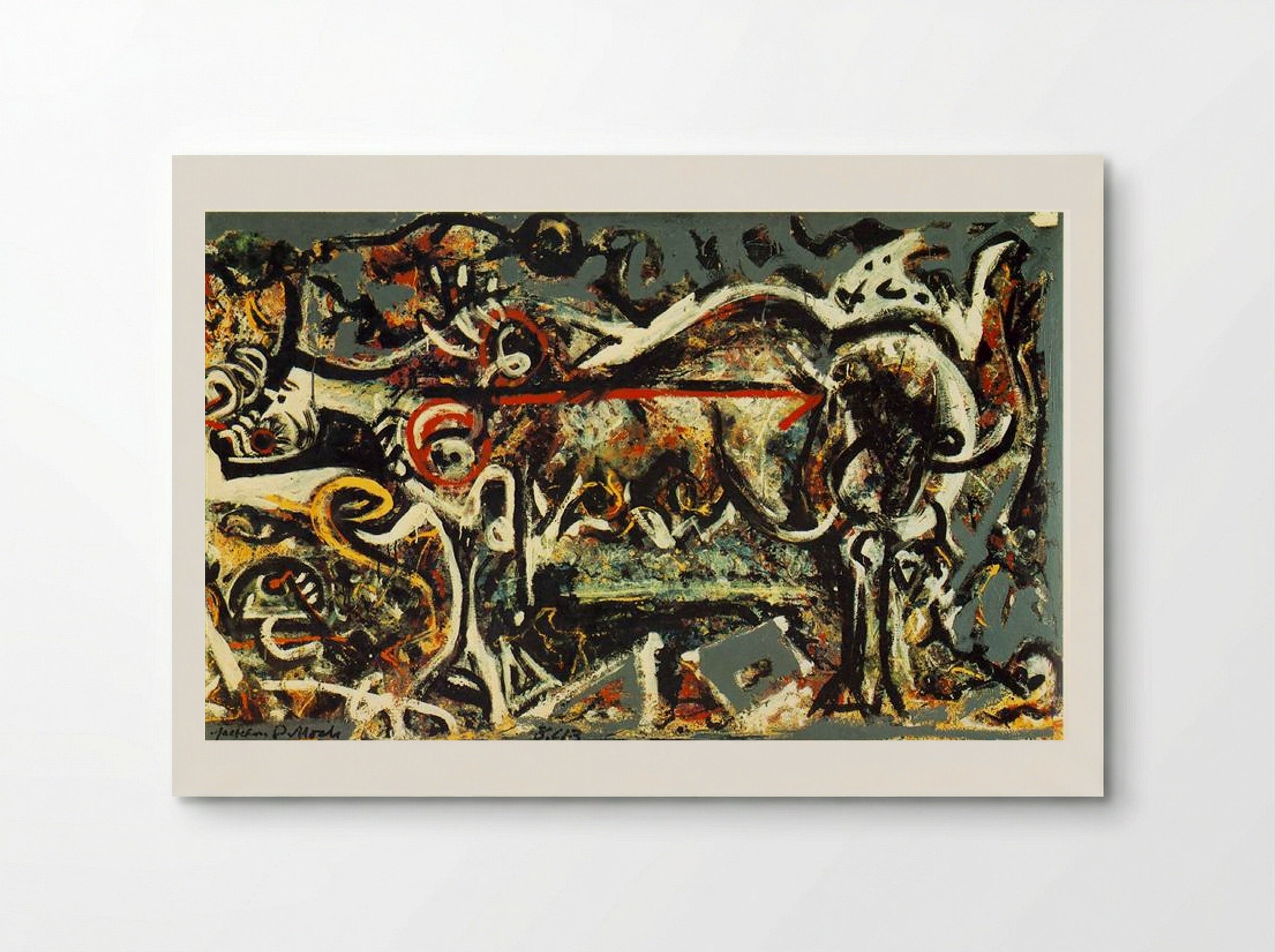
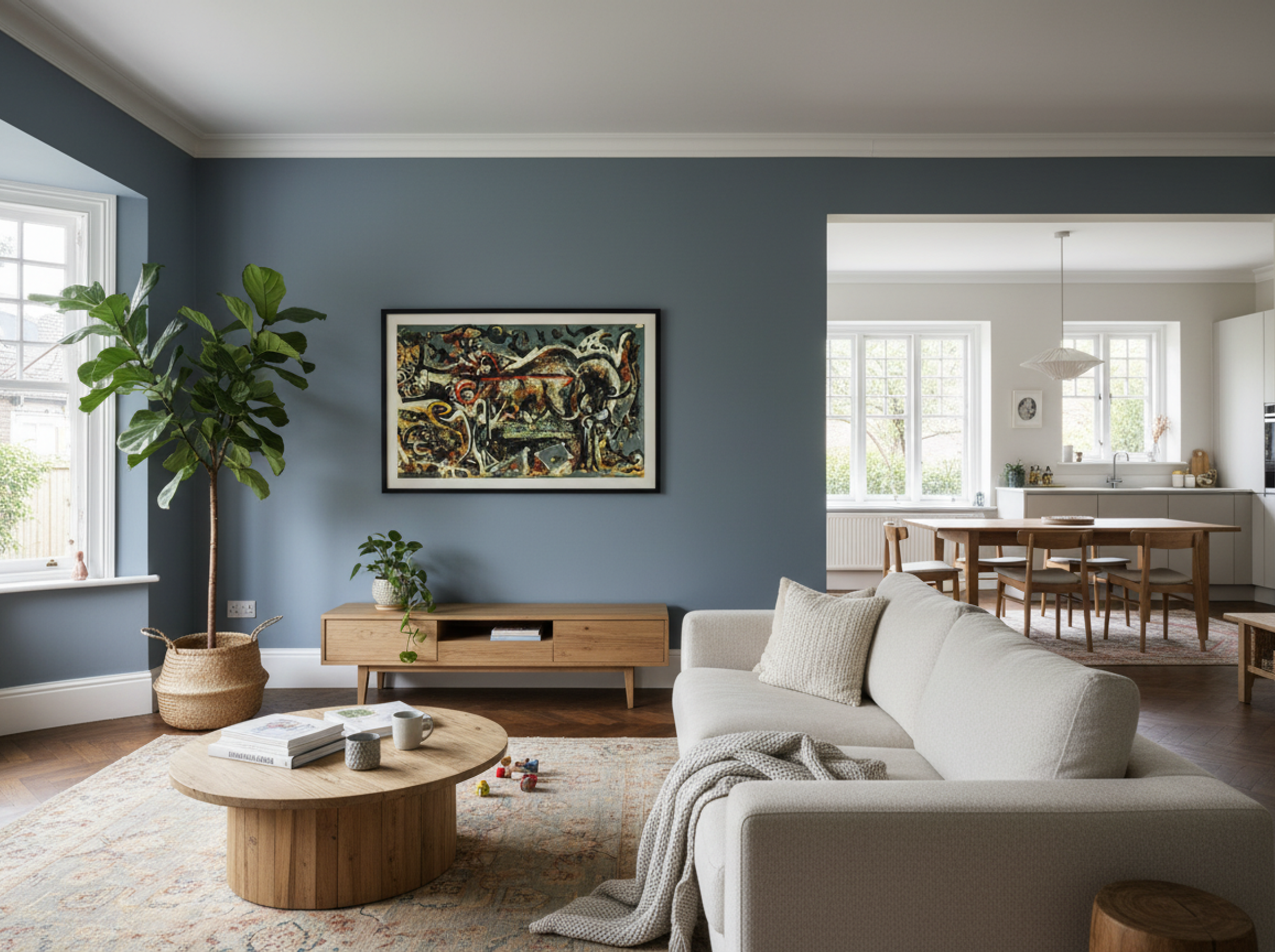 The She-Wolf - Jackson Pollock
Print · Framed
Regular price From £28.00 GBPSale price From £28.00 GBP Regular price -
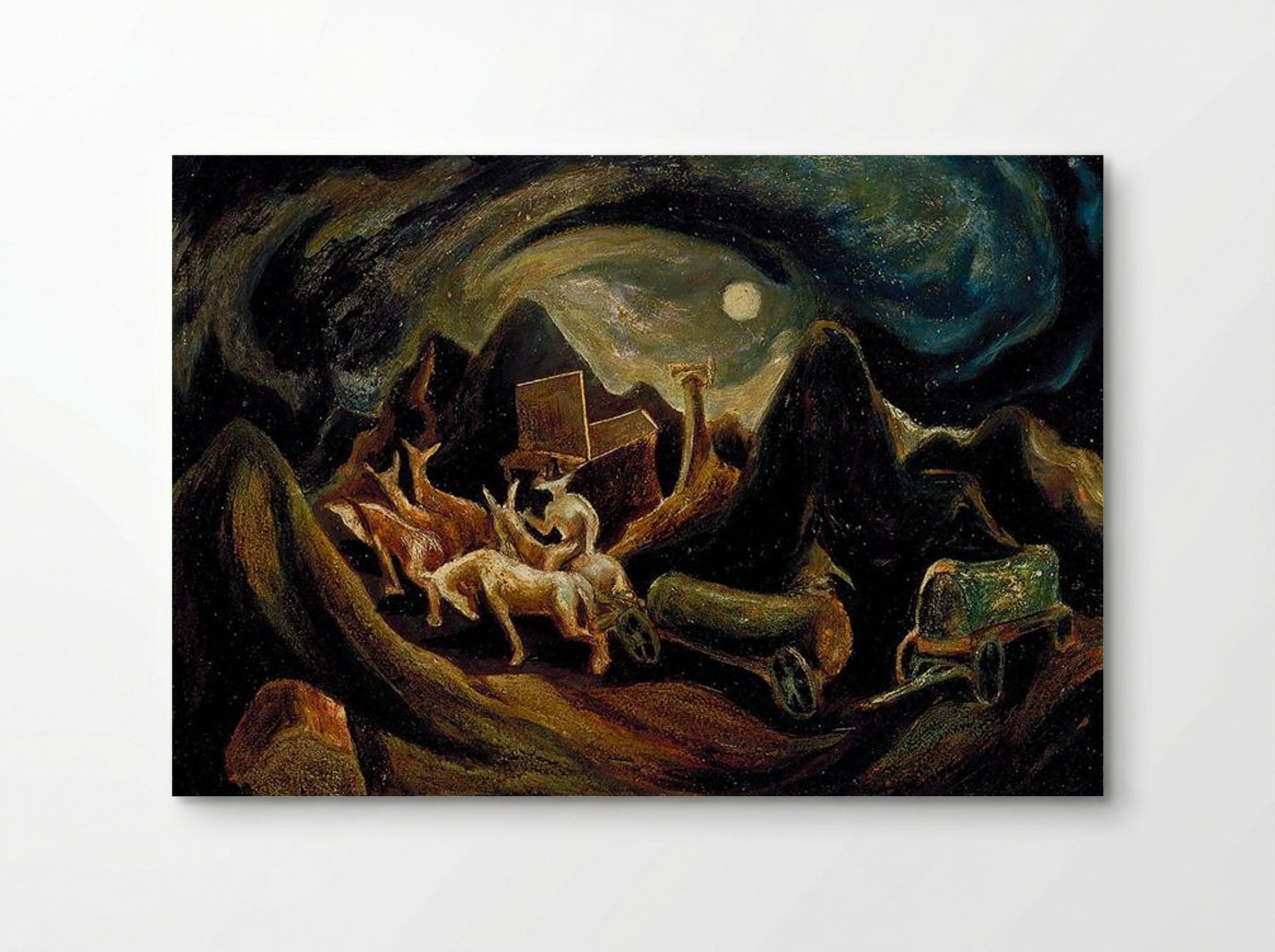
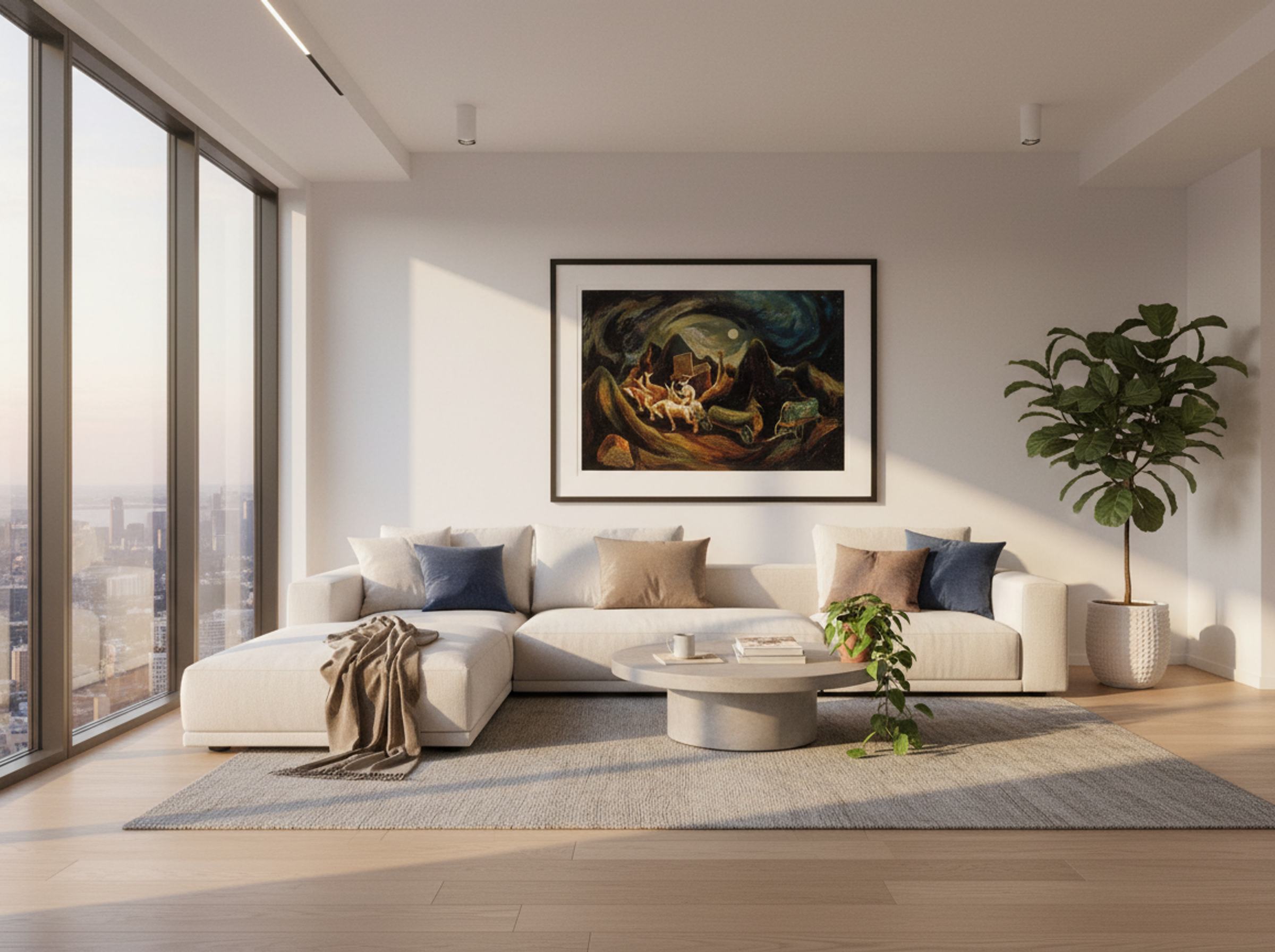 Going West - Jackson Pollock
Print · Framed
Regular price From £28.00 GBPSale price From £28.00 GBP Regular price -
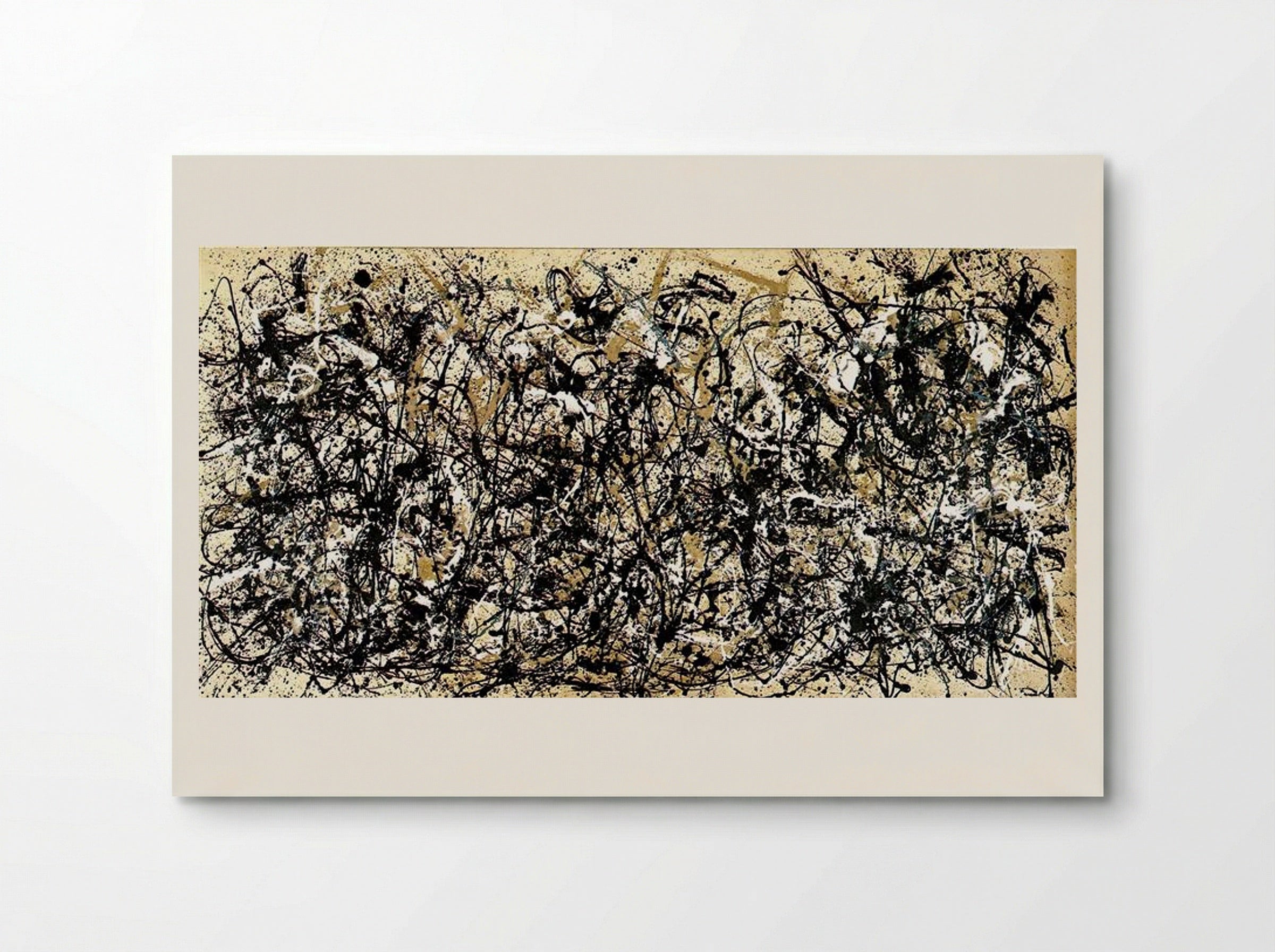
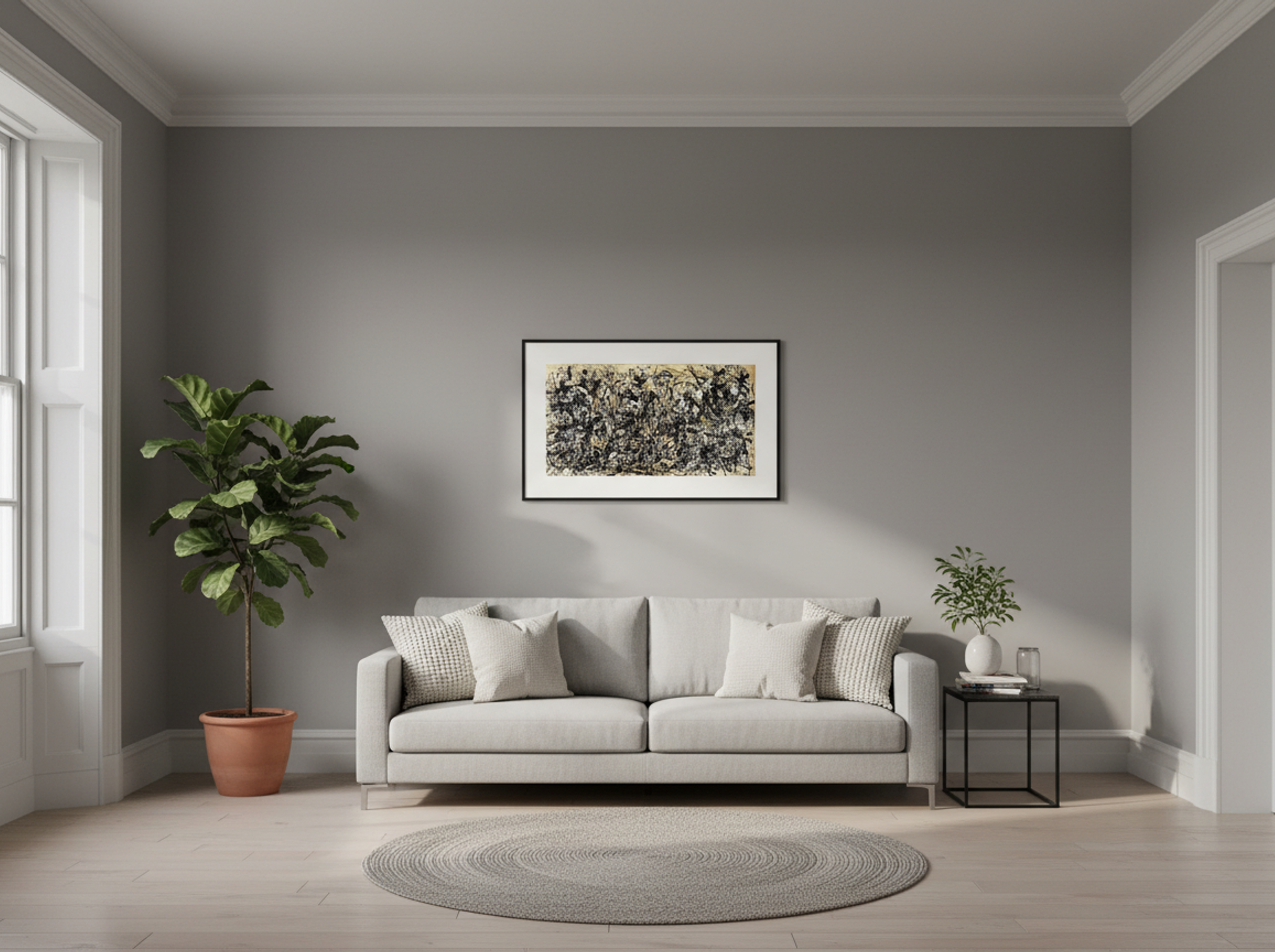 Autumn Rhythm (Number 30) - Jackson Pollock
Print · Framed
Regular price From £28.00 GBPSale price From £28.00 GBP Regular price


Artist Biography
Jackson Pollock
Pollock grew up in Arizona and California, the youngest of five brothers. His father left when he was eight. Two of his brothers were already studying art, and he followed them to the Art Students League in New York at seventeen, where he worked under Thomas Hart Benton. Benton painted muscular American regionalist scenes: cowboys, farmhands, rolling landscapes. Pollock absorbed the energy and rejected the subject matter.
He drank heavily from his teens onwards. He was in and out of psychiatric treatment, tried Jungian analysis, and spent time working for the WPA Federal Art Project during the Depression. The early paintings are dark, tangled, influenced by Picasso and by the Mexican muralists Orozco and Siqueiros, whose experimental techniques (including pouring paint) Pollock encountered in a workshop.
The drip paintings started in 1947. He laid canvas on the floor of his barn in Springs, Long Island, and poured household enamel paint from tins, flicking and dripping it with sticks, trowels, and hardened brushes. He moved around the canvas, working from all four sides. No easel, no brushes touching surface, no predetermined composition. 'I am nature,' he told an interviewer, which sounds grandiose but describes the method accurately: the paintings record physical movement through space.
The drip period lasted roughly four years. By 1951 he had largely stopped, returning to figurative work that nobody wanted. His marriage to the painter Lee Krasner deteriorated alongside the drinking. He died in a car crash in 1956, at forty-four, drunk at the wheel. Krasner spent the next three decades managing his legacy and making her own paintings, which were excellent and consistently overlooked.
He drank heavily from his teens onwards. He was in and out of psychiatric treatment, tried Jungian analysis, and spent time working for the WPA Federal Art Project during the Depression. The early paintings are dark, tangled, influenced by Picasso and by the Mexican muralists Orozco and Siqueiros, whose experimental techniques (including pouring paint) Pollock encountered in a workshop.
The drip paintings started in 1947. He laid canvas on the floor of his barn in Springs, Long Island, and poured household enamel paint from tins, flicking and dripping it with sticks, trowels, and hardened brushes. He moved around the canvas, working from all four sides. No easel, no brushes touching surface, no predetermined composition. 'I am nature,' he told an interviewer, which sounds grandiose but describes the method accurately: the paintings record physical movement through space.
The drip period lasted roughly four years. By 1951 he had largely stopped, returning to figurative work that nobody wanted. His marriage to the painter Lee Krasner deteriorated alongside the drinking. He died in a car crash in 1956, at forty-four, drunk at the wheel. Krasner spent the next three decades managing his legacy and making her own paintings, which were excellent and consistently overlooked.
Related Artists




Why Choose Us ?