

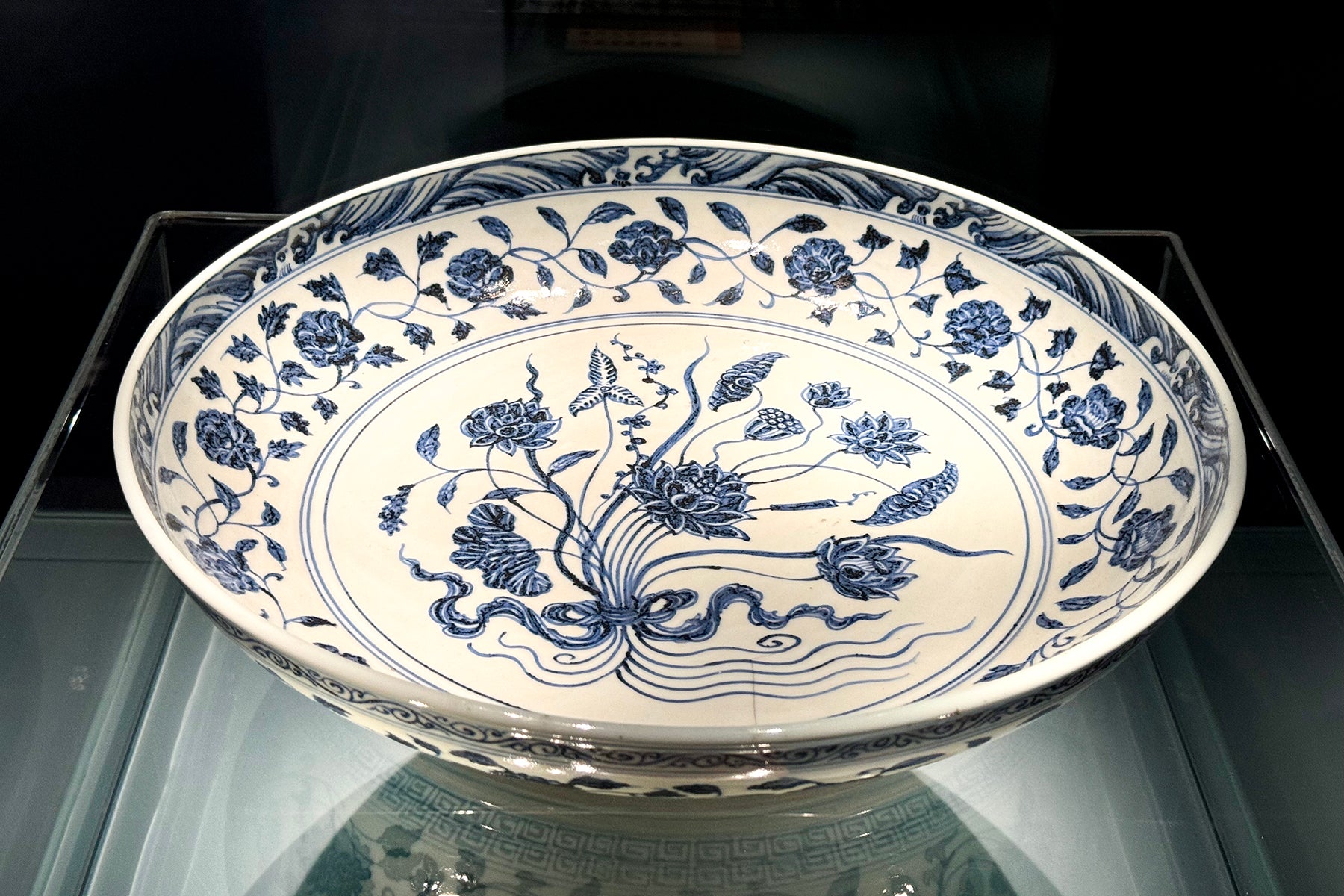
The Ming (1368 to 1644) and Qing (1644 to 1912) dynasties span five and a half centuries in which Chinese decorative arts reached their widest audience. Ming blue-and-white porcelain was copied in Iran and the Netherlands. Ming furniture influenced modernist design. Qing export porcelain shipped to Europe by the million. At the same time, imperial workshops produced objects of a technical virtuosity that has never been surpassed.
Blue-and-White: From Yuan Origins to Global Icon

Blue-and-white porcelain began its rise in the Yuan dynasty (1271 to 1368), driven partly by the Mongol rulers' colour preferences and partly by the availability of cobalt pigment imported from West Asia. Muslim potters participated in production, and the painted borders on early pieces were in direct imitation of Islamic metalwork patterns. By the Ming, blue-and-white had become the dominant Chinese ceramic type, with Jingdezhen as its undisputed centre.
The influence flowed in both directions. Chinese potters worked at kilns in West Asia at the invitation of Iranian royalty. Meanwhile, vast quantities of blue-and-white were shipped to Europe, where they sparked the rise of porcelain industries in Italy and the Netherlands. European manufacturers copied both the designs and the blue-on-white colour scheme, a borrowing that persists in Delftware to this day.
The Furniture That Modernists Loved
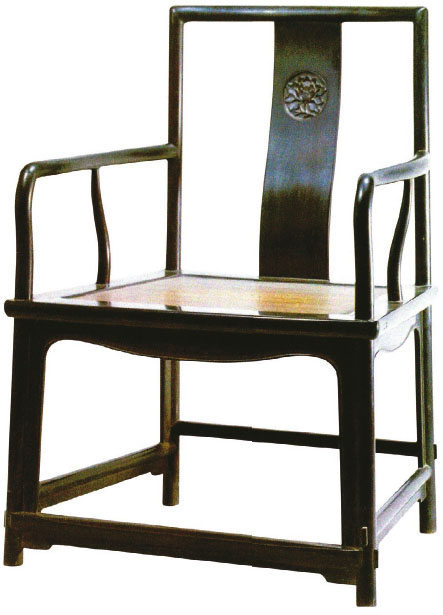
Ming furniture is built from hardwoods: huanghuali (fragrant rosewood), purple sandalwood, Ceylon ironwood, and chicken-wing wood. These materials were prized for their toughness, natural grain, and the way they aged. Most Ming furniture was left undecorated, relying on proportion, joinery, and the beauty of the wood itself. When carving appeared, it was executed in low relief with smooth, fluid lines.
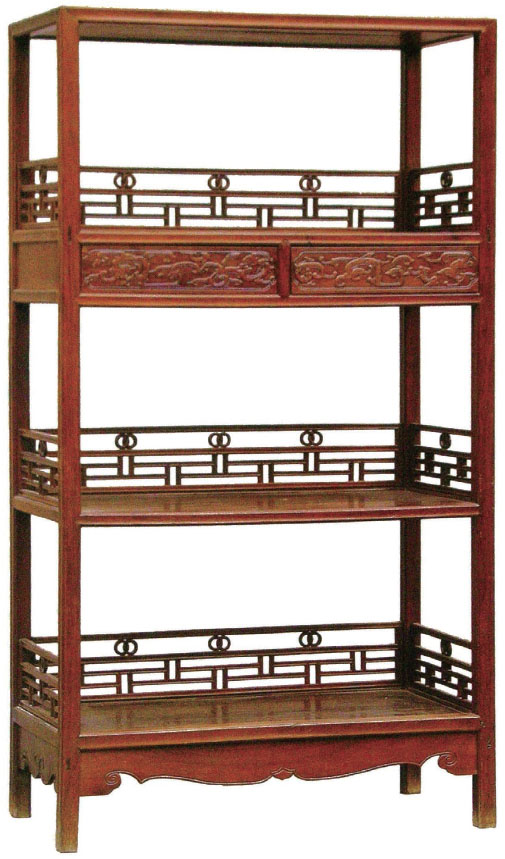
The bookshelf above shows the Ming approach at its best: a rectangular frame, squarely supported, contrasted with finely shaped aprons and curved borders. The tension between geometric structure and organic detail is precisely what attracted twentieth-century modernist designers, who saw in Ming furniture a precedent for their own rejection of ornament.
Qing: Virtuosity and Overreach
The Qing dynasty, particularly under the Kangxi, Yongzheng, and Qianlong emperors, pushed technical virtuosity to extremes. Cloisonns enamel, adopted from Western and Arabic traditions, was produced in enormous quantities by imperial workshops. Jade carving reached its most ambitious scale.
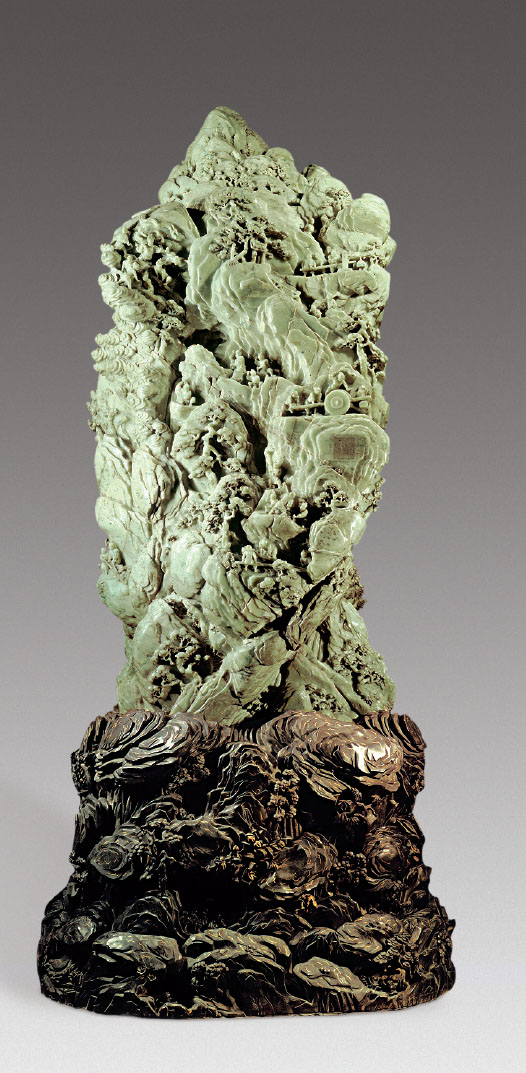
The jade carving above, depicting the legendary King Dayu leading his people against catastrophic floods, stands over two metres tall and weighs more than five tonnes. Emperor Qianlong reportedly decided that the raw jade was better suited to a narrative carving than being cut into sections for ritual vessels. After the quelling of unrest in Xinjiang in 1760, high-quality jade flowed to Beijing in large quantities, fuelling a golden age of courtly jade production that began to decline again after 1811.
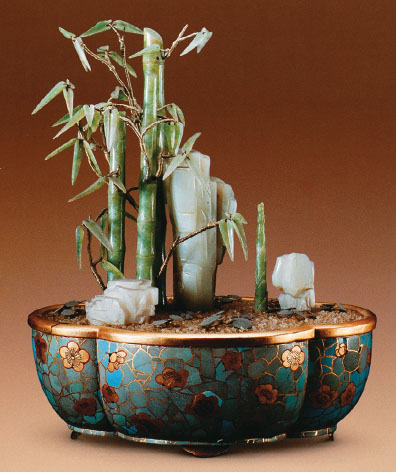
Miniature landscapes (penjing) constructed from jade, gemstone, pearl, and coral were fashionable desk ornaments for the Qing elite. Jadeite, imported primarily from Burma from the mid-Qing onward, was prized for its green colour and commanded higher prices than traditional Hetian nephrite.
A Million Pieces a Year
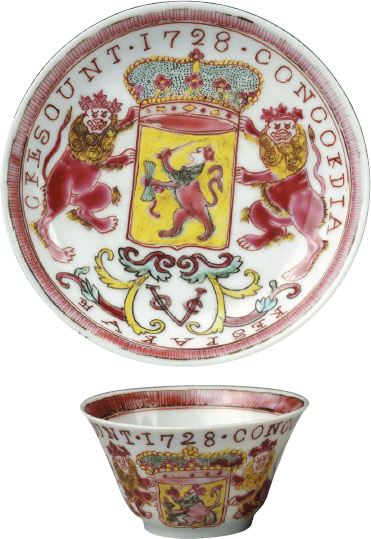
By the Qing dynasty, Europe had become the dominant market for Chinese export porcelain. Orders often topped a million pieces annually in the 17th and 18th centuries. White porcelain from Jingdezhen was shipped to Guangzhou, where it was painted with European coats of arms, fired a second time, and exported. This guangcai (Guangzhou colours) ware was made in enormous quantities. The white porcelain base was of a quality that European kilns could not match, even as the painted decoration was tailored to foreign tastes.
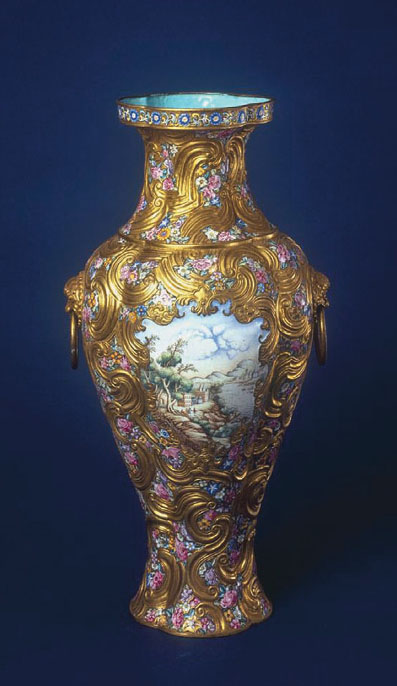
The exchange eventually worked against China. As European porcelain production improved, demand for Chinese imports declined. By the late Qing, the quality of export ware had deteriorated, and the industry that had once defined Chinese civilisation to the outside world was in retreat. The decorative arts had come full circle: from objects made for gods and kings, to commodities shipped by the million, and back to a smaller, quieter tradition that valued craft over commerce.


