

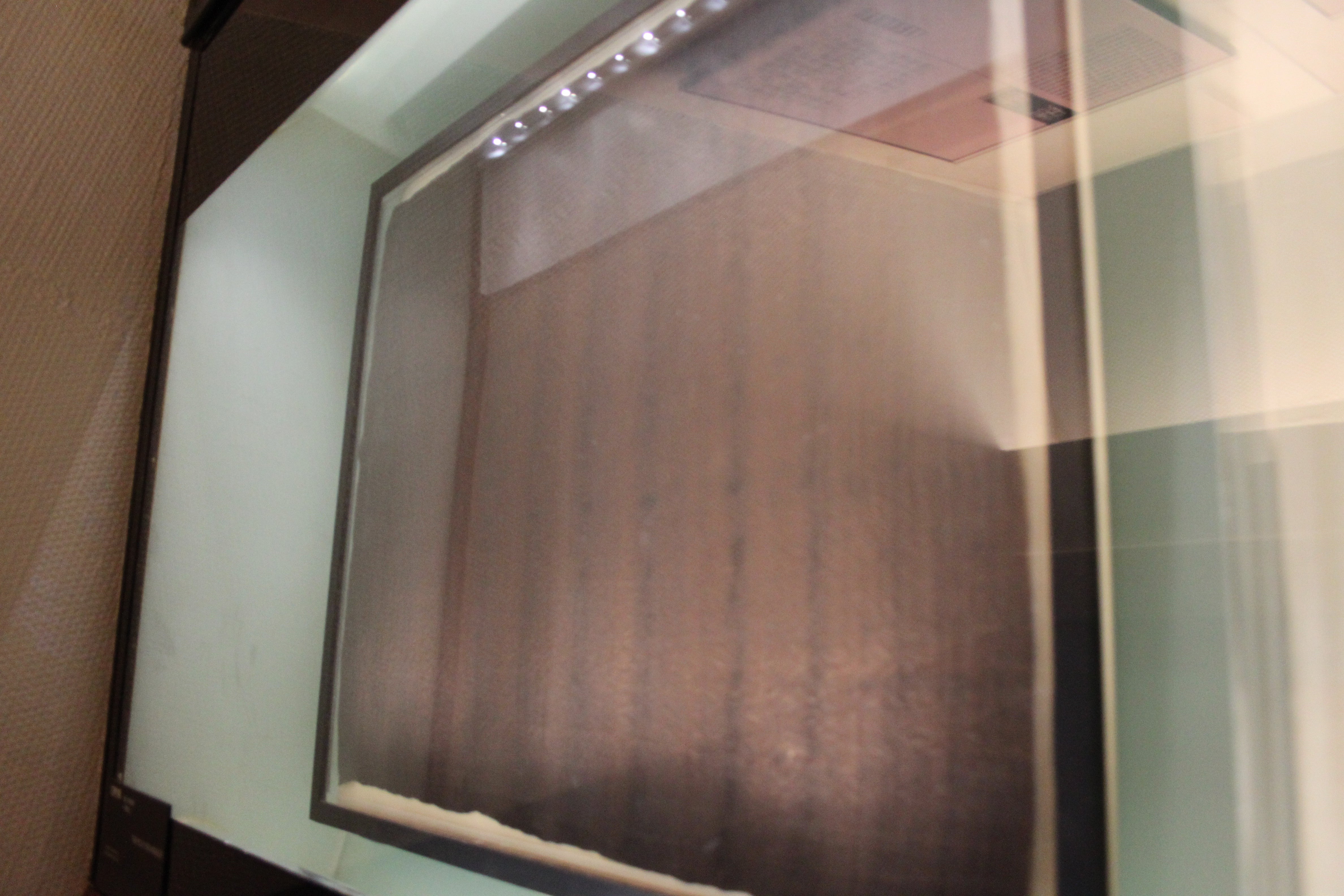
The Han dynasty (206 BC to 220 AD) is when Chinese decorative arts became an export industry. Silk travelled the road that bears its name. Lacquerware, painstakingly built up layer by layer, cost ten times the price of bronze. The nobles who were buried at Mawangdui in modern Changsha took such quantities of decorated silk and lacquer into their tombs that when excavators opened them in 1972, they found a civilisation that had treated luxury as a form of religion.
Silk Beyond Imagination
Han silk came in more varieties than most modern textile industries can match: plain weave (juan), gauze (sha), silk crepe (hu), damask on tabby (qi), twill damask (ling), brocade (jin), and pile-loop brocade, a precursor to velvet. The gauze was so fine that a full garment, 1.2 metres long with sleeves spanning 1.9 metres, weighed only 49 grams. Silk crepe measured 0.07 to 0.1 millimetres thick.
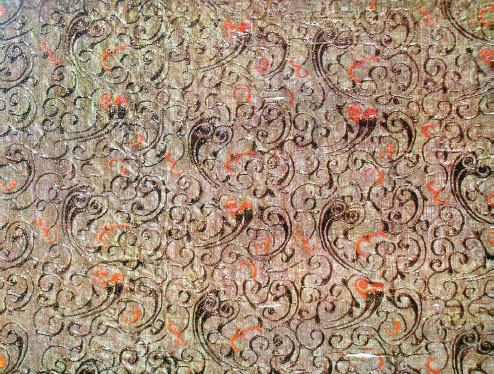
The silk fabrics unearthed from Mawangdui had been dyed or printed in more than twenty colours, with even tones and minimal fading after two thousand years in the ground. This indicated a technical mastery of dyeing and printing that was, for a very long time, well ahead of anything in the West. Woven patterns included cloud scrolls, stylised birds and beasts, and geometric designs, with the rhombus being the most prominent motif.
Lacquer: Liquid Patience
Lacquer is the sap of the Toxicodendron vernicifluum tree, applied in multiple thin coats over a base of wood or hemp cloth. Each coat must dry completely before the next is applied. The result is an extraordinarily durable surface, smooth and glossy, that resists water, heat, and time. The process is slow and labour-intensive, which is why lacquerware was a luxury good.
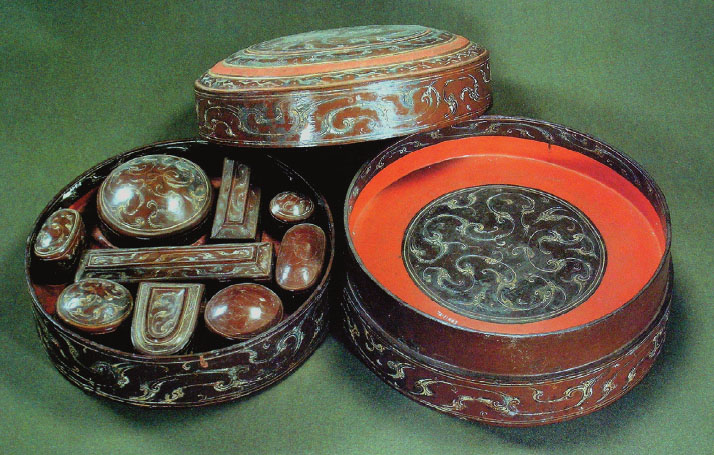
Imperial workshops divided production into specialised stages: base preparation, priming, lacquering, gilding, painting, polishing, and finishing. Each stage was handled by a different craftsman. At burial sites of the nobility, it was common to find dozens or even hundreds of lacquer objects. Royal tombs yielded thousands. Chengdu remained the most celebrated centre of production, though workshops existed as far south as Guangzhou.
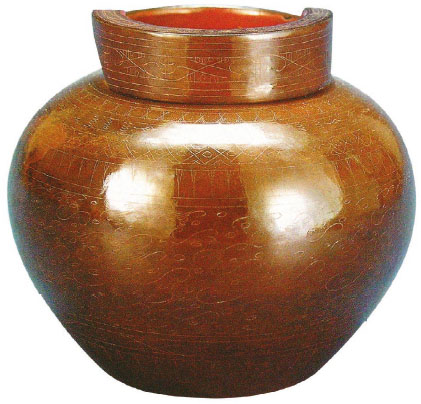
The decoration on the finest Han lacquerware used needle-point incising to create patterns of cloud scrolls and geometric designs so fine they resemble engraving. Red (cinnabar) and black (soot) were the dominant colours, a limitation imposed by the chemistry of natural lacquer, which accepts only certain pigments. Within those constraints, Han lacquer artists achieved effects of considerable subtlety.
What the Han dynasty demonstrated, more clearly than any period before it, was that Chinese decorative arts were not a local tradition. Silk and lacquer were international commodities, desired from Japan to Egypt. The techniques that produced them were centuries ahead of anything comparable in the West. This was craftsmanship operating at the scale of statecraft.


