



Austria's artistic identity is closely tied to the Vienna Secession, a movement that broke from the conservative artistic establishment at the turn of the 20th century. Led by Gustav Klimt, the Secession championed innovative styles, including Art Nouveau and Symbolism. Austrian art from this period often explores themes of psychology, sensuality, and the anxieties of modern life. Expressionism also took root, with artists such as Egon Schiele pushing the boundaries of emotional intensity. Austrian landscape painting gained prominence in the 19th century, influenced by French Impressionism and a focus on capturing fleeting moments in nature.
Key Movements
12 movements shaped austrian art.
Key Artists
Key Ideas
-
The Vienna Secession
Founded in 1897, the Vienna Secession was a group of artists who rejected academic traditions in favour of modern styles. Gustav Klimt was its most famous member. The Secession championed experimentation and collaboration between different art forms.
-
Austrian Expressionism
Emerging in the early 20th century, Austrian Expressionism is characterised by its intense emotionality and psychological depth. Artists such as Egon Schiele used distorted forms and bold colours to convey feelings of anxiety and alienation.
-
Landscape Painting
In the 19th century, Austrian artists developed a distinctive approach to landscape painting. They combined a detailed observation of nature with an interest in capturing atmospheric effects, influenced by French Impressionism.
-
Viennese Actionism
This radical and provocative art movement emerged in the 1960s. It involved performance-based actions, often incorporating the body and challenging social norms.
Museums in Austria
14 museums.
Vienna (12)
-
Kunsthistorisches Museum
Tue–Sun 10:00–18:00 (Thu until 21:00); closed Mon (open Mon Jun–Aug) · €21 adults, free under-19
-
Albertina
Daily 10:00–18:00, Wed & Fri 10:00–21:00
-
Belvedere
Daily 09:00-18:00 · €23 adults
-
Liechtenstein Museum
-
Batliner Collection
-
Leopold Museum
Wed–Mon 10:00–18:00, closed Tuesdays
-
Austrian National Library
Prunksaal: Mon–Sun 9:00–18:00 (Thu until 21:00), closed Mondays Oct–May
-
Austrian Theatre Museum
-
Bank Austria Kunstforum Wien
-
MAK – Museum of Applied Arts
Tue 10:00–21:00, Wed–Sun 10:00–18:00, closed Mondays · €19 adults
-
University of Vienna
Mon–Fri 06:00–22:00, Sat 07:00–19:00, closed Sundays and public holidays
-
Vienna Museum


All Austrian Artists
23 artists.
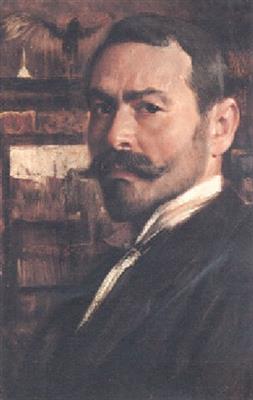
Adolf Hirémy-Hirschl
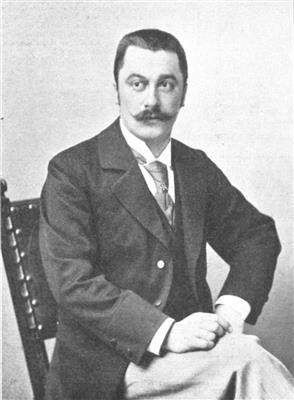
Albin Egger-Lienz
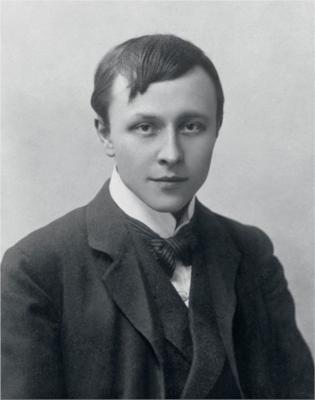
Alfred Kubin
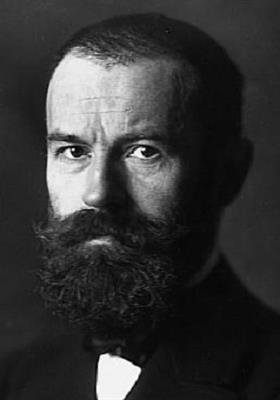
Alfred Roller
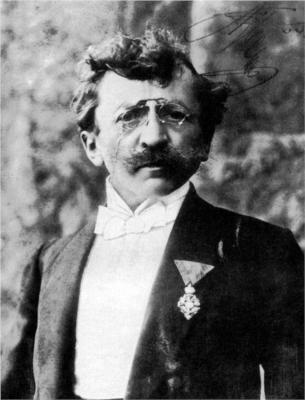
Anton Azbe
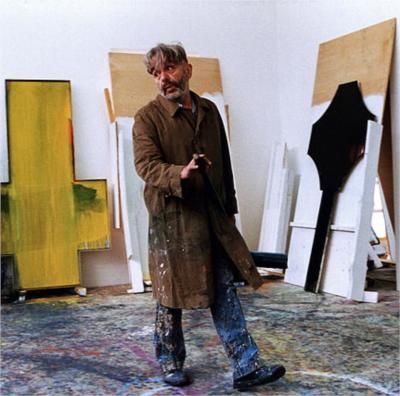
Arnulf Rainer
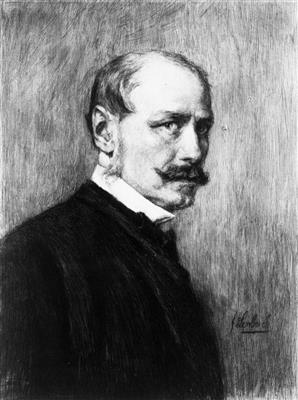
August von Pettenkofen
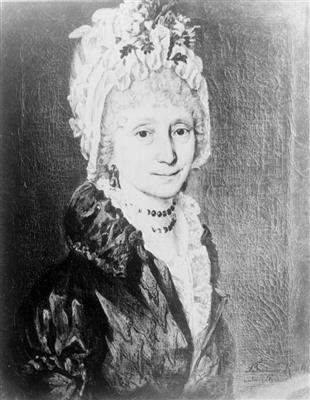
Barbara Krafft
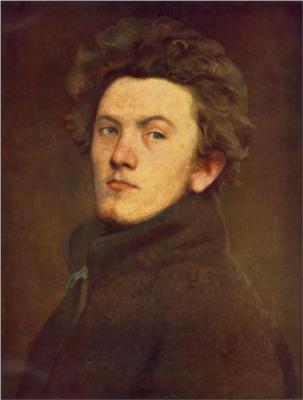
Bertalan Szekely

Carl Moll

Carl Reichert

Christian Attersee
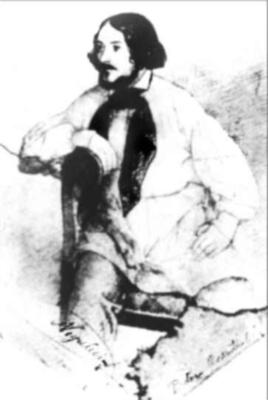
Constantin Daniel Rosenthal

Eduard Veith

Egon Schiele

Gustav Klimt

Herbert Bayer

Johann Dominik Bossi

Karol Ľudovít Libay

Koloman Moser

Lucia Moholy

Oskar Kokoschka

Richard Gerstl
Frequently Asked Questions
What is Austria's greatest contribution to art?
Austria's most significant contribution is arguably the Vienna Secession. This movement, which began in 1897, rejected traditional academic art and embraced a range of modern styles, including Art Nouveau and Symbolism. The Secession fostered a spirit of artistic experimentation and collaboration that had a lasting impact on European art.Who are the most important Austrian artists to know?
Gustav Klimt is essential for his leading role in the Vienna Secession and his iconic Art Nouveau paintings, such as 'The Kiss'. Egon Schiele is another important figure, known for his Expressionist portraits and emotionally charged self-portraits. The Belvedere museum in Vienna holds an important collection of Austrian art.Which Austrian artist is underappreciated?
Barbara Krafft, an 18th-century portrait painter, deserves greater recognition. She was a successful artist in her time, known for her realistic and insightful portraits of prominent figures. Her skill and achievements have often been overshadowed by her male contemporaries.When did Austria develop a distinctive national style?
Austria began to develop a distinctive national style in the 19th century, particularly with the rise of landscape painting. Artists like Emil Jakob Schindler focused on capturing the specific details and atmosphere of the Austrian countryside. This focus coincided with the rise of Stimmungsimpressionismus, an Austrian variant of Impressionism.
Love what you see? Take it home.
See all art prints →