



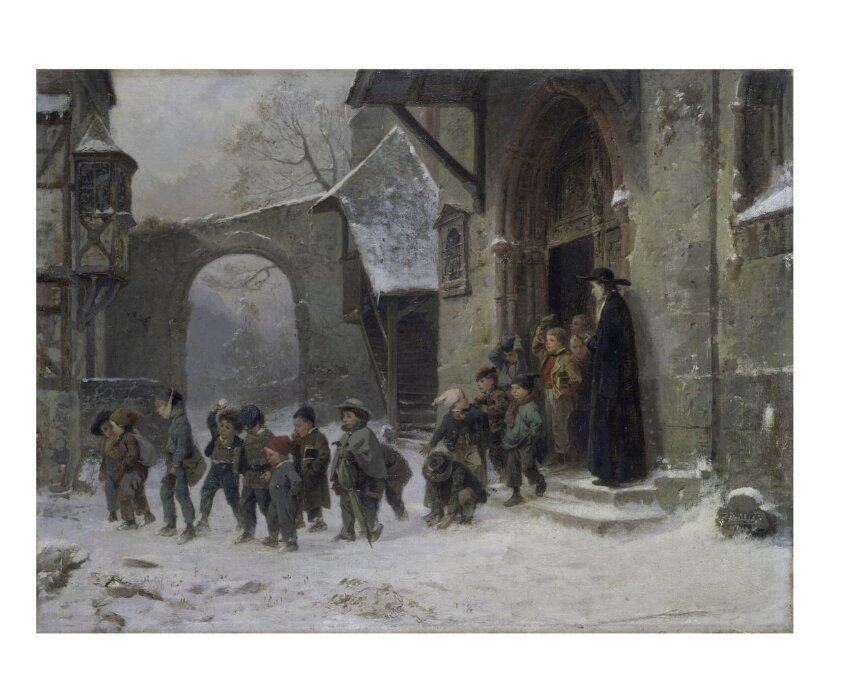
Swiss art is characterised by its diverse influences and unique synthesis of styles. Situated at the crossroads of Europe, Swiss artists absorbed elements from German, French, and Italian traditions, forging a distinctive artistic identity. From the realism of Albert Anker's depictions of rural life to the modernism of Camille Graeser's concrete art, Swiss artists demonstrate a remarkable range and innovation. The country's art reflects its complex cultural landscape and its position as a meeting point for different artistic currents.
Key Movements
12 movements shaped swiss art.
Key Artists
Key Ideas
-
Realism and Rural Life
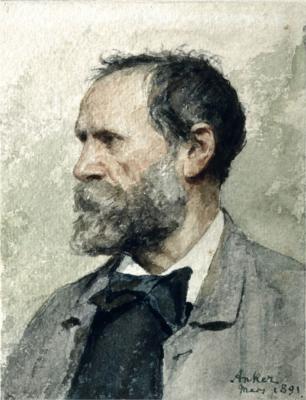
Artists like Albert Anker captured the essence of Swiss rural life with detailed and empathetic portrayals of peasant communities. His work provides insight into the daily lives and traditions of the Swiss countryside during the 19th century.
-
Influence of German Art
The German-speaking regions of Switzerland shared artistic ties with Germany, particularly during the Baroque period. This connection is evident in the styles and themes explored by Swiss artists of the time, reflecting the broader cultural exchange within central Europe.
-
Modernism and Abstraction
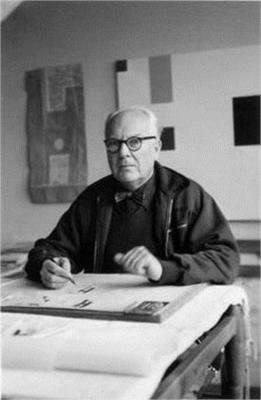
In the 20th century, Swiss artists such as Camille Graeser embraced modernism, contributing to the development of concrete art and abstract expression. Their work reflects a move away from representational art towards geometric forms and non-objective compositions.
-
Impressionist tendencies
Some Swiss artists adopted impressionistic techniques, evident in the work of artists such as Edward Cucuel, who was associated with the German group Scholle. These artists explored the use of light and colour to capture fleeting moments and sensory impressions.
Museums in Switzerland
27 museums.
Zurich (4)
-
Kunsthaus Zürich
Tue–Wed & Fri–Sun 10:00–18:00, Thu 10:00–20:00, closed Mondays · 24 CHF adults (collection and small exhibitions)
-
Foundation E.G. Bührle Collection
-
Alberto Giacometti-Stiftung
-
Graphische Sammlung der ETH
Exhibition room: Mon–Sun 10:00–17:00 (during exhibitions); Study room and Library: Mon–Fri by appointment


Winterthur (5)
-
Museum collection Am Römerholz
-
Kunst Museum Winterthur | Reinhart am Stadtgarten
Reinhart am Stadtgarten: Tue–Sun 10:00–17:00, Thu 10:00–20:00, closed Mondays
-
Building of the Winterthur Museum of Art
-
Hahnloser Collection in Villa Flora
-
Villa Flora
Tue–Sun 10:00–17:00, Wed until 20:00, closed Mondays · CHF 18 adults (single location), CHF 26 (all locations)


Bern (3)


Geneva (3)


Basel (2)
-
Kunstmuseum Basel
Hauptbau & Neubau: Tue 10:00–18:00, Wed 10:00–20:00, Thu–Sun 10:00–18:00, closed Mondays; Gegenwart: Tue–Sun 11:00–18:00, closed Mondays · 25 CHF adults (collection only), 30 CHF (including special exhibition)
-
Im Obersteg Foundation collection
Tue, Thu, Fri, Sat, Sun 10:00–18:00, Wed 10:00–20:00, closed Mondays


Aarau (1)

Lucerne (1)

Schaffhausen (1)

Fribourg (1)

Lausanne (1)

Lugano (1)

All Swiss Artists
30 artists.

Adolf Dietrich

Adolf Wolfli

Albert Anker

Alberto Giacometti
Albrecht Anker

Alexandre Calame

Angelica Kauffmann

Arnold Böcklin

Benjamin Samuel Bolomey
.jpg?width=800)
Benjamin Vautier
Camille Graeser

Carlos Schwabe

Charles Giron

Charles-Simon Pradier

Cuno Amiet

David Morier
Dominique Appia

Félix Vallotton

Ferdinand Hodler
.jpg?width=800)
Friedrich Weber

Heinrich Pfenninger

Henry Fuseli

Johann Caspar Ulinger

Johann Ludwig Aberli

Louise Catherine Breslau

Paul Klee

Peter Birmann

Salomon Gessner

Samuel Amsler

Théophile Steinlen
Frequently Asked Questions
What is Switzerland's greatest contribution to art?
Switzerland's contribution lies in its unique synthesis of diverse European influences, resulting in a distinctive artistic identity. This is seen in the realist paintings of rural life by artists such as Albert Anker, and the later embrace of modernism by artists like Camille Graeser.Who are the most important Swiss artists to know?
Albert Anker is important for his realist depictions of Swiss rural life in the 19th century. In the 20th century, Camille Graeser became a leading figure in concrete art. You can view works by both artists at the Kunstmuseum Bern.Which Swiss artist is underappreciated?
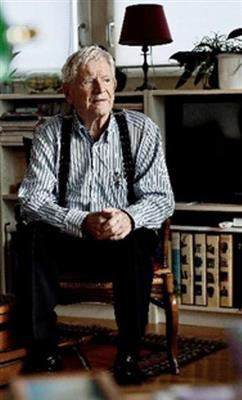
Dominique Appia, active in the late 19th and early 20th centuries, is less widely recognised than some of his contemporaries. However, his contributions to Swiss art, particularly in portraiture, deserve greater appreciation.When did Switzerland develop a distinctive national style?
While Swiss artists have always been influenced by neighbouring countries, a distinctive national style began to emerge in the 19th century. Artists such as Albert Anker focused on specifically Swiss subjects, reflecting the country's unique cultural identity.
Love what you see? Take it home.
See all art prints →