



Belgian art is notable for its close ties to literature, particularly during the 19th century. The country's cultural life, which was largely non-institutionalised, encouraged collaboration between artists and writers. This led to painters illustrating the works of writer friends and even family links between the two worlds. The ‘Salon of the writer-painters or the Violins of Ingres’ exhibition in Brussels (1908) epitomised this relationship.
Key Movements
12 movements shaped belgian art.
Key Artists
Key Ideas
-
Intertwined Disciplines
During the 19th century, the lines separating artistic disciplines were blurred in Belgium. The country's small size and non-institutionalised cultural life fostered close relationships between artists and writers. This resulted in collaborations, such as painters illustrating the works of writers.
-
Luminism
Belgian Luminism emerged around 1900, characterised by its use of light and colour to create atmospheric effects. Emile Claus was a key figure, using Impressionistic techniques to capture the nuances of light in the Belgian countryside.
-
Expressionism
Belgian Expressionism, particularly during the early 20th century, saw artists using bold colours and distorted forms to convey emotion. Constant Permeke is a notable example, known for his depictions of rural life and the working class.
Museums in Belgium
20 museums.
Antwerp (6)
-
Royal Museum of Fine Arts Antwerp
Tue–Fri 10:00–17:00, Sat–Sun 10:00–18:00; closed Mon · €22 adults, €2 under-26
-
Middelheim Museum
Tue–Sun 10:00–19:00 (Apr, Sep), 10:00–20:00 (May–Aug), 10:00–17:00 (Oct–Mar), closed Mondays · Free
-
M HKA - Museum van Hedendaagse Kunst Antwerpen
Tue–Sun 11:00–18:00 (last Thursday of the month 11:00–21:00), closed Mondays
-
Museum Plantin-Moretus
Tue–Sun 10:00–17:00, closed Mondays · 12 euro adults, 8 euro ages 18-25, Free under 18
-
Onze-Lieve-Vrouwekathedraal
Weekdays 10:00–17:00, Sat 10:00–15:00, Sun 13:00–17:00 · €12 adults, €10 groups/students/60+, Free for residents of Antwerp/youth under 18
-
Rubenshuis
Rubens Experience & Garden: Mon–Fri 10:00–17:00, Sat–Sun 10:00–18:00, closed Wednesdays; Library: Mon–Fri 09:30–17:00, closed weekends · 12 euros adults (Rubens Experience + Garden), 8 euros reduced, 8 euros Garden only, 6 euros reduced Garden, Free for under 18s and specific cardholders


Brussels (6)


Ghent (3)


Bruges (2)


Hornu (1)

Liège (1)

All Belgian Artists
57 artists.

Adrianus Johannes Bik
.jpg?width=800)
Adrien de Witte

Albert Baertsoen
Alexandre De Latour

Alfred Ost

Alfred Stevens

Alfred William Finch
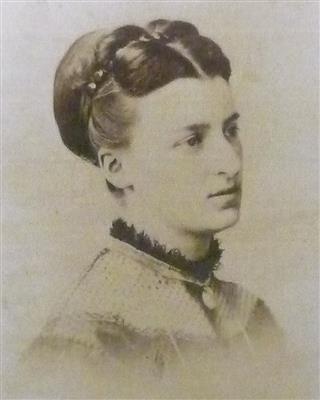
Anna Boch

Armand Rassenfosse
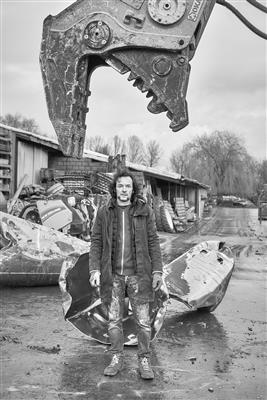
Arne Quinze
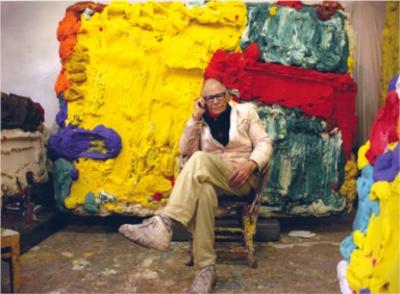
Bram Bogart
.jpg?width=800)
Charles Auguste Fraikin

Charles Augustin Wauters
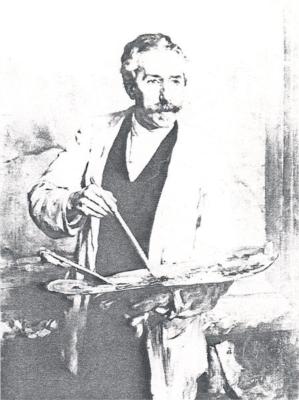
Charles Hermans

Charles Verlat
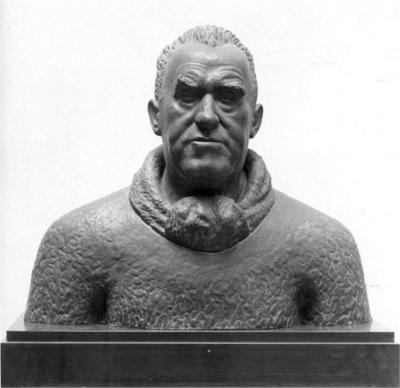
Constant Permeke

Constantin Meunier

Constantinus Fidelio Coene
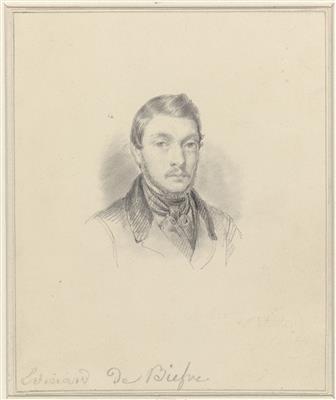
Édouard De Bièfve
Edouard Hamman
%2C%20RP-F-00-1289.jpg?width=800)
Edward Dujardin
%20-%20Self-Portrait.jpg?width=800)
Egide Linnig
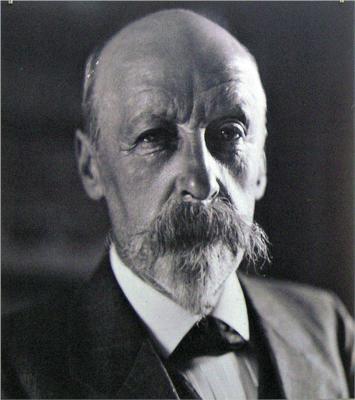
Emile Claus

Emmanuel Viérin
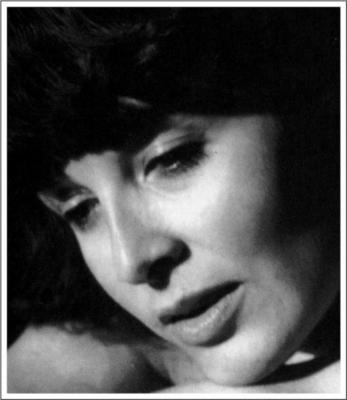
Evelyne Axell

Félix de Vigne

Frans Masereel

Gustave Adolphe Simonau

Gustave De Smet

Hendrick Joseph Dillens
%2C%20RP-F-00-1351.jpg?width=800)
Henri Adolphe Schaep

Henri de Braekeleer

Henri Evenepoel

Henri Privat-Livemont
%3B%20schilder%2C%20graveur%2C%20lithograaf%2C%20Van%20den%20Burggraaf%2C%20Guillaume%20Philidor%2C%20Felixarchief%2C%2012%209351%20(cropped).jpg?width=800)
Ignatius Josephus van Regemorter

Jakob Smits

Jan Andrea Lievens

Jan Baptist van der Hulst

Jan Baptiste de Jonghe

Jan Stobbaerts

Jean Baptiste Madou

Joseph Paelinck

Josue Dupon

Julien-Joseph Ducorron

Lawrence Alma-Tadema
%20Molen%20in%20Genck%20-%20Emile%20Van%20Dorenmuseum%20Genk%2019-05-2019.JPG?width=800)
Léon Becker

Léopold Flameng

Louis Gallait

Louis Robbe

Louis Royer
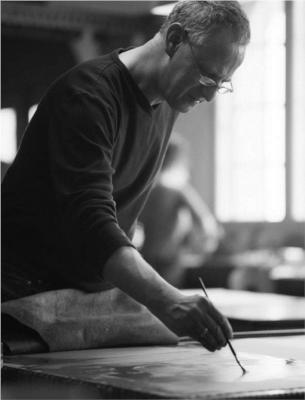
Luc Tuymans

Marcellin Jobard

Nicaise de Keyser

Paul Lauters

René Janssens

René Magritte
.jpg?width=800)
Willem Linnig Junior
Frequently Asked Questions
What is Belgium's greatest contribution to art?
Belgium made a notable contribution to the development of Luminism. Emerging around 1900, this style focused on the study of light and colour, often depicting the Belgian countryside. Emile Claus was a leading artist, adapting Impressionistic techniques to capture the effects of light.Who are the most important Belgian artists to know?
Emile Claus is a key figure in Belgian Luminism, known for his Impressionistic style. Constant Permeke was a major Expressionist painter, depicting rural life with bold colours. You can view their work, and that of others, at the Royal Museums of Fine Arts in Brussels.Which Belgian artist is underappreciated?
Evelyne Axell, active in the 1960s, is an underappreciated Pop artist. Her work challenged conventional representations of women, using innovative materials like coloured Plexiglas. Axell's contribution to Pop Art deserves greater recognition.When did Belgium develop a distinctive national style?
Belgium began to develop a distinctive national style in the 19th century, following its independence in 1830. This involved a search for a 'Belgian soul' in the arts, with literature and painting playing a vital role. The close relationship between the two disciplines helped shape a unique cultural identity.
Love what you see? Take it home.
See all art prints →