

Collection
Marcel Duchamp
Explore curated art prints selected for distinctive homes and considered interiors.
Suggested filters
-

 The Bride Stripped Bare by Her Bachelors, Even (The Large Glass) - Marcel Duchamp
Print · Framed · Canvas
Regular price From £28.00 GBPSale price From £28.00 GBP Regular price -

 Sad Young Man in a Train - Marcel Duchamp
Print · Framed · Canvas
Regular price From £28.00 GBPSale price From £28.00 GBP Regular price -

 Laundry Barge - Marcel Duchamp
Print · Framed · Canvas
Regular price From £30.00 GBPSale price From £30.00 GBP Regular price -
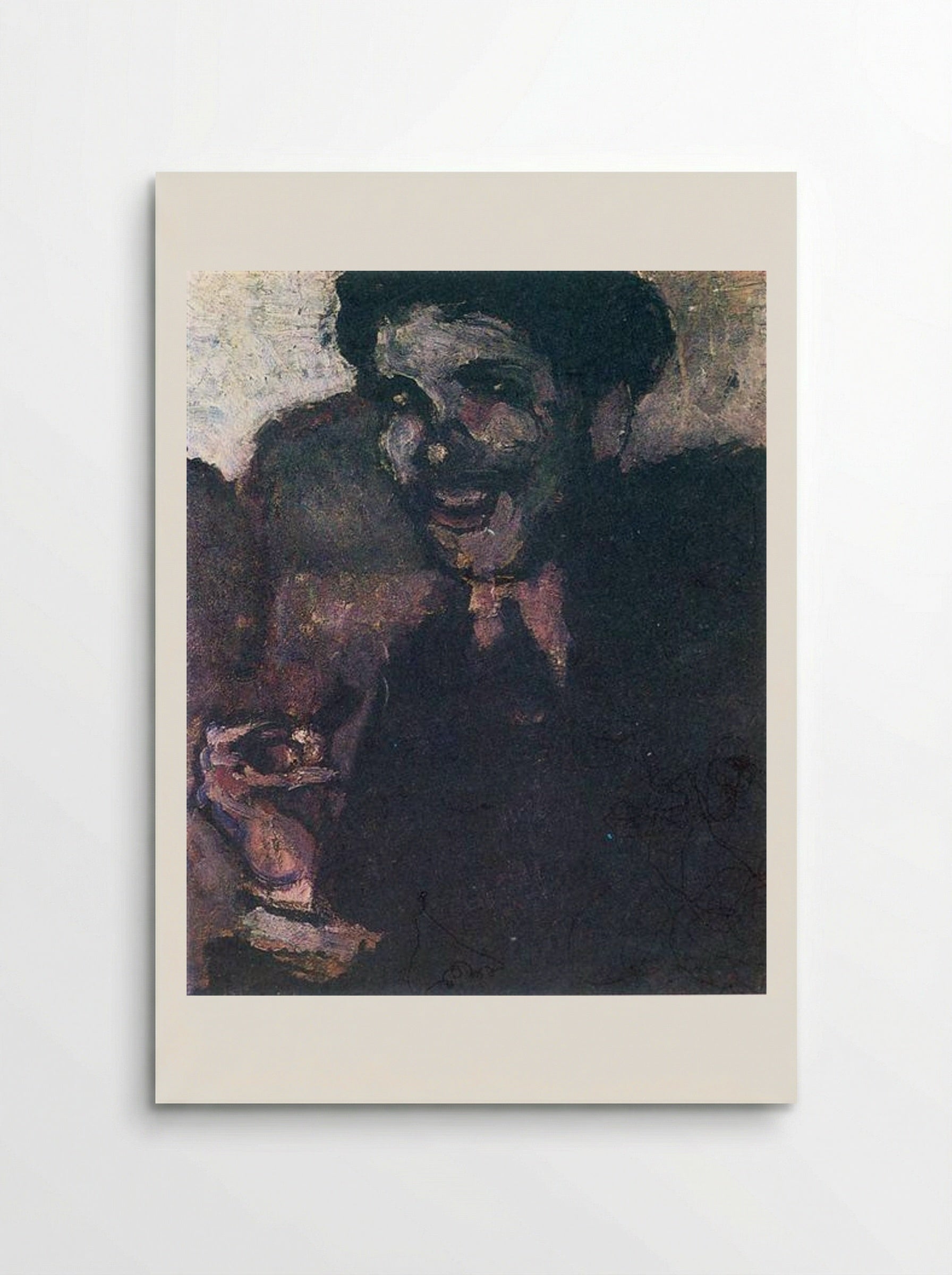 Portrait of Dr. Ferdinand Tribout - Marcel Duchamp
Print
Regular price From £28.00 GBPSale price From £28.00 GBP Regular price -
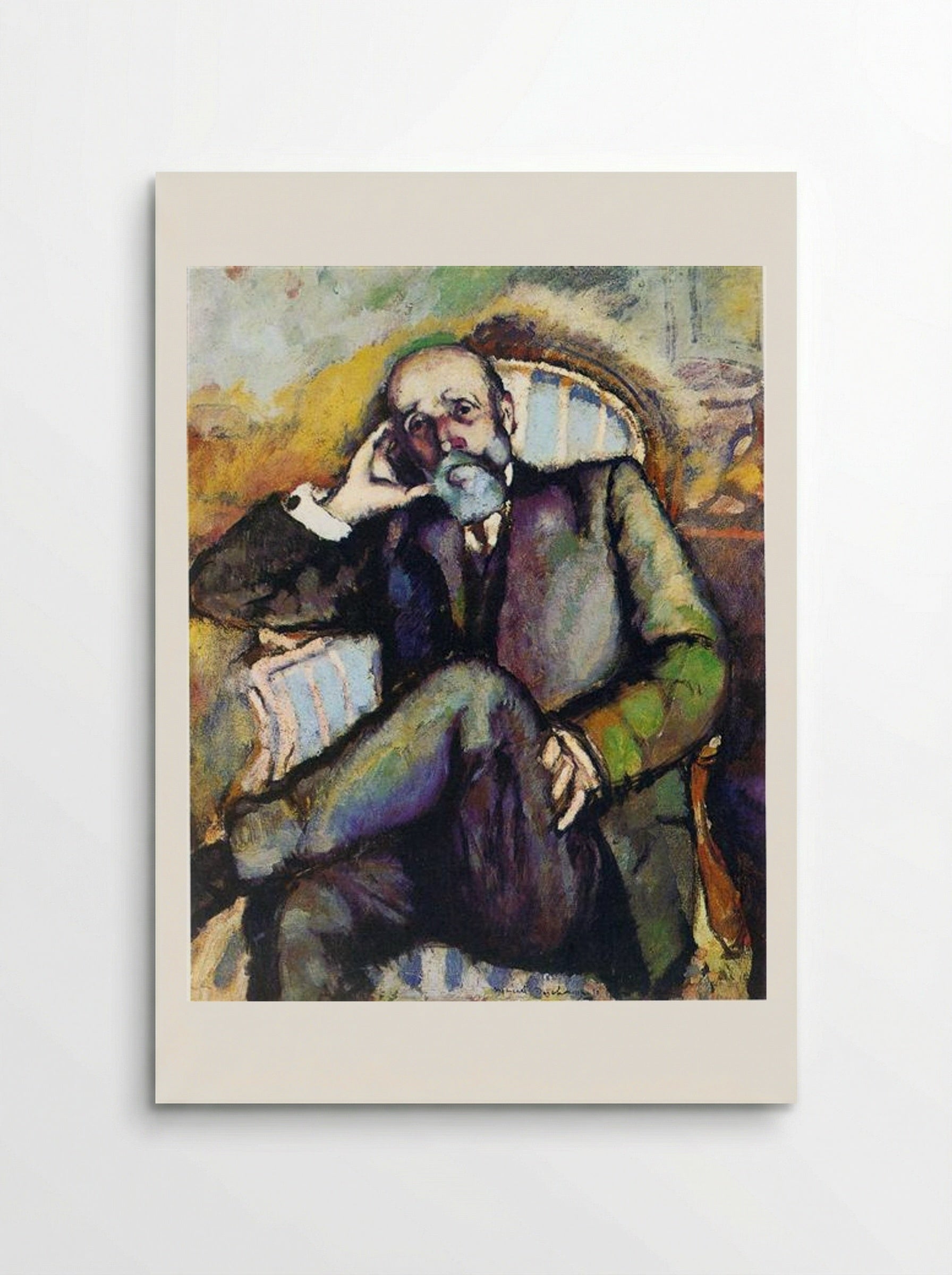 Portrait of the Artist's Father - Marcel Duchamp
Print
Regular price From £28.00 GBPSale price From £28.00 GBP Regular price -
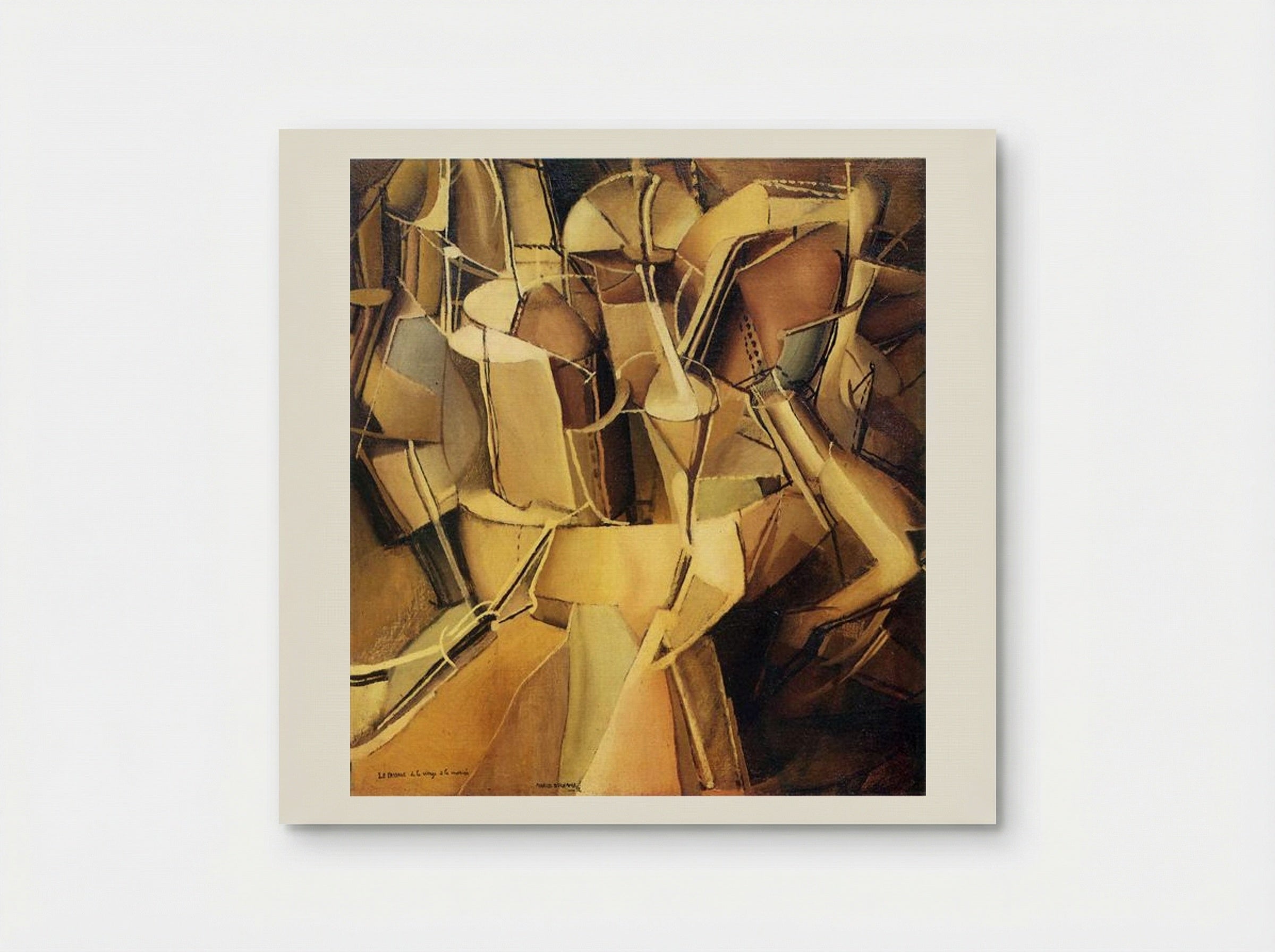 Transition of the Virgin into a Bride - Marcel Duchamp
Print
Regular price From £37.00 GBPSale price From £37.00 GBP Regular price -
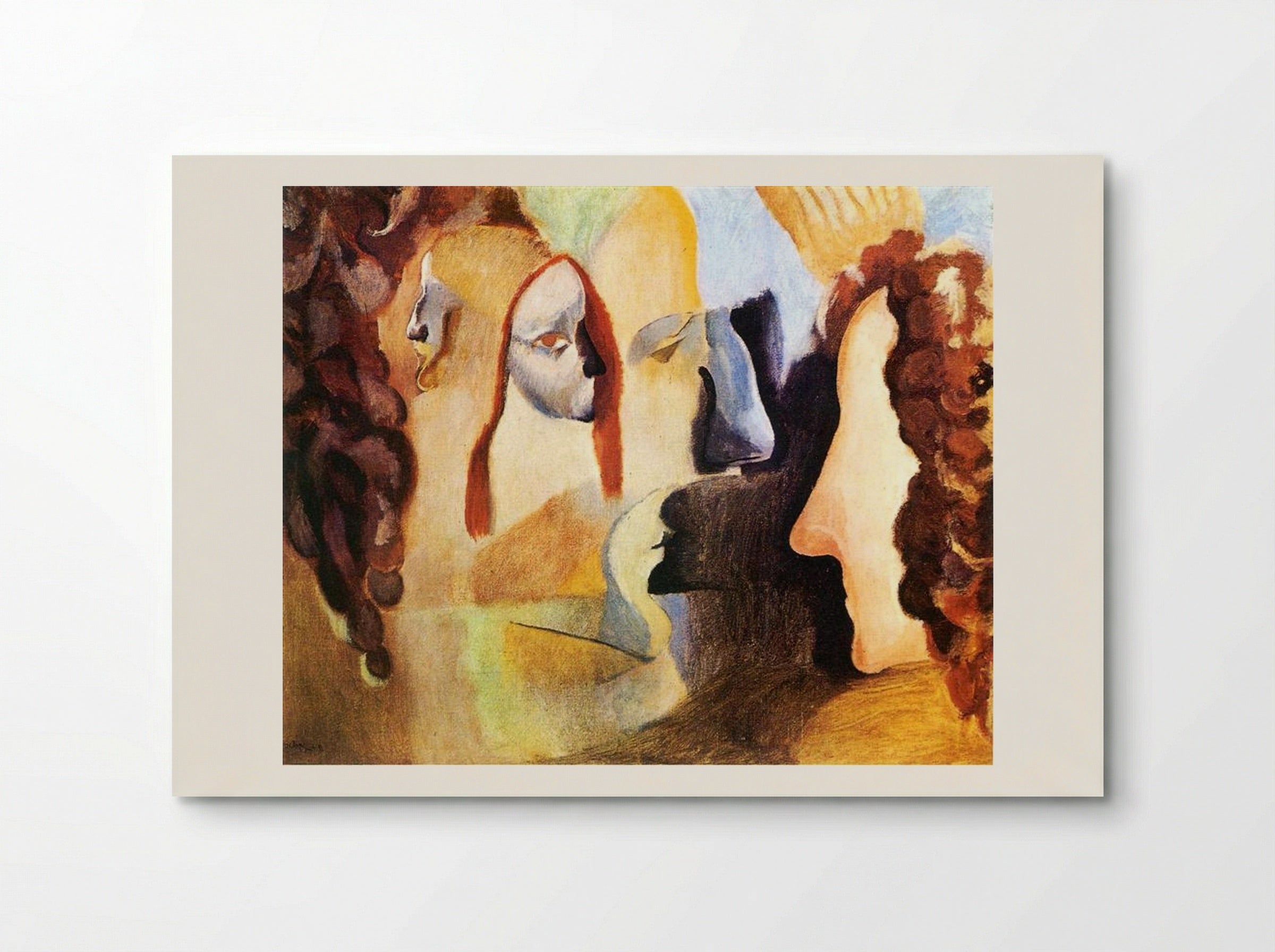 Yvonne and Magdeleine Torn in Tatters - Marcel Duchamp
Print
Regular price From £28.00 GBPSale price From £28.00 GBP Regular price -
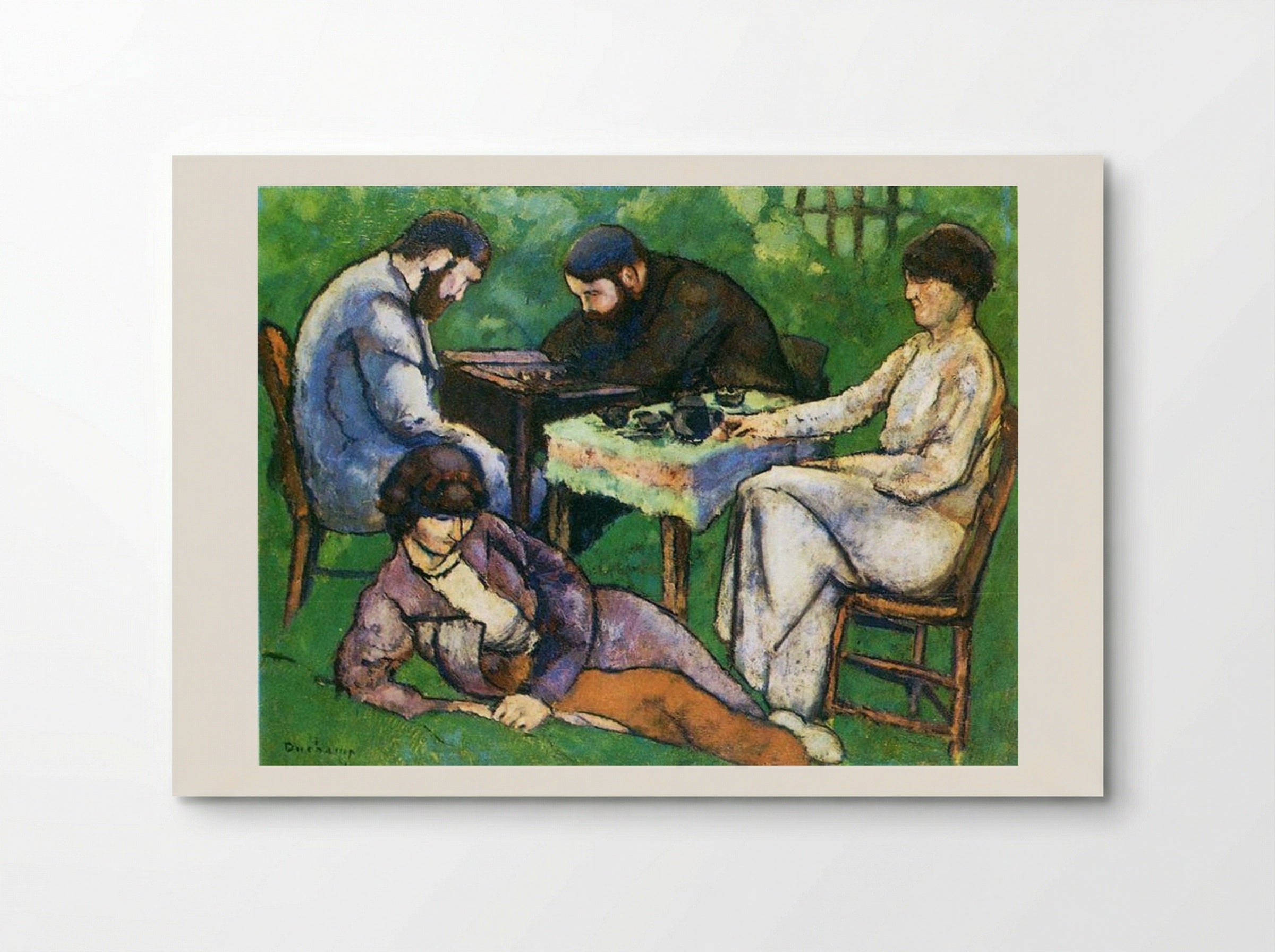 The Chess Game - Marcel Duchamp
Print
Regular price From £28.00 GBPSale price From £28.00 GBP Regular price -
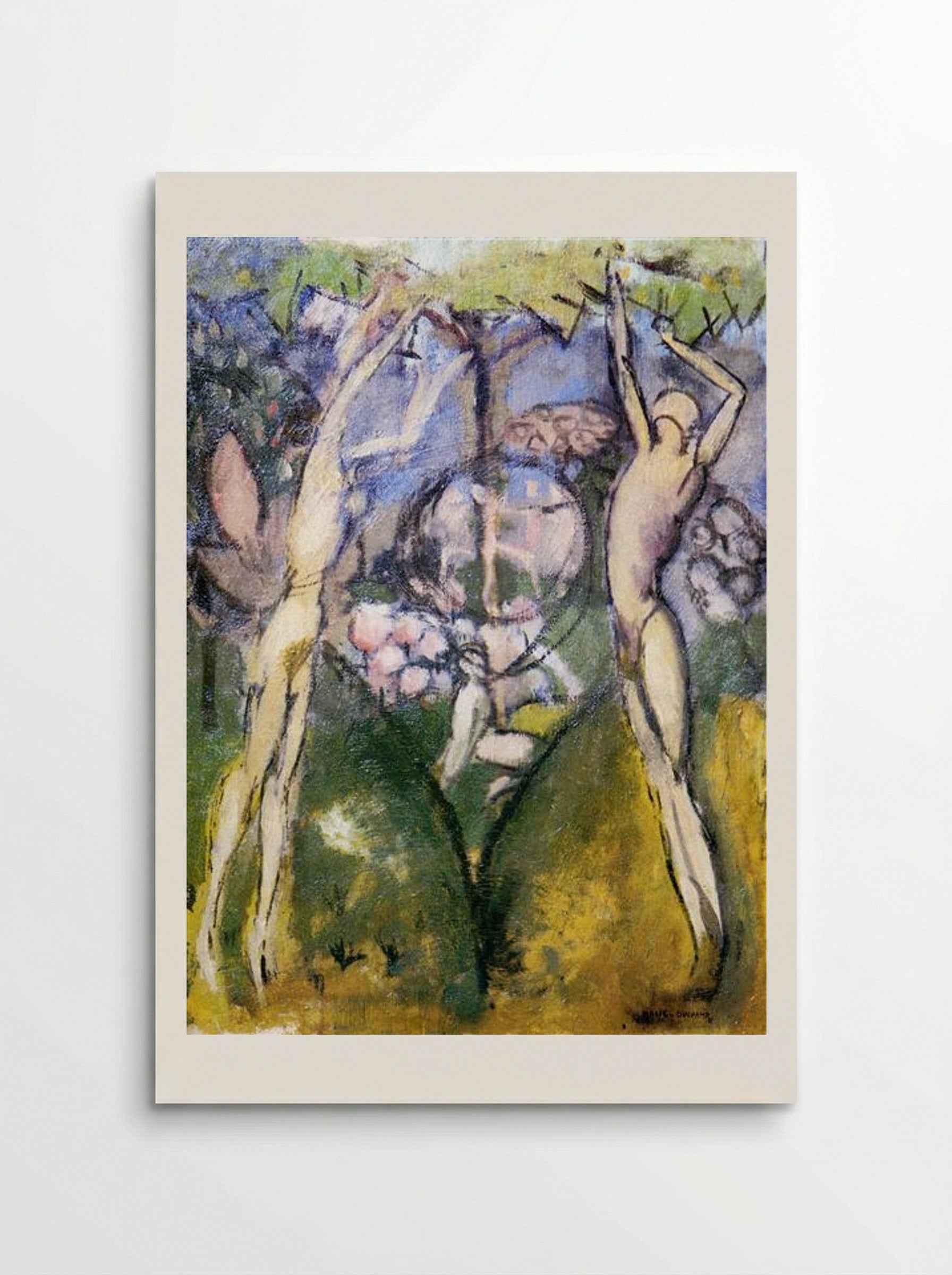 Young Girl and Man in Spring - Marcel Duchamp
Print
Regular price From £28.00 GBPSale price From £28.00 GBP Regular price -
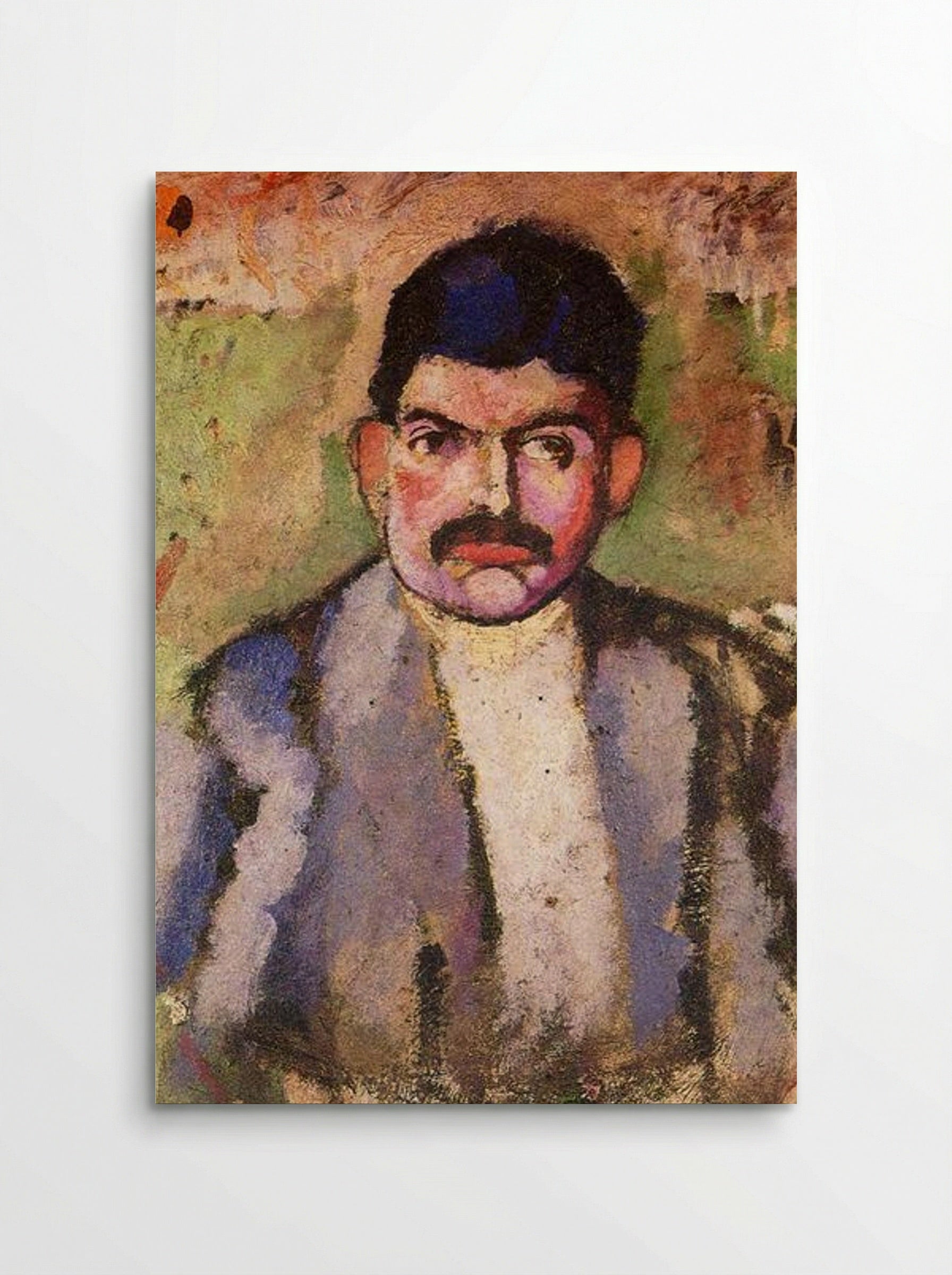 Chauvel - Marcel Duchamp
Print
Regular price From £28.00 GBPSale price From £28.00 GBP Regular price -
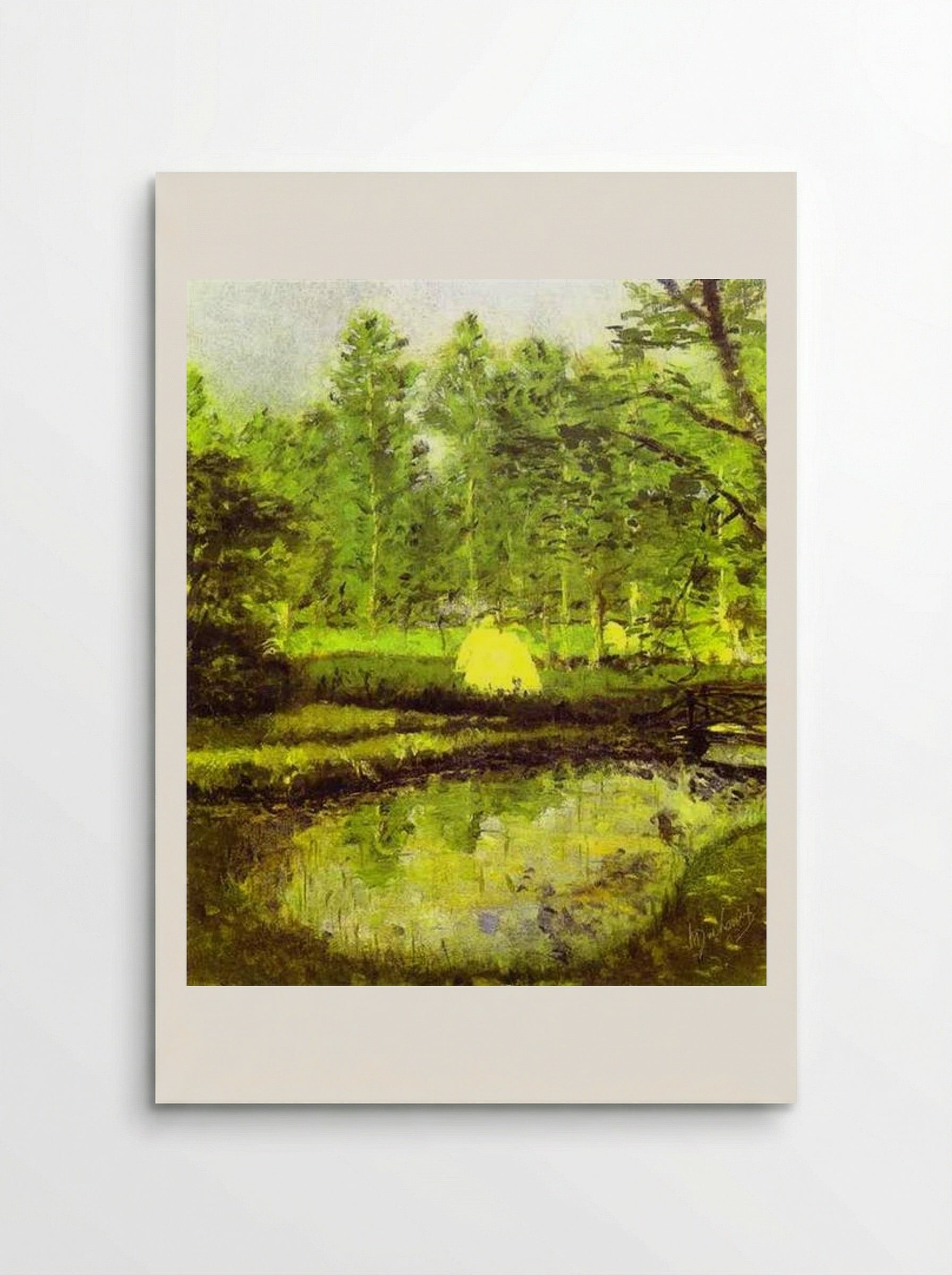 Landscape at Blainville - Marcel Duchamp
Print
Regular price From £28.00 GBPSale price From £28.00 GBP Regular price -
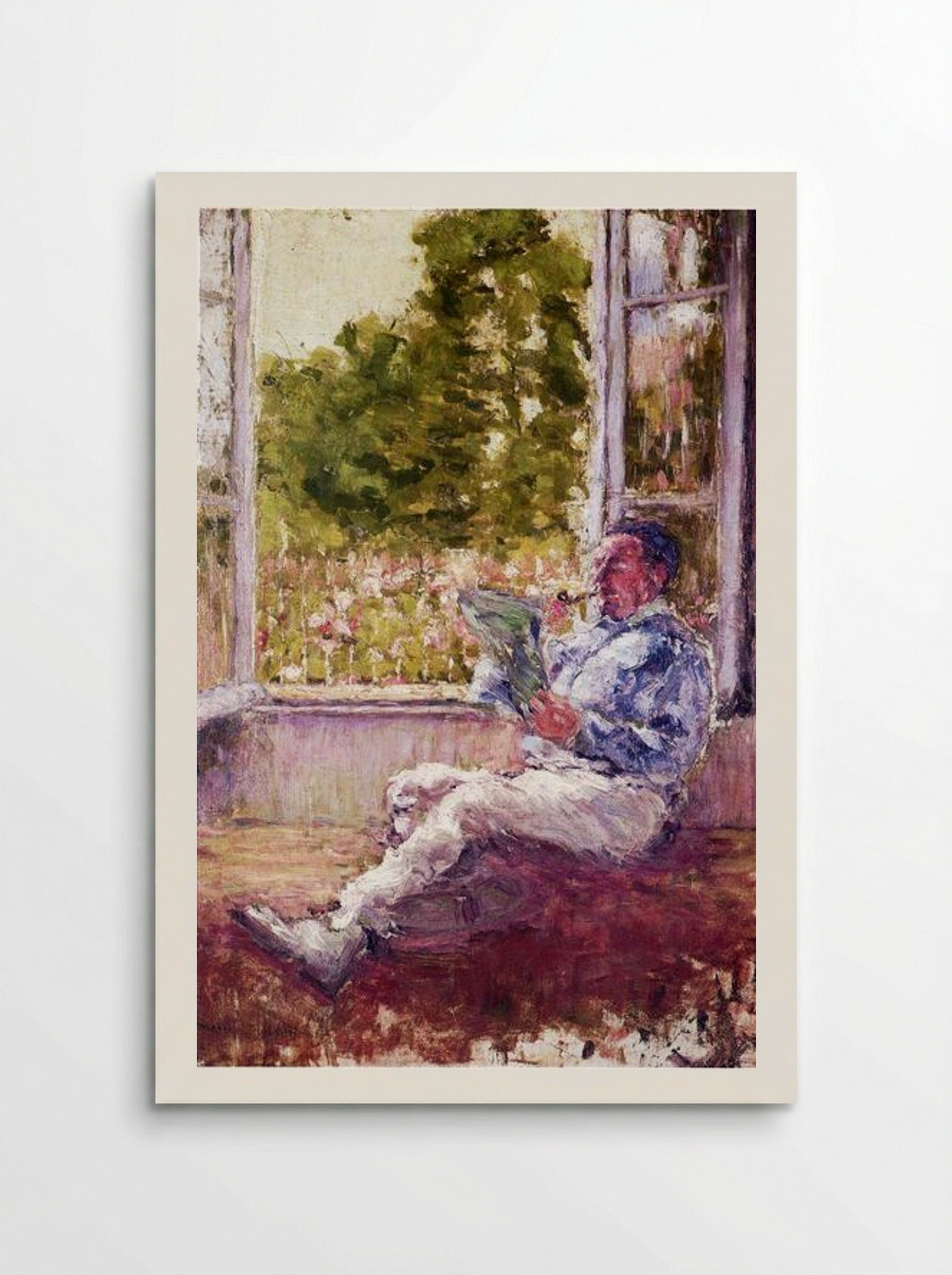 Man Seated by a Window - Marcel Duchamp
Print
Regular price From £28.00 GBPSale price From £28.00 GBP Regular price -
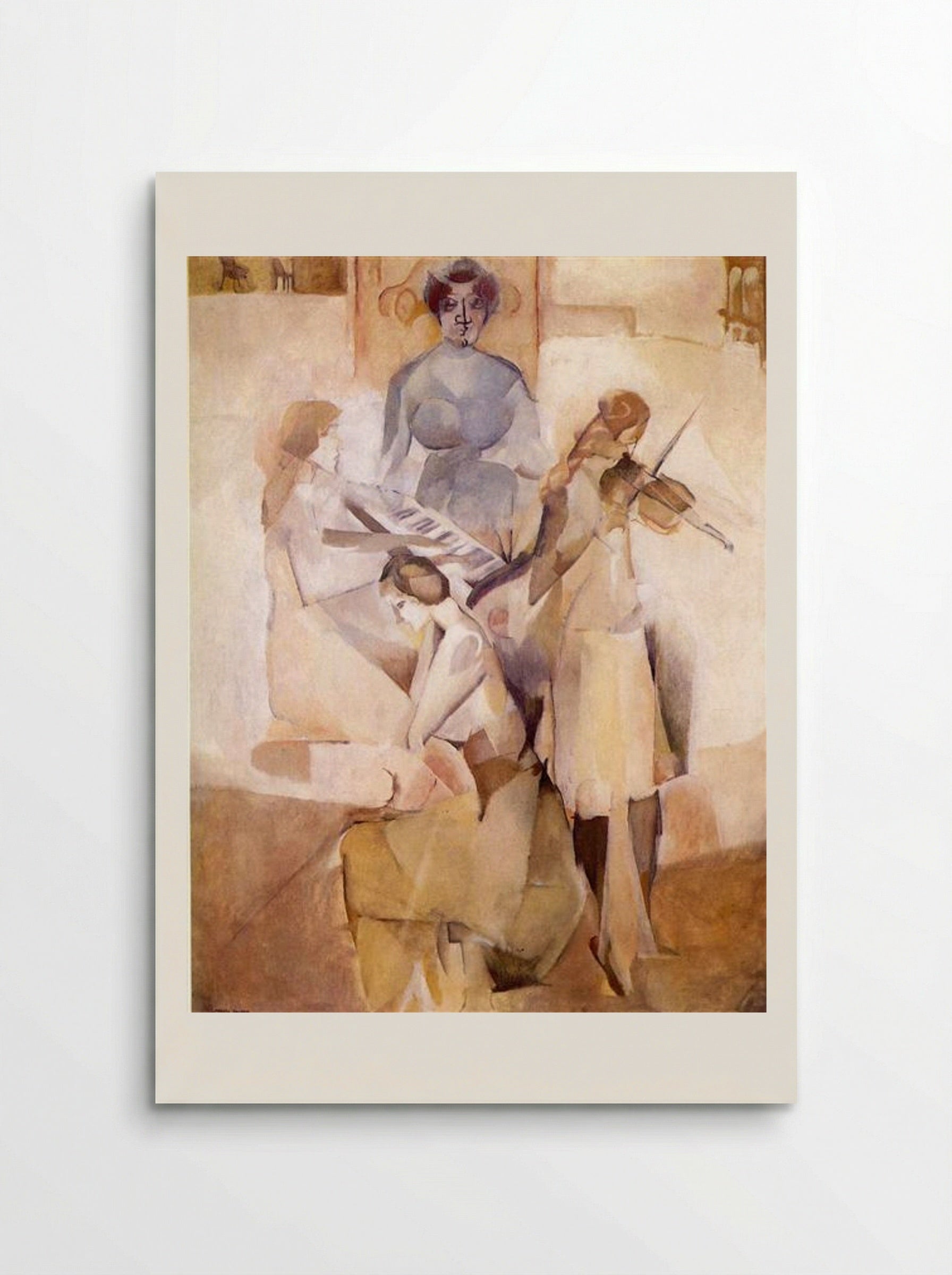 Sonata - Marcel Duchamp
Print
Regular price From £28.00 GBPSale price From £28.00 GBP Regular price -
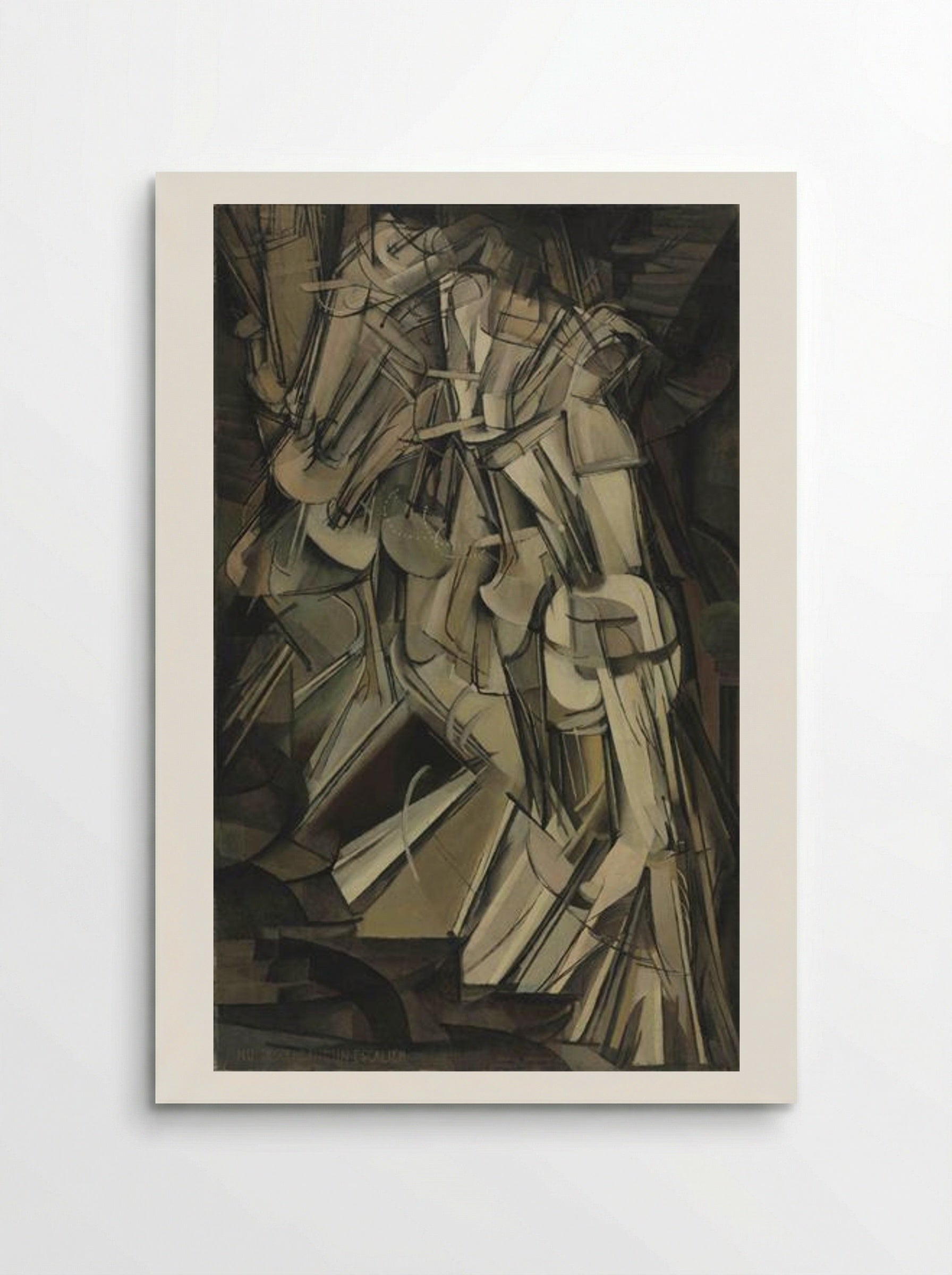 Nude Descending a Staircase, No. 2 - Marcel Duchamp
Print
Regular price From £28.00 GBPSale price From £28.00 GBP Regular price -
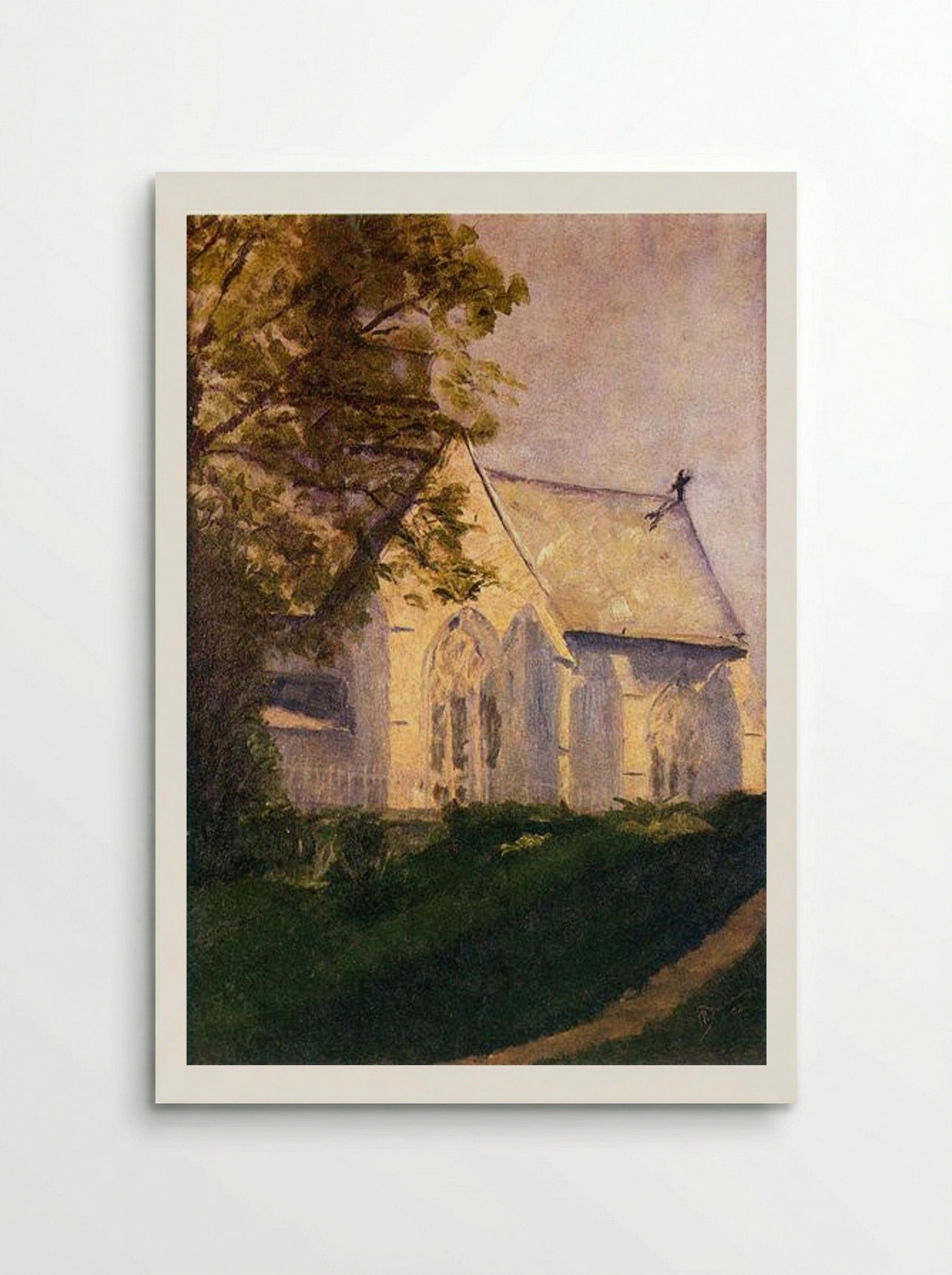 Church at Blainville - Marcel Duchamp
Print
Regular price From £28.00 GBPSale price From £28.00 GBP Regular price -
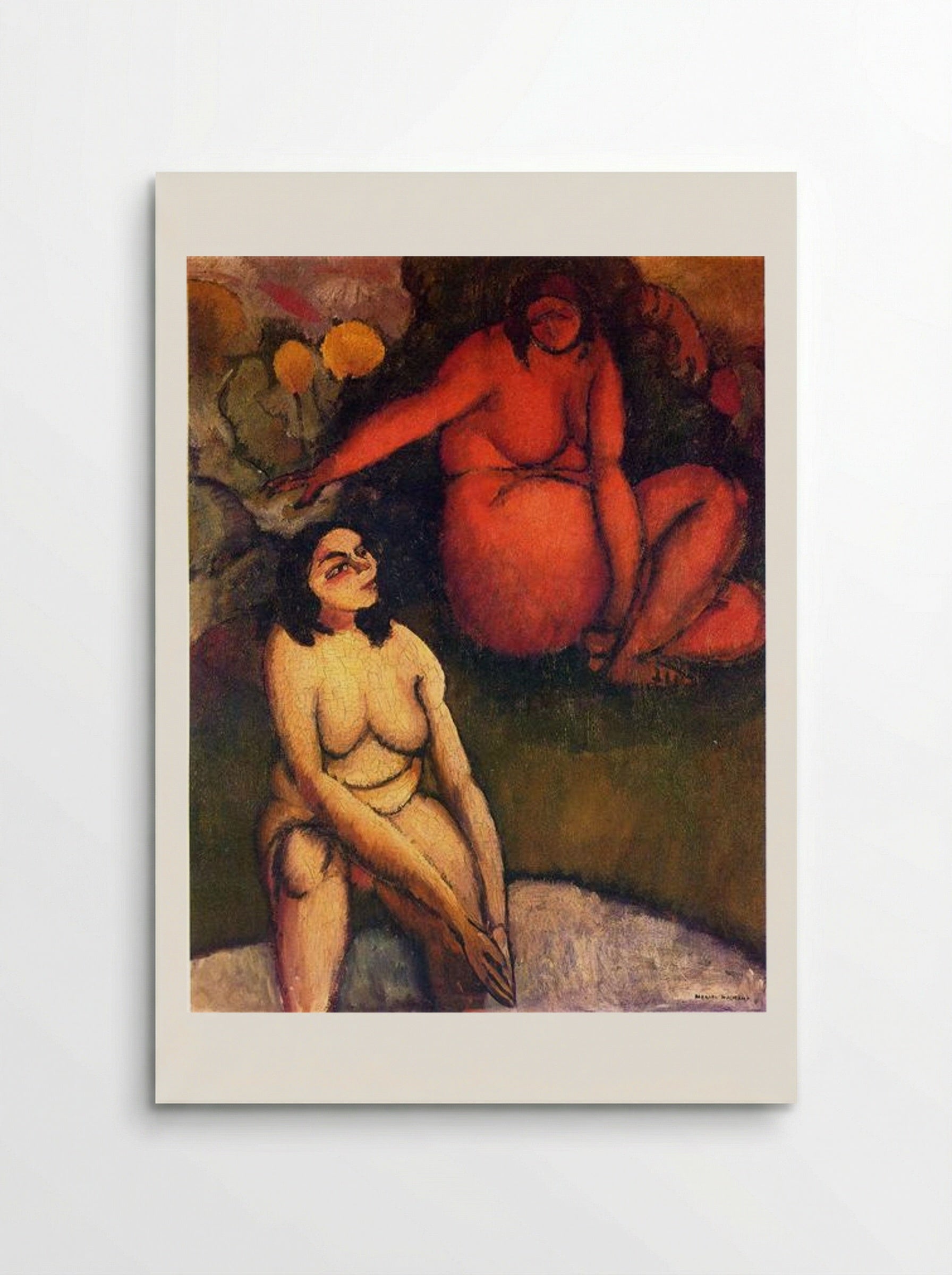 Baptism - Marcel Duchamp
Print
Regular price From £28.00 GBPSale price From £28.00 GBP Regular price -
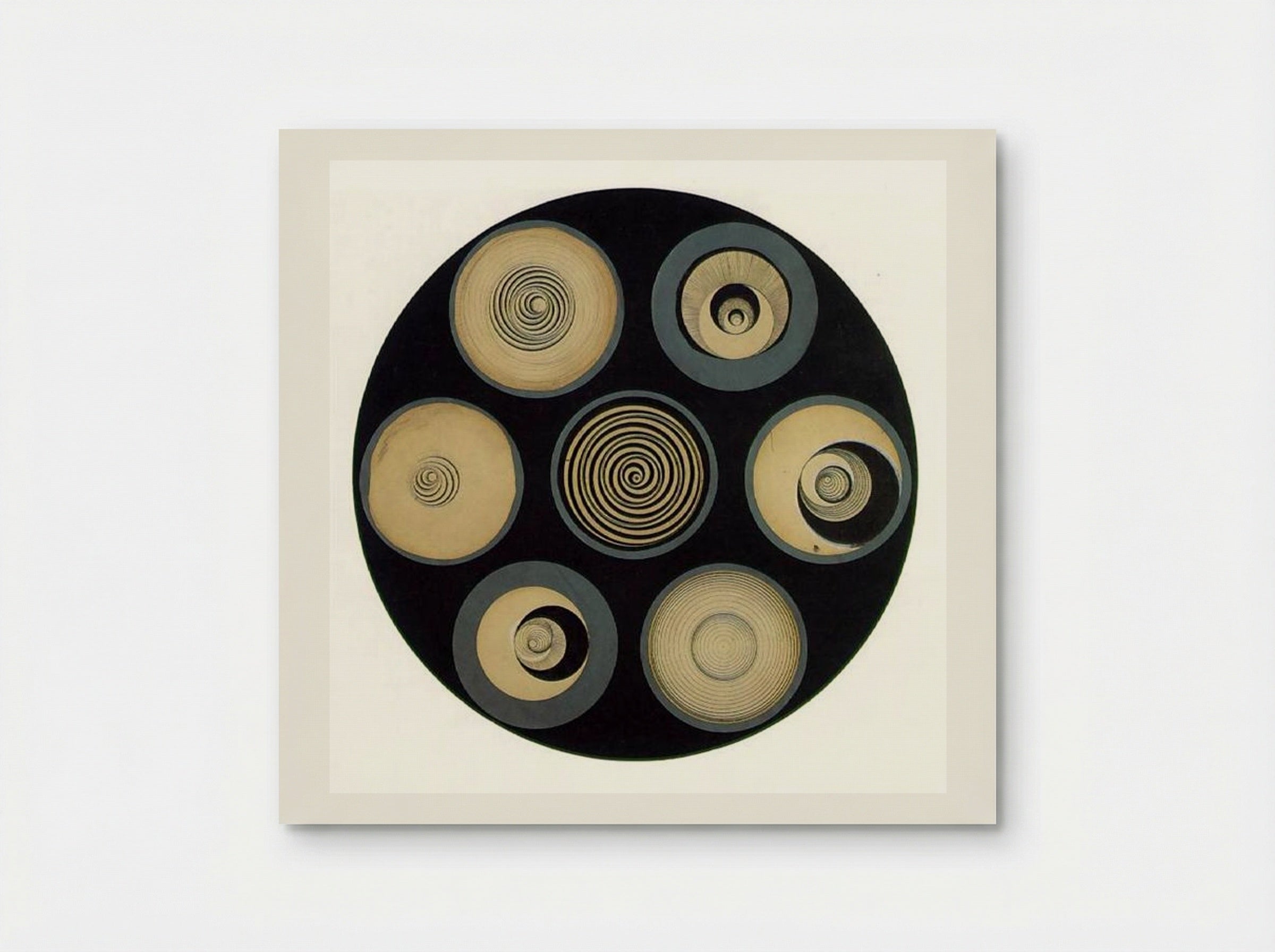 Disks Bearing Spirals - Marcel Duchamp
Print
Regular price From £37.00 GBPSale price From £37.00 GBP Regular price -
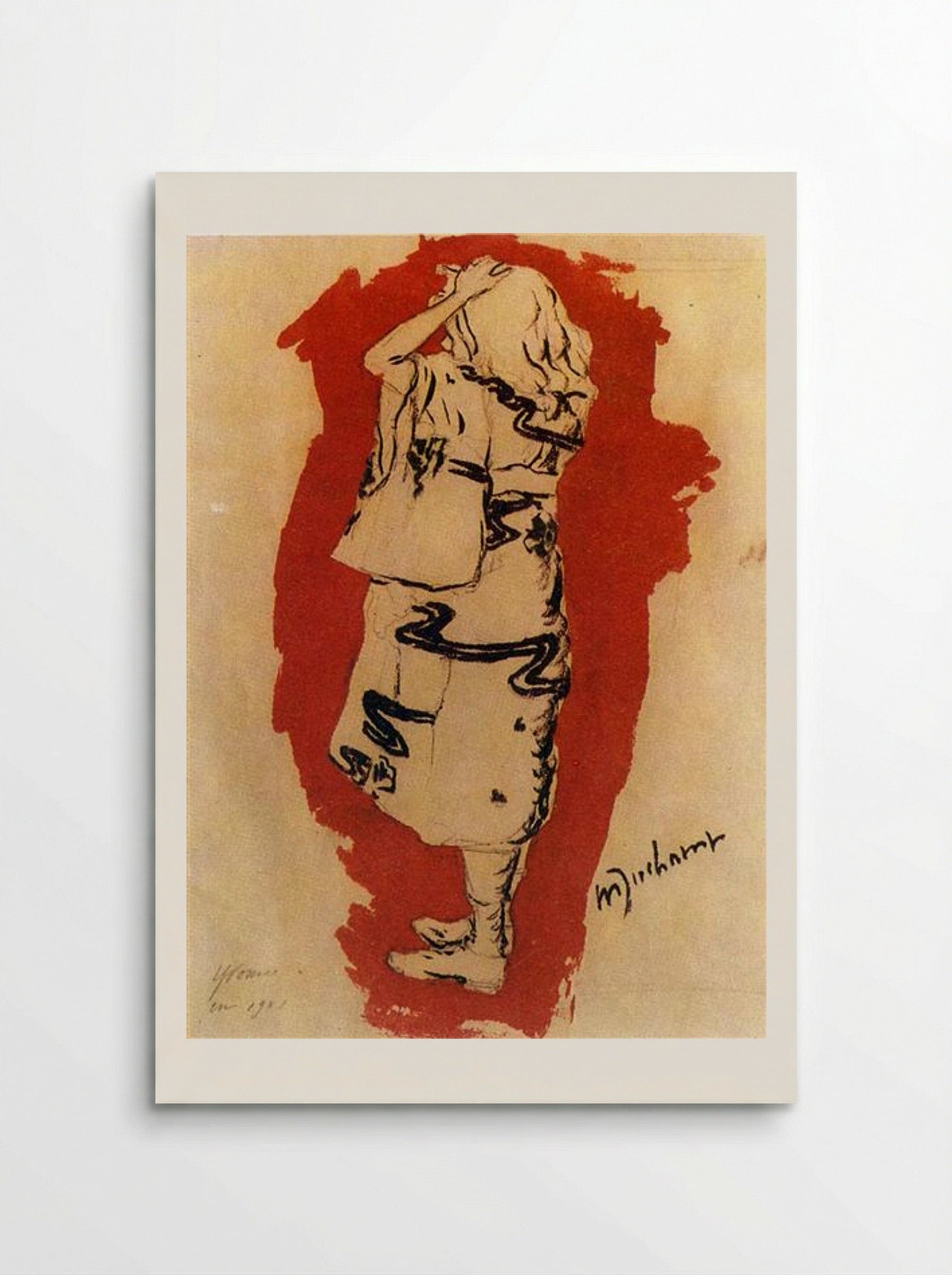 Yvonne (in kimono) - Marcel Duchamp
Print
Regular price From £28.00 GBPSale price From £28.00 GBP Regular price -
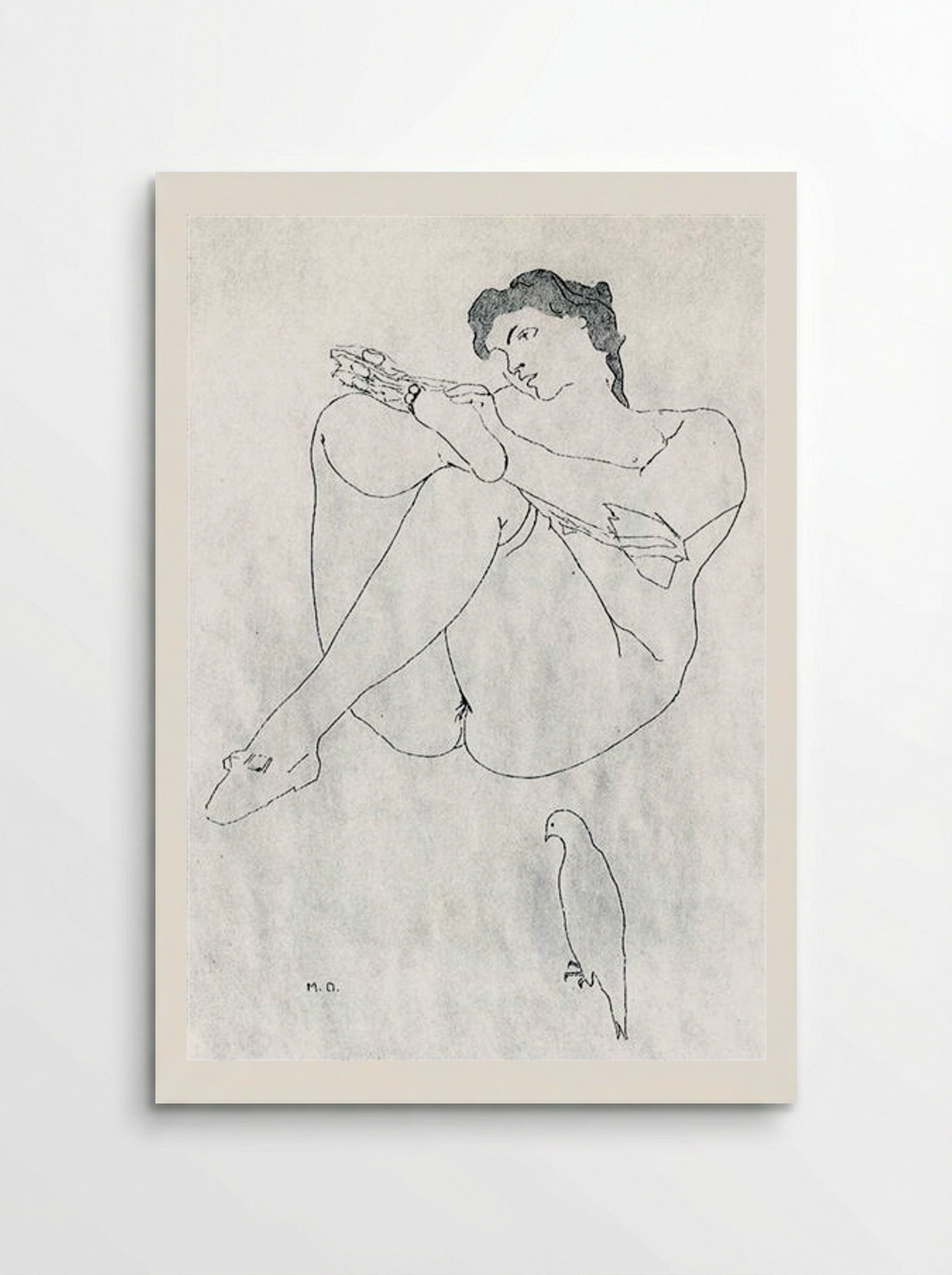 Selected Details after Courbet - Marcel Duchamp
Print
Regular price From £28.00 GBPSale price From £28.00 GBP Regular price -
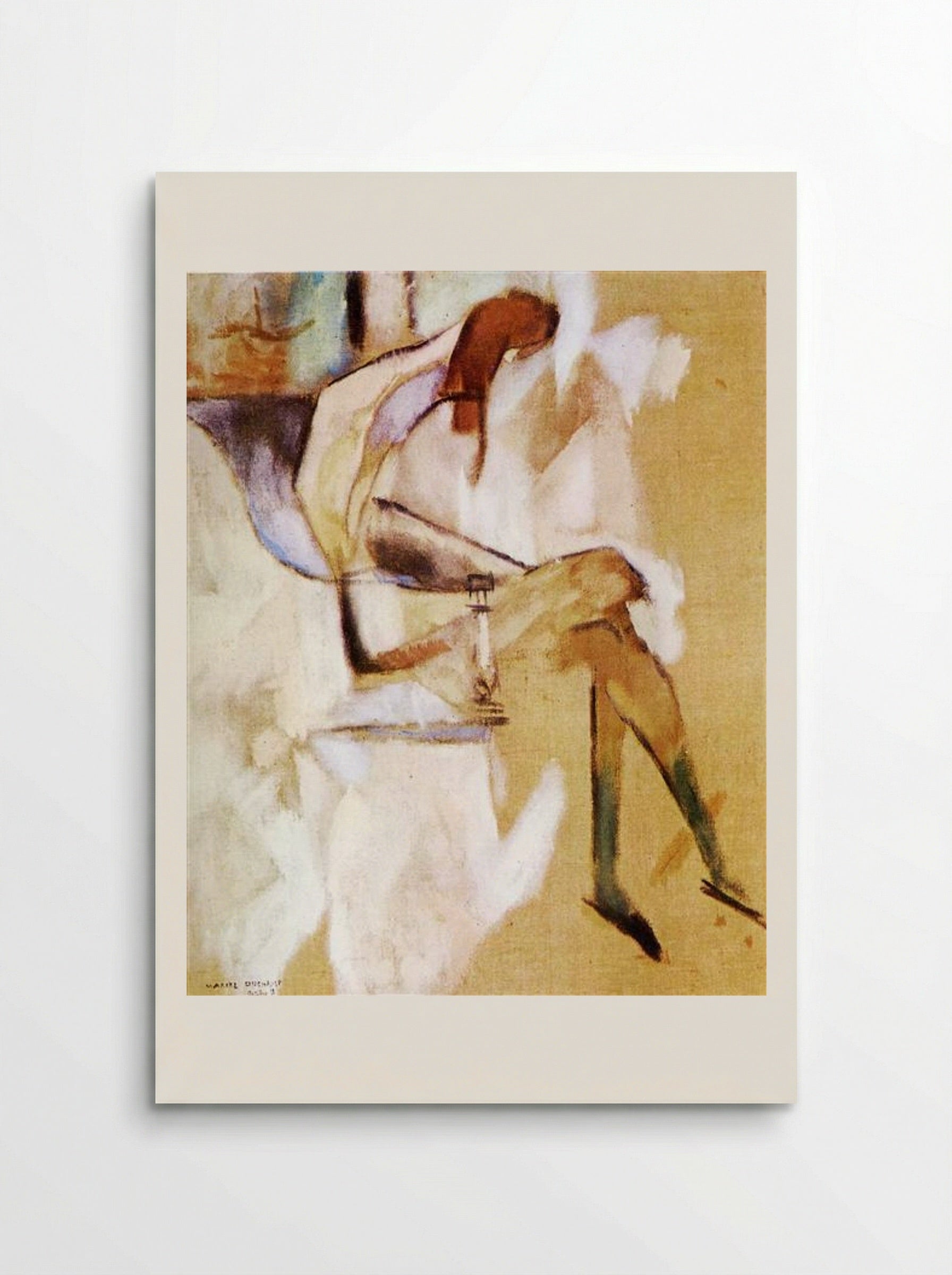 About Young Sister - Marcel Duchamp
Print
Regular price From £28.00 GBPSale price From £28.00 GBP Regular price -
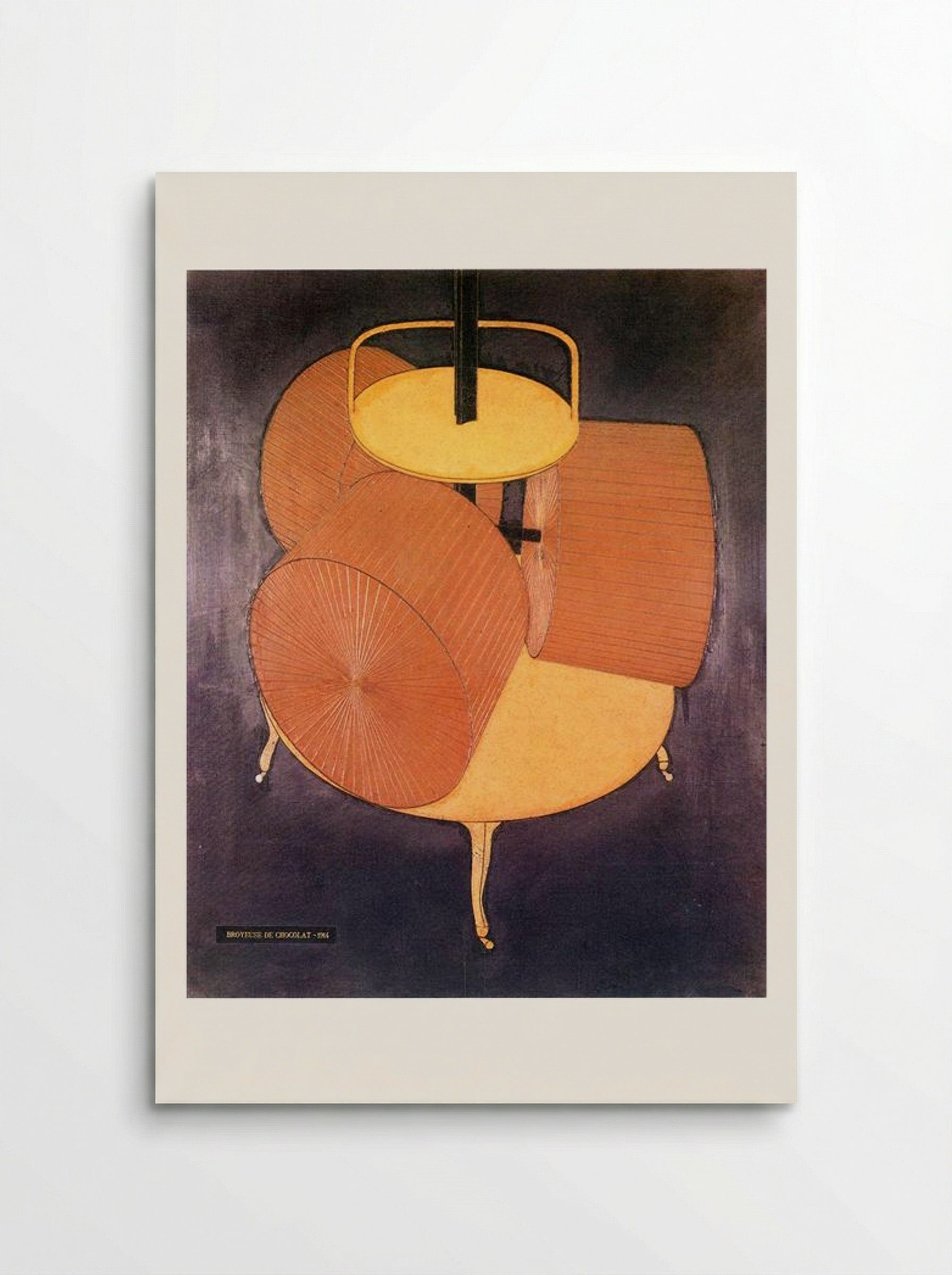 Chocolate Grinder, No. 2 - Marcel Duchamp
Print
Regular price From £28.00 GBPSale price From £28.00 GBP Regular price -
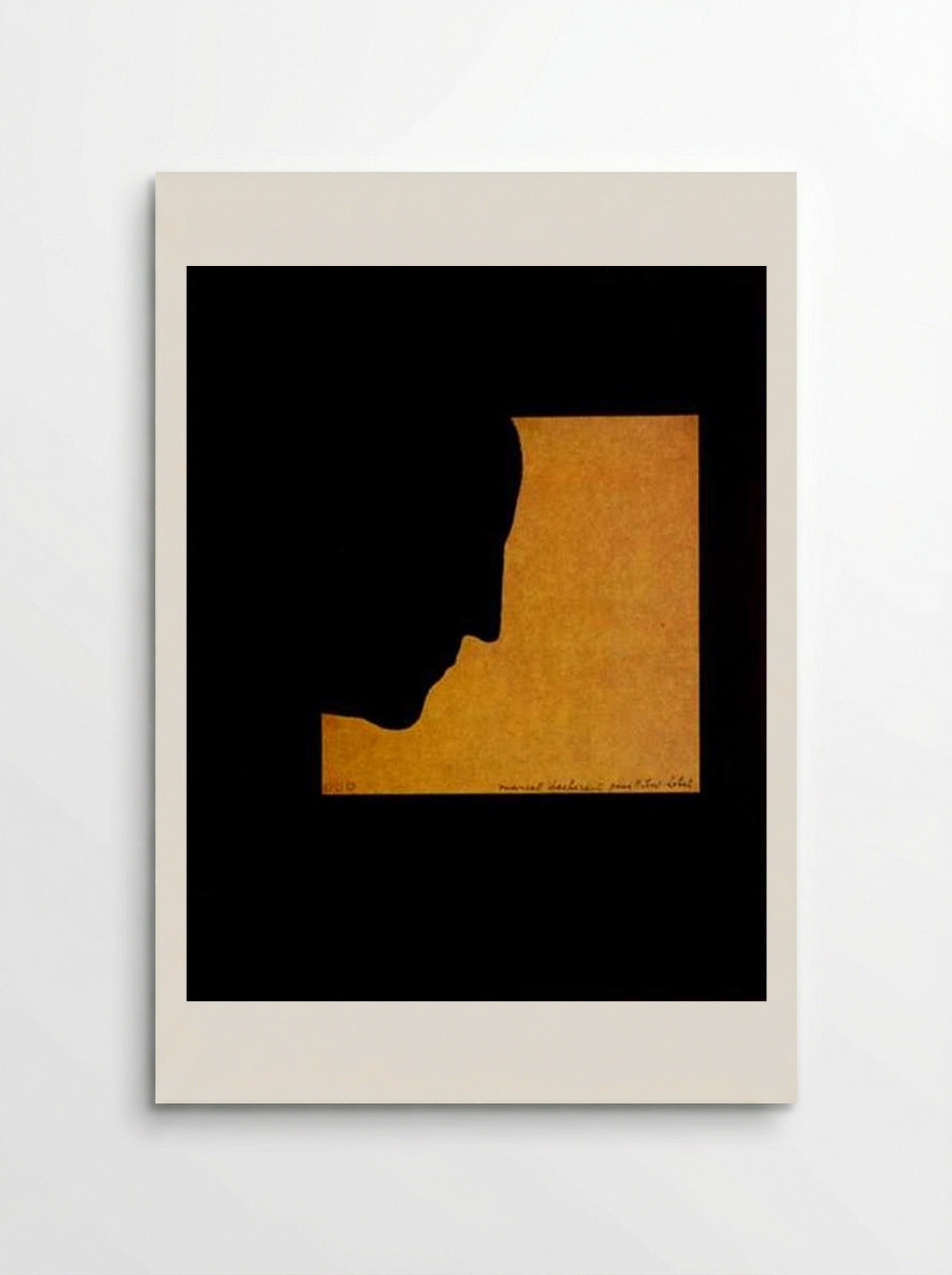 Self Portrait in Profile - Marcel Duchamp
Print
Regular price From £28.00 GBPSale price From £28.00 GBP Regular price -
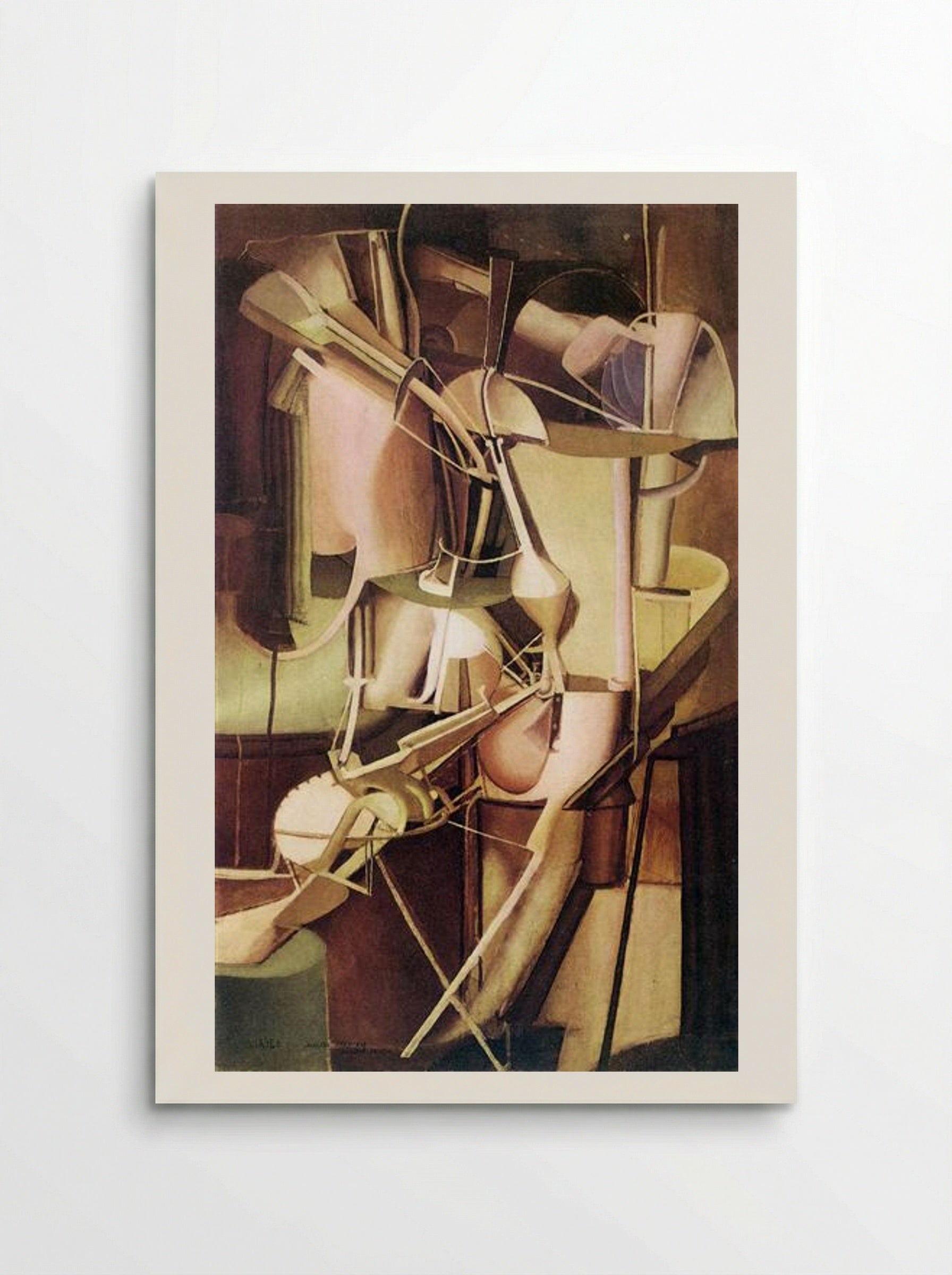
-
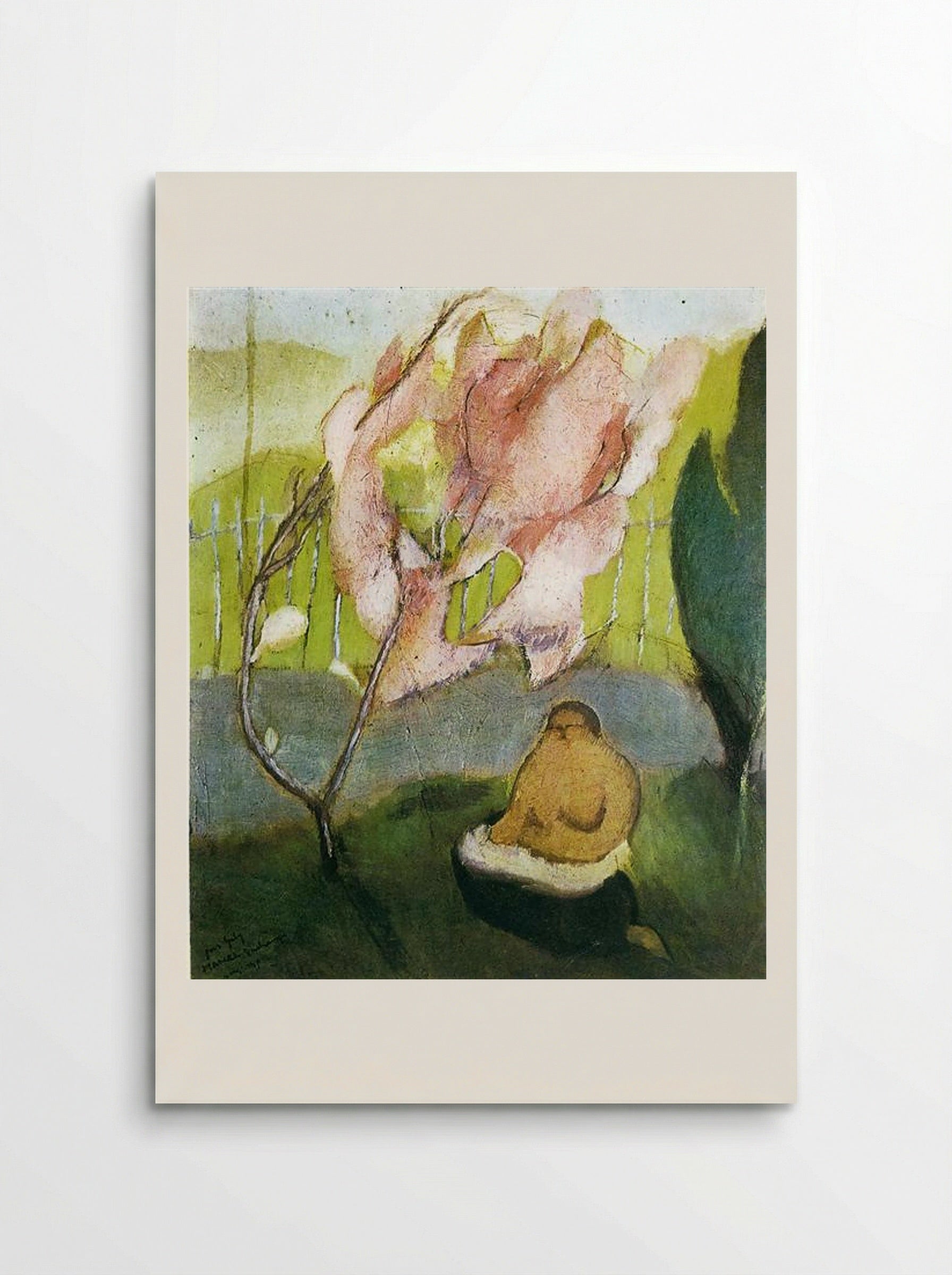
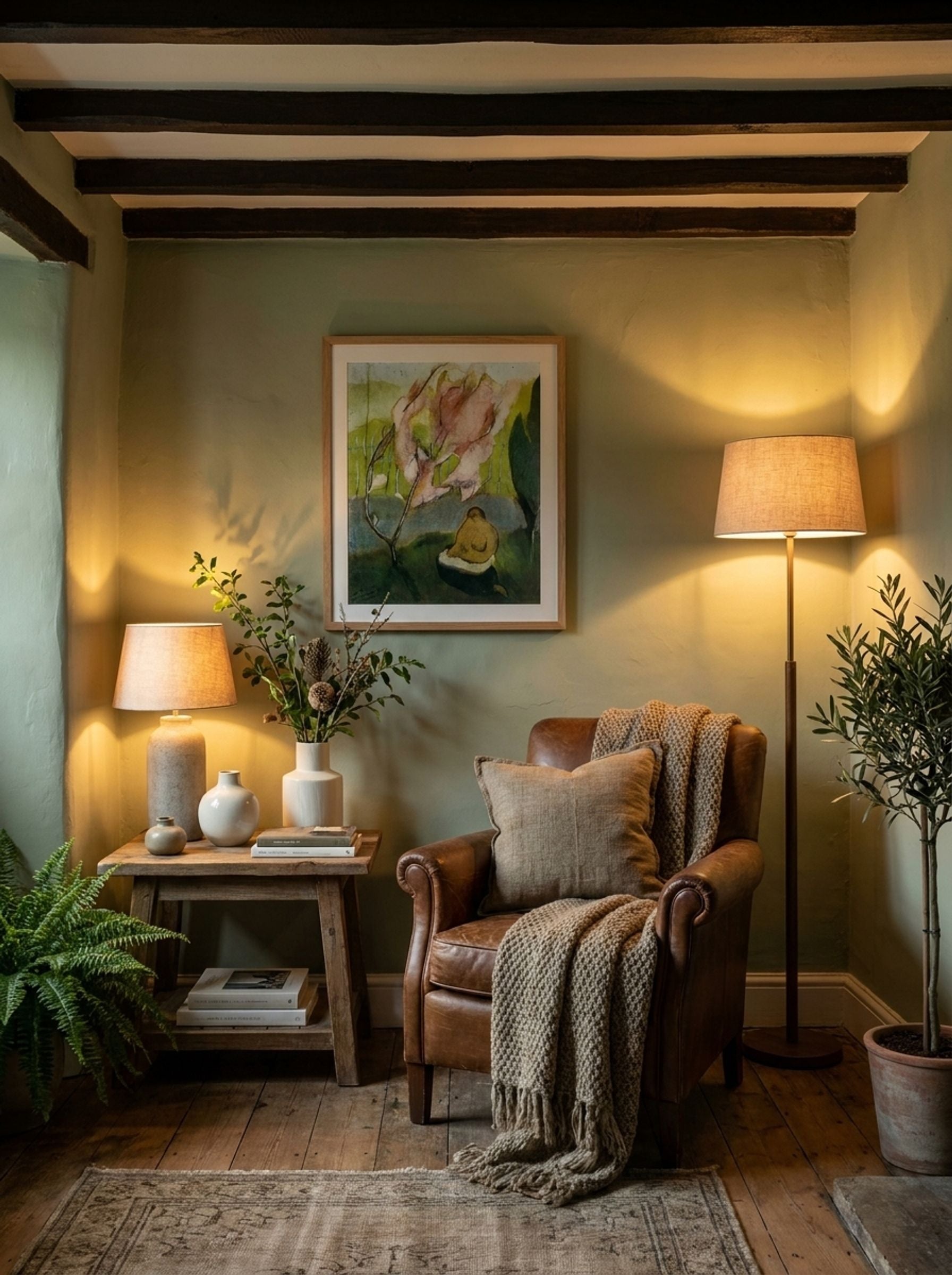 Japanese Apple Tree - Marcel Duchamp
Print · Framed
Regular price From £28.00 GBPSale price From £28.00 GBP Regular price


Artist Biography
Marcel Duchamp
Duchamp put a urinal on a plinth, signed it 'R. Mutt', and submitted it to an exhibition in 1917. The exhibition committee, which Duchamp was a member of, rejected it. He resigned in protest. The urinal, titled Fountain, is now considered one of the most important artworks of the twentieth century. The original was thrown away. Several replicas exist in major museums.
He was born near Rouen in Normandy, the brother of the sculptor Raymond Duchamp-Villon and the painter Jacques Villon. The family produced three significant artists, which is unusual. Marcel was the youngest and the most destructive.
His early career moved through Impressionism, Fauvism, and Cubism in rapid succession. Nude Descending a Staircase No. 2 (1912), a Cubist-Futurist painting of fragmented motion, caused a scandal at the New York Armory Show in 1913. One critic called it 'an explosion in a shingle factory'. The painting made Duchamp famous in America before he had set foot there.
He moved to New York in 1915. His contribution to art from this point was largely conceptual. The 'readymades', ordinary manufactured objects designated as art by the artist's choice (a bottle rack, a snow shovel, the urinal), dismantled the idea that art required skill, craft, or even making. The artist's decision was sufficient.
He spent twenty years officially retired from art, playing chess at a competitive level. In secret, he was building Etant Donnes, an installation visible only through two peepholes in a door. It was revealed after his death in 1968 and is permanently installed at the Philadelphia Museum of Art. He had been working on it for twenty years while telling everyone he had stopped making art.
He was born near Rouen in Normandy, the brother of the sculptor Raymond Duchamp-Villon and the painter Jacques Villon. The family produced three significant artists, which is unusual. Marcel was the youngest and the most destructive.
His early career moved through Impressionism, Fauvism, and Cubism in rapid succession. Nude Descending a Staircase No. 2 (1912), a Cubist-Futurist painting of fragmented motion, caused a scandal at the New York Armory Show in 1913. One critic called it 'an explosion in a shingle factory'. The painting made Duchamp famous in America before he had set foot there.
He moved to New York in 1915. His contribution to art from this point was largely conceptual. The 'readymades', ordinary manufactured objects designated as art by the artist's choice (a bottle rack, a snow shovel, the urinal), dismantled the idea that art required skill, craft, or even making. The artist's decision was sufficient.
He spent twenty years officially retired from art, playing chess at a competitive level. In secret, he was building Etant Donnes, an installation visible only through two peepholes in a door. It was revealed after his death in 1968 and is permanently installed at the Philadelphia Museum of Art. He had been working on it for twenty years while telling everyone he had stopped making art.
Related Artists


Why Choose Us ?