

Collection
Jean Arp
Explore curated art prints selected for distinctive homes and considered interiors.
-
 Enak's Tears (Terrestrial Forms) - Jean Arp
Print
Regular price From £28.00 GBPSale price From £28.00 GBP Regular price -

-
 Frond and Navel - Jean Arp
Print
Regular price From £28.00 GBPSale price From £28.00 GBP Regular price -
 Man, mustache, navel - Jean Arp
Print
Regular price From £37.00 GBPSale price From £37.00 GBP Regular price -

-
 Constellation According to the Laws of Chance - Jean Arp
Print
Regular price From £28.00 GBPSale price From £28.00 GBP Regular price -
 Constellation - Jean Arp
Print
Regular price From £37.00 GBPSale price From £37.00 GBP Regular price -

-

-
 Before my Birth - Jean Arp
Print
Regular price From £28.00 GBPSale price From £28.00 GBP Regular price -
 Collage with Squares Arranged According to the Laws of Chance - Jean Arp
Print
Regular price From £28.00 GBPSale price From £28.00 GBP Regular price -
 Relief, Clock - Jean Arp
Print
Regular price From £37.00 GBPSale price From £37.00 GBP Regular price -

-
 Leafage and Drops - Jean Arp
Print
Regular price From £28.00 GBPSale price From £28.00 GBP Regular price -

 Geometric Forms - Jean Arp
Print · Framed
Regular price From £37.00 GBPSale price From £37.00 GBP Regular price -
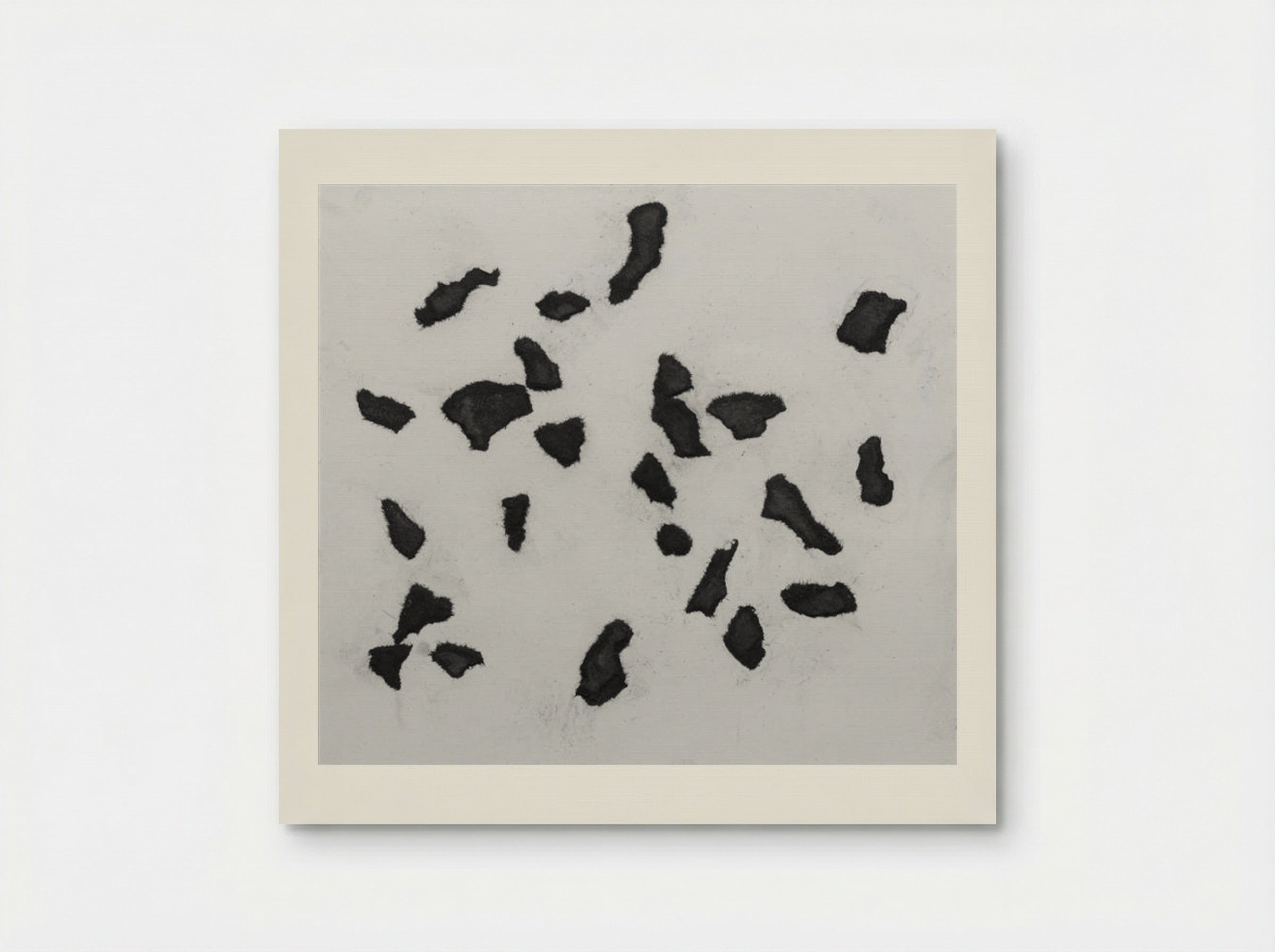
 According to the Laws of Chance - Jean Arp
Print · Framed
Regular price From £37.00 GBPSale price From £37.00 GBP Regular price


Related Artists



Why Choose Us ?