

Collection
Henri Edmond Cross
Explore curated art prints selected for distinctive homes and considered interiors.
Suggested filters
-
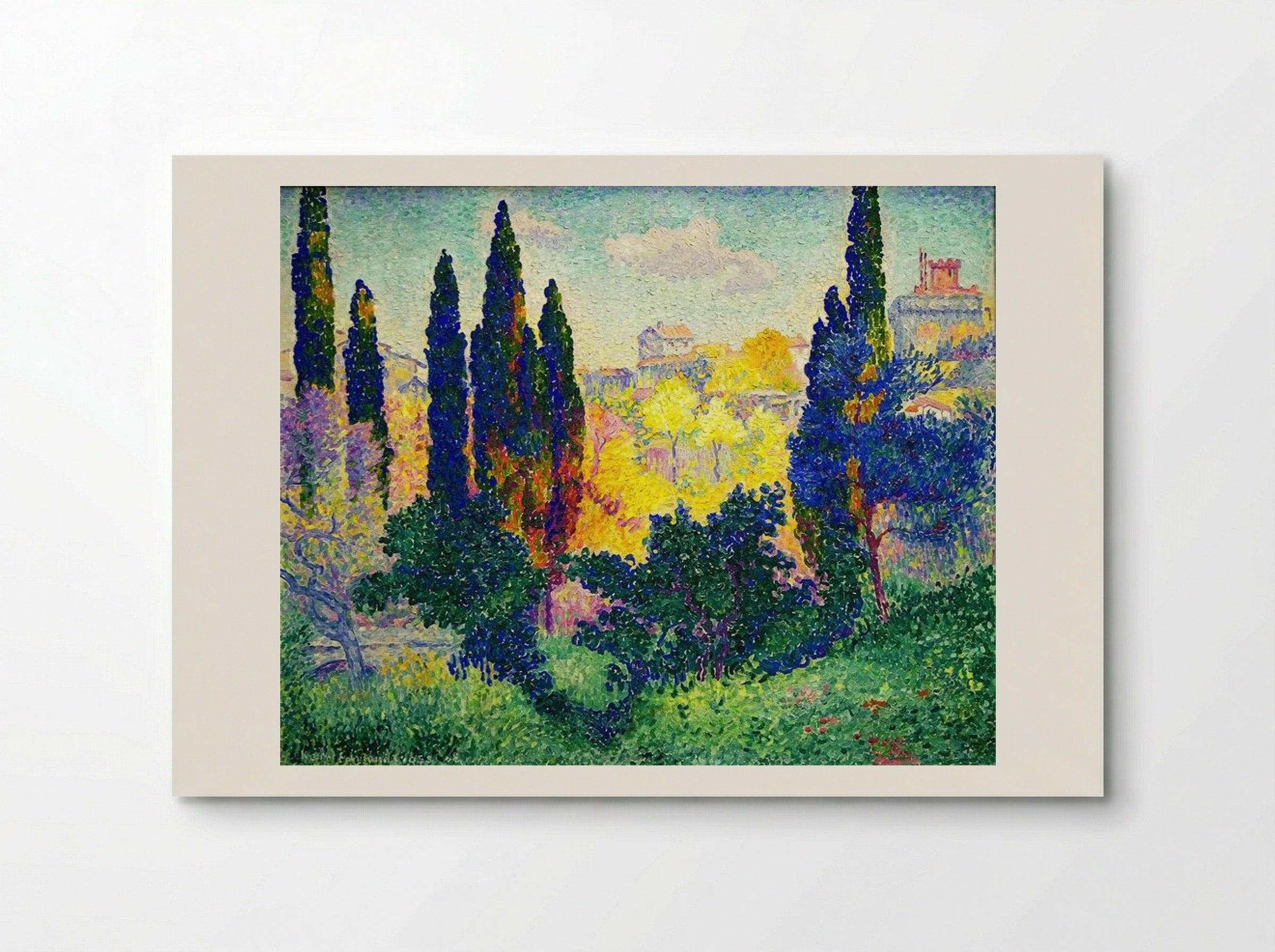 The Cypresses at Cagnes - Henri-Edmond Cross
Print
Regular price From £28.00 GBPSale price From £28.00 GBP Regular price -
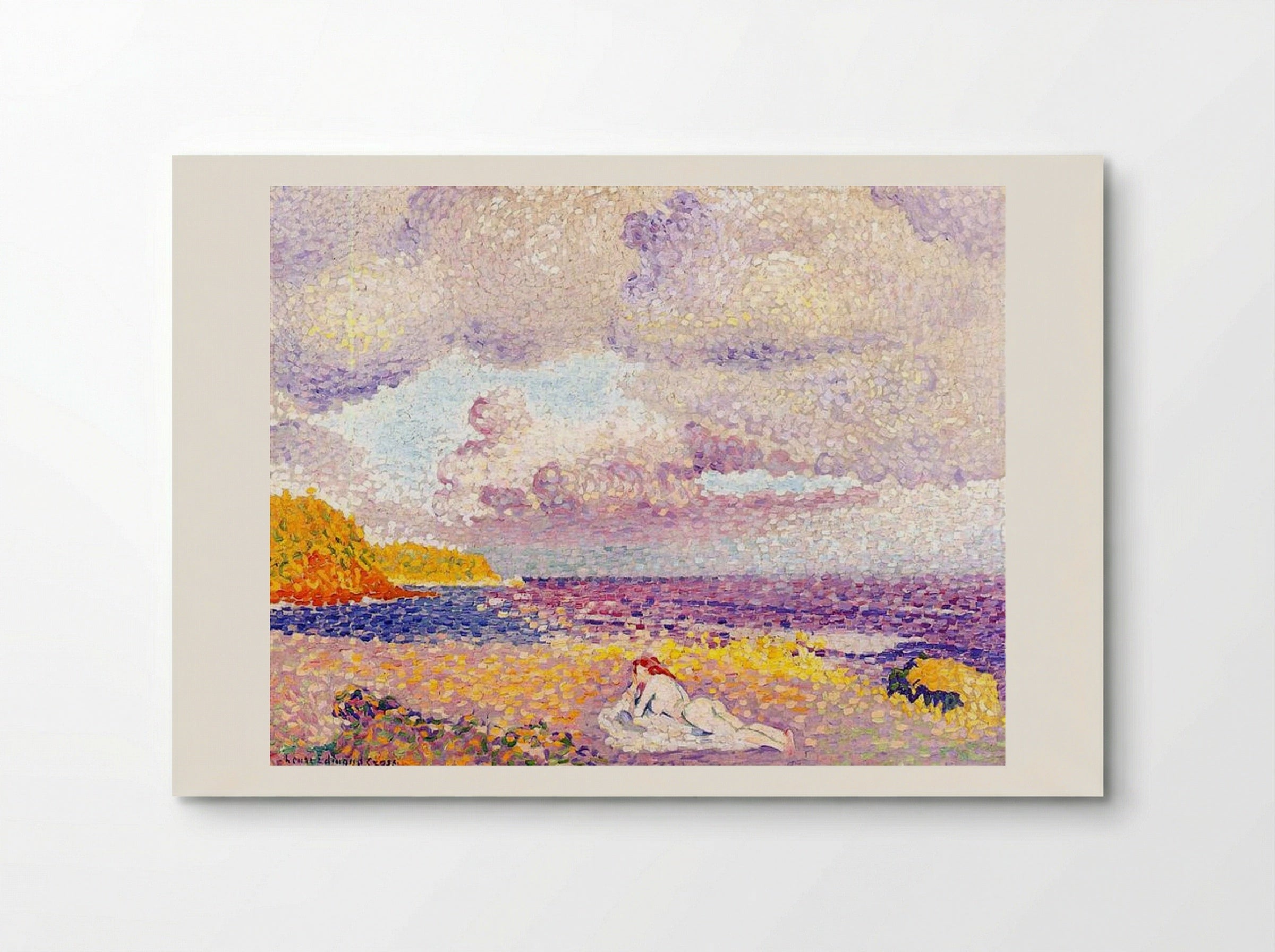 An Incoming Storm - Henri-Edmond Cross
Print
Regular price From £28.00 GBPSale price From £28.00 GBP Regular price -
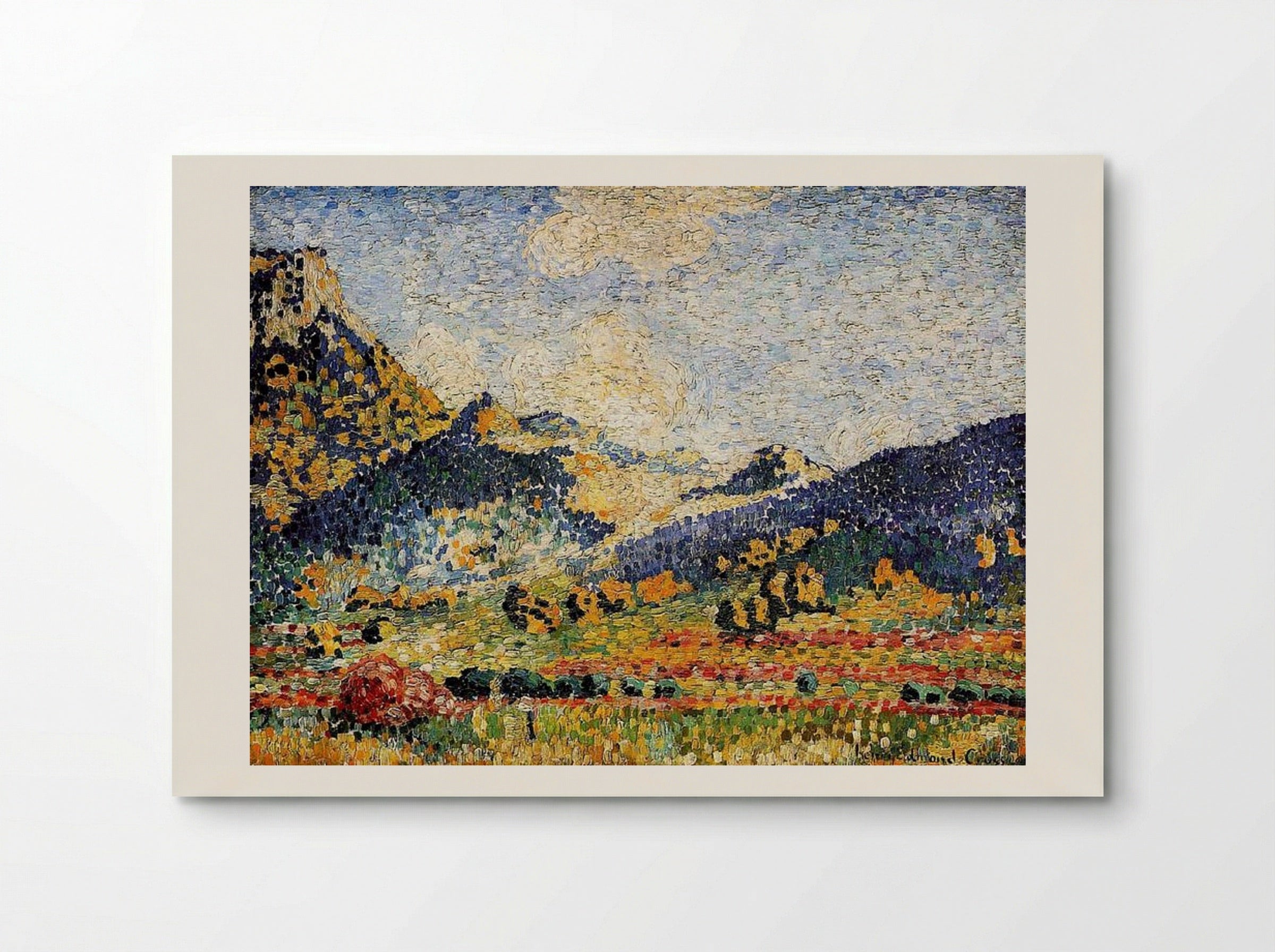 Les Petits, Montagnes Mauresques - Henri-Edmond Cross
Print
Regular price From £28.00 GBPSale price From £28.00 GBP Regular price -
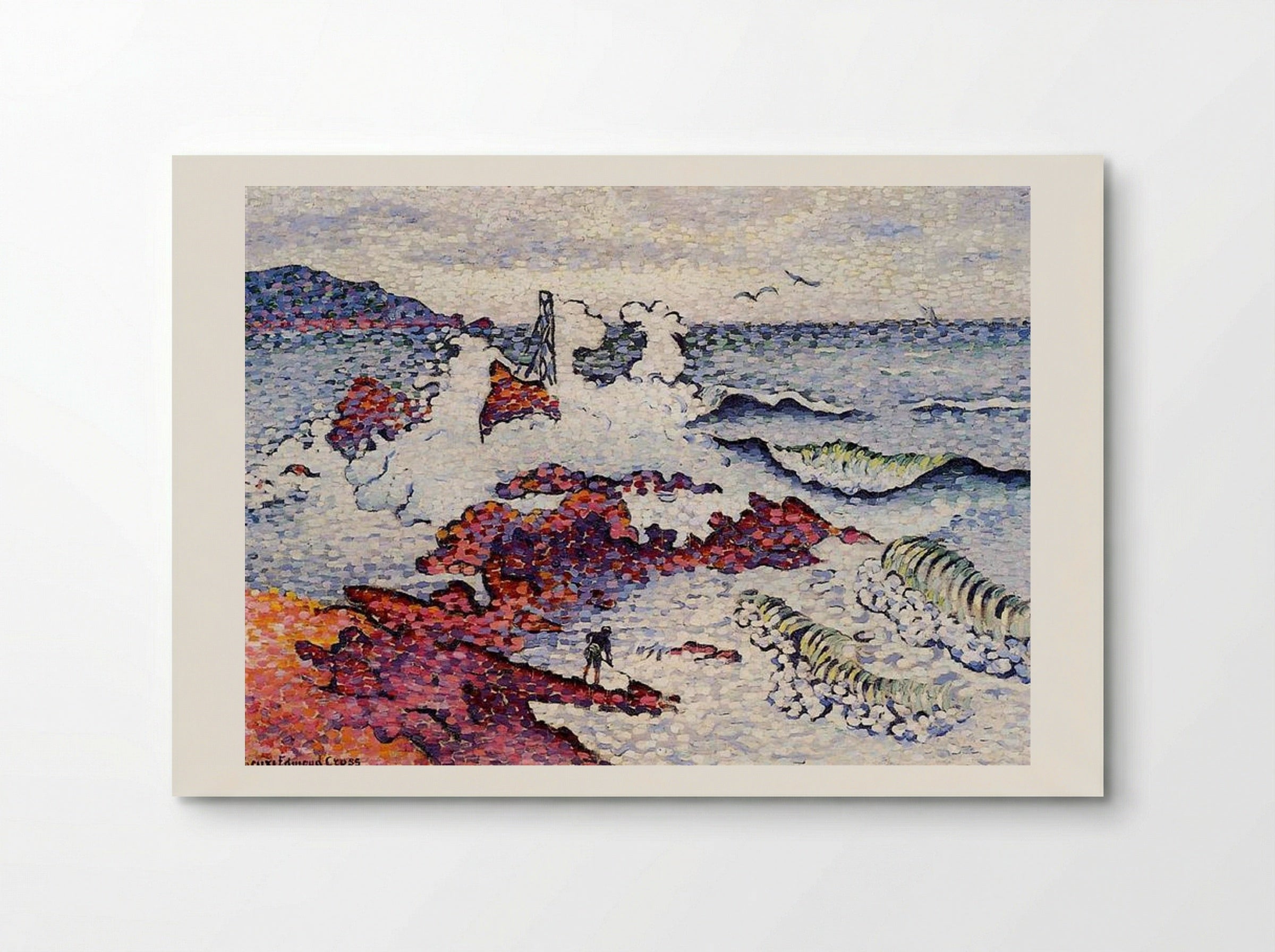 The Mediterranean, East Wind - Henri-Edmond Cross
Print
Regular price From £28.00 GBPSale price From £28.00 GBP Regular price -
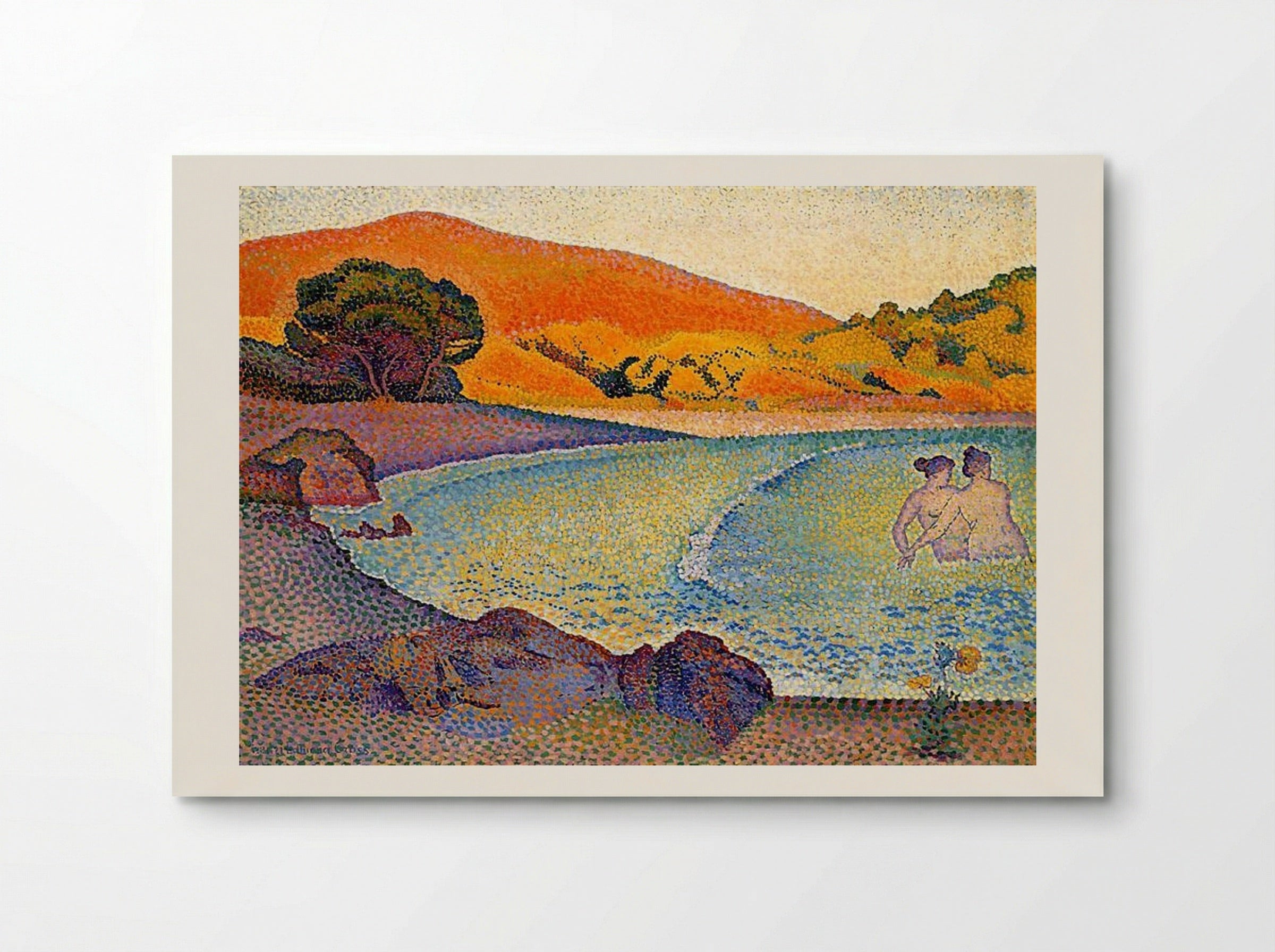 Bathers - Henri-Edmond Cross
Print
Regular price From £28.00 GBPSale price From £28.00 GBP Regular price -
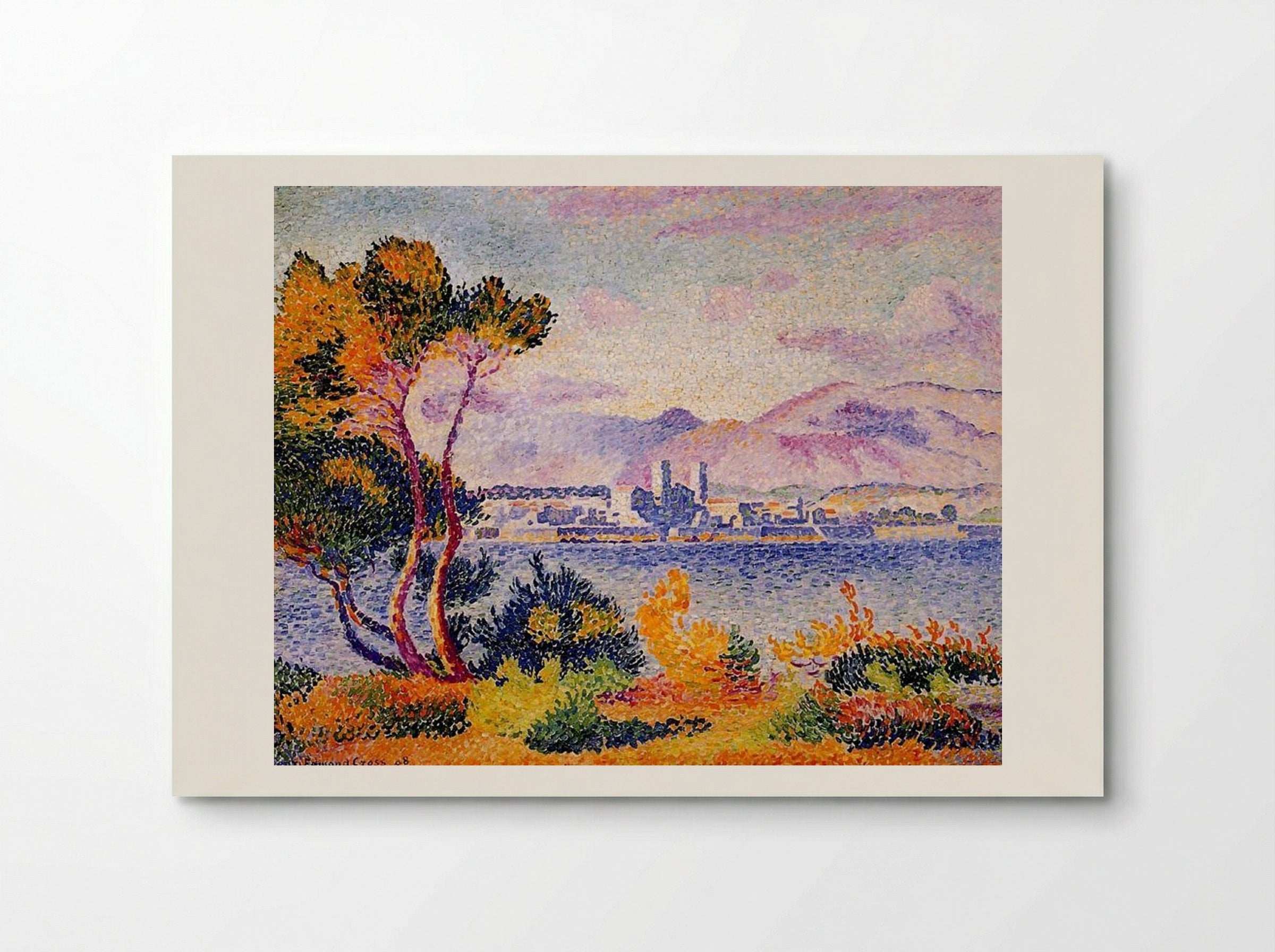 Antibes, Afternoon - Henri-Edmond Cross
Print
Regular price From £28.00 GBPSale price From £28.00 GBP Regular price -
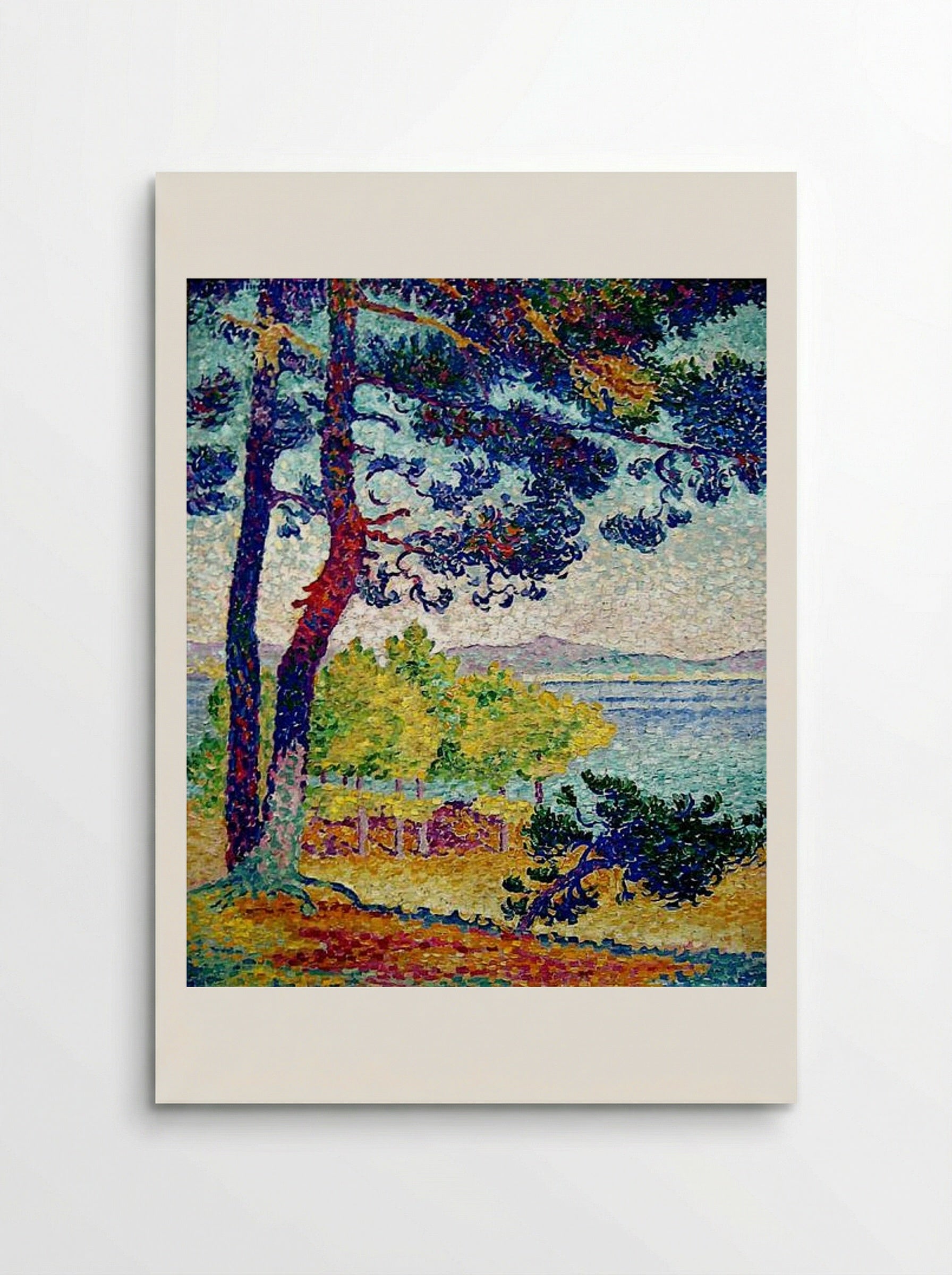 Afternoon at Pardigon, Var - Henri-Edmond Cross
Print · Framed
Regular price From £28.00 GBPSale price From £28.00 GBP Regular price -
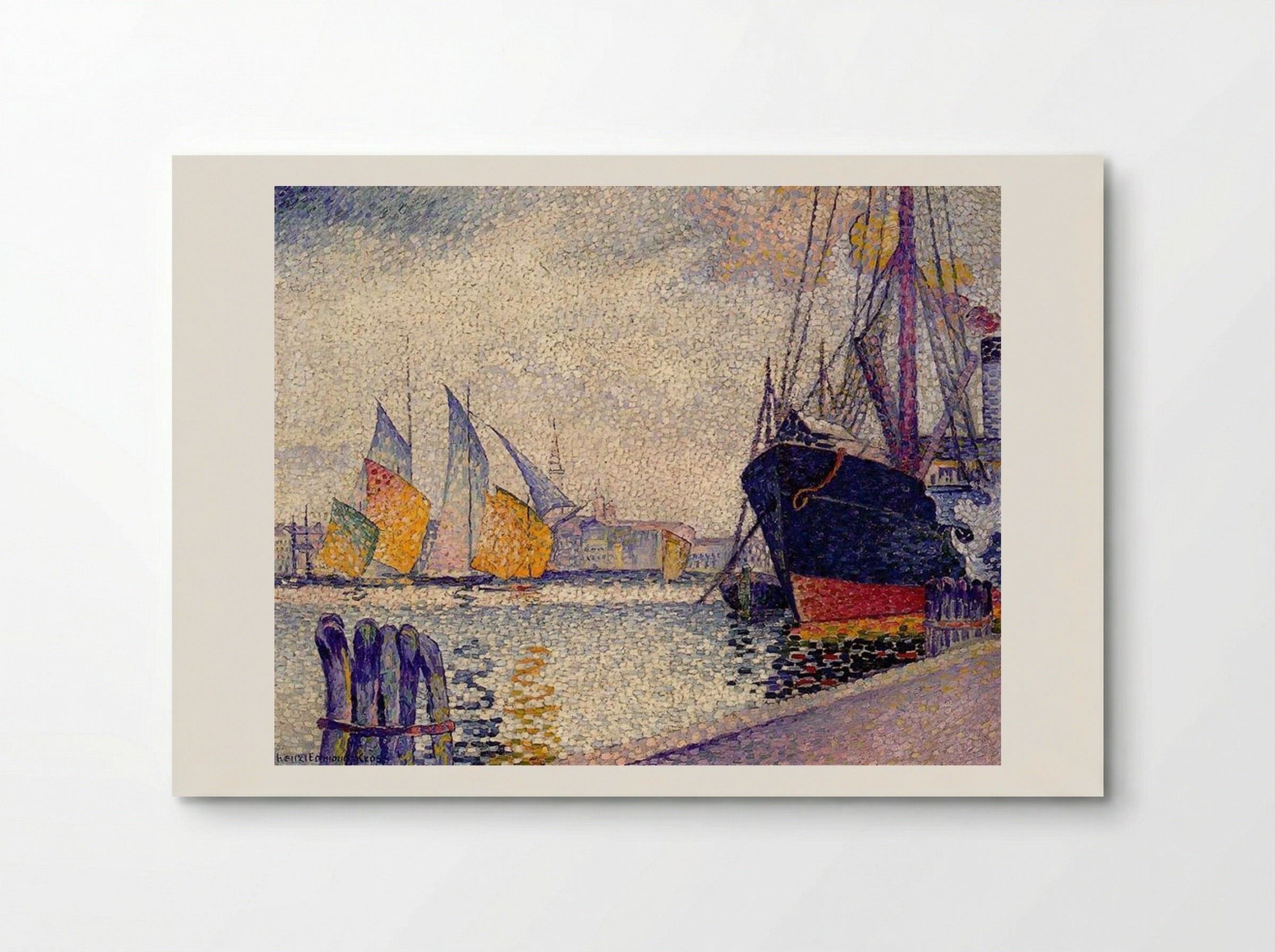 Canal de la Guidecca, Venice - Henri-Edmond Cross
Print
Regular price From £28.00 GBPSale price From £28.00 GBP Regular price -
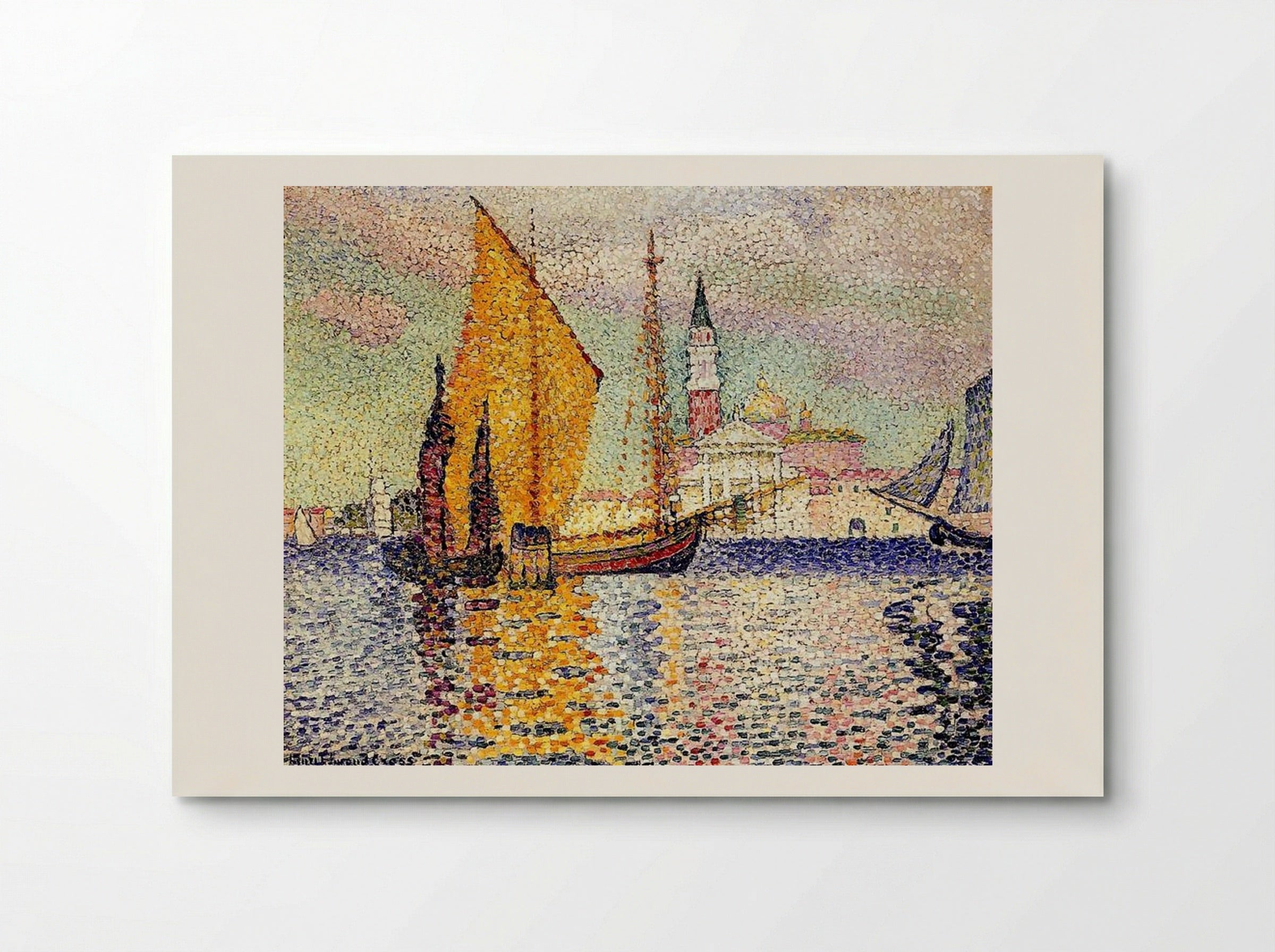 San Giorgio Maggiore, Venice - Henri-Edmond Cross
Print
Regular price From £28.00 GBPSale price From £28.00 GBP Regular price -
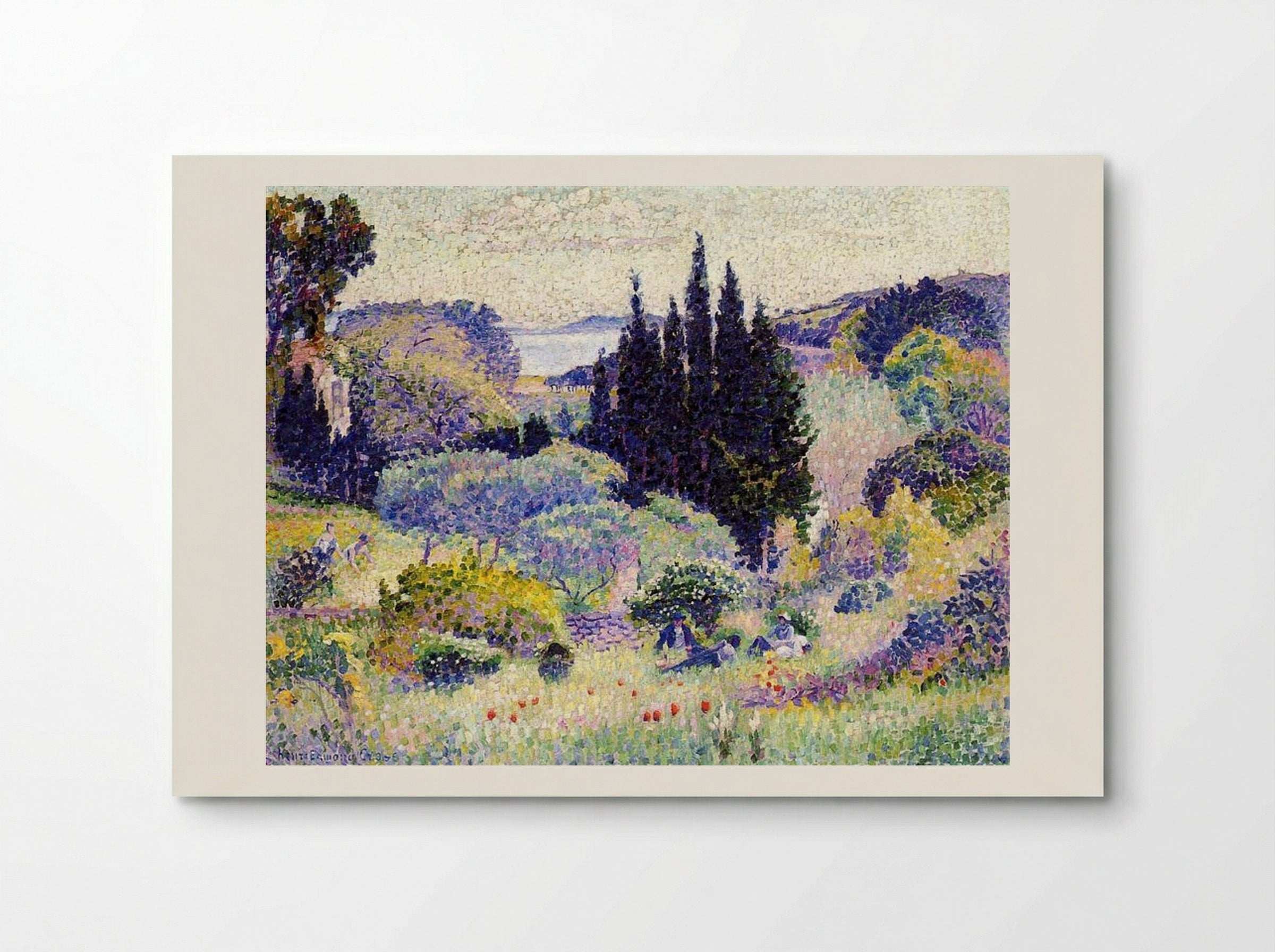 Cypress, April - Henri-Edmond Cross
Print
Regular price From £28.00 GBPSale price From £28.00 GBP Regular price -
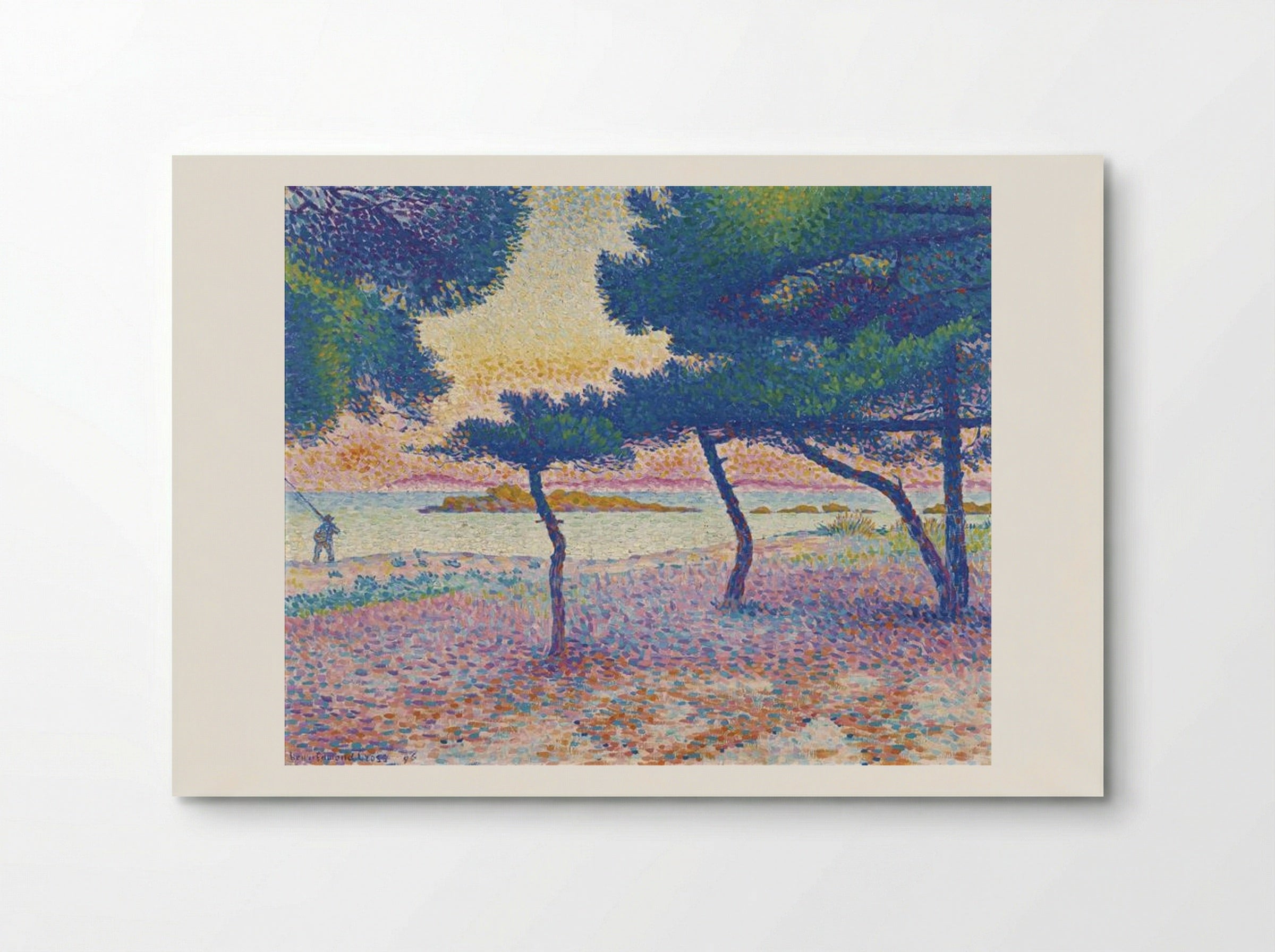 La Plage de Saint-Clair - Henri-Edmond Cross
Print
Regular price From £28.00 GBPSale price From £28.00 GBP Regular price -
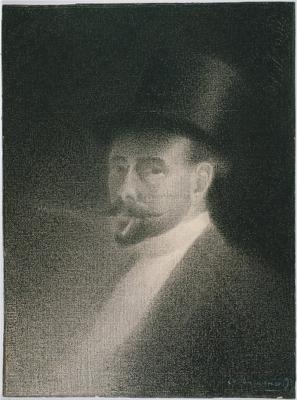
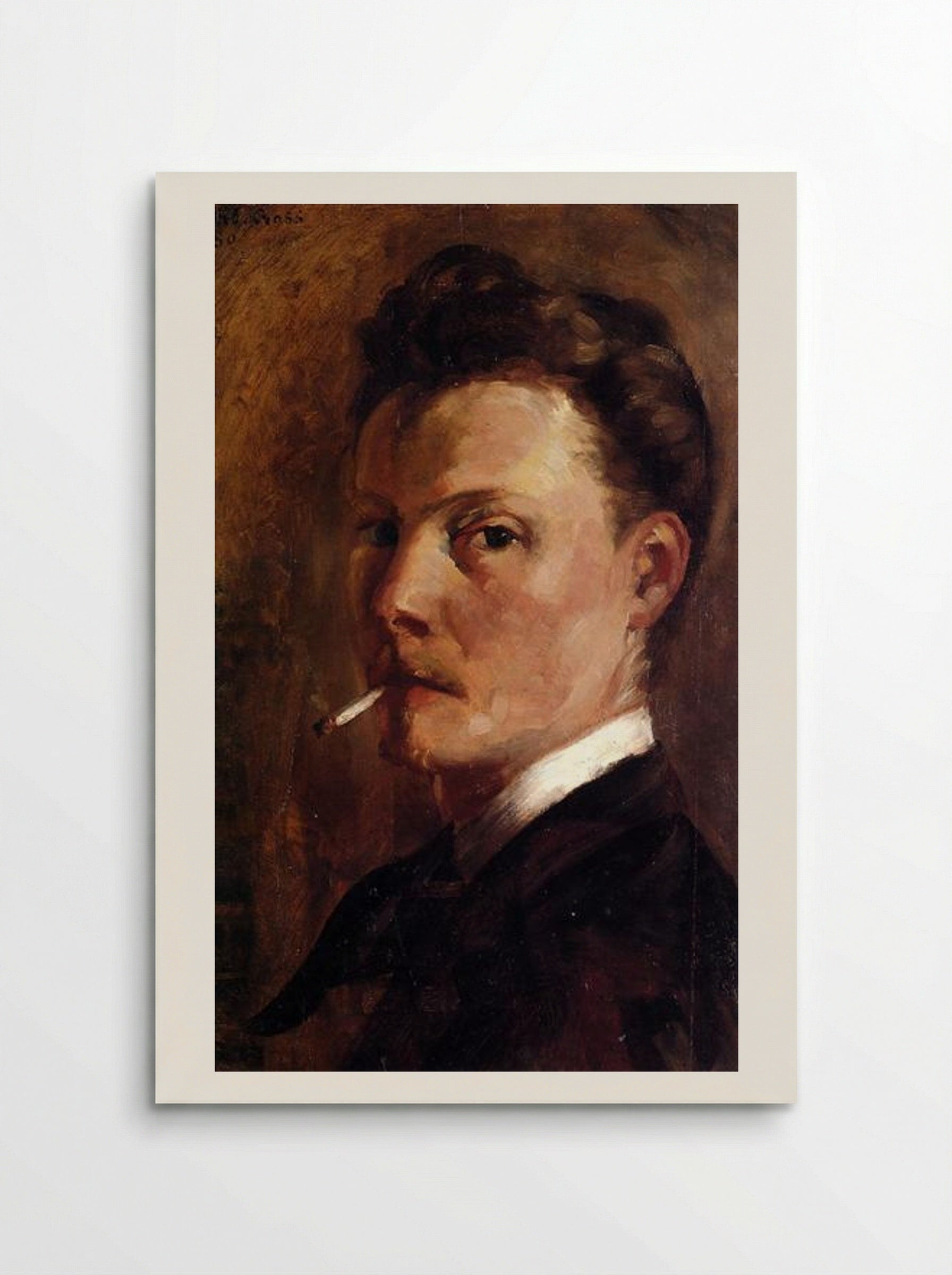 Self-Portrait with Cigarette - Henri-Edmond Cross
Print
Regular price From £28.00 GBPSale price From £28.00 GBP Regular price -
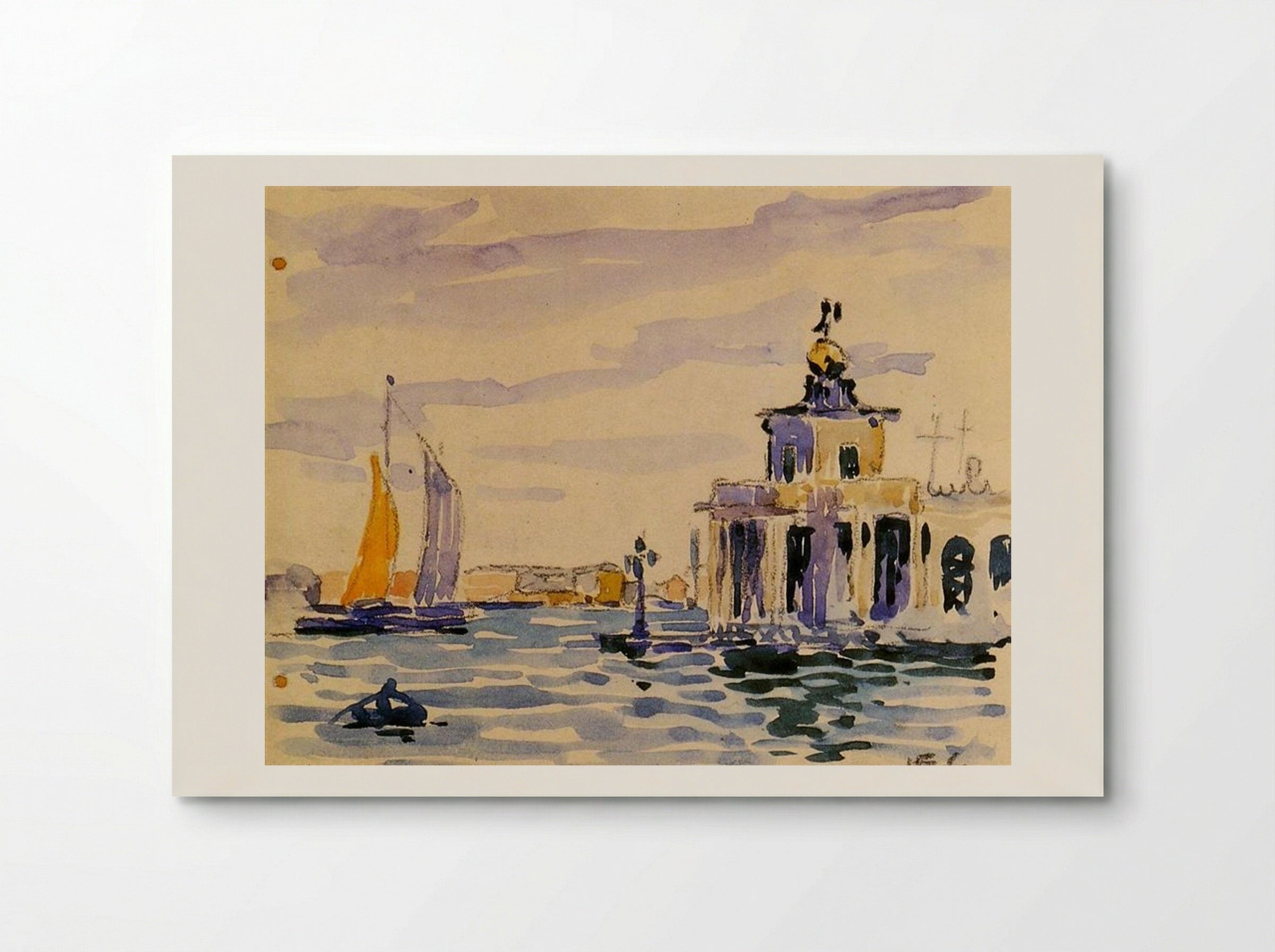 La Dogana - Henri-Edmond Cross
Print
Regular price From £28.00 GBPSale price From £28.00 GBP Regular price -
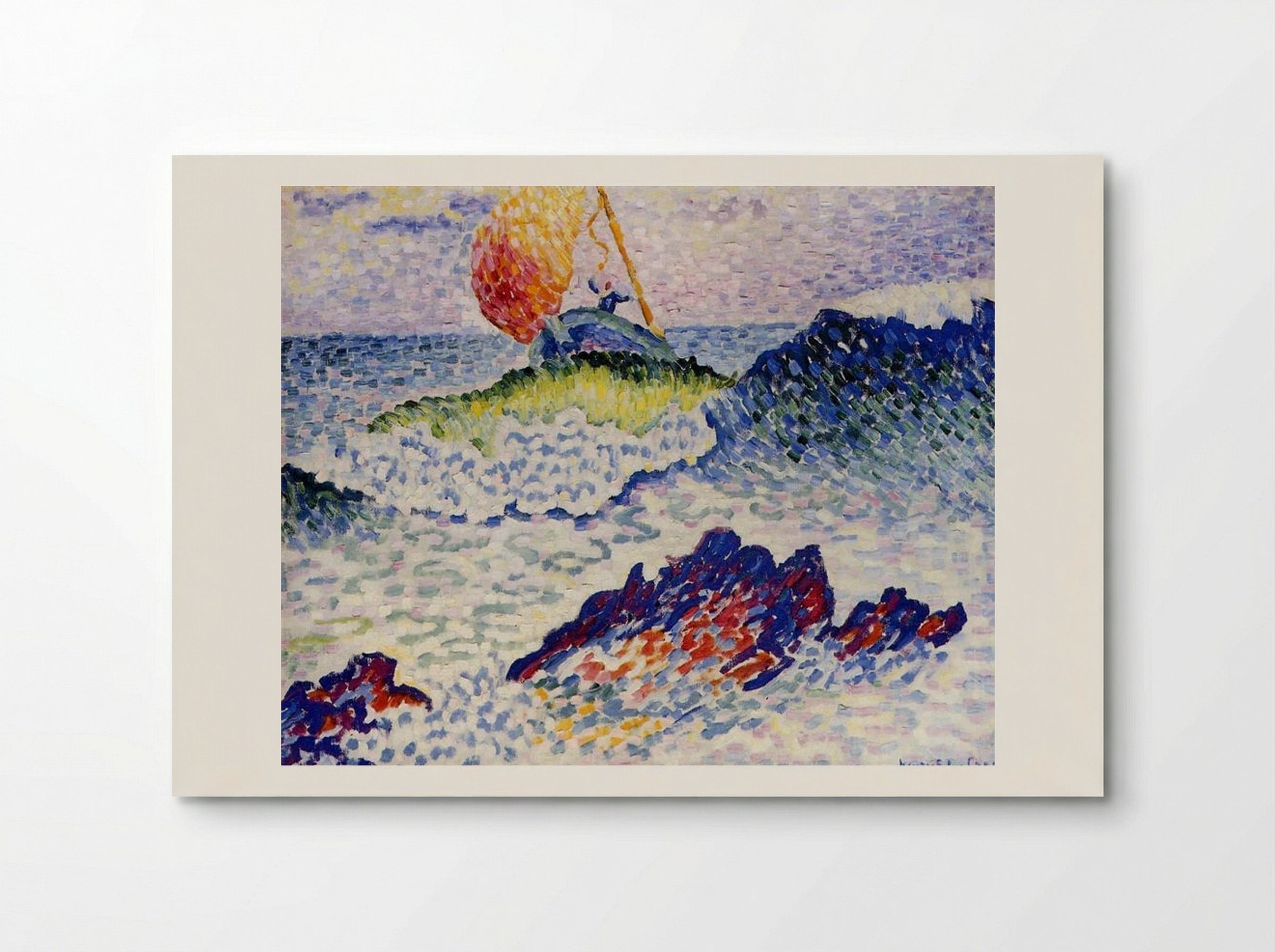 The Shipwreck - Henri-Edmond Cross
Print
Regular price From £28.00 GBPSale price From £28.00 GBP Regular price -
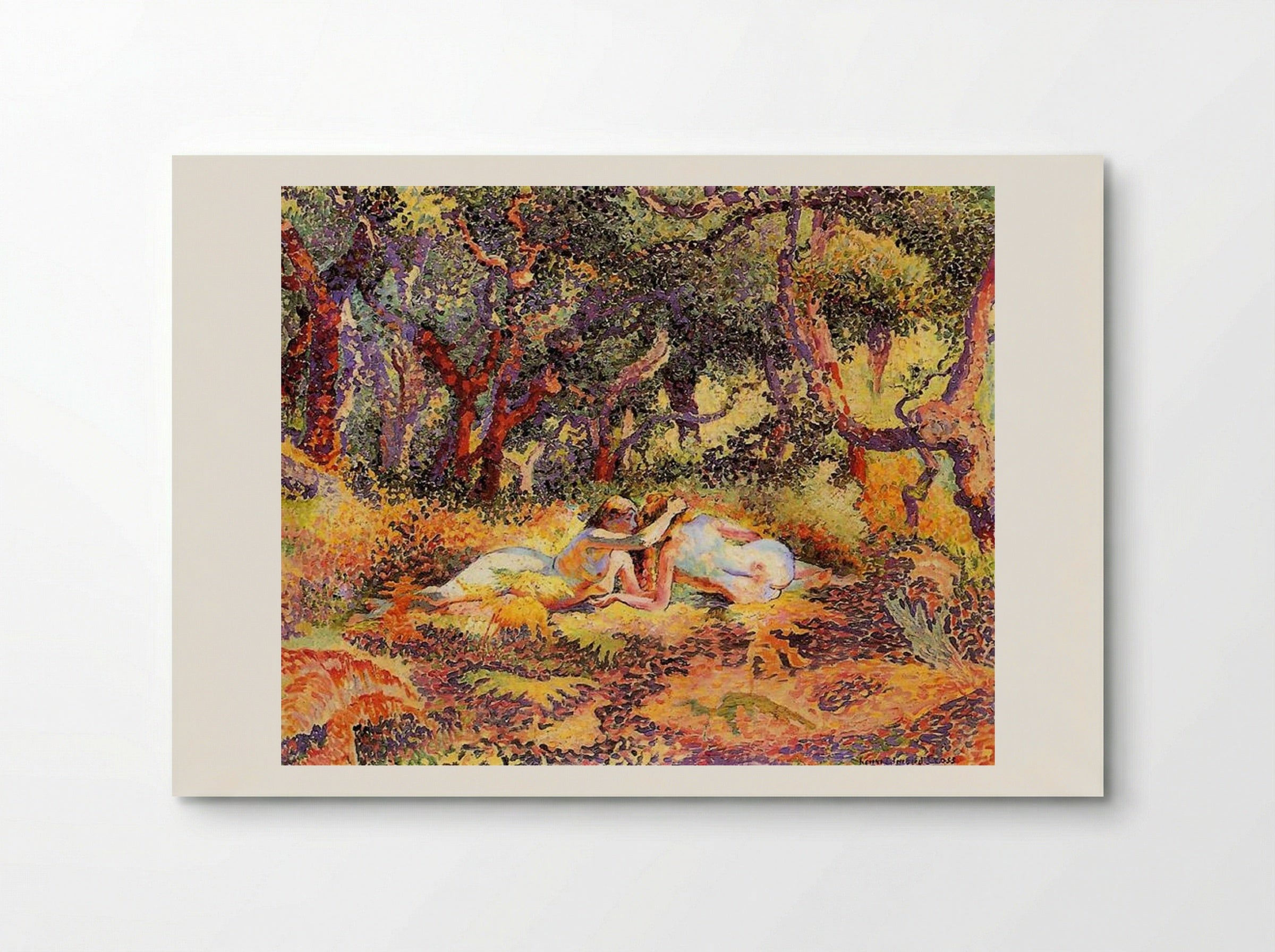 The Forest - Henri-Edmond Cross
Print
Regular price From £28.00 GBPSale price From £28.00 GBP Regular price -
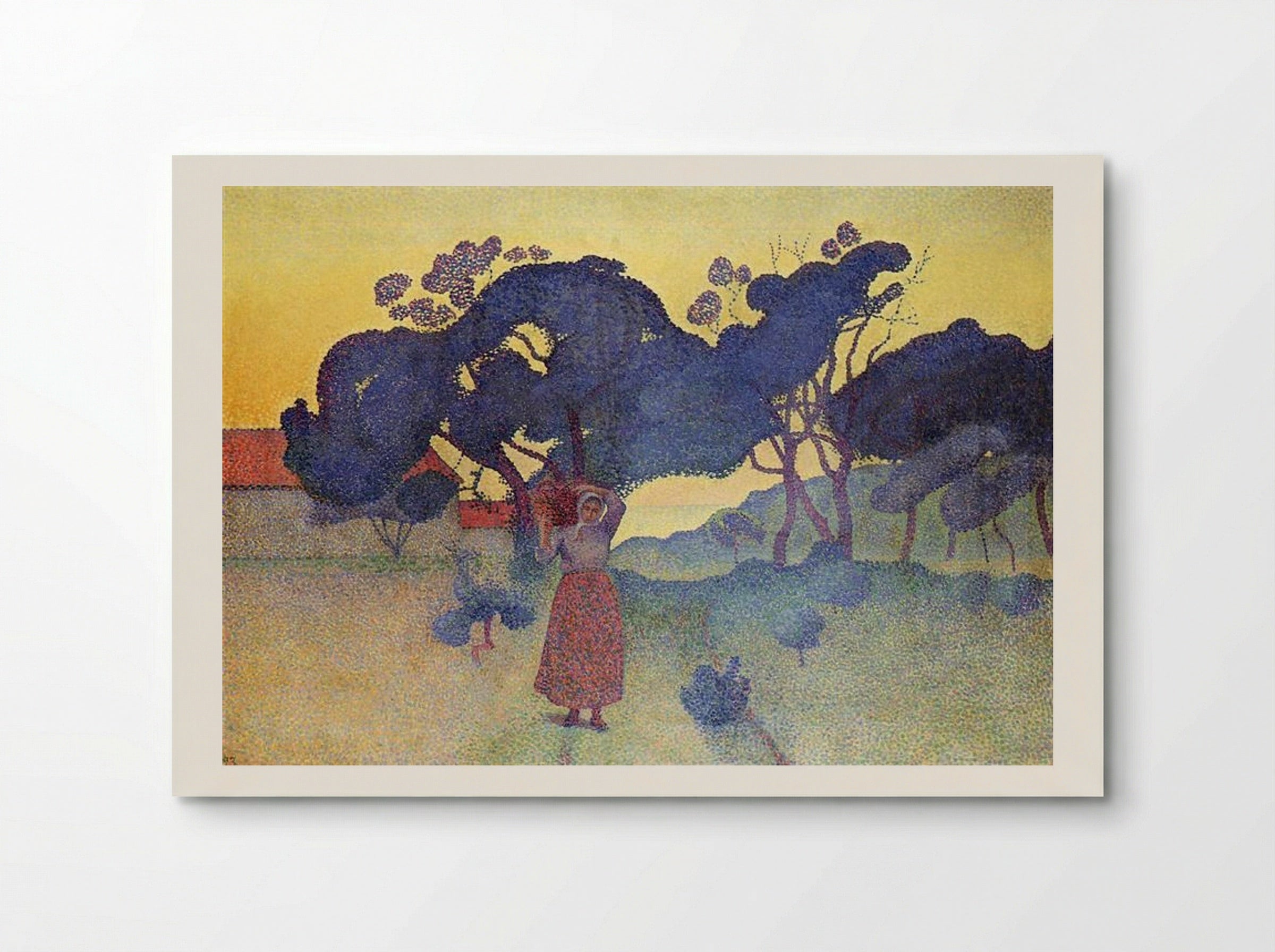 The Farm, Evening - Henri-Edmond Cross
Print
Regular price From £28.00 GBPSale price From £28.00 GBP Regular price -
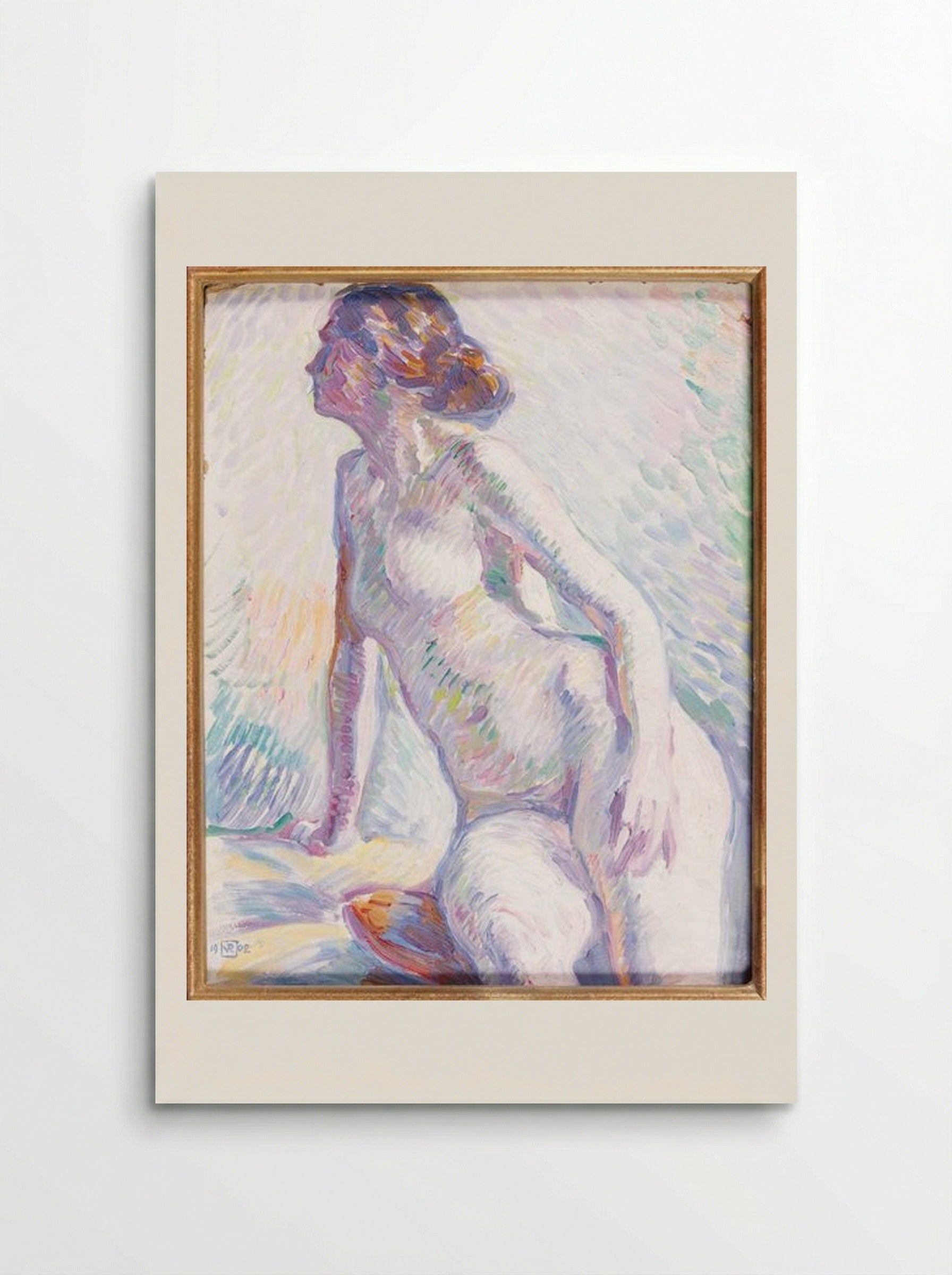 Aguttes - Henri-Edmond Cross
Print
Regular price From £28.00 GBPSale price From £28.00 GBP Regular price -
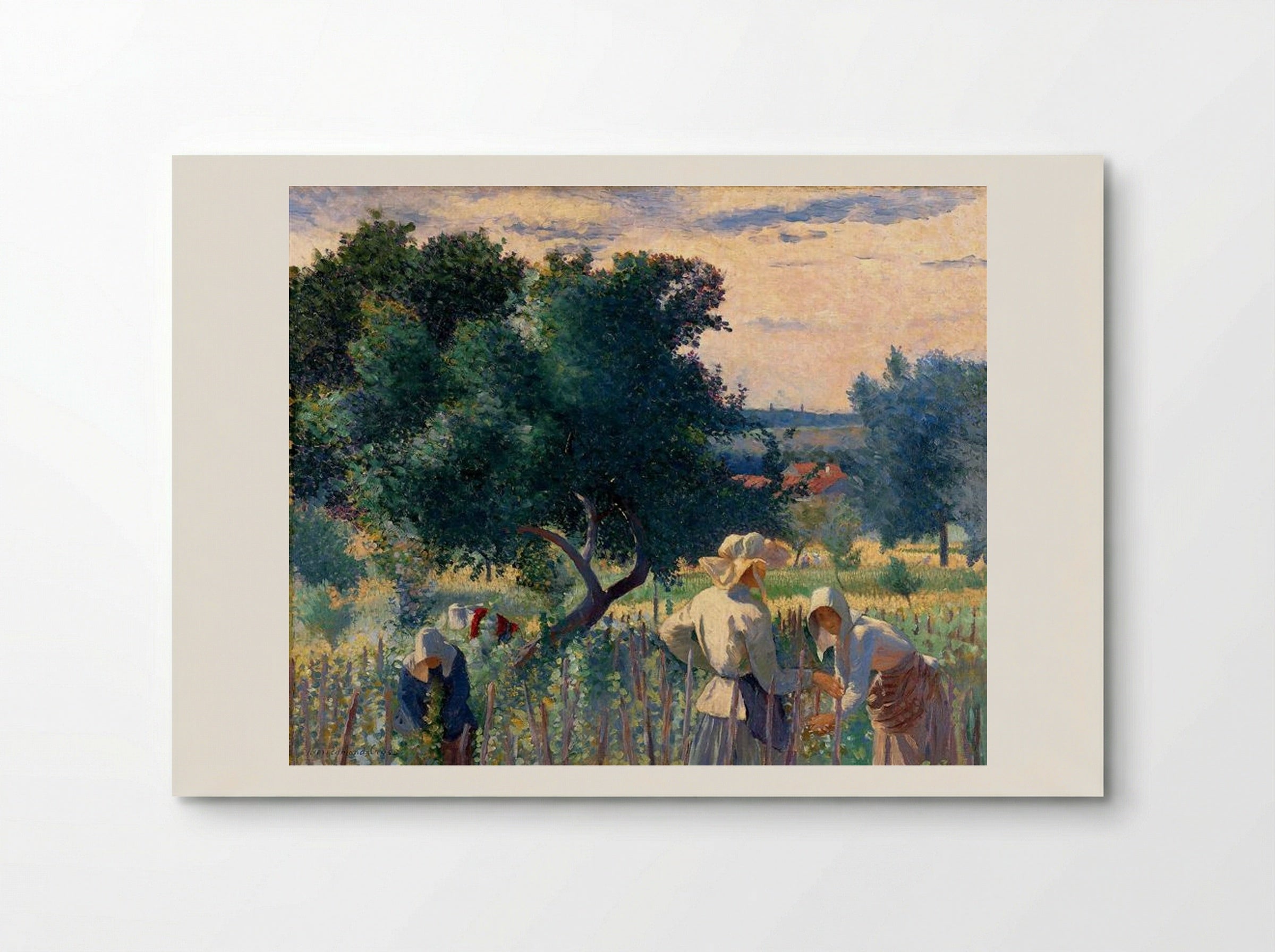 Women Tying the Vine - Henri-Edmond Cross
Print
Regular price From £28.00 GBPSale price From £28.00 GBP Regular price -
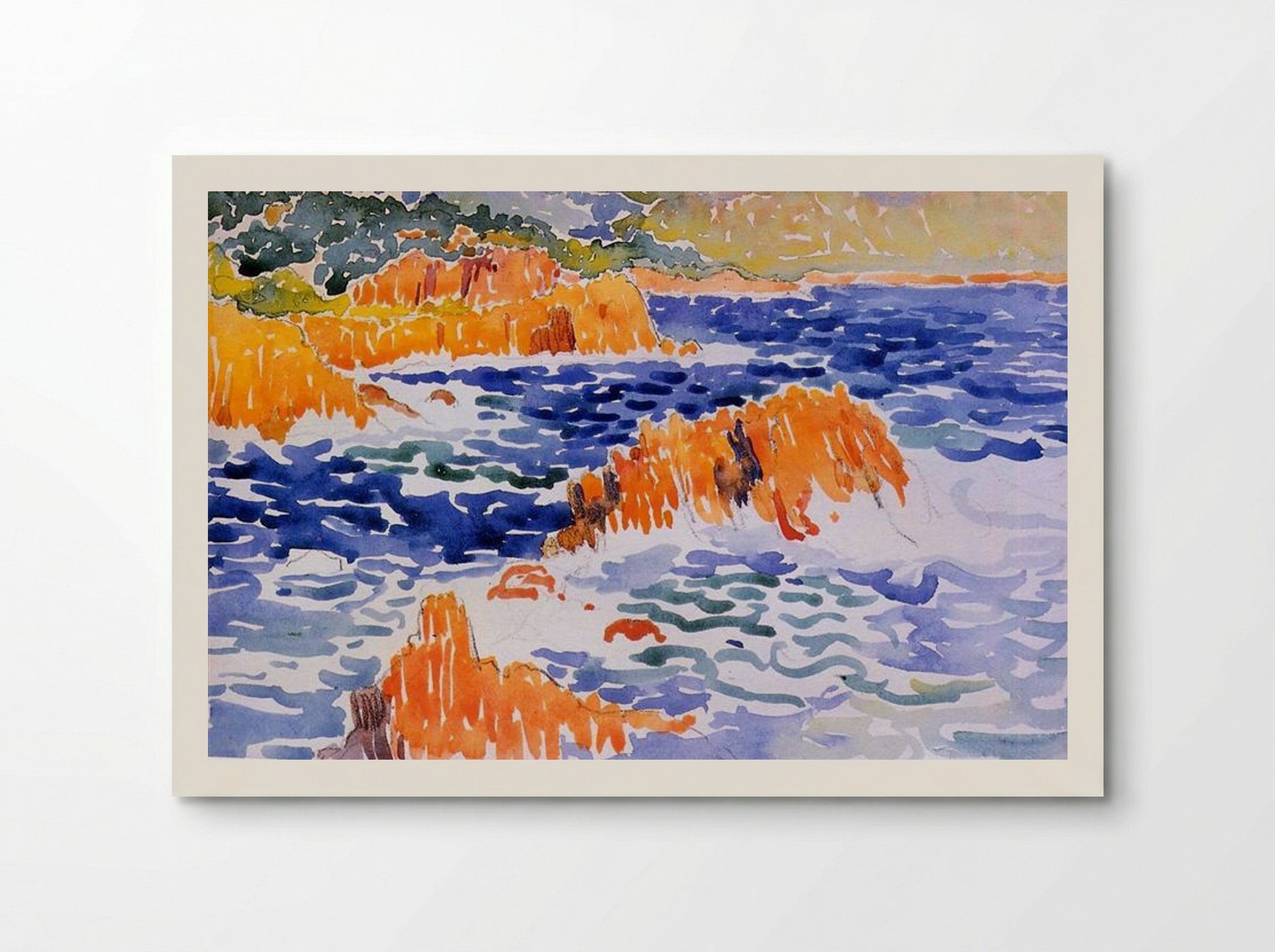 Rocks at Trayas - Henri-Edmond Cross
Print
Regular price From £28.00 GBPSale price From £28.00 GBP Regular price -
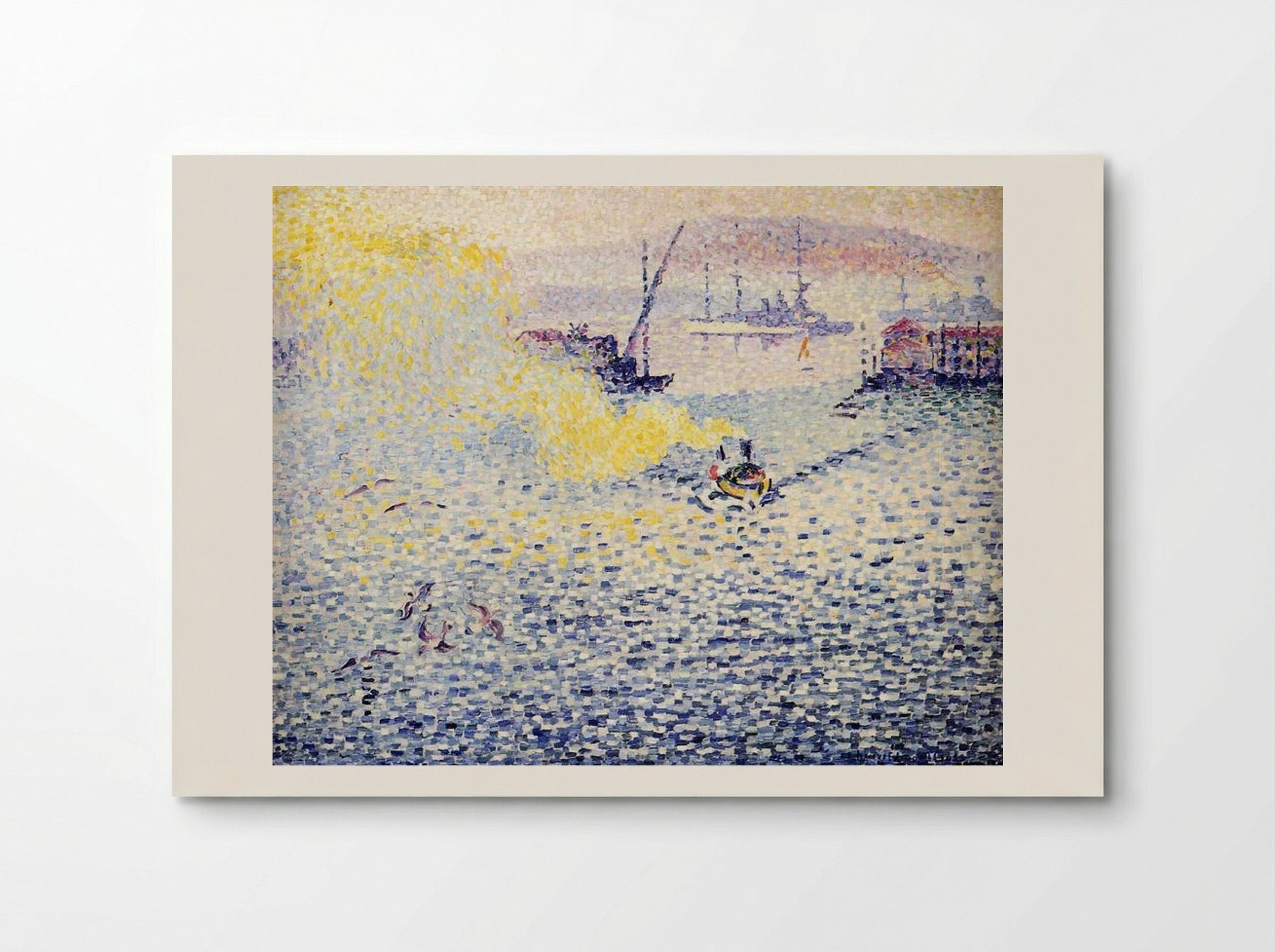 Toulon, Winter Morning - Henri-Edmond Cross
Print
Regular price From £28.00 GBPSale price From £28.00 GBP Regular price -
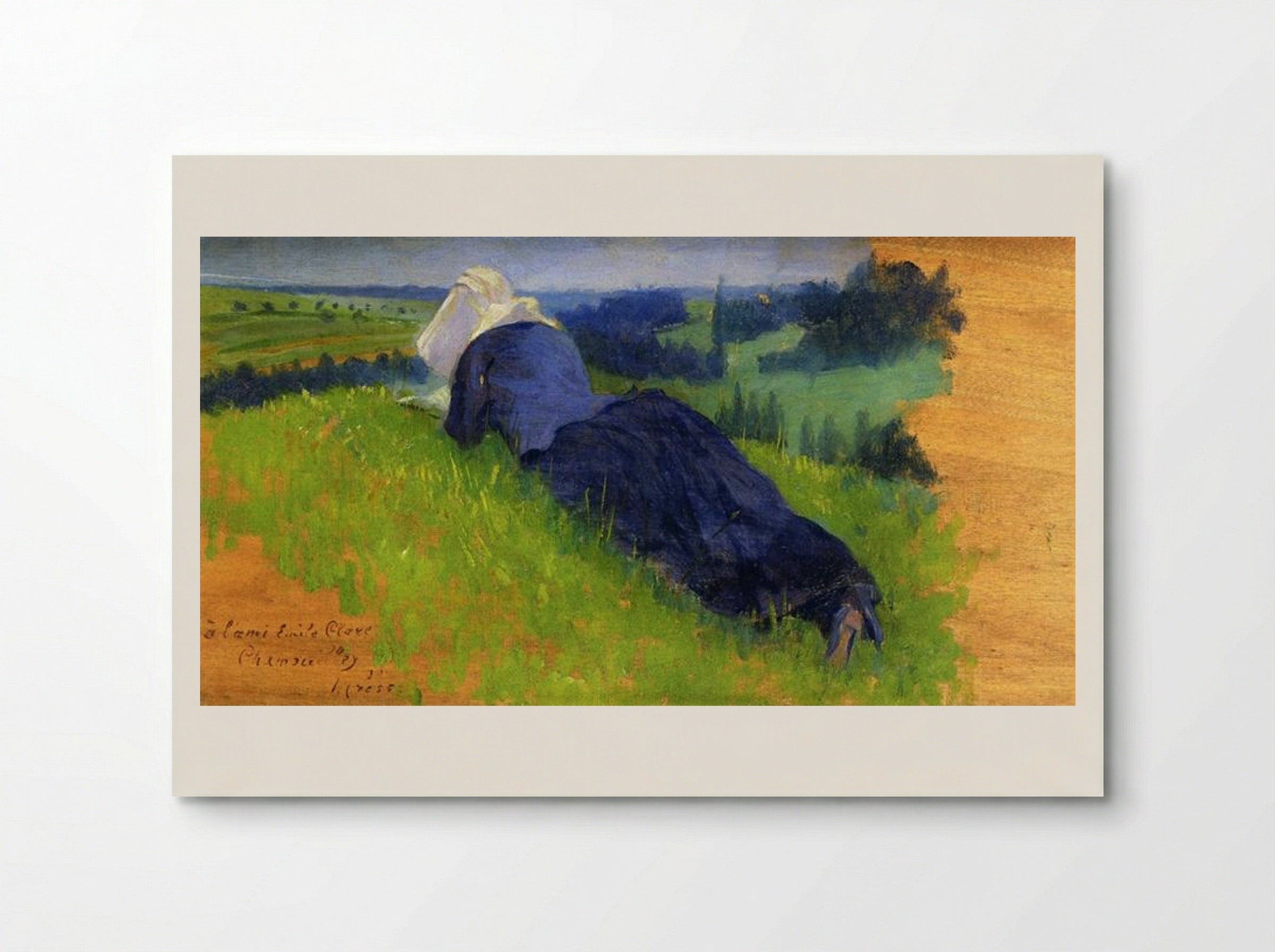 Peasant Woman Stretched out on the Grass - Henri-Edmond Cross
Print
Regular price From £28.00 GBPSale price From £28.00 GBP Regular price -
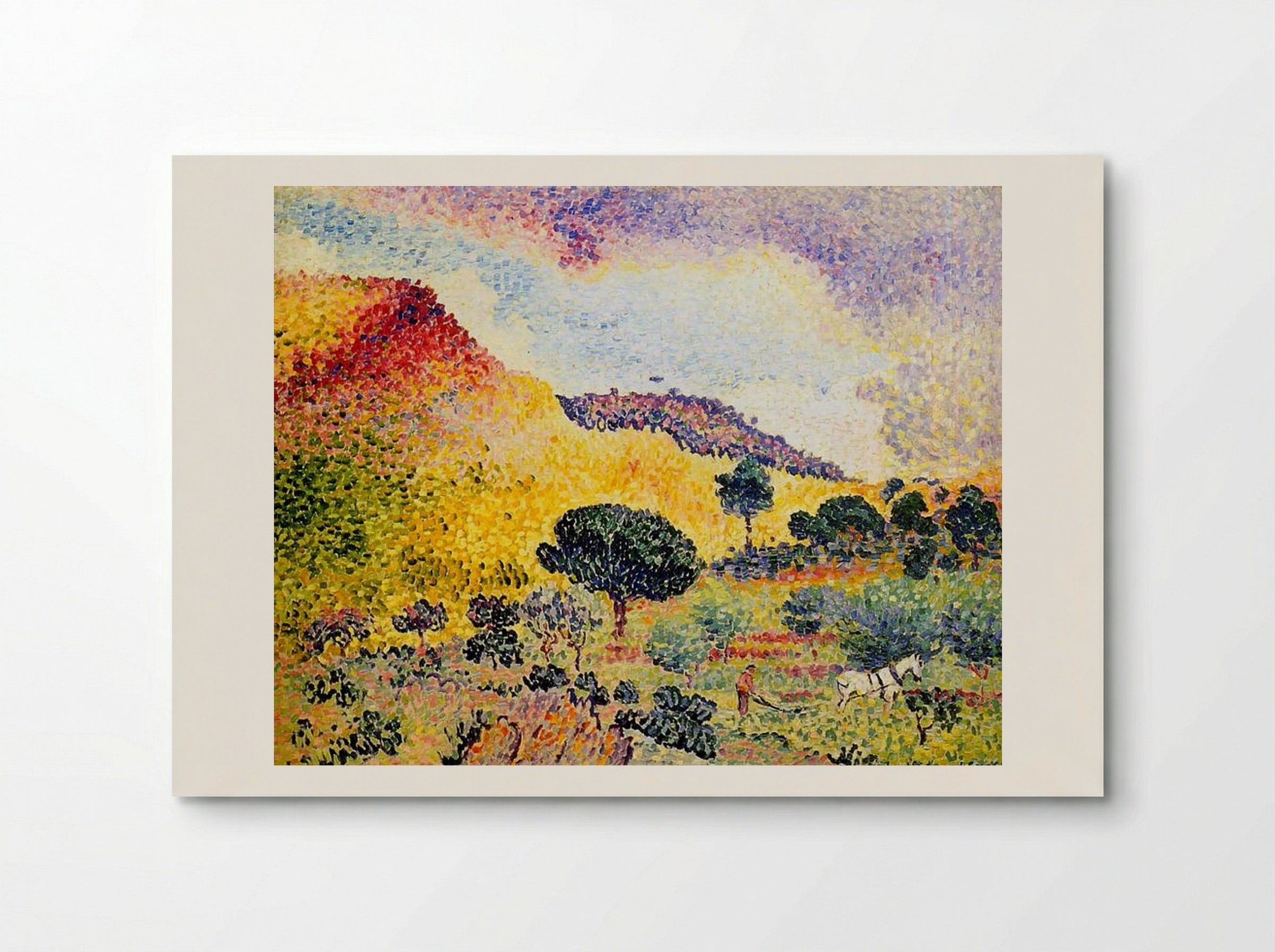 Chaine des Maures - Henri-Edmond Cross
Print
Regular price From £28.00 GBPSale price From £28.00 GBP Regular price -
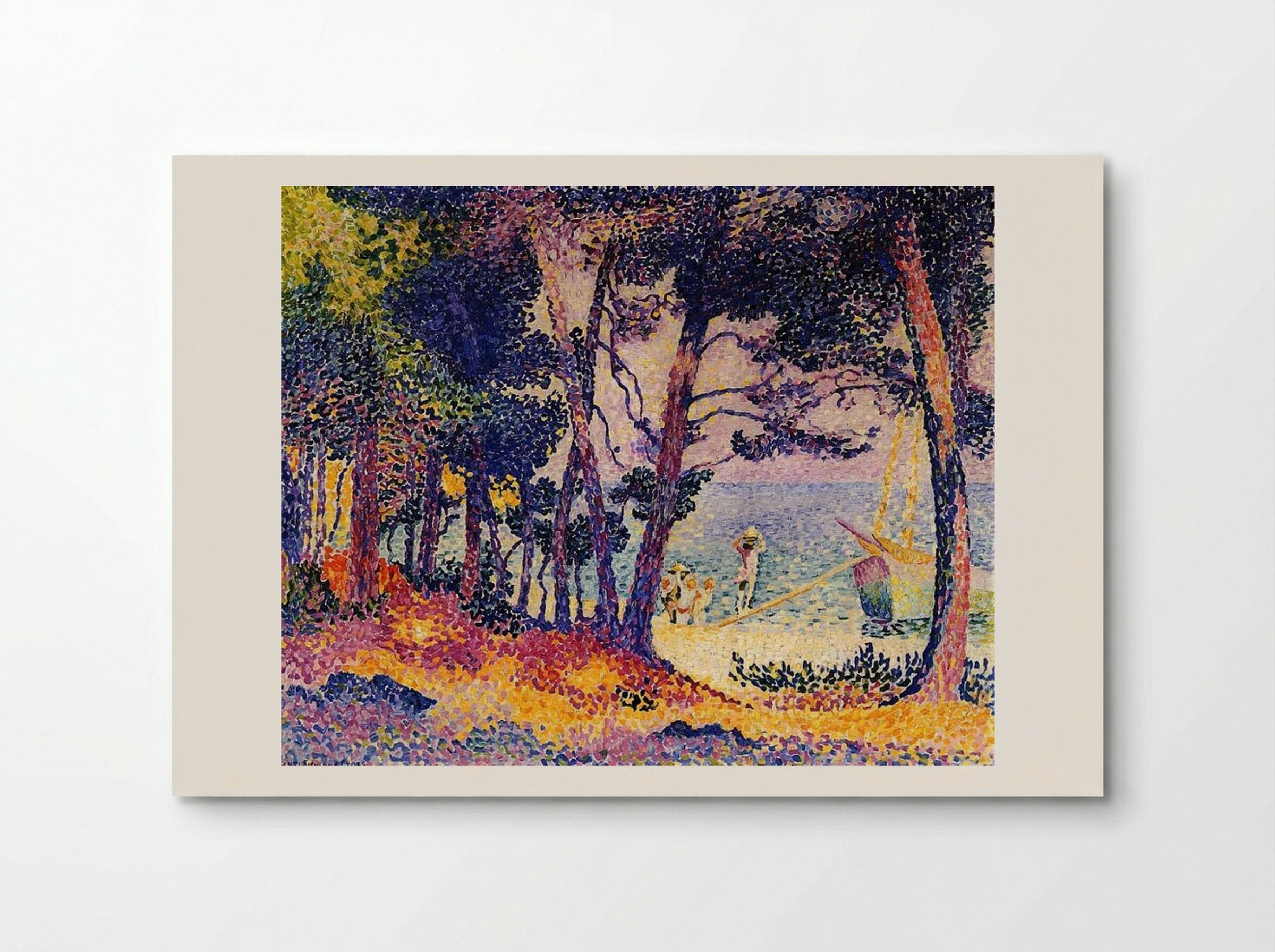 A Pine Wood, Provence - Henri-Edmond Cross
Print
Regular price From £28.00 GBPSale price From £28.00 GBP Regular price -
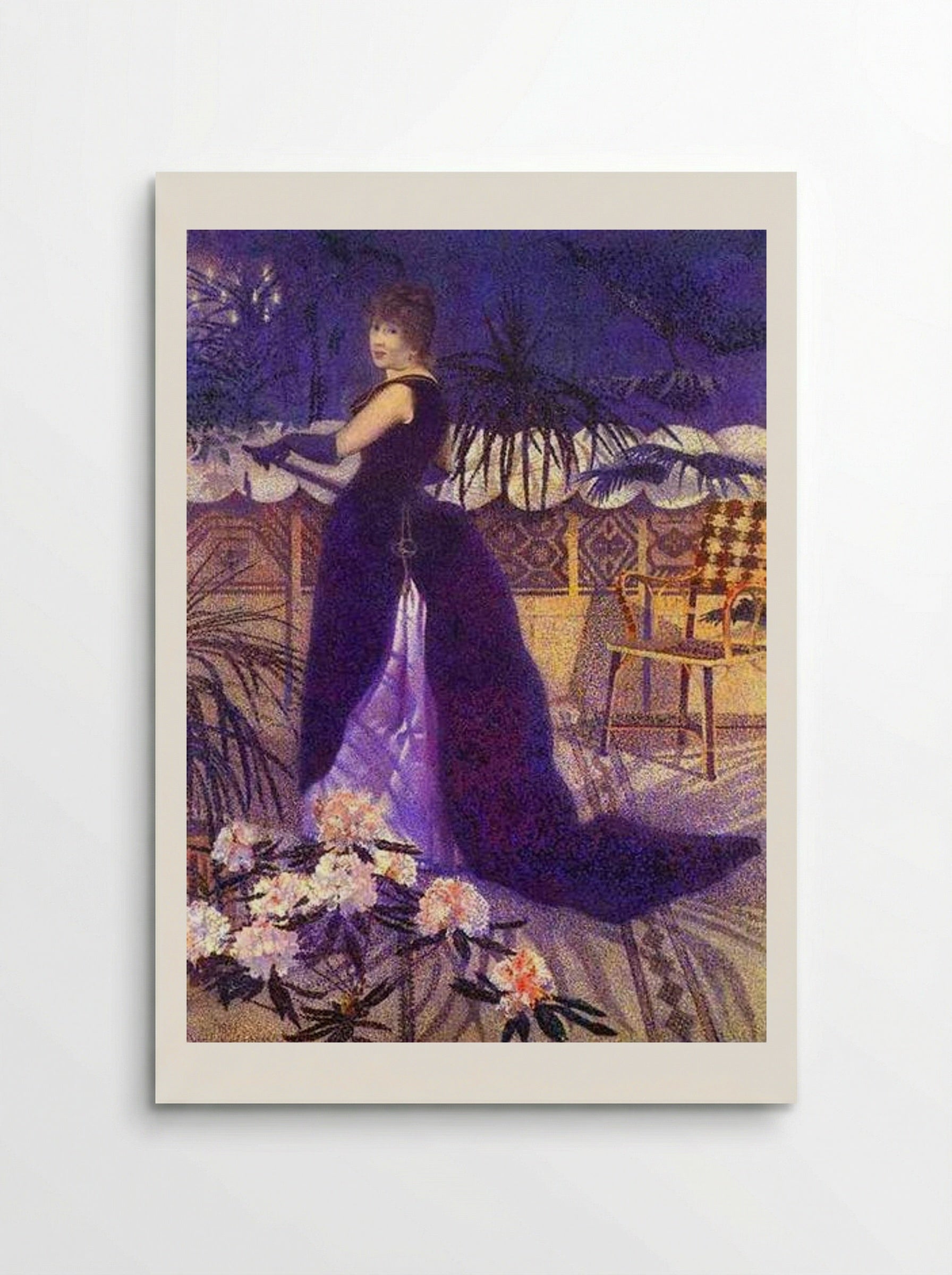 Mme. Hector France, nee Irma Clare and Later - Henri-Edmond Cross
Print
Regular price From £28.00 GBPSale price From £28.00 GBP Regular price

Artist Biography
Henri Edmond Cross
Cross changed his name twice. He was born Henri-Edmond-Joseph Delacroix in 1856 in Douai, and in 1881 Anglicised it to Cross to avoid confusion with Eugene Delacroix. When another French artist named Henri Cros caused further confusion, he added his middle name and settled on Henri-Edmond Cross. The name was the most decisive thing about his early career.
He trained conventionally, painting in the dark realist manner of Bastien-Lepage and Manet. The conversion to Neo-Impressionism came slowly: he did not adopt the pointillist technique until 1891, years after Seurat and Signac had established the method. Once he committed, he moved south. Diagnosed with rheumatism, he left Paris and settled in Saint-Clair on the Mediterranean coast, where the climate was gentler and the light was entirely different.
The move changed his painting. Working alongside Signac, who had also moved south, Cross developed a second phase of Neo-Impressionism: broader, looser brushstrokes than the granular dots of Parisian pointillism, in colours heated by Mediterranean light. The palette shifted from grey and blue to orange, violet and turquoise. The brushstrokes grew from points to mosaic-like blocks of colour.
The late paintings influenced Matisse directly. When Matisse visited Saint-Tropez in 1904, he saw Cross's work and recognised something he could use: the liberation of colour from description. Fauvism, which Matisse would lead the following year, grew partly from what Cross and Signac were doing on the Mediterranean coast.
Cross died in 1910, aged fifty-three. He spent the last nineteen years of his life painting the same coastline in colours that got more intense with each passing year.
He trained conventionally, painting in the dark realist manner of Bastien-Lepage and Manet. The conversion to Neo-Impressionism came slowly: he did not adopt the pointillist technique until 1891, years after Seurat and Signac had established the method. Once he committed, he moved south. Diagnosed with rheumatism, he left Paris and settled in Saint-Clair on the Mediterranean coast, where the climate was gentler and the light was entirely different.
The move changed his painting. Working alongside Signac, who had also moved south, Cross developed a second phase of Neo-Impressionism: broader, looser brushstrokes than the granular dots of Parisian pointillism, in colours heated by Mediterranean light. The palette shifted from grey and blue to orange, violet and turquoise. The brushstrokes grew from points to mosaic-like blocks of colour.
The late paintings influenced Matisse directly. When Matisse visited Saint-Tropez in 1904, he saw Cross's work and recognised something he could use: the liberation of colour from description. Fauvism, which Matisse would lead the following year, grew partly from what Cross and Signac were doing on the Mediterranean coast.
Cross died in 1910, aged fifty-three. He spent the last nineteen years of his life painting the same coastline in colours that got more intense with each passing year.


Why Choose Us ?