

Collection
Maximilien Luce
Explore curated art prints selected for distinctive homes and considered interiors.
Suggested filters
-
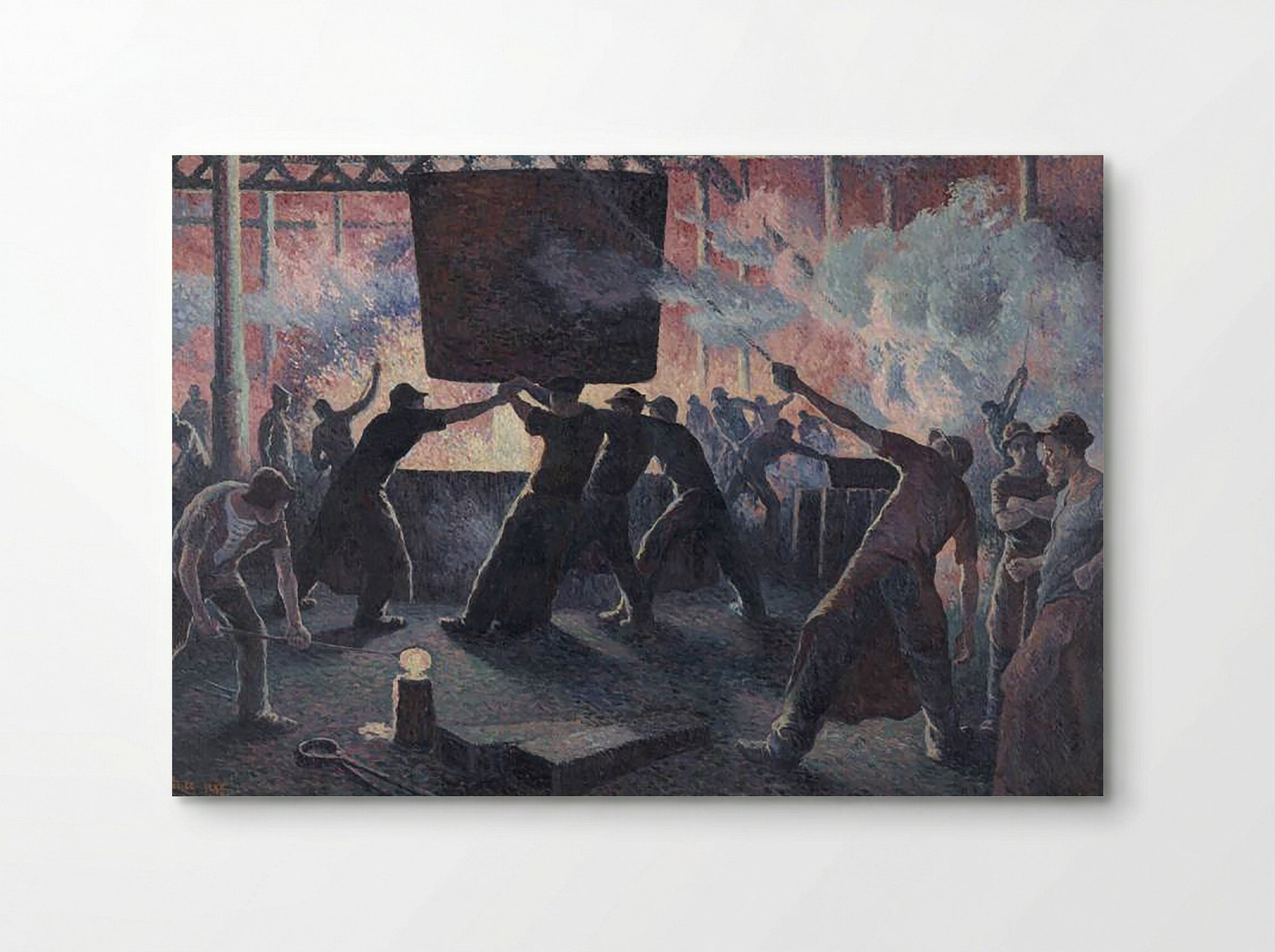
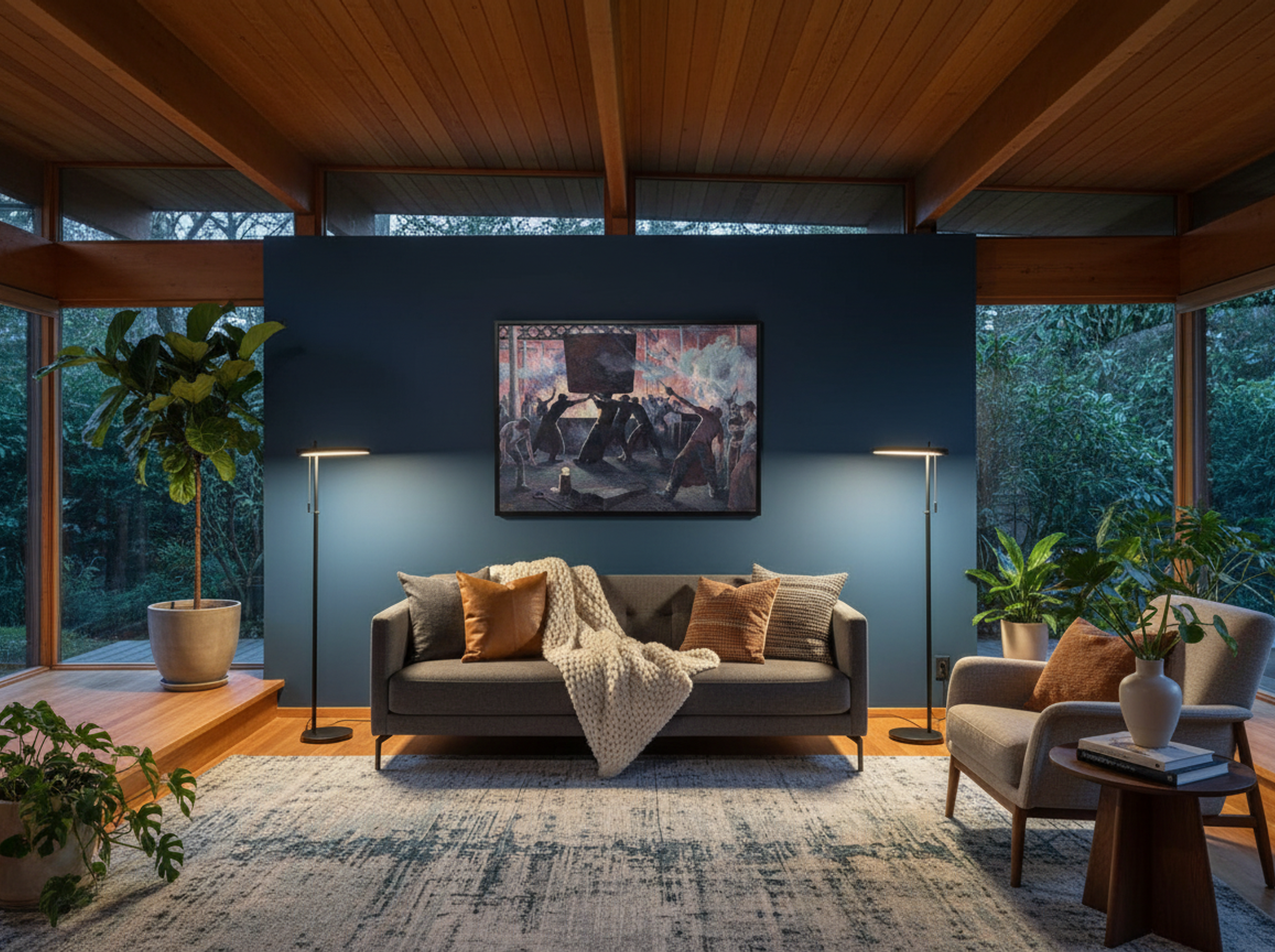 The Iron Foundry - Maximilien Luce
Print · Framed
Regular price From £28.00 GBPSale price From £28.00 GBP Regular price -

 On the banks of the Seine - Maximilien Luce
Print · Framed
Regular price From £28.00 GBPSale price From £28.00 GBP Regular price -

 Falaise De Mer Près Du Tréport - Maximilien Luce
Print · Framed
Regular price From £28.00 GBPSale price From £28.00 GBP Regular price -

 Kermouster, The Way - Maximilien Luce
Print · Framed
Regular price From £28.00 GBPSale price From £28.00 GBP Regular price -

 Landscape Around Mantes - Maximilien Luce
Print · Framed
Regular price From £28.00 GBPSale price From £28.00 GBP Regular price -

 Guernes, The Church And The Fields - Maximilien Luce
Print · Framed
Regular price From £28.00 GBPSale price From £28.00 GBP Regular price -

 Portrait of Doctor Marieux - Maximilien Luce
Print · Framed
Regular price From £37.00 GBPSale price From £37.00 GBP Regular price -

 Les Débardeurs - Maximilien Luce
Print · Framed
Regular price From £28.00 GBPSale price From £28.00 GBP Regular price -

 Paysage de Normandie, Bazincourt - Maximilien Luce
Print · Framed
Regular price From £28.00 GBPSale price From £28.00 GBP Regular price -

 Eglise Saint-Gervais - Maximilien Luce
Print · Framed
Regular price From £28.00 GBPSale price From £28.00 GBP Regular price -

 Untitled (Crowd by the Water, Oil on Card) - Maximilien Luce
Print · Framed
Regular price From £28.00 GBPSale price From £28.00 GBP Regular price -

 Kermouster, travaux à la ferme - Maximilien Luce
Print · Framed
Regular price From £28.00 GBPSale price From £28.00 GBP Regular price -

 Travailleurs poussant un wagonnet - Maximilien Luce
Print · Framed
Regular price From £28.00 GBPSale price From £28.00 GBP Regular price -

 La Nativité, Rolleboise - Maximilien Luce
Print · Framed
Regular price From £28.00 GBPSale price From £28.00 GBP Regular price -

 Le boulevard - Maximilien Luce
Print · Framed
Regular price From £28.00 GBPSale price From £28.00 GBP Regular price -

 Paysage à Saint-Tropez - Maximilien Luce
Print · Framed
Regular price From £28.00 GBPSale price From £28.00 GBP Regular price -

 Les Tanneurs - Maximilien Luce
Print · Framed
Regular price From £28.00 GBPSale price From £28.00 GBP Regular price -

 La Construction du Sacré-Coeur - Maximilien Luce
Print · Framed
Regular price From £28.00 GBPSale price From £28.00 GBP Regular price -

 Les Batteurs De Pieux - Maximilien Luce
Print · Framed
Regular price From £28.00 GBPSale price From £28.00 GBP Regular price -

 Les Chevaux De La Mer - Maximilien Luce
Print · Framed
Regular price From £28.00 GBPSale price From £28.00 GBP Regular price -

 Les Terrils De Sacré Madame - Maximilien Luce
Print · Framed
Regular price From £28.00 GBPSale price From £28.00 GBP Regular price -

 Lavandière - Maximilien Luce
Print · Framed
Regular price From £28.00 GBPSale price From £28.00 GBP Regular price -
 The River Sambre in Charleroi - Maximilien Luce
Print
Regular price From £28.00 GBPSale price From £28.00 GBP Regular price -
 Paris, Rue Animée Le Soir - Maximilien Luce
Print
Regular price From £28.00 GBPSale price From £28.00 GBP Regular price


Artist Biography
Maximilien Luce
Maximilien Luce was not only a painter but also a committed anarchist, and his political beliefs often influenced his artistic choices. He depicted working-class life and social unrest, offering a perspective rarely seen within the Pointillist movement. While many of his contemporaries focused on landscapes or bourgeois leisure, Luce turned his attention to factories, construction sites, and scenes of labour, imbuing his works with social commentary.
Luce embraced Pointillism, or Neo-Impressionism, following the lead of Georges Seurat and Paul Signac. This technique involved applying small, distinct dots of colour to the canvas, which then blend in the viewer's eye to create a unified image. Unlike Seurat, who sought a scientific precision, Luce used Pointillism to capture the energy and dynamism of modern life, particularly the industrial world. His paintings demonstrate a fascination with light and colour and an interest in capturing the atmosphere of his subjects.
Today, Luce's art appeals to collectors interested in works that combine aesthetic beauty with social consciousness. His scenes of working-class life offer a window into a specific historical moment, while his Pointillist technique provides visual appeal. His paintings stand out from typical Impressionist subjects, making them attractive to those seeking something different.
Luce embraced Pointillism, or Neo-Impressionism, following the lead of Georges Seurat and Paul Signac. This technique involved applying small, distinct dots of colour to the canvas, which then blend in the viewer's eye to create a unified image. Unlike Seurat, who sought a scientific precision, Luce used Pointillism to capture the energy and dynamism of modern life, particularly the industrial world. His paintings demonstrate a fascination with light and colour and an interest in capturing the atmosphere of his subjects.
Today, Luce's art appeals to collectors interested in works that combine aesthetic beauty with social consciousness. His scenes of working-class life offer a window into a specific historical moment, while his Pointillist technique provides visual appeal. His paintings stand out from typical Impressionist subjects, making them attractive to those seeking something different.
Related Artists


Why Choose Us ?