

Collection
Edward Wadsworth
Explore curated art prints selected for distinctive homes and considered interiors.
Suggested filters
-
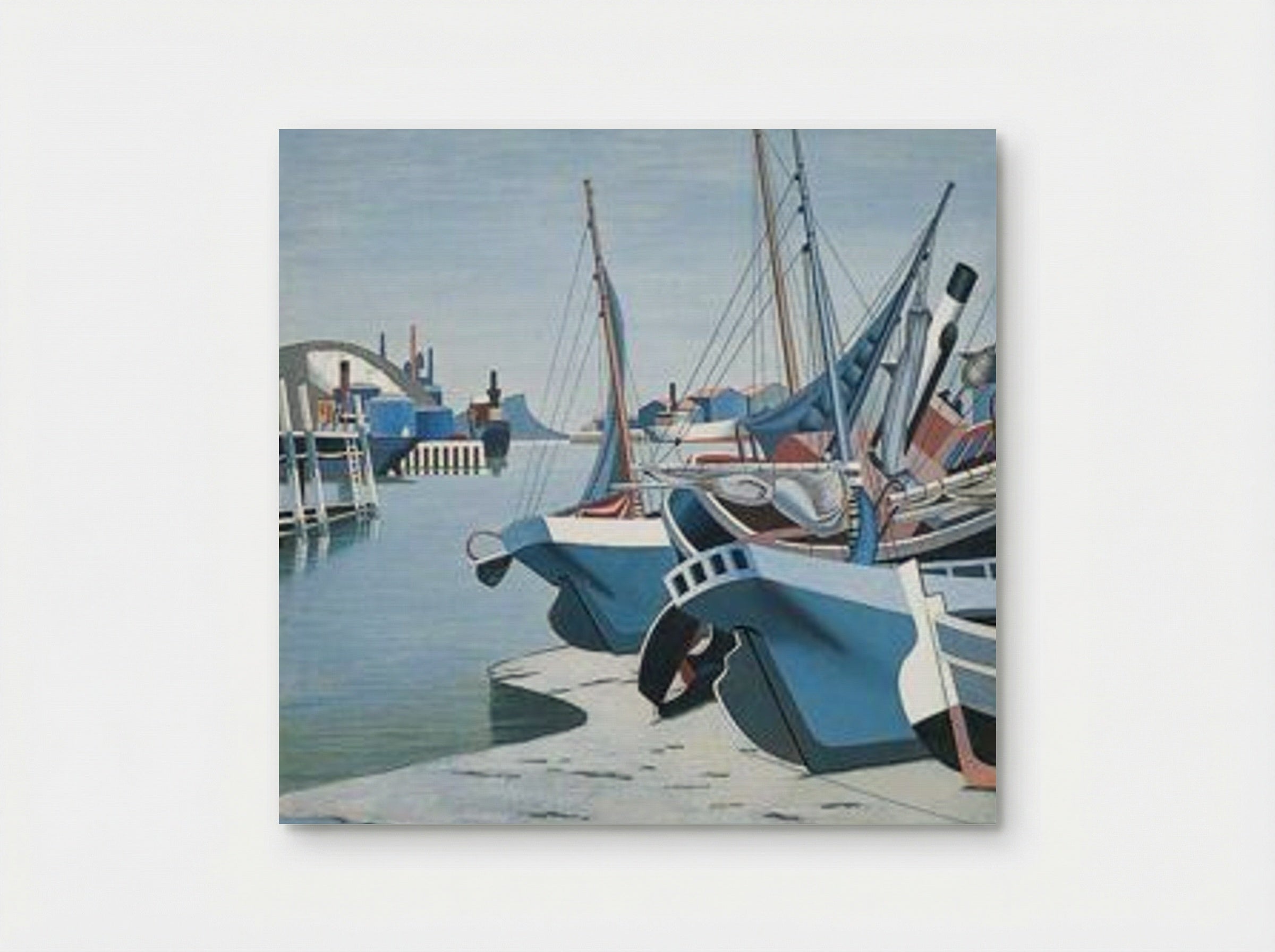 Slump - Edward Wadsworth
Print
Regular price From £37.00 GBPSale price From £37.00 GBP Regular price -
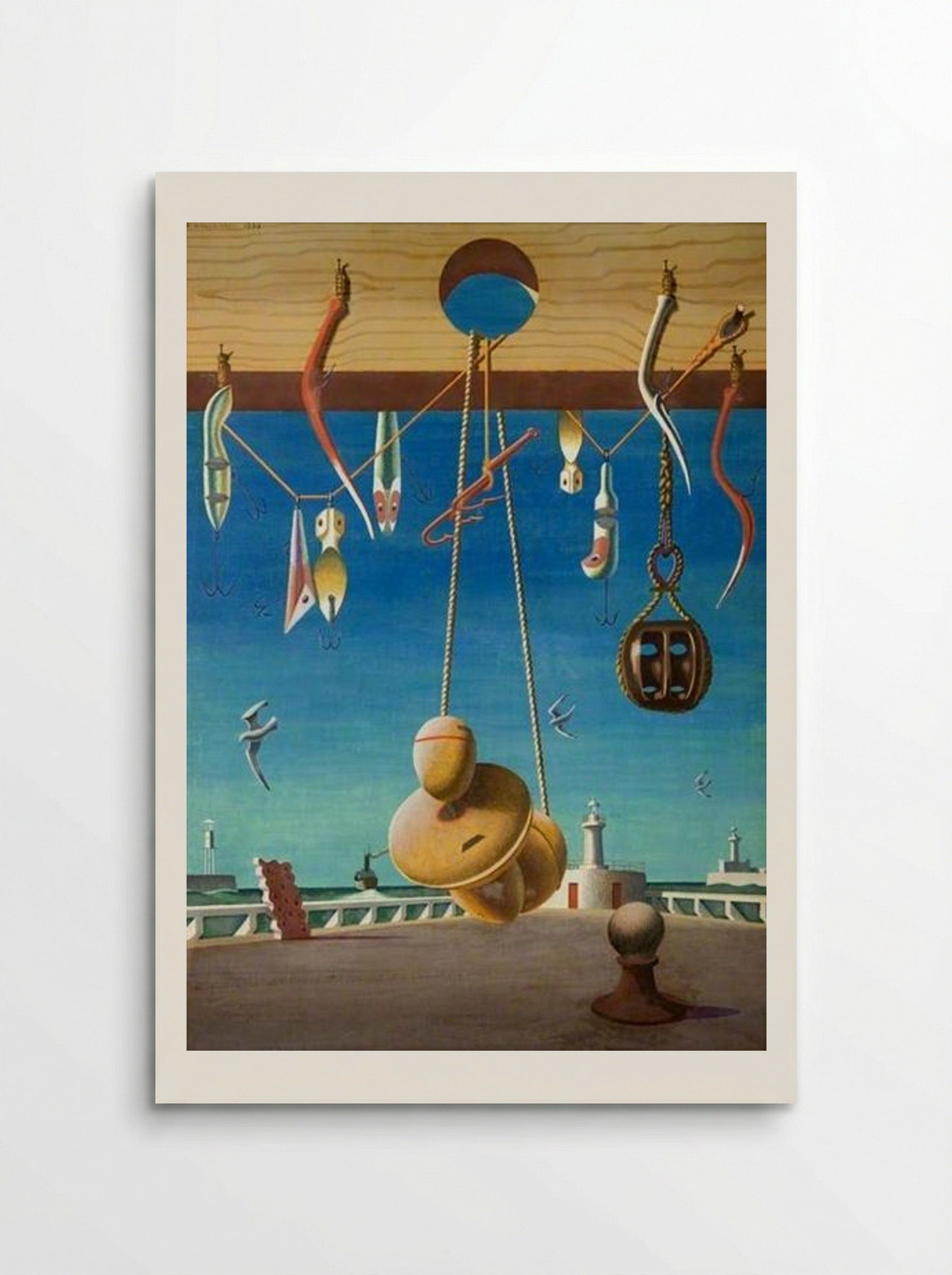 Departure - Edward Wadsworth
Print
Regular price From £28.00 GBPSale price From £28.00 GBP Regular price -
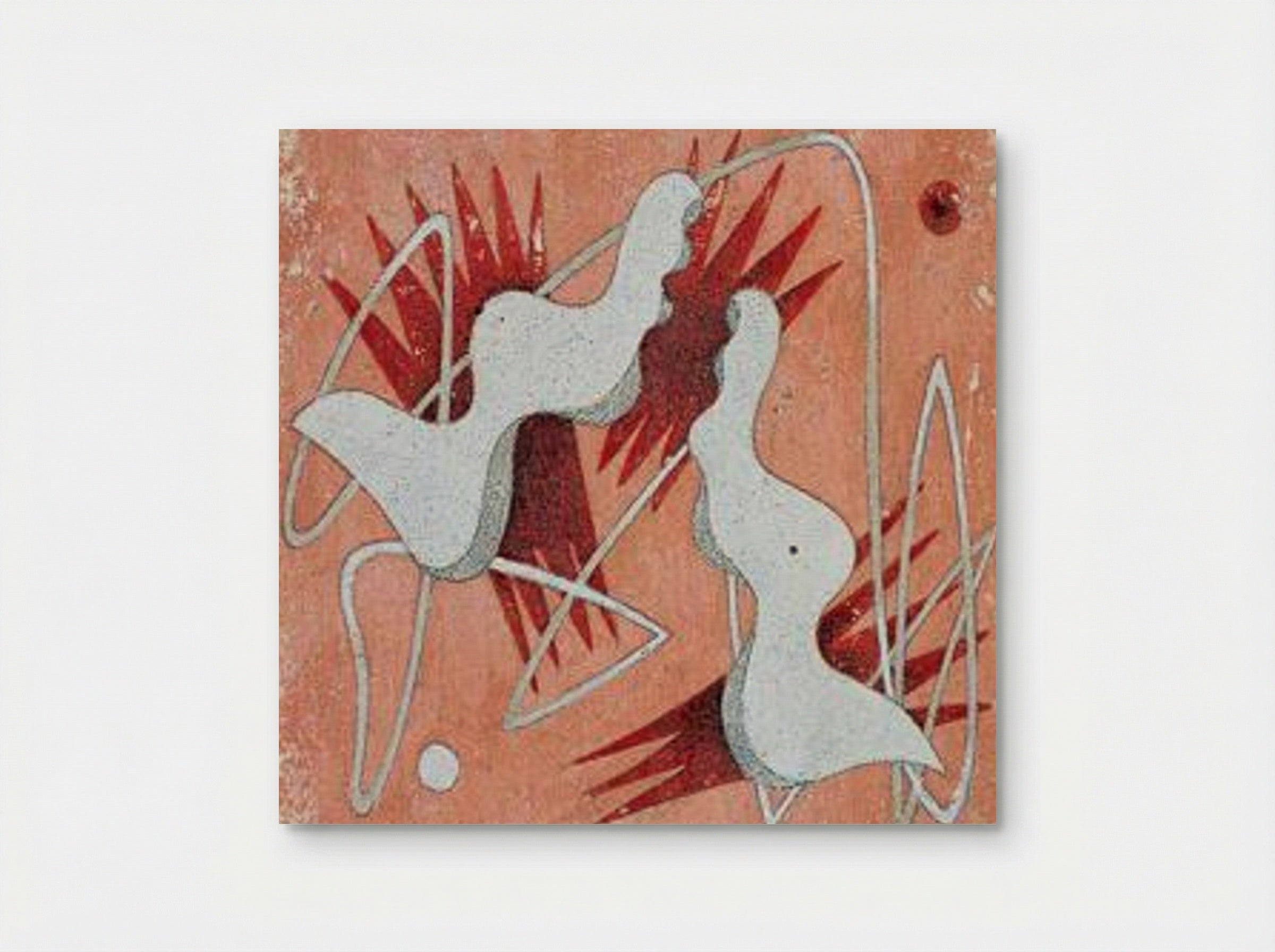 Composition on a Pink Background - Edward Wadsworth
Print
Regular price From £37.00 GBPSale price From £37.00 GBP Regular price -
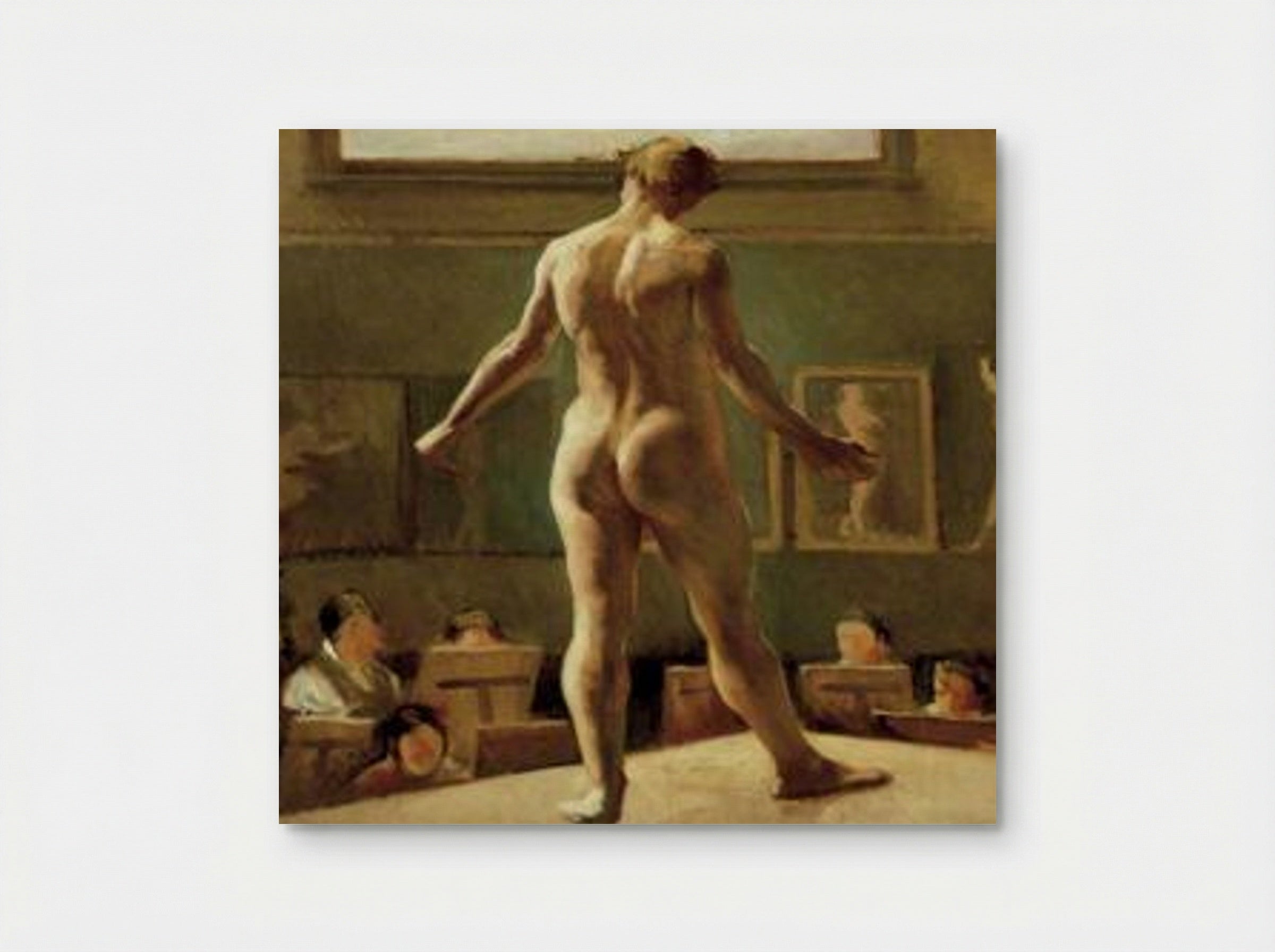 Male Figure Standing - Edward Wadsworth
Print
Regular price From £37.00 GBPSale price From £37.00 GBP Regular price -
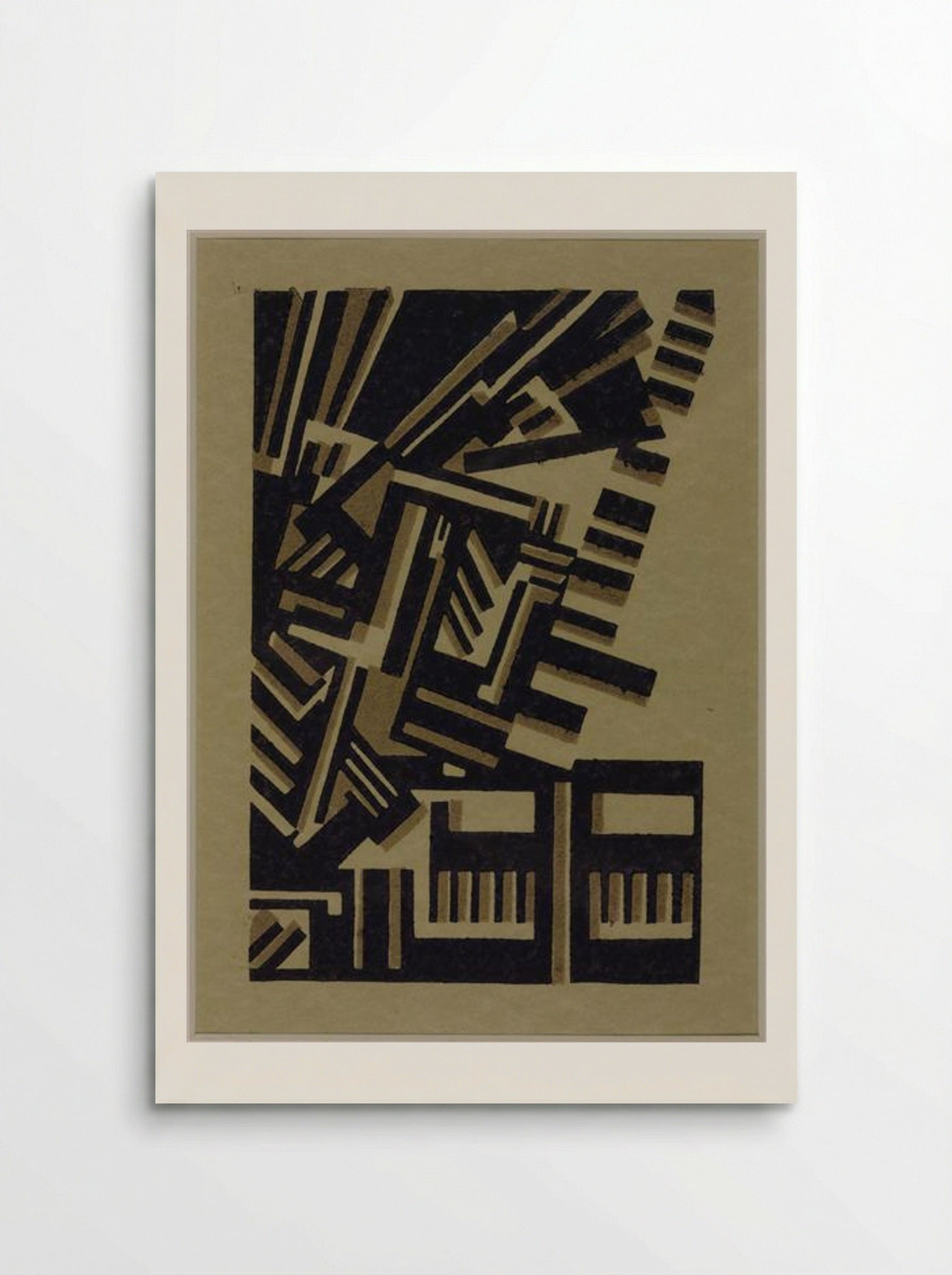 The Port - Edward Wadsworth
Print
Regular price From £28.00 GBPSale price From £28.00 GBP Regular price -
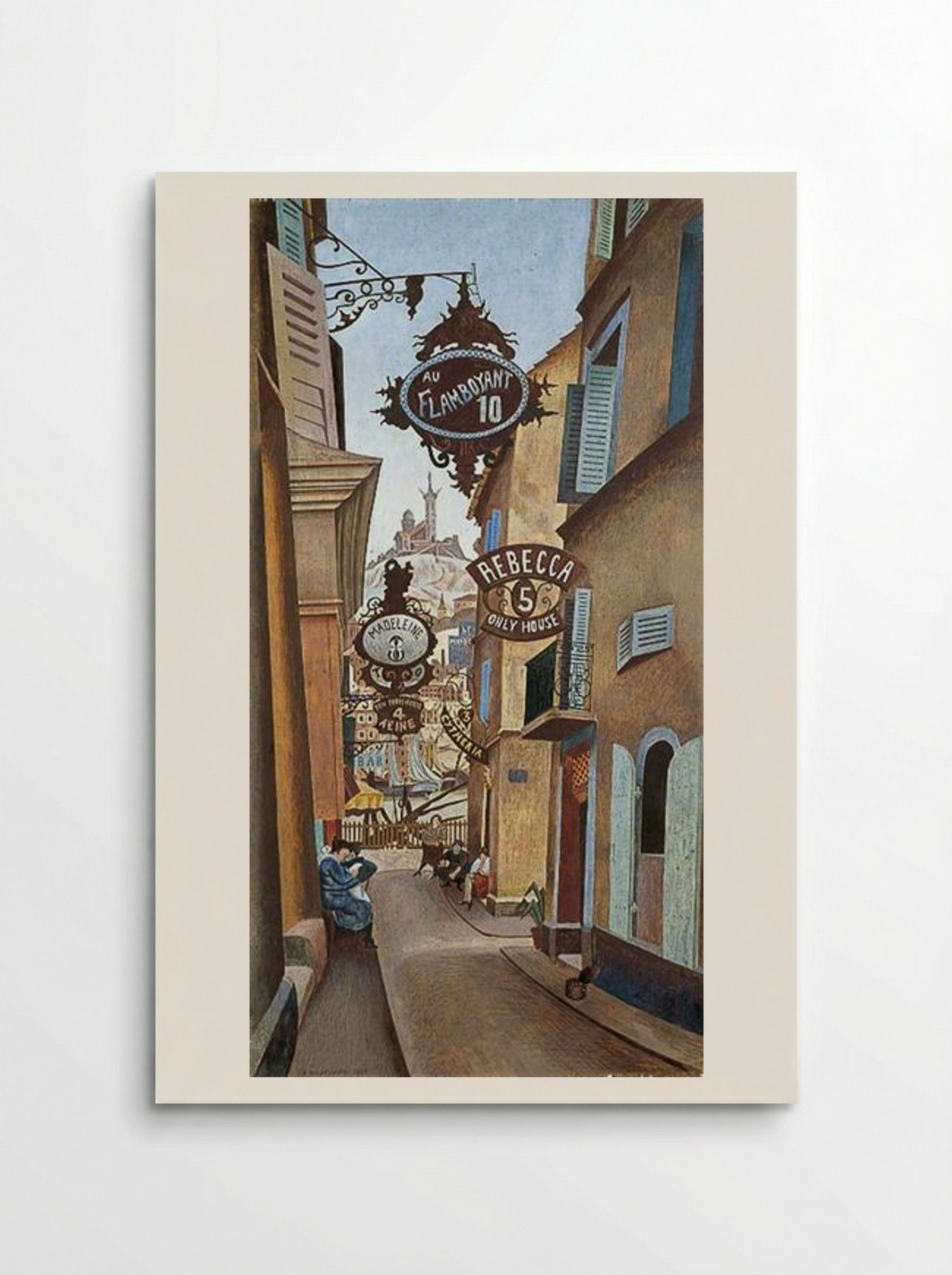 Rue de la Reynarde, Marseilles, France - Edward Wadsworth
Print
Regular price From £28.00 GBPSale price From £28.00 GBP Regular price -
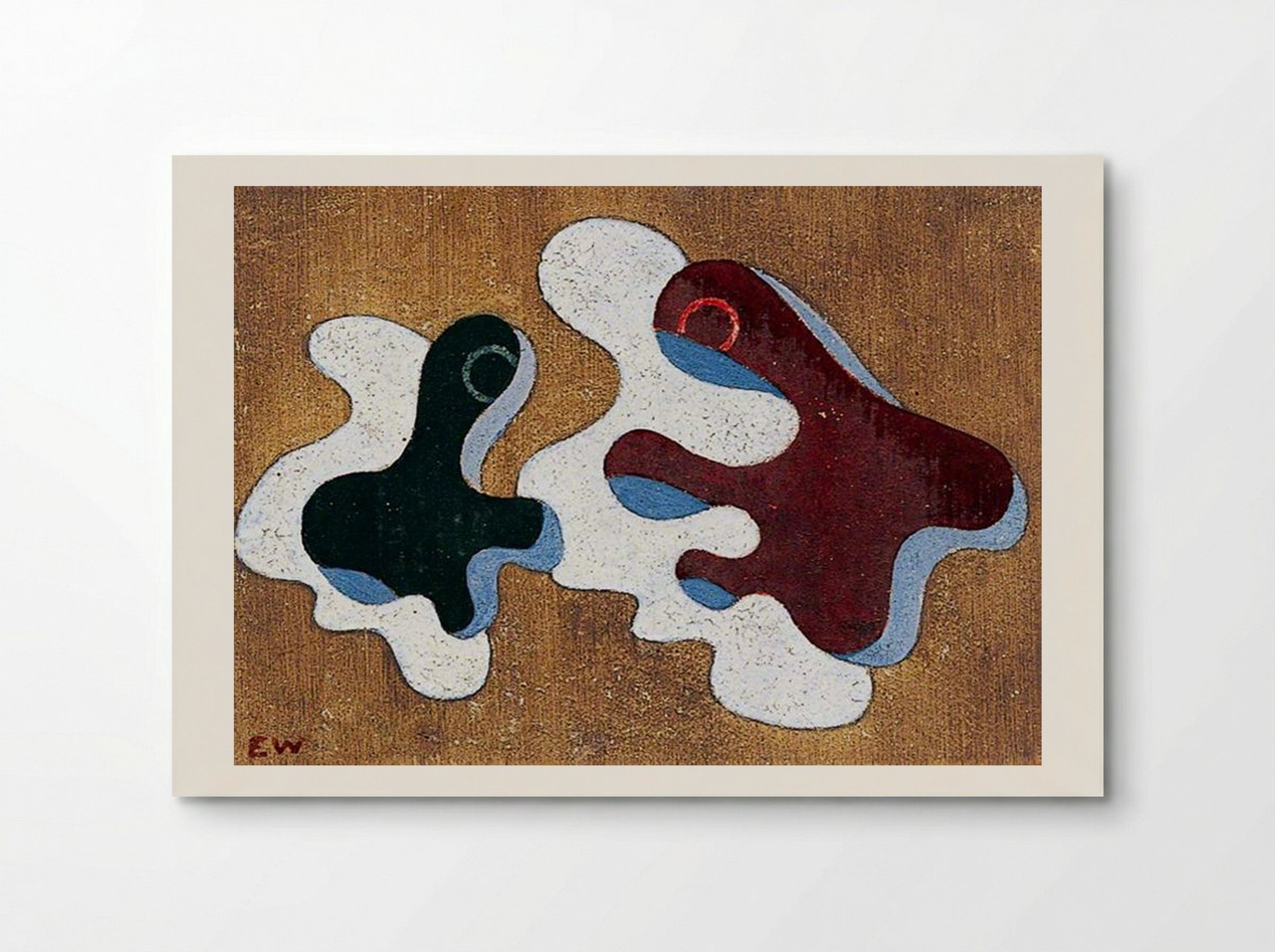 Conversation - Edward Wadsworth
Print
Regular price From £28.00 GBPSale price From £28.00 GBP Regular price -
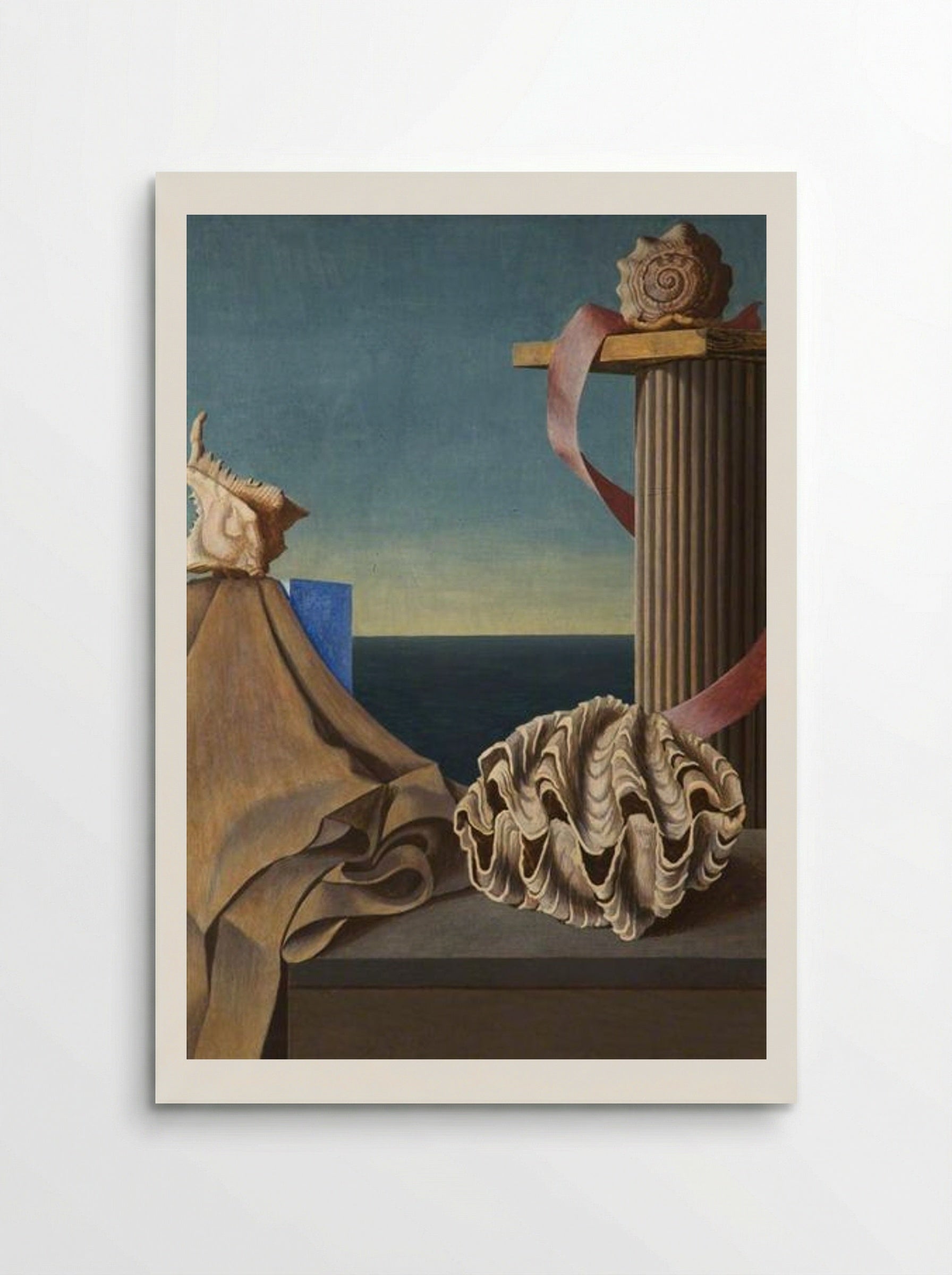 Coquillages - Edward Wadsworth
Print
Regular price From £28.00 GBPSale price From £28.00 GBP Regular price -
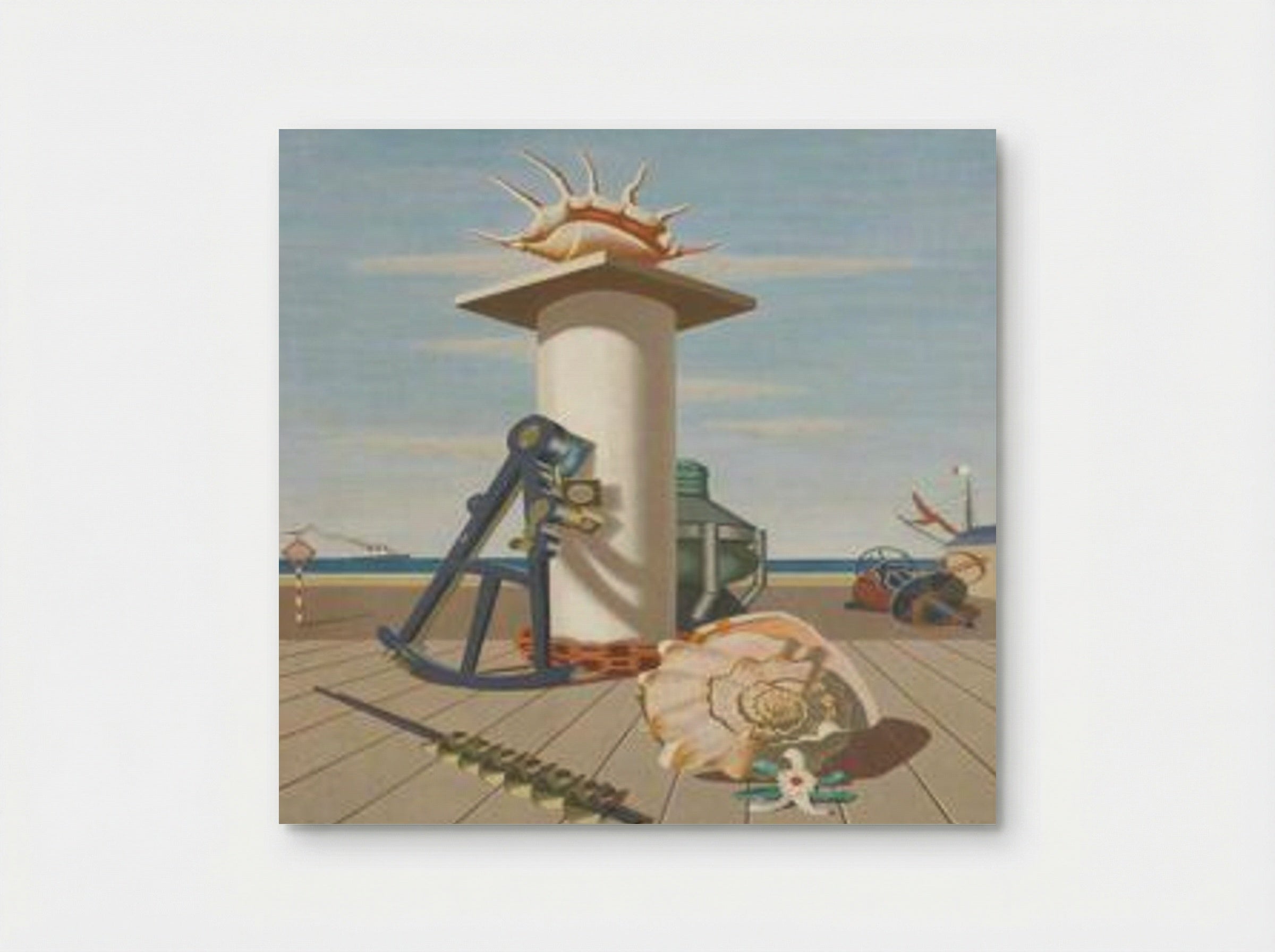 Offing - Edward Wadsworth
Print
Regular price From £37.00 GBPSale price From £37.00 GBP Regular price -
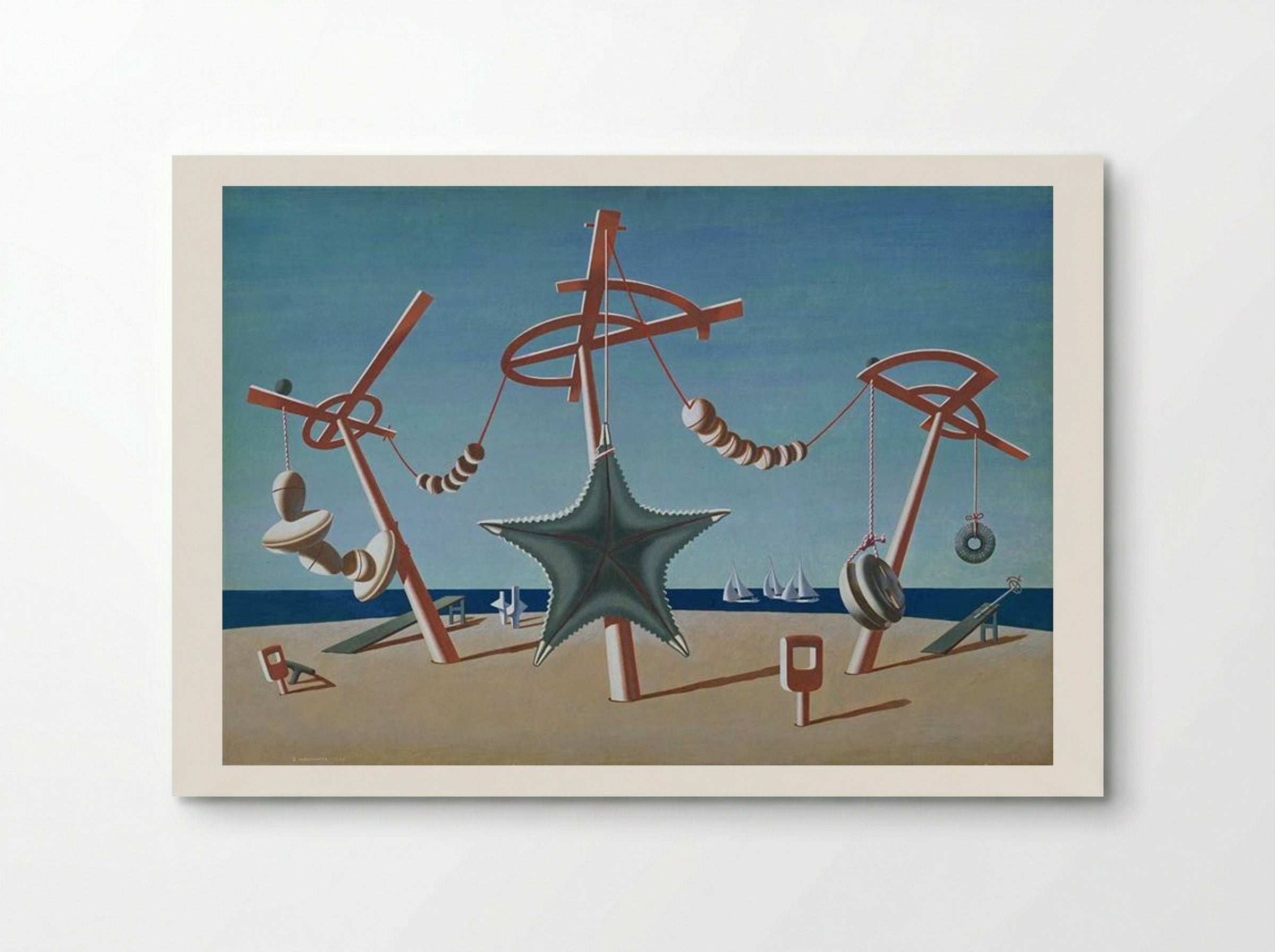
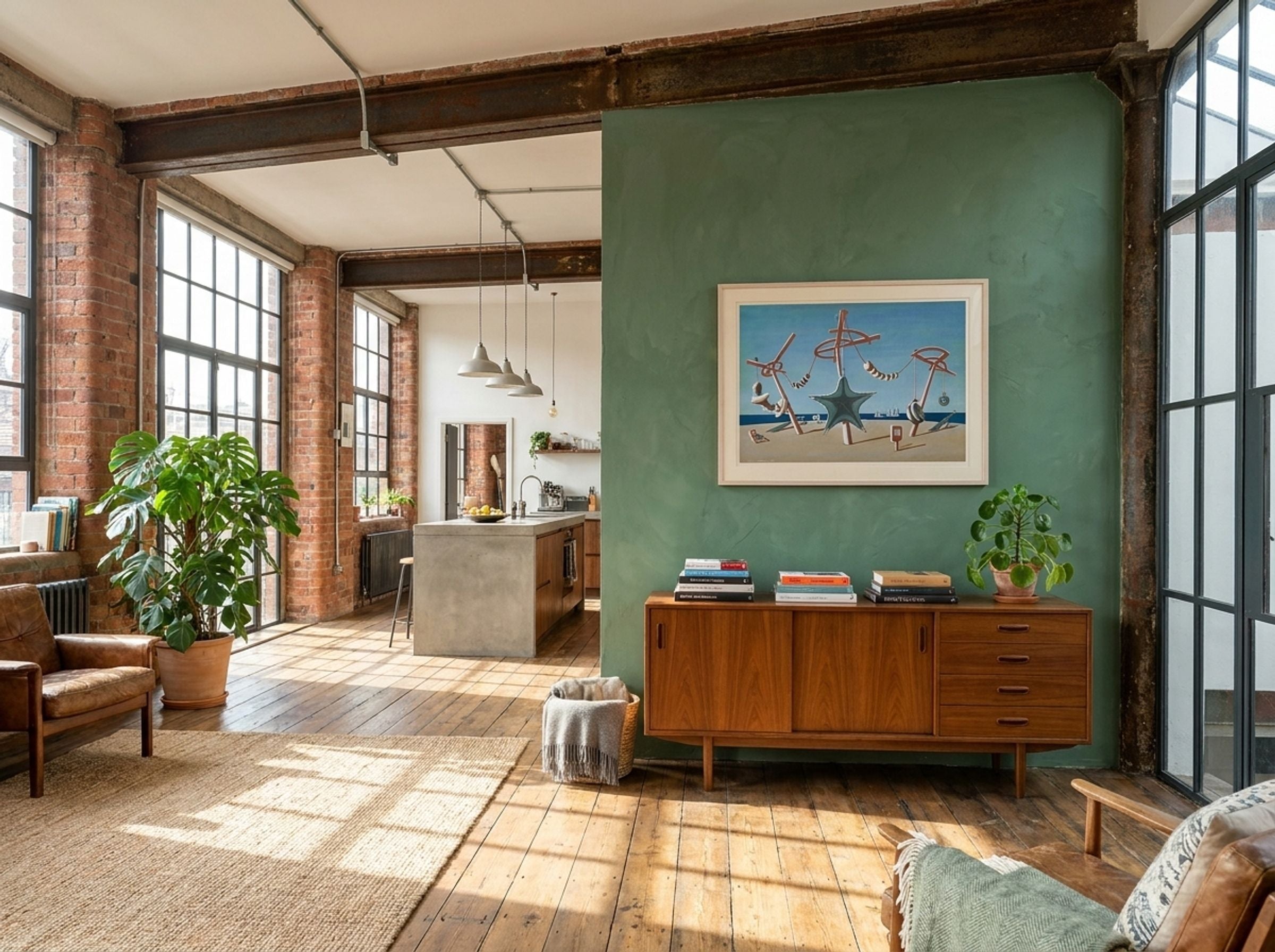 The Beached Margin - Edward Wadsworth
Print · Framed
Regular price From £28.00 GBPSale price From £28.00 GBP Regular price -
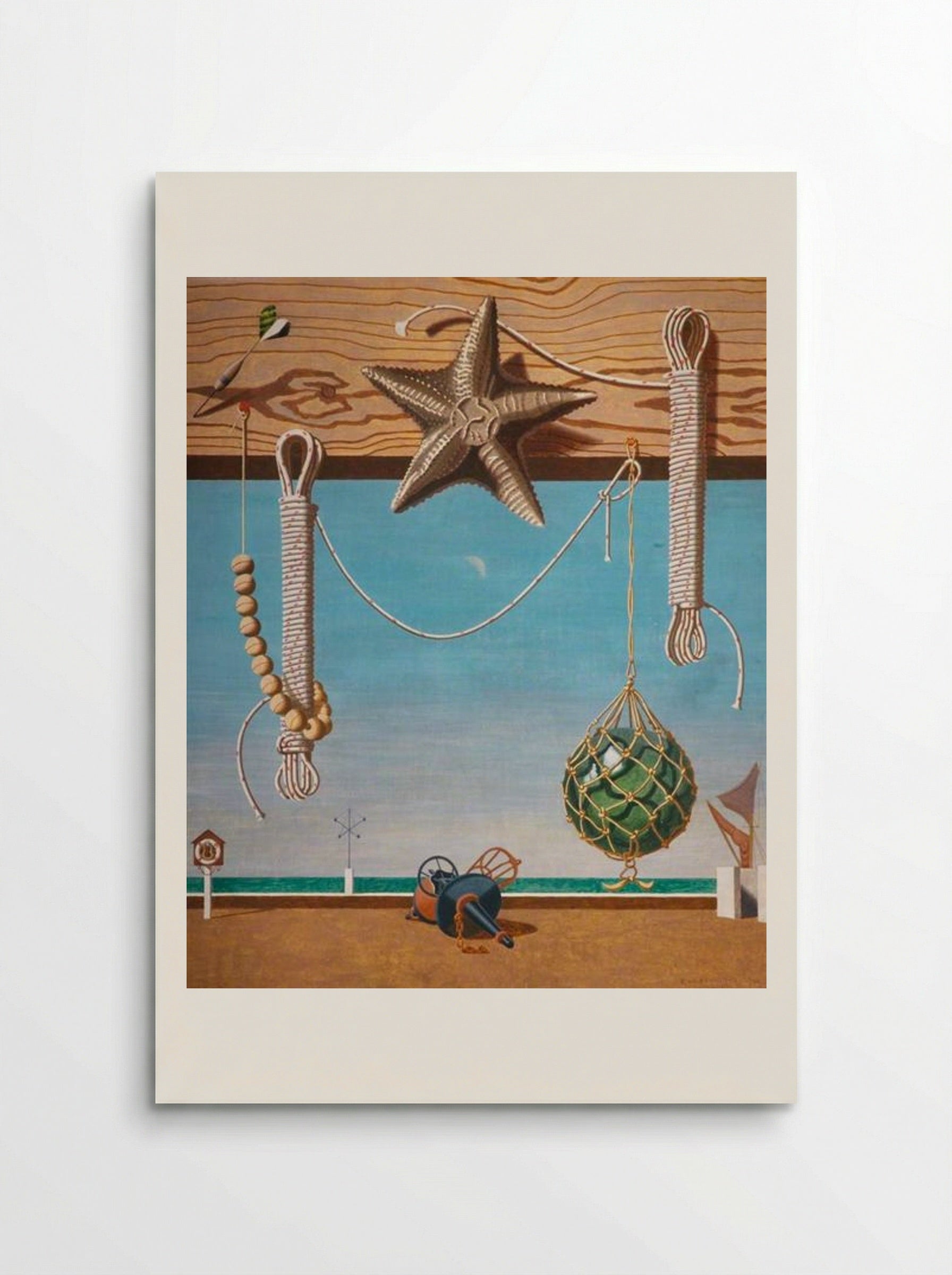
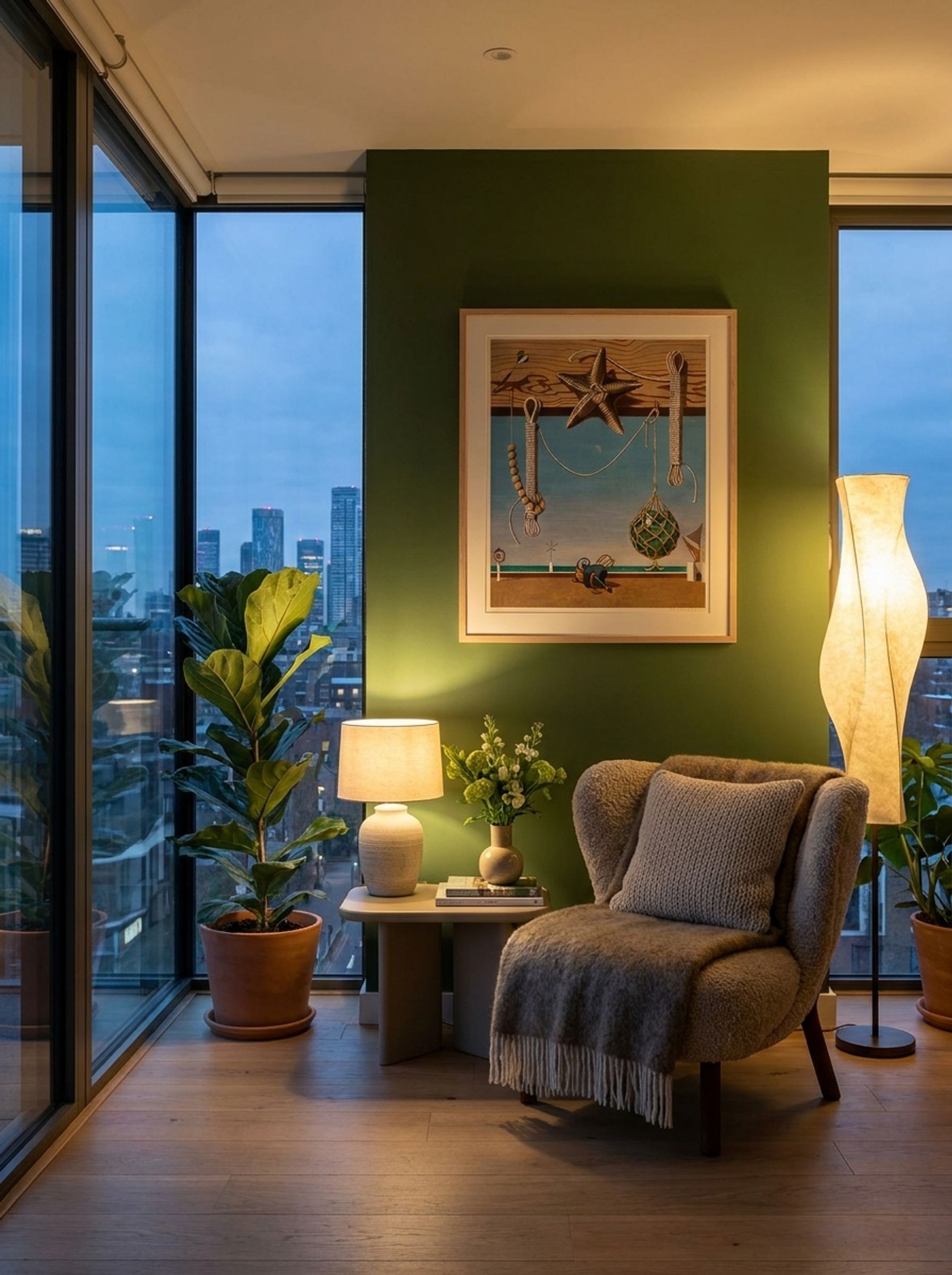 Marine Set - Edward Wadsworth
Print · Framed
Regular price From £28.00 GBPSale price From £28.00 GBP Regular price -
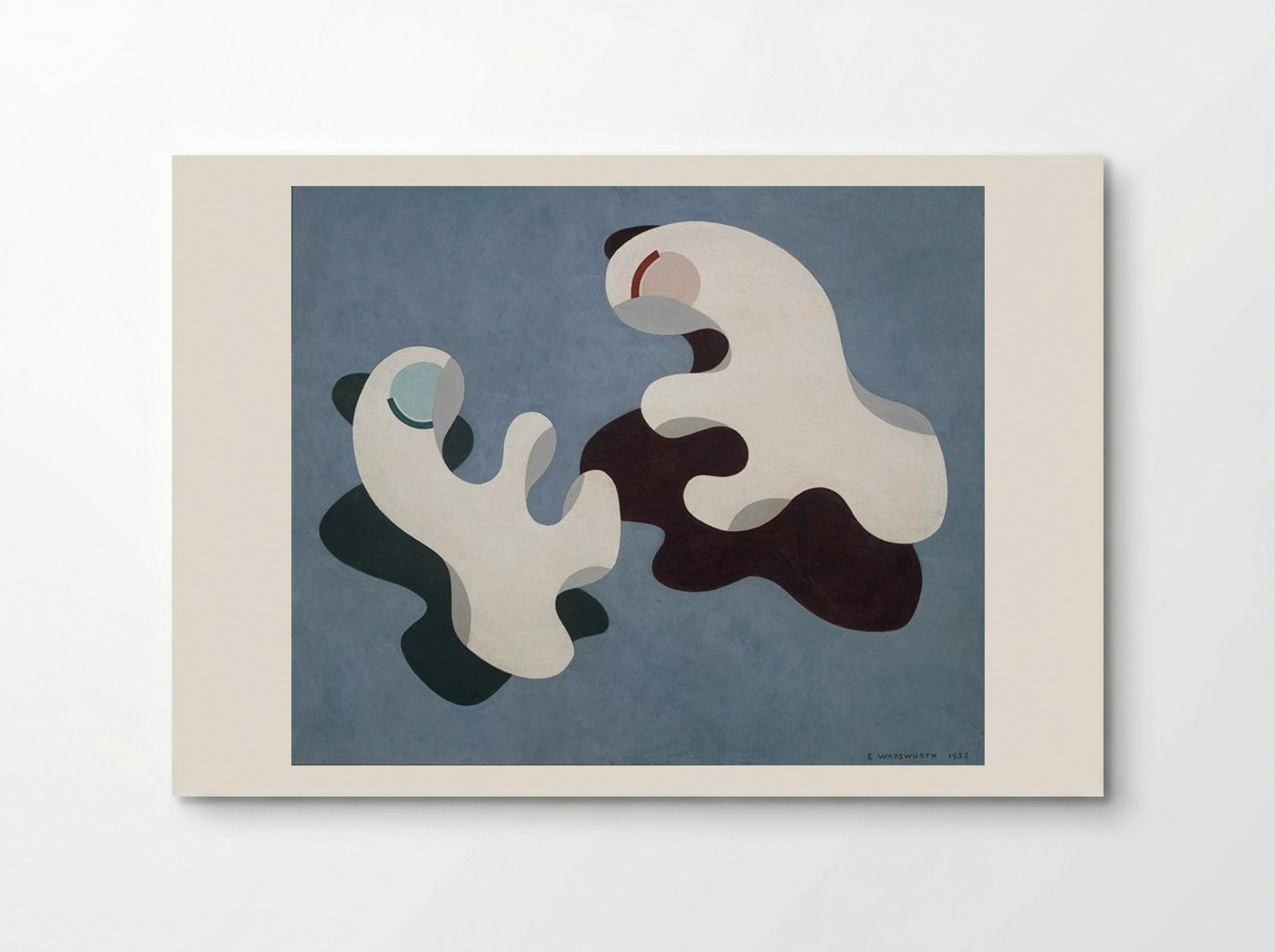
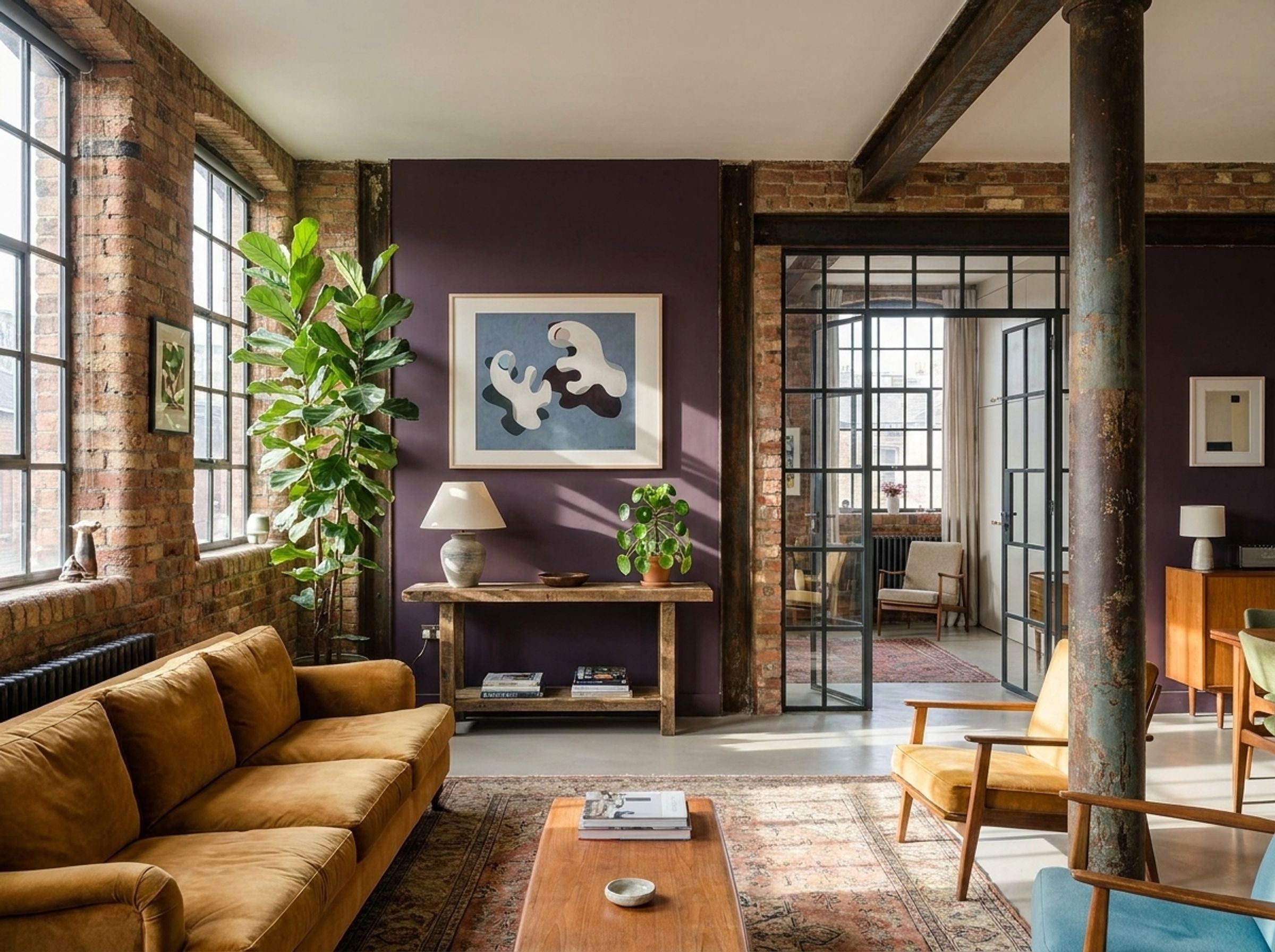 Dux et Comes I - Edward Wadsworth
Print · Framed
Regular price From £28.00 GBPSale price From £28.00 GBP Regular price -
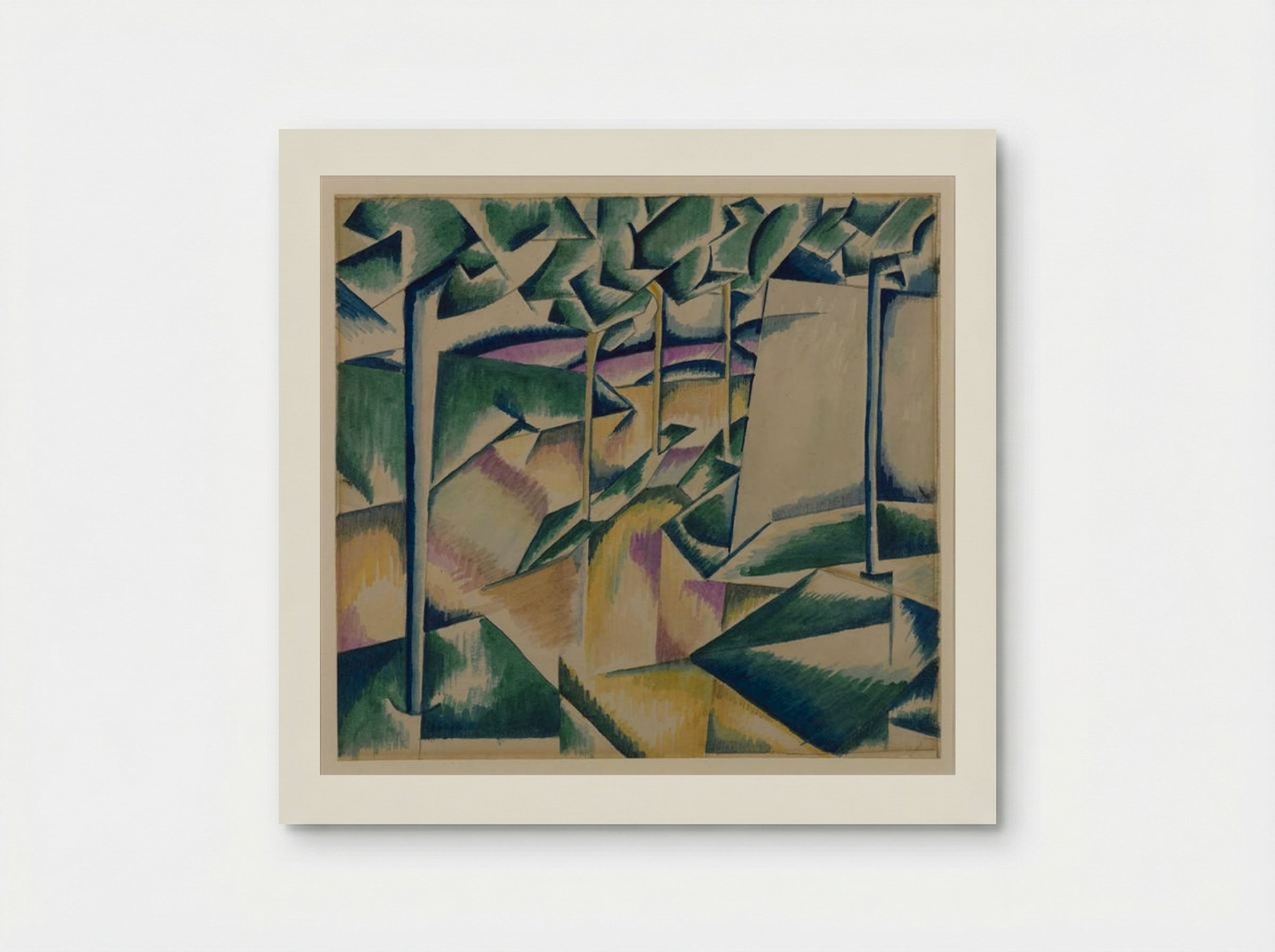
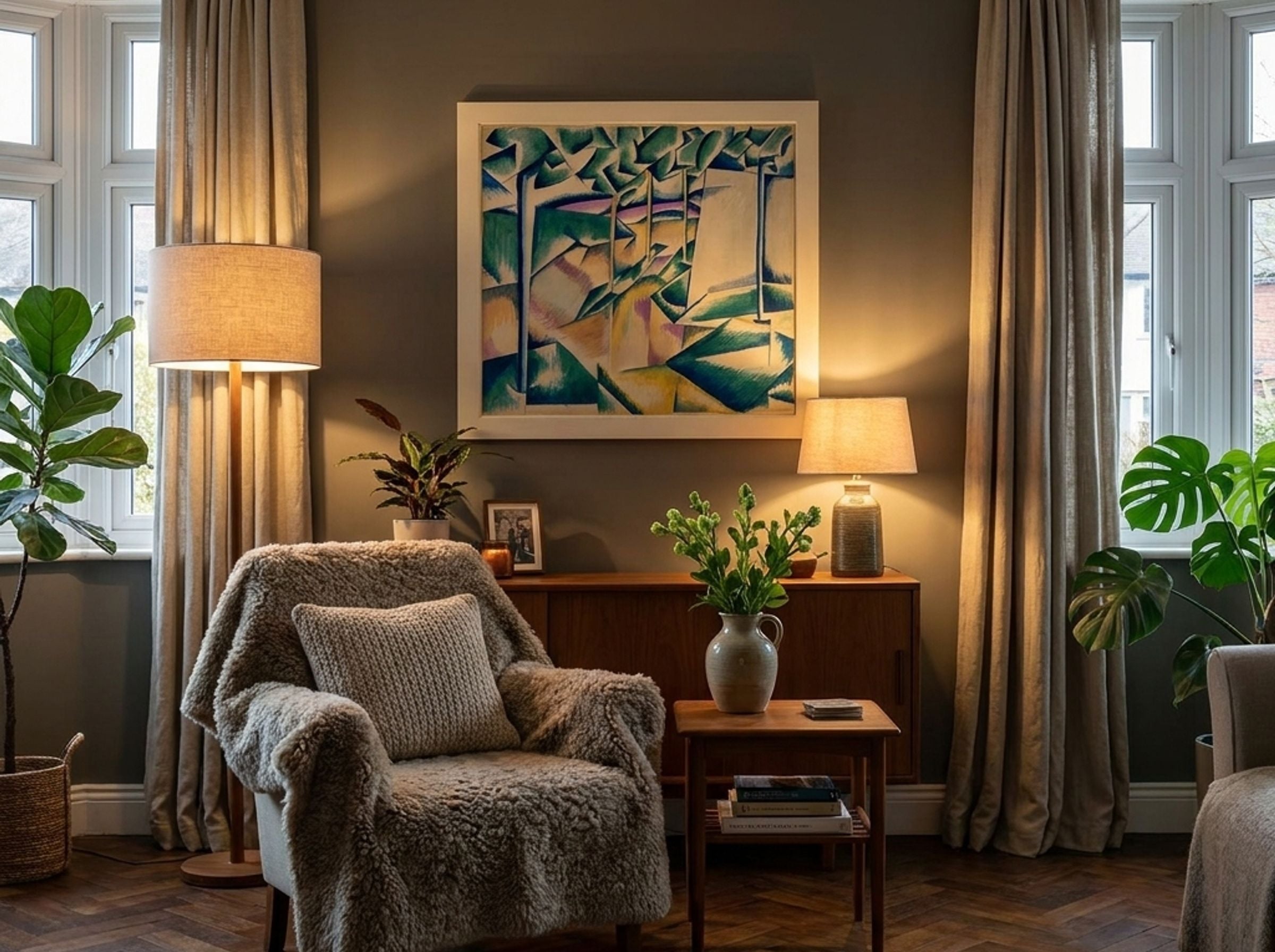 Landscape - Edward Wadsworth
Print · Framed
Regular price From £37.00 GBPSale price From £37.00 GBP Regular price -
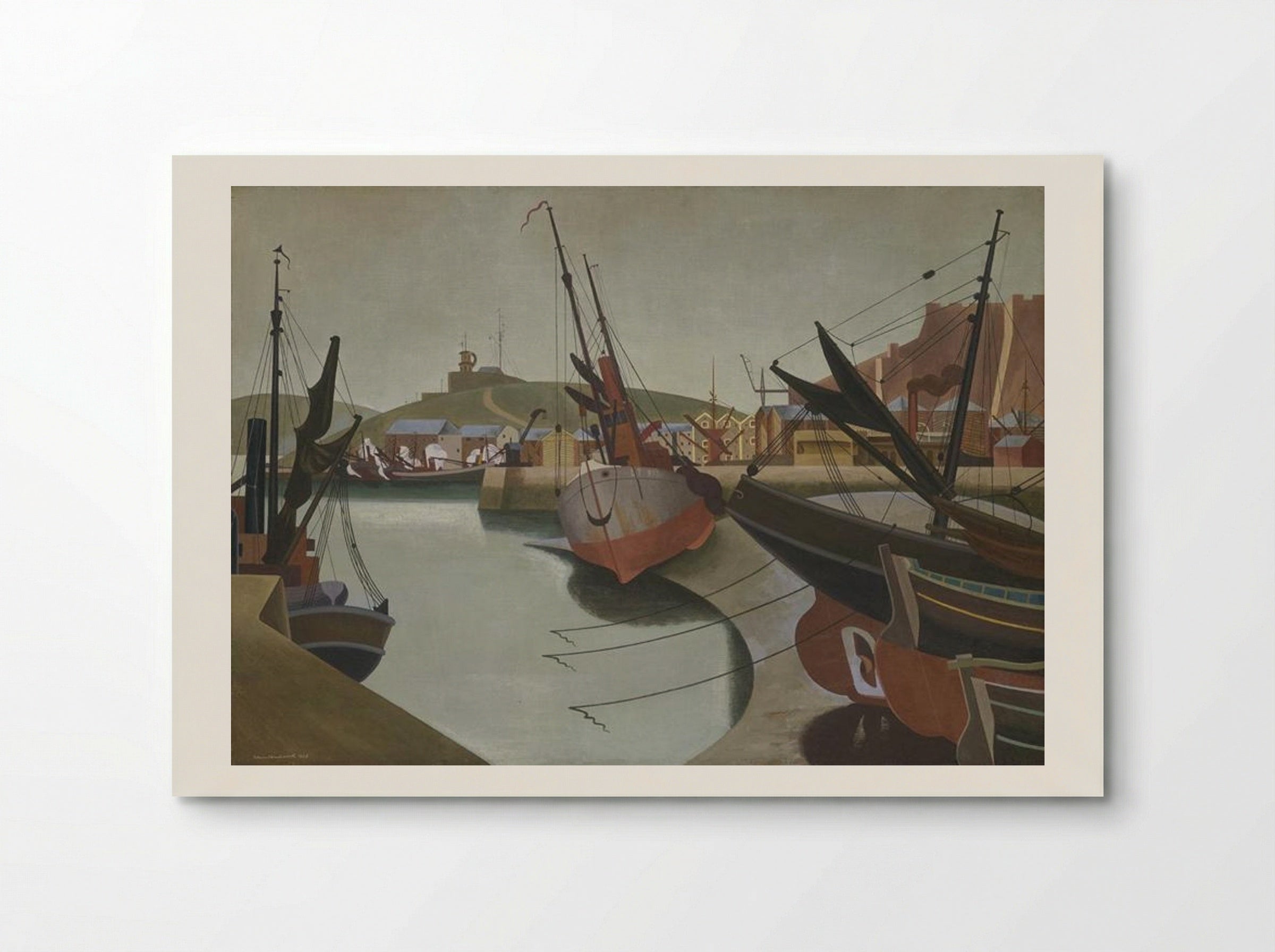
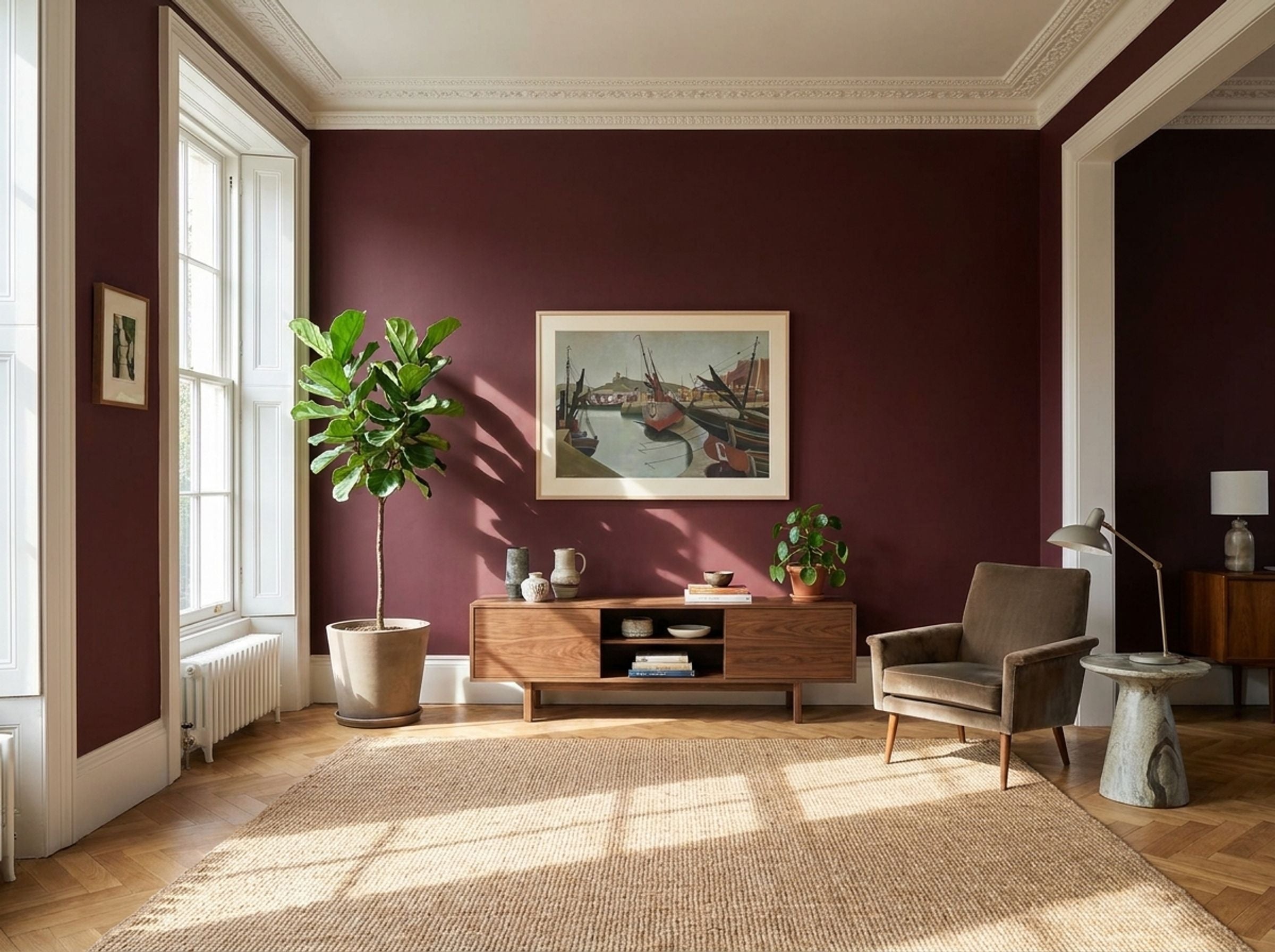 Seaport - Edward Wadsworth
Print · Framed
Regular price From £28.00 GBPSale price From £28.00 GBP Regular price -
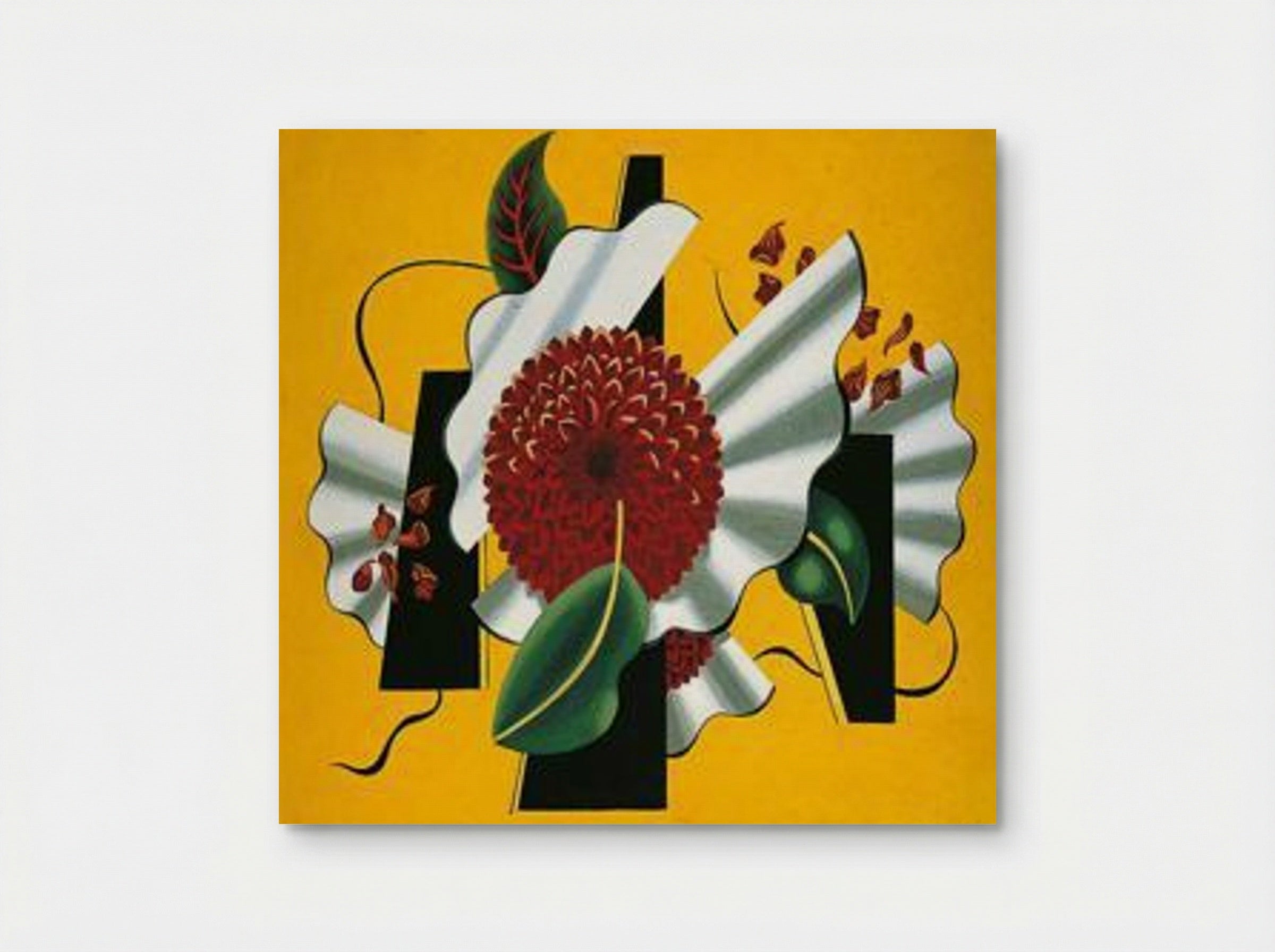
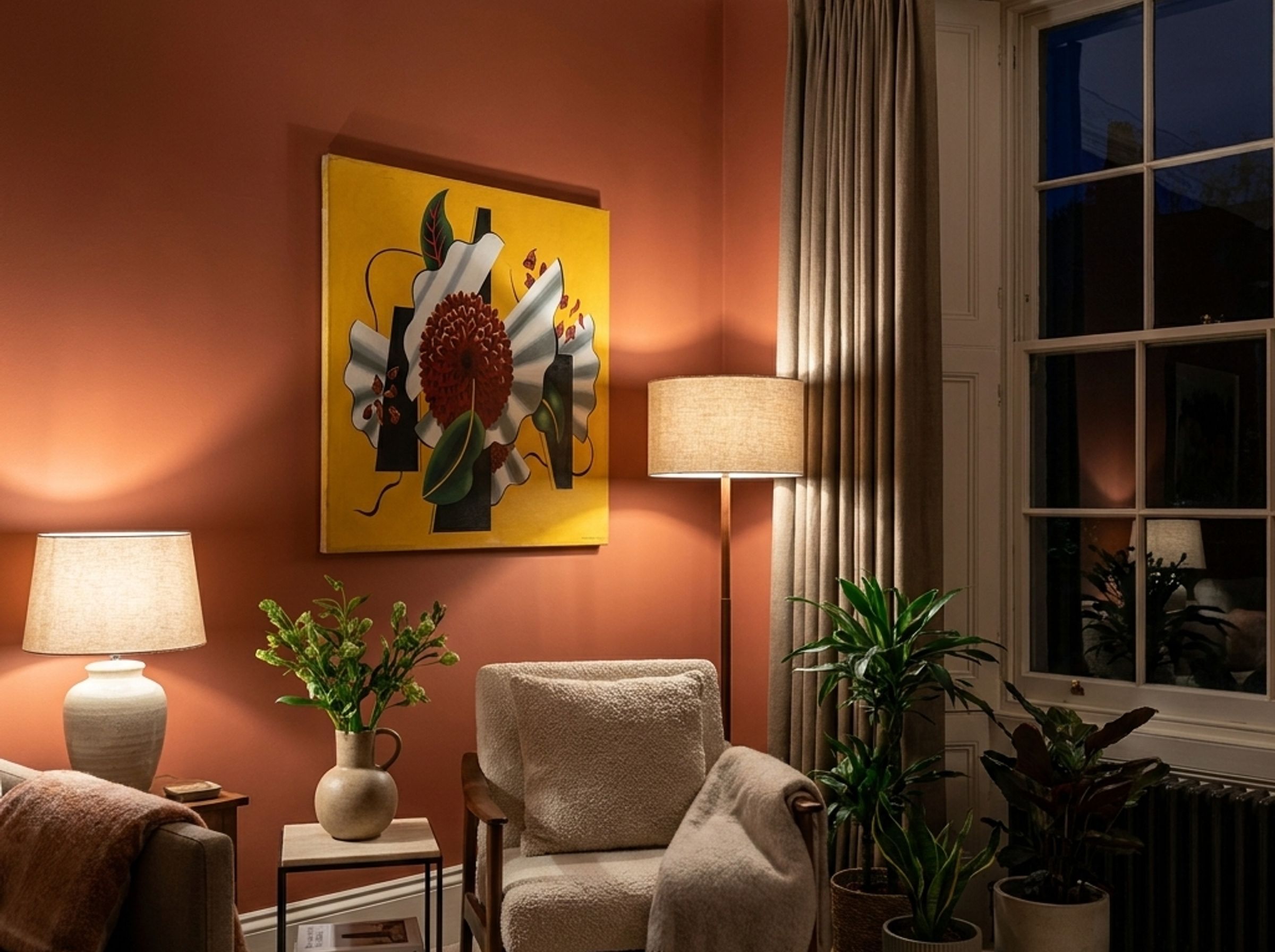 Dahlia - Edward Wadsworth
Print · Framed
Regular price From £37.00 GBPSale price From £37.00 GBP Regular price -
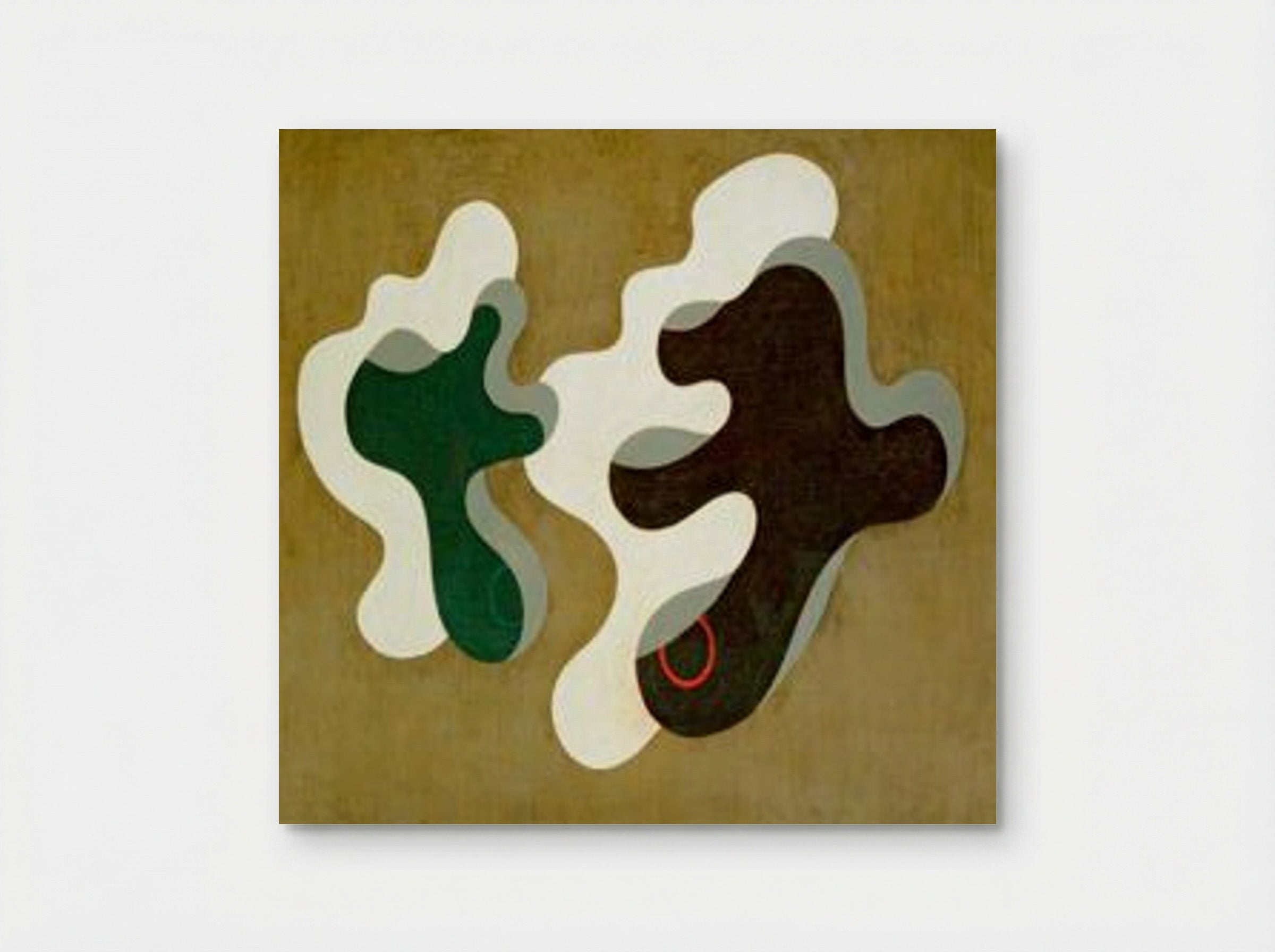
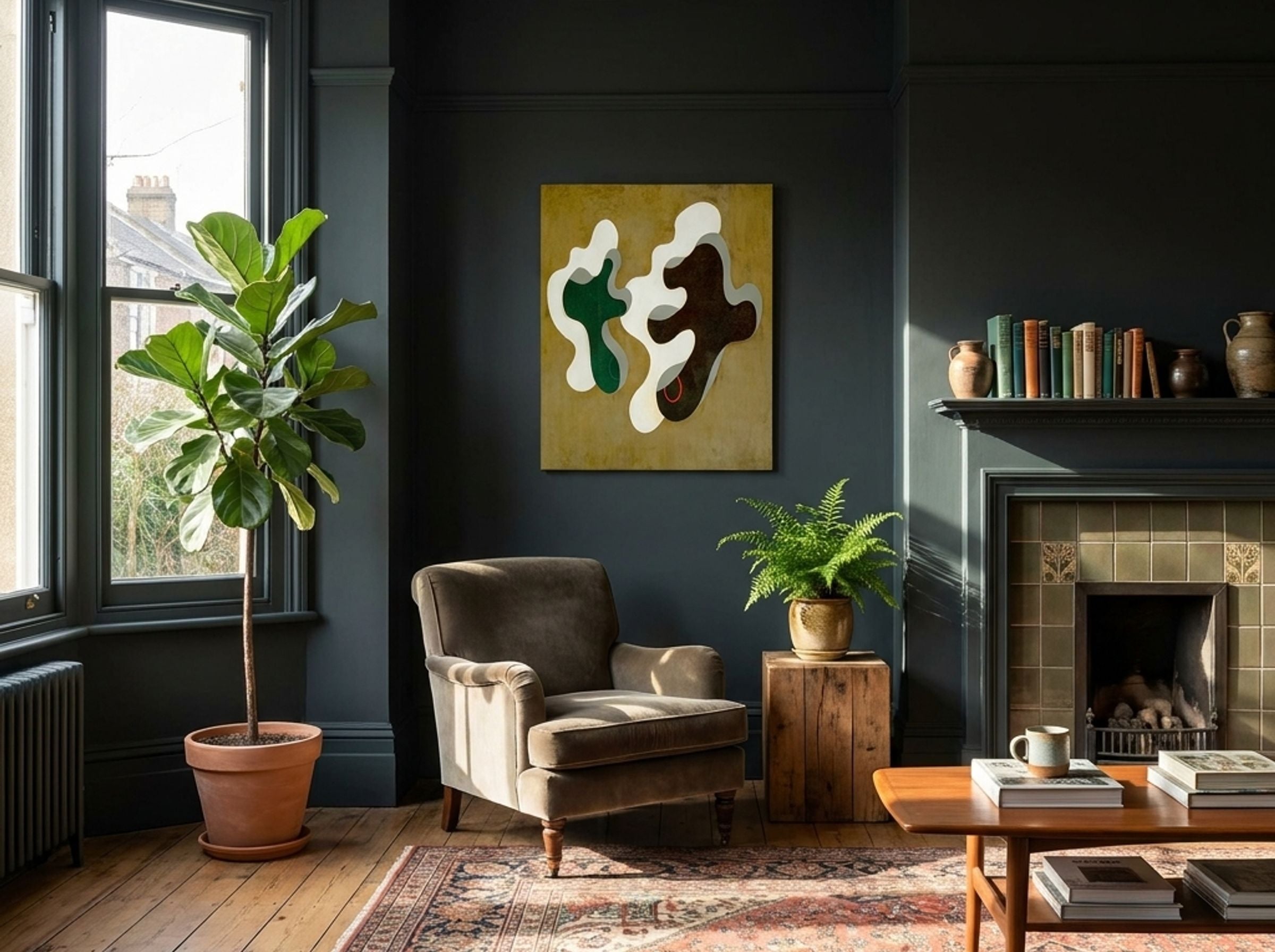 Dux et Comes IV - Edward Wadsworth
Print · Framed
Regular price From £37.00 GBPSale price From £37.00 GBP Regular price

Artist Biography
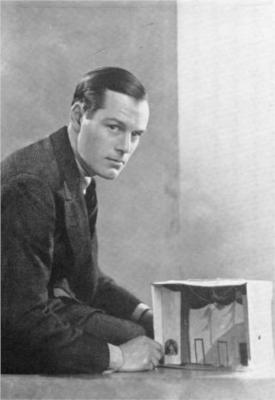
Edward Wadsworth
Edward Wadsworth's most consequential act as an artist may have been bureaucratic rather than painterly. In 1917, as a lieutenant in the Royal Naval Volunteer Reserve, he oversaw the transfer of dazzle camouflage designs to hundreds of Allied ships, an industrial-scale deployment of abstract pattern intended to confuse submarine commanders about a vessel's speed and heading. The project placed his Vorticist training directly in service of the war effort, and the paintings he made from it, including Dazzle-ships in Drydock at Liverpool (1919), stand among the most striking documents of that strange overlap between modernism and military necessity.
Born in Cleckheaton, Yorkshire, in 1889, Wadsworth studied engineering before switching to art, spending time in Munich and then winning a scholarship to the Slade School of Fine Art in London. By 1914 he was a signatory of the Vorticist Manifesto and a contributor to BLAST, the movement's combative journal. His pre-war work shared Vorticism's love of hard angles and mechanical force, applied to the industrial landscapes of the Black Country where he grew up.
After the war he moved away from abstraction, adopting tempera as his primary medium and concentrating on coastal still lifes: rope, anchors, shells, and nautical equipment arranged against flat backgrounds or grey sea horizons. The shift aligned him with a broader European return to representational order, and these later compositions earned him election as an Associate of the Royal Academy in 1943. He died in Bayswater in June 1949, having moved through nearly every major mode of British modernism without fully belonging to any of them.
Born in Cleckheaton, Yorkshire, in 1889, Wadsworth studied engineering before switching to art, spending time in Munich and then winning a scholarship to the Slade School of Fine Art in London. By 1914 he was a signatory of the Vorticist Manifesto and a contributor to BLAST, the movement's combative journal. His pre-war work shared Vorticism's love of hard angles and mechanical force, applied to the industrial landscapes of the Black Country where he grew up.
After the war he moved away from abstraction, adopting tempera as his primary medium and concentrating on coastal still lifes: rope, anchors, shells, and nautical equipment arranged against flat backgrounds or grey sea horizons. The shift aligned him with a broader European return to representational order, and these later compositions earned him election as an Associate of the Royal Academy in 1943. He died in Bayswater in June 1949, having moved through nearly every major mode of British modernism without fully belonging to any of them.


Why Choose Us ?