

Collection
William Orpen
Explore curated art prints selected for distinctive homes and considered interiors.
Suggested filters
-
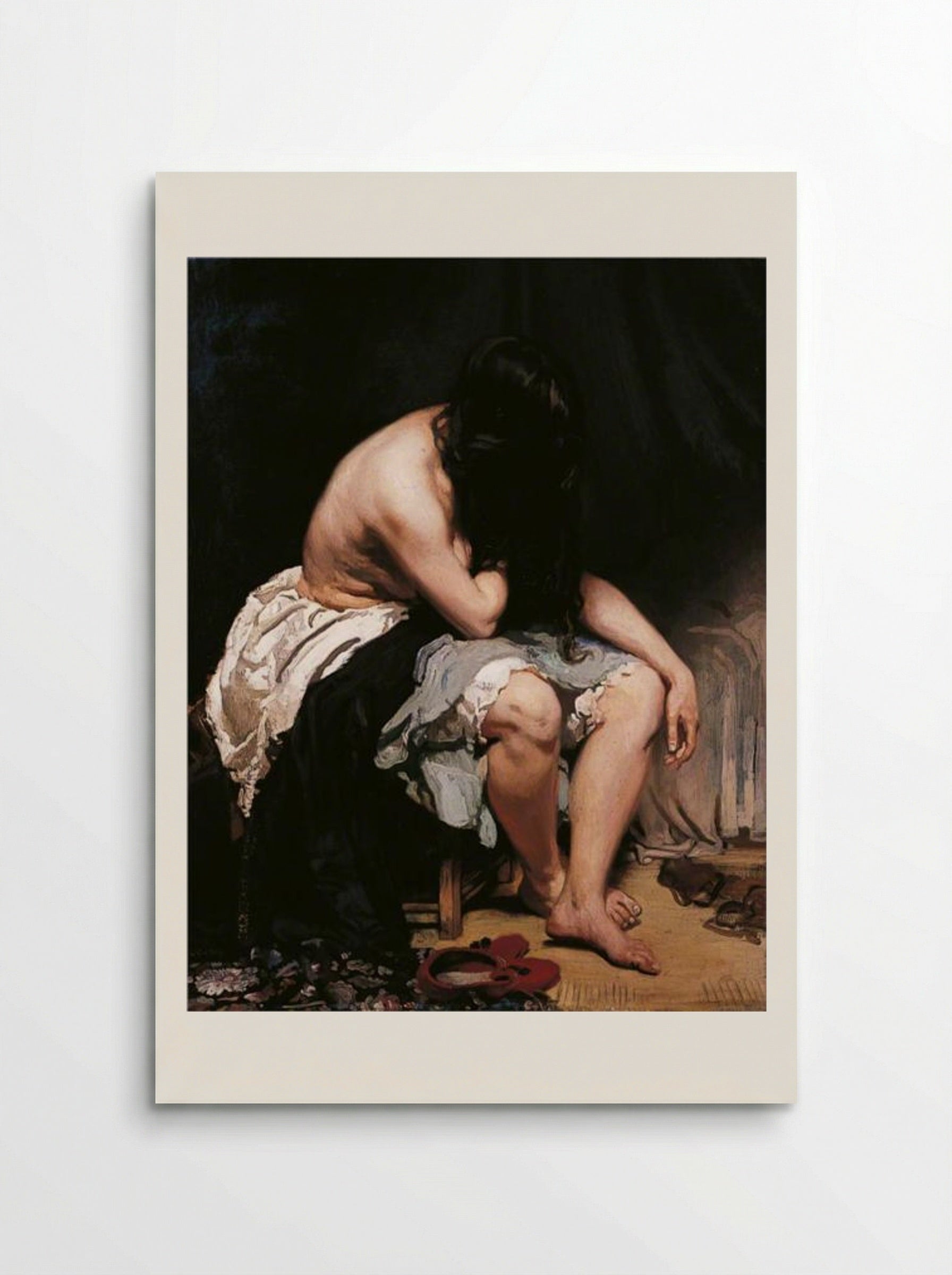
 The Spanish Woman - William Orpen
Print · Framed
Regular price From £28.00 GBPSale price From £28.00 GBP Regular price -

 Nude Study of a Seated Woman - William Orpen
Print · Framed · Canvas
Regular price From £28.00 GBPSale price From £28.00 GBP Regular price -

 To the Unknown British Soldier in France - William Orpen
Print · Framed · Canvas
Regular price From £30.00 GBPSale price From £30.00 GBP Regular price -

 Charles Buller Heberden, Principal - William Orpen
Print · Framed · Canvas
Regular price From £30.00 GBPSale price From £30.00 GBP Regular price -

 Sir Edwin Ray Lankester - Sir William Orpen
Print · Framed · Canvas
Regular price From £30.00 GBPSale price From £30.00 GBP Regular price -
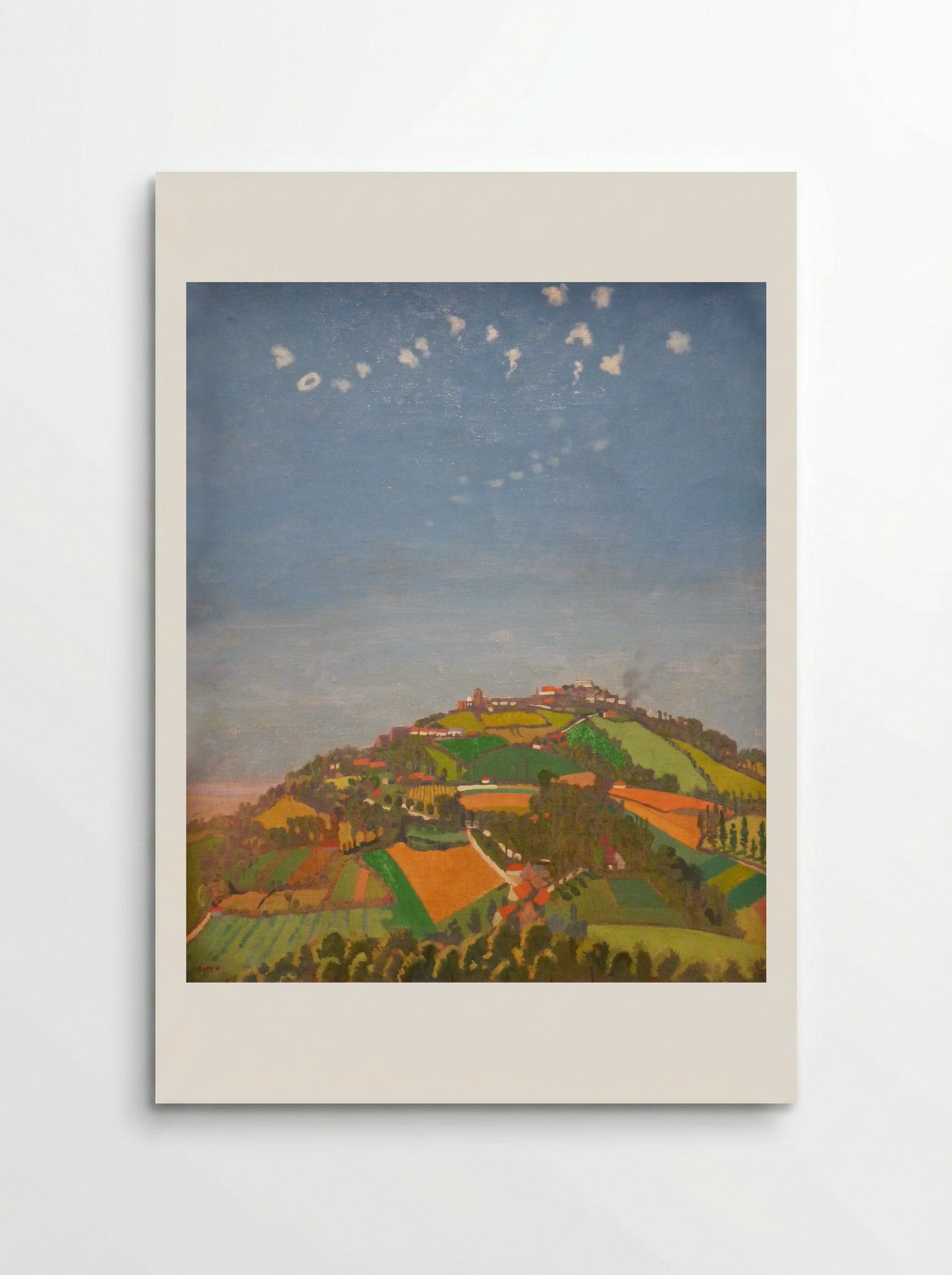 German Planes Visiting Cassel - William Orpen
Print
Regular price From £28.00 GBPSale price From £28.00 GBP Regular price -
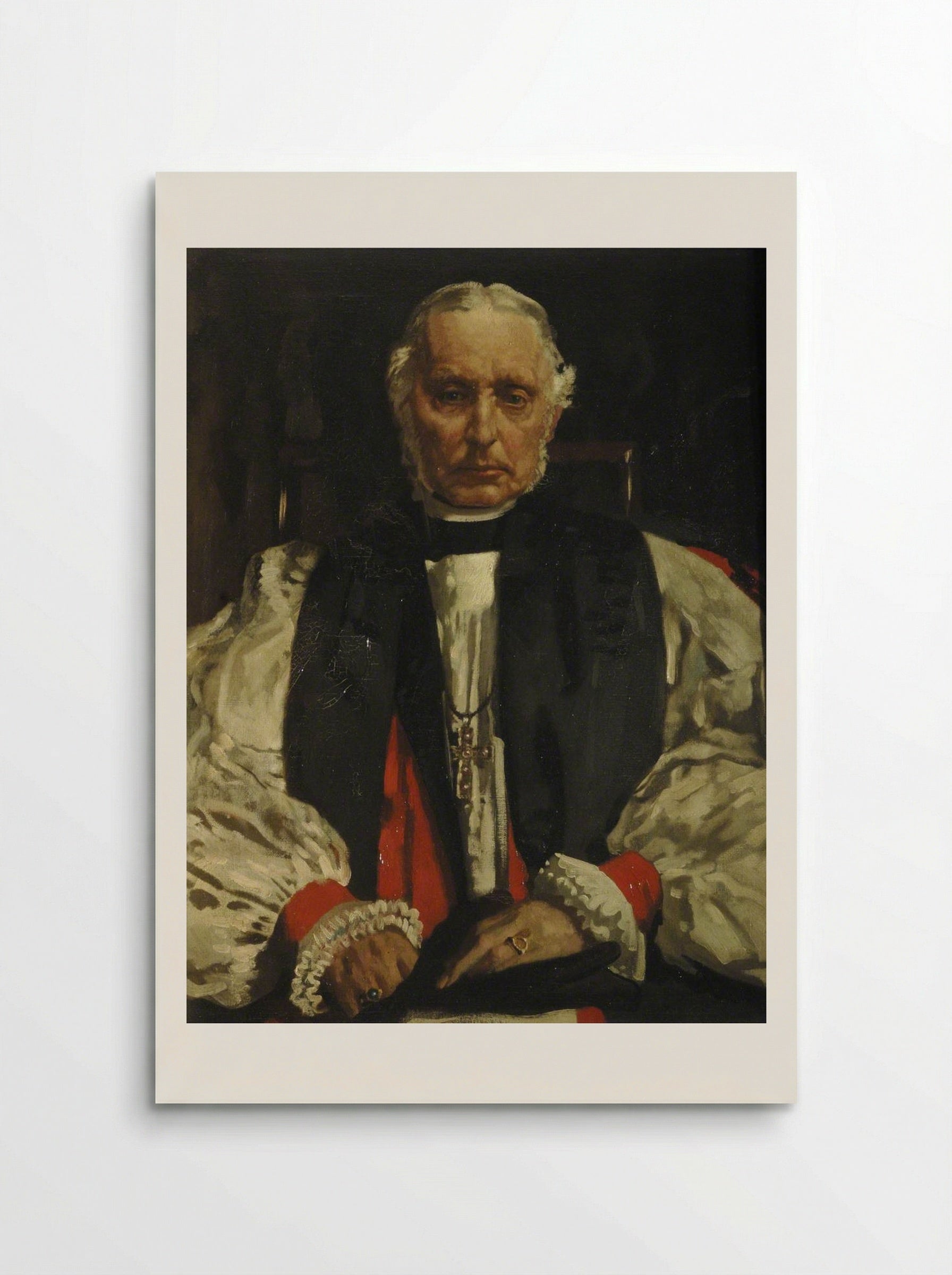 William West Jones - William Orpen
Print
Regular price From £28.00 GBPSale price From £28.00 GBP Regular price -
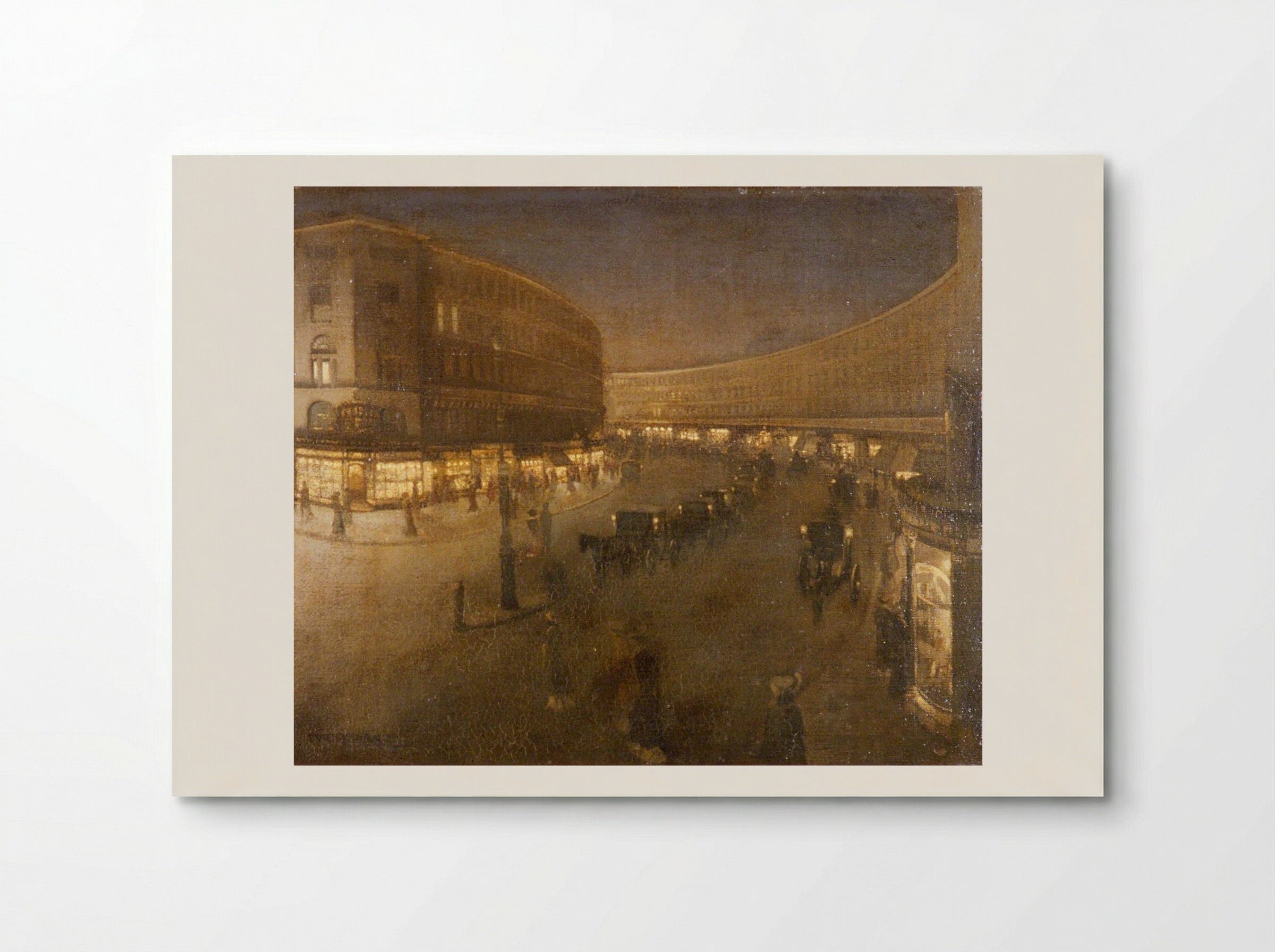 Regent Street, London - William Orpen
Print
Regular price From £28.00 GBPSale price From £28.00 GBP Regular price -
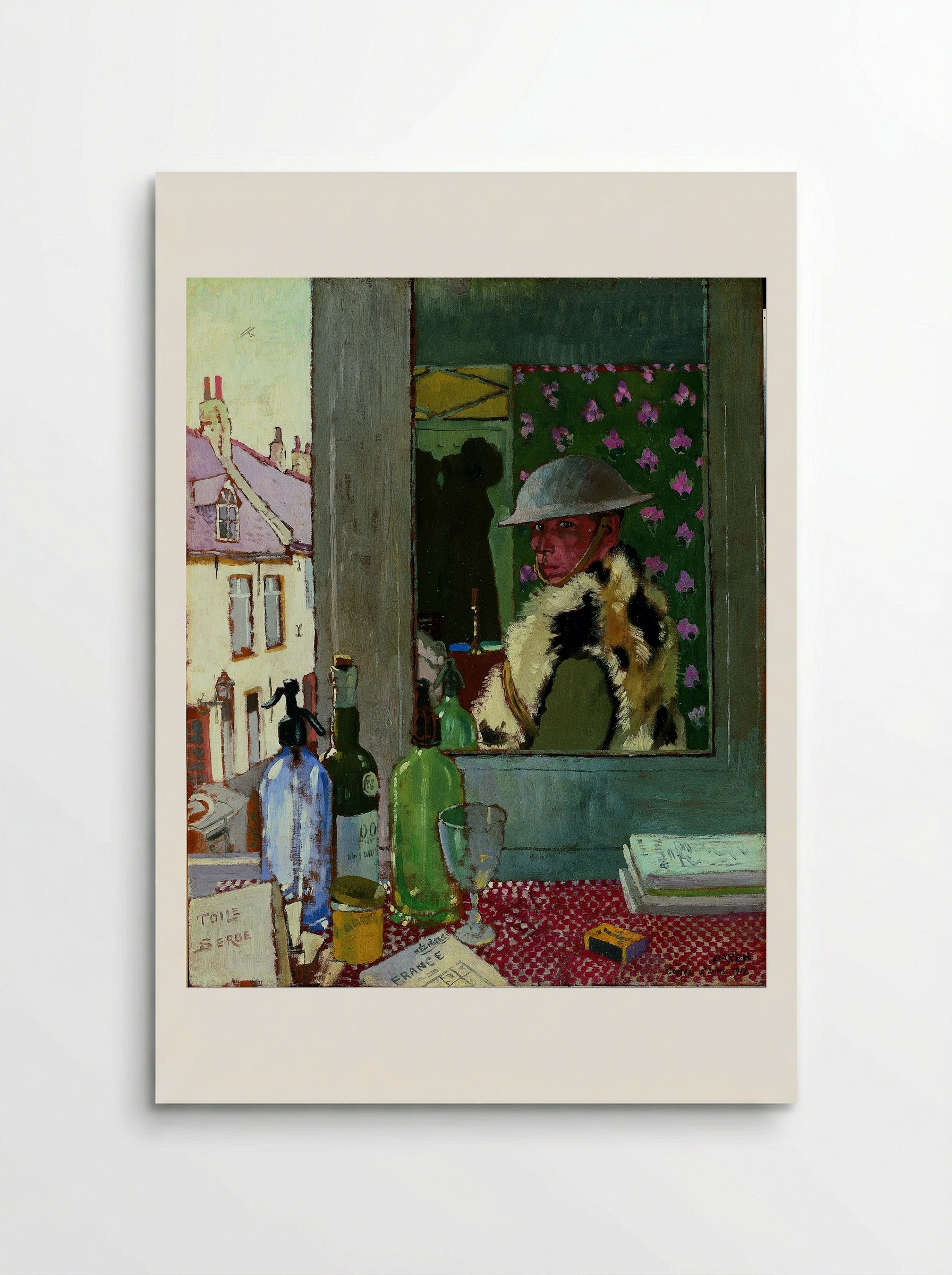 Ready to Start Self-Portrait - William Orpen
Print
Regular price From £28.00 GBPSale price From £28.00 GBP Regular price -
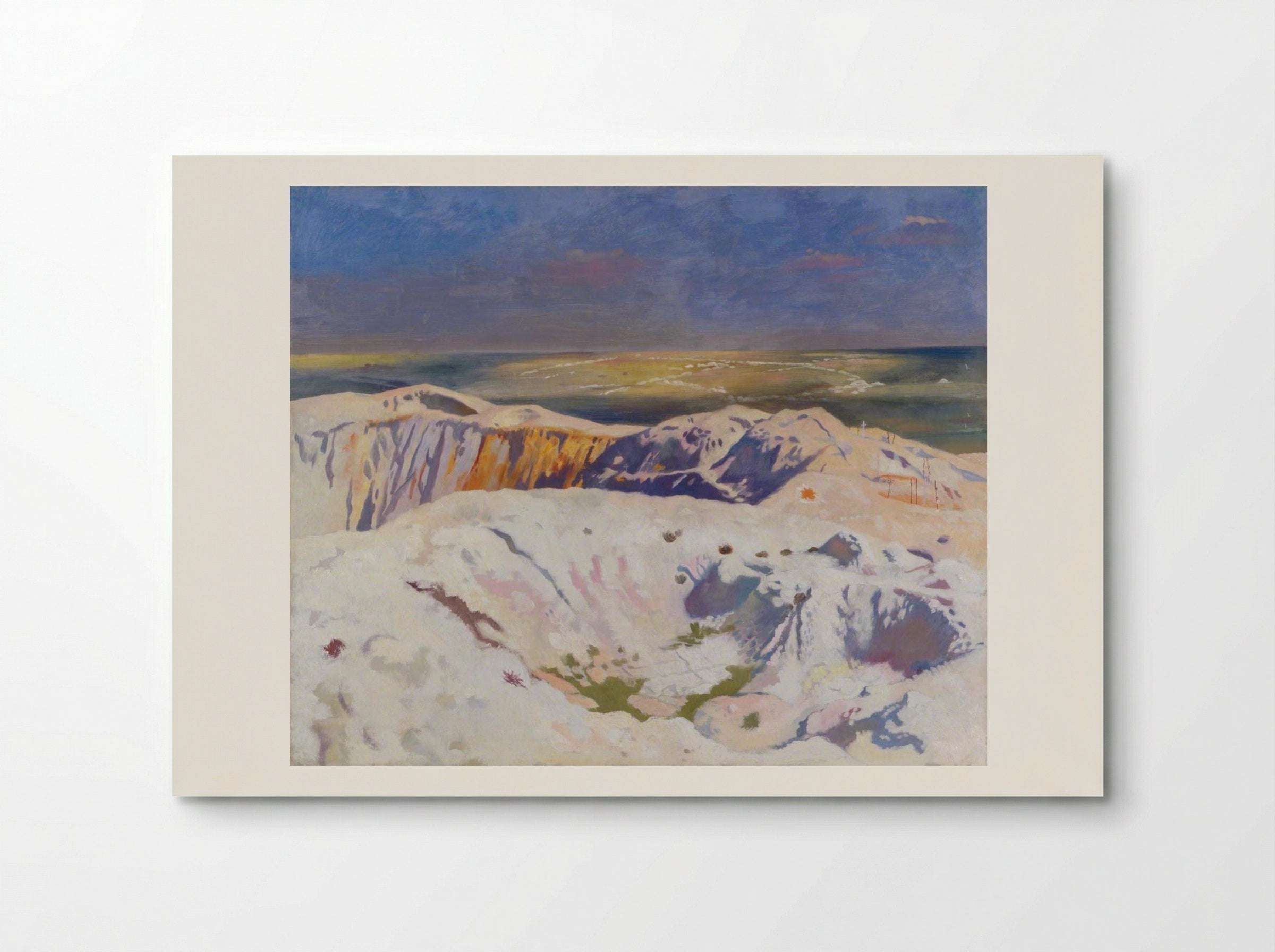 The Big Crater - Sir William Orpen
Print
Regular price From £28.00 GBPSale price From £28.00 GBP Regular price -
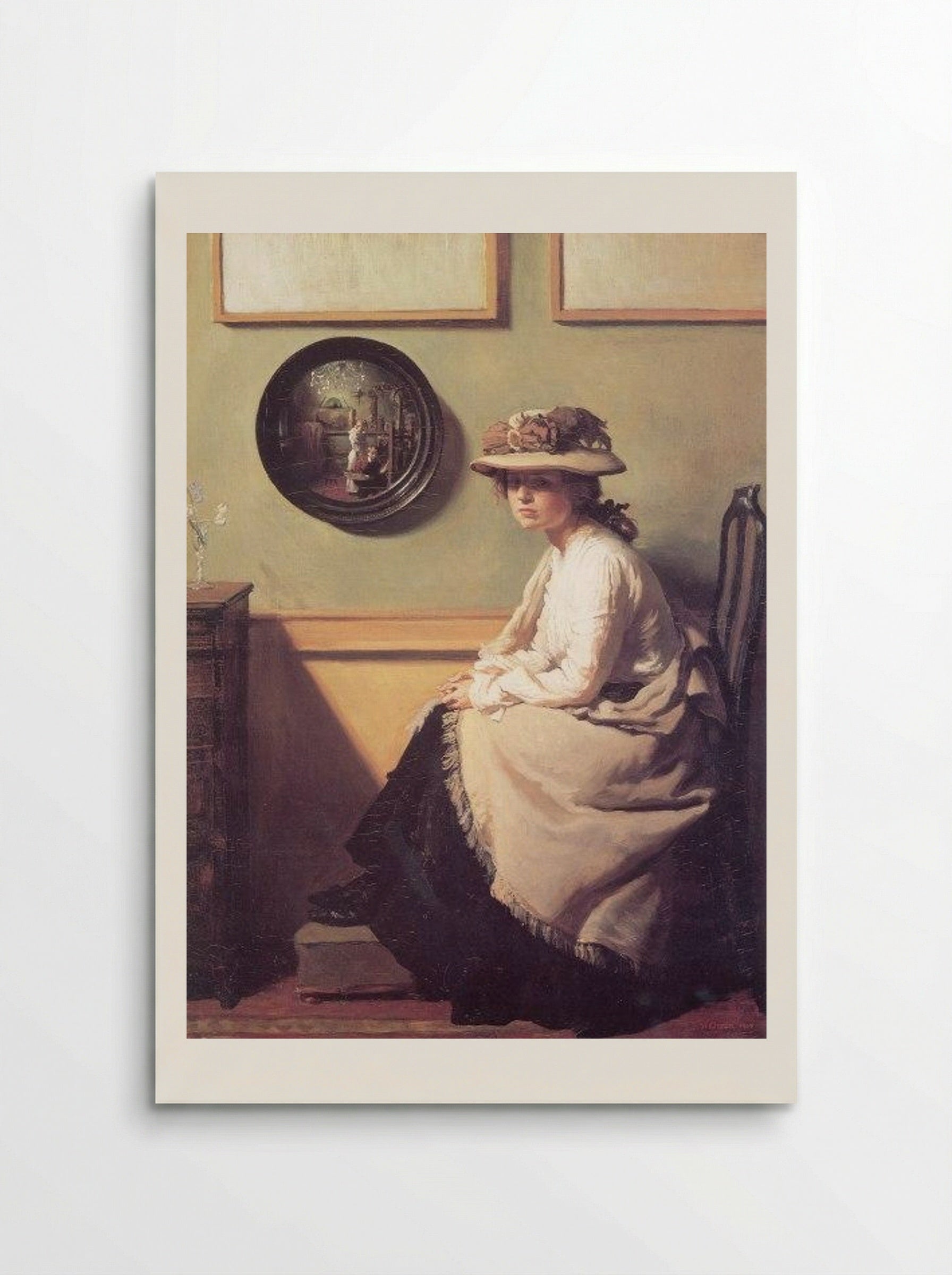 The Mirror - William Orpen
Print
Regular price From £28.00 GBPSale price From £28.00 GBP Regular price -
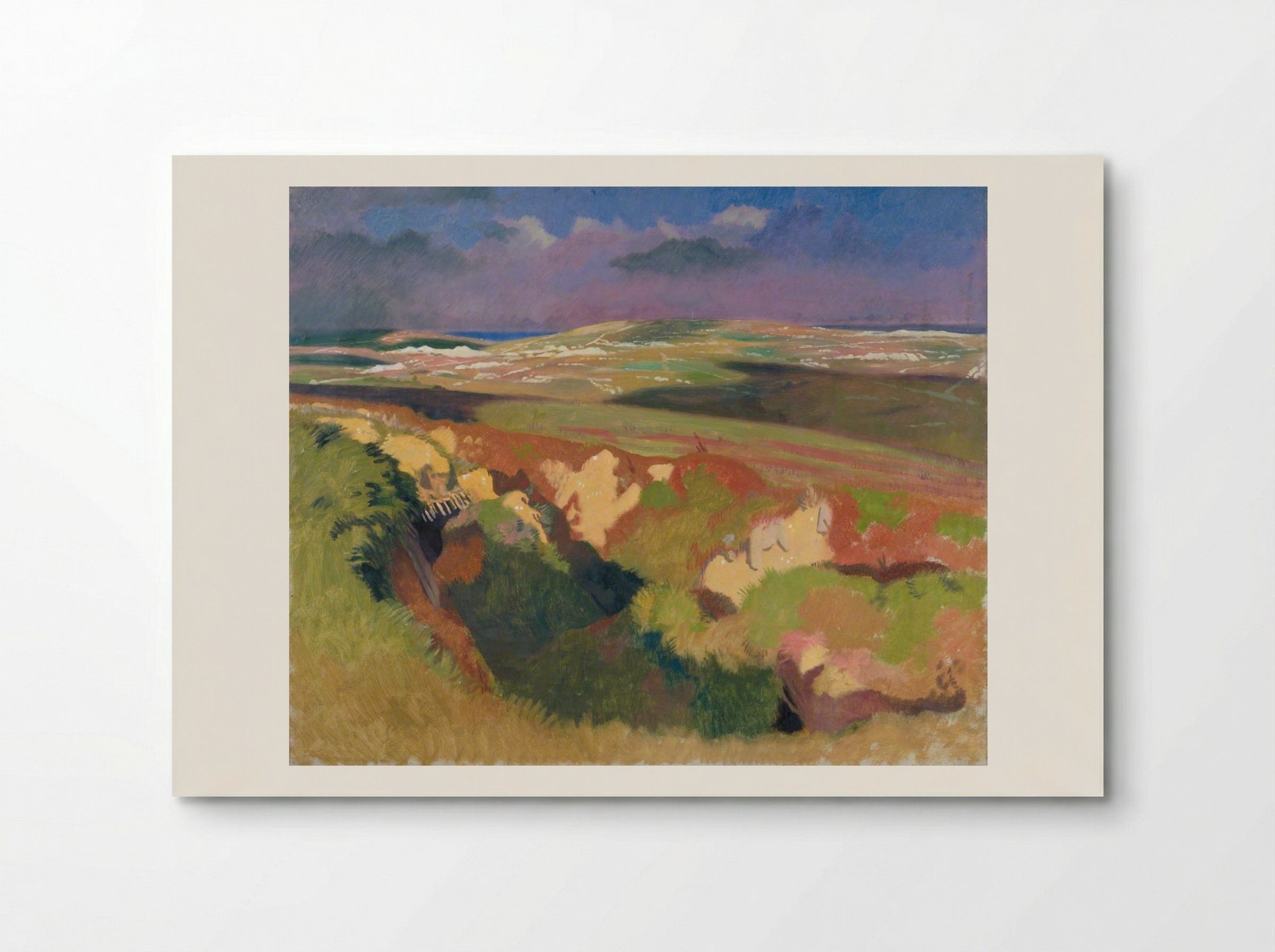 View from the Old British Trenches, Looking towards La Boisselle, Courcelette on the Left, Martinpuich on the Right - Sir William Orpen
Print
Regular price From £28.00 GBPSale price From £28.00 GBP Regular price -
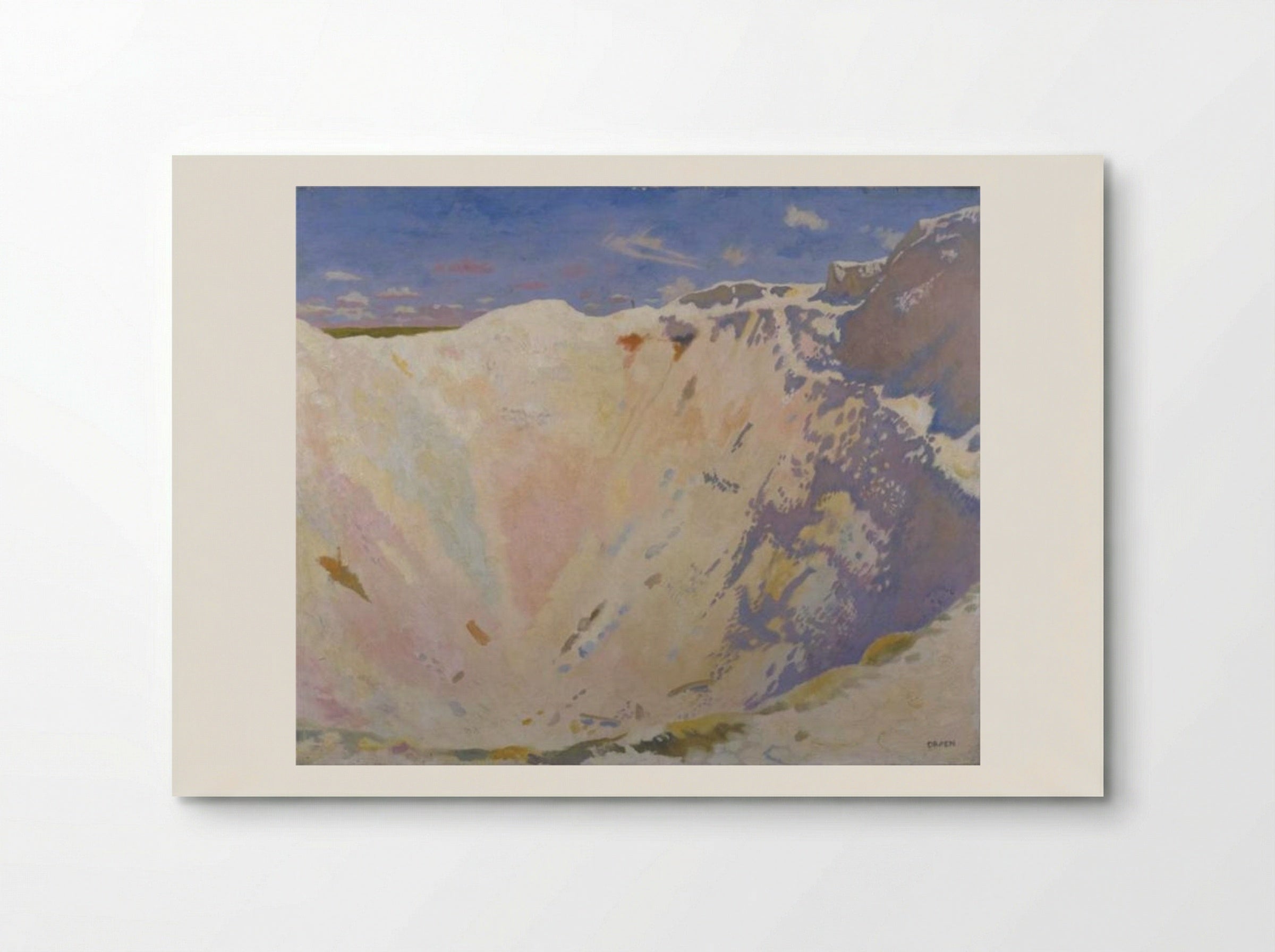 Inside a Small Mine Crater, La Boisselle - William Orpen
Print
Regular price From £28.00 GBPSale price From £28.00 GBP Regular price -
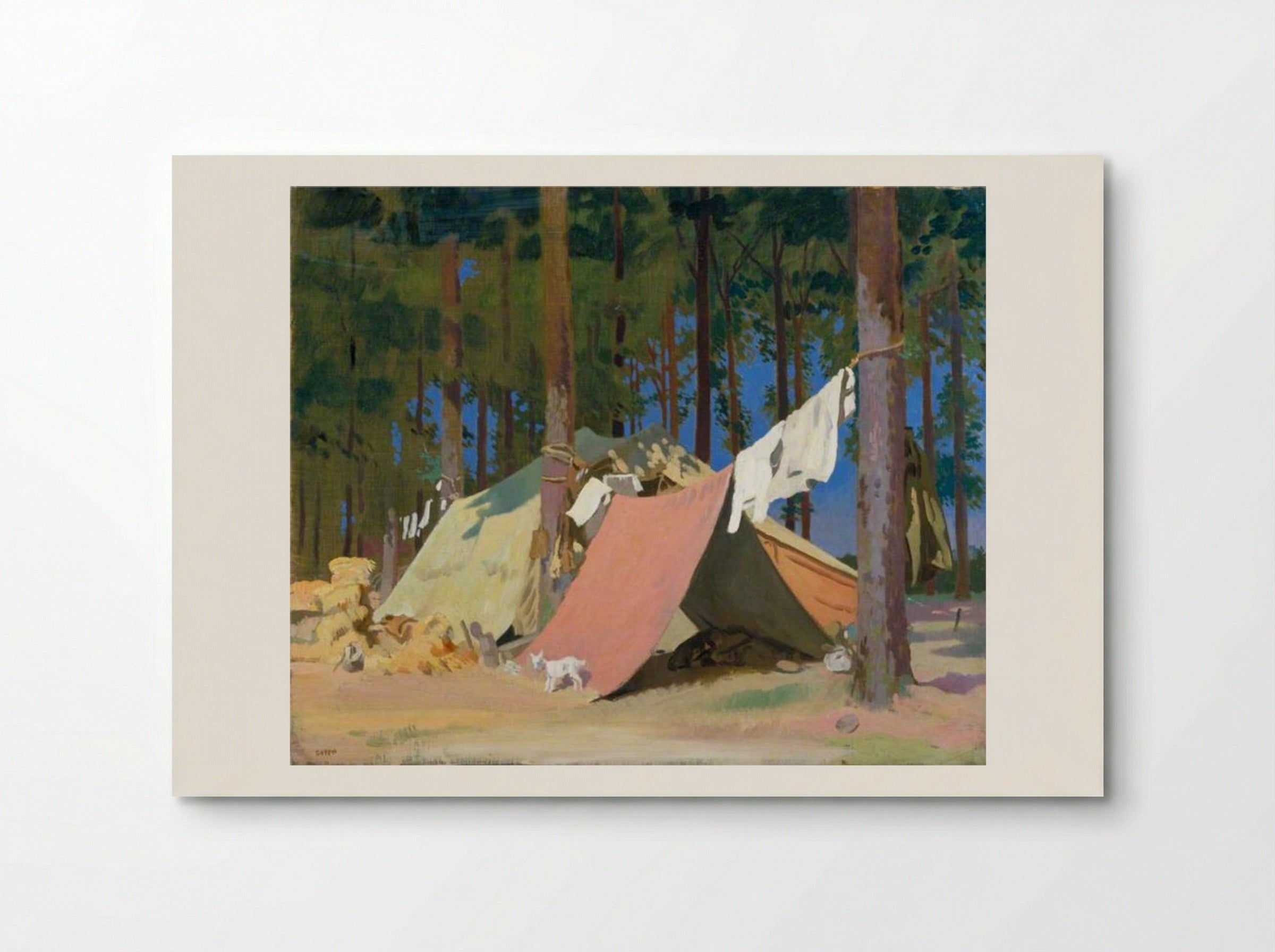 The Mascot of the Coldstream Guards - William Orpen
Print
Regular price From £28.00 GBPSale price From £28.00 GBP Regular price -
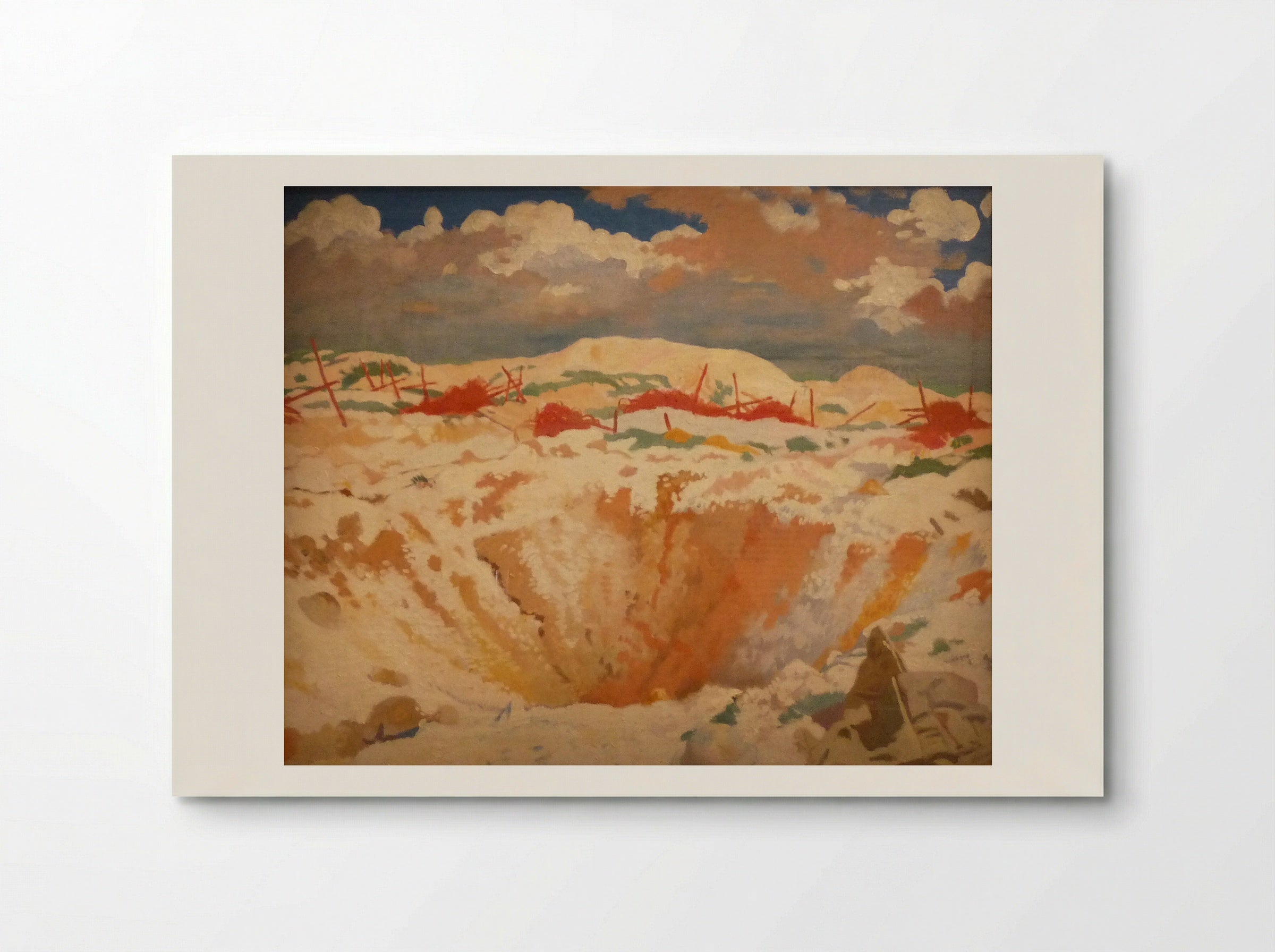 German Wire, Thiepval - William Orpen
Print
Regular price From £28.00 GBPSale price From £28.00 GBP Regular price -
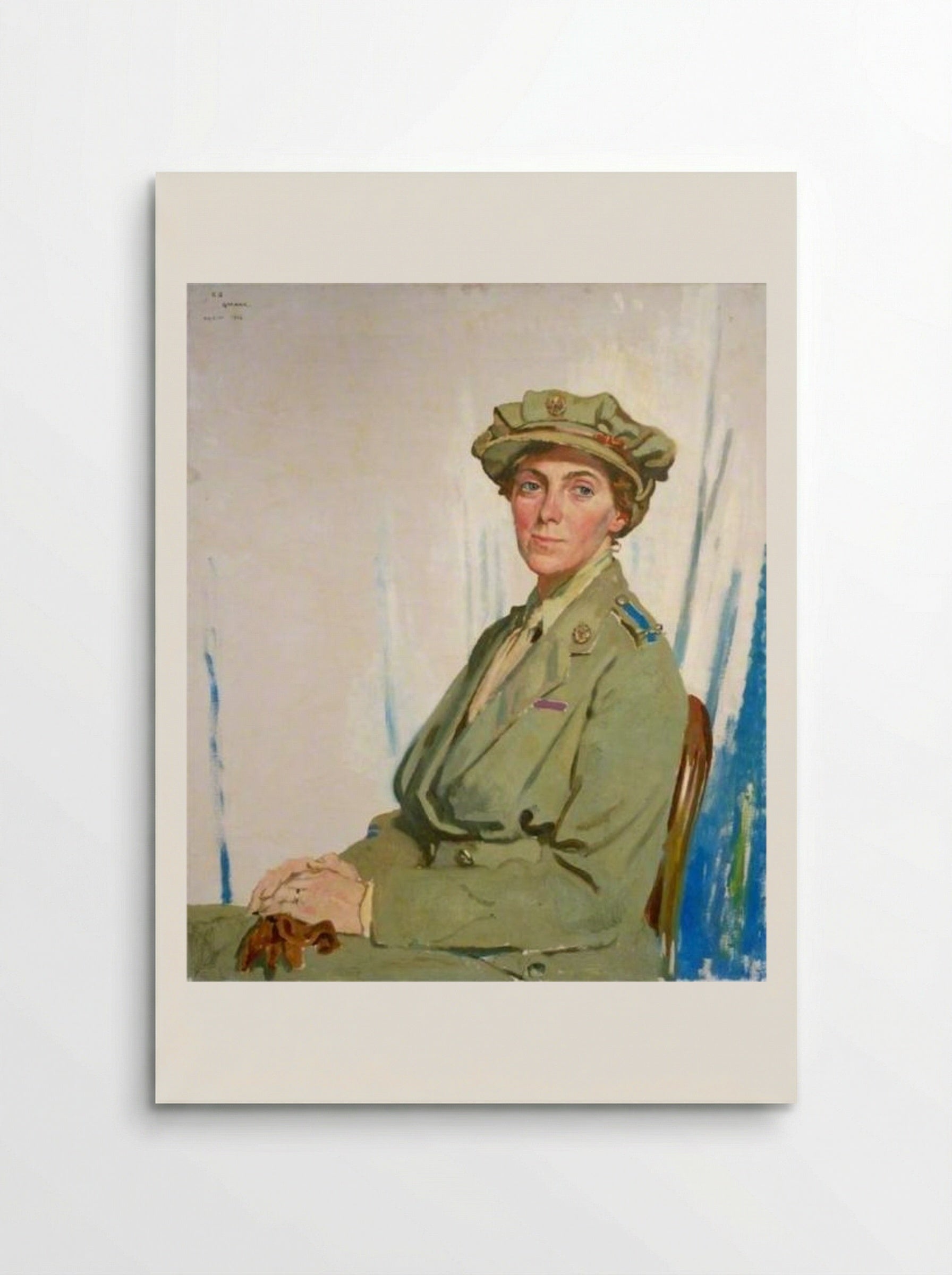 Dame Helen Gwynne-Vaughan - Sir William Orpen
Print
Regular price From £28.00 GBPSale price From £28.00 GBP Regular price -
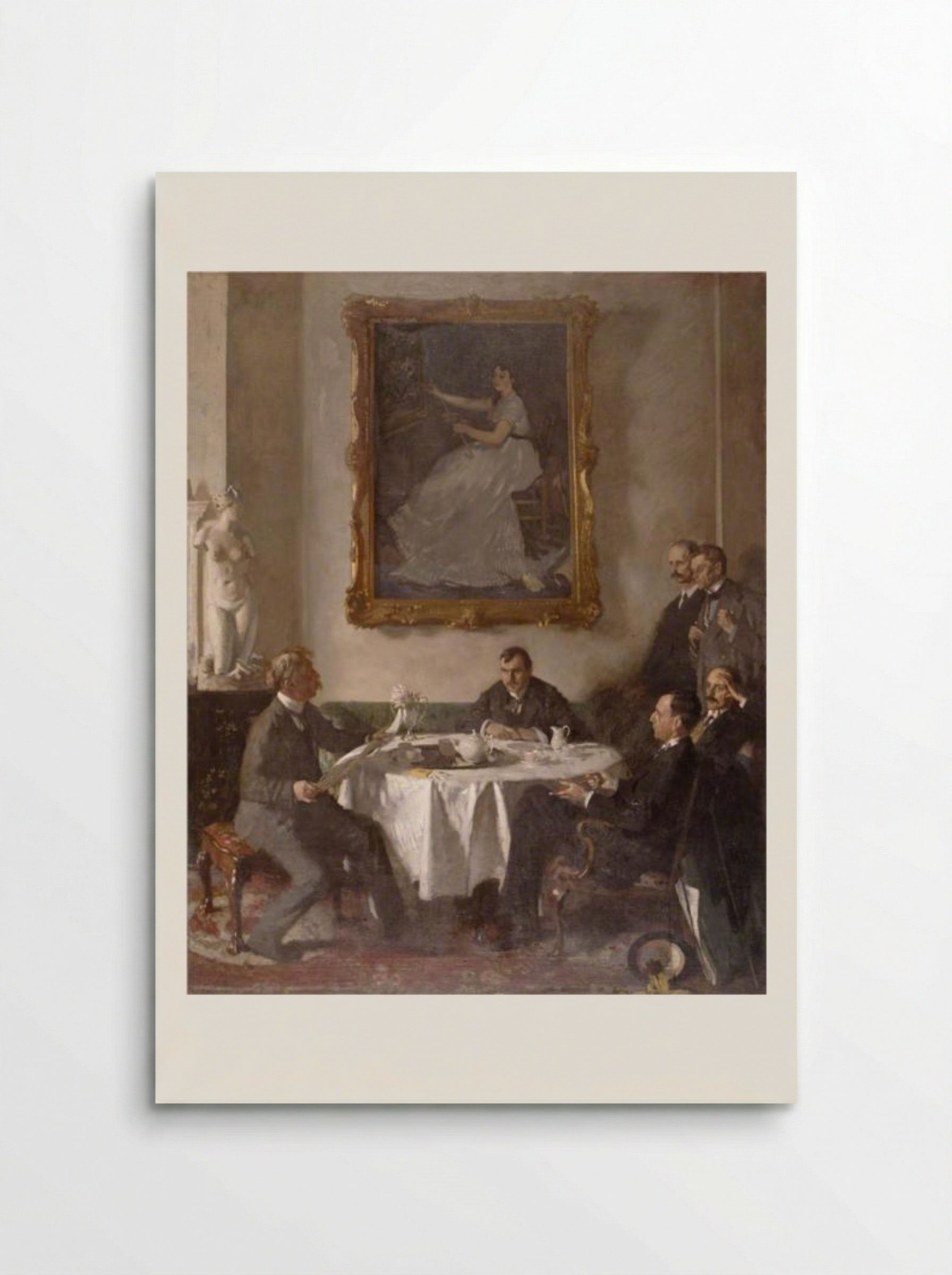 Homage to Manet - William Orpen
Print
Regular price From £28.00 GBPSale price From £28.00 GBP Regular price -
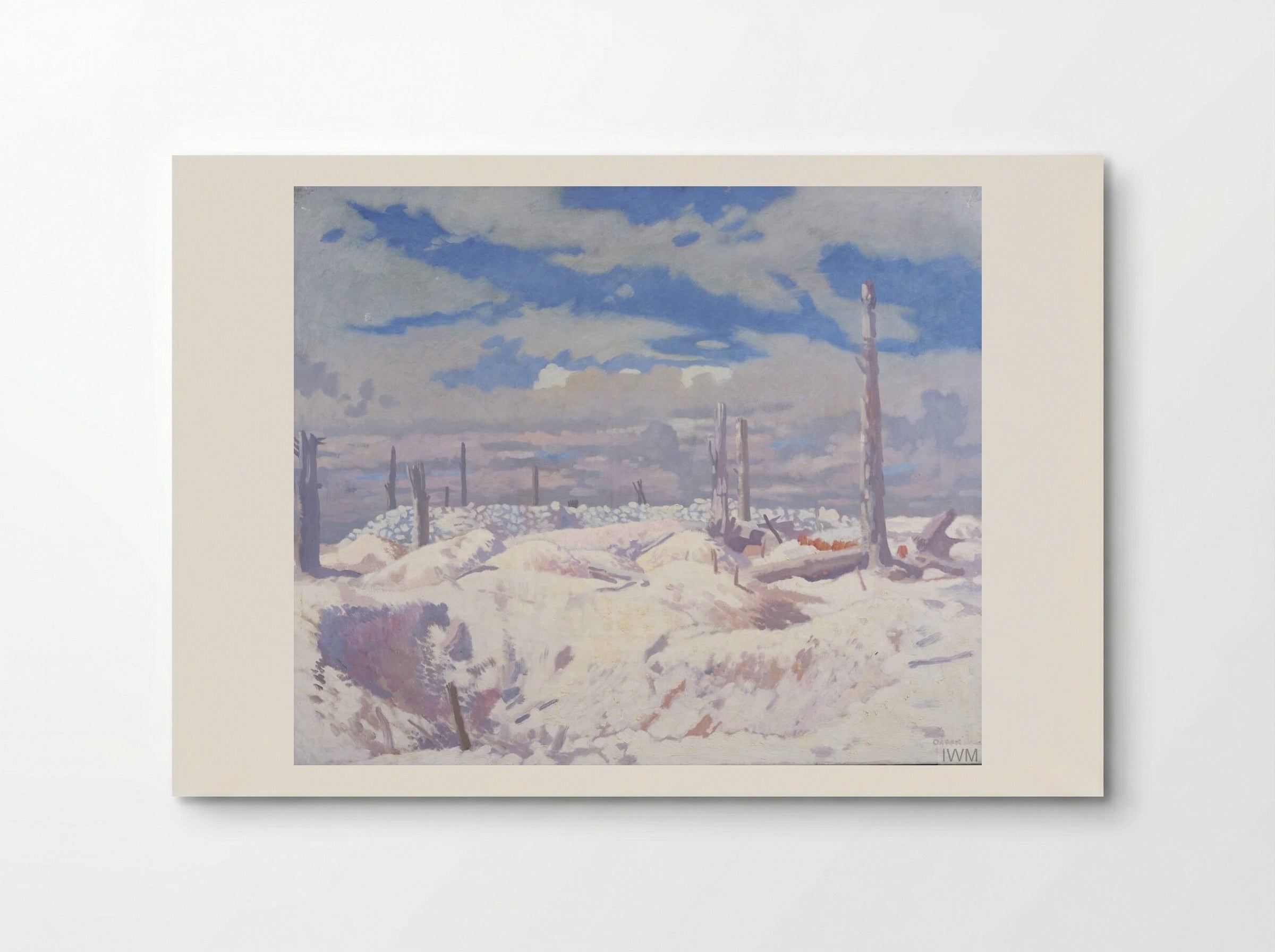 Schwaben Redoubt - William Orpen
Print
Regular price From £28.00 GBPSale price From £28.00 GBP Regular price -
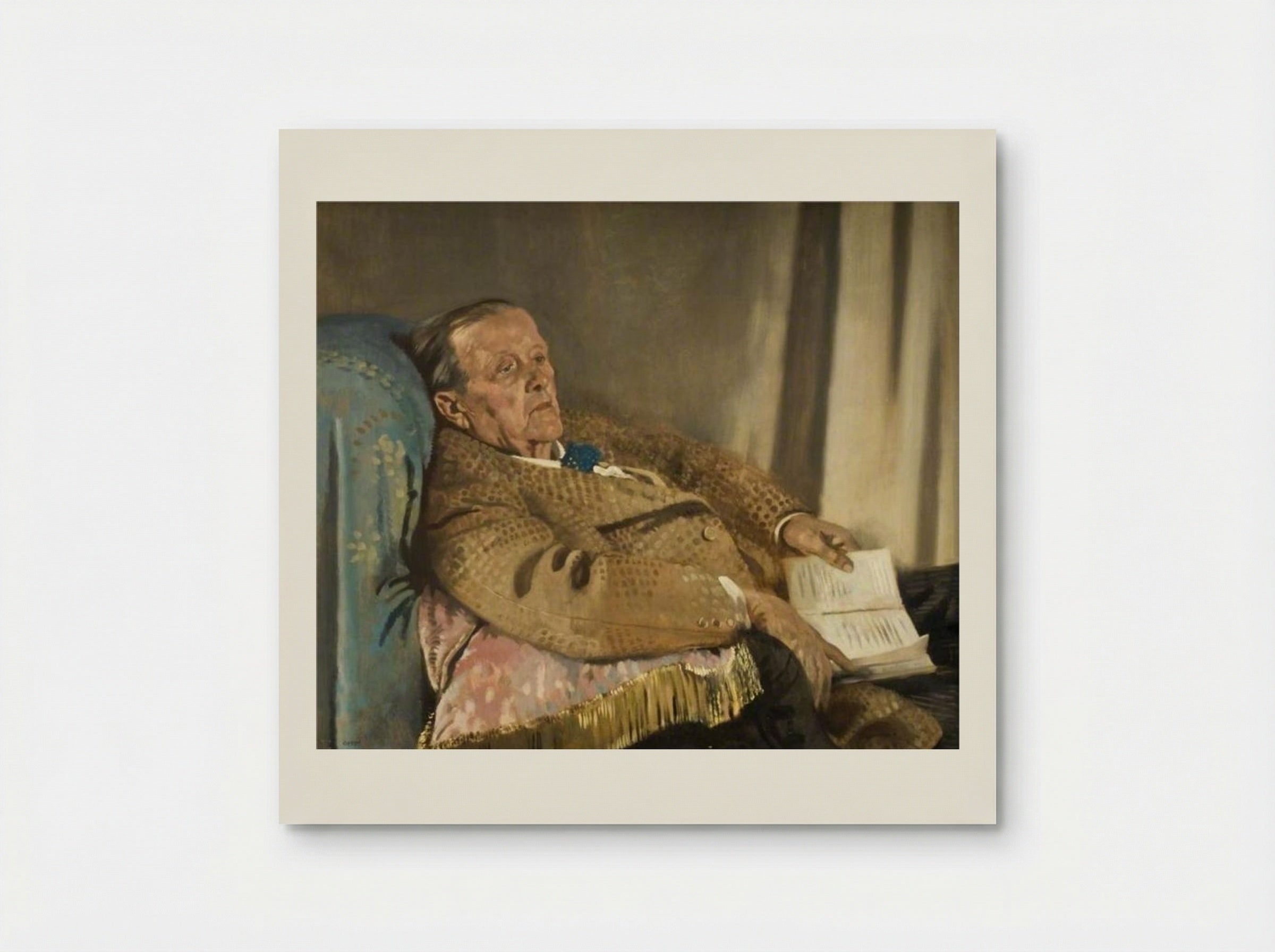
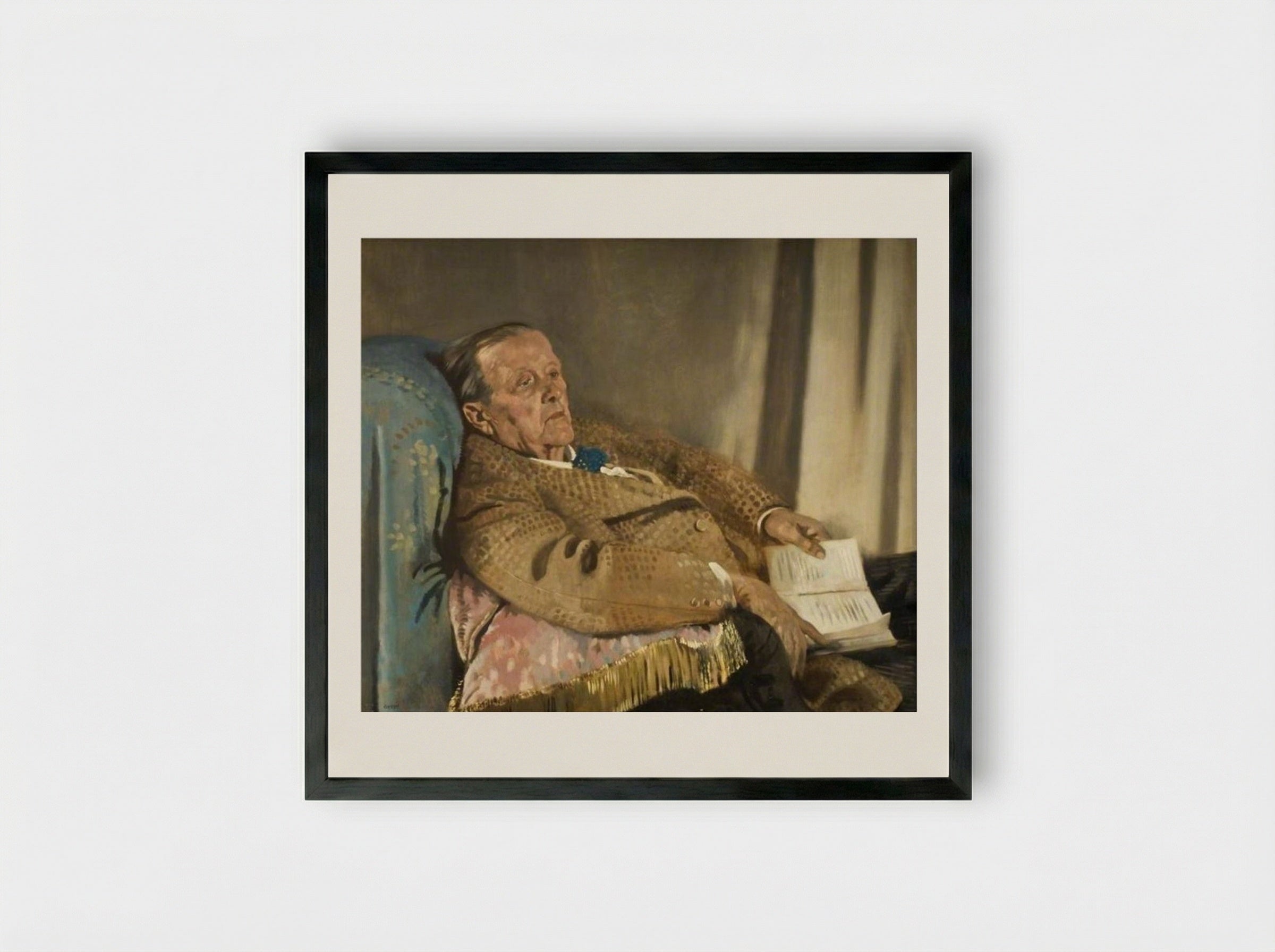 Sir Edwin Ray Lankester - William Orpen
Print · Framed
Regular price From £37.00 GBPSale price From £37.00 GBP Regular price -
 Beaumont Hamel, 1920 - William Orpen
Print
Regular price From £28.00 GBPSale price From £28.00 GBP Regular price -
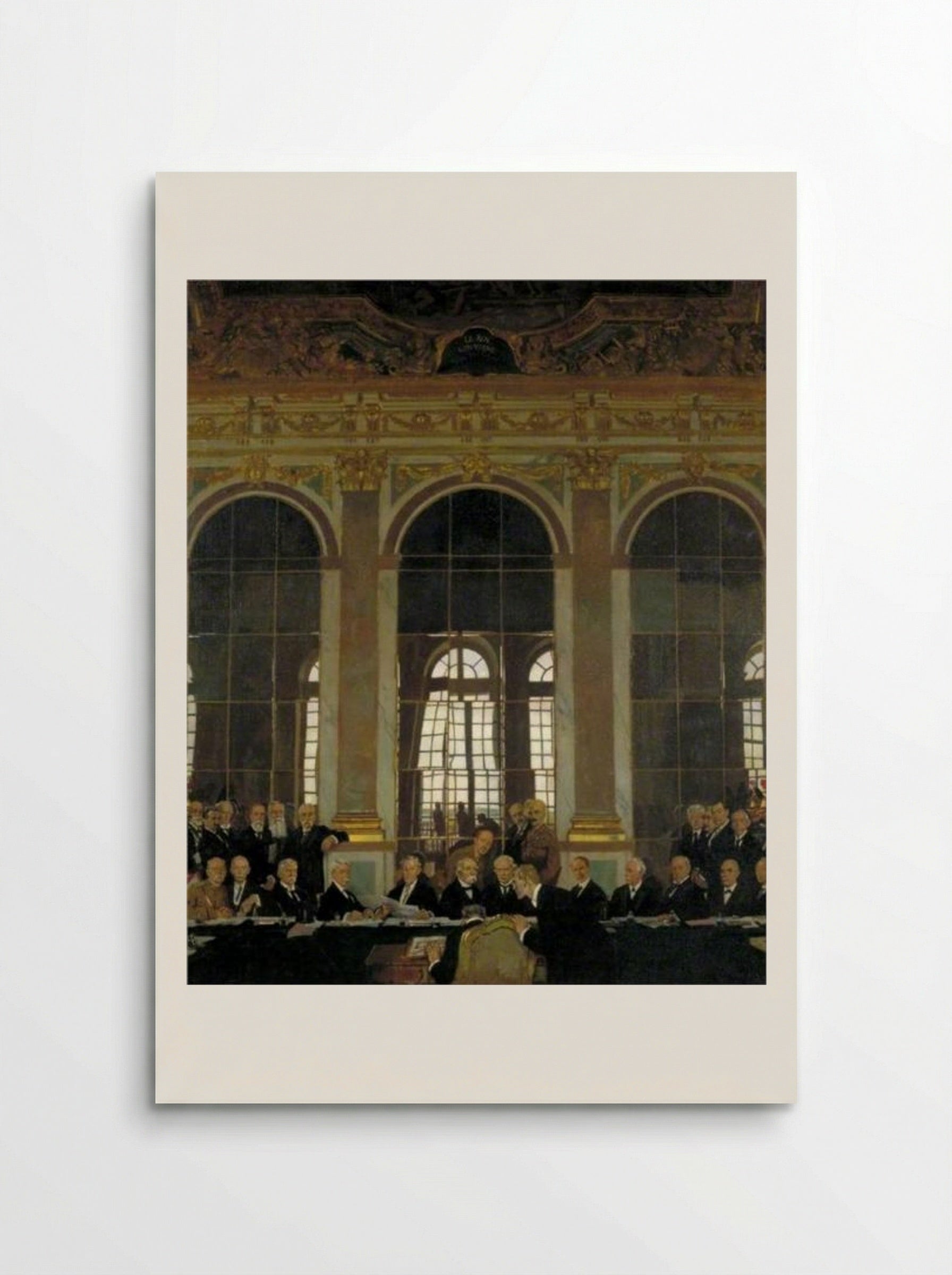 The Signing of Peace in the Hall of Mirrors, Versailles, 28 June 1919 - William Orpen
Print
Regular price From £28.00 GBPSale price From £28.00 GBP Regular price -
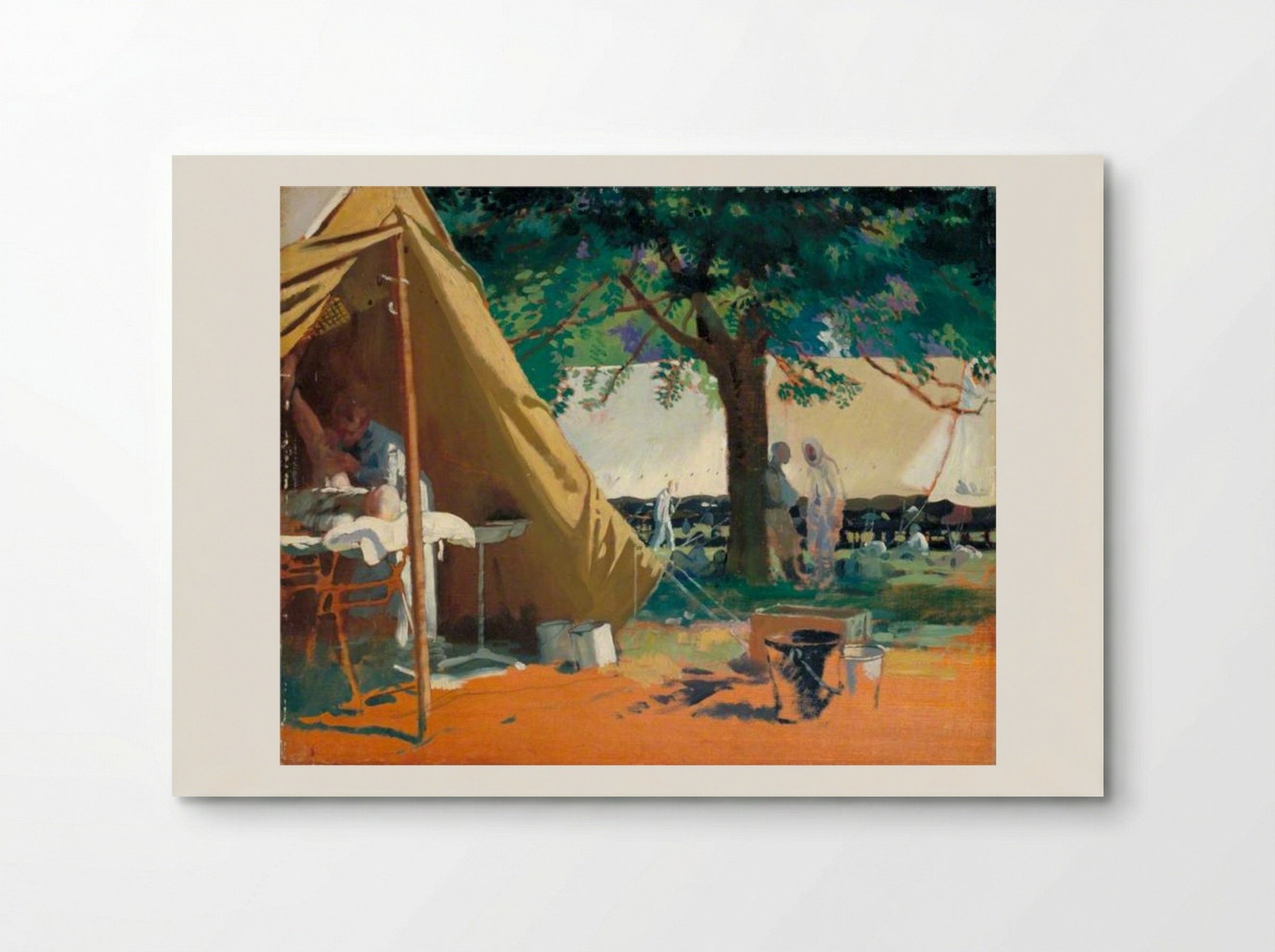 German Sick, Captured at Messines, in a Canadian Hospital 1917 - William Orpen
Print
Regular price From £28.00 GBPSale price From £28.00 GBP Regular price -
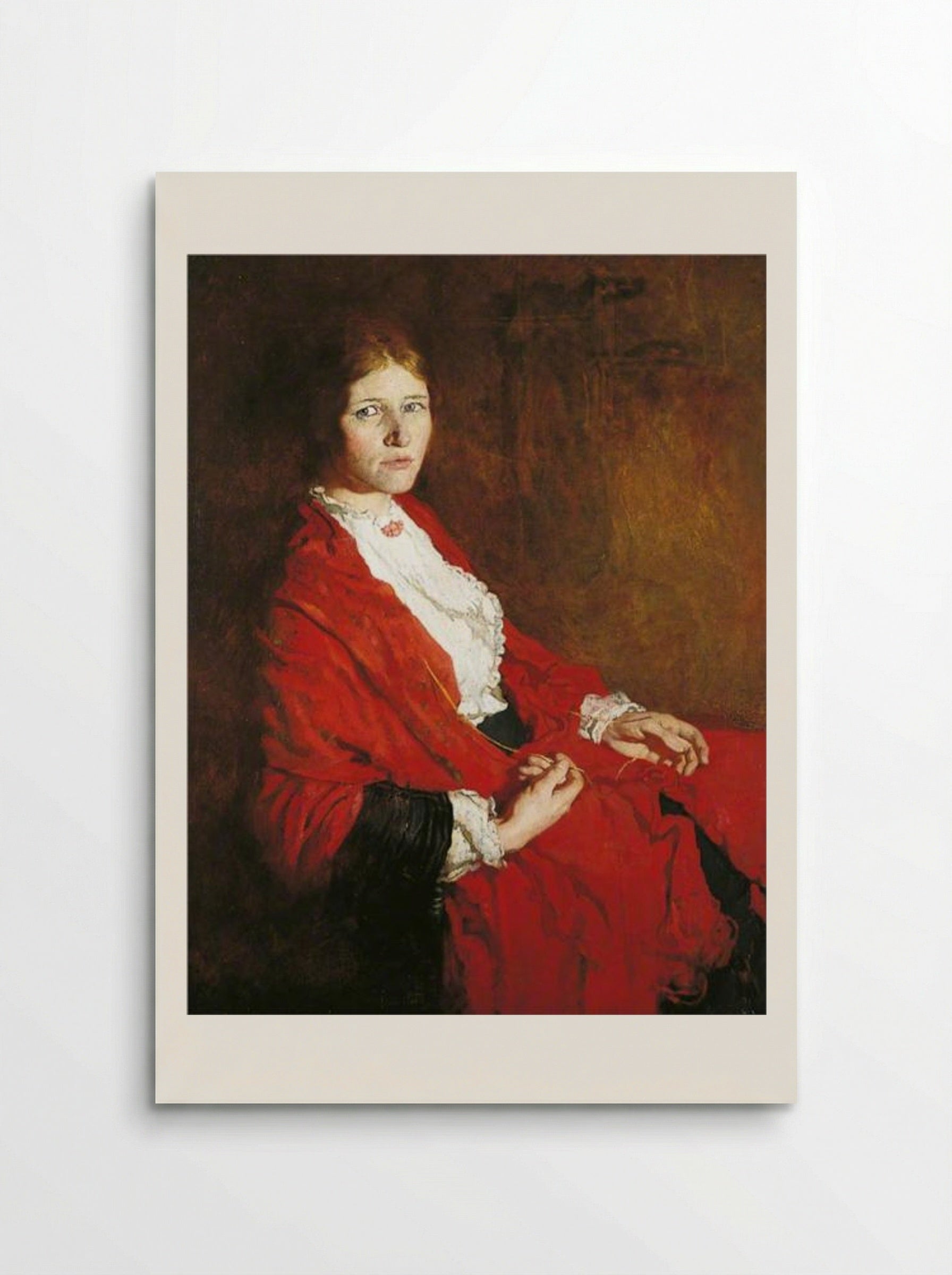 The Red Scarf - William Orpen
Print
Regular price From £28.00 GBPSale price From £28.00 GBP Regular price -
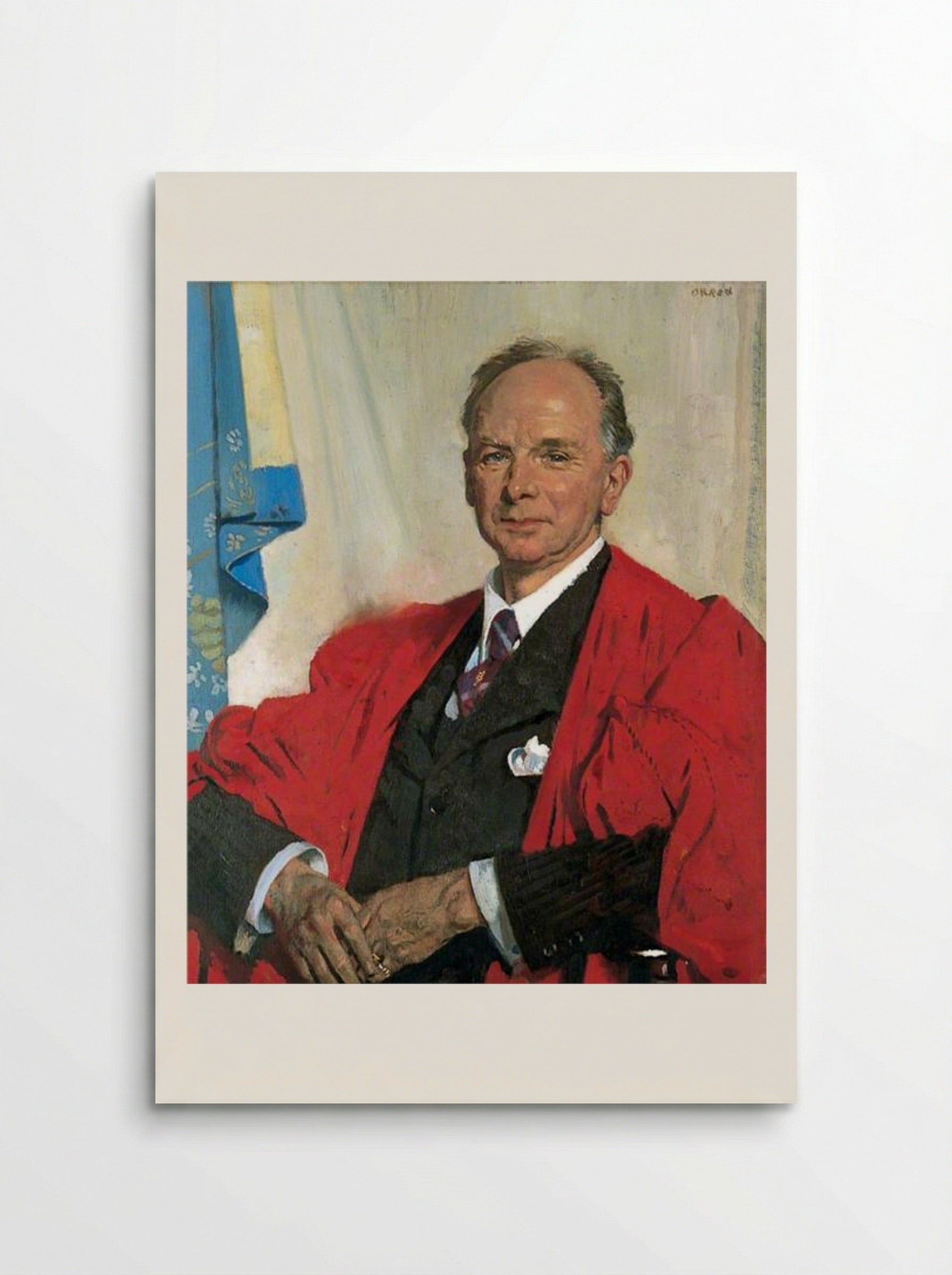 Professor Gregory Foster - William Orpen
Print
Regular price From £28.00 GBPSale price From £28.00 GBP Regular price


Artist Biography
William Orpen
Orpen entered the Dublin Metropolitan School of Art at twelve and won virtually every prize available. He moved to the Slade School of Fine Art in London and repeated the performance. By his early thirties he was the most commercially successful portrait painter in Britain, earning what would now be millions of pounds per year from commissions by the wealthy and the powerful.
During the First World War he was sent to the Western Front as an official war artist for the British government. He was the most prolific of the war artists, producing 138 works: drawings and paintings of soldiers, dead men, German prisoners, ruined trenches, and the blank exhaustion that photographs of the period cannot quite capture. He donated all 138 to the British government. They are now in the Imperial War Museum.
After the war he painted The Signing of the Peace Treaty at Versailles, which should have been the capstone of his career. Instead it became a controversy. He also painted To the Unknown British Soldier in France, a composition that originally included ghostly military figures alongside a flag-draped coffin. The Imperial War Museum refused to accept it until he removed the figures in 1927.
He never fully recovered from the physical and mental effects of the war. He continued to paint society portraits at extraordinary prices (over 50,000 pounds a year by 1929), but those who knew him said something had changed.
He was Irish, from Stillorgan in County Dublin, a fact that became complicated as the independence movement gathered force during and after the war. He accepted a knighthood from the British crown. He died in 1931, aged fifty-two, and faded to near-total obscurity until 2001, when a portrait sold at Sotheby's for nearly two million pounds.
During the First World War he was sent to the Western Front as an official war artist for the British government. He was the most prolific of the war artists, producing 138 works: drawings and paintings of soldiers, dead men, German prisoners, ruined trenches, and the blank exhaustion that photographs of the period cannot quite capture. He donated all 138 to the British government. They are now in the Imperial War Museum.
After the war he painted The Signing of the Peace Treaty at Versailles, which should have been the capstone of his career. Instead it became a controversy. He also painted To the Unknown British Soldier in France, a composition that originally included ghostly military figures alongside a flag-draped coffin. The Imperial War Museum refused to accept it until he removed the figures in 1927.
He never fully recovered from the physical and mental effects of the war. He continued to paint society portraits at extraordinary prices (over 50,000 pounds a year by 1929), but those who knew him said something had changed.
He was Irish, from Stillorgan in County Dublin, a fact that became complicated as the independence movement gathered force during and after the war. He accepted a knighthood from the British crown. He died in 1931, aged fifty-two, and faded to near-total obscurity until 2001, when a portrait sold at Sotheby's for nearly two million pounds.


Why Choose Us ?