

Collection
Christopher Wood
Explore curated art prints selected for distinctive homes and considered interiors.
Suggested filters
-
 Landscape at Vence - Christopher Wood
Print
Regular price From £28.00 GBPSale price From £28.00 GBP Regular price -
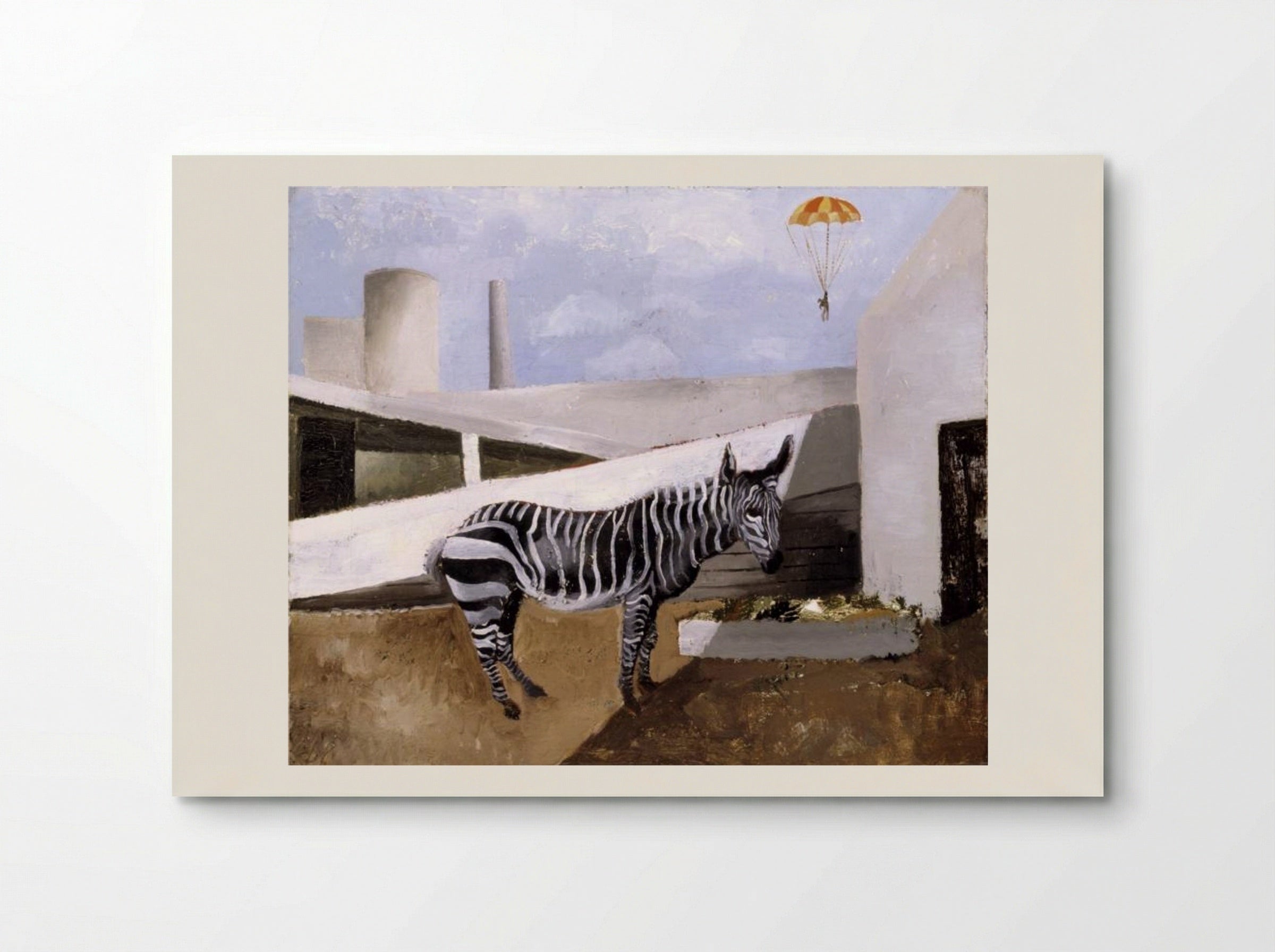
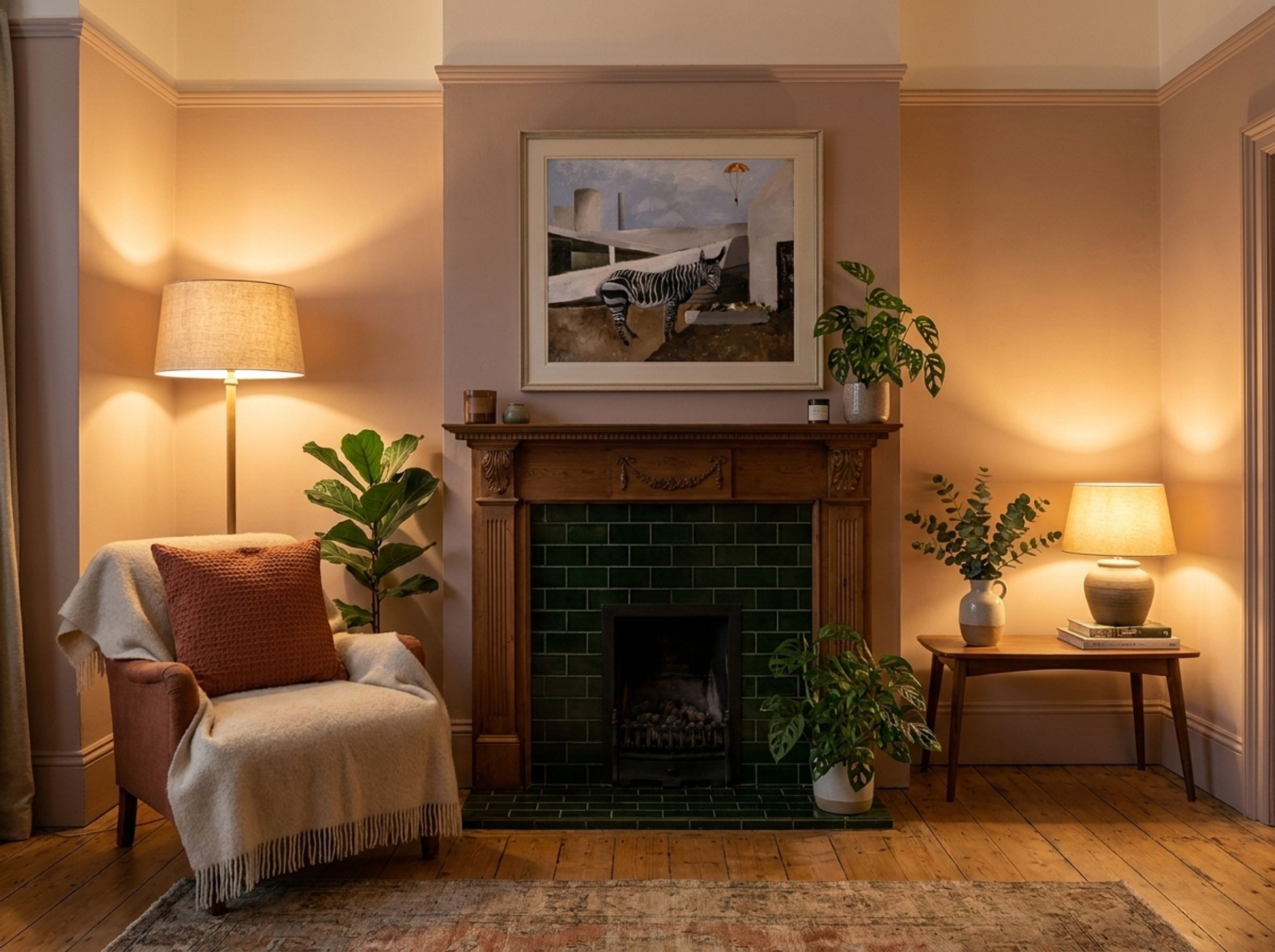 Zebra and Parachute - Christopher Wood
Print · Framed
Regular price From £28.00 GBPSale price From £28.00 GBP Regular price -
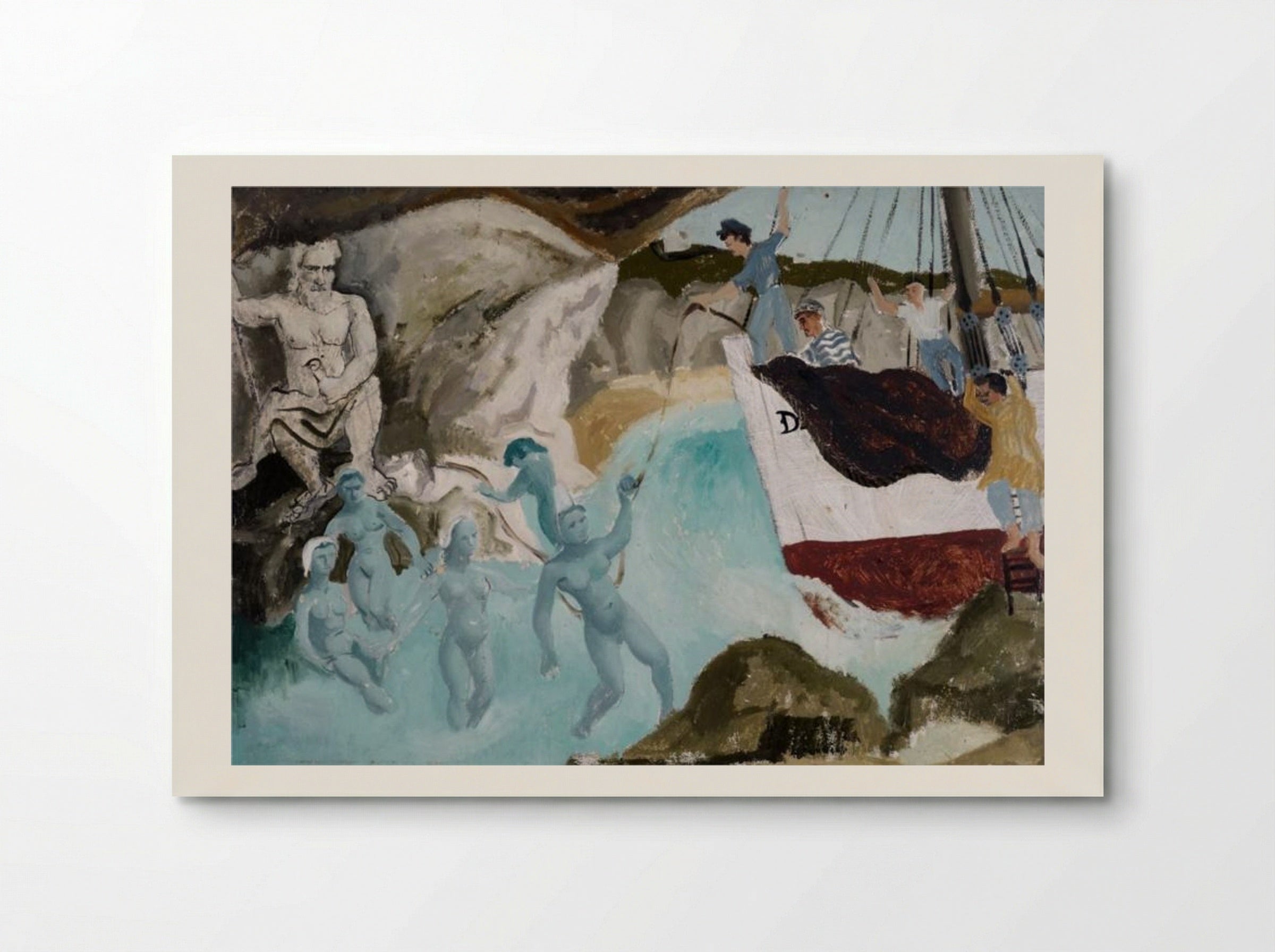 Ulysses and the Sirens - Christopher Wood
Print
Regular price From £28.00 GBPSale price From £28.00 GBP Regular price -
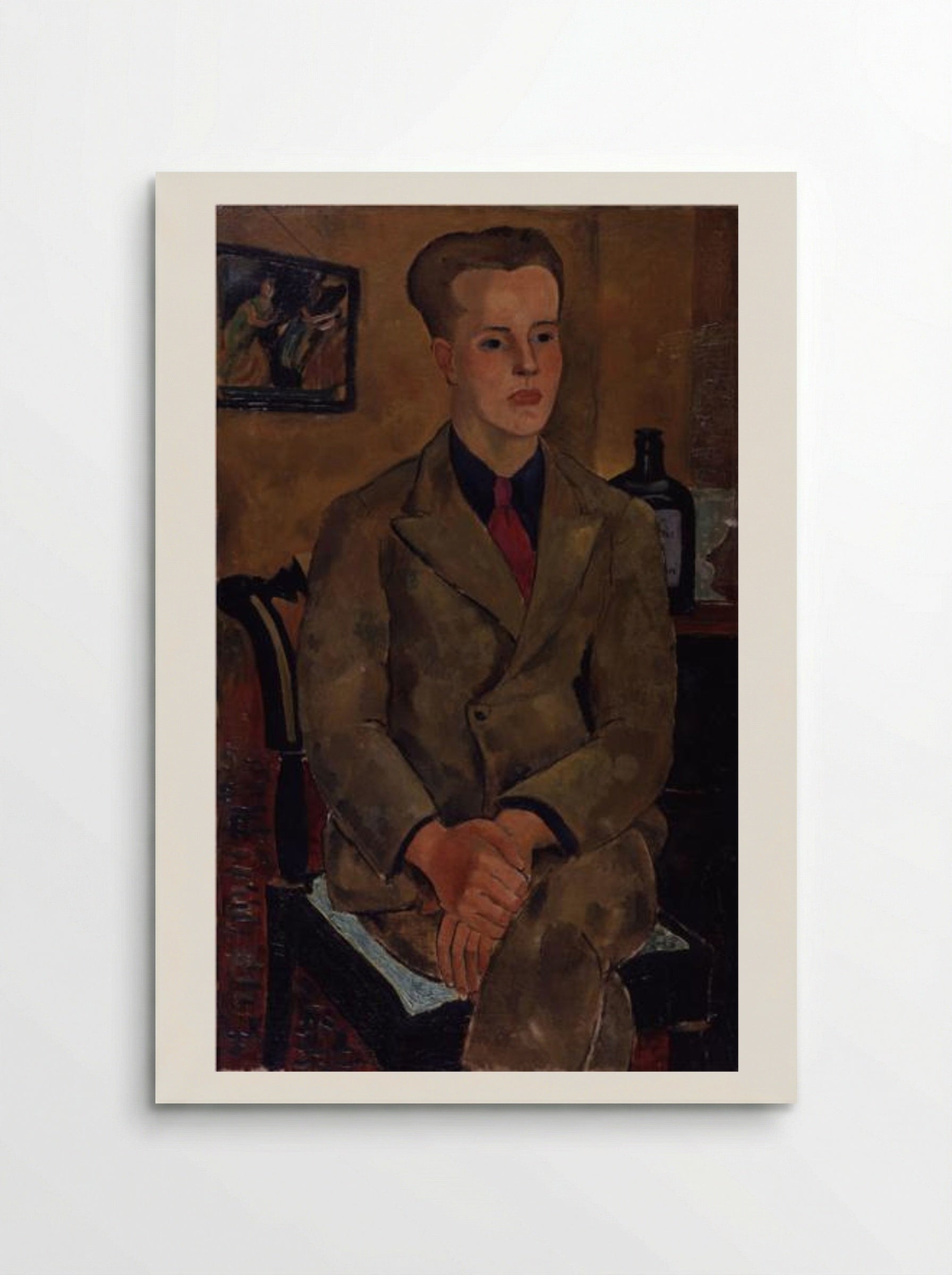 Constant Lambert - Christopher Wood
Print
Regular price From £28.00 GBPSale price From £28.00 GBP Regular price -
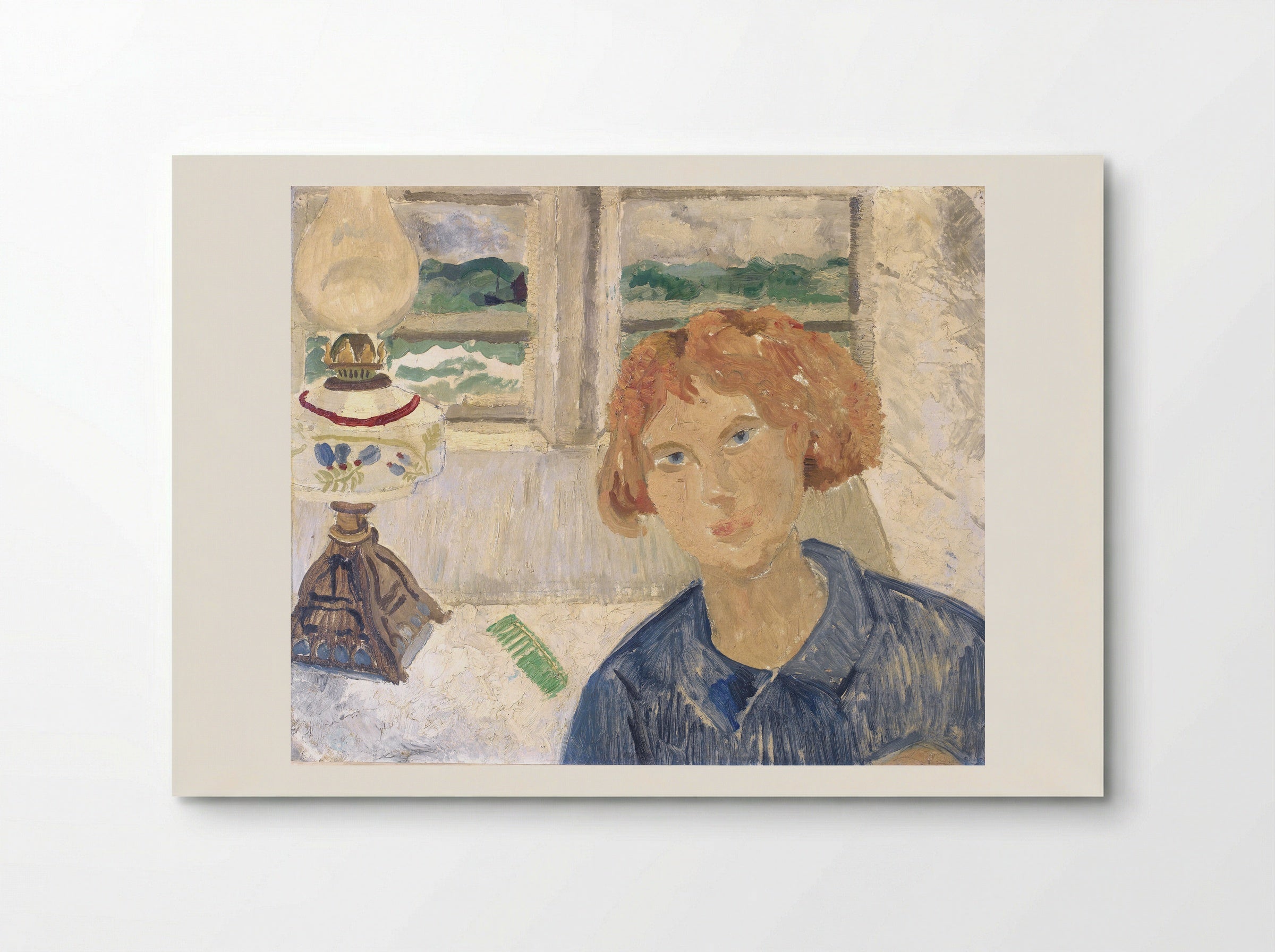 Girl and Lamp in a Cornish Window - Christopher Wood
Print
Regular price From £28.00 GBPSale price From £28.00 GBP Regular price -
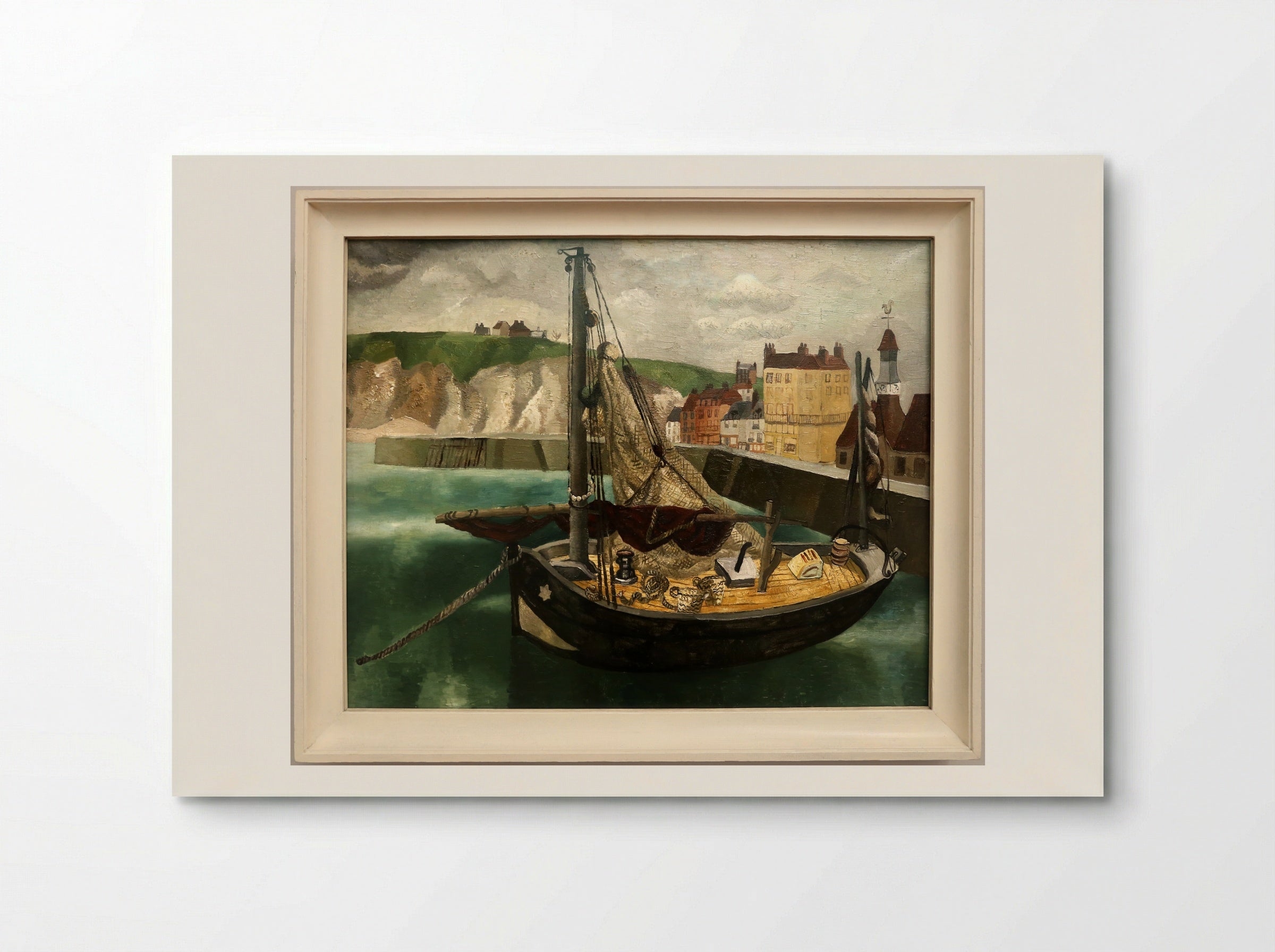 A Fishing Boat in Dieppe Harbour - Christopher Wood
Print · Framed
Regular price From £28.00 GBPSale price From £28.00 GBP Regular price -
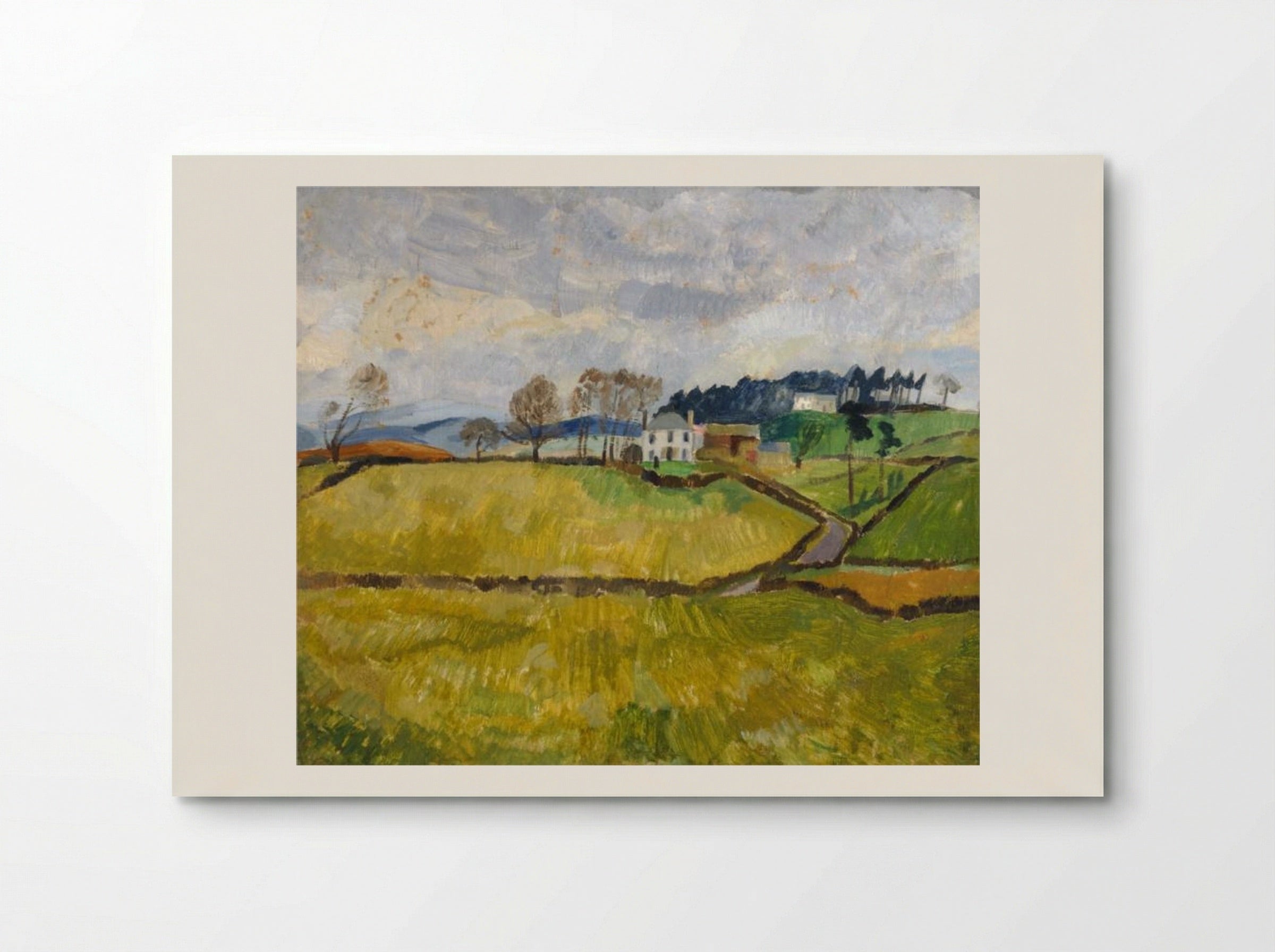 Cumberland Landscape (Northrigg Hill) - Christopher Wood
Print
Regular price From £28.00 GBPSale price From £28.00 GBP Regular price -
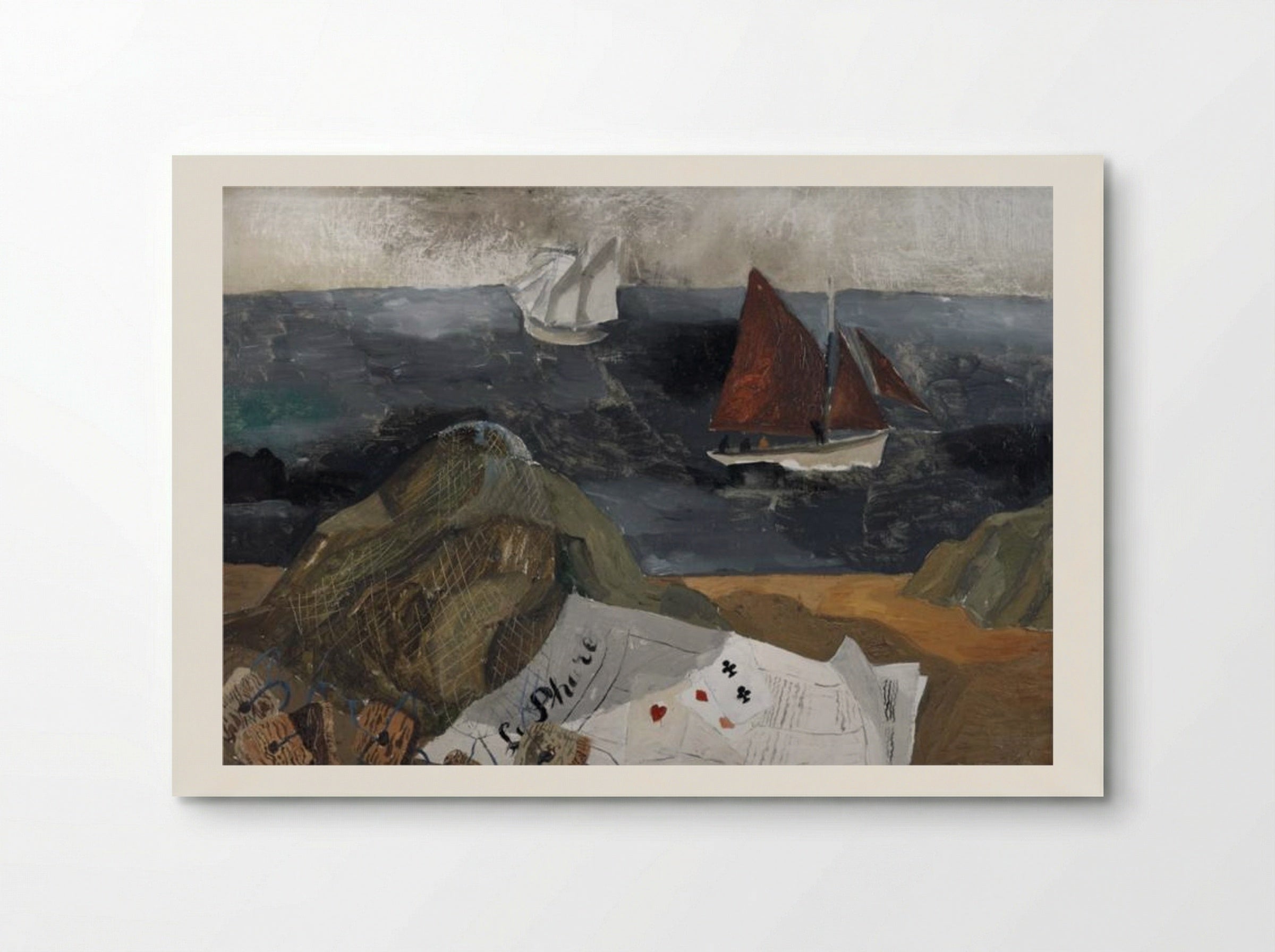 Le Phare - Christopher Wood
Print
Regular price From £28.00 GBPSale price From £28.00 GBP Regular price -
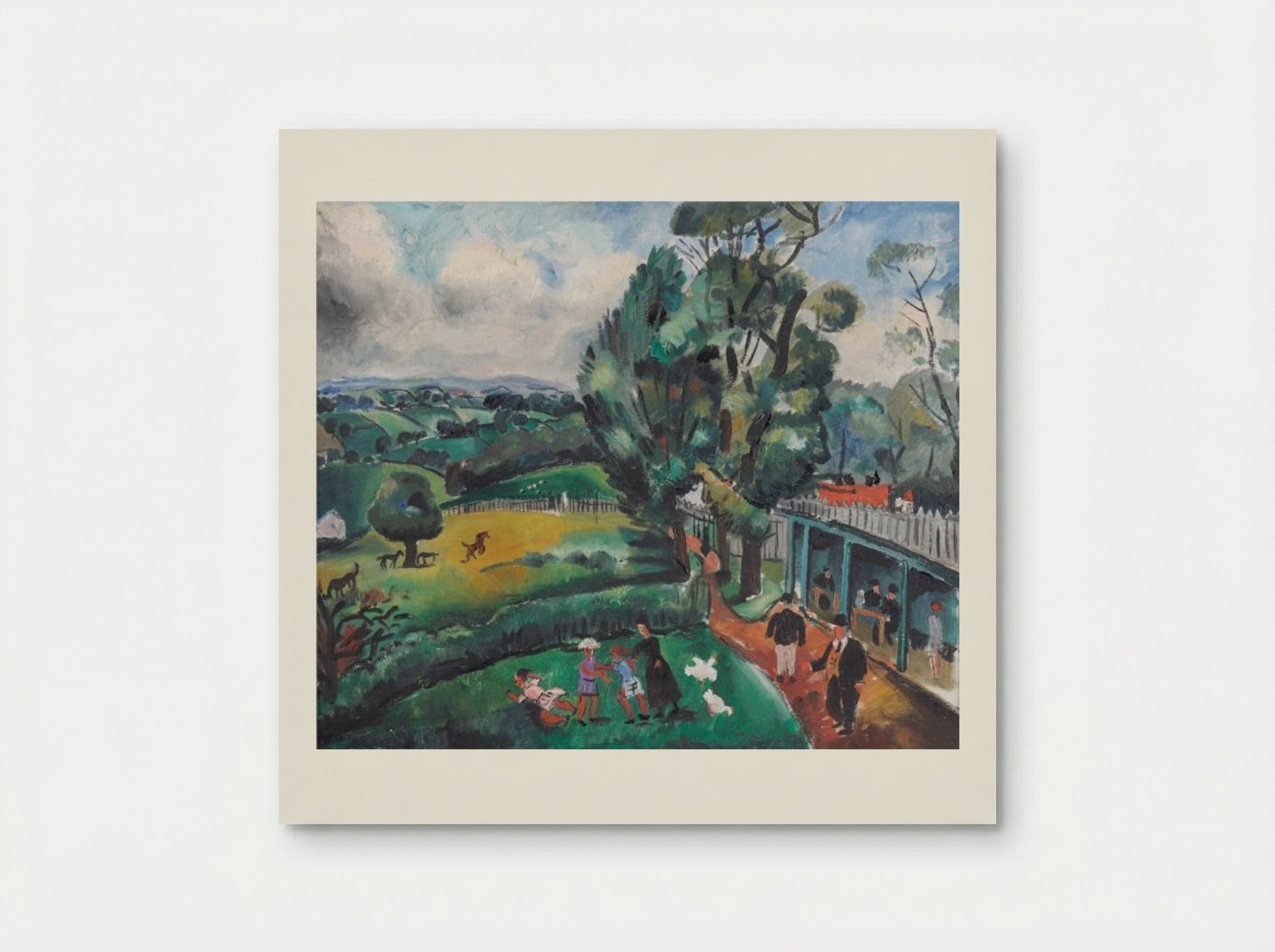
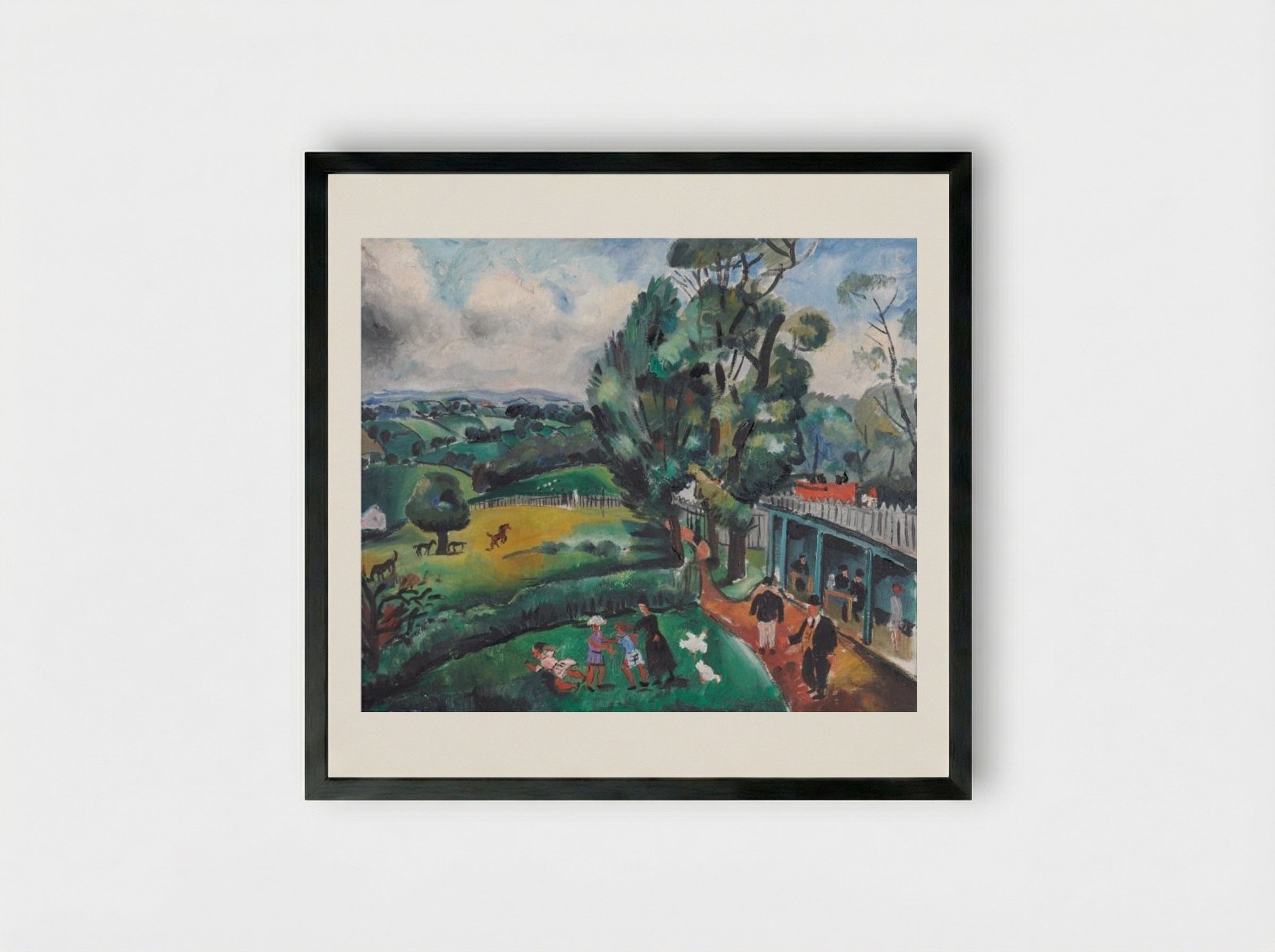 Landscape with Figures - Christopher Wood
Print · Framed
Regular price From £37.00 GBPSale price From £37.00 GBP Regular price -
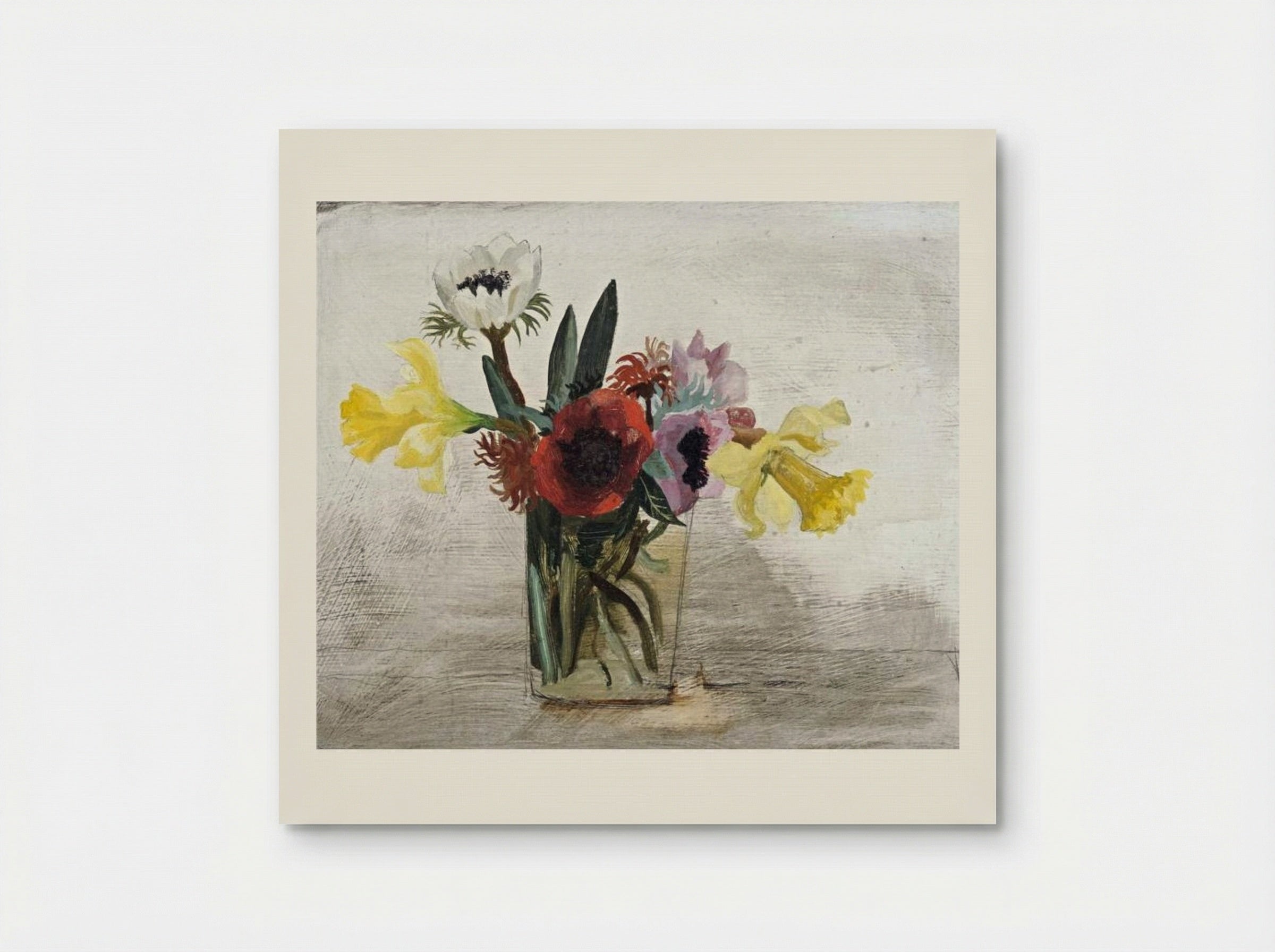
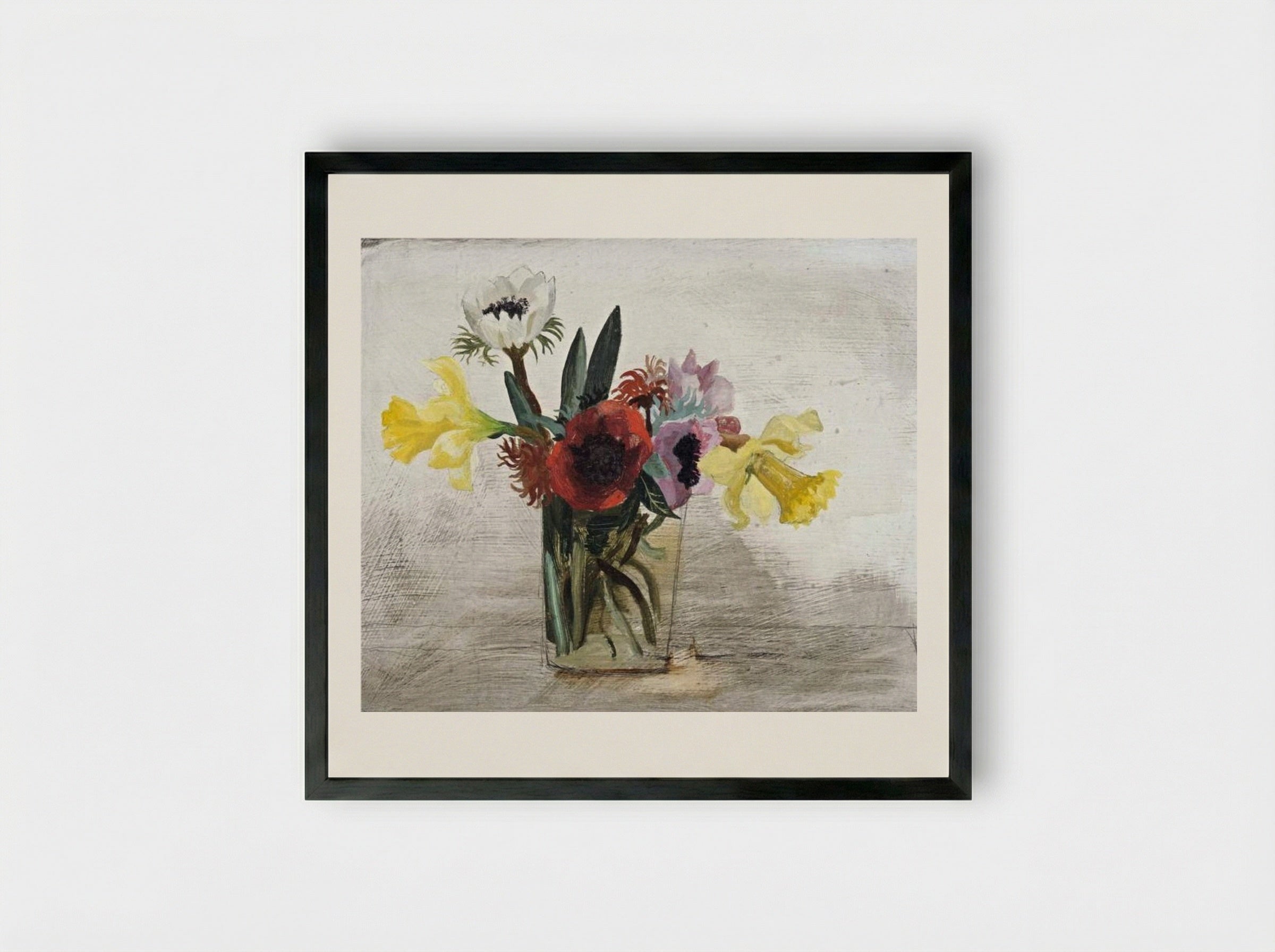 Flowers - Christopher Wood
Print · Framed
Regular price From £37.00 GBPSale price From £37.00 GBP Regular price -
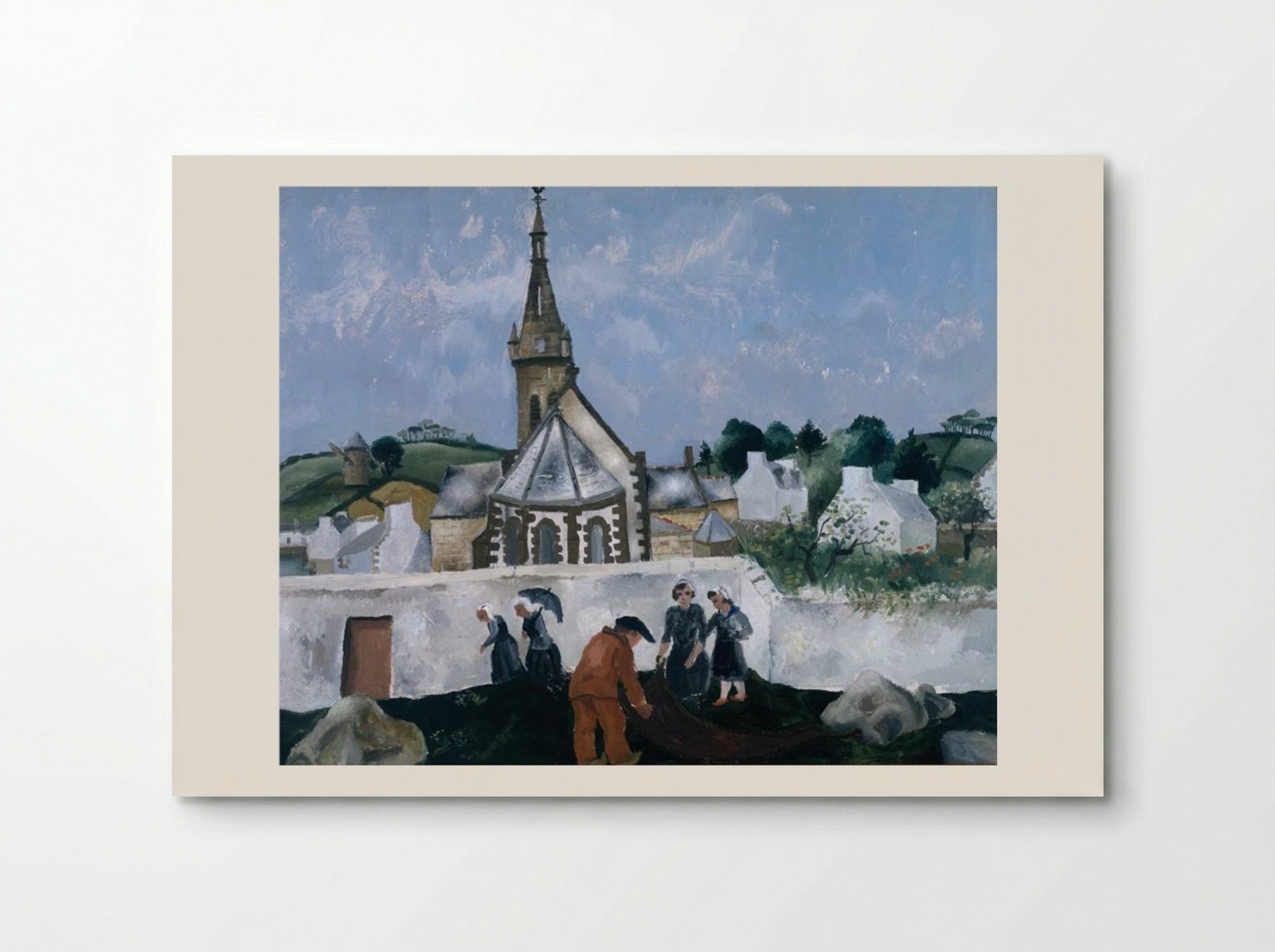
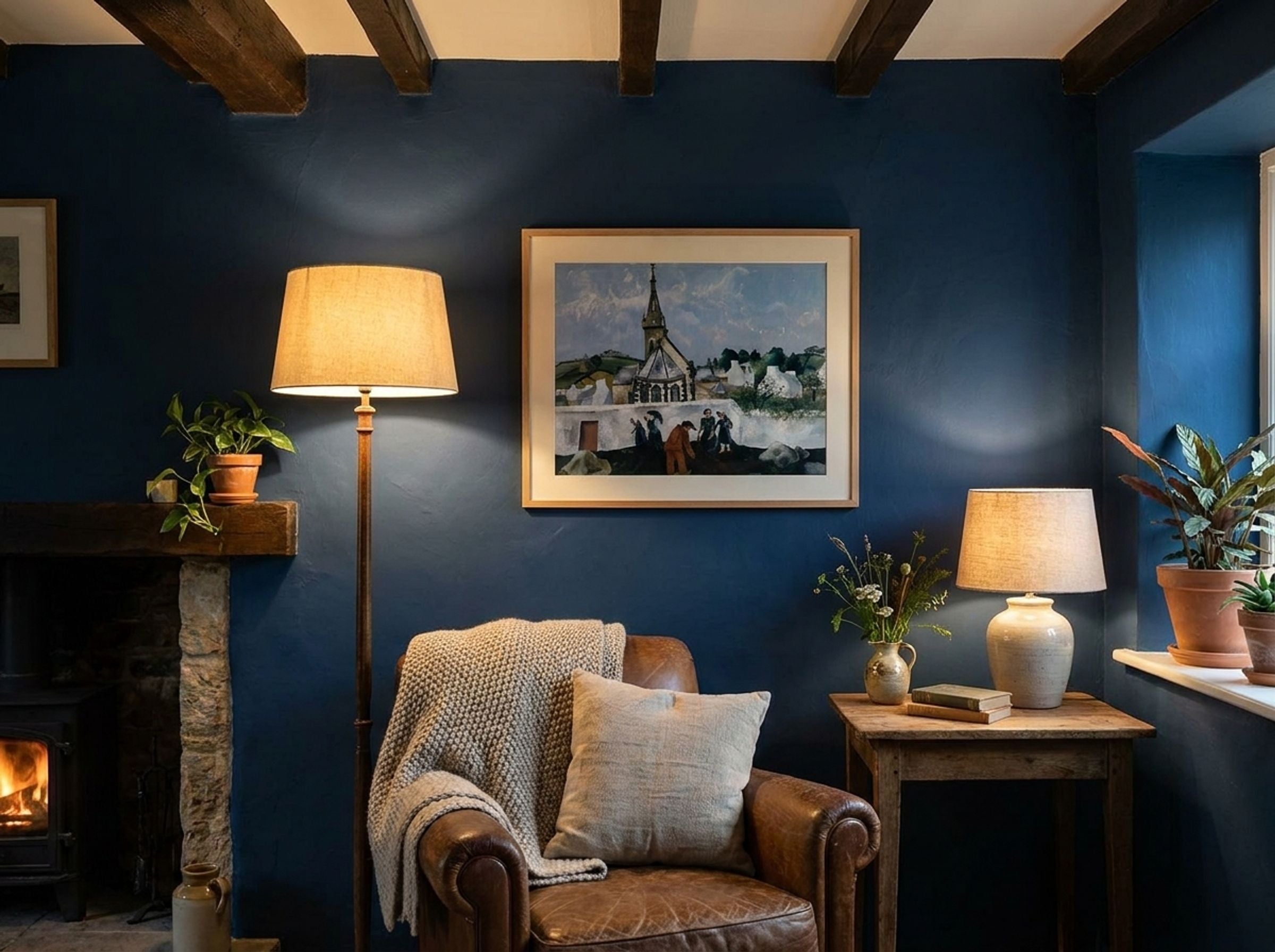 Church at Tréboul - Christopher Wood
Print · Framed
Regular price From £28.00 GBPSale price From £28.00 GBP Regular price -
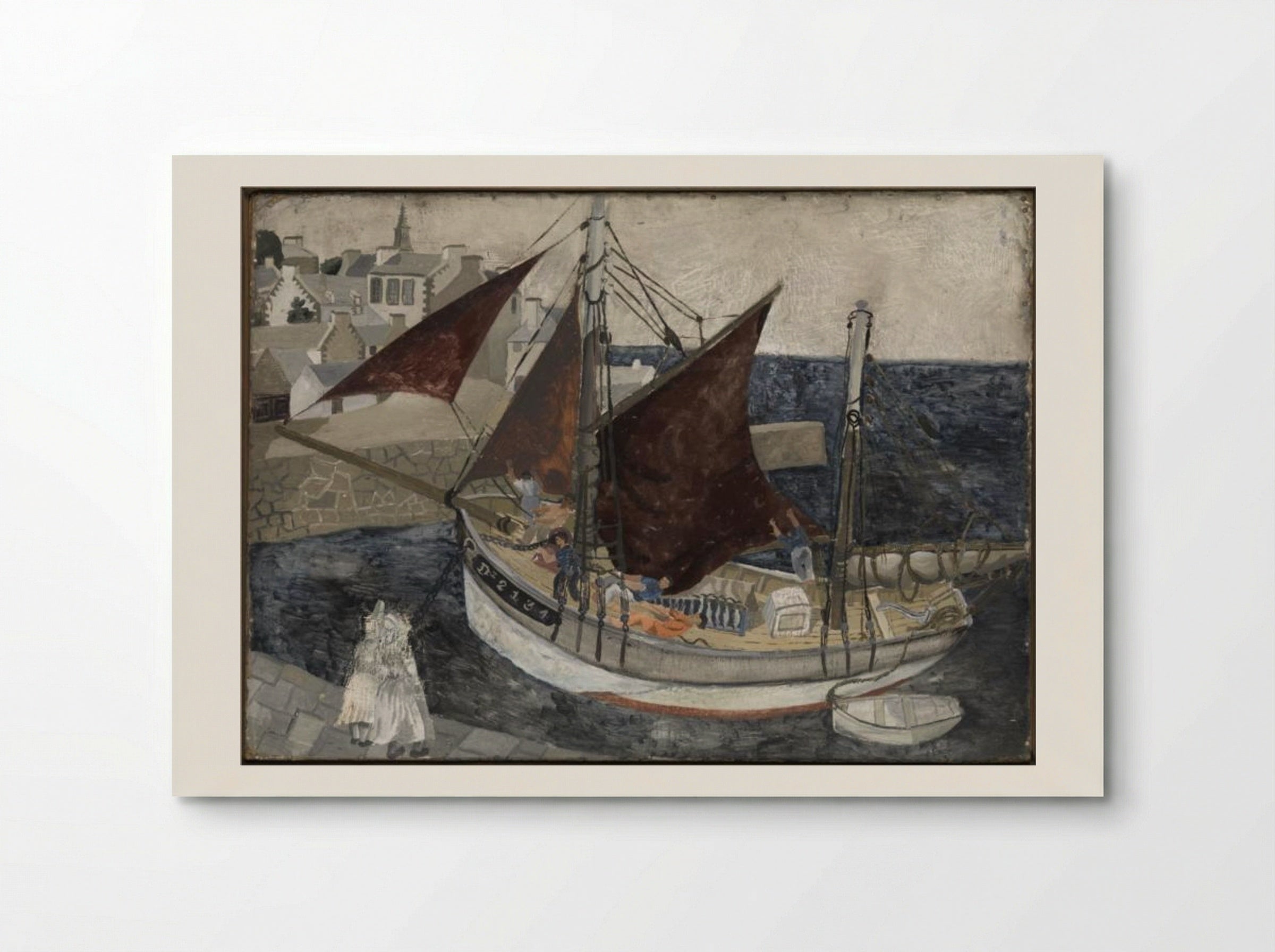
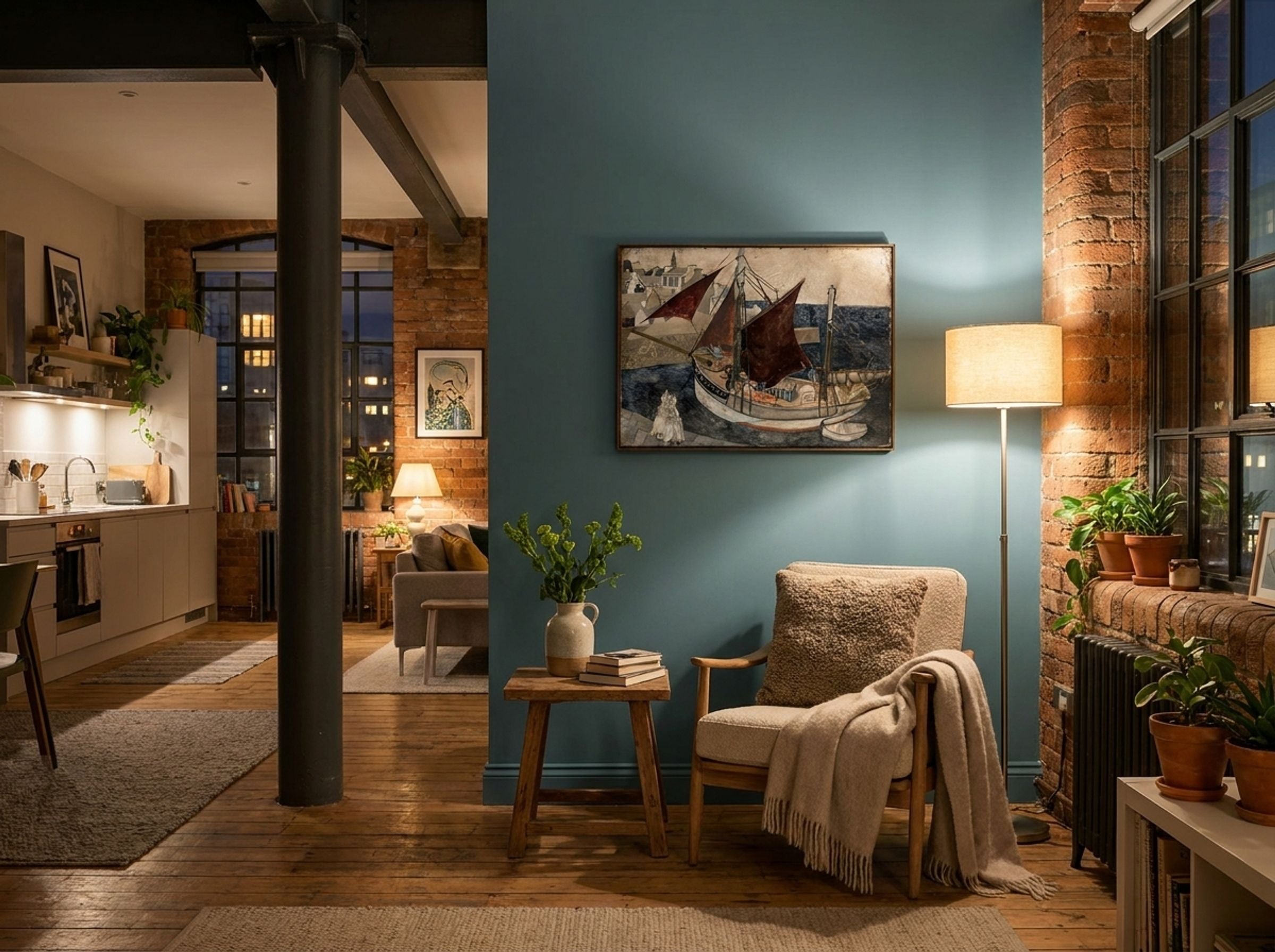 Boat in Harbour, Brittany - Christopher Wood
Print · Framed
Regular price From £28.00 GBPSale price From £28.00 GBP Regular price


Artist Biography
Christopher Wood
Christopher Wood died at 29, throwing himself in front of a train at Salisbury station on 21 August 1930. The tragedy cut short one of the most distinctive careers in British modernism: a painter who had charmed Picasso and Diaghilev in Paris, spent summers chasing paintable light along the Breton coast, and co-discovered the self-taught mariner Alfred Wallis in a St Ives backstreet.
Born in Knowsley, Liverpool in 1901, Wood abandoned medicine to study at the Académie Julian in Paris from 1921. The social world he entered was remarkable: he moved through Cocteau's circle and was taken up by Diaghilev's Ballets Russes, even designing sets for a production that was never staged. By the mid-1920s he had joined both the London Group and the Seven and Five Society, painting alongside Ben and Winifred Nicholson.
His breakthrough came partly through patronage. Lucy Wertheim began buying his work after his 1929 solo exhibition at Tooth's Gallery on Bond Street and was planning his first major retrospective for October 1930 when he died. His final summers in Brittany produced some of his finest paintings: harbour scenes and chapels rendered with a directness that owed something to Wallis, something to Post-Impressionism, and a great deal to his own particular handling of colour.
Wood never lived to see how thoroughly his reputation would hold. Posthumous exhibitions followed in 1931 and 1932, and works appeared in the 1938 Venice Biennale. His gravestone at Salisbury was carved by Eric Gill. Today his Breton coastal scenes command six-figure sums at auction, reflecting the sustained appeal of that short, fractured career.
Born in Knowsley, Liverpool in 1901, Wood abandoned medicine to study at the Académie Julian in Paris from 1921. The social world he entered was remarkable: he moved through Cocteau's circle and was taken up by Diaghilev's Ballets Russes, even designing sets for a production that was never staged. By the mid-1920s he had joined both the London Group and the Seven and Five Society, painting alongside Ben and Winifred Nicholson.
His breakthrough came partly through patronage. Lucy Wertheim began buying his work after his 1929 solo exhibition at Tooth's Gallery on Bond Street and was planning his first major retrospective for October 1930 when he died. His final summers in Brittany produced some of his finest paintings: harbour scenes and chapels rendered with a directness that owed something to Wallis, something to Post-Impressionism, and a great deal to his own particular handling of colour.
Wood never lived to see how thoroughly his reputation would hold. Posthumous exhibitions followed in 1931 and 1932, and works appeared in the 1938 Venice Biennale. His gravestone at Salisbury was carved by Eric Gill. Today his Breton coastal scenes command six-figure sums at auction, reflecting the sustained appeal of that short, fractured career.


Why Choose Us ?