

Collection
Diego Rivera
Explore curated art prints selected for distinctive homes and considered interiors.
Suggested filters
-
 Portrait of Ruth Rivera - Diego Rivera
Print
Regular price From £28.00 GBPSale price From £28.00 GBP Regular price -
 Nude with Calla Lilies - Diego Rivera
Print
Regular price From £28.00 GBPSale price From £28.00 GBP Regular price -
 May Day Procession in Moscow - Diego Rivera
Print
Regular price From £28.00 GBPSale price From £28.00 GBP Regular price -
 Portrait of Angelina Beloff - Diego Rivera
Print
Regular price From £28.00 GBPSale price From £28.00 GBP Regular price -
 Entry into the Mine - Diego Rivera
Print
Regular price From £28.00 GBPSale price From £28.00 GBP Regular price -
 Detroit Industry, South Wall - Diego Rivera
Print
Regular price From £28.00 GBPSale price From £28.00 GBP Regular price -
 Flower Festival - Diego Rivera
Print
Regular price From £28.00 GBPSale price From £28.00 GBP Regular price -
 The Painter, the Sculptor and the Architect - Diego Rivera
Print
Regular price From £28.00 GBPSale price From £28.00 GBP Regular price -
 Zapata's Horse - Diego Rivera
Print
Regular price From £37.00 GBPSale price From £37.00 GBP Regular price -
 Motherhood (Angelina and the Child Diego) - Diego Rivera
Print
Regular price From £28.00 GBPSale price From £28.00 GBP Regular price -
 Portrait of Oscar Miestchaninoff - Diego Rivera
Print
Regular price From £28.00 GBPSale price From £28.00 GBP Regular price -
 The Exploiters - Diego Rivera
Print
Regular price From £28.00 GBPSale price From £28.00 GBP Regular price -
 The Mechanization of the Country - Diego Rivera
Print
Regular price From £28.00 GBPSale price From £28.00 GBP Regular price -
 Portrait of Two Women - Diego Rivera
Print
Regular price From £28.00 GBPSale price From £28.00 GBP Regular price -
 The Painter's Studio - Diego Rivera
Print
Regular price From £28.00 GBPSale price From £28.00 GBP Regular price -

 Portrait of Natasha Gelman - Diego Rivera
Print · Framed · Canvas
Regular price From £28.00 GBPSale price From £28.00 GBP Regular price -
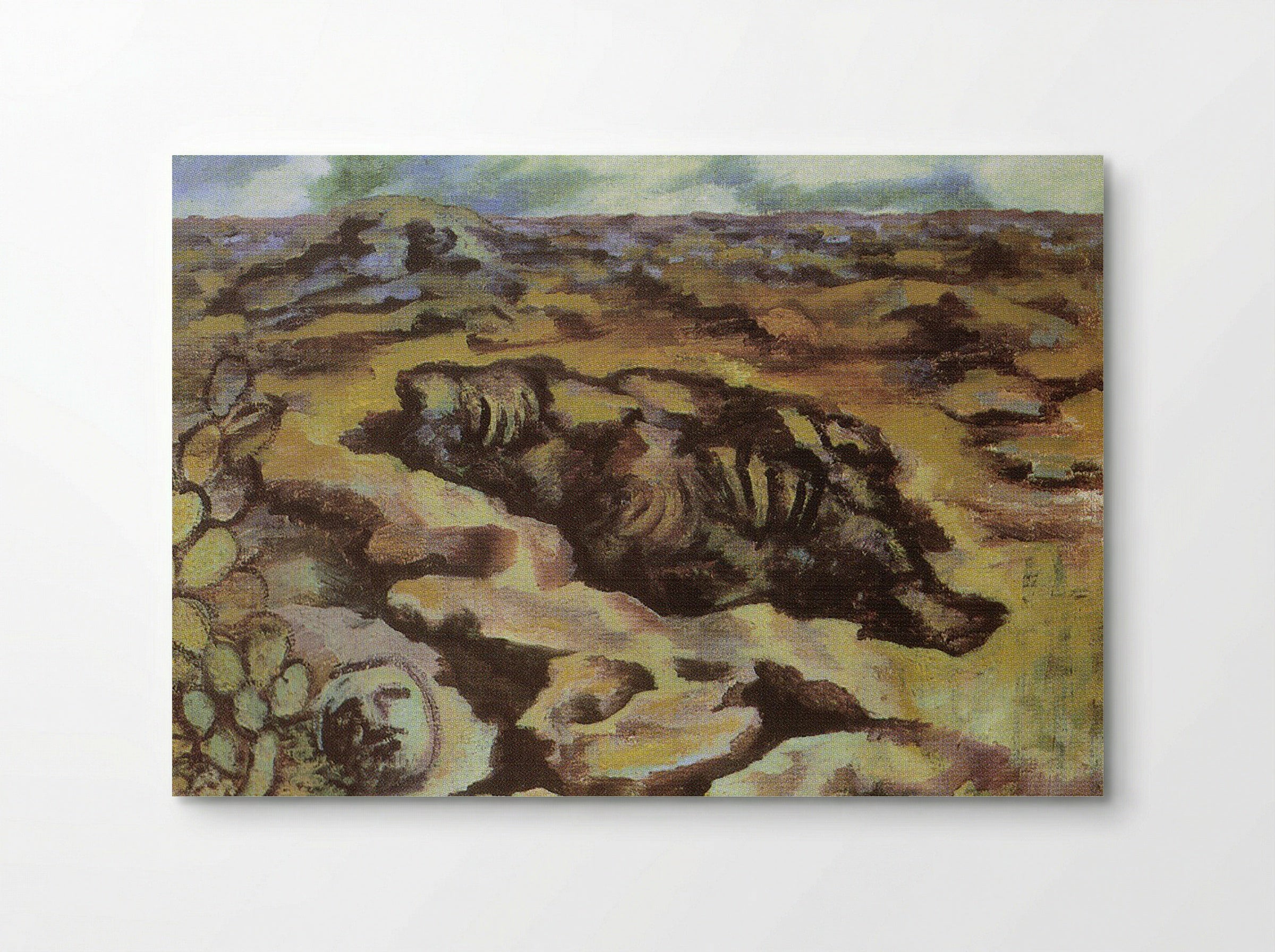
 Landscape with Cactus and Mask - Diego Rivera
Print · Framed · Canvas
Regular price From £28.00 GBPSale price From £28.00 GBP Regular price -
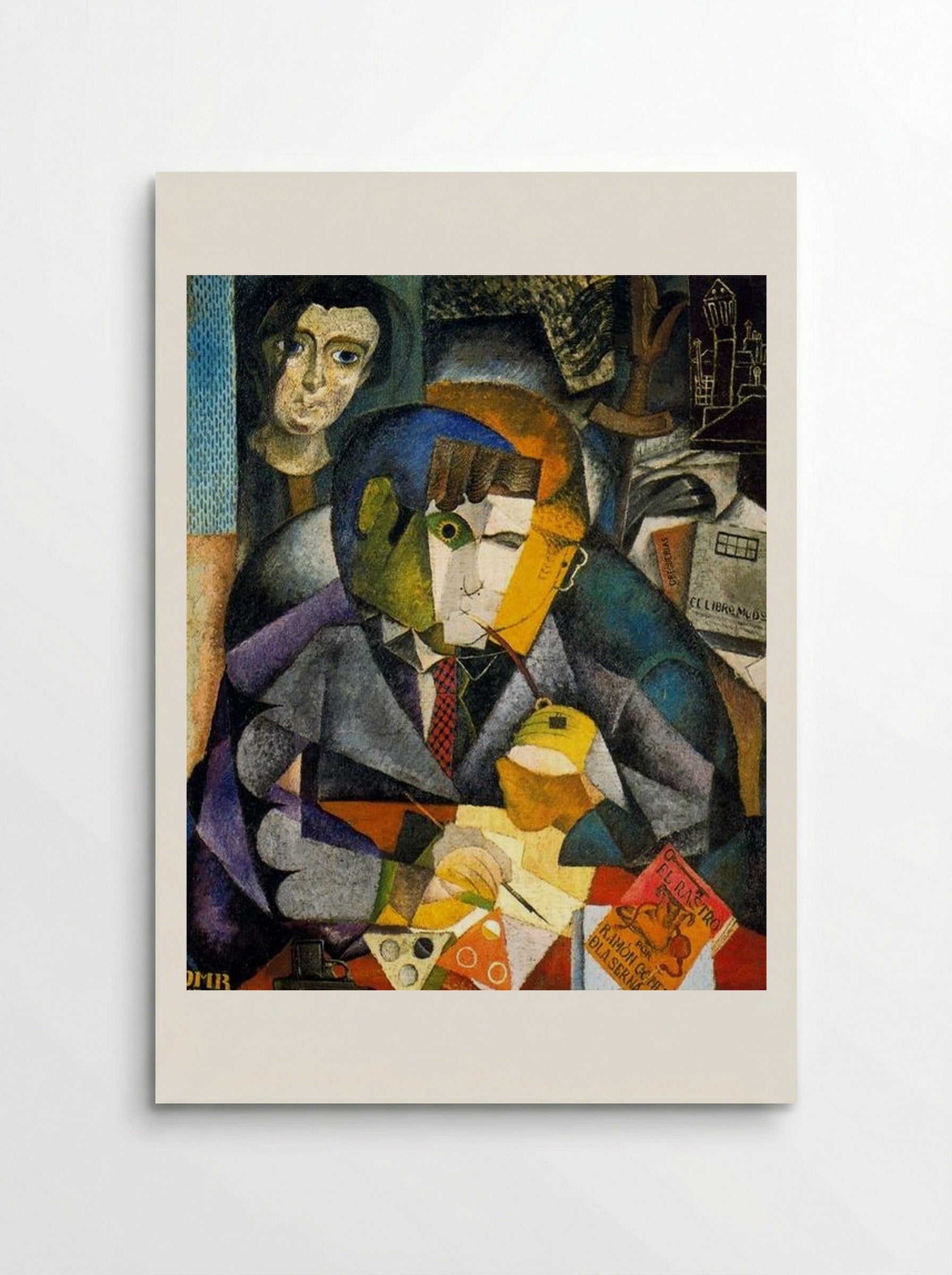 Portrait of Ramon Gomez de la Serna - Diego Rivera
Print
Regular price From £28.00 GBPSale price From £28.00 GBP Regular price -
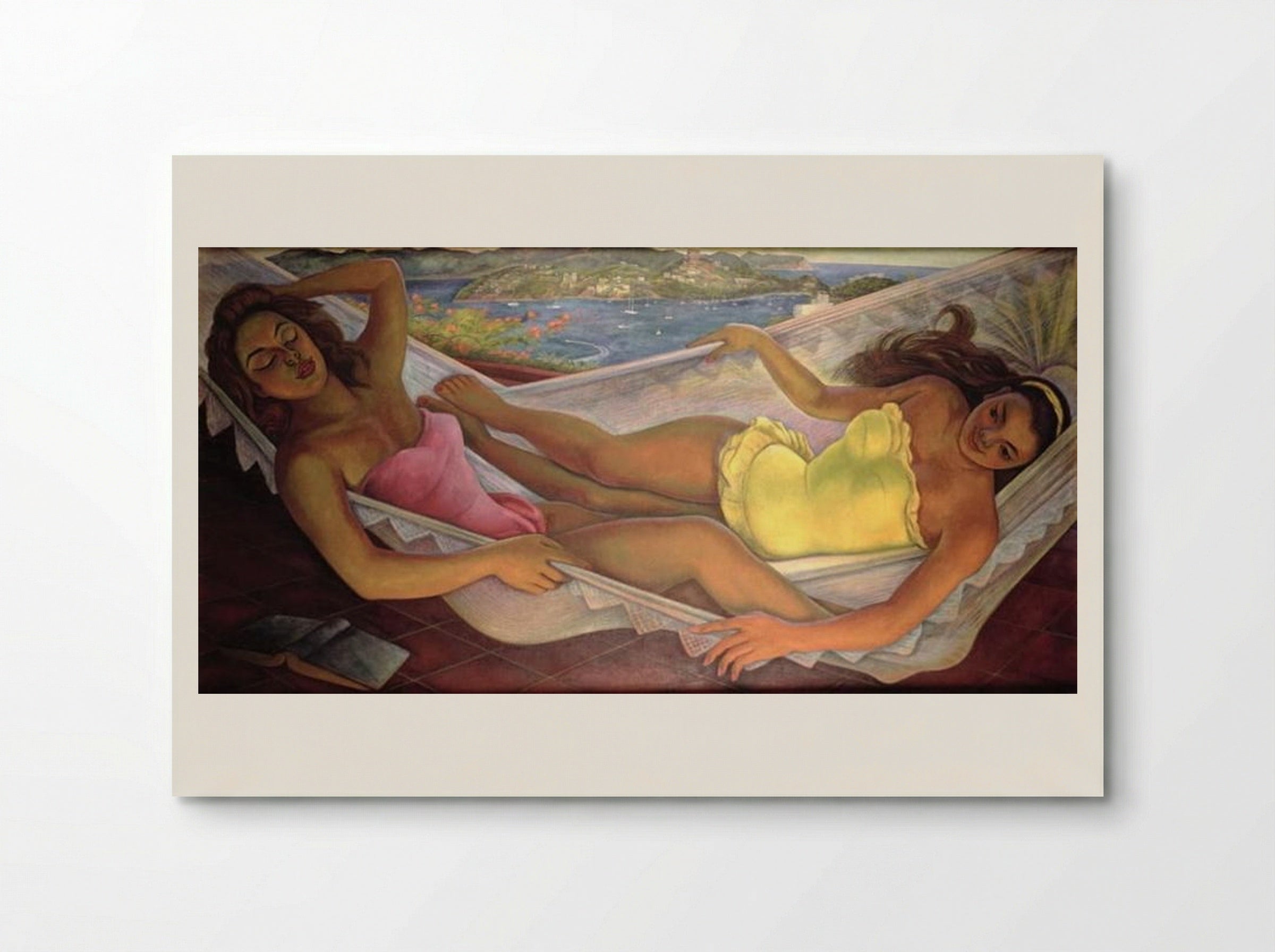 The Hammock - Diego Rivera
Print
Regular price From £28.00 GBPSale price From £28.00 GBP Regular price -
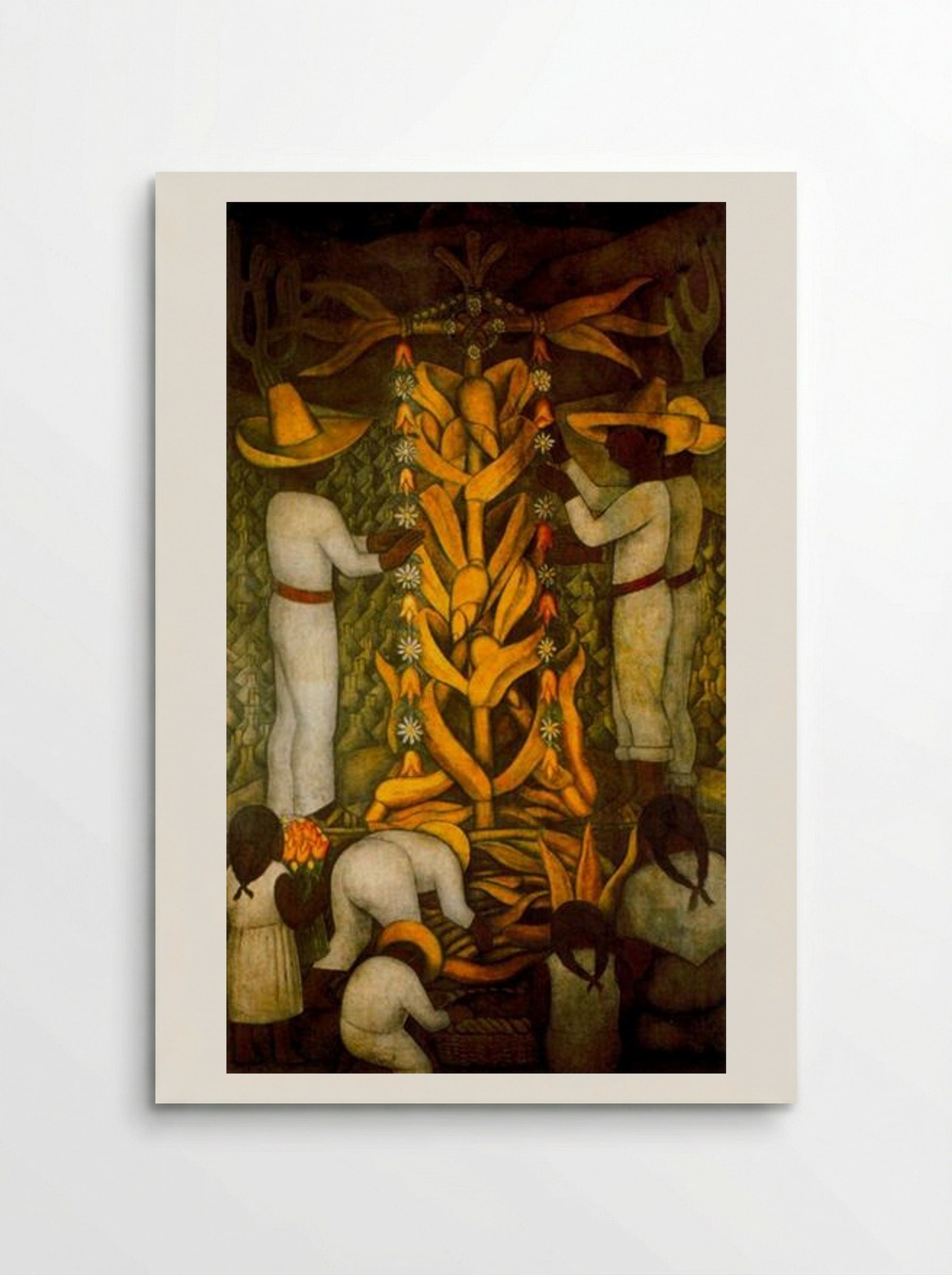
 The Maize Festival - Diego Rivera
Print
Regular price From £28.00 GBPSale price From £28.00 GBP Regular price -
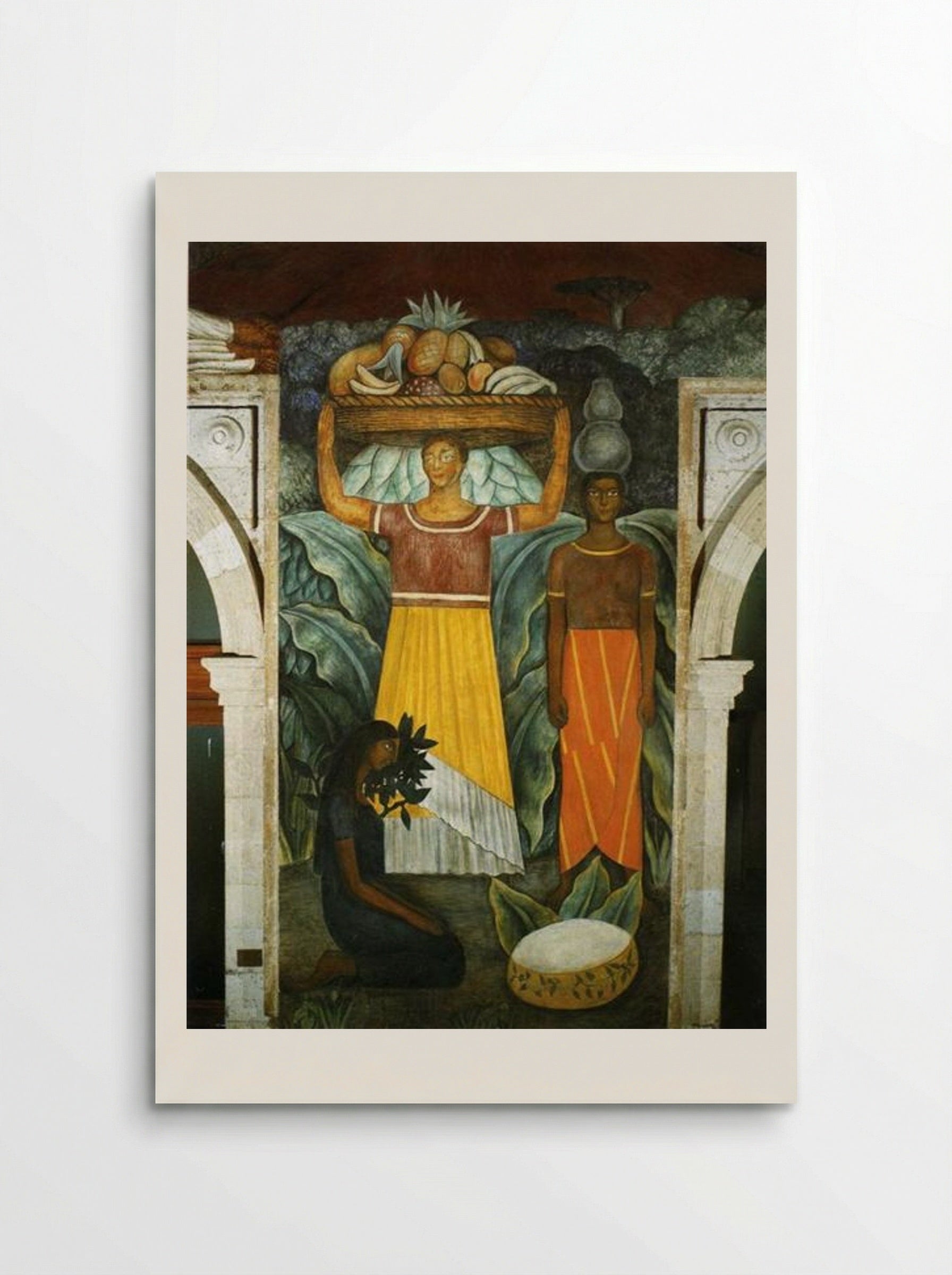
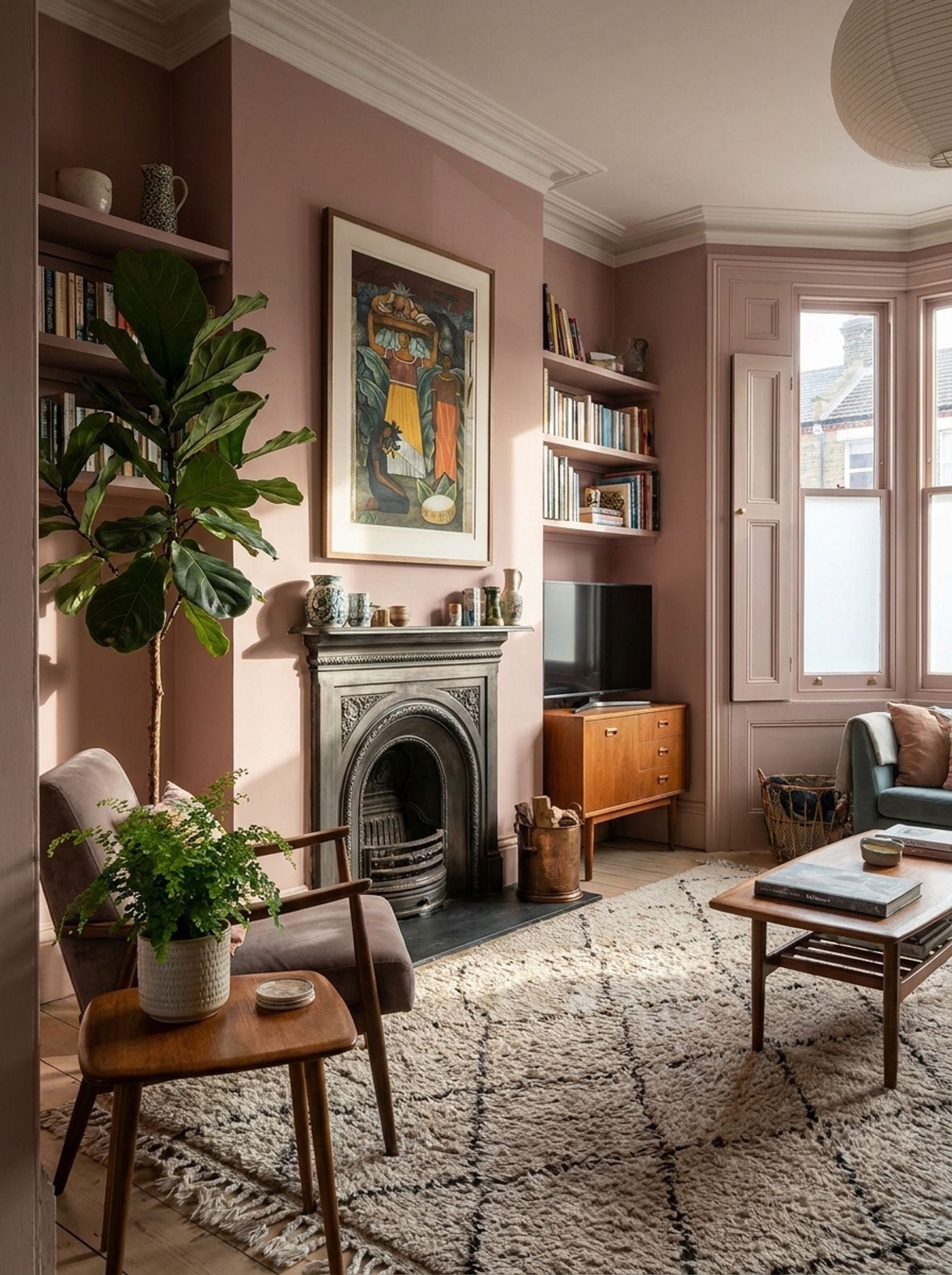 Tehuana Women - Diego Rivera
Print
Regular price From £28.00 GBPSale price From £28.00 GBP Regular price -
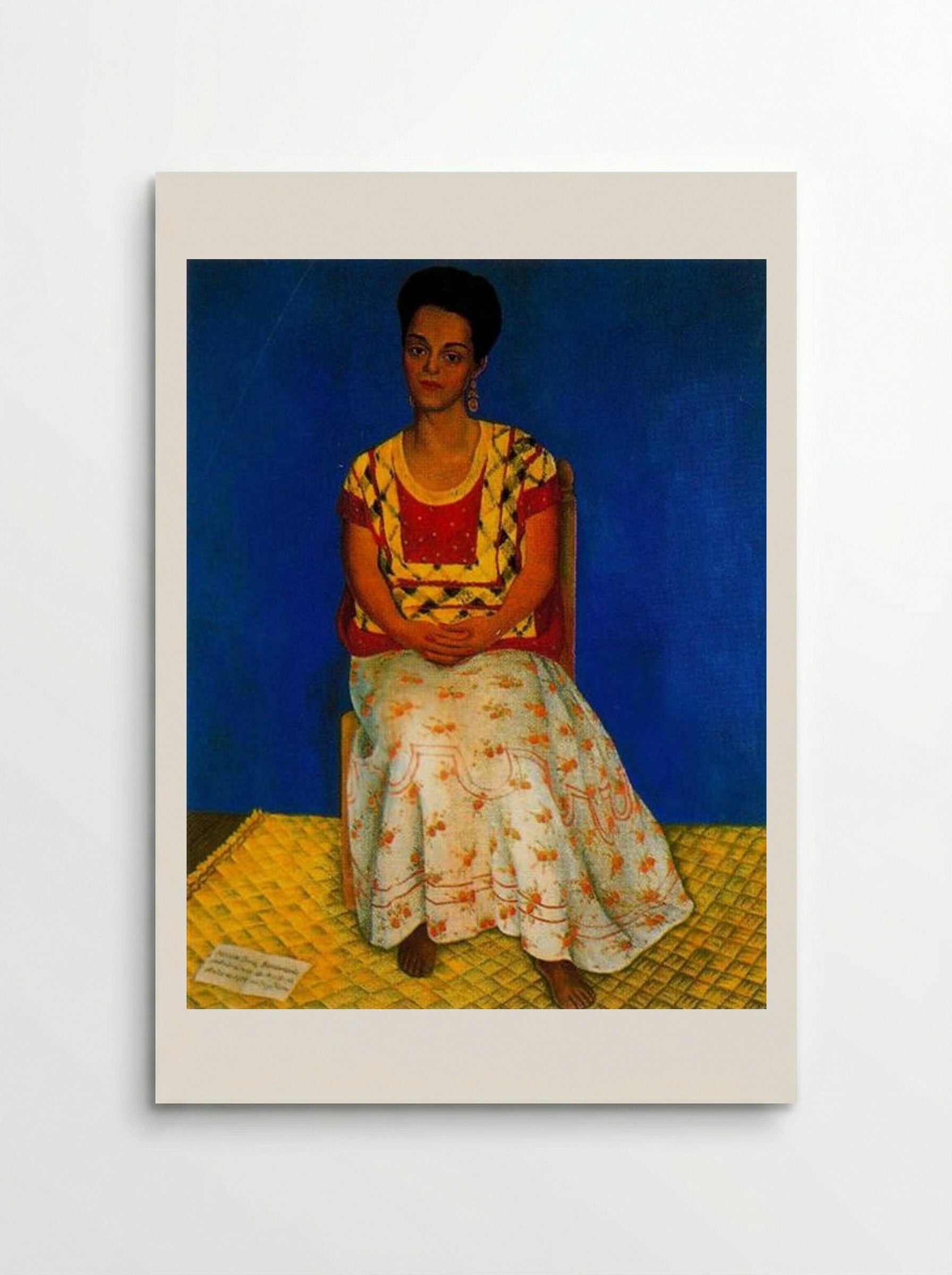 Portrait of Cuca Bustamante - Diego Rivera
Print
Regular price From £28.00 GBPSale price From £28.00 GBP Regular price -
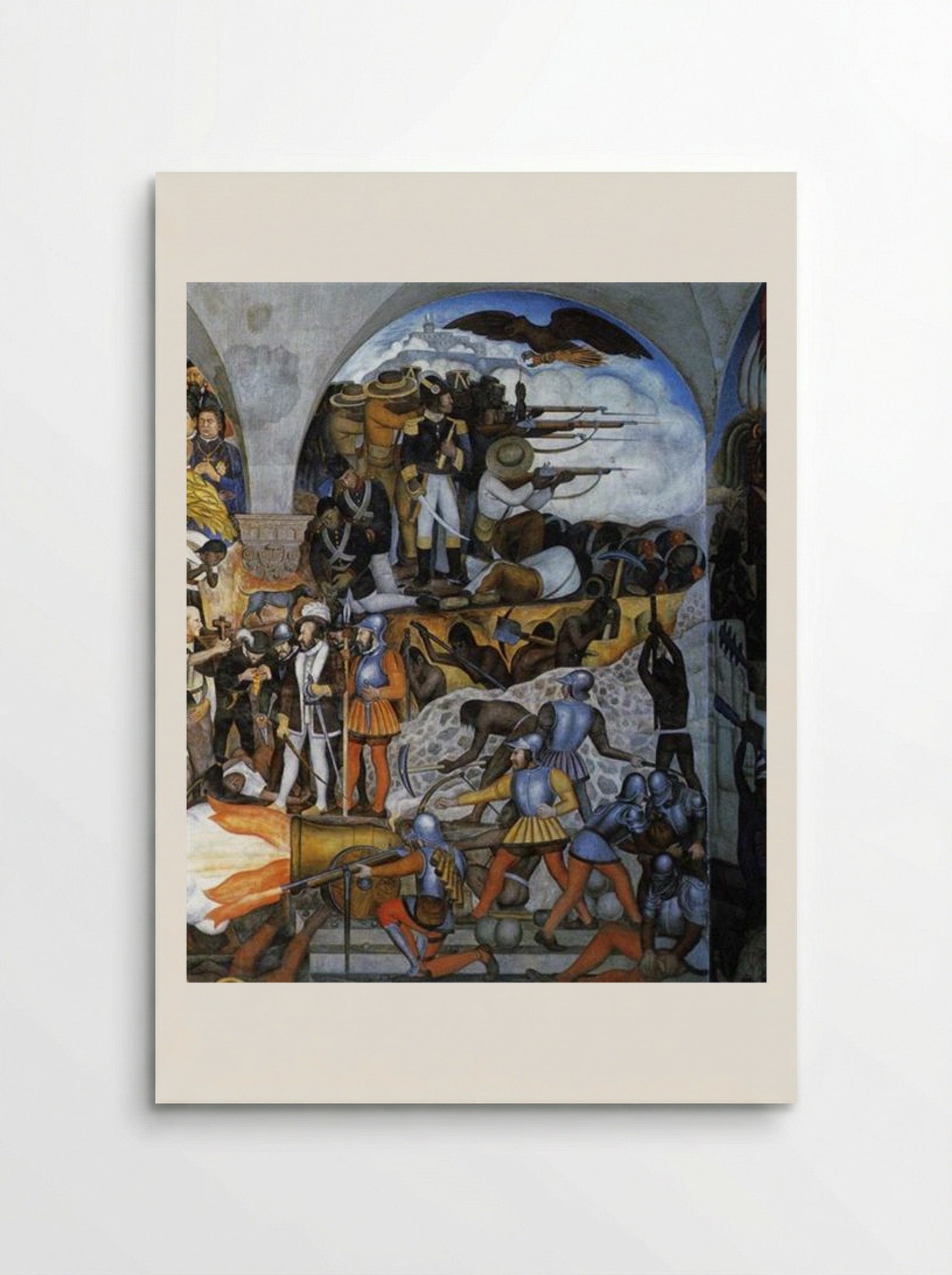
 The History of Mexico - Diego Rivera
Print
Regular price From £28.00 GBPSale price From £28.00 GBP Regular price -
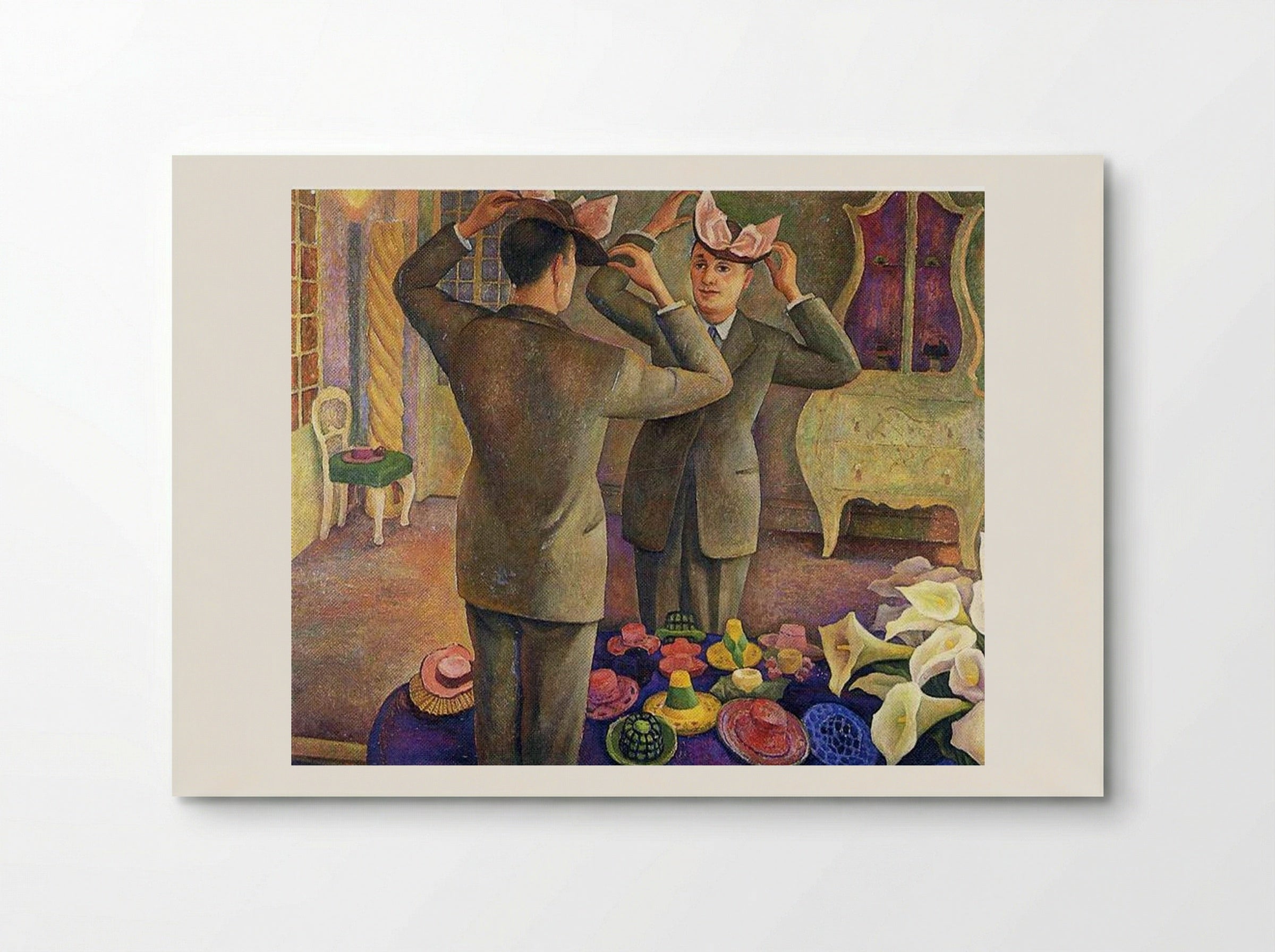
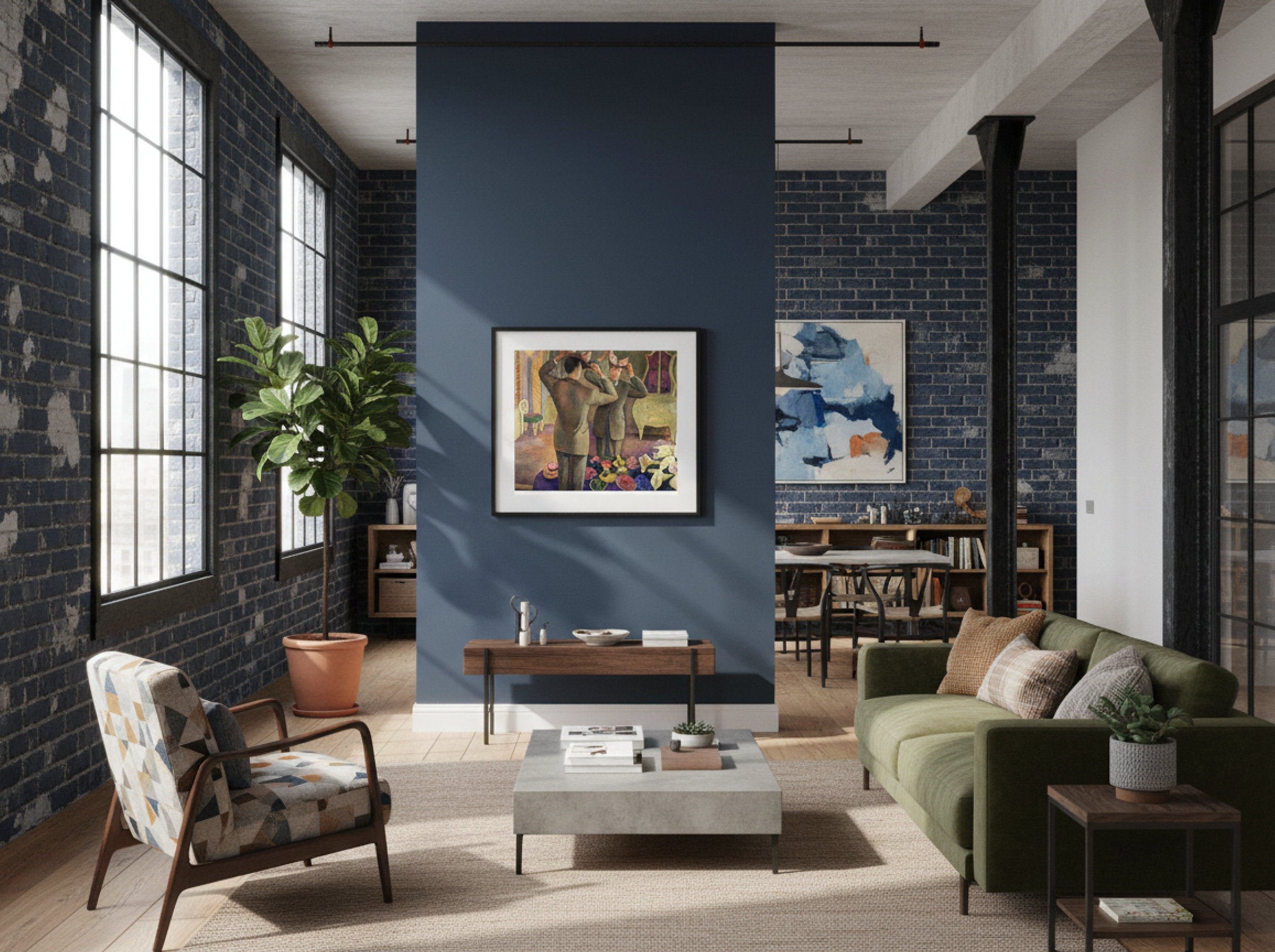 The Milliner. Portrait of Henri de Chatillon - Diego Rivera
Print
Regular price From £28.00 GBPSale price From £28.00 GBP Regular price


Artist Biography
Diego Rivera
Rivera painted walls. Big ones. The murals at the National Palace in Mexico City cover over a thousand square feet and depict the entire history of Mexico from the Aztecs to the Revolution. He worked on scaffolding, in fresco, for years at a stretch. The scale was political: he wanted art that belonged to the public, not to collectors.
He studied at the Academy of San Carlos in Mexico City and spent fourteen years in Europe (1907-1921), absorbing Cubism in Paris and working alongside Picasso, Modigliani, and Mondrian. He returned to Mexico and found his subject: the history, labour, and people of his country, painted in a style that combined Renaissance fresco technique with pre-Columbian imagery and Marxist ideology.
The Detroit Industry Murals at the Detroit Institute of Arts (1932-33) are twenty-seven panels depicting the Ford Motor Company's River Rouge plant. The workers are heroic. The machinery is beautiful. Henry Ford's son Edsel commissioned them. The business community wanted them destroyed. They survived.
He married Frida Kahlo in 1929. They divorced in 1939. They remarried in 1940. The relationship was mutually unfaithful, politically intense, and artistically productive for both of them. Rivera said Kahlo was the better painter. Whether he believed this or was performing generosity is an open question.
He accepted a commission from Nelson Rockefeller for a mural in Rockefeller Center in 1933 and included a portrait of Lenin. Rockefeller asked him to remove it. Rivera refused. The mural was destroyed. Rivera repainted it in Mexico City. He died in 1957, at seventy.
He studied at the Academy of San Carlos in Mexico City and spent fourteen years in Europe (1907-1921), absorbing Cubism in Paris and working alongside Picasso, Modigliani, and Mondrian. He returned to Mexico and found his subject: the history, labour, and people of his country, painted in a style that combined Renaissance fresco technique with pre-Columbian imagery and Marxist ideology.
The Detroit Industry Murals at the Detroit Institute of Arts (1932-33) are twenty-seven panels depicting the Ford Motor Company's River Rouge plant. The workers are heroic. The machinery is beautiful. Henry Ford's son Edsel commissioned them. The business community wanted them destroyed. They survived.
He married Frida Kahlo in 1929. They divorced in 1939. They remarried in 1940. The relationship was mutually unfaithful, politically intense, and artistically productive for both of them. Rivera said Kahlo was the better painter. Whether he believed this or was performing generosity is an open question.
He accepted a commission from Nelson Rockefeller for a mural in Rockefeller Center in 1933 and included a portrait of Lenin. Rockefeller asked him to remove it. Rivera refused. The mural was destroyed. Rivera repainted it in Mexico City. He died in 1957, at seventy.


Why Choose Us ?