

Surrealism began as a literary movement in Paris in 1924, when the poet André Breton published the first Surrealist Manifesto. It called for the liberation of the unconscious mind from the control of reason, and it proposed automatic writing, dream transcription, and irrational juxtaposition as methods for achieving this. When painters joined the movement, the results were images that looked real but depicted things that could not exist.
Two Kinds of Surrealism
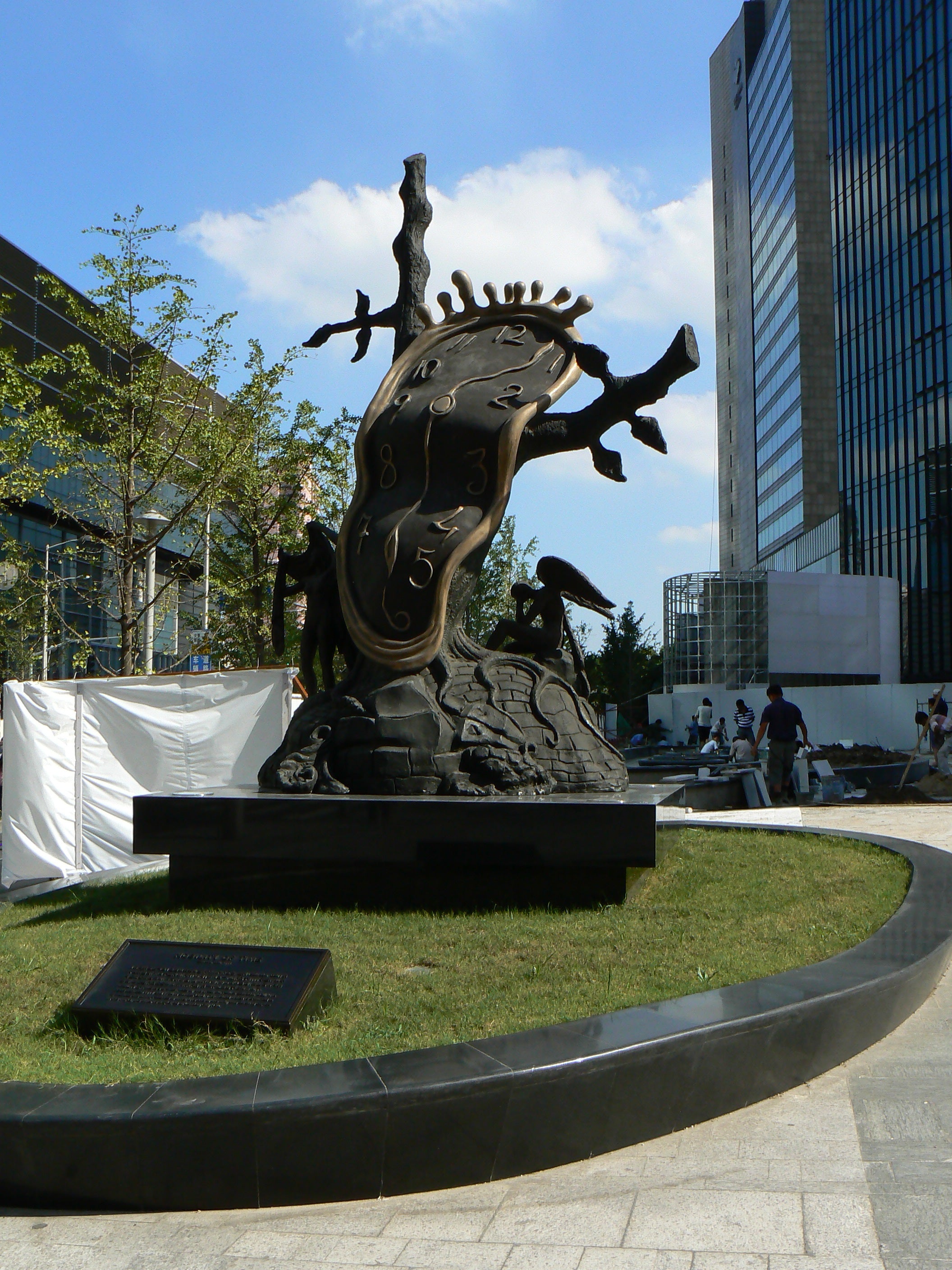
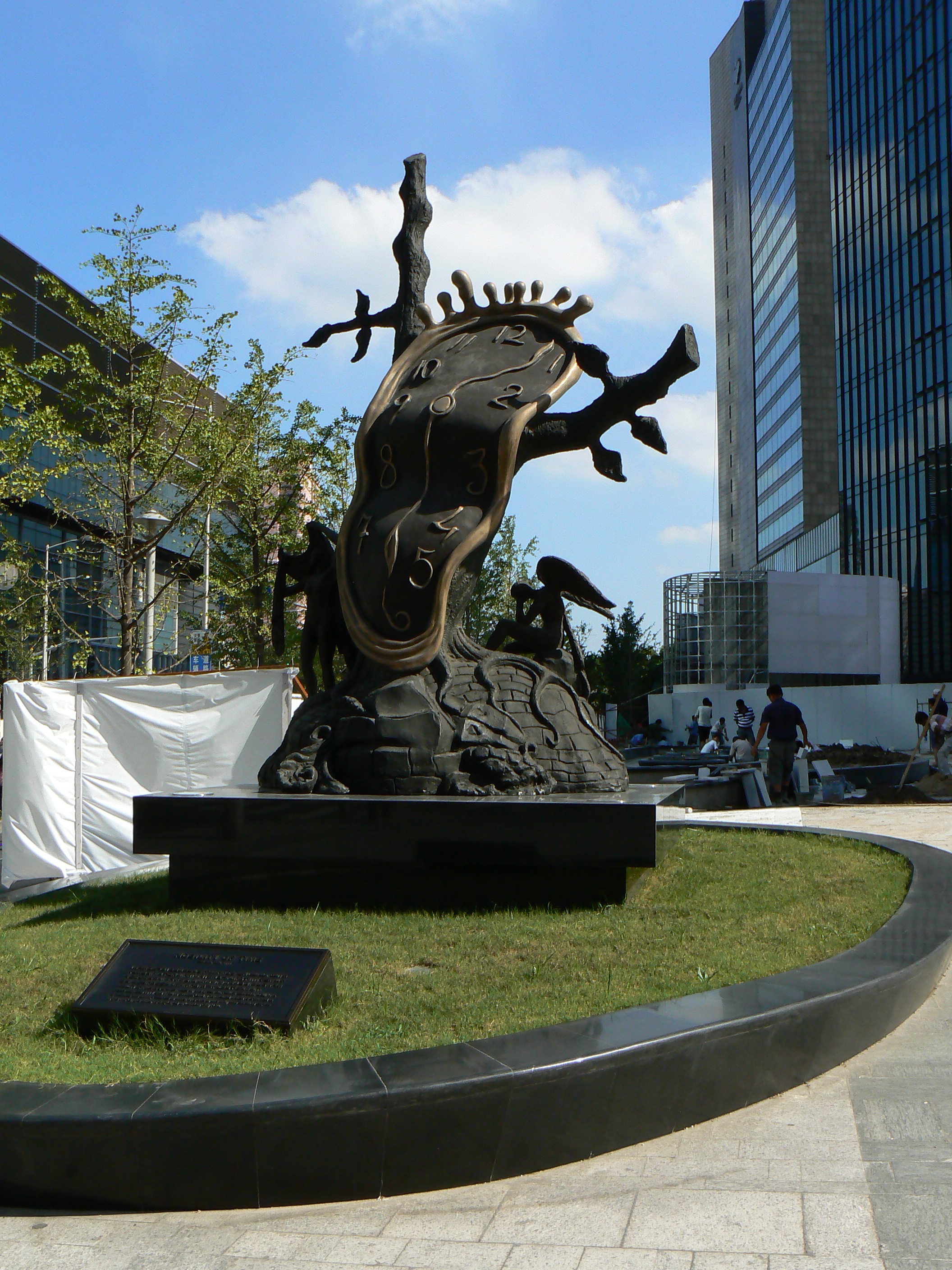
Surrealist painters split into two broad approaches. The first, represented by Dali and Magritte, used precise, almost photographic technique to depict impossible scenes. Dali's melting clocks, painted with the clarity of a Dutch still life, are disturbing precisely because they look so real. The second approach, represented by Miró and Ernst, used automatism: free, unplanned mark-making that allowed the unconscious to guide the hand. The results were abstract or semi-abstract compositions that resisted interpretation.
Both approaches shared a commitment to the irrational. Breton defined Surrealism as "pure psychic automatism" and its practitioners sought to bypass rational thought entirely. In practice, this was harder than it sounded. Even the most spontaneous Surrealist painting involved decisions about colour, composition, and when to stop. The unconscious mind, it turned out, still needed a trained hand to express itself.
Magritte: The Logic of the Impossible
René Magritte (1898 to 1967) painted ordinary objects in extraordinary combinations. A man in a bowler hat stands before a mirror, but the mirror reflects the back of his head. A pipe floats above the words "This is not a pipe" (because it is a painting of a pipe, not a pipe itself). An apple fills an entire room. Each painting presents a single logical problem, stated clearly and left unresolved.
Magritte's technique was deliberately bland. He painted in the style of commercial illustration, without visible brushwork or artistic flourish. The flatness of the execution makes the impossibility of the content more jarring: these are not dreams; they are puzzles, presented with the matter-of-fact clarity of an instruction manual for a world that operates on different rules.
Surrealism's influence extends far beyond the gallery. Advertising, music videos, film (from Buñuel to David Lynch), and digital art all draw on Surrealist techniques of irrational juxtaposition. The movement proved that the unconscious mind, once given permission to speak, had more to say than anyone expected.


