

In 1144, Abbot Suger rededicated the Royal Abbey Church of St. Denis outside Paris. He had rebuilt the east end of the church using a set of structural innovations that, taken together, would change European architecture for the next four centuries. Ribbed vaults channelled the roof's weight to specific points. Flying buttresses braced the walls from outside. With the walls no longer carrying the full load, they could be opened up with enormous windows. For the first time in history, a large stone building could be flooded with natural light.
The effect must have seemed miraculous. It was certainly intentional. Suger wrote that the windows should allow "the wonderful and uninterrupted light of most luminous windows" to pervade the interior. He was describing an engineering solution in the language of theology, which is precisely what Gothic architecture was: a structural system in the service of a spiritual ambition.
How It Works
The key innovation was the redistribution of weight. In a Romanesque church, the heavy stone roof sat directly on thick walls. The walls had to be massive to support the load, which meant windows had to be small. A Gothic church solved this problem in three steps.
First, ribbed vaults replaced the older barrel vaults. The ribs, which look like the spokes of an umbrella seen from inside, channel the roof's weight along specific lines rather than spreading it evenly across the walls. Second, pointed arches replaced round ones, allowing vaults of different widths to reach the same height. Third, flying buttresses, semi-arches braced against the outside walls, absorbed the outward thrust that the vaults generated. Picture a row of people straight-arming a wall to keep it upright: their arms are the buttresses, their bodies are the vertical supports.
With the buttresses doing much of the structural work, the walls between them could be reduced to thin screens. Those screens could be filled with glass.
Five Hundred Churches in a Century
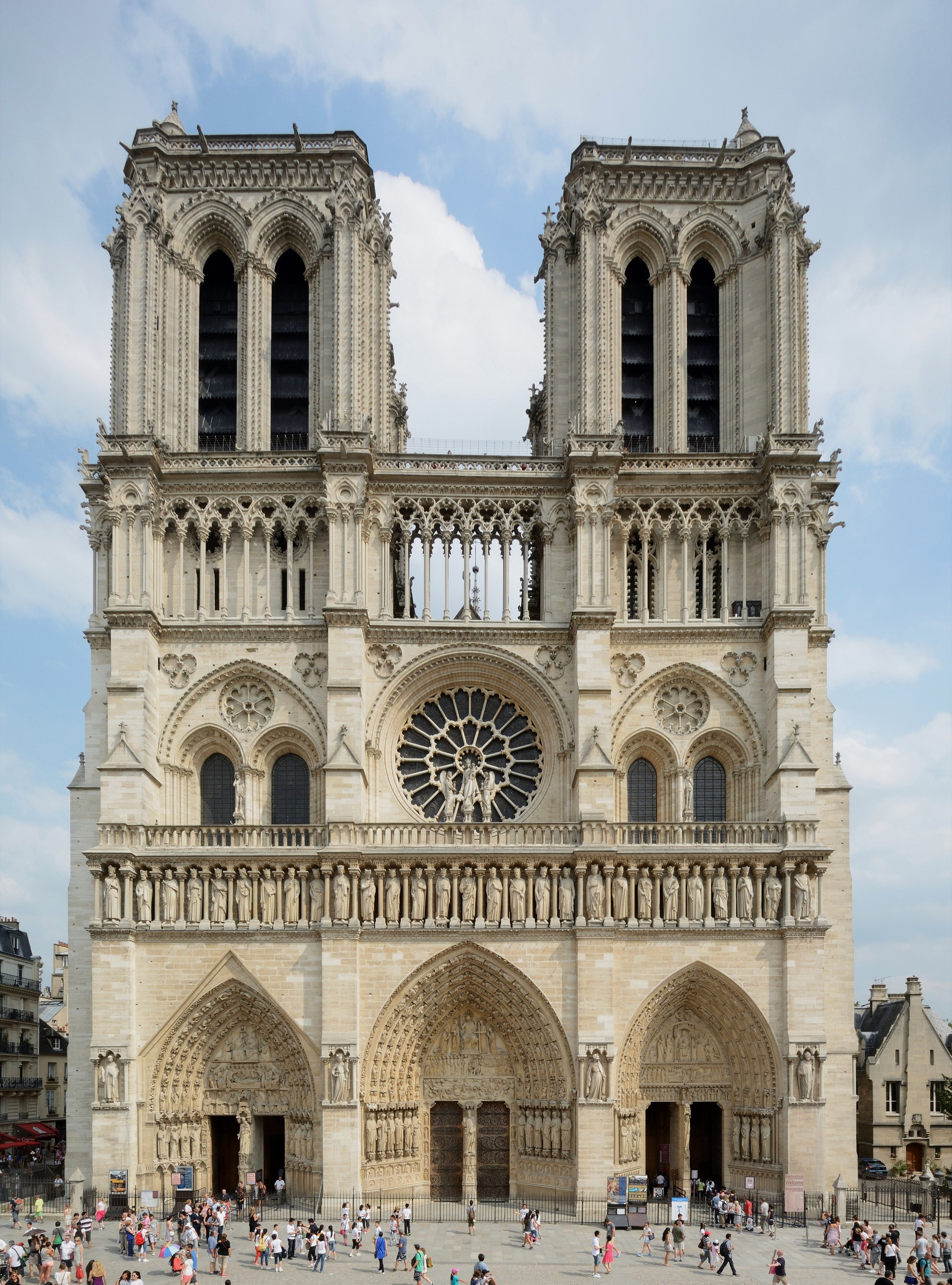
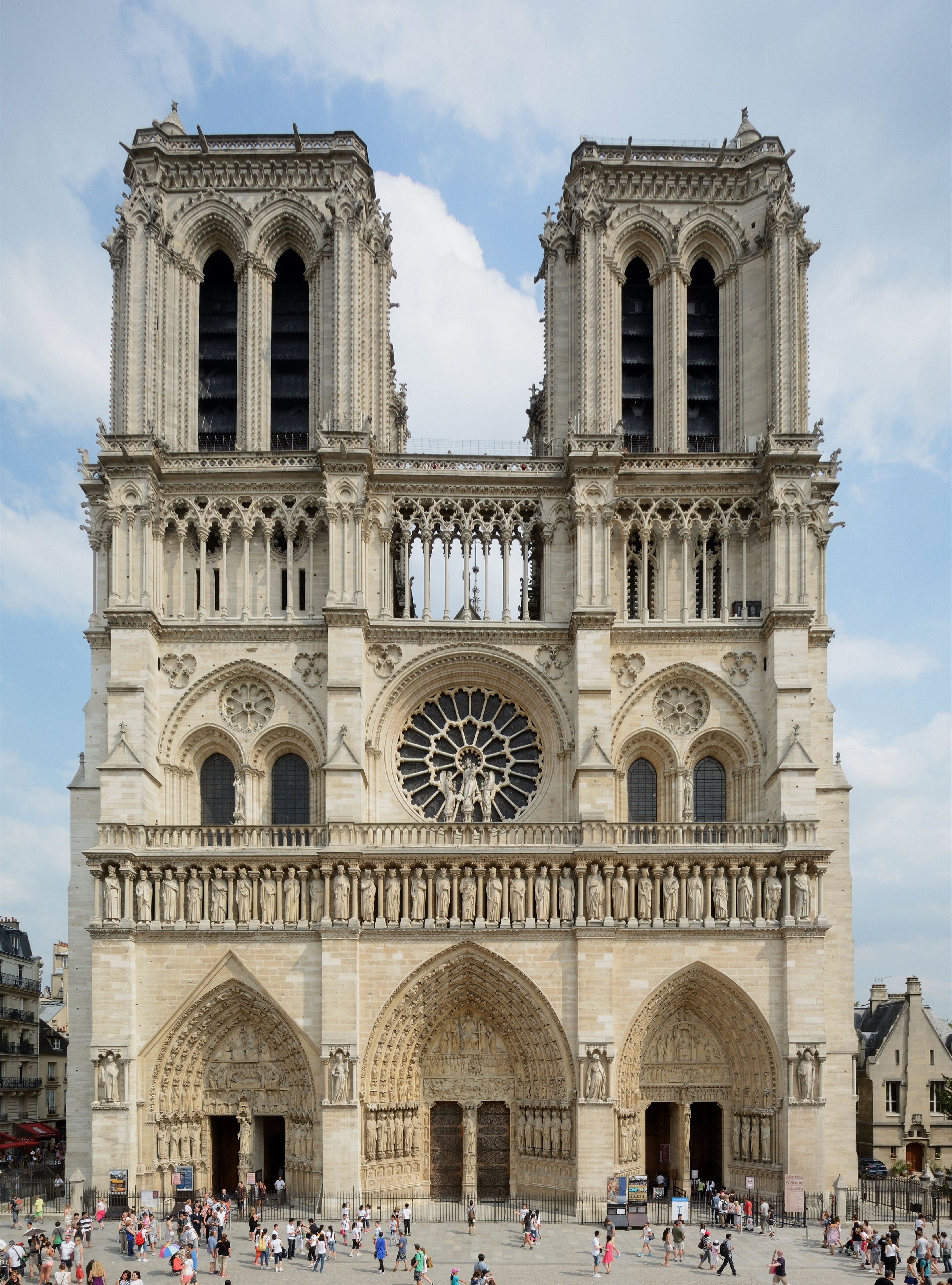
The Gothic style spread from St. Denis across France with extraordinary speed. Construction of Notre-Dame de Paris began in 1163. Between 1170 and 1270, the French erected more than five hundred Gothic churches. Chartres (begun 1194), Reims (1210), Amiens (1247), and Sainte-Chapelle (1243 to 1248) each pushed the structural logic further: taller naves, thinner walls, more glass.
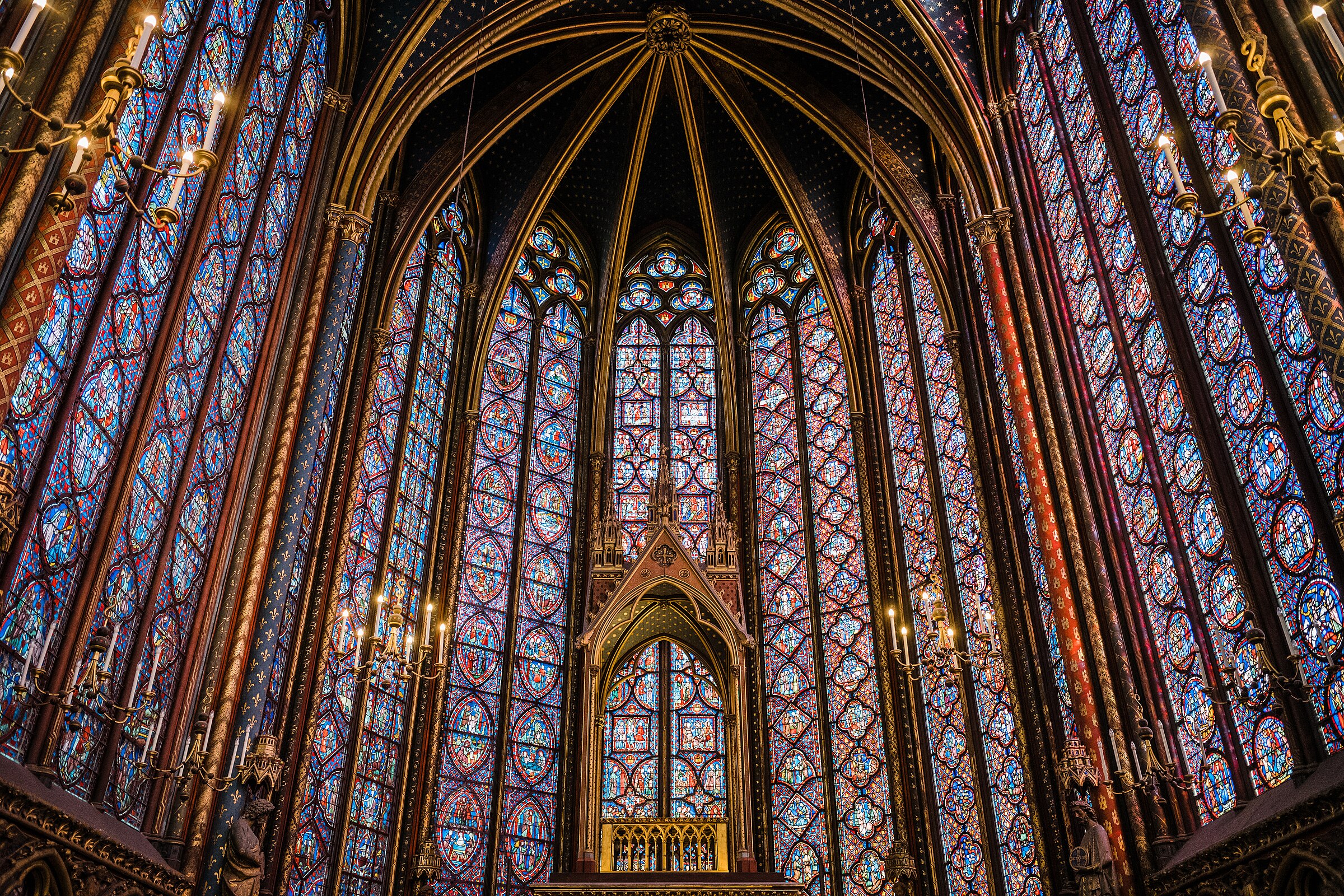
By the time Sainte-Chapelle was completed in 1248, the walls had almost disappeared entirely. The upper chapel is essentially a cage of stone ribs holding fifteen enormous stained-glass windows that rise fifteen metres from floor to ceiling. Standing inside it is less like being in a building than being inside a jewel.
Glass That Tells Stories
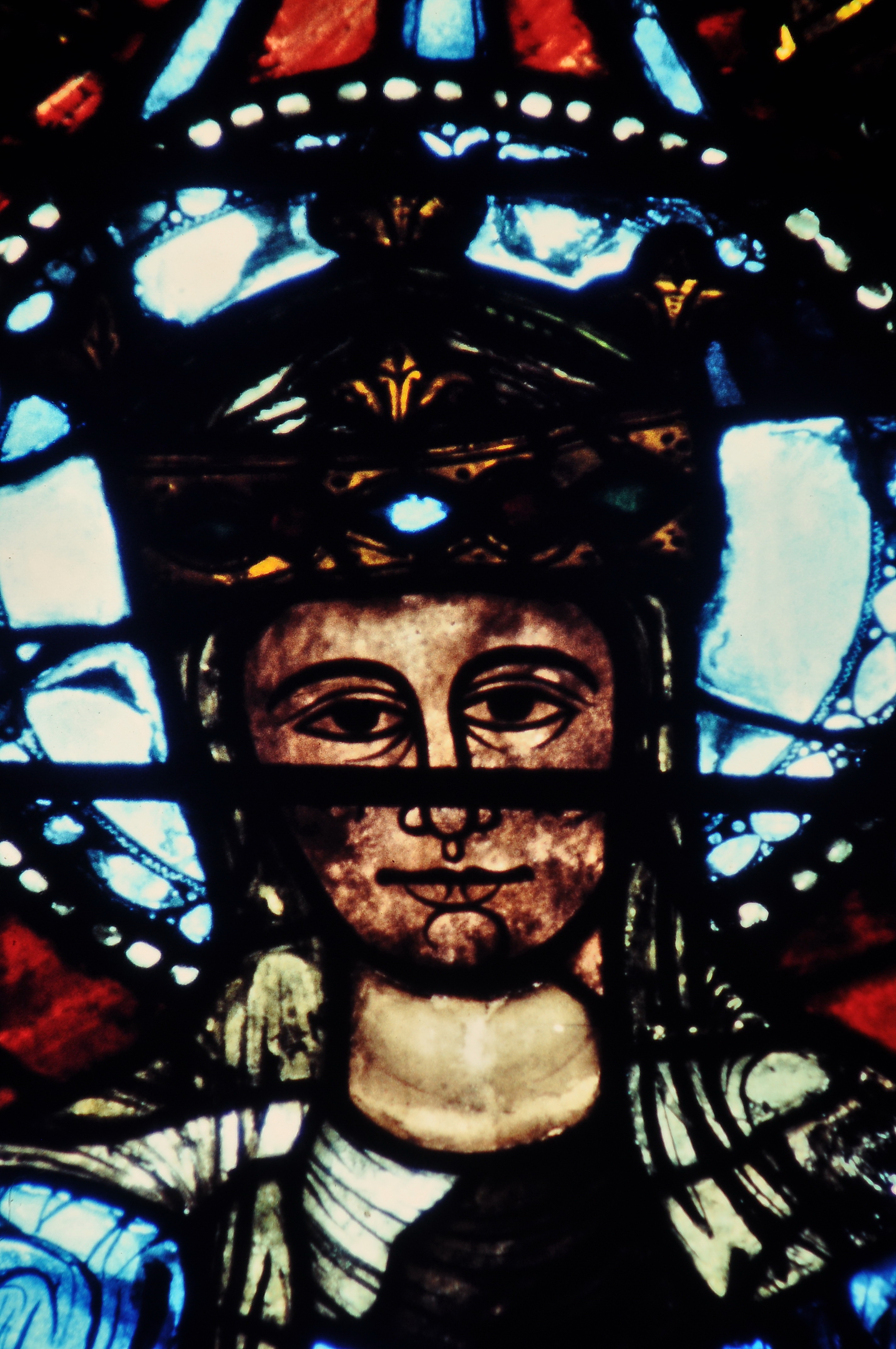
Stained glass was not merely decorative. In an era when most people could not read, the windows served as visual scripture, telling biblical stories and the lives of saints in panels that were read from bottom to top, left to right. The glass was coloured by adding metallic oxides during manufacture: cobalt for blue, gold chloride for red, copper for green. The deep blue of Chartres, sometimes called "Chartres blue," has never been precisely replicated.
The colour of the light changed throughout the day as the sun moved around the building. A window that glowed red in the morning would shift to blue by afternoon. The architects planned for this. The orientation of each window was deliberate, calibrated to the liturgical calendar so that specific scenes would be illuminated at specific times of year.
Beyond France
Over the next two centuries, the Gothic style crossed every border in Europe. Salisbury Cathedral in England (1220), Cologne Cathedral in Germany (1248), St. Stephen's in Vienna (1304), and St. Vitus in Prague (1344) all adapted the French model with regional variations. In Italy, Byzantine and Roman influences modified the style considerably; Italian Gothic churches tend to be wider, lower, and less dependent on the structural daring that defined the French originals.
The Gothic era produced buildings that were, by any measure, the most technically ambitious structures built since the Roman Empire. They were also the most expensive. Notre-Dame took nearly two hundred years to complete. Cologne Cathedral, begun in 1248, was not finished until 1880. The ambition of Gothic builders routinely exceeded the resources of a single generation, which meant that every cathedral was an act of faith in more than one sense: faith that God deserved the effort, and faith that future generations would carry it on.


