



John D. Graham
- modern art
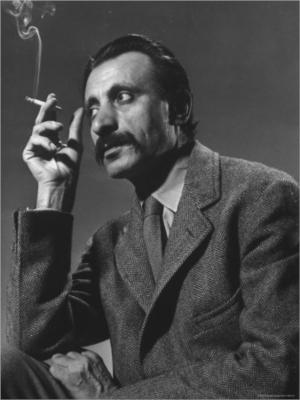
Before becoming a figure in American Modernism, John D. Graham served as a cavalry officer in the Circassian Regiment of the Russian Imperial Army. He was awarded the Cross of Saint George for bravery. After the 1917 revolution, he was imprisoned by the Bolsheviks but eventually escaped to the United States. This military background influenced his later depictions of authority and masculinity, such as his Self-Portrait as a Warrior.
Biography
Graham developed a style that combined classical drafting with surrealist and occult symbols. He often used a grid system to organise his compositions. His later portraits, including Madame Sijou, frequently feature subjects with crossed eyes. He believed this physical trait indicated a connection to a spiritual or subconscious realm. His work moved away from pure abstraction toward a highly personal form of figurative mysticism.
Collectors value Graham for his technical precision and his strange, psychological subject matter. His drawings and paintings possess a quiet intensity that fits well in contemporary interiors. The works offer a sense of historical weight without being traditional. Pieces like Equestrian and Portrait of a Man with Suspenders provide a sophisticated alternative to more common modernist prints.
Notable Works
Tap to view larger.
Next stop
Browse the movements →
Every movement in the collection, from the Renaissance to Pop art.
Related Artists


Frequently Asked Questions
When was John D. Graham born?
John D. Graham was born in 1881 and died in 1961.What art movement was John D. Graham part of?
John D. Graham was associated with modern art.What is John D. Graham known for?
John D. Graham is known for a former Russian cavalry officer, John D. Graham became a mentor to the New York School, creating mystical portraits that blend classical technique with occult symbolism.