



Andre Dunoyer de Segonzac
- landscape painting
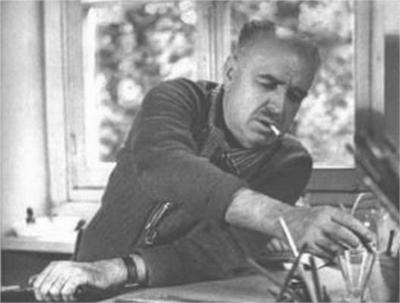
André Dunoyer de Segonzac spent almost sixty years refusing to belong to anything in particular. He had studied at the Académie de La Palette under Jacques-Émile Blanche and taught there alongside Jean Metzinger and Henri Le Fauconnier, yet described his path as an independent course, free of any masters, dating his real career from 1906[1].
Biography
His output divided between painting and etching, and it was in printmaking that his most lasting reputation accumulated. He produced approximately 1,600 plates across his career, a volume reflecting genuine obsession rather than routine productivity. He learned etching only in 1919[1], after returning from WWI service near Nancy and in the Bois-le-Prêtre, where he earned the Croix de Guerre before being transferred to Lucien-Victor Guirand de Scévola's camouflage section.
The masterwork critics returned to consistently was his illustrated suite of Virgil's Georgics, published in 1947[1]. Anne Distel, chief curator of the Musée d'Orsay, placed it in a list of the most beautifully illustrated books of the twentieth century. He had applied a similar naturalist sensibility to Roland Dorgelès's The Wooden Crosses in 1921, a project drawn directly from the landscape and losses of the war years.
Included in the Armory Show in 1913[1] and given a solo exhibition at Galerie Levesque in Paris the following year, Segonzac accumulated institutional recognition slowly. By the time he died in 1974[1] at the age of 90, his work was in the British Museum, the Metropolitan Museum of Art, MoMA, and the Tate.
Timeline
- 1884Born André Dunoyer de Segonzac.
- 1906Segonzac dated the start of his real career from this year.
- 1913Segonzac's work was included in the Armory Show.
- 1914A solo exhibition of Segonzac's work was held at Galerie Levesque in Paris.
- 1919Segonzac learned etching after returning from WWI service.
- 1921He applied a naturalist sensibility to Roland Dorgelès's "The Wooden Crosses".
- 1947Segonzac published his illustrated suite of Virgil's Georgics.
- 1974Died at 90. His work was in the British Museum, the Metropolitan Museum of Art, MoMA, and the Tate.
Notable Works
Tap to view larger.
Next stop
Browse the movements →
Every movement in the collection, from the Renaissance to Pop art.
Related Artists
Frequently Asked Questions
What is Andre Dunoyer de Segonzac known for?
André Dunoyer de Segonzac is known for his painting and etching, with his printmaking gaining him a more significant reputation. Over his career, he produced around 1,600 plates. His illustrated suite of Virgil's Georgics, published in 1947[1], is considered one of the most beautifully illustrated books of the twentieth century.Who was Andre Dunoyer de Segonzac?
André Dunoyer de Segonzac was an artist who studied at the Académie de La Palette under Jacques-Émile Blanche and taught there with Jean Metzinger and Henri Le Fauconnier; however, he considered himself an independent artist. He served in WWI near Nancy and in the Bois-le-Prêtre, earning the Croix de Guerre, and later transferred to Lucien-Victor Guirand de Scévola's camouflage section.What was Andre Dunoyer de Segonzac's art style?
André Dunoyer de Segonzac applied a naturalist sensibility to Roland Dorgelès's The Wooden Crosses in 1921[1]. This project was drawn directly from the landscape and losses of the war years.How did Andre Dunoyer de Segonzac die?
Andre Dunoyer de Segonzac died in 1974[1] at the age of 90.
Sources
Editorial draws on the following primary and tertiary references for Andre Dunoyer de Segonzac.
- [1] wikipedia Wikipedia: Andre Dunoyer de Segonzac Used for: biography, birth dates, death dates, identifiers, movement attribution, nationality.
- [2] book John Golding, Cubism_ A History and an Analysis, 1907-1914, Third edition Used for: biography.
- [3] book guggenheim-onehundredpainti00thom Used for: biography.
- [4] book Post-impressionism : cross-currents in European painting Used for: biography, stylistic analysis.
- [5] book Post-impressionism : cross-currents in European painting Used for: biography, stylistic analysis.
- [6] book Brodskai︠a︡, Natalʹi︠a︡ Valentinovna, The Fauves _ Art of Century Used for: stylistic analysis.
Editorial overseen by Solis Prints. Sources verified 2026-09-22. Click a source for details, or hover over [N] in the page above to preview.
Editorial standardsMethodologyCorrectionsAI disclosureAbout the editorial team