

Collection
John Constable
Explore curated art prints selected for distinctive homes and considered interiors.
-

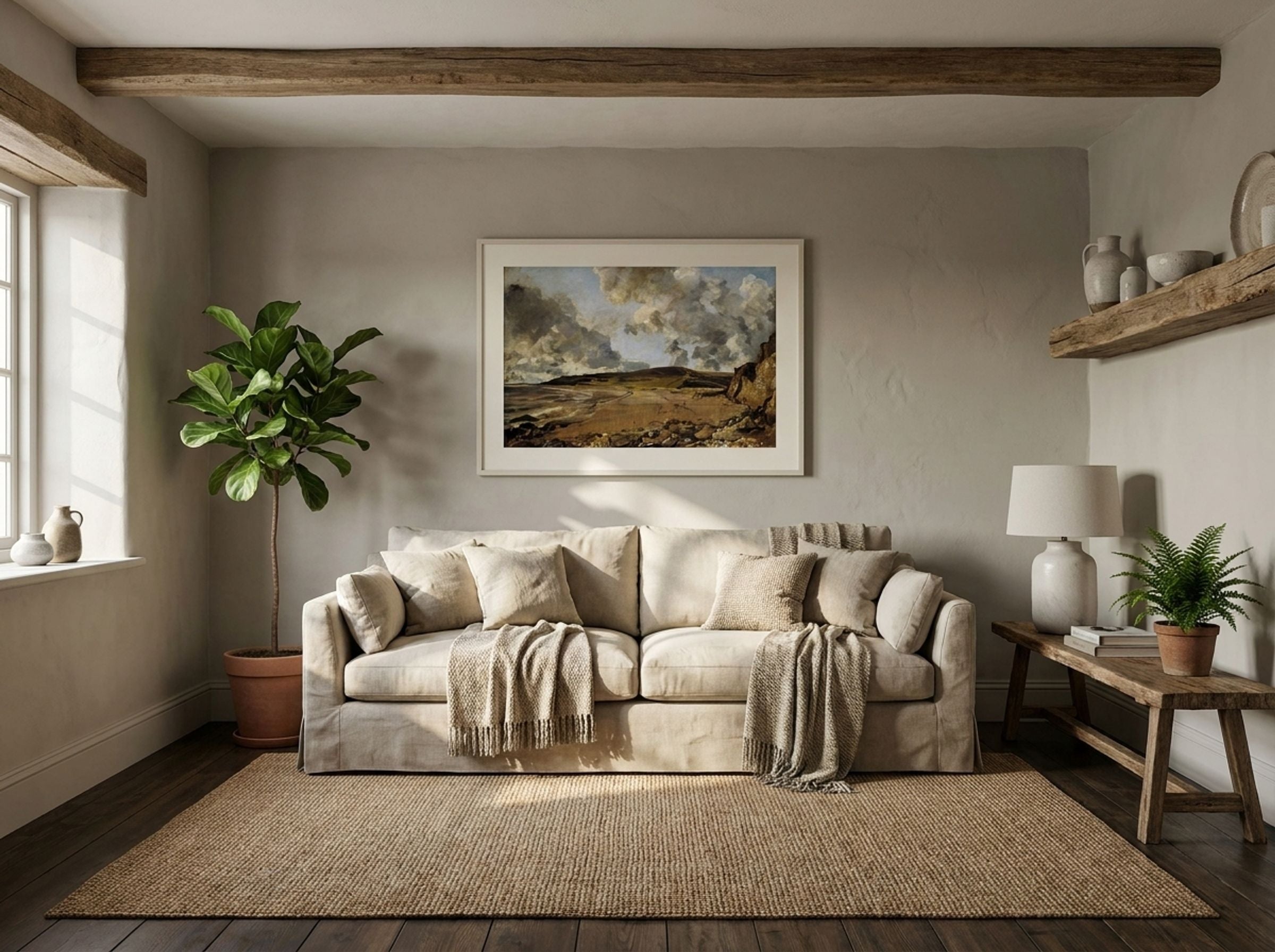 Weymouth Bay with Jordan Hill - John Constable
Print
Regular price From £28.00 GBPSale price From £28.00 GBP Regular price -
 Landscape: Evening - John Constable
Print
Regular price From £28.00 GBPSale price From £28.00 GBP Regular price -
 Autumn Berries and Flowers in a Brown Pot - John Constable
Print
Regular price From £28.00 GBPSale price From £28.00 GBP Regular price -
 Cenotaph to the Memory of Sir Joshua Reynolds - John Constable
Print
Regular price From £28.00 GBPSale price From £28.00 GBP Regular price -
 A Boat at the Sluice - John Constable
Print
Regular price From £28.00 GBPSale price From £28.00 GBP Regular price -
 Stour Valley and Dedham Village - John Constable
Print
Regular price From £28.00 GBPSale price From £28.00 GBP Regular price -
 Stratford Mill - John Constable
Print
Regular price From £28.00 GBPSale price From £28.00 GBP Regular price -
 Brighton Beach - John Constable
Print
Regular price From £28.00 GBPSale price From £28.00 GBP Regular price -

 Farmhouse by the Water - John Constable
Print · Framed
Regular price From £28.00 GBPSale price From £28.00 GBP Regular price -

 Salisbury Cathedral from the Bishop's Grounds - John Constable
Print · Framed
Regular price From £28.00 GBPSale price From £28.00 GBP Regular price -

 Branch Hill Pond, Hampstead - John Constable
Print · Framed
Regular price From £28.00 GBPSale price From £28.00 GBP Regular price -

 Wooded Landscape with Goatherd - John Constable
Print · Framed
Regular price From £28.00 GBPSale price From £28.00 GBP Regular price -
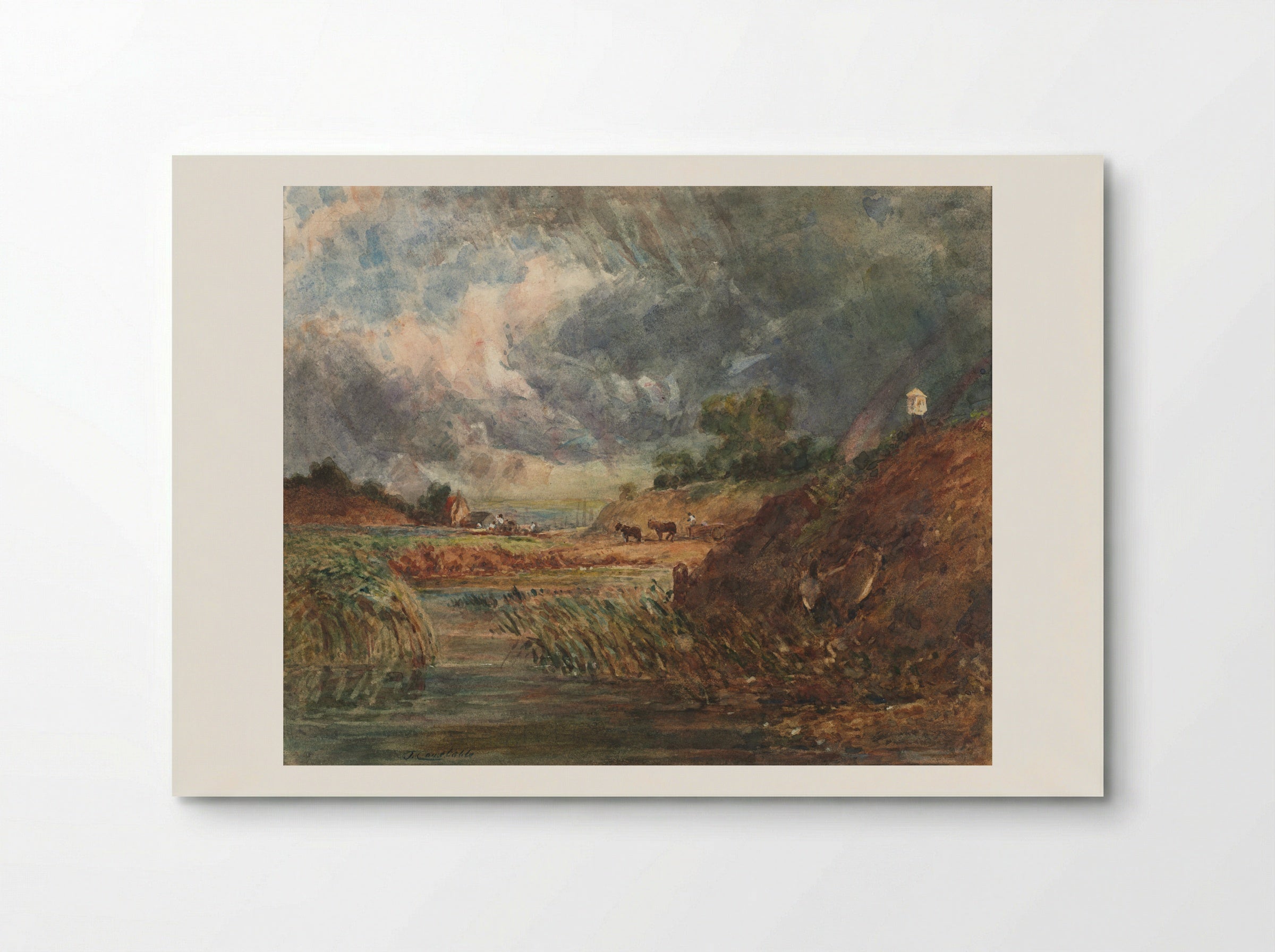 Hampstead Heath, Looking Toward Harrow - John Constable
Print
Regular price From £28.00 GBPSale price From £28.00 GBP Regular price -
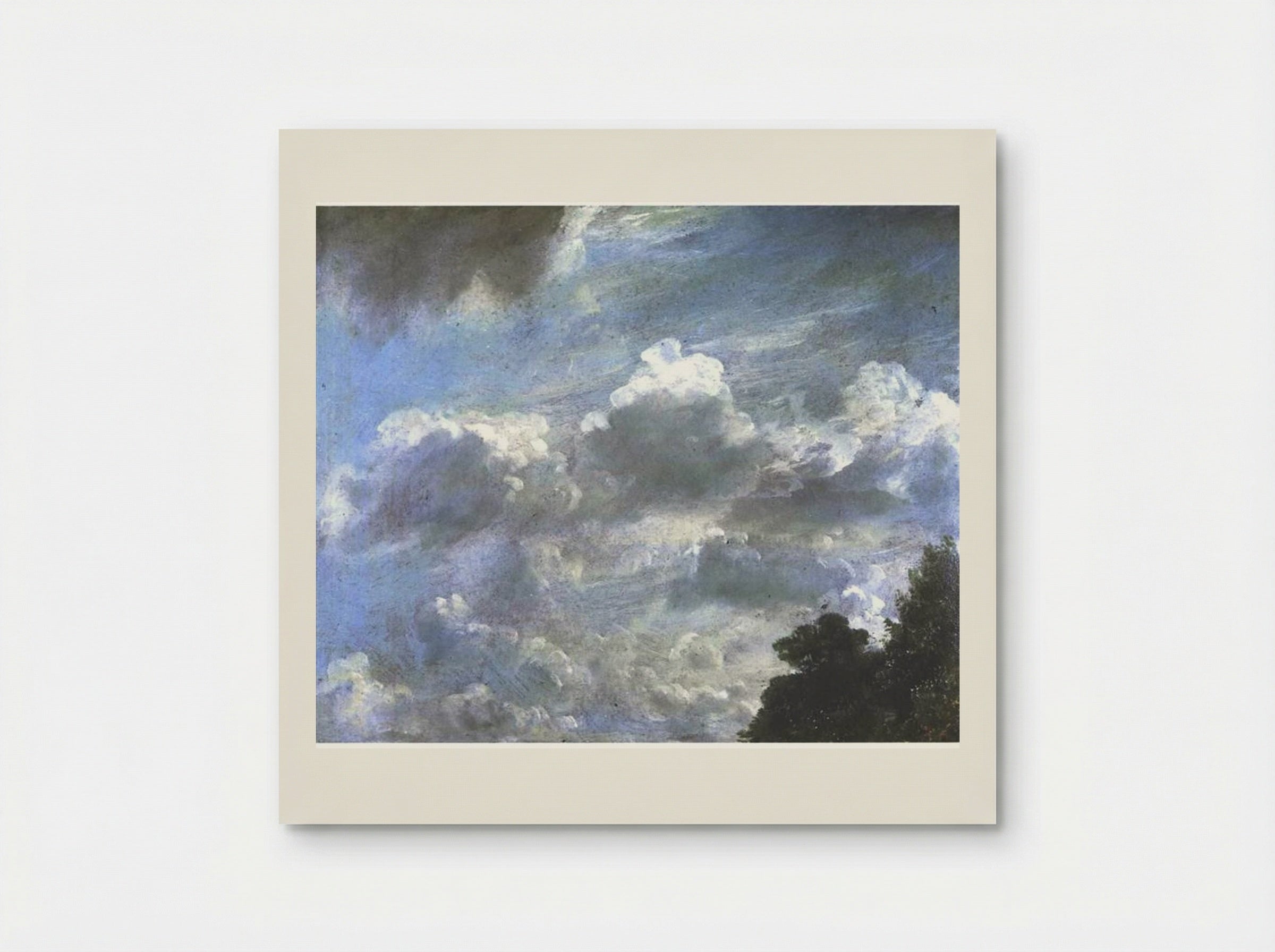 Cloud Study - John Constable
Print
Regular price From £37.00 GBPSale price From £37.00 GBP Regular price -
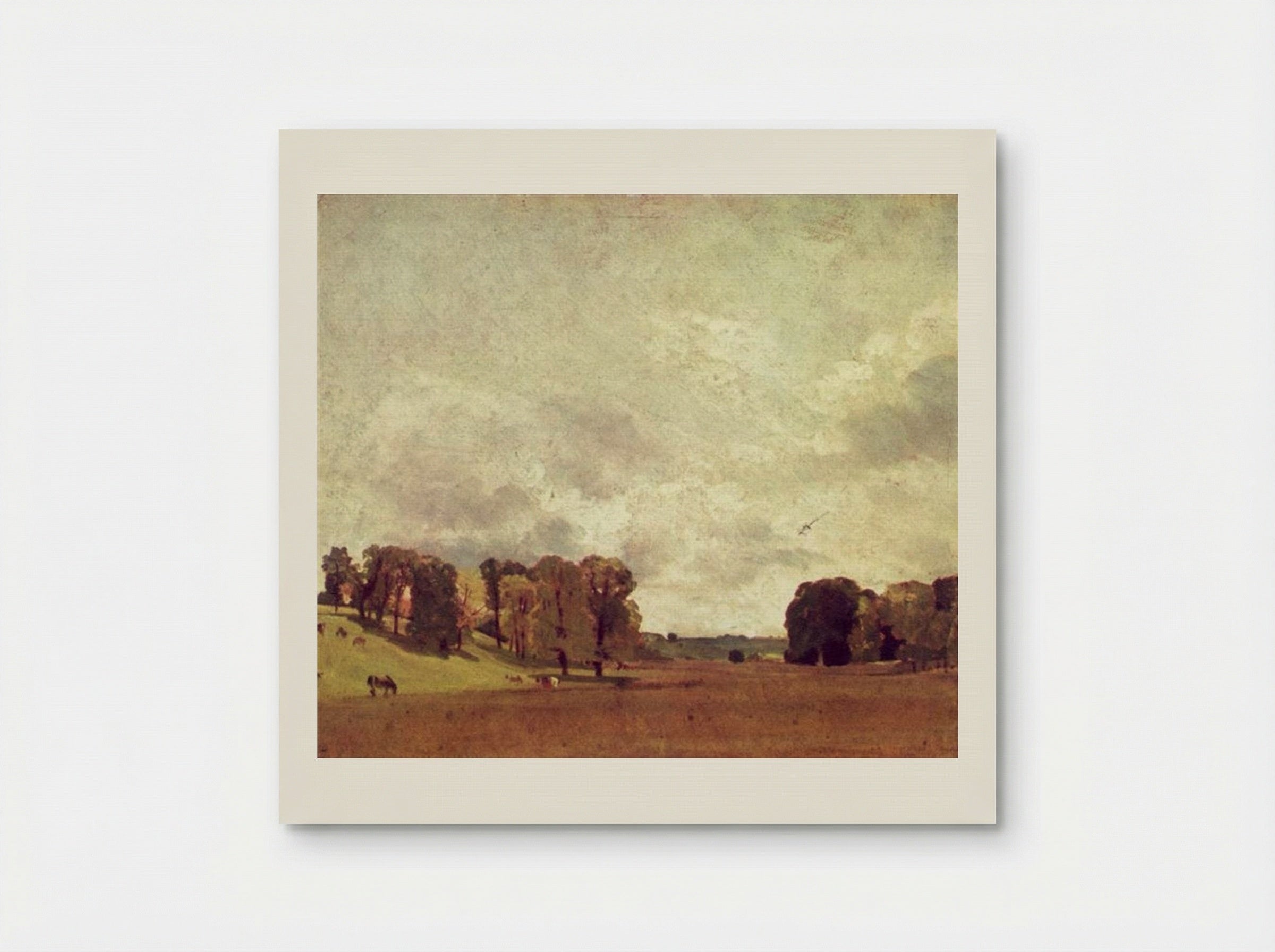 View at Epsom - John Constable
Print
Regular price From £37.00 GBPSale price From £37.00 GBP Regular price -
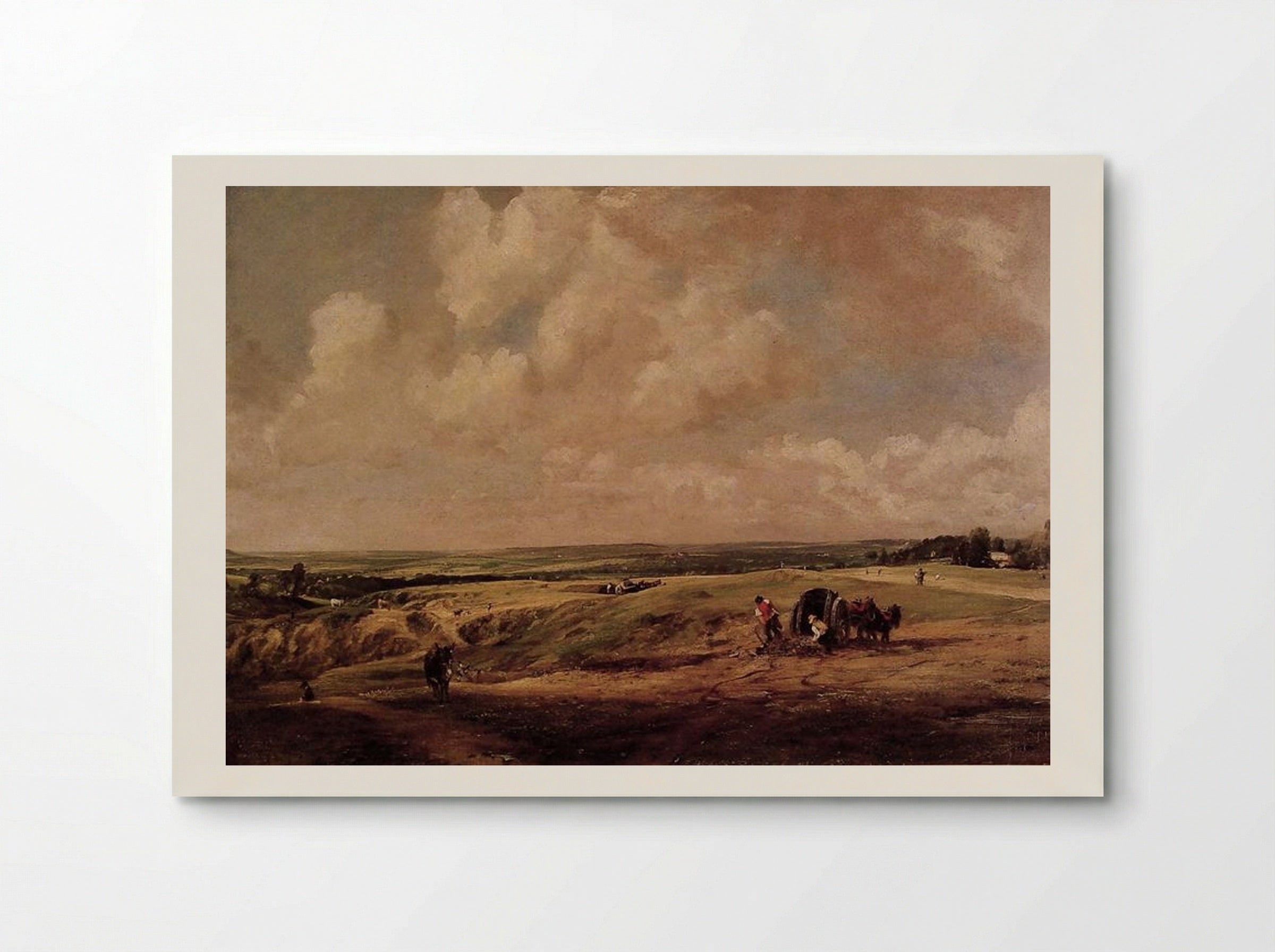 Hampstead Heath - John Constable
Print
Regular price From £28.00 GBPSale price From £28.00 GBP Regular price -
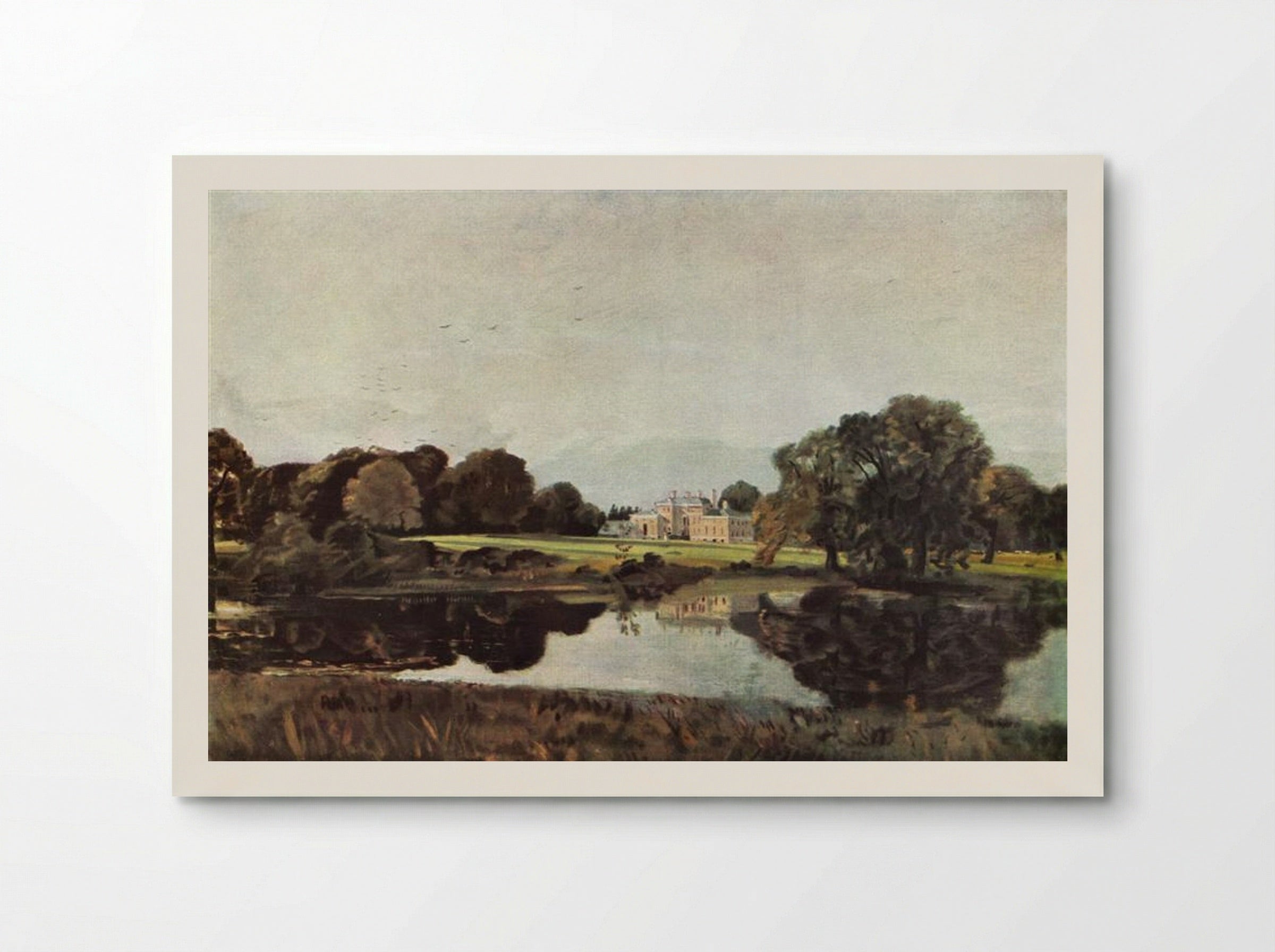
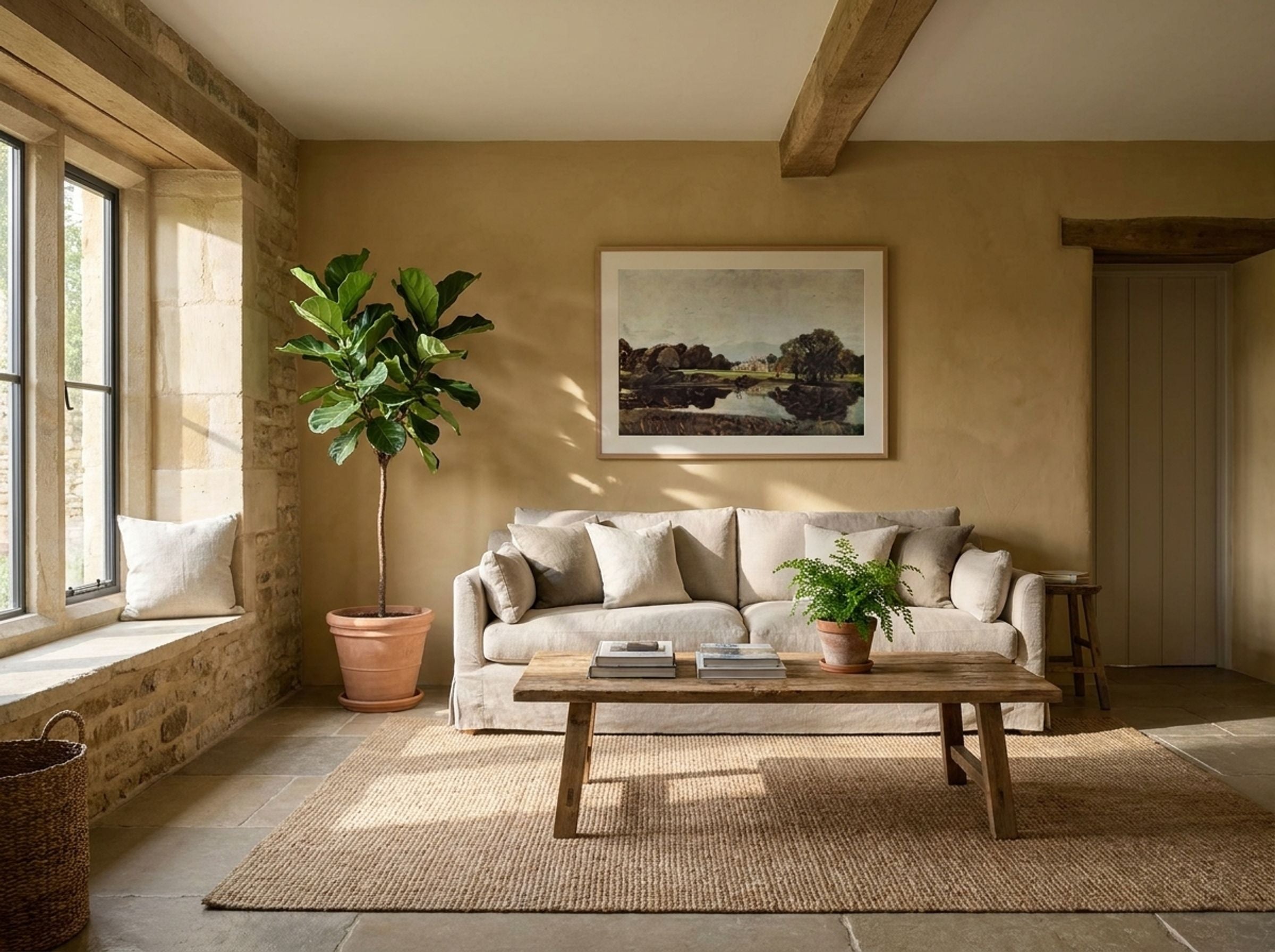 Malvern Hall - John Constable
Print
Regular price From £28.00 GBPSale price From £28.00 GBP Regular price -
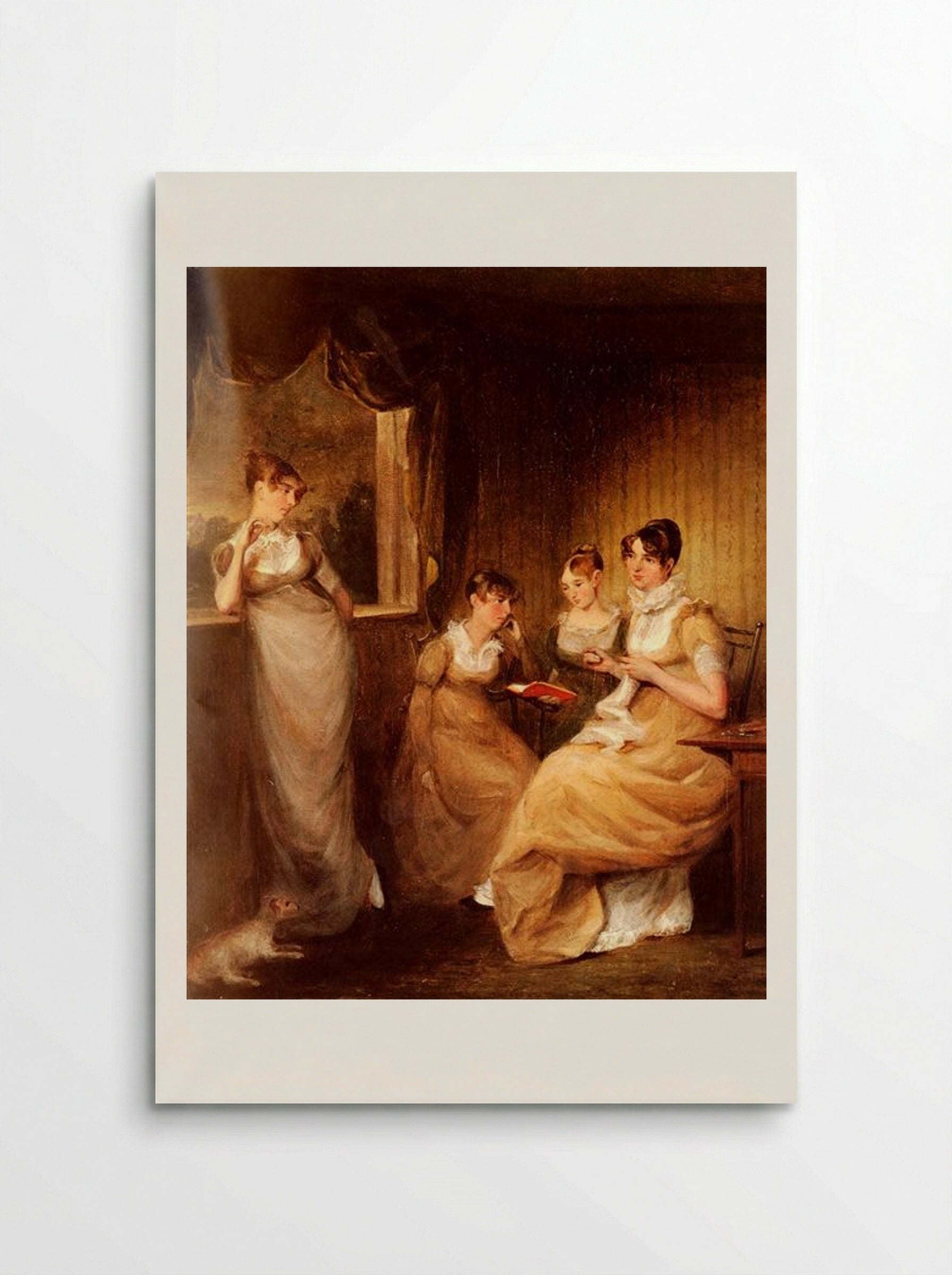
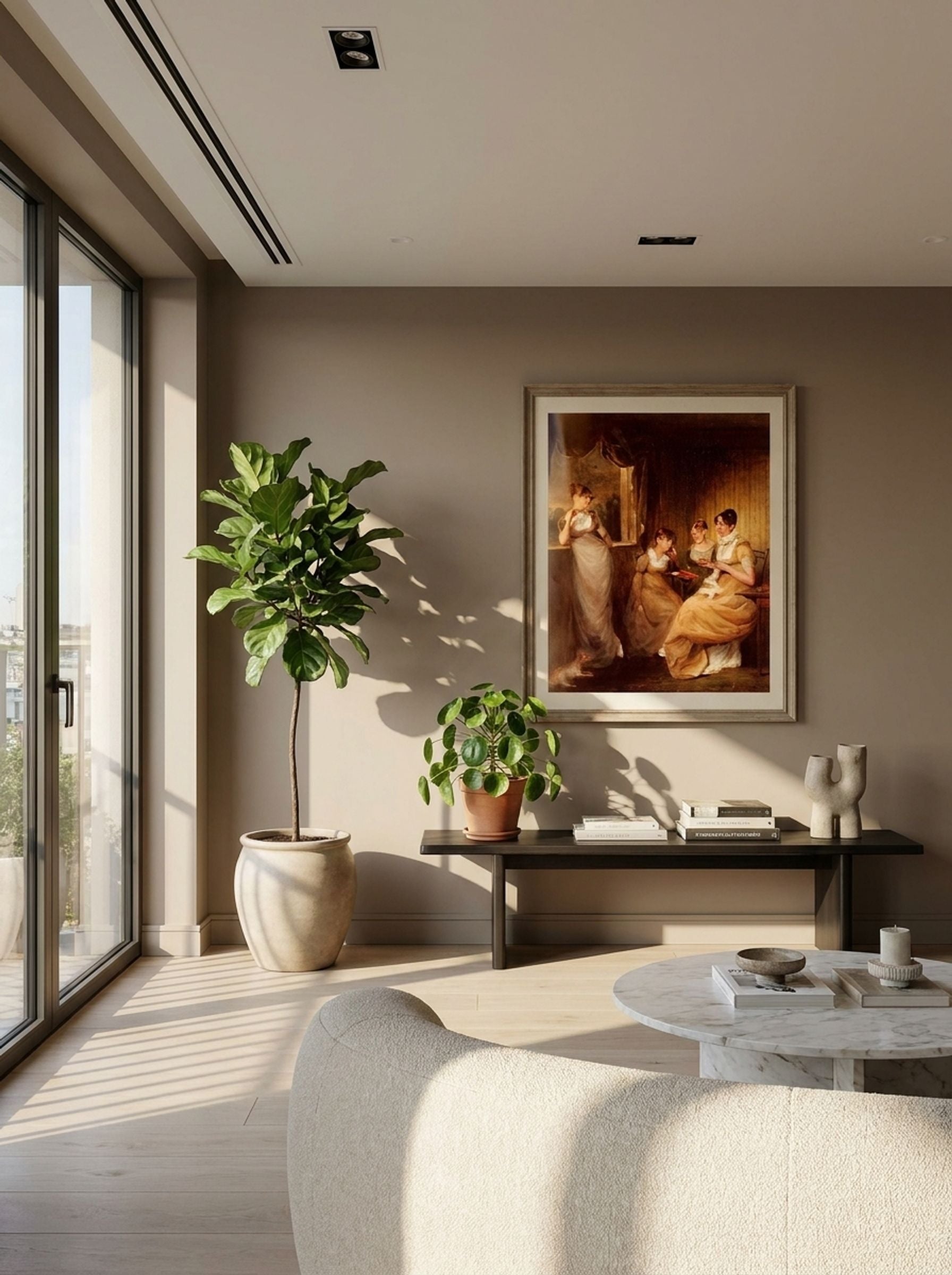 Ladies From The Family Of Mr William Mason Of Colchester - John Constable
Print
Regular price From £28.00 GBPSale price From £28.00 GBP Regular price -
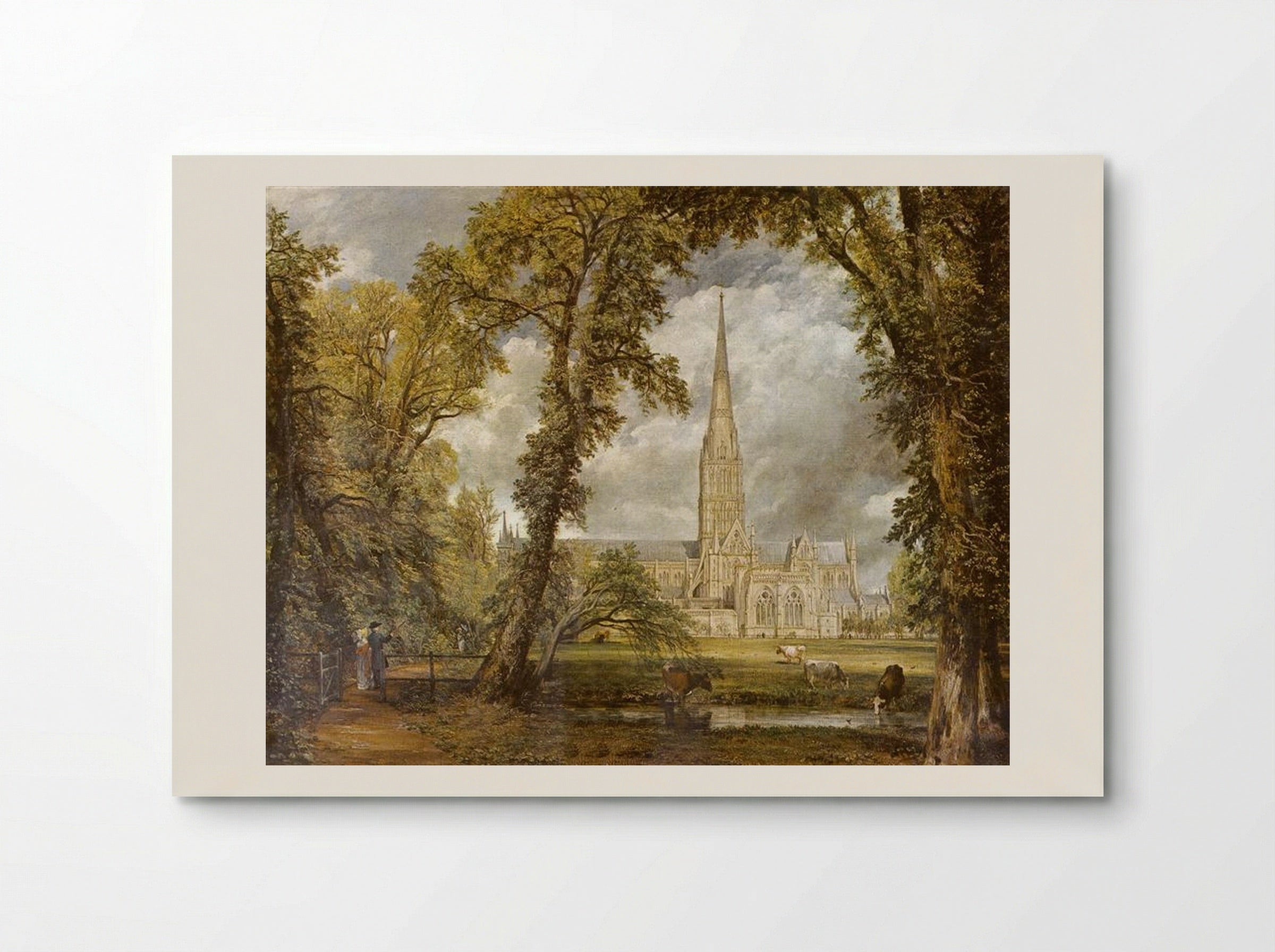
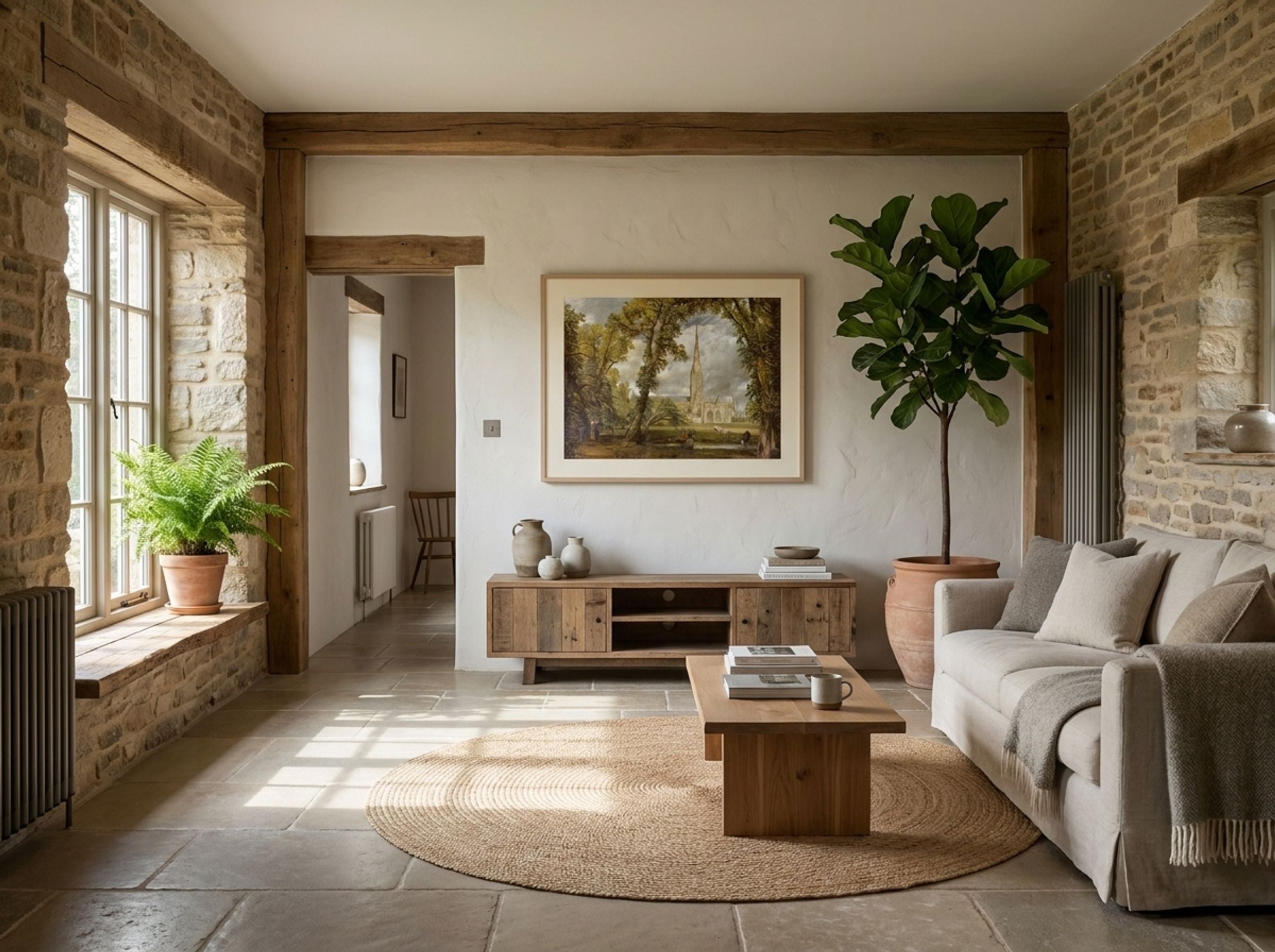 View of Salisbury Cathedral from the Bishop's Grounds - John Constable
Print
Regular price From £28.00 GBPSale price From £28.00 GBP Regular price -
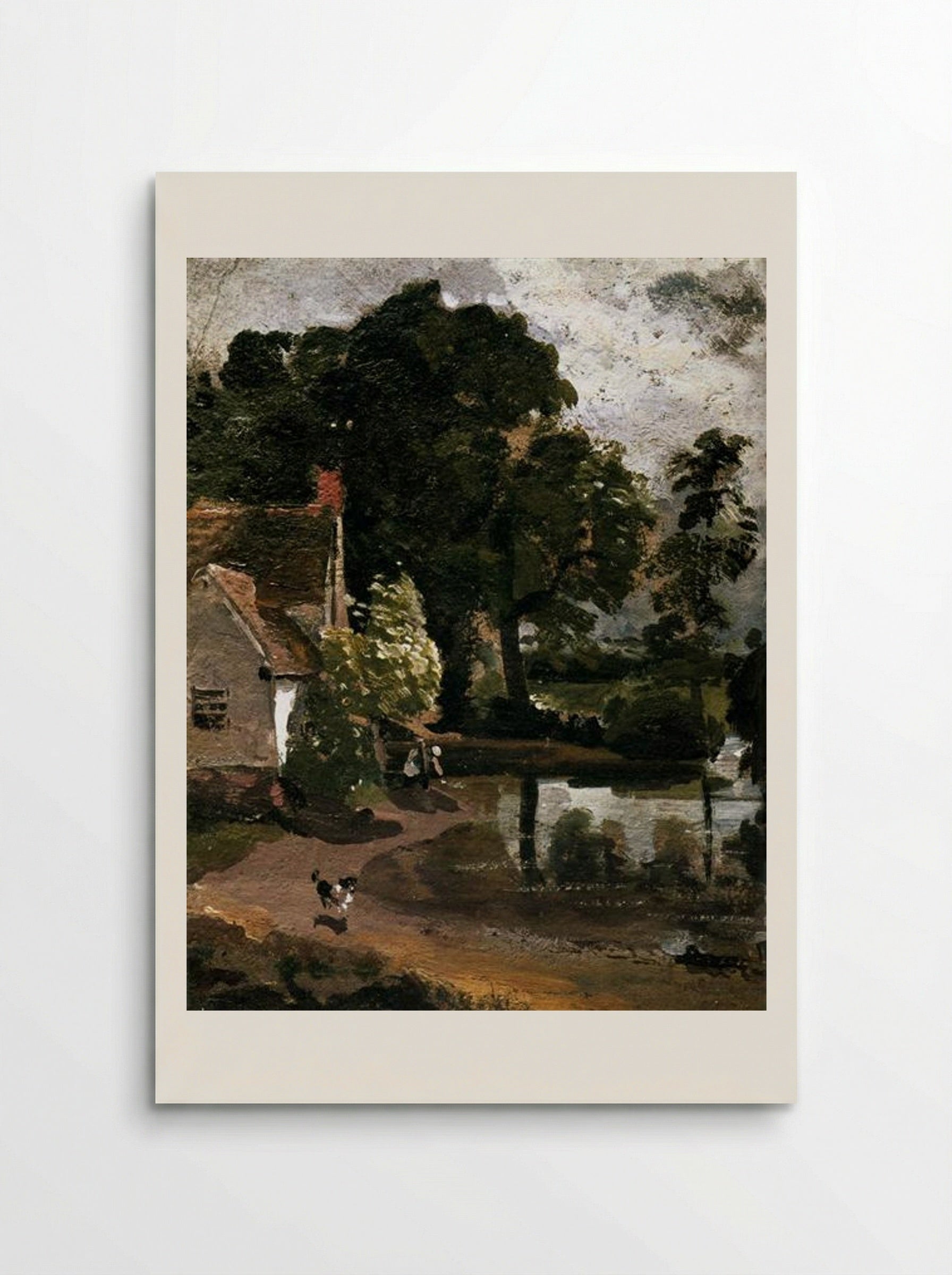
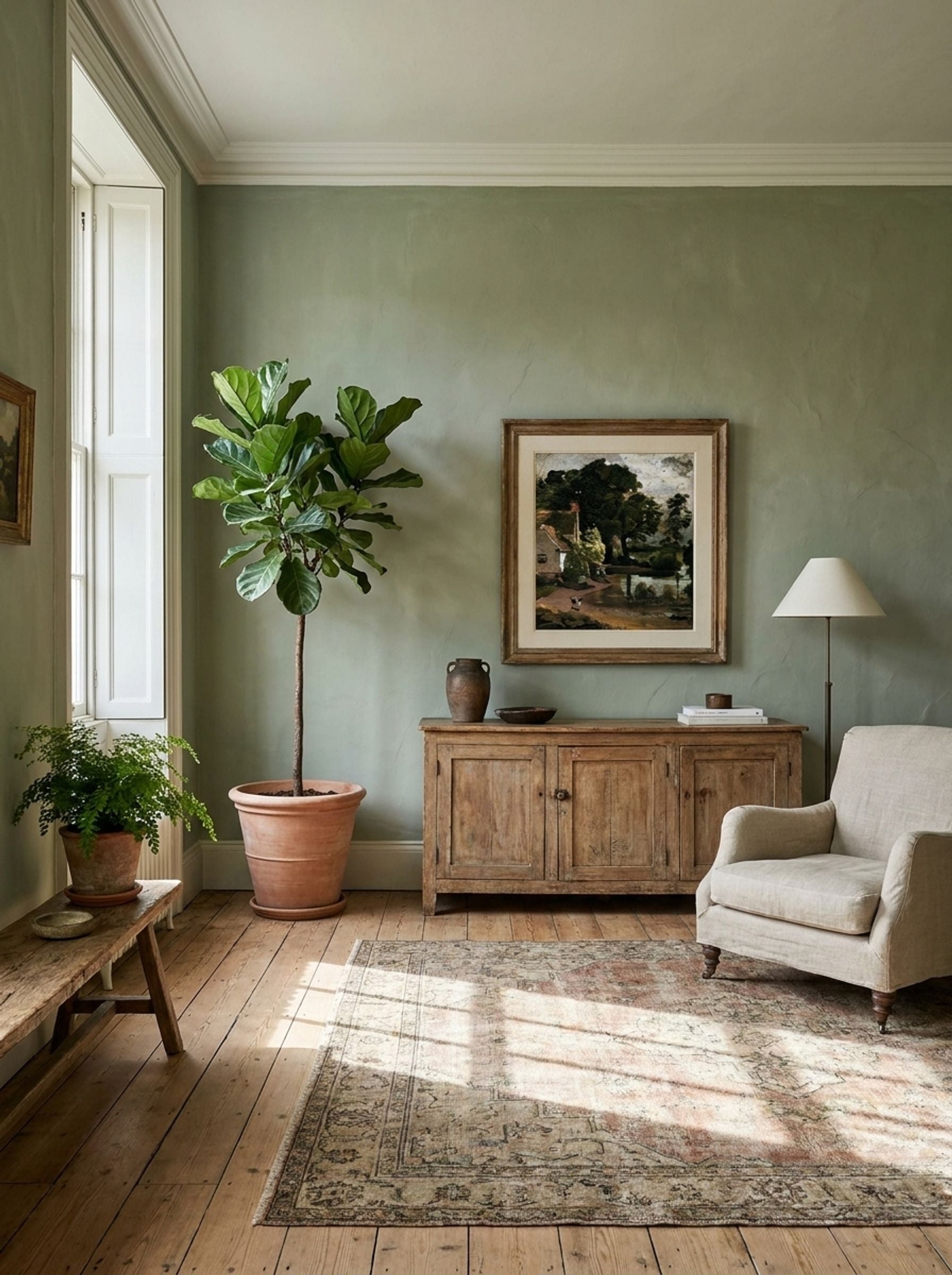 Willy Lot's House - John Constable
Print
Regular price From £28.00 GBPSale price From £28.00 GBP Regular price -
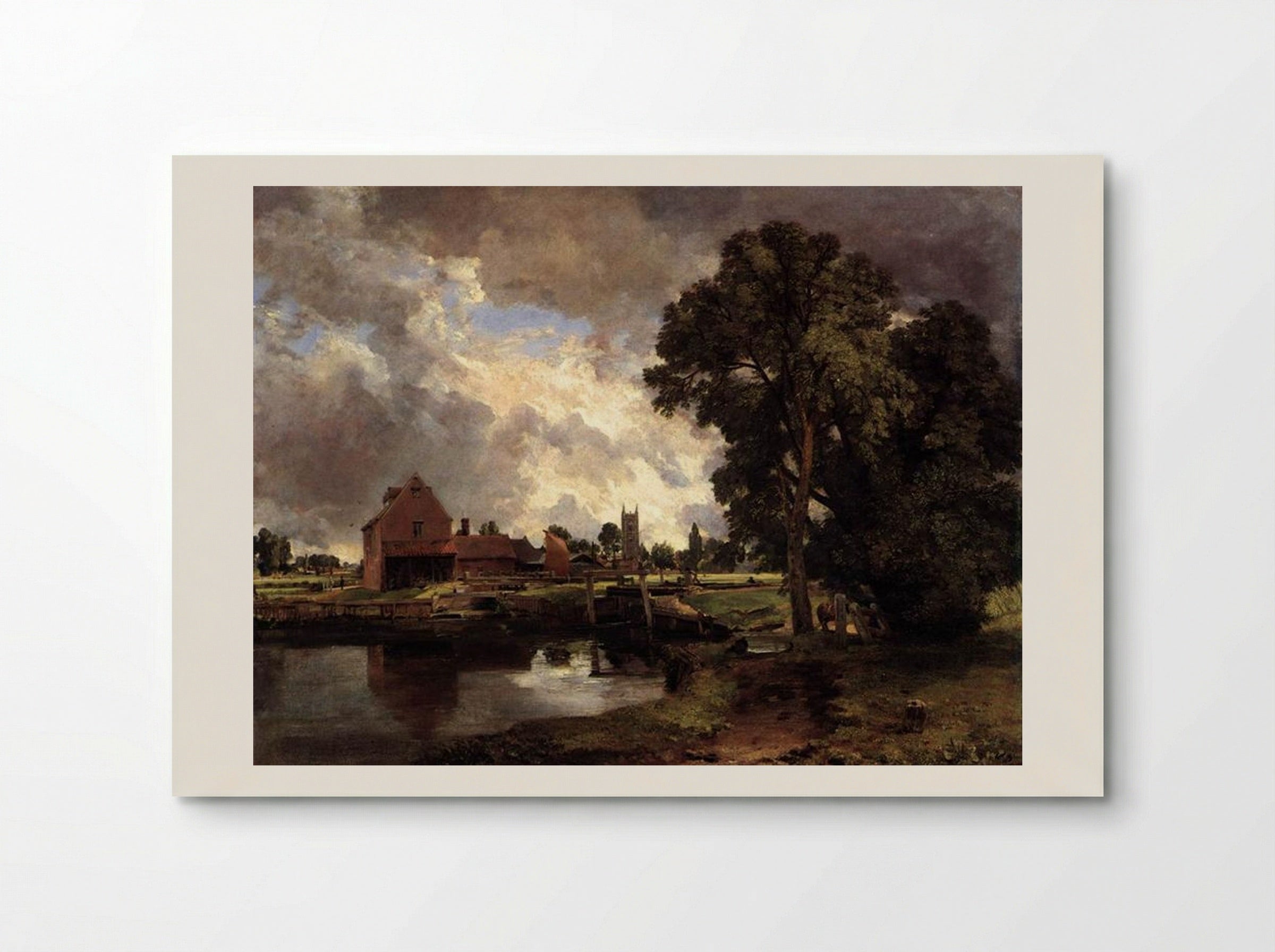
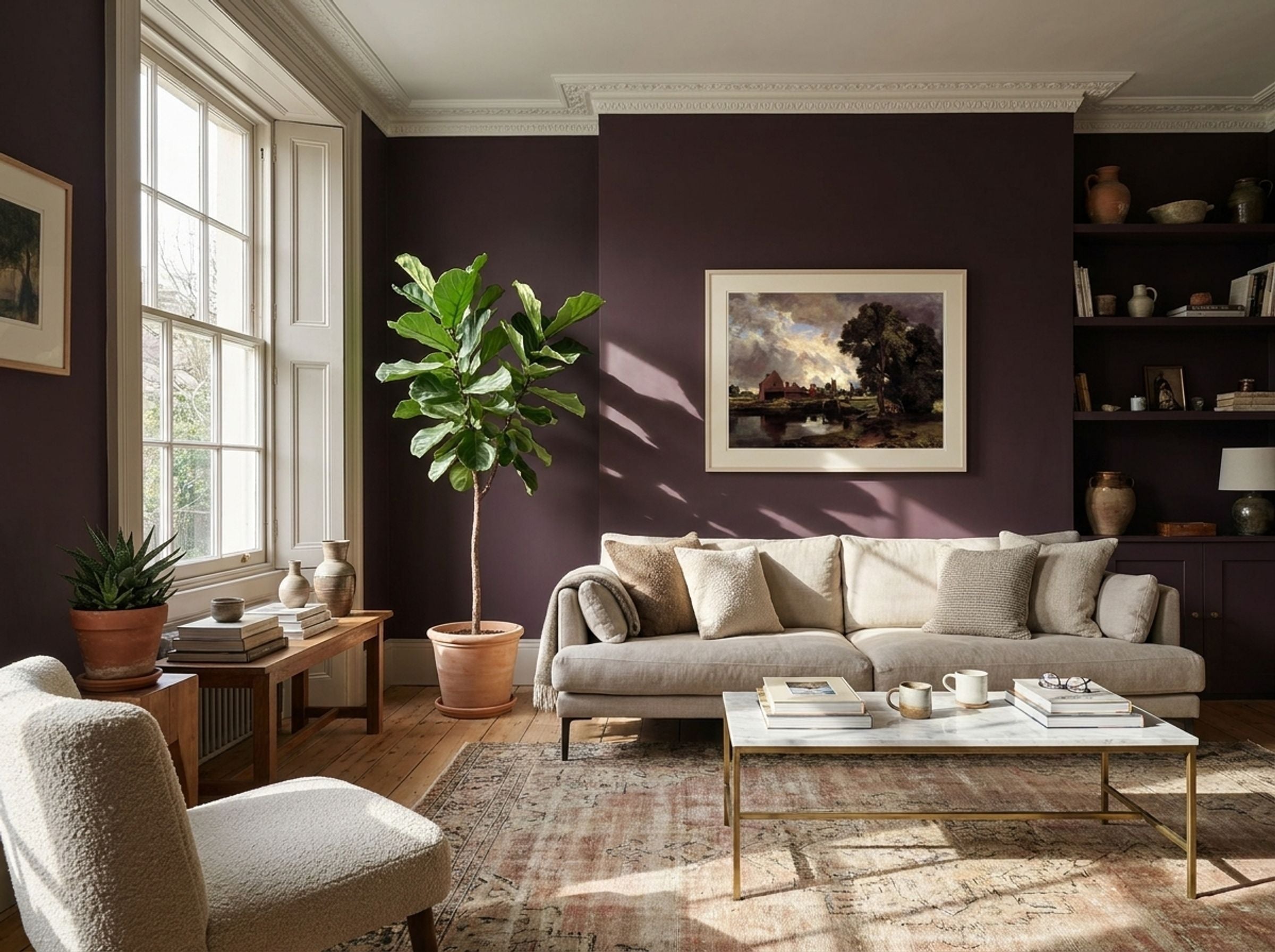 Dedham Lock and Mill - John Constable
Print
Regular price From £28.00 GBPSale price From £28.00 GBP Regular price -
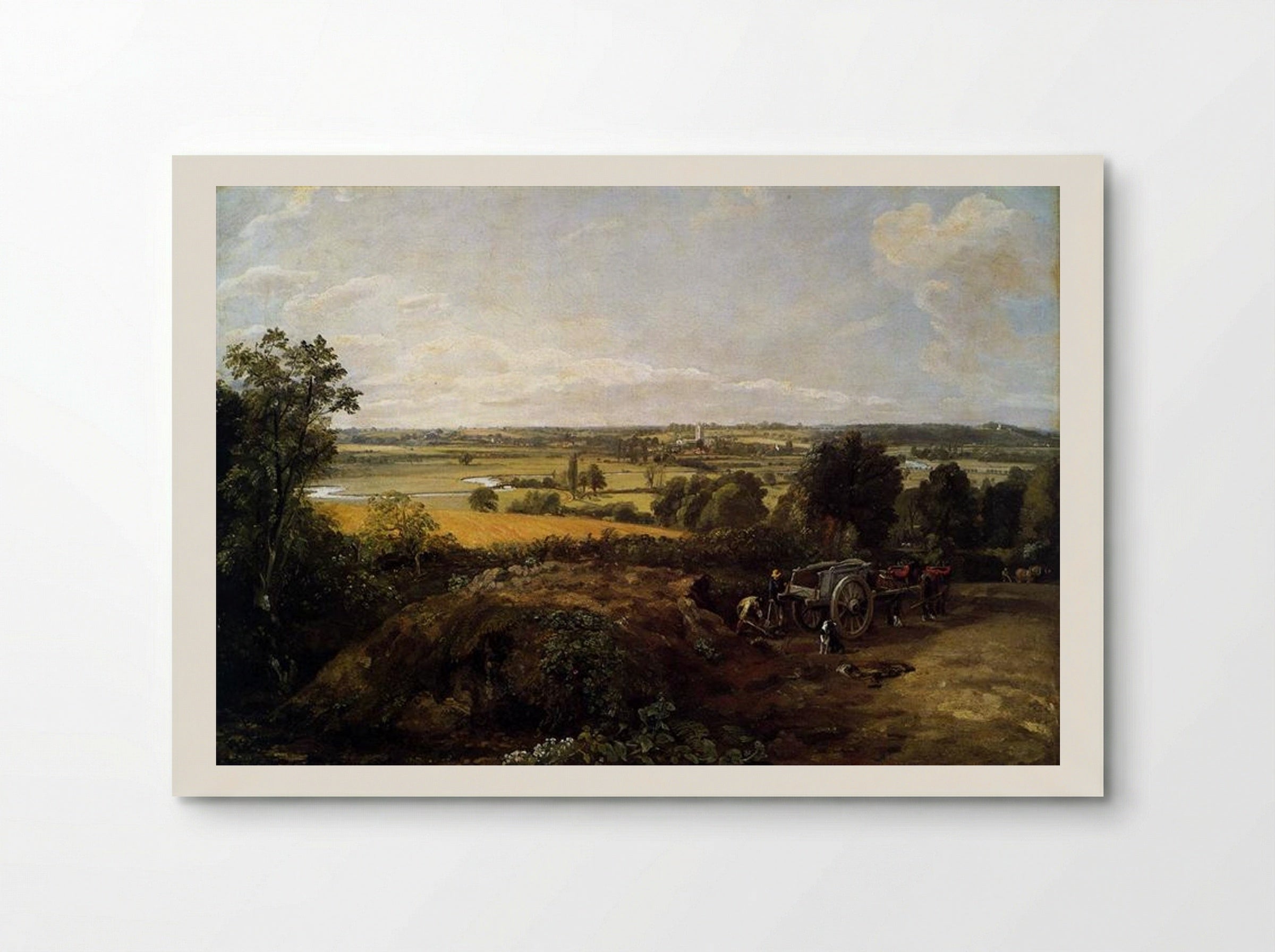
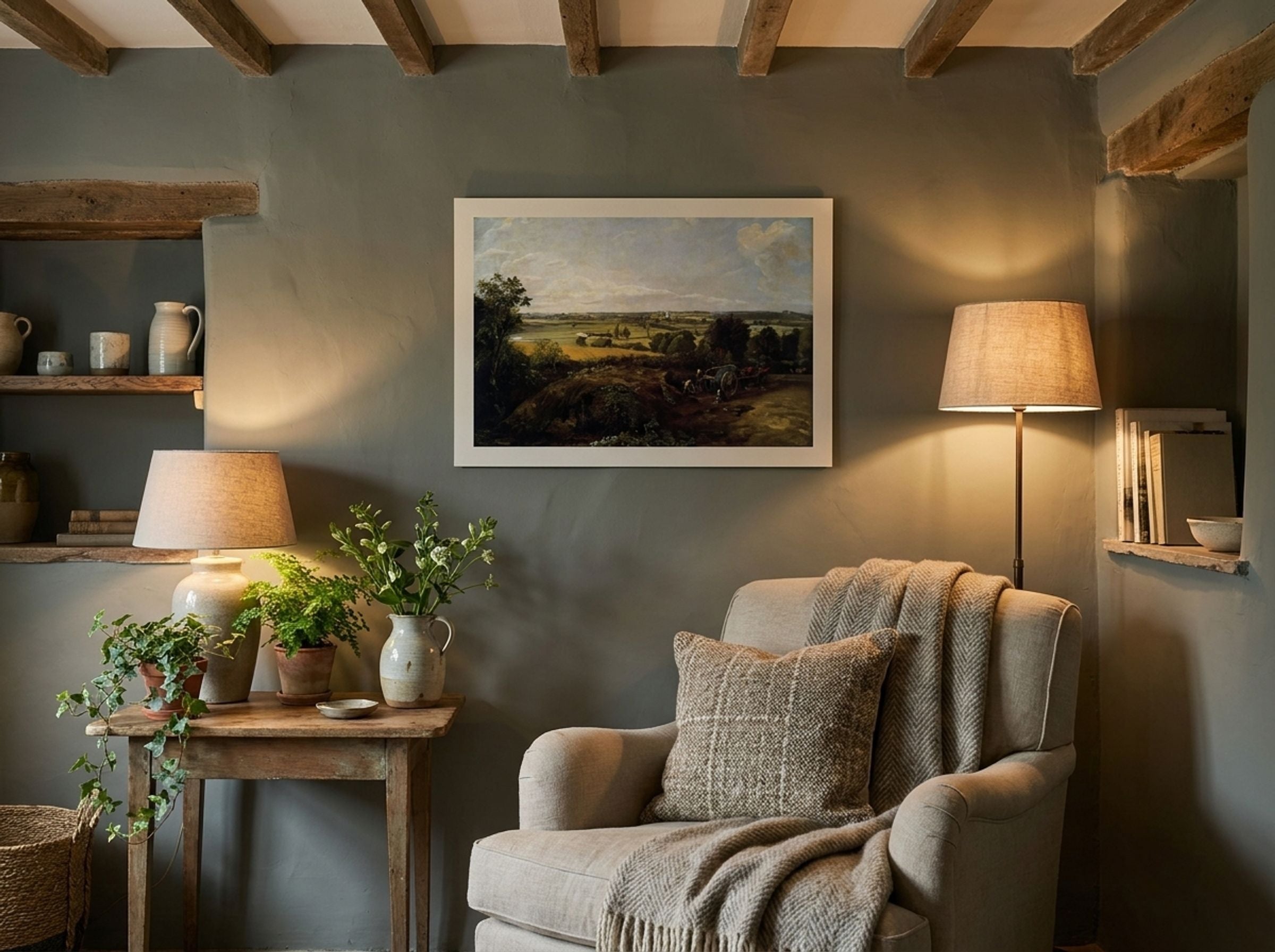 The Stour Valley with the Church of Dedham - John Constable
Print
Regular price From £28.00 GBPSale price From £28.00 GBP Regular price -
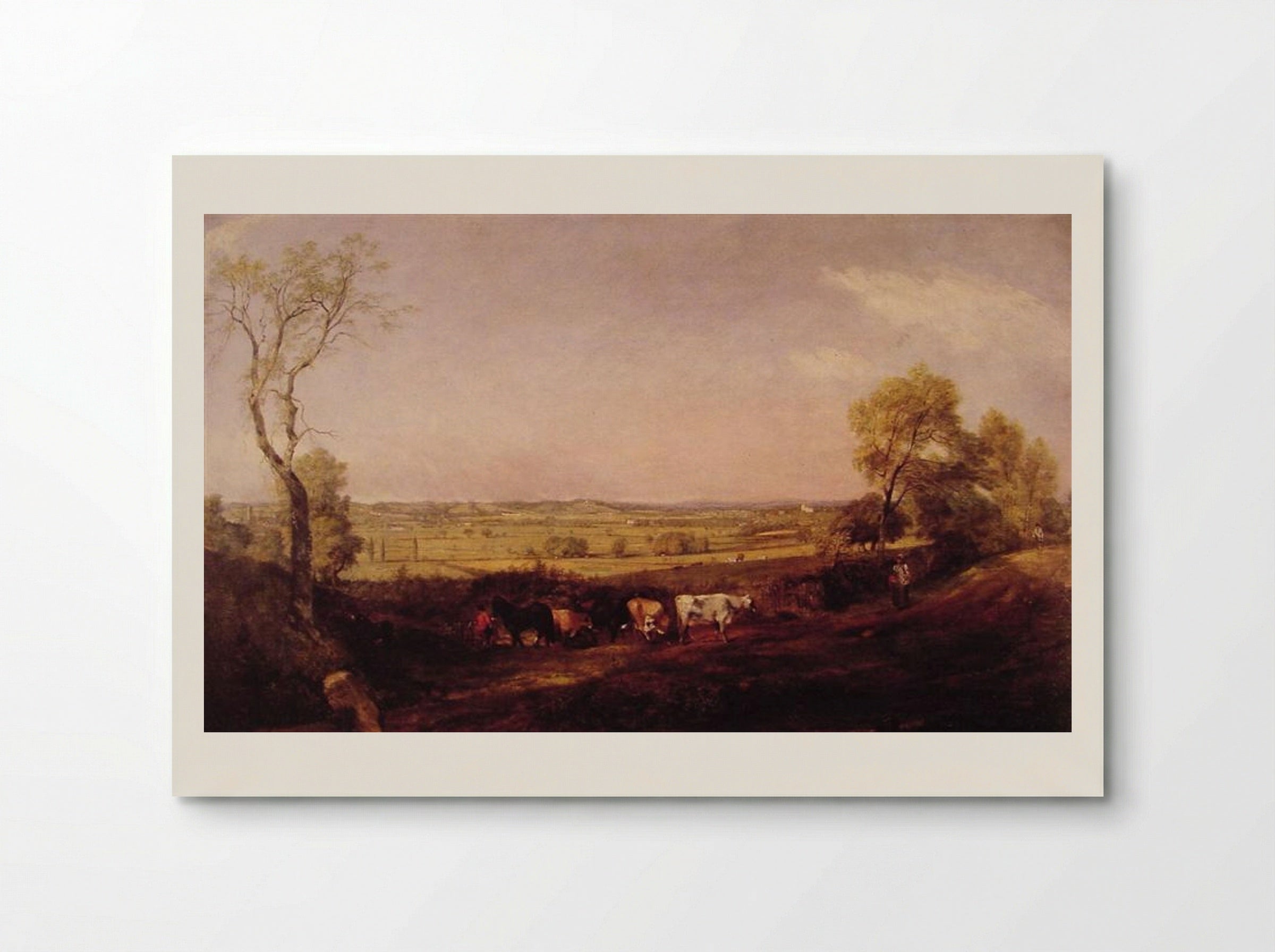
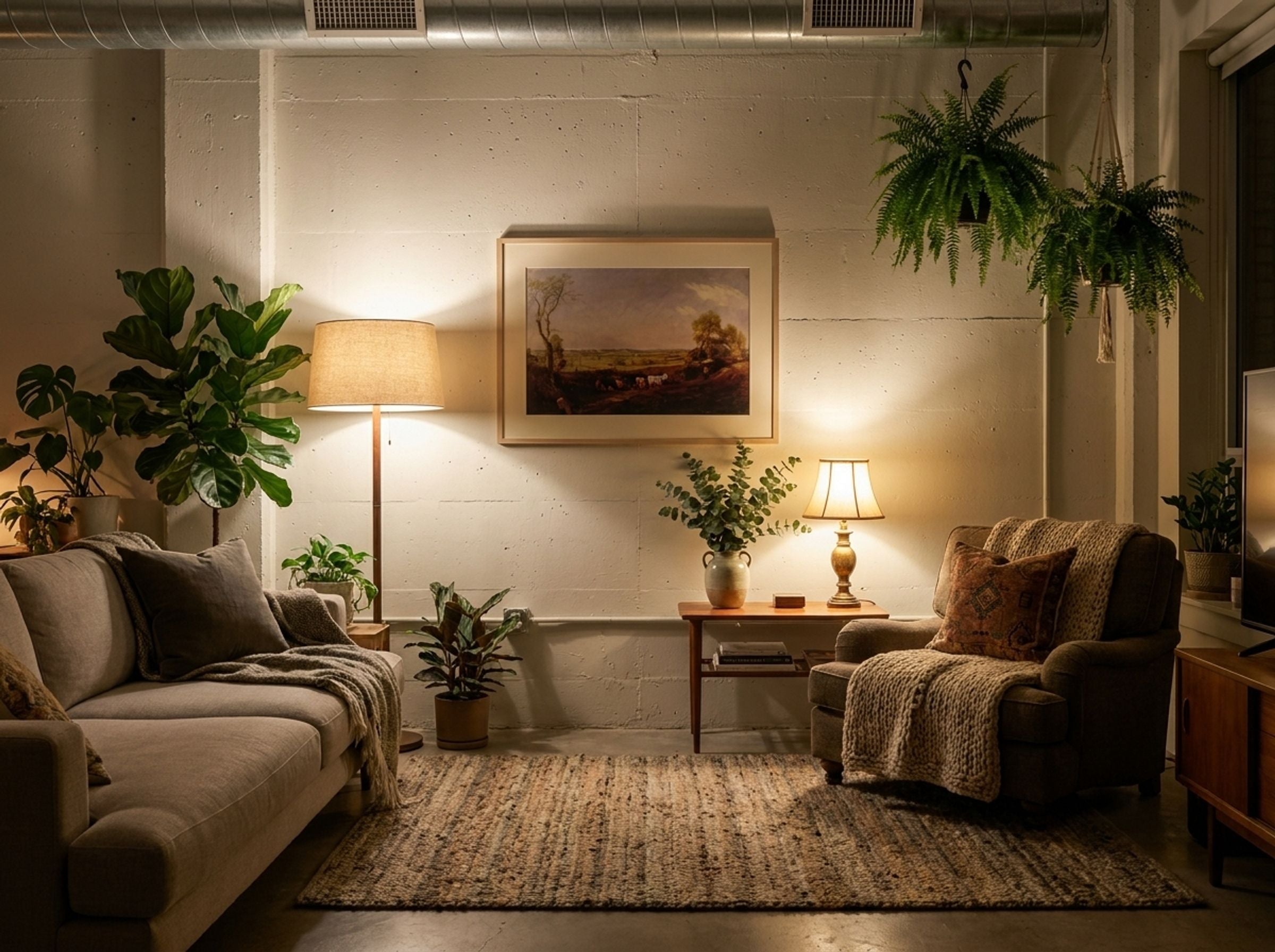 Dedham Vale: Morning - John Constable
Print
Regular price From £28.00 GBPSale price From £28.00 GBP Regular price -
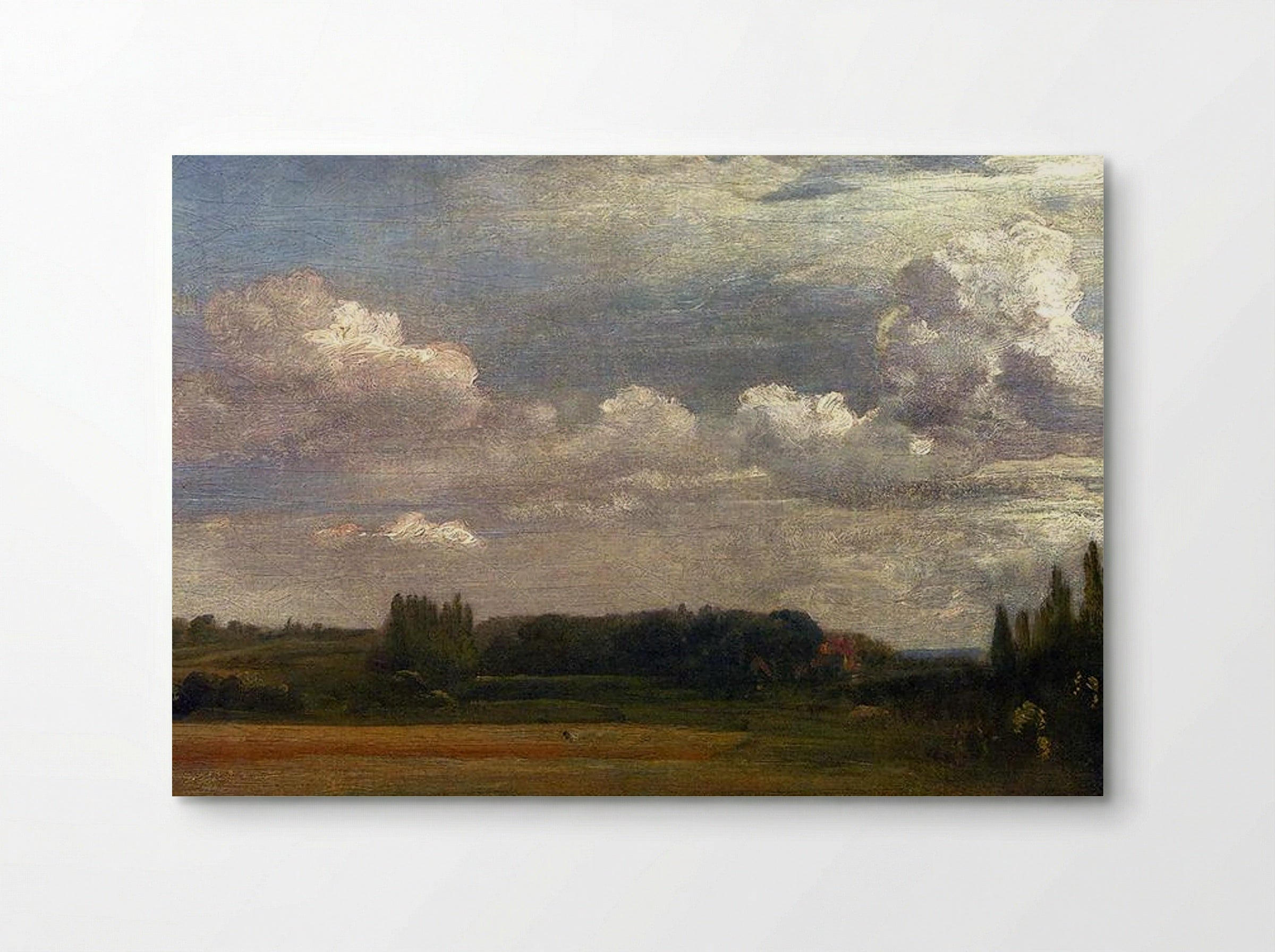
 View Towards The Rectory From East Bergholt House - John Constable
Print · Framed
Regular price From £28.00 GBPSale price From £28.00 GBP Regular price


Artist Biography
John Constable
Constable painted the same few miles of the Suffolk-Essex border for most of his career. The area around East Bergholt, Flatford Mill, and Dedham Vale. His father owned the mill. He knew the landscape the way a farmer knows it: which fields flooded, how the clouds moved before rain, where the light fell at different times of year. He painted skies so accurately that the meteorologist Luke Howard used them as scientific illustrations.
He was not fashionable. The Royal Academy made him wait until he was fifty-two for full membership, which was unusually late and deliberately insulting. He never went abroad. He never painted Italy or Greece or the grand historical subjects that the Academy valued. He painted English fields, English weather, and English elms, and he did it with a physical urgency that his contemporaries found uncomfortable.
His technique was more radical than his subjects. The six-foot canvases (The Hay Wain, The Leaping Horse, Salisbury Cathedral from the Meadows) were painted with visible, broken brushwork and flecked with white highlights that he called 'snow': tiny dabs of pure white that made the surface glitter like wet leaves. Other painters complained about the white. French painters, particularly Delacroix, paid closer attention.
The Hay Wain was shown at the Paris Salon in 1824 and won a gold medal. Delacroix saw it and repainted parts of The Massacre at Chios before the exhibition opened, loosening his brushwork in response. Constable influenced the Barbizon School and, through them, the Impressionists. He did not live to see any of this. He died in 1837, at sixty, still painting Dedham Vale.
He was not fashionable. The Royal Academy made him wait until he was fifty-two for full membership, which was unusually late and deliberately insulting. He never went abroad. He never painted Italy or Greece or the grand historical subjects that the Academy valued. He painted English fields, English weather, and English elms, and he did it with a physical urgency that his contemporaries found uncomfortable.
His technique was more radical than his subjects. The six-foot canvases (The Hay Wain, The Leaping Horse, Salisbury Cathedral from the Meadows) were painted with visible, broken brushwork and flecked with white highlights that he called 'snow': tiny dabs of pure white that made the surface glitter like wet leaves. Other painters complained about the white. French painters, particularly Delacroix, paid closer attention.
The Hay Wain was shown at the Paris Salon in 1824 and won a gold medal. Delacroix saw it and repainted parts of The Massacre at Chios before the exhibition opened, loosening his brushwork in response. Constable influenced the Barbizon School and, through them, the Impressionists. He did not live to see any of this. He died in 1837, at sixty, still painting Dedham Vale.
Related Artists


Why Choose Us ?