

Collection
Francesco Hayez
Explore curated art prints selected for distinctive homes and considered interiors.
-

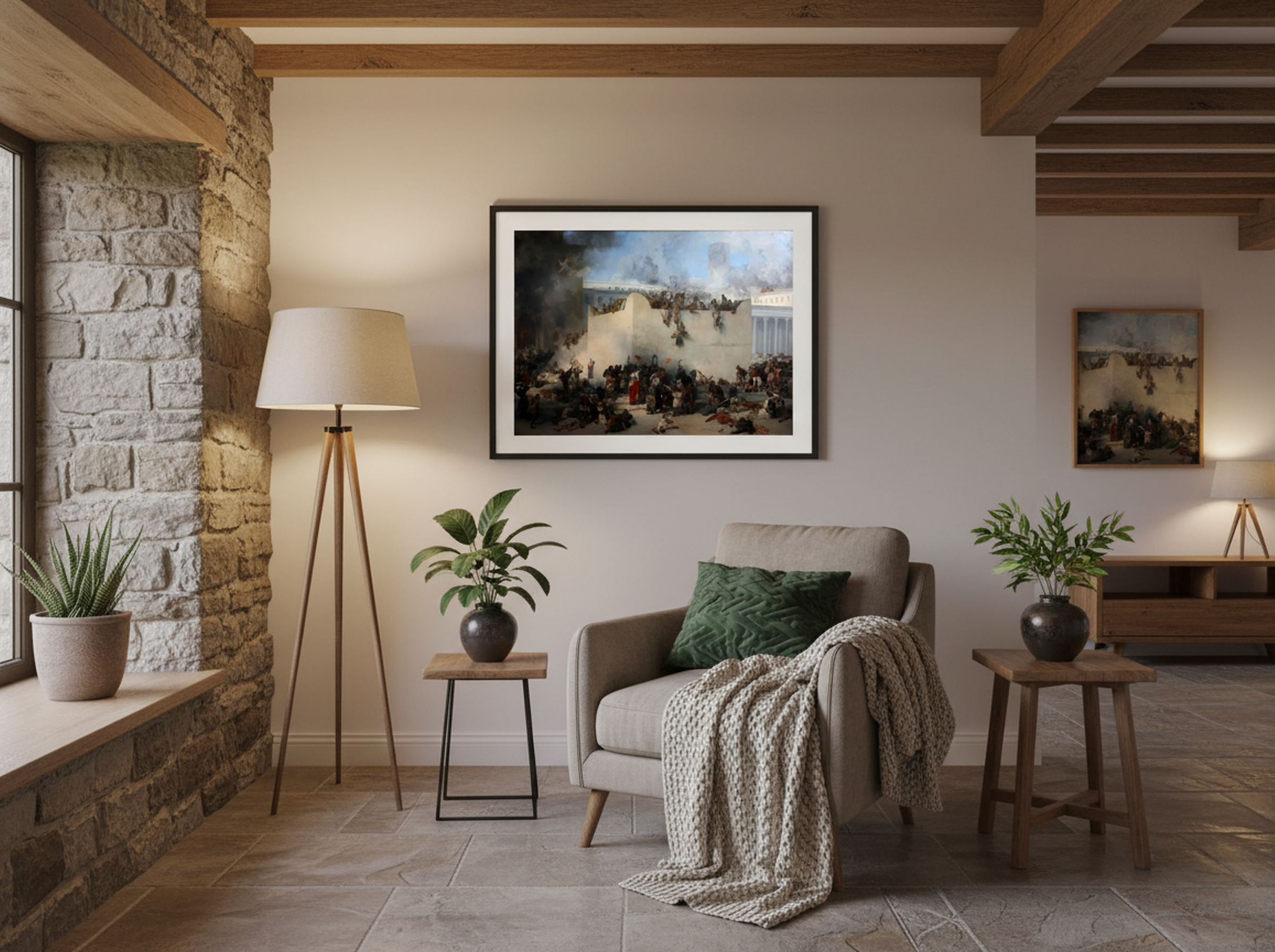 The Destruction of the Temple of Jerusalem - Francesco Hayez
Print · Framed · Canvas
Regular price From £28.00 GBPSale price From £28.00 GBP Regular price -

 Reclining Odalisque - Francesco Hayez
Print · Framed · Canvas
Regular price From £30.00 GBPSale price From £30.00 GBP Regular price -
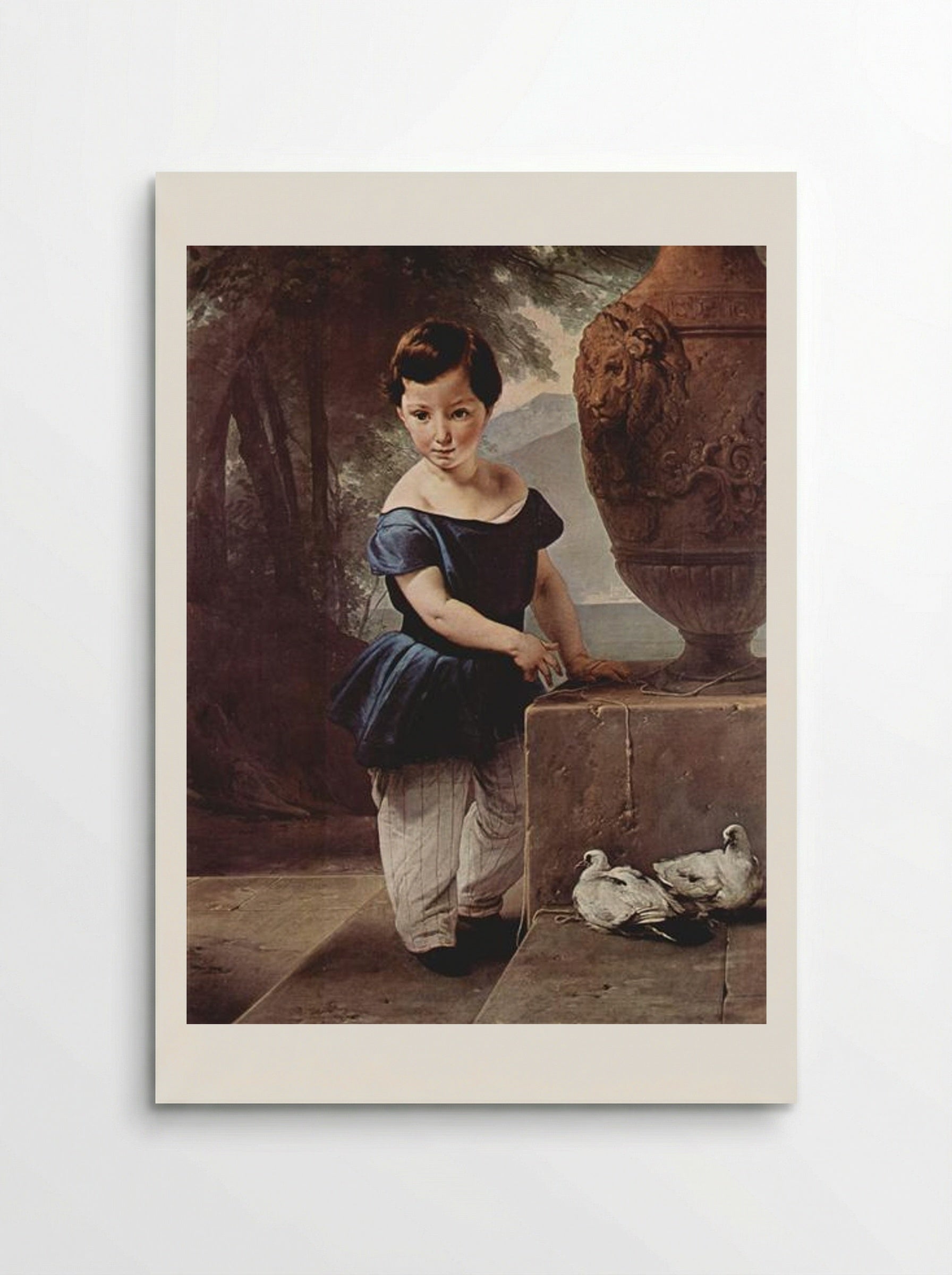
 Portrait of Don Giulio Vigoni as a child - Francesco Hayez
Print · Framed · Canvas
Regular price From £28.00 GBPSale price From £28.00 GBP Regular price -
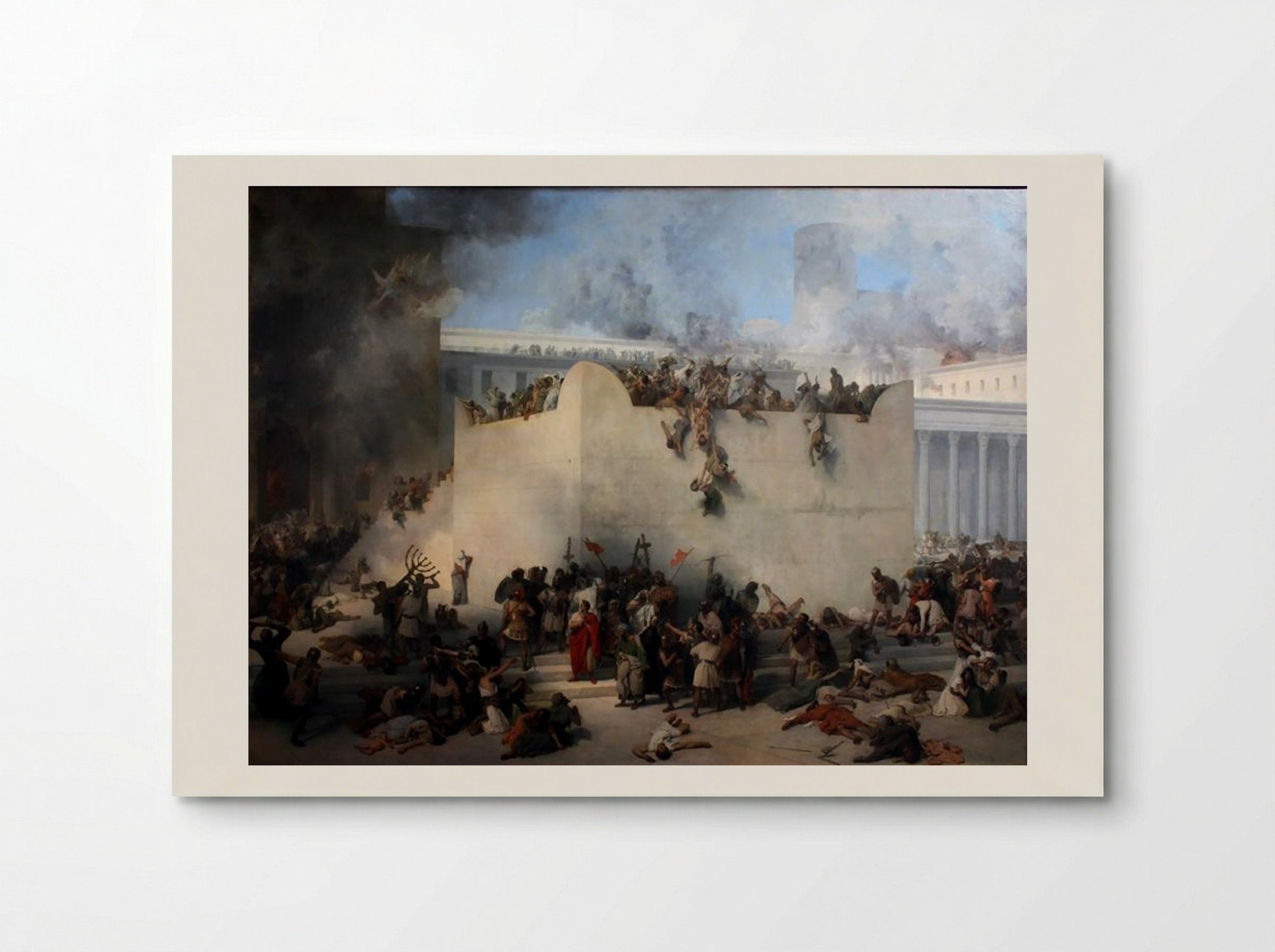
 Destruction of the Temple of Jerusalem - Francesco Hayez
Print · Framed · Canvas
Regular price From £28.00 GBPSale price From £28.00 GBP Regular price -
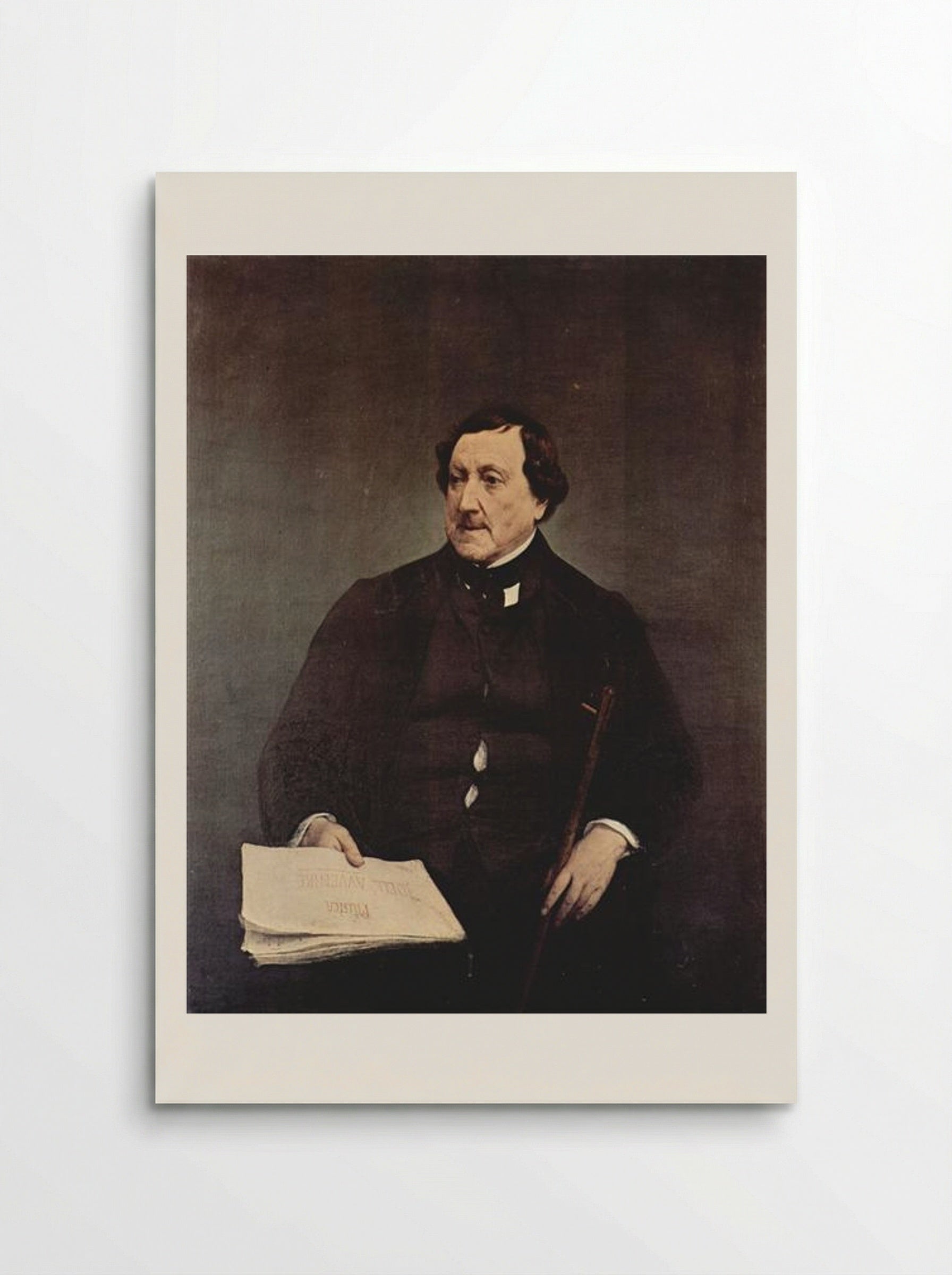
 Portrait of Gioacchino Rossini - Francesco Hayez
Print · Framed · Canvas
Regular price From £28.00 GBPSale price From £28.00 GBP Regular price -
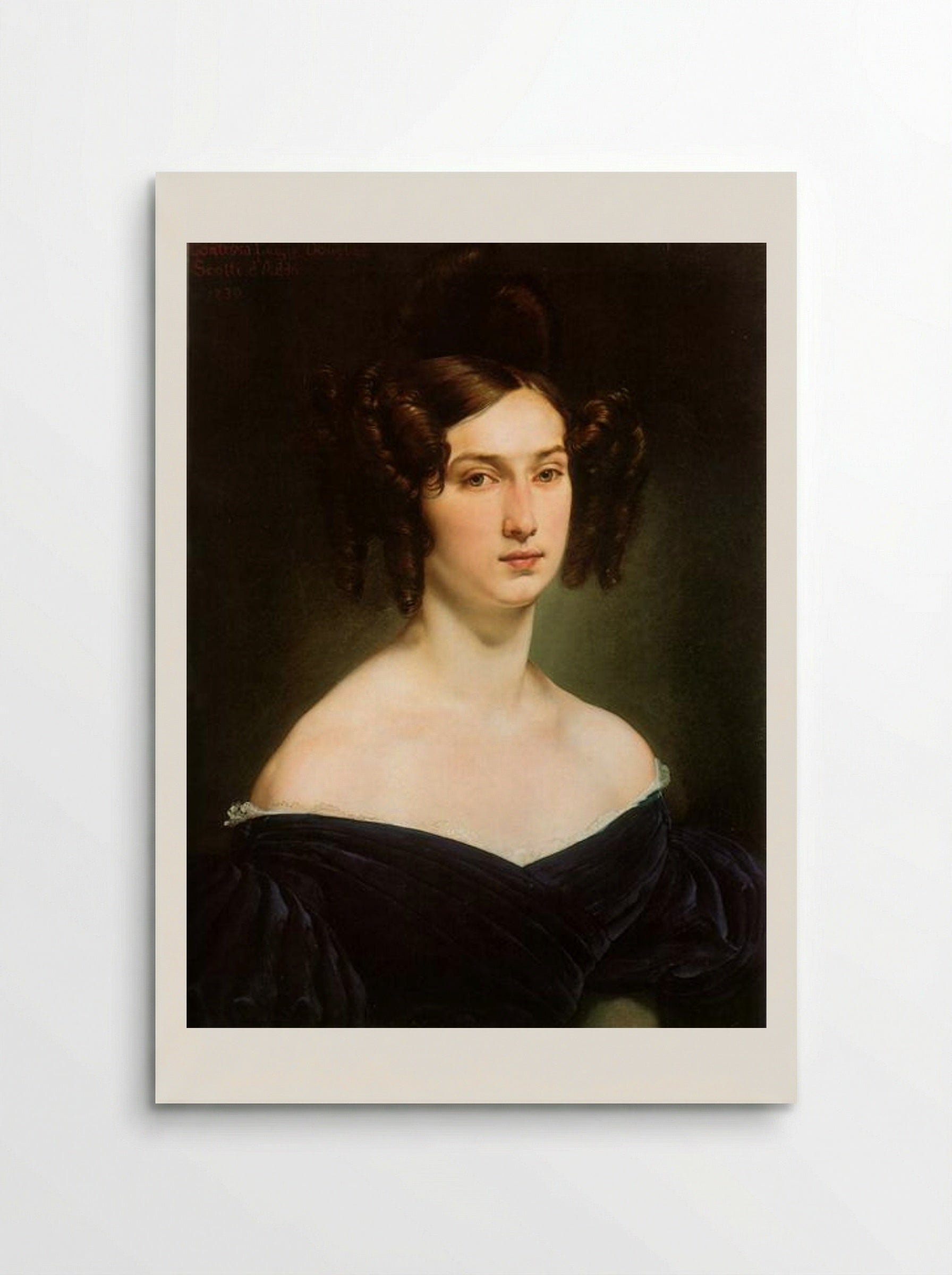
 Portrait of Countess Luigia Douglas Scotti d'Adda - Francesco Hayez
Print · Framed · Canvas
Regular price From £28.00 GBPSale price From £28.00 GBP Regular price -

 The Liberation of Vettor Pisani - Francesco Hayez
Print · Framed · Canvas
Regular price From £28.00 GBPSale price From £28.00 GBP Regular price -
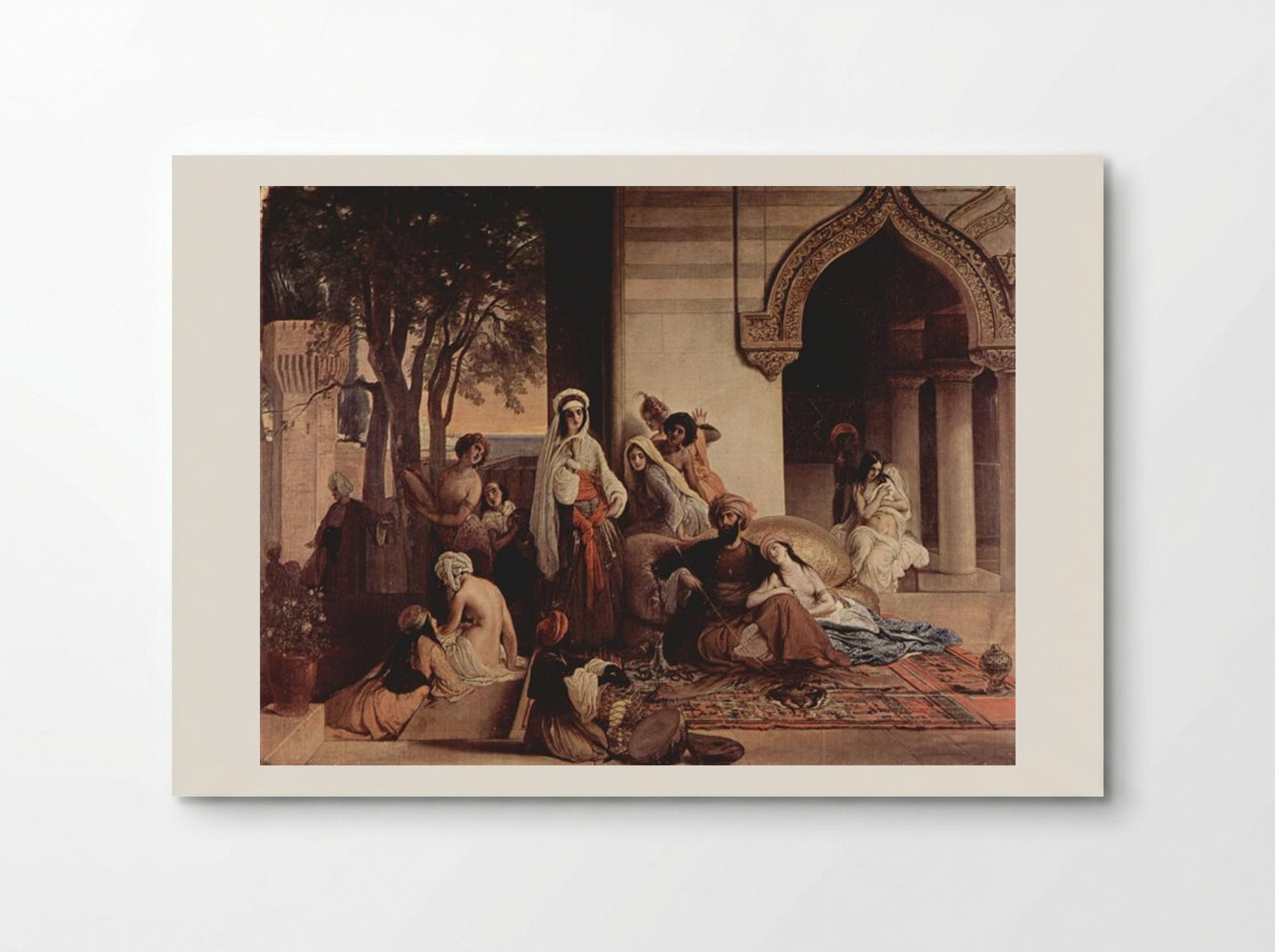
 The New Favourite (Harem Scene) - Francesco Hayez
Print · Framed · Canvas
Regular price From £28.00 GBPSale price From £28.00 GBP Regular price -

 Aristotle - Francesco Hayez
Print · Framed · Canvas
Regular price From £28.00 GBPSale price From £28.00 GBP Regular price -
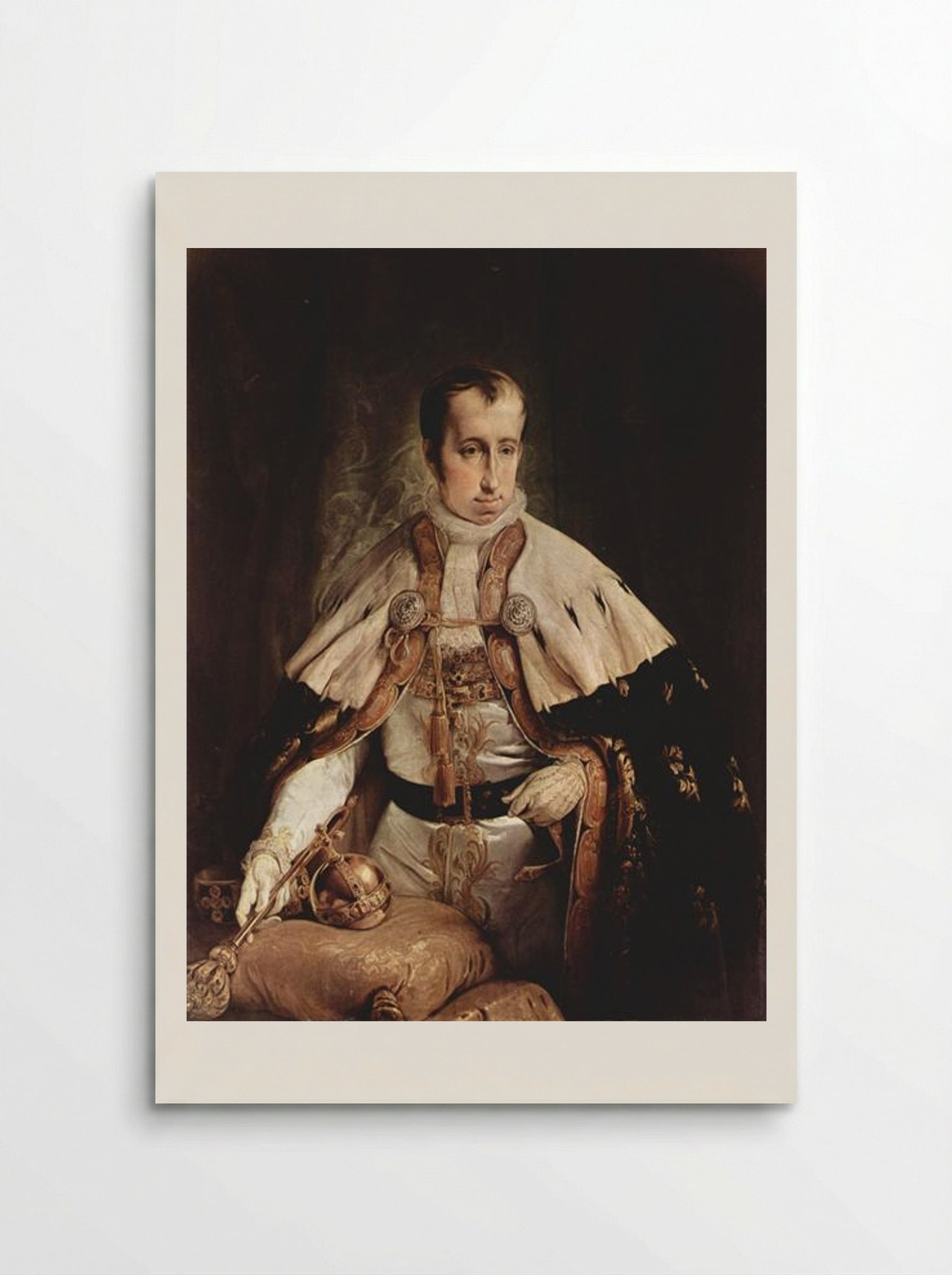
 Portrait of Ferdinand I of Austria - Francesco Hayez
Print · Framed · Canvas
Regular price From £28.00 GBPSale price From £28.00 GBP Regular price -
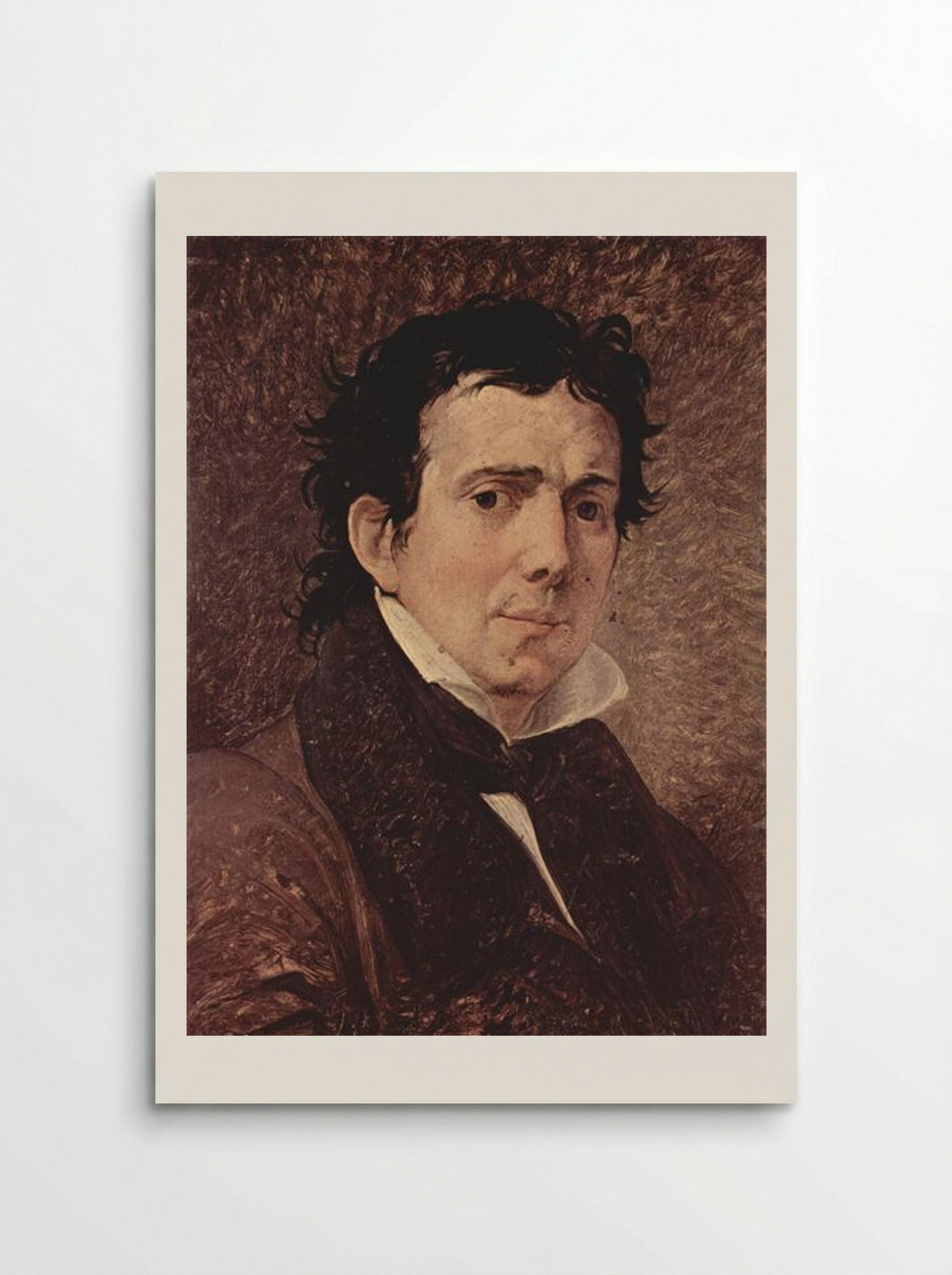
 Portrait of Pompeo Marchesi - Francesco Hayez
Print · Framed · Canvas
Regular price From £28.00 GBPSale price From £28.00 GBP Regular price -
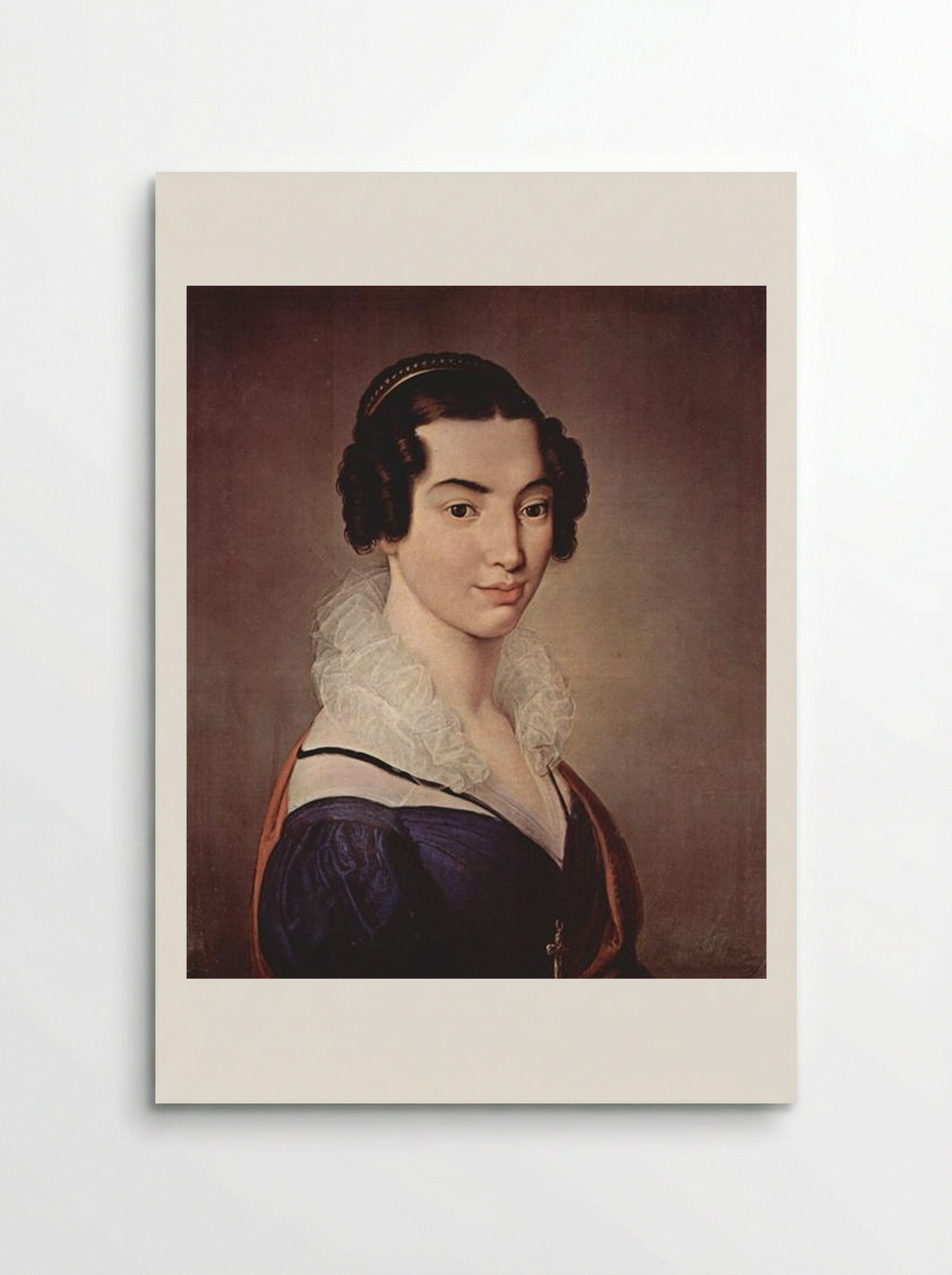
 Portrait of Antoniet Vitali Sola - Francesco Hayez
Print · Framed · Canvas
Regular price From £28.00 GBPSale price From £28.00 GBP Regular price -
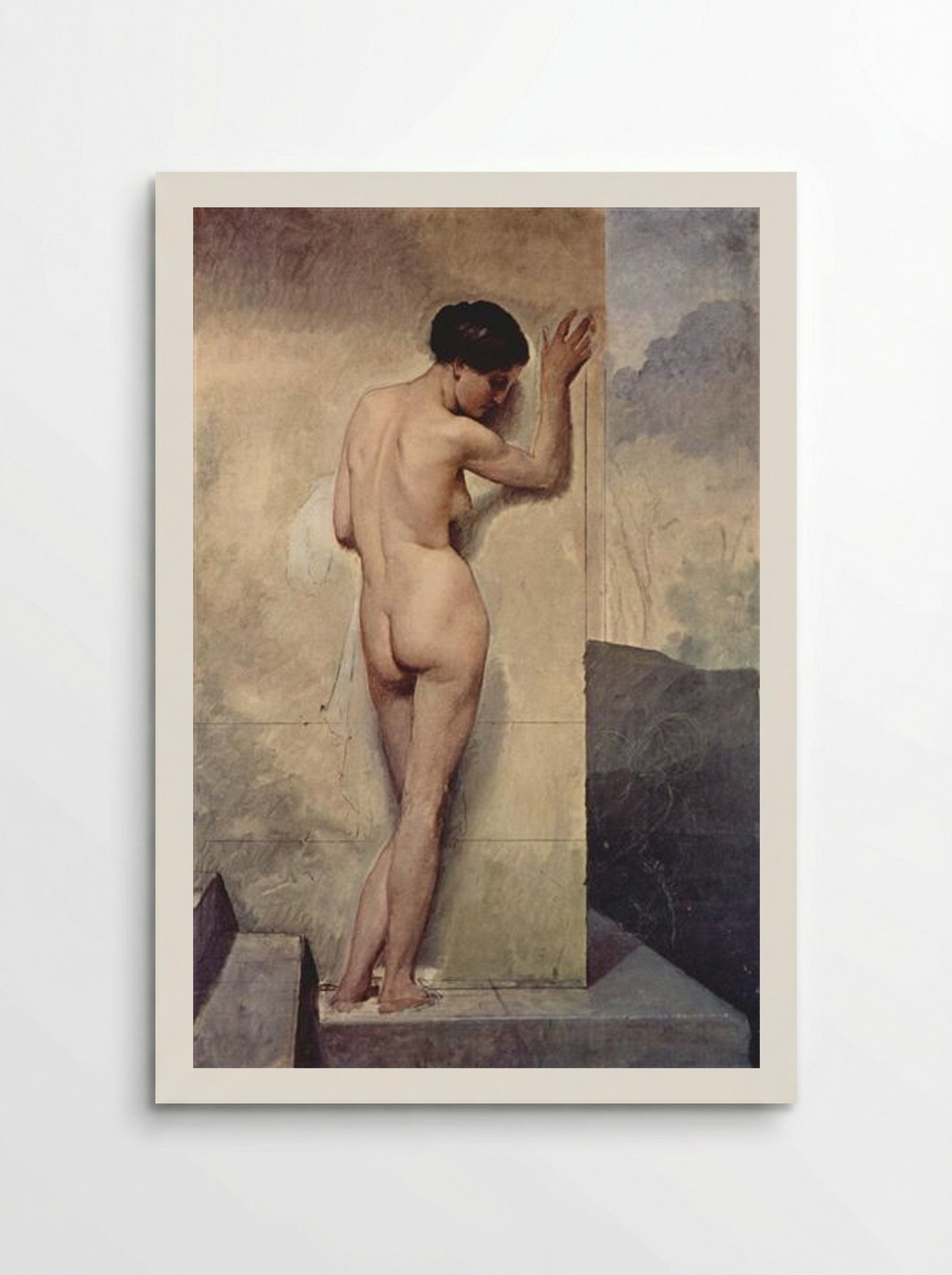
 Female Nude (Study) - Francesco Hayez
Print · Framed · Canvas
Regular price From £28.00 GBPSale price From £28.00 GBP Regular price -

 The Sicilian Vespers - Francesco Hayez
Print · Framed · Canvas
Regular price From £28.00 GBPSale price From £28.00 GBP Regular price -
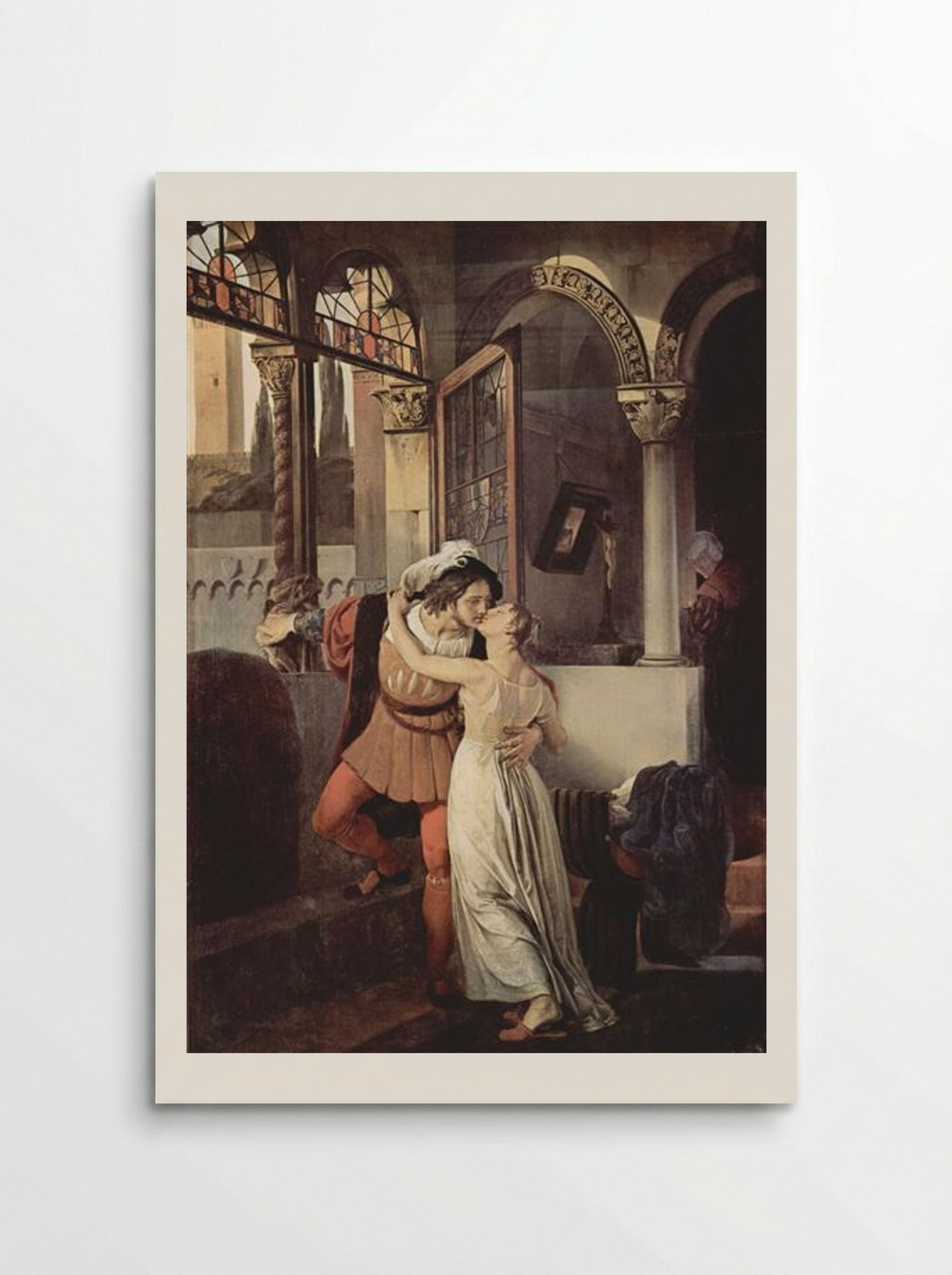
 The Last Kiss of Romeo and Juliet - Francesco Hayez
Print · Framed · Canvas
Regular price From £28.00 GBPSale price From £28.00 GBP Regular price -
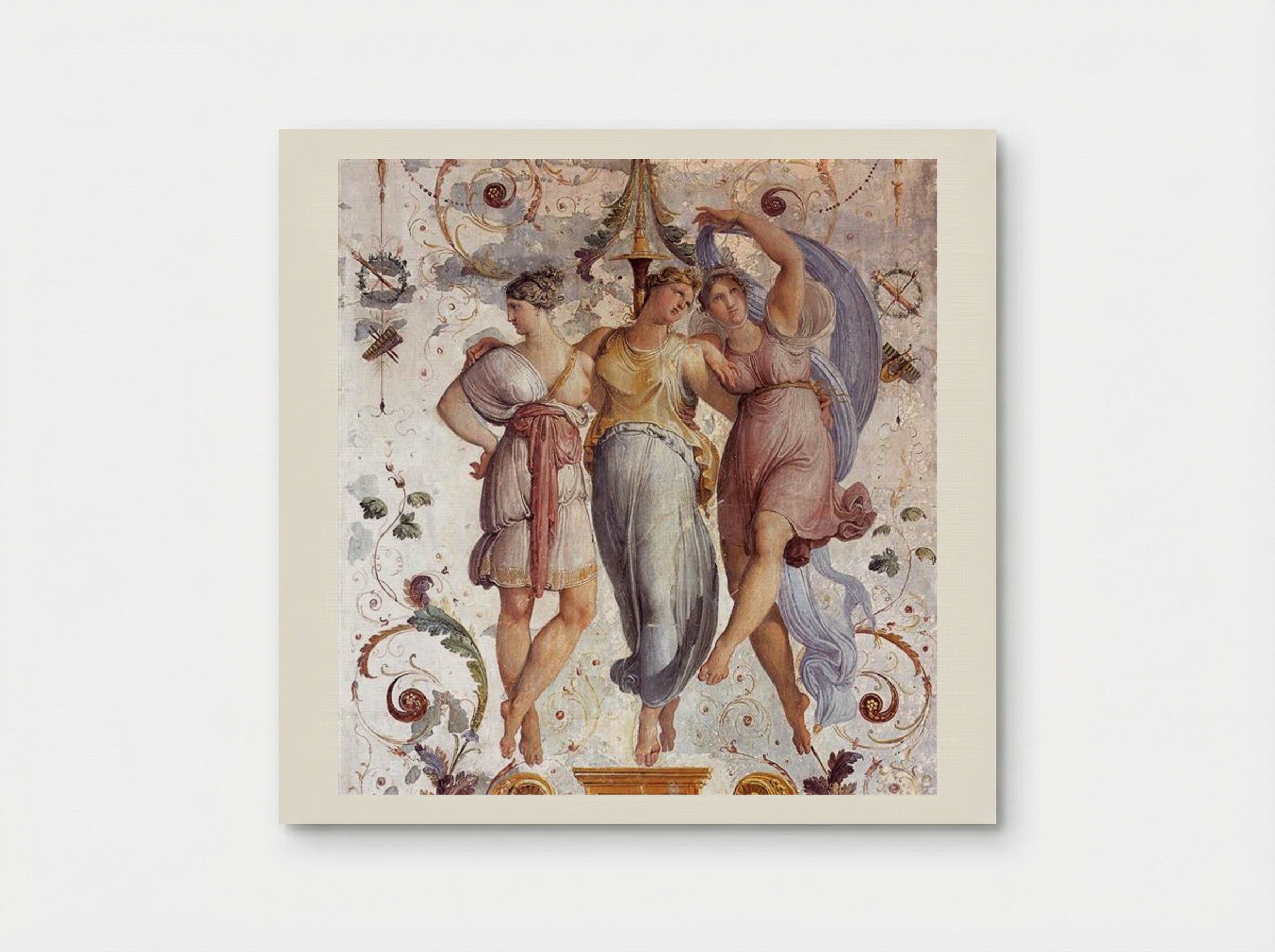
 The Three Graces - Francesco Hayez
Print · Framed · Canvas
Regular price From £30.00 GBPSale price From £30.00 GBP Regular price -
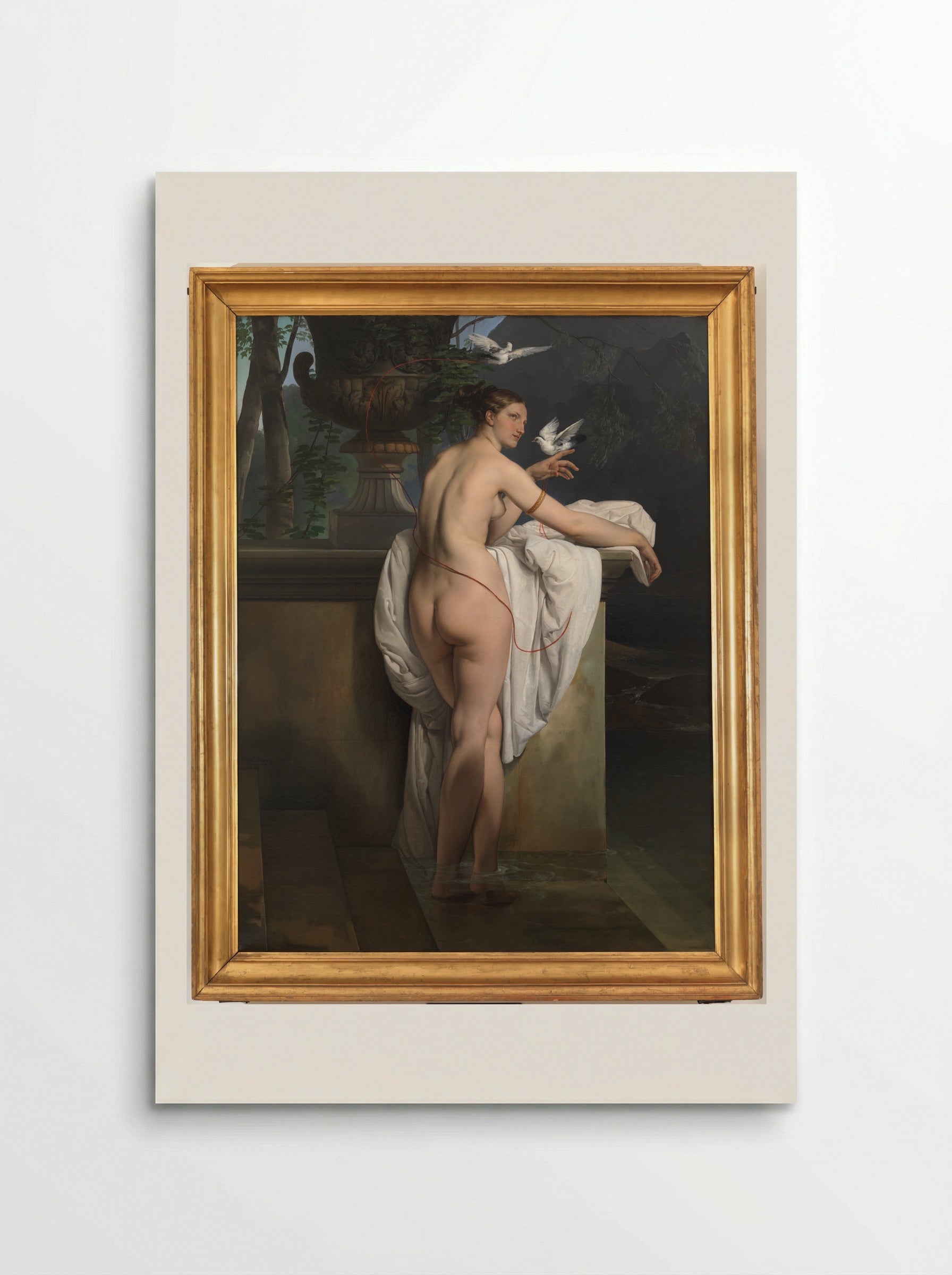
 Ballerina Carlotta Chabert as Venus - Francesco Hayez
Print · Framed · Canvas
Regular price From £28.00 GBPSale price From £28.00 GBP Regular price -
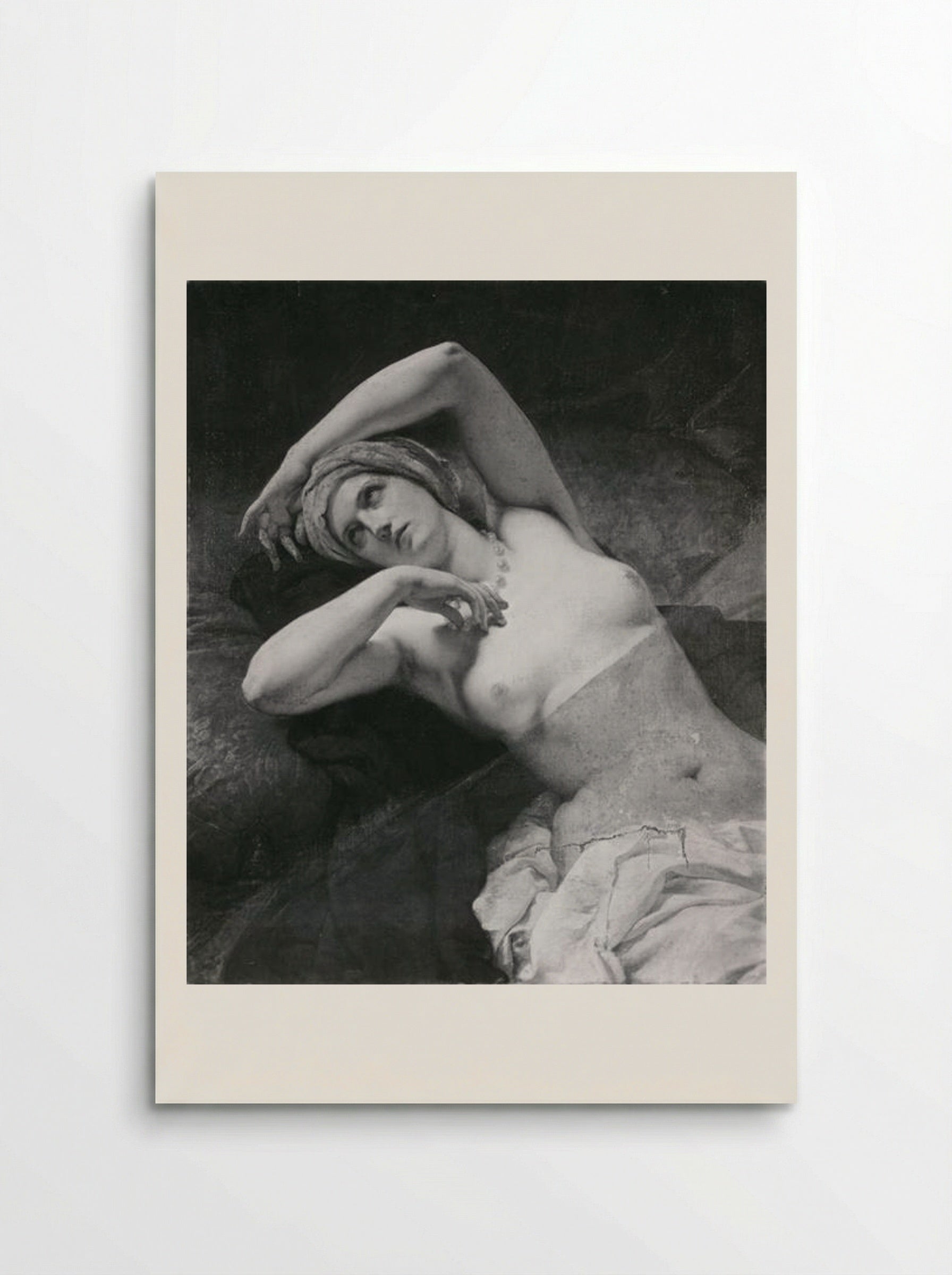
 Odalisque - Francesco Hayez
Print · Framed · Canvas
Regular price From £28.00 GBPSale price From £28.00 GBP Regular price -

 Badende (The Bather) - Francesco Hayez
Print · Framed · Canvas
Regular price From £28.00 GBPSale price From £28.00 GBP Regular price -
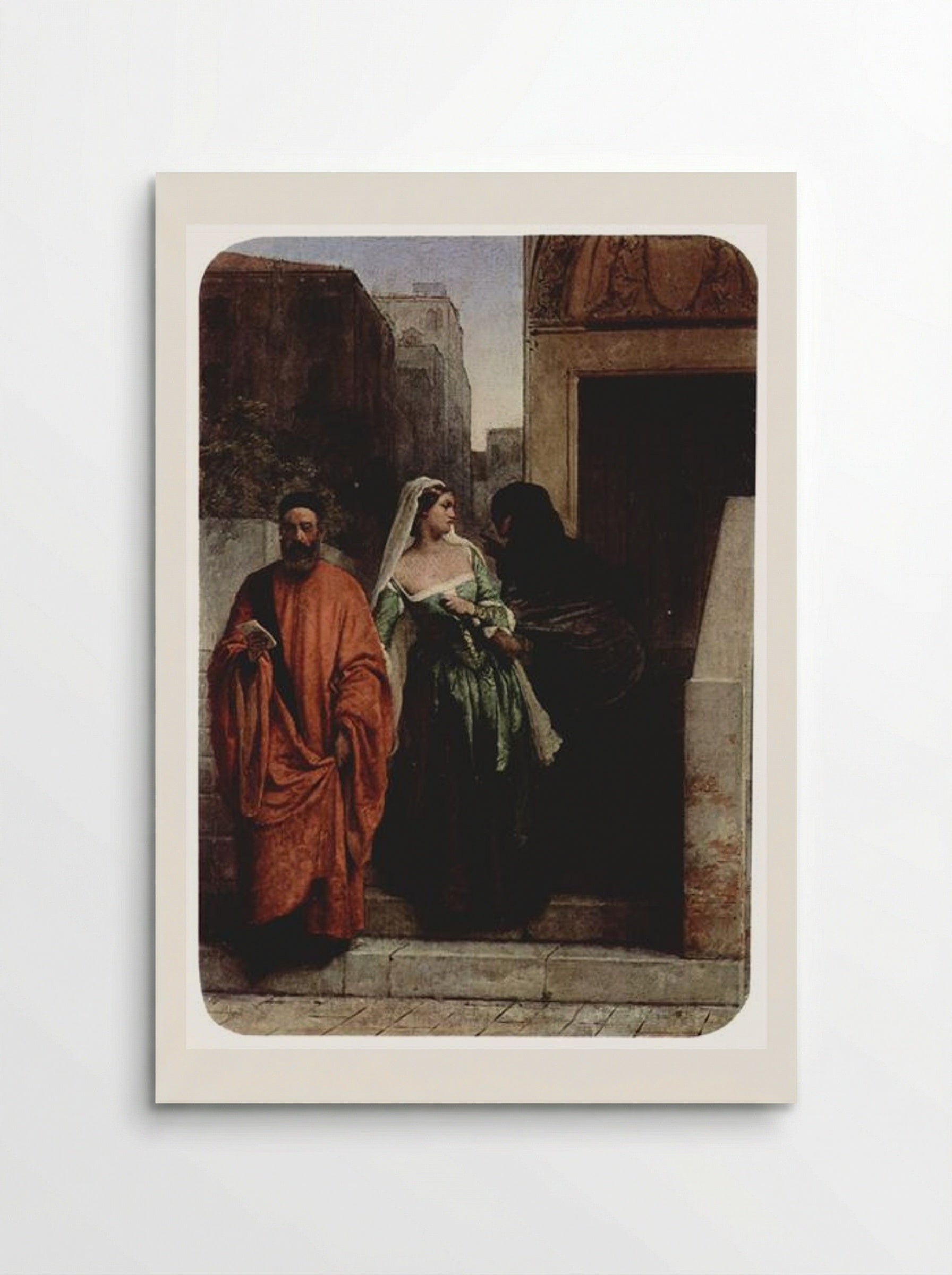
 Venetian Women - Francesco Hayez
Print · Framed · Canvas
Regular price From £28.00 GBPSale price From £28.00 GBP Regular price -

 Carolina Zucchi (La Malata) - Francesco Hayez
Print · Framed · Canvas
Regular price From £28.00 GBPSale price From £28.00 GBP Regular price -
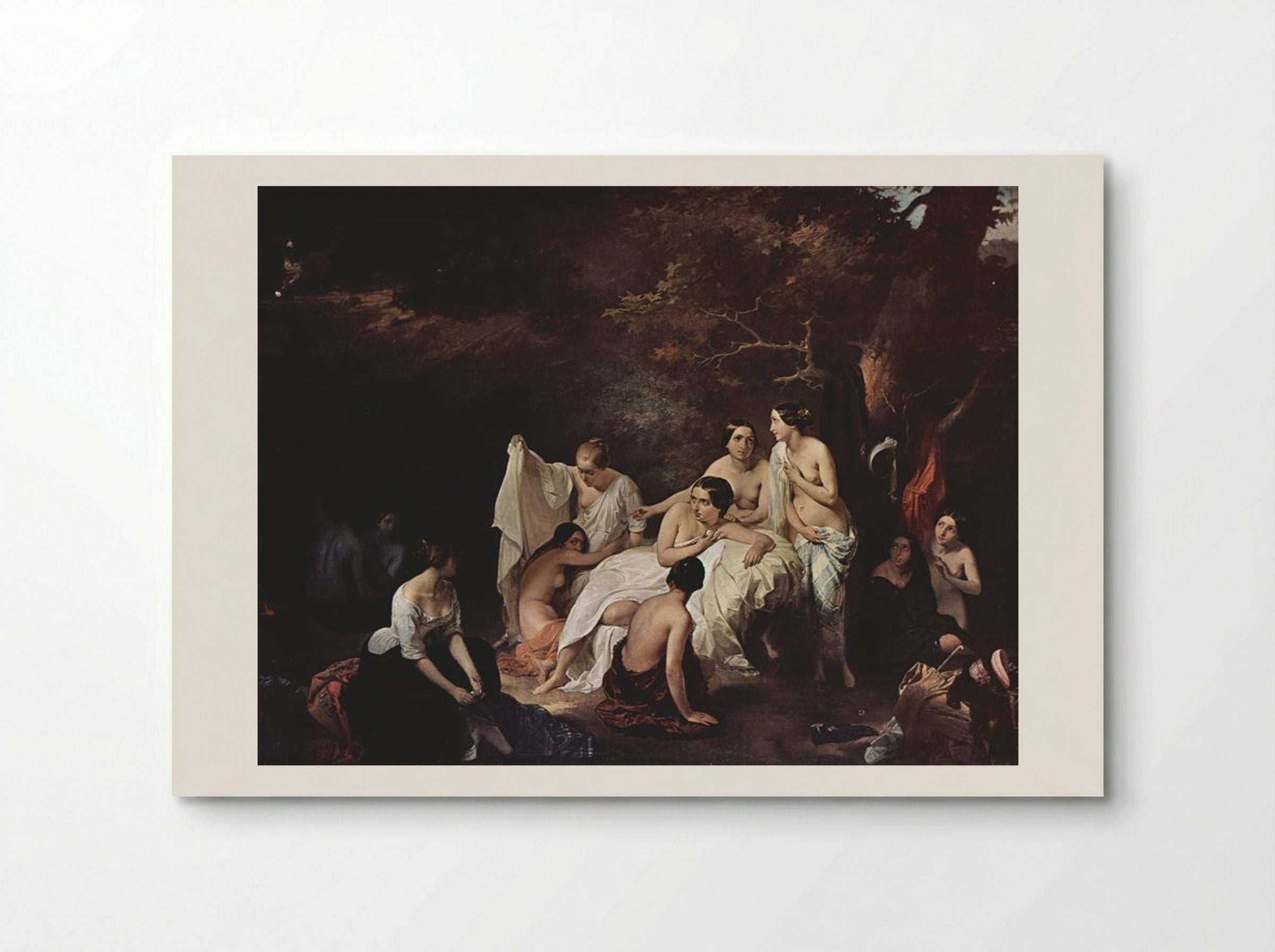
 Bathing Nymphs - Francesco Hayez
Print · Framed · Canvas
Regular price From £28.00 GBPSale price From £28.00 GBP Regular price -

 Portrait of Conte Ninni - Francesco Hayez
Print · Framed · Canvas
Regular price From £28.00 GBPSale price From £28.00 GBP Regular price -
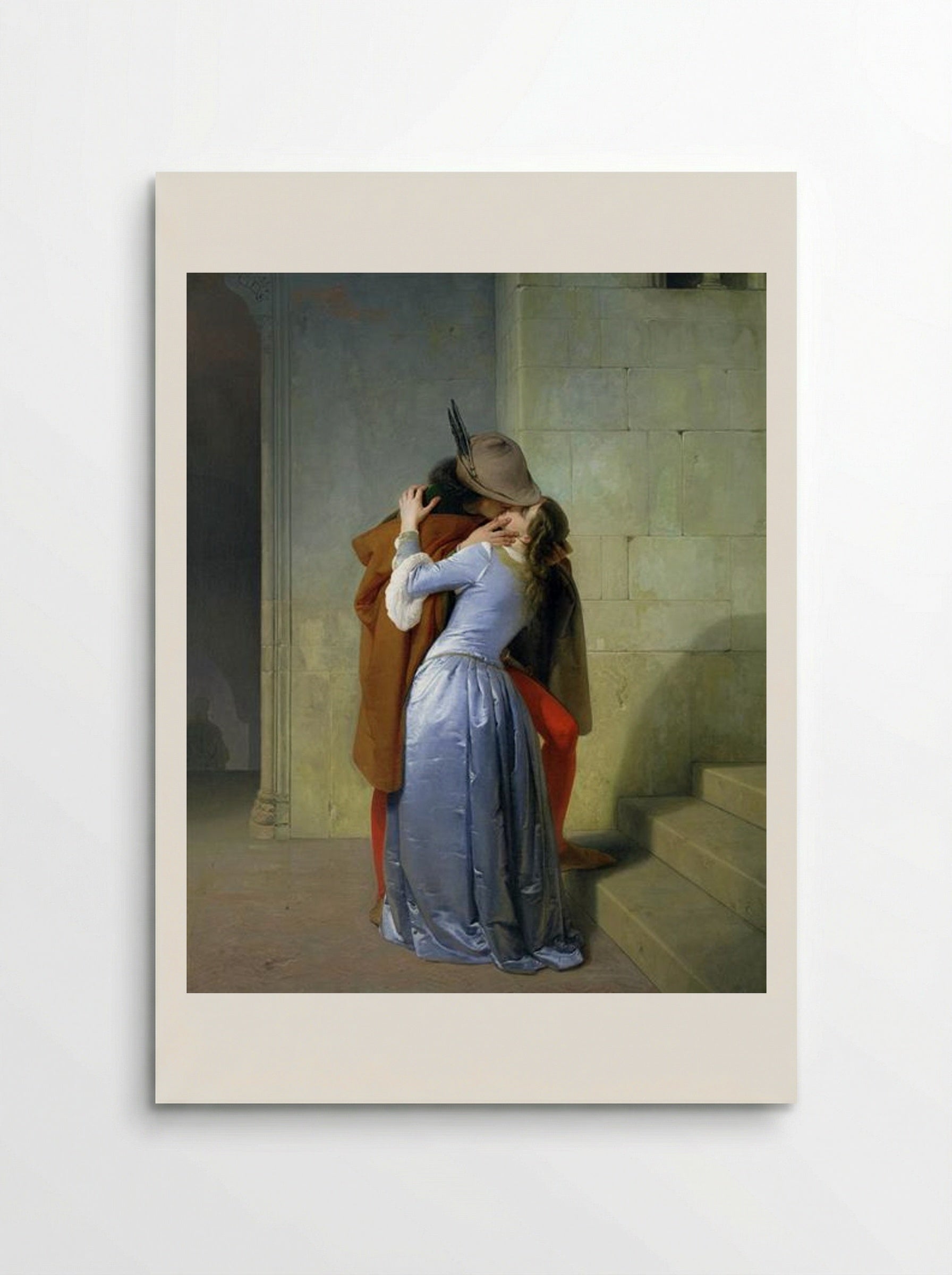
 The Kiss - Francesco Hayez
Print · Framed · Canvas
Regular price From £28.00 GBPSale price From £28.00 GBP Regular price


Artist Biography
Francesco Hayez
The Kiss is a political painting disguised as a love scene. Hayez painted it in 1859, the year Piedmont and France allied against Austria, and the couple's medieval costumes encode a message about Italian unification that his audience understood immediately. He painted three versions. In the 1920s, Perugina, the chocolate manufacturer, adapted the image for the box of its "Baci" chocolates, where it remains today.
Hayez was born in Venice in 1791, the youngest of five sons. His father was a fisherman of French origin; his mother came from Murano. The family was poor enough that the boy was placed with an uncle, the antiquarian Giovanni Binasco, who hoped to train him as a restorer. Instead, Hayez won a scholarship to the Accademia di San Luca in Rome in 1809, where he spent long hours studying Raphael in the Vatican Stanze and visiting the workshop of the sculptor Antonio Canova.
He settled in Milan in 1820 and became the leading figure of Italian Romanticism. His large historical paintings, depicting subjects from medieval Italian history, functioned as allegorical commentary on the Risorgimento, the movement for Italian unification. The use of historical costume allowed him to evade Austrian censorship while communicating patriotic ideas that his Milanese audience decoded without difficulty.
In 1850 he became director of the Brera Academy, a position he held for decades. He rarely signed or dated his works, and often painted the same composition multiple times with minimal variation, which has complicated scholarly assessment. He died in Milan in 1882, at ninety, having witnessed the unification he had painted.
Hayez was born in Venice in 1791, the youngest of five sons. His father was a fisherman of French origin; his mother came from Murano. The family was poor enough that the boy was placed with an uncle, the antiquarian Giovanni Binasco, who hoped to train him as a restorer. Instead, Hayez won a scholarship to the Accademia di San Luca in Rome in 1809, where he spent long hours studying Raphael in the Vatican Stanze and visiting the workshop of the sculptor Antonio Canova.
He settled in Milan in 1820 and became the leading figure of Italian Romanticism. His large historical paintings, depicting subjects from medieval Italian history, functioned as allegorical commentary on the Risorgimento, the movement for Italian unification. The use of historical costume allowed him to evade Austrian censorship while communicating patriotic ideas that his Milanese audience decoded without difficulty.
In 1850 he became director of the Brera Academy, a position he held for decades. He rarely signed or dated his works, and often painted the same composition multiple times with minimal variation, which has complicated scholarly assessment. He died in Milan in 1882, at ninety, having witnessed the unification he had painted.


Why Choose Us ?