

Collection
Ernst Ludwig Kirchner
Explore curated art prints selected for distinctive homes and considered interiors.
Suggested filters
-

 Geitenhoeder met zijn kudde in de bergen - Ernst Ludwig Kirchner
Print · Framed
Regular price From £37.00 GBPSale price From £37.00 GBP Regular price -

 Wrestlers in a Circus - Ernst Ludwig Kirchner
Print · Framed
Regular price From £37.00 GBPSale price From £37.00 GBP Regular price -

 Dancer Seeking Applause - Ernst Ludwig Kirchner
Print · Framed
Regular price From £37.00 GBPSale price From £37.00 GBP Regular price -

 Dr. Bauer - Ernst Ludwig Kirchner
Print · Framed
Regular price From £37.00 GBPSale price From £37.00 GBP Regular price -

 Interieur - Ernst Ludwig Kirchner
Print · Framed
Regular price From £37.00 GBPSale price From £37.00 GBP Regular price -

 Wehrlin, Facing front - Ernst Ludwig Kirchner
Print · Framed
Regular price From £37.00 GBPSale price From £37.00 GBP Regular price -

 On the Street - Ernst Ludwig Kirchner
Print · Framed
Regular price From £28.00 GBPSale price From £28.00 GBP Regular price -

 Woman Putting on Her Shoes - Ernst Ludwig Kirchner
Print · Framed
Regular price From £28.00 GBPSale price From £28.00 GBP Regular price -

 Dune Landscape with a Curving Bay - Ernst Ludwig Kirchner
Print · Framed
Regular price From £28.00 GBPSale price From £28.00 GBP Regular price -

 Couple in Room, Nude Man with Woman - Ernst Ludwig Kirchner
Print · Framed
Regular price From £28.00 GBPSale price From £28.00 GBP Regular price -

 The Sea near Staberhuk - Ernst Ludwig Kirchner
Print · Framed
Regular price From £28.00 GBPSale price From £28.00 GBP Regular price -

 Billiard Players - Ernst Ludwig Kirchner
Print · Framed
Regular price From £28.00 GBPSale price From £28.00 GBP Regular price -

 Mountain Landscape with Cows - Ernst Ludwig Kirchner
Print · Framed
Regular price From £28.00 GBPSale price From £28.00 GBP Regular price -

 Clock Tower at Bern - Ernst Ludwig Kirchner
Print · Framed
Regular price From £28.00 GBPSale price From £28.00 GBP Regular price -

 Portrait of David M. - Ernst Ludwig Kirchner
Print · Framed
Regular price From £28.00 GBPSale price From £28.00 GBP Regular price -

 The Concert - Ernst Ludwig Kirchner
Print · Framed
Regular price From £28.00 GBPSale price From £28.00 GBP Regular price -

 In the Barracks Courtyard - Ernst Ludwig Kirchner
Print · Framed
Regular price From £28.00 GBPSale price From £28.00 GBP Regular price -
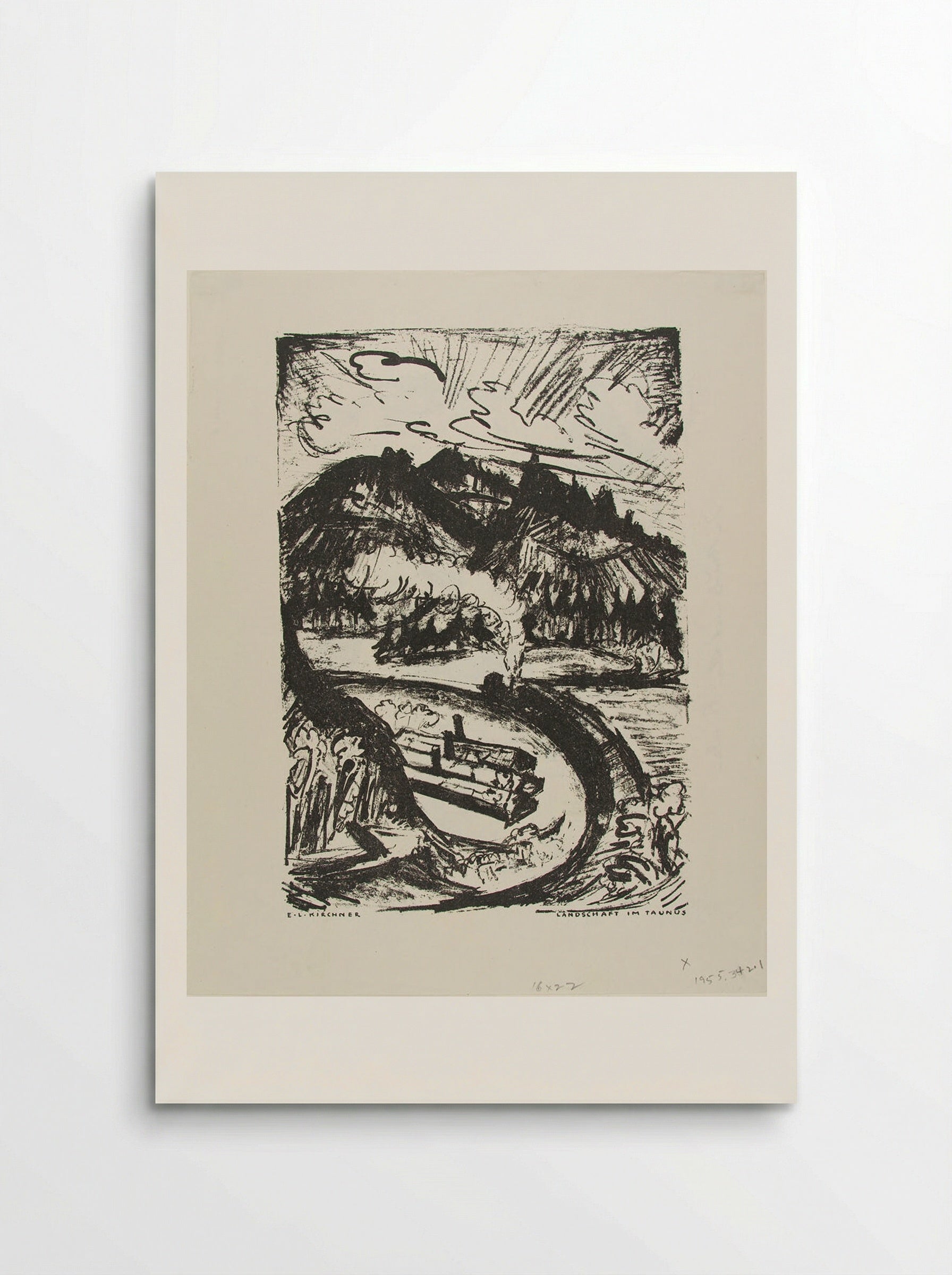
 Taunus Landscape - Ernst Ludwig Kirchner
Print · Framed · Canvas
Regular price From £28.00 GBPSale price From £28.00 GBP Regular price -
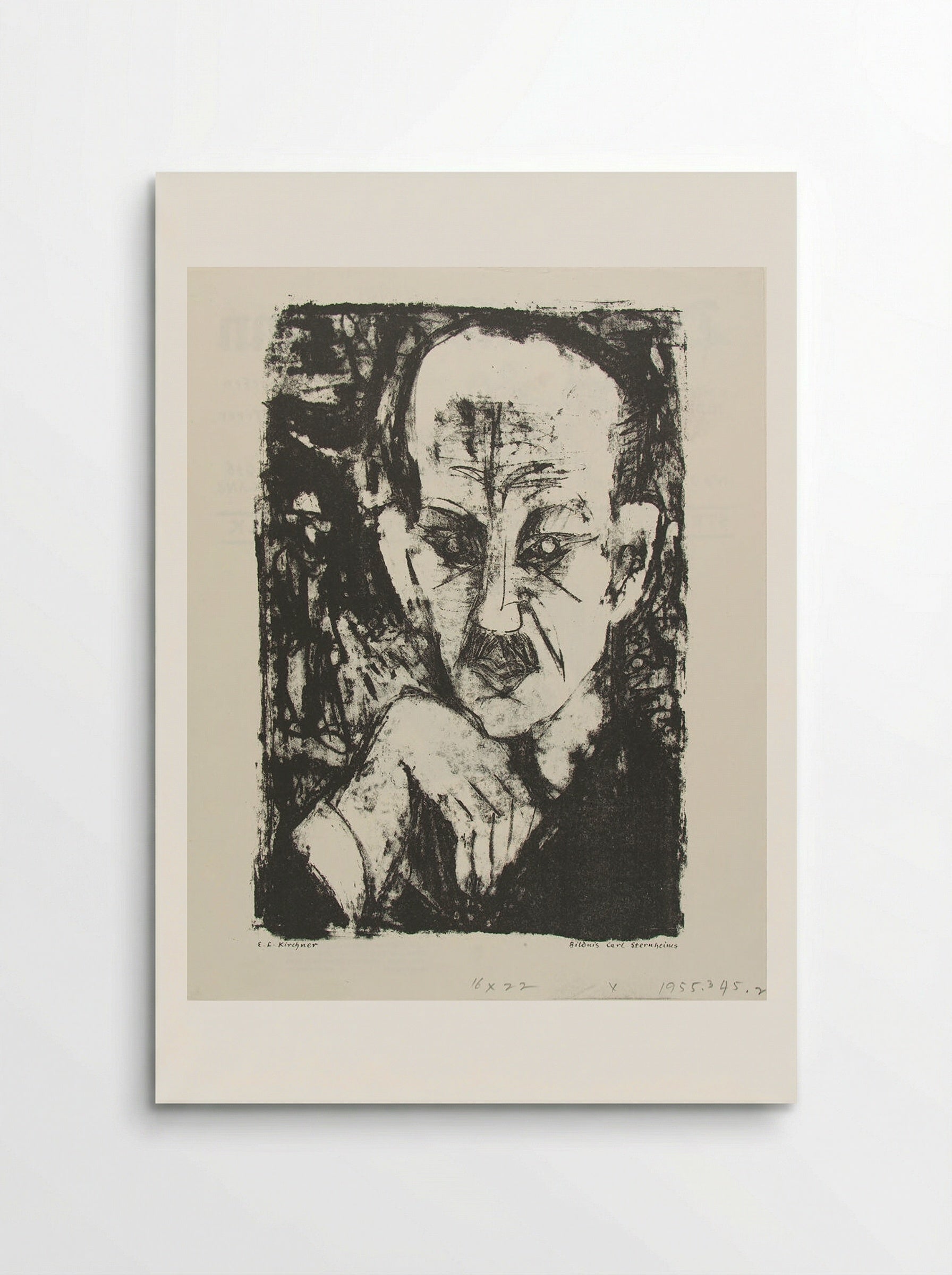
 Portrait of Carl Sternheim - Ernst Ludwig Kirchner
Print · Framed · Canvas
Regular price From £28.00 GBPSale price From £28.00 GBP Regular price -
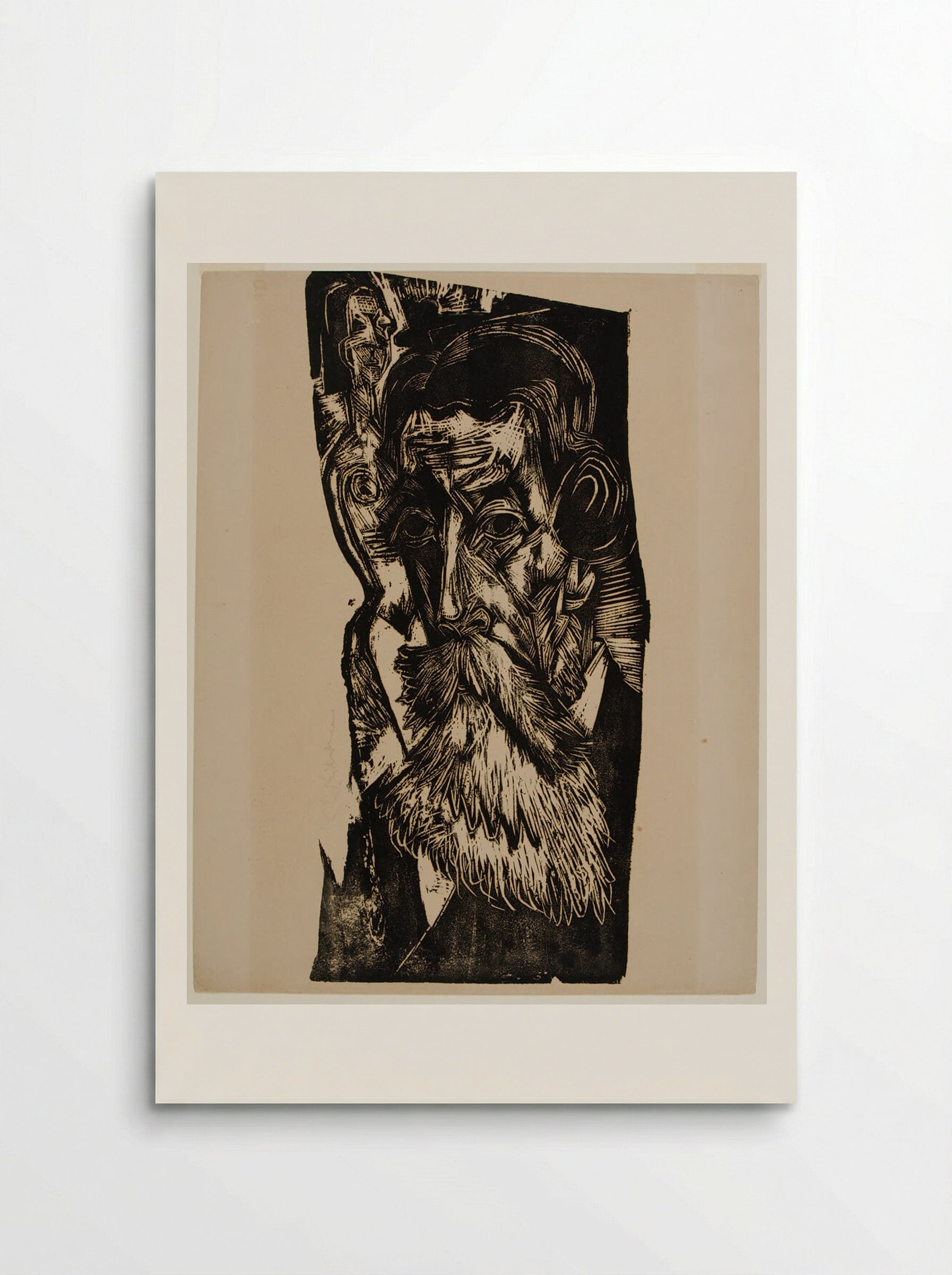 Ludwig Schames, Art Dealer - Ernst Ludwig Kirchner
Print
Regular price From £28.00 GBPSale price From £28.00 GBP Regular price -
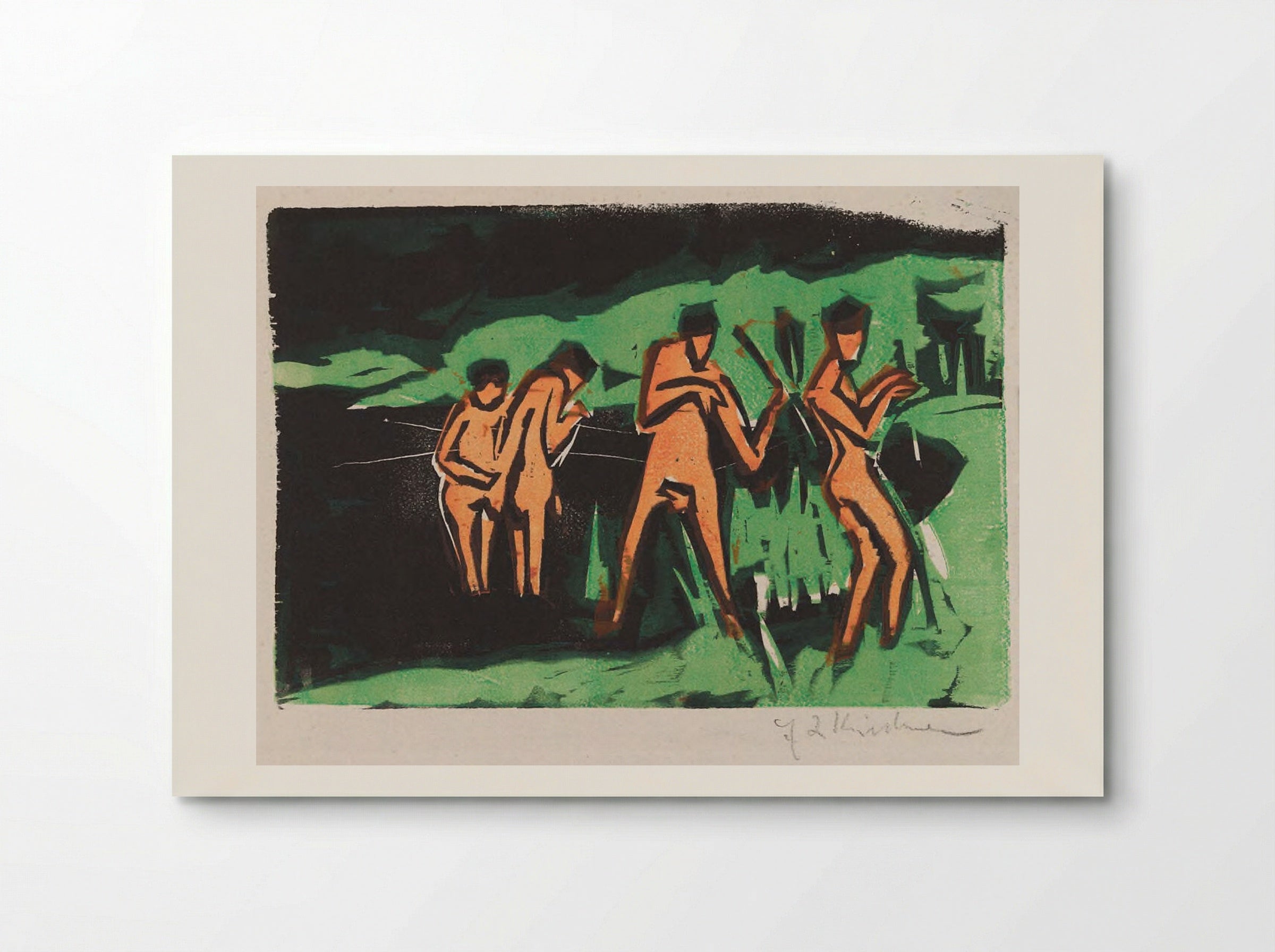 Bathers Tossing Reeds - Ernst Ludwig Kirchner
Print
Regular price From £28.00 GBPSale price From £28.00 GBP Regular price -
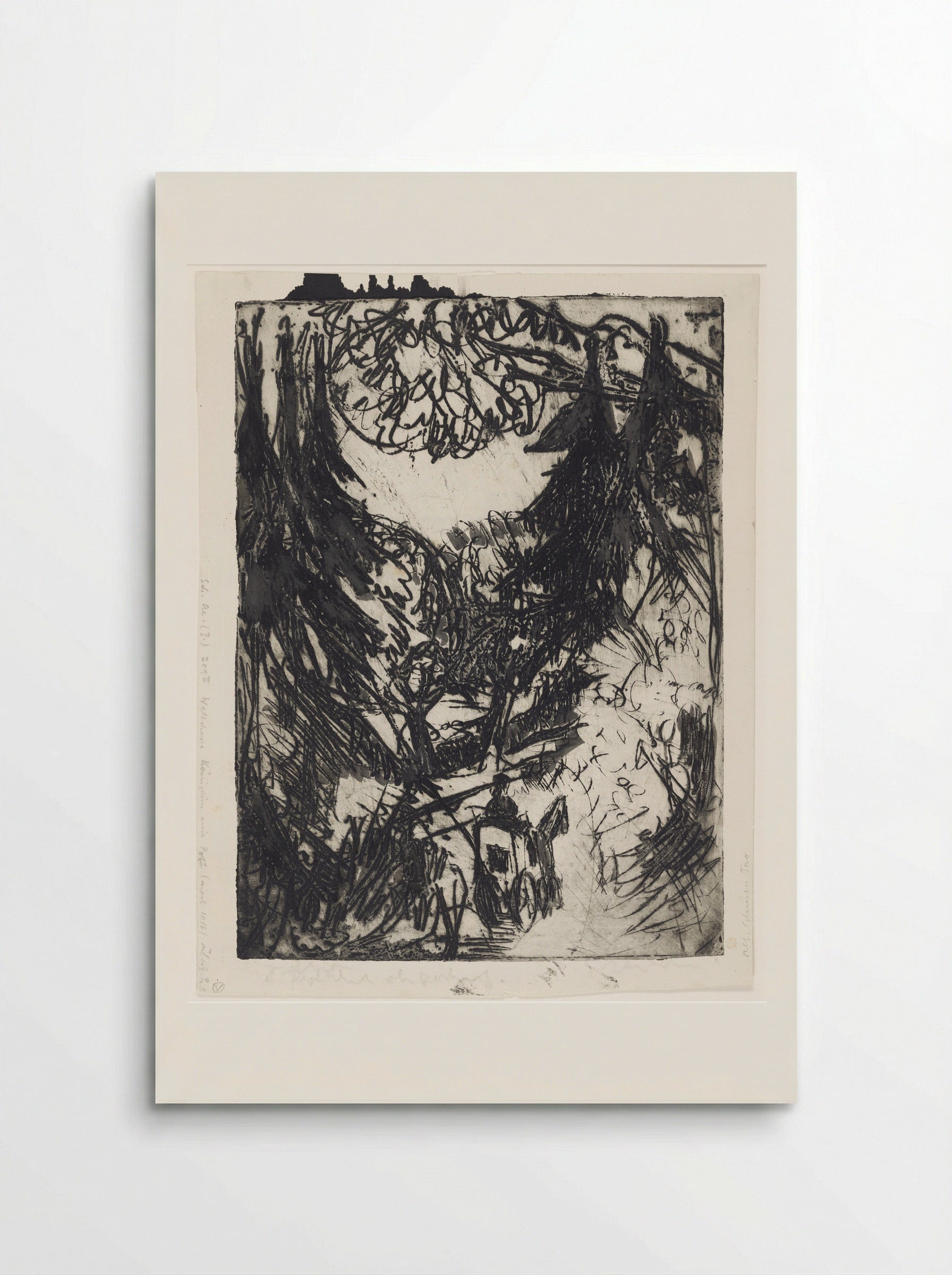 Forest Road in Königstein with Mail Coach - Ernst Ludwig Kirchner
Print
Regular price From £28.00 GBPSale price From £28.00 GBP Regular price -
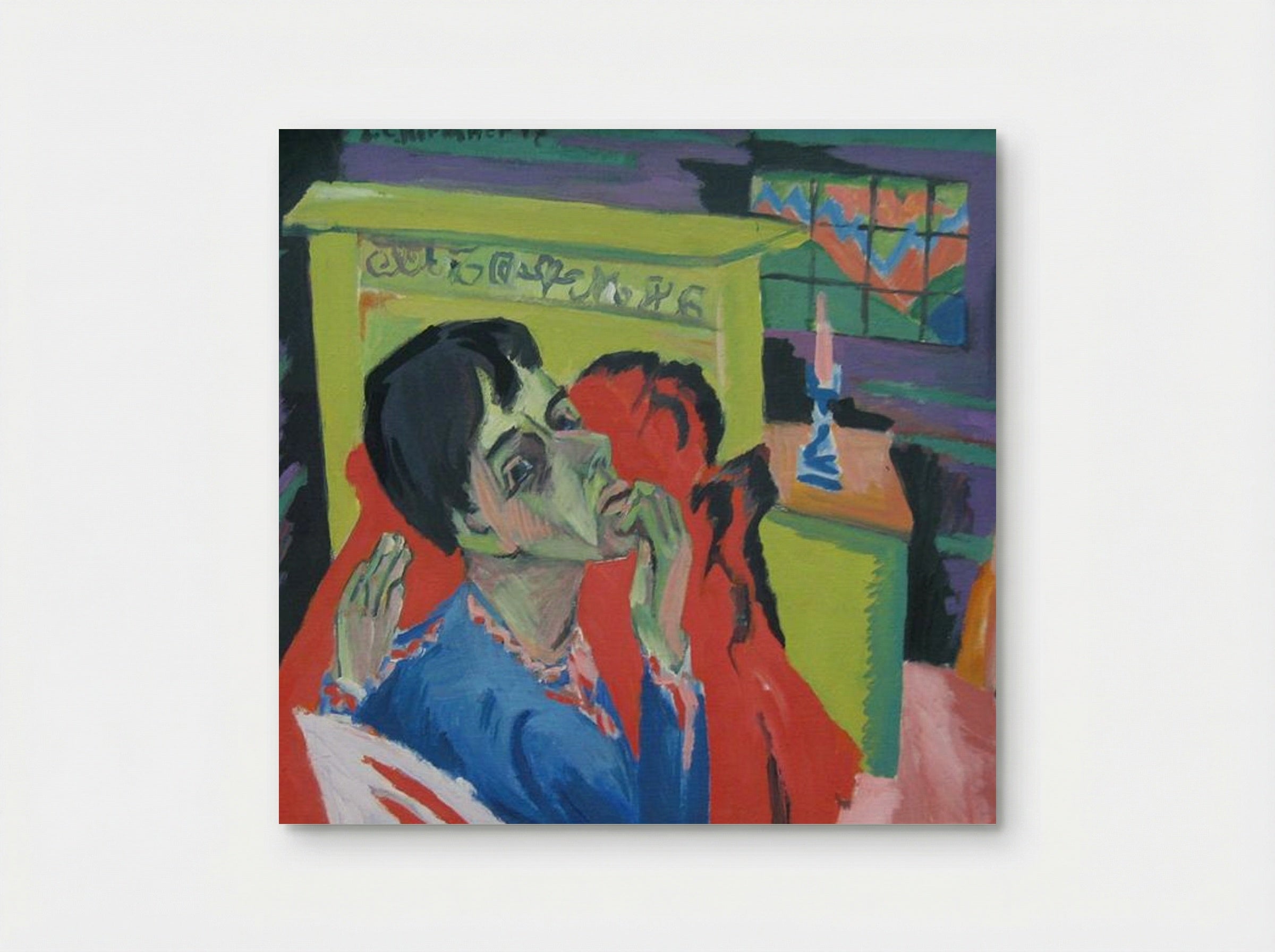 Self-Portrait as an Invalid - Ernst Ludwig Kirchner
Print
Regular price From £37.00 GBPSale price From £37.00 GBP Regular price -
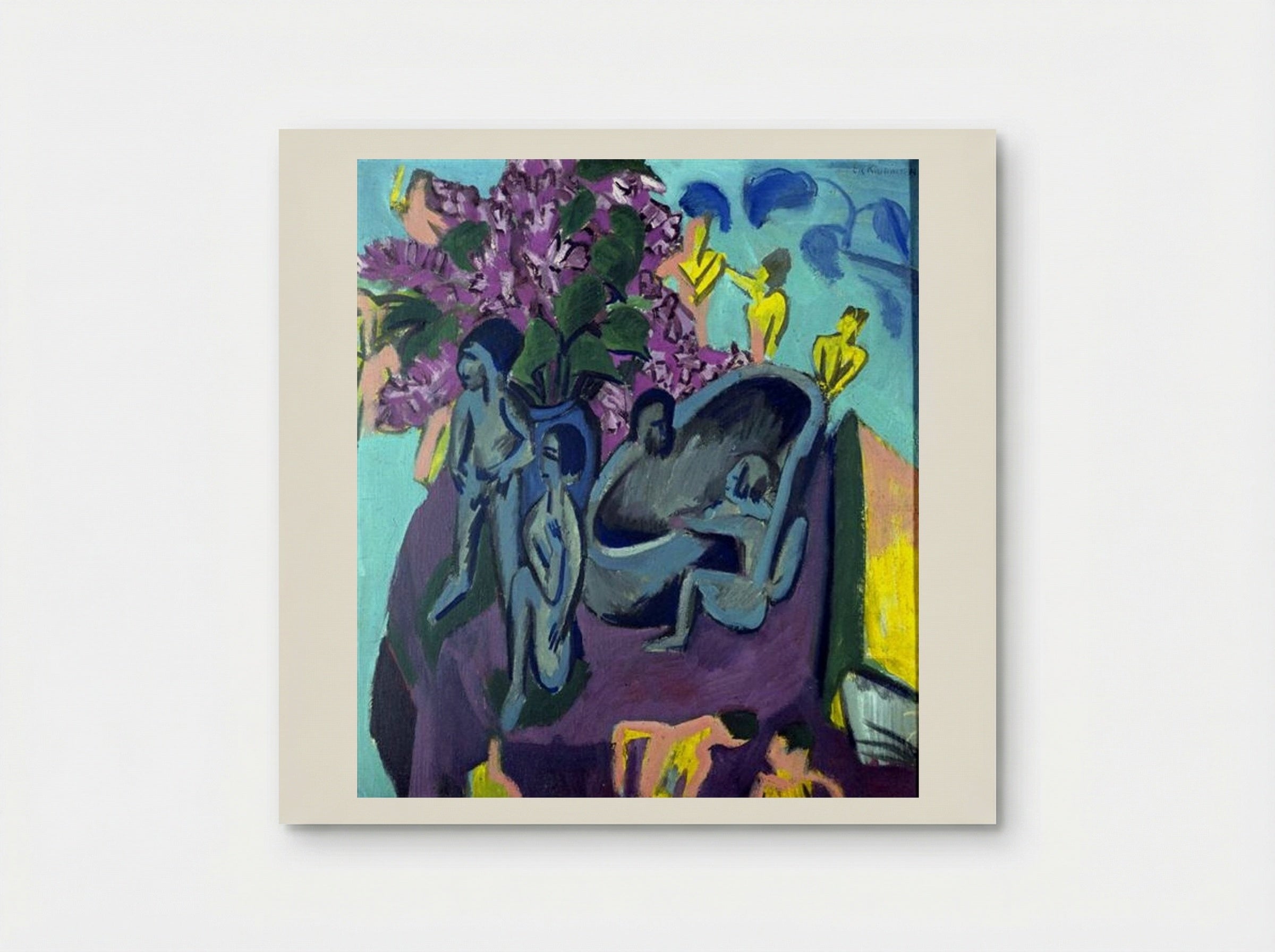 Still Life with Sculpture - Ernst Ludwig Kirchner
Print
Regular price From £37.00 GBPSale price From £37.00 GBP Regular price


Artist Biography
Ernst Ludwig Kirchner
Imagine a respectable art professor leading a double life as a bohemian revolutionary. That was Ernst Ludwig Kirchner. Though he initially pursued architecture, Kirchner's true calling lay in the raw, unfiltered emotion of Expressionism. He co-founded Die Brücke (The Bridge) in Dresden, a group of artists who sought to bridge the gap between traditional art and the modern experience, embracing bold colours and jarring perspectives to convey the anxieties of a rapidly changing world.
Kirchner's art is characterised by its emotional intensity and deliberately crude style. He wasn't interested in pretty pictures; he wanted to expose the psychological truths beneath the surface. Works like 'Girl with Cat (Franzi)' and 'The Café' capture the alienation and unease of urban life, with their jagged lines and clashing colours reflecting the inner turmoil of his subjects. His nudes, such as 'Reclining Nude (Isabella)', possess a raw sensuality, far removed from classical ideals of beauty.
Today, Kirchner's art resonates with collectors who appreciate its unflinching honesty and powerful emotional impact. His willingness to confront the darker aspects of the human condition paved the way for future generations of artists. Owning a Kirchner print is not just about possessing a beautiful object; it's about engaging with a vital and enduring expression of the modern human experience.
Kirchner's art is characterised by its emotional intensity and deliberately crude style. He wasn't interested in pretty pictures; he wanted to expose the psychological truths beneath the surface. Works like 'Girl with Cat (Franzi)' and 'The Café' capture the alienation and unease of urban life, with their jagged lines and clashing colours reflecting the inner turmoil of his subjects. His nudes, such as 'Reclining Nude (Isabella)', possess a raw sensuality, far removed from classical ideals of beauty.
Today, Kirchner's art resonates with collectors who appreciate its unflinching honesty and powerful emotional impact. His willingness to confront the darker aspects of the human condition paved the way for future generations of artists. Owning a Kirchner print is not just about possessing a beautiful object; it's about engaging with a vital and enduring expression of the modern human experience.
Related Artists


Why Choose Us ?