

Collection
Oskar Kokoschka
Explore curated art prints selected for distinctive homes and considered interiors.
Suggested filters
-
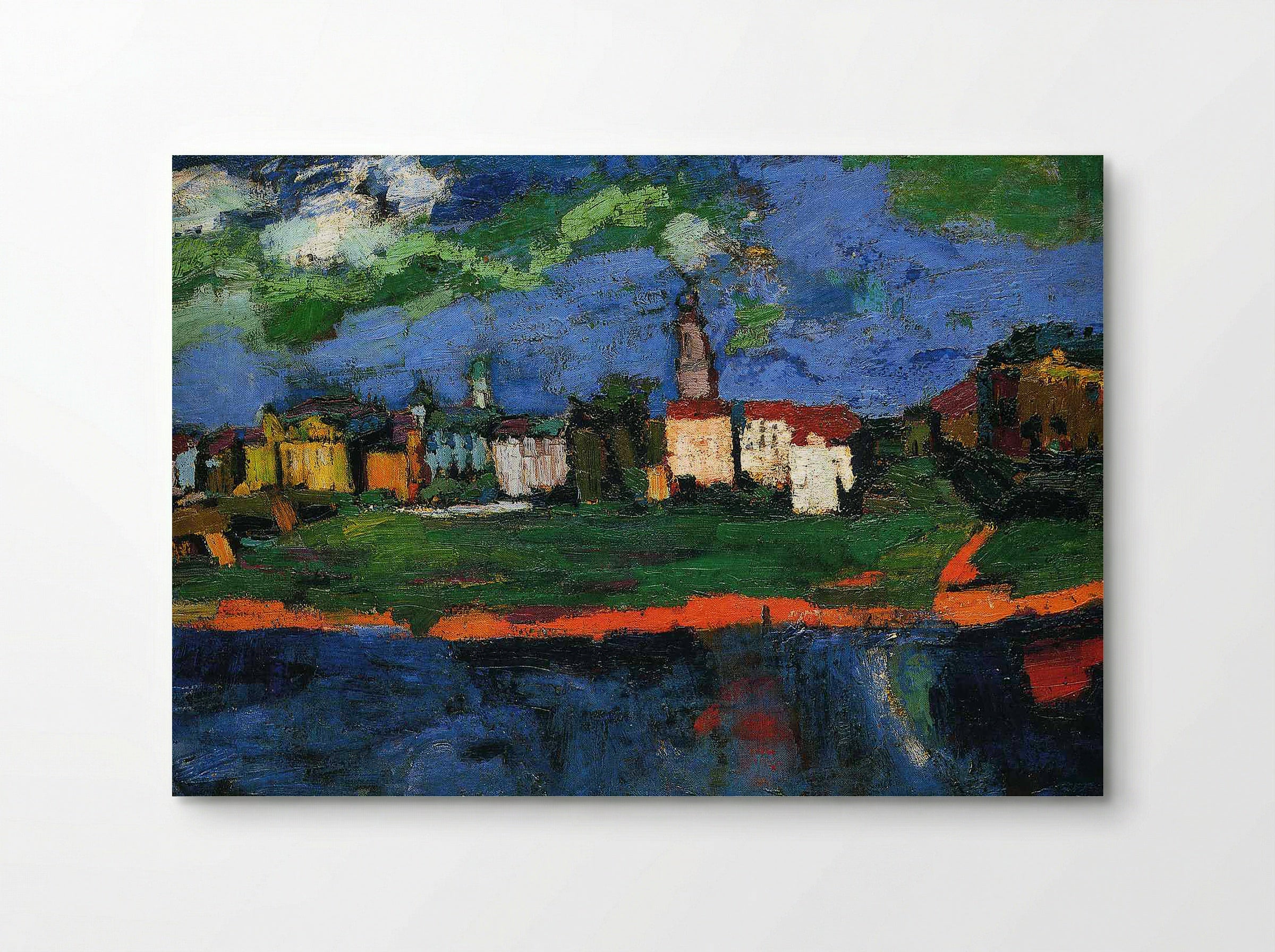
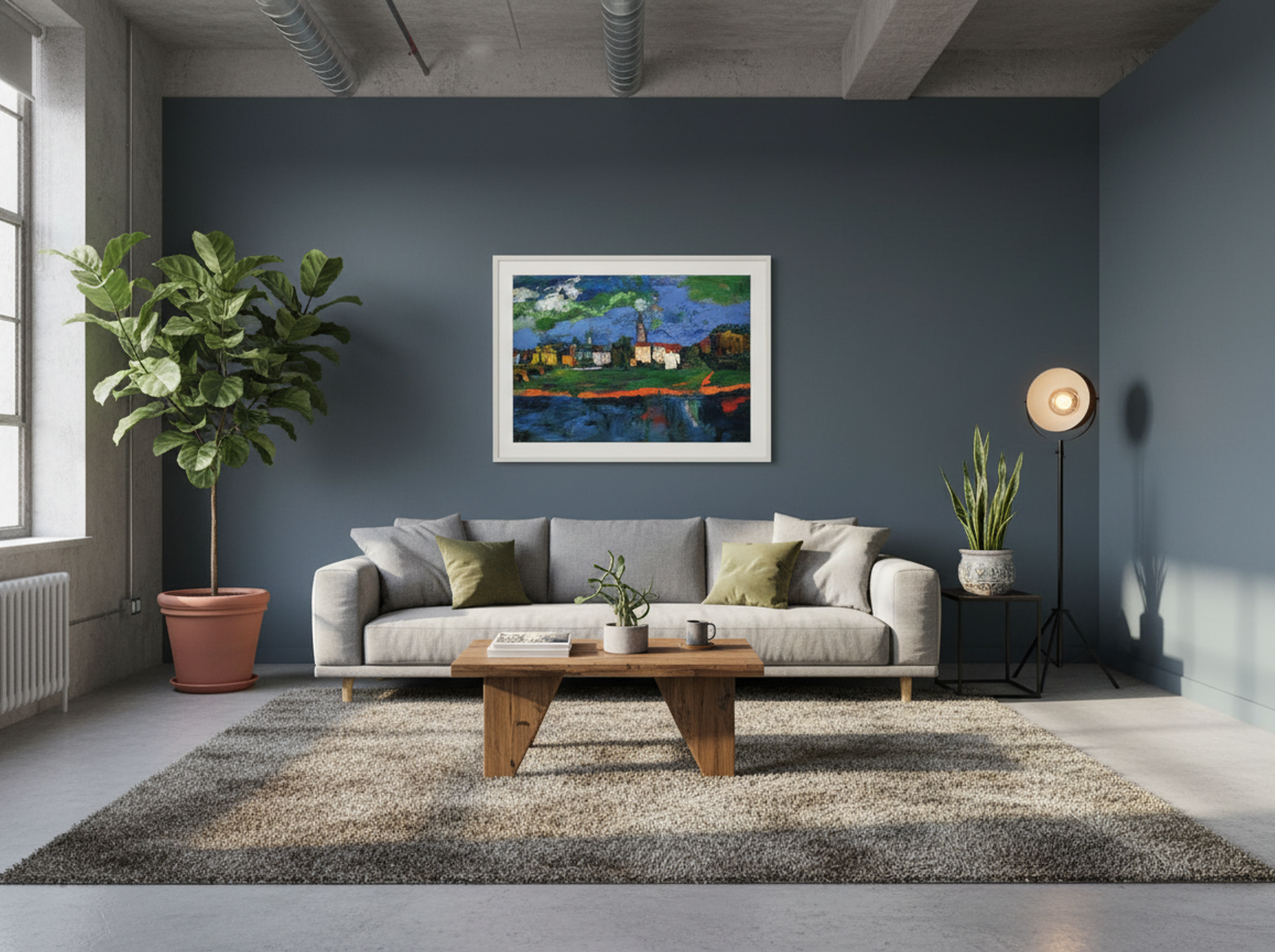 The Elbe Near Dresden - Oskar Kokoschka
Print · Framed
Regular price From £28.00 GBPSale price From £28.00 GBP Regular price -
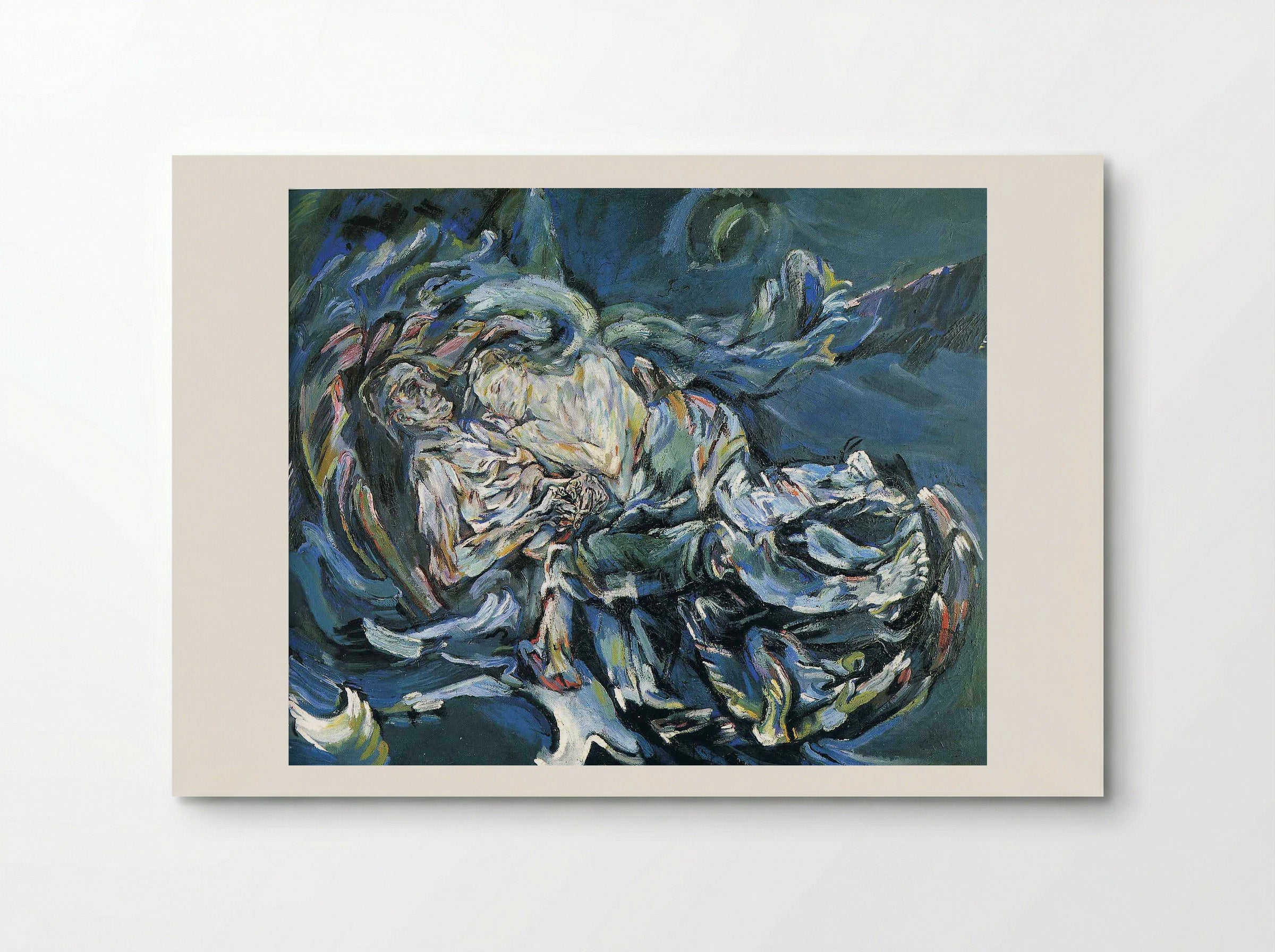
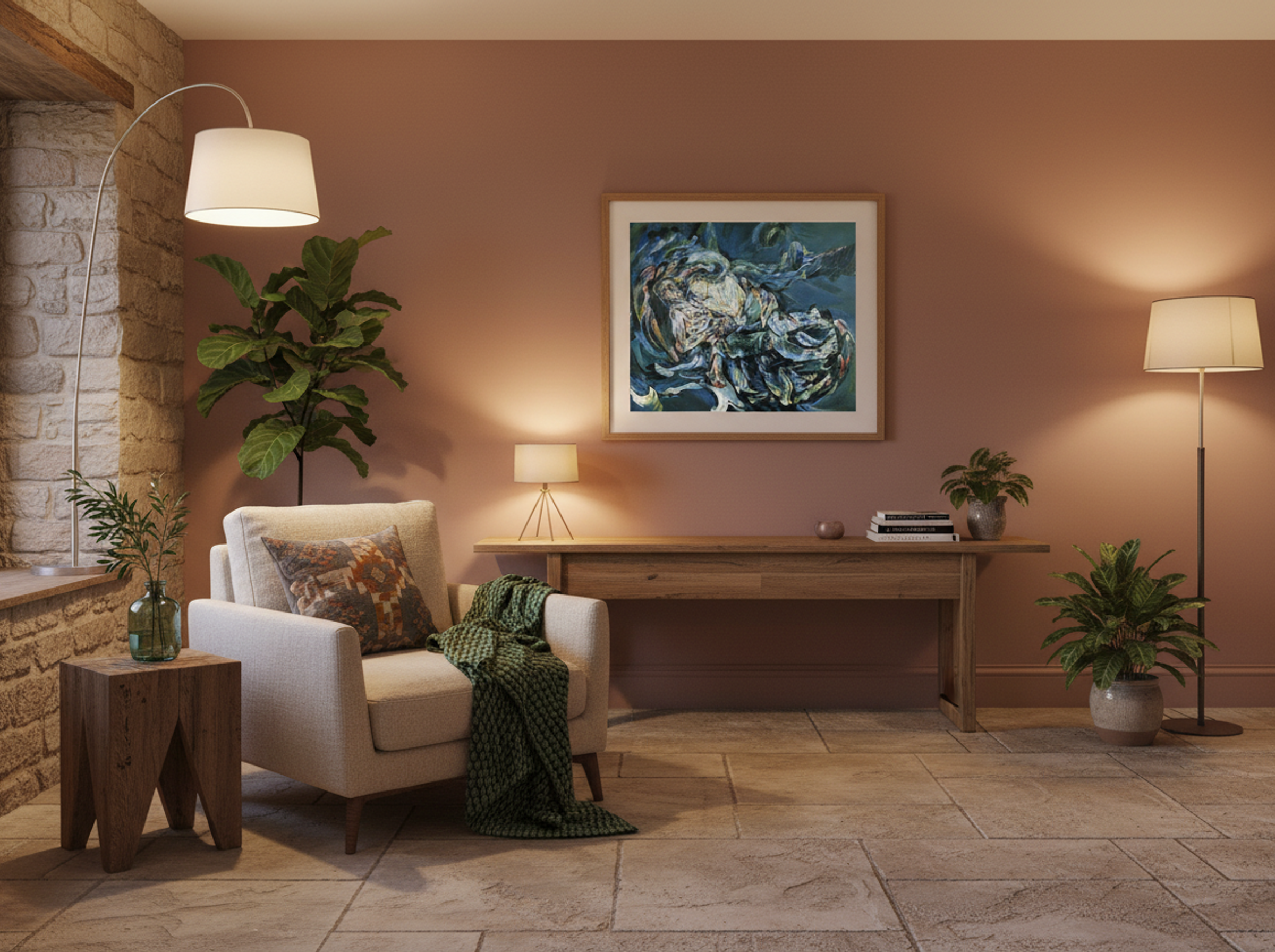 Bride of the Wind - Oskar Kokoschka
Print · Framed
Regular price From £28.00 GBPSale price From £28.00 GBP Regular price -
 Poster Design for the Jubilee Procession of the Kaiser - Oskar Kokoschka
Print
Regular price From £28.00 GBPSale price From £28.00 GBP Regular price -
 Dragons over a Flame - Oskar Kokoschka
Print
Regular price From £28.00 GBPSale price From £28.00 GBP Regular price -
 Children Playing - Oskar Kokoschka
Print
Regular price From £28.00 GBPSale price From £28.00 GBP Regular price -
 Veronica's Veil - Oskar Kokoschka
Print
Regular price From £28.00 GBPSale price From £28.00 GBP Regular price -
 Albert Ehrenstein - Oskar Kokoschka
Print
Regular price From £28.00 GBPSale price From £28.00 GBP Regular price -
 The Dreaming Boys - Oskar Kokoschka
Print
Regular price From £37.00 GBPSale price From £37.00 GBP Regular price -
 Adele Astaire - Oskar Kokoschka
Print
Regular price From £28.00 GBPSale price From £28.00 GBP Regular price -
 The Morabito of Temacina - Oskar Kokoschka
Print
Regular price From £28.00 GBPSale price From £28.00 GBP Regular price -
 Nude Girl Standing - Oskar Kokoschka
Print
Regular price From £28.00 GBPSale price From £28.00 GBP Regular price -
 Dresden Neustadt - Oskar Kokoschka
Print
Regular price From £28.00 GBPSale price From £28.00 GBP Regular price -
 Self-Portrait with a Brush - Oskar Kokoschka
Print
Regular price From £28.00 GBPSale price From £28.00 GBP Regular price -
 Children Playing - Oskar Kokoschka
Print
Regular price From £28.00 GBPSale price From £28.00 GBP Regular price -
 Knight Errant (Self-Portrait) - Oskar Kokoschka
Print
Regular price From £28.00 GBPSale price From £28.00 GBP Regular price -
 Self Portrait with Crossed Arms - Oskar Kokoschka
Print
Regular price From £28.00 GBPSale price From £28.00 GBP Regular price -
 Two Children - Oskar Kokoschka
Print
Regular price From £28.00 GBPSale price From £28.00 GBP Regular price -
 Child with the hands of a parent - Oskar Kokoschka
Print
Regular price From £28.00 GBPSale price From £28.00 GBP Regular price -
 The Sleepers - Oskar Kokoschka
Print
Regular price From £37.00 GBPSale price From £37.00 GBP Regular price -
 Charles Bridge, Prague - Oskar Kokoschka
Print
Regular price From £28.00 GBPSale price From £28.00 GBP Regular price -
 Hans Tietze and Erica Tietze-Conrat - Oskar Kokoschka
Print
Regular price From £28.00 GBPSale price From £28.00 GBP Regular price -
 Conte Verona - Oskar Kokoschka
Print
Regular price From £28.00 GBPSale price From £28.00 GBP Regular price -
 Robinson - Oskar Kokoschka
Print
Regular price From £28.00 GBPSale price From £28.00 GBP Regular price -
 View of Prague - Oskar Kokoschka
Print
Regular price From £28.00 GBPSale price From £28.00 GBP Regular price


Artist Biography
Oskar Kokoschka
Kokoschka proposed to Alma Mahler within twenty-four hours of meeting her in 1912. When she later had an abortion, he pocketed a bloodied cotton pad from the procedure, saying it was his only child and always would be. He painted The Bride of the Wind (1913-14) as a double portrait of the two of them, then sold it to buy his own horse before volunteering for the First World War.
He was born in 1886 in Pochlarn, Austria. He was shot through the head in Ukraine and bayoneted in the chest in Russia. He survived both.
After the war, he commissioned a Munich dollmaker named Hermine Moos to create a life-size replica of Alma, sending detailed instructions about the feel of her skin and the weight of her body. Moos covered the figure in feathers instead. Kokoschka eventually staged a public execution: he decapitated the doll and smashed a bottle of wine over its head on his lawn. The police arrived the next morning, thinking he had murdered a woman.
The Nazis declared him a degenerate artist. He fled Czechoslovakia for London after the Munich Agreement and became a British citizen in 1947. His Expressionist portraits are among the most psychologically penetrating of the twentieth century: raw, agitated surfaces that seem to expose the sitter's interior state. He lived to ninety-four.
He was born in 1886 in Pochlarn, Austria. He was shot through the head in Ukraine and bayoneted in the chest in Russia. He survived both.
After the war, he commissioned a Munich dollmaker named Hermine Moos to create a life-size replica of Alma, sending detailed instructions about the feel of her skin and the weight of her body. Moos covered the figure in feathers instead. Kokoschka eventually staged a public execution: he decapitated the doll and smashed a bottle of wine over its head on his lawn. The police arrived the next morning, thinking he had murdered a woman.
The Nazis declared him a degenerate artist. He fled Czechoslovakia for London after the Munich Agreement and became a British citizen in 1947. His Expressionist portraits are among the most psychologically penetrating of the twentieth century: raw, agitated surfaces that seem to expose the sitter's interior state. He lived to ninety-four.
Related Artists


Why Choose Us ?