

Collection
Emil Nolde
Explore curated art prints selected for distinctive homes and considered interiors.
Suggested filters
-

 Young Couple - Emil Nolde
Print · Framed
Regular price From £28.00 GBPSale price From £28.00 GBP Regular price -

 Sunrise at the Sea - Emil Nolde
Print · Framed · Canvas
Regular price From £28.00 GBPSale price From £28.00 GBP Regular price -
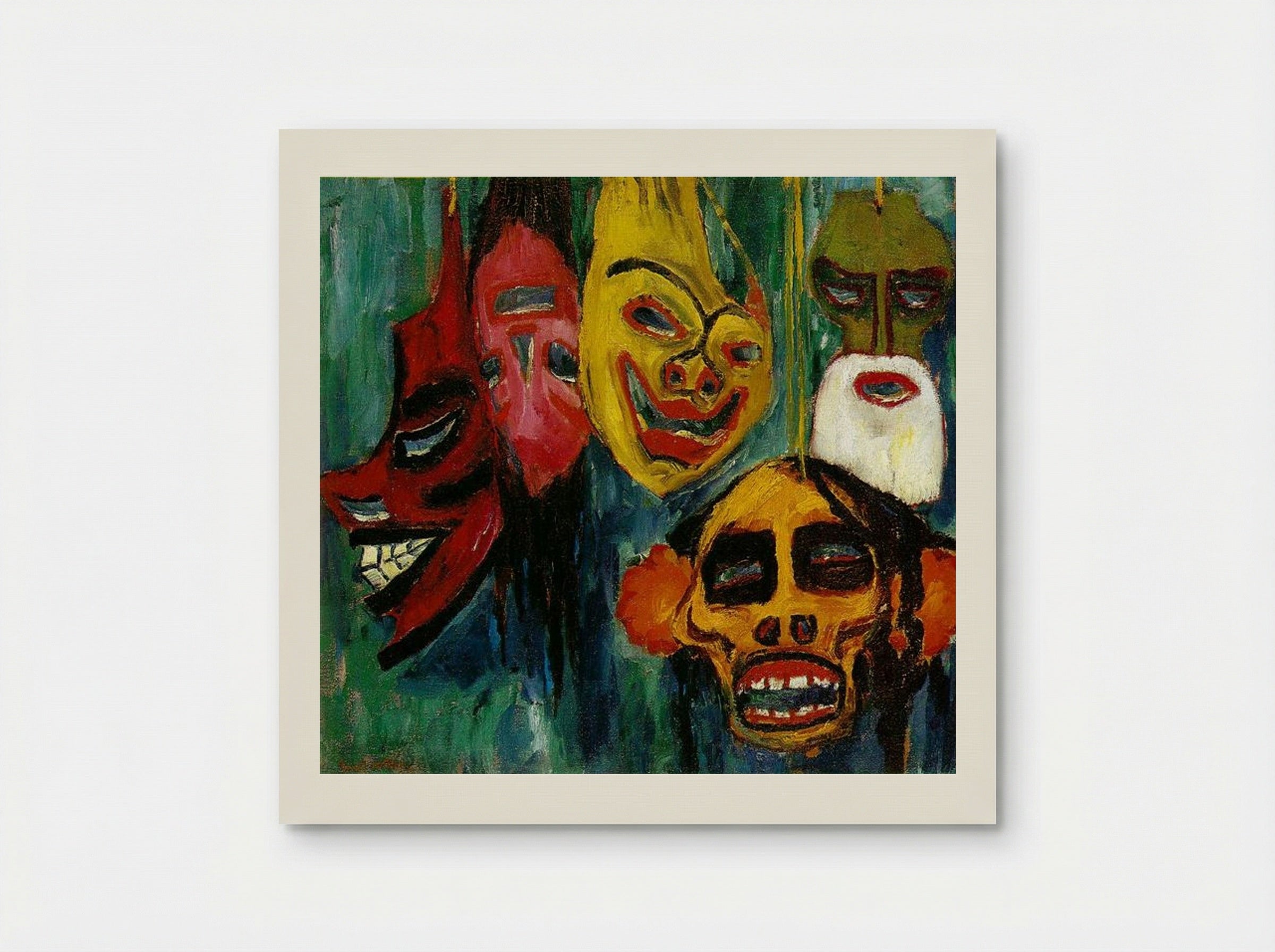 Mask Still Life III - Emil Nolde
Print
Regular price From £37.00 GBPSale price From £37.00 GBP Regular price -
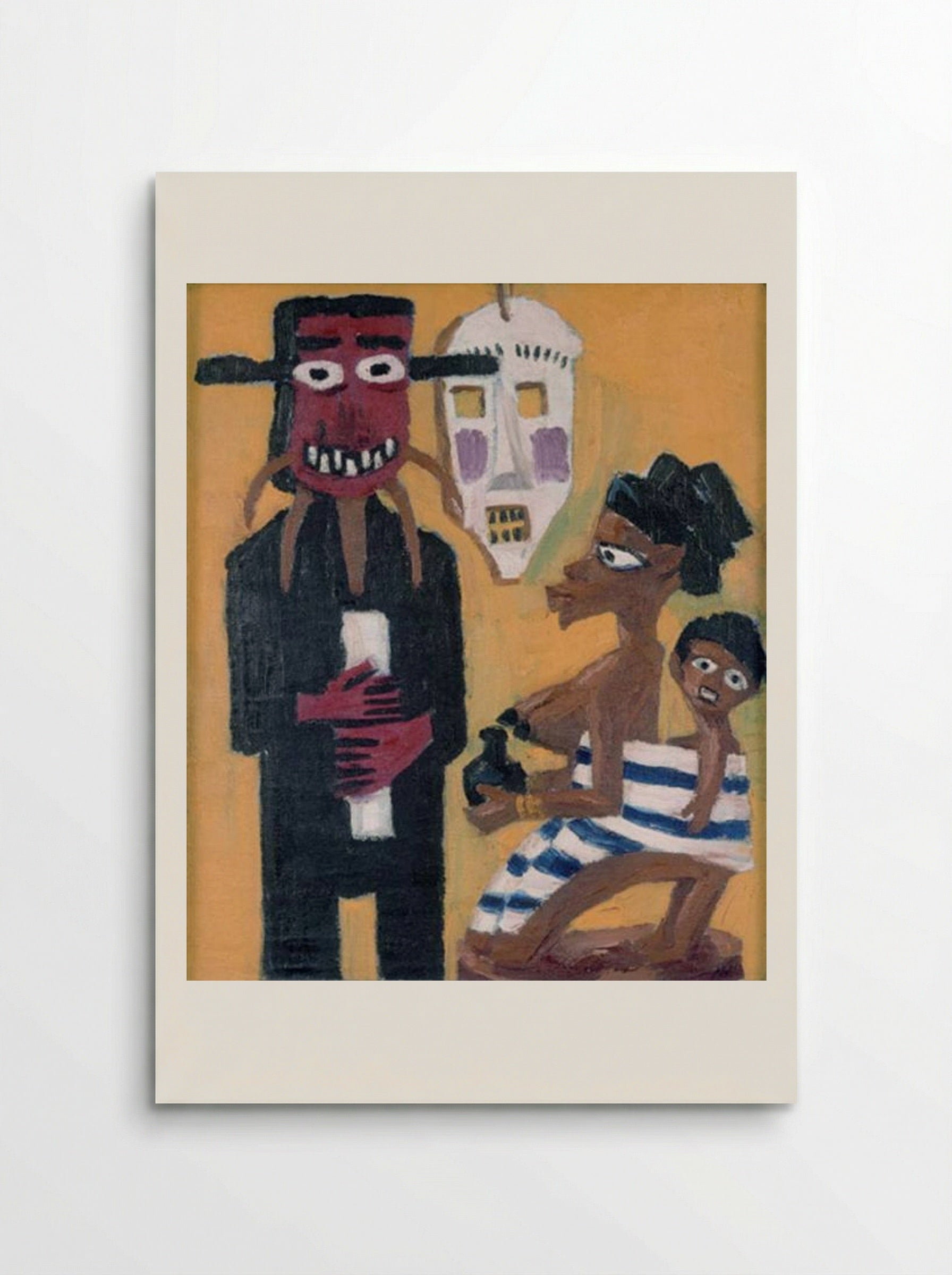 The Missionary - Emil Nolde
Print
Regular price From £28.00 GBPSale price From £28.00 GBP Regular price -
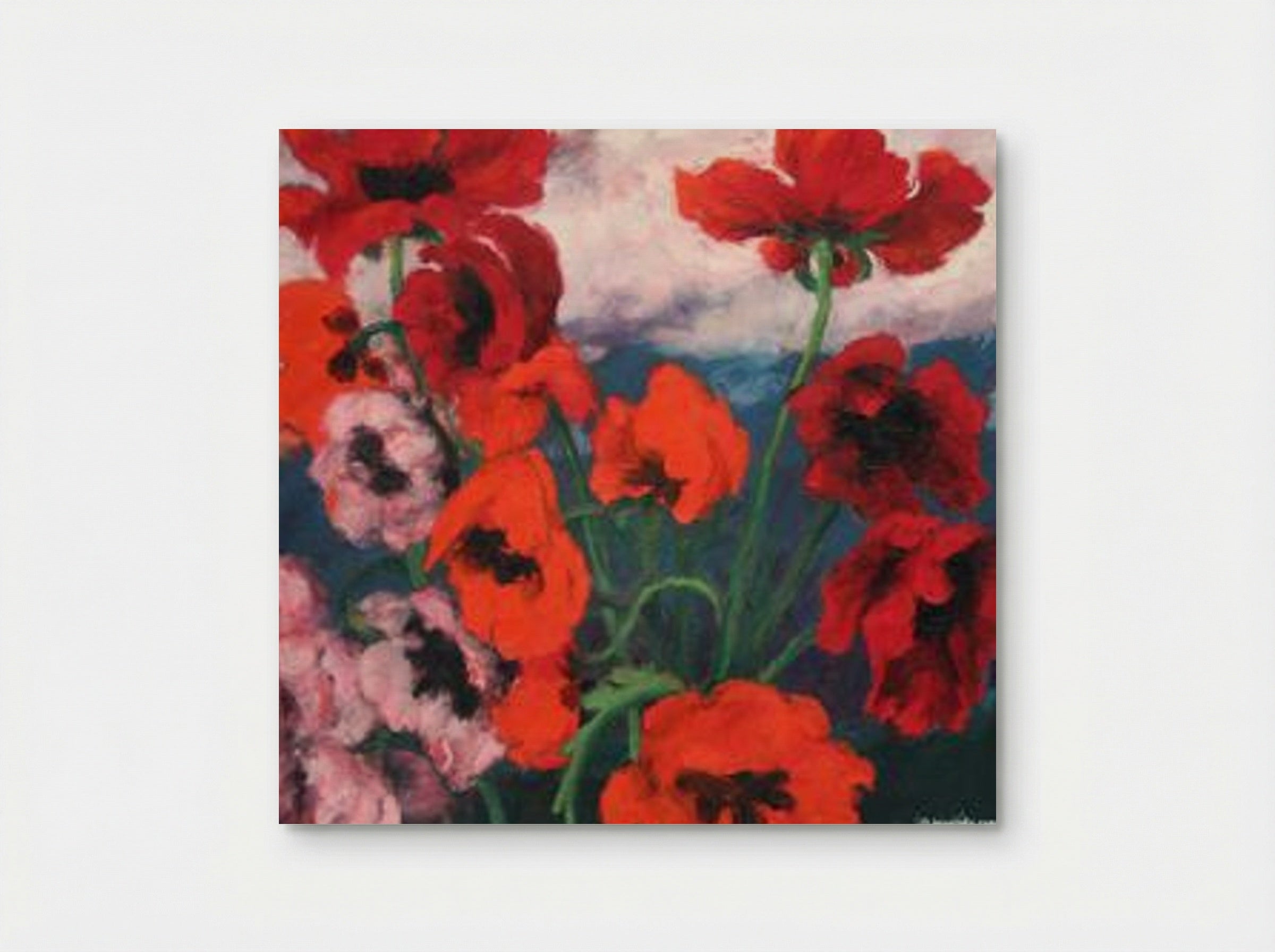 Large Poppies - Emil Nolde
Print
Regular price From £37.00 GBPSale price From £37.00 GBP Regular price -
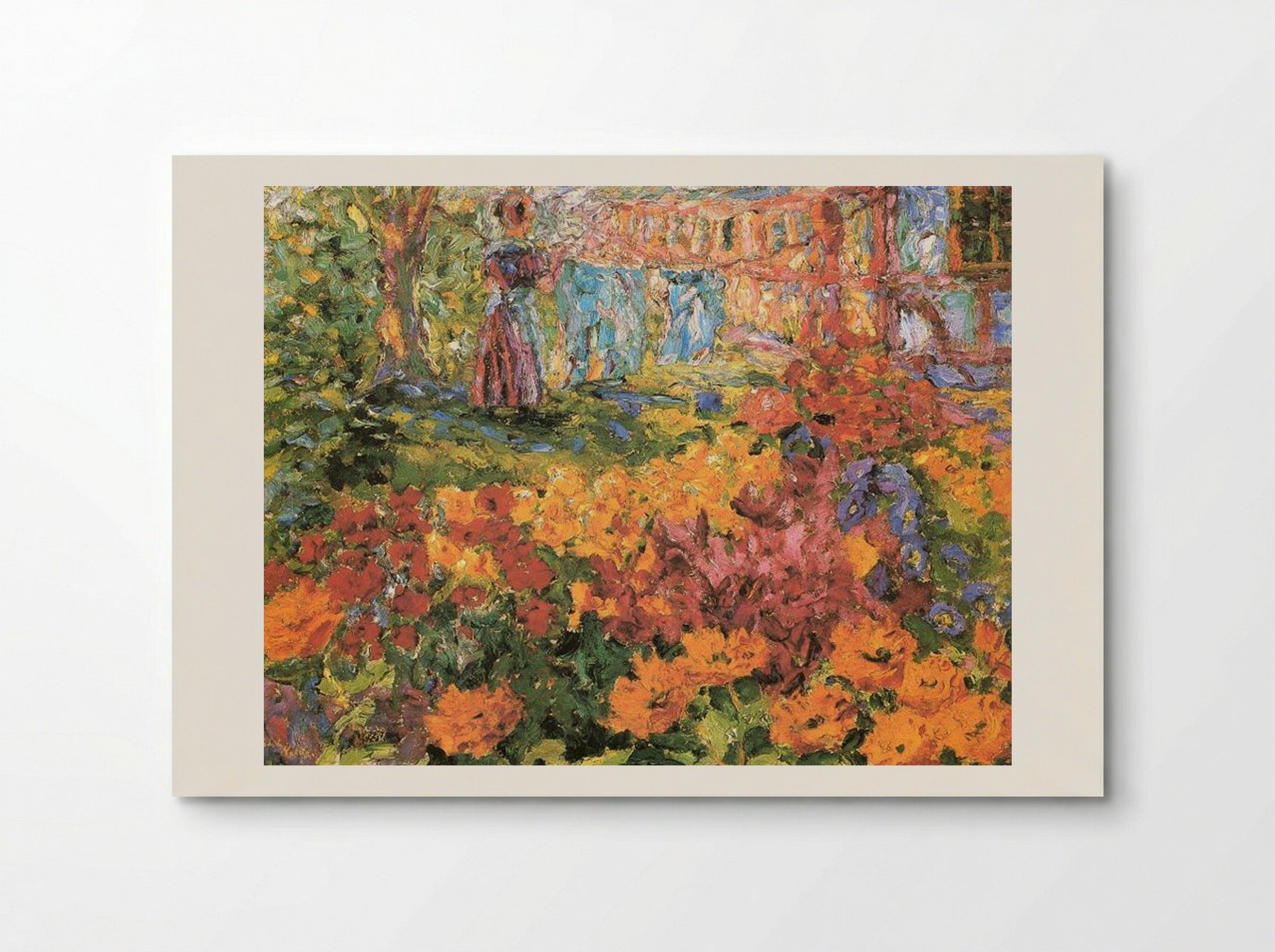
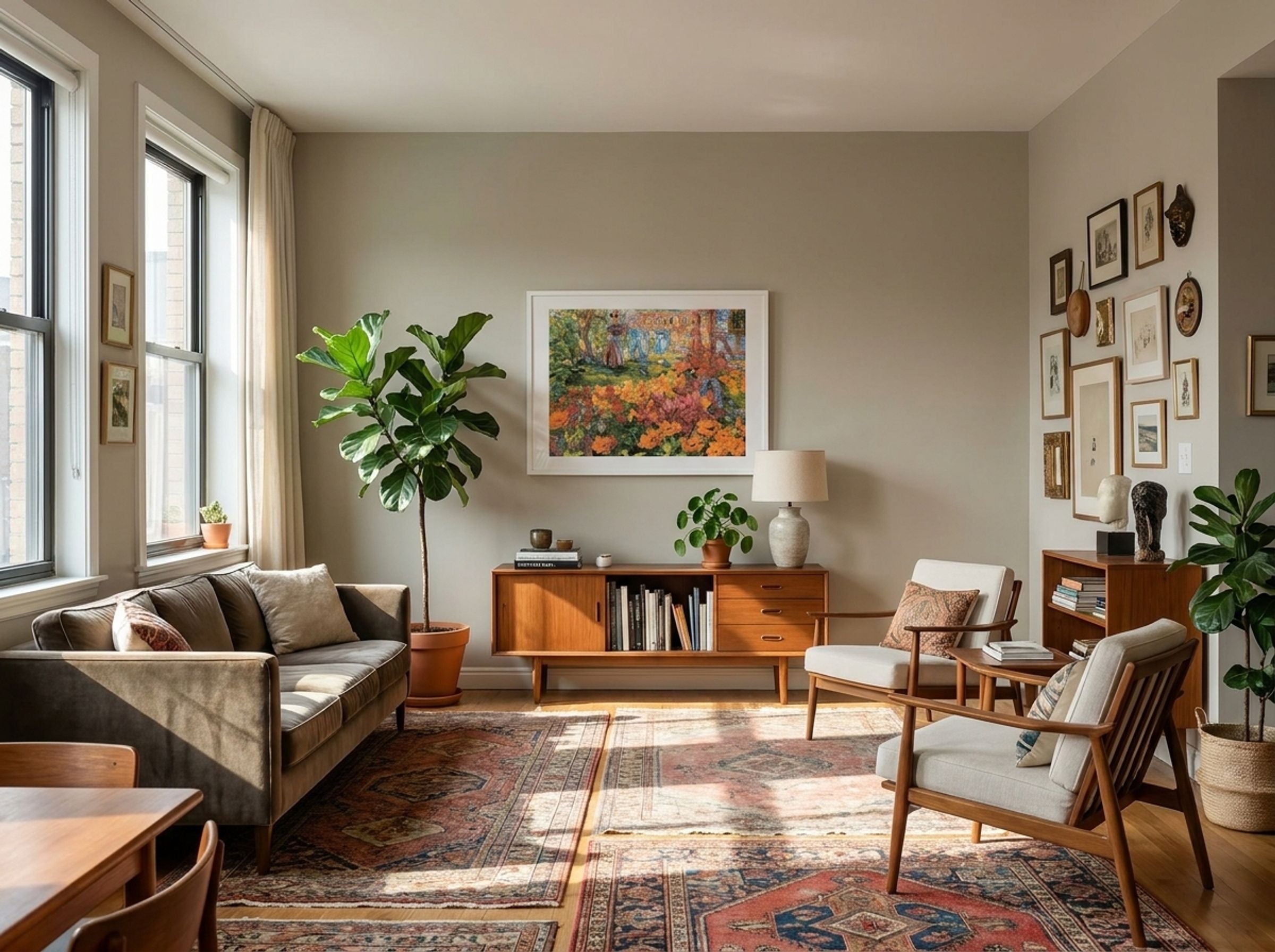 Flower Garden - Emil Nolde
Print · Framed
Regular price From £28.00 GBPSale price From £28.00 GBP Regular price -

 The Tribute Money - Emil Nolde
Print · Framed
Regular price From £28.00 GBPSale price From £28.00 GBP Regular price -

 Portrait of South Sea Islander - Emil Nolde
Print · Framed
Regular price From £28.00 GBPSale price From £28.00 GBP Regular price -
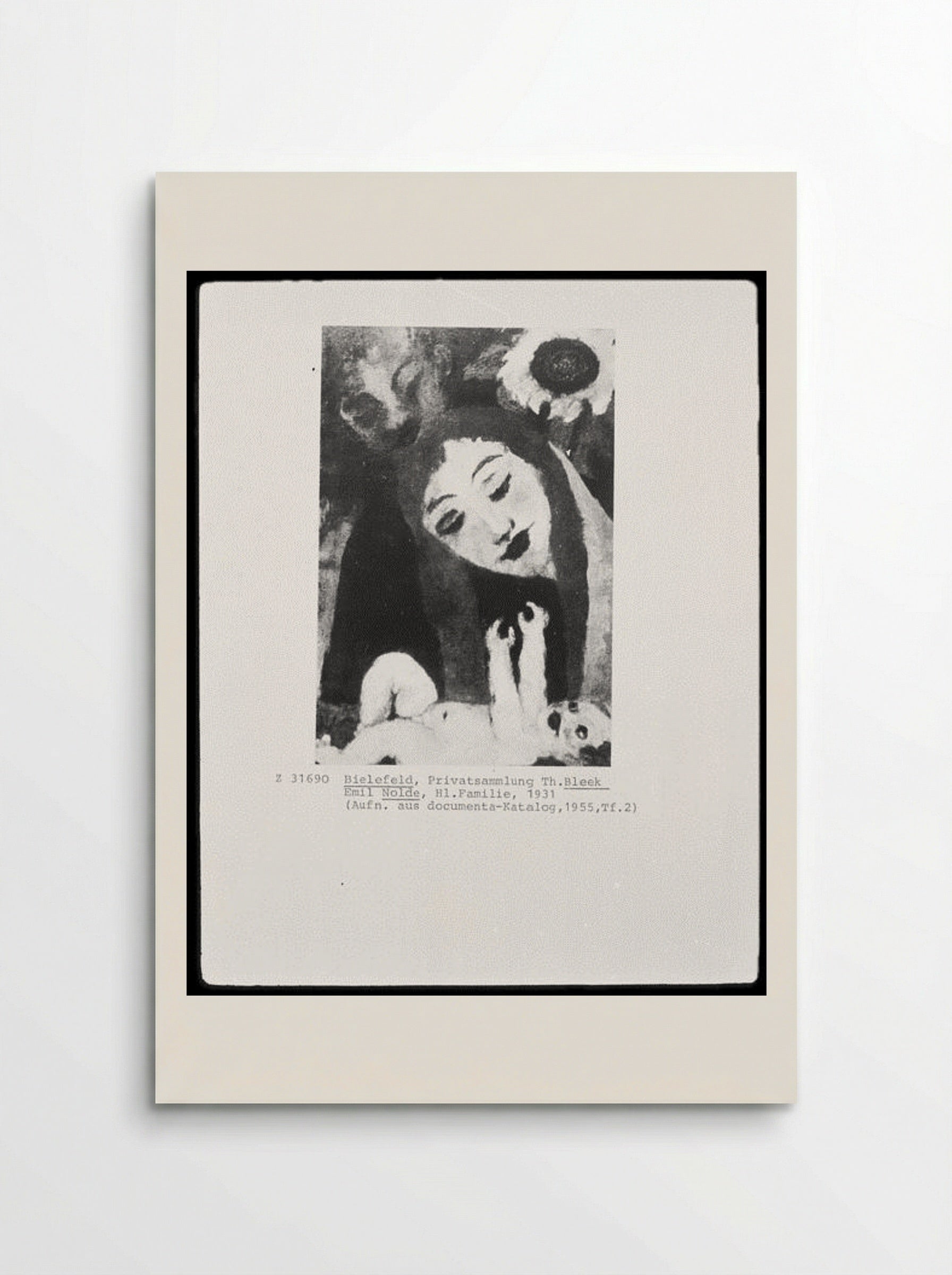
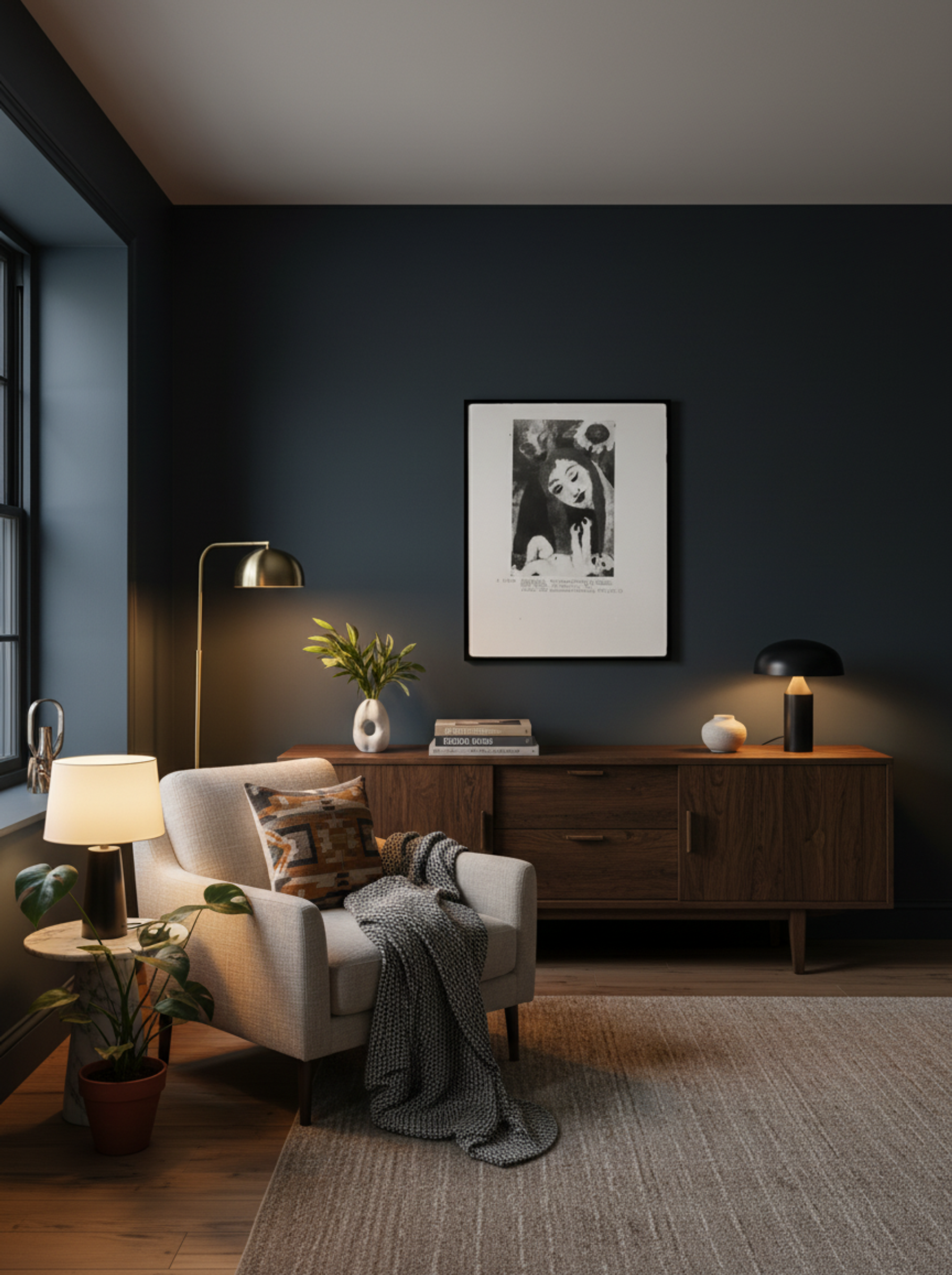 Holy Family - Emil Nolde
Print · Framed
Regular price From £28.00 GBPSale price From £28.00 GBP Regular price -
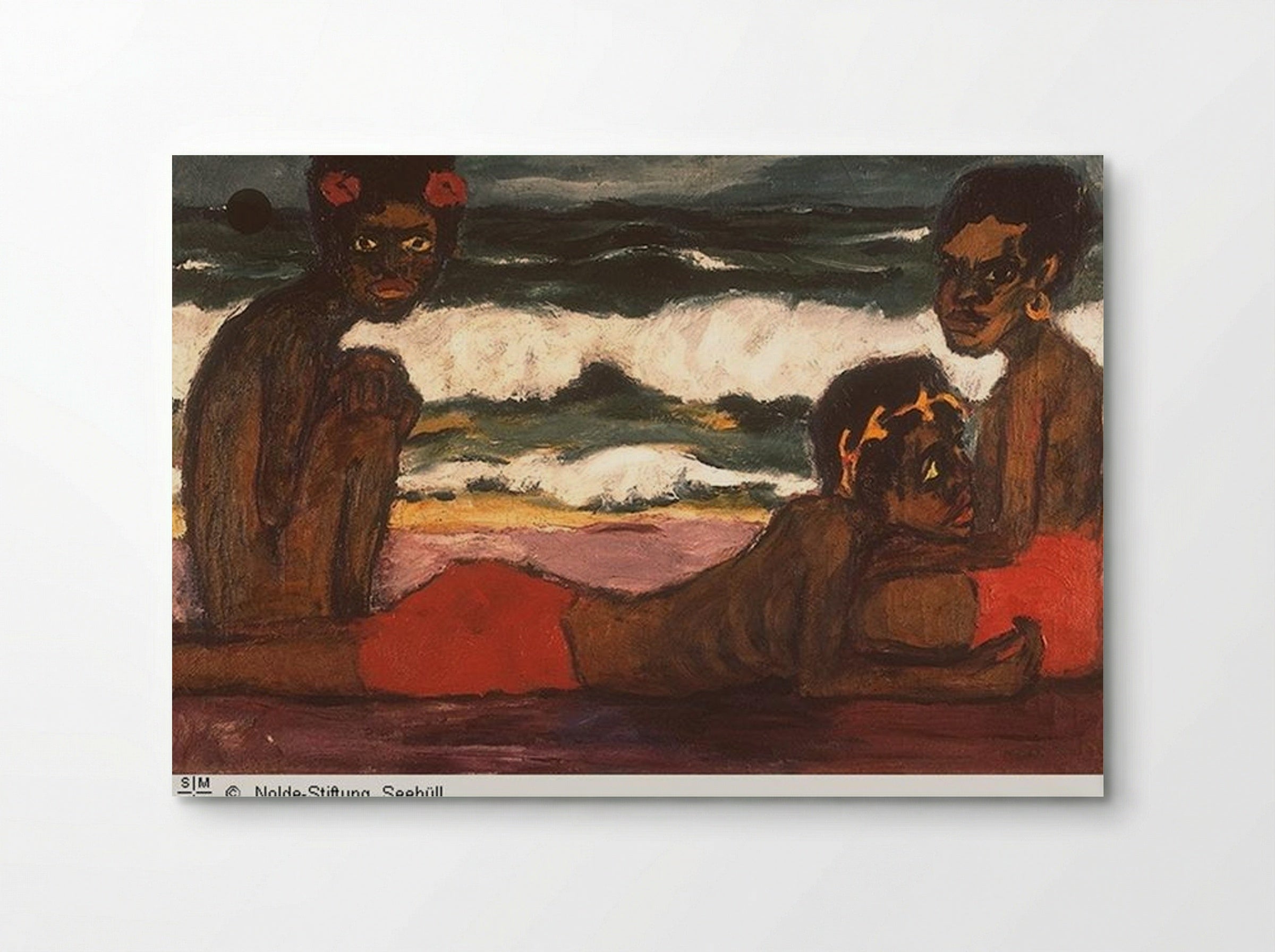
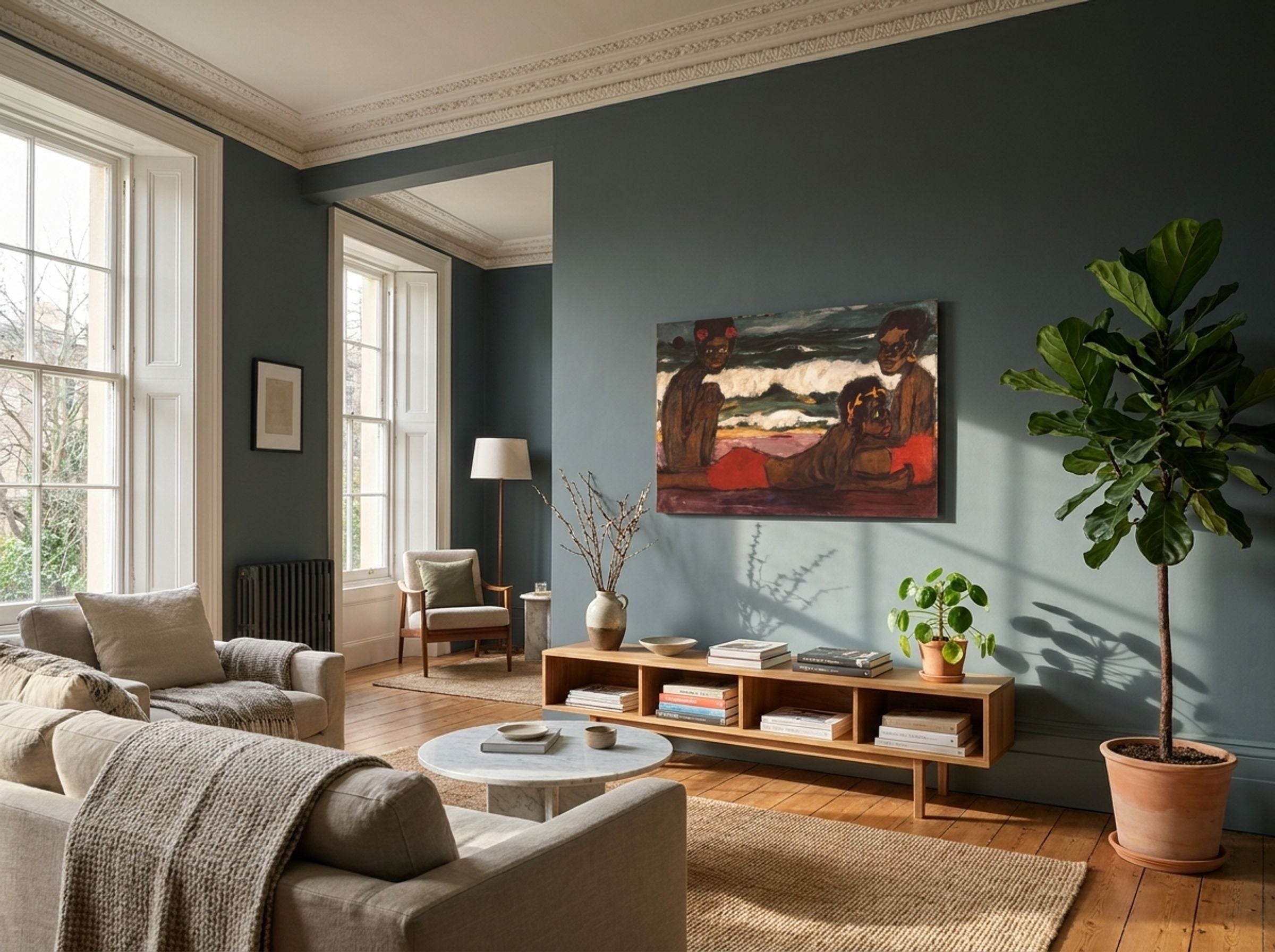 Papuan Youth - Emil Nolde
Print · Framed
Regular price From £28.00 GBPSale price From £28.00 GBP Regular price -
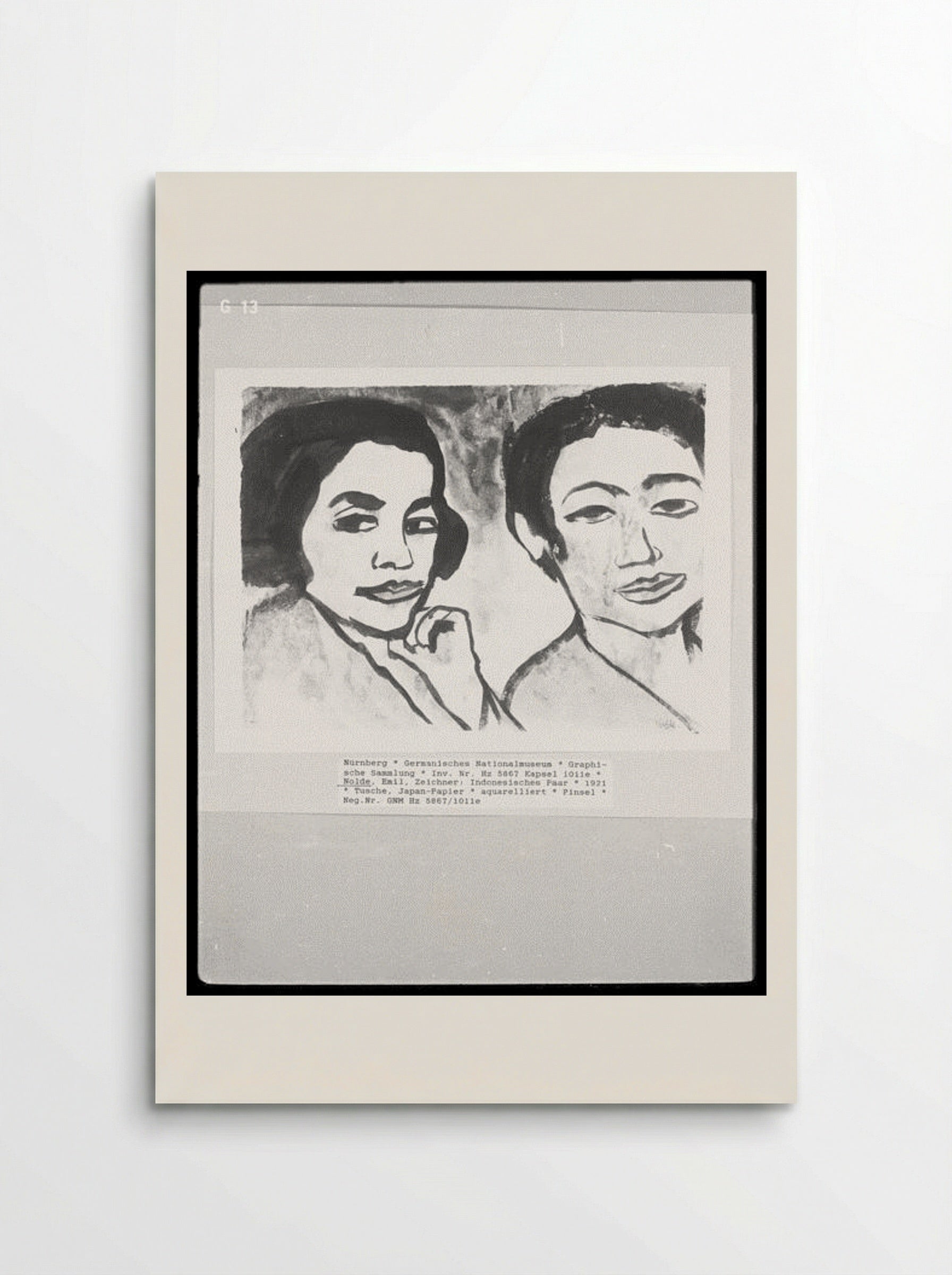
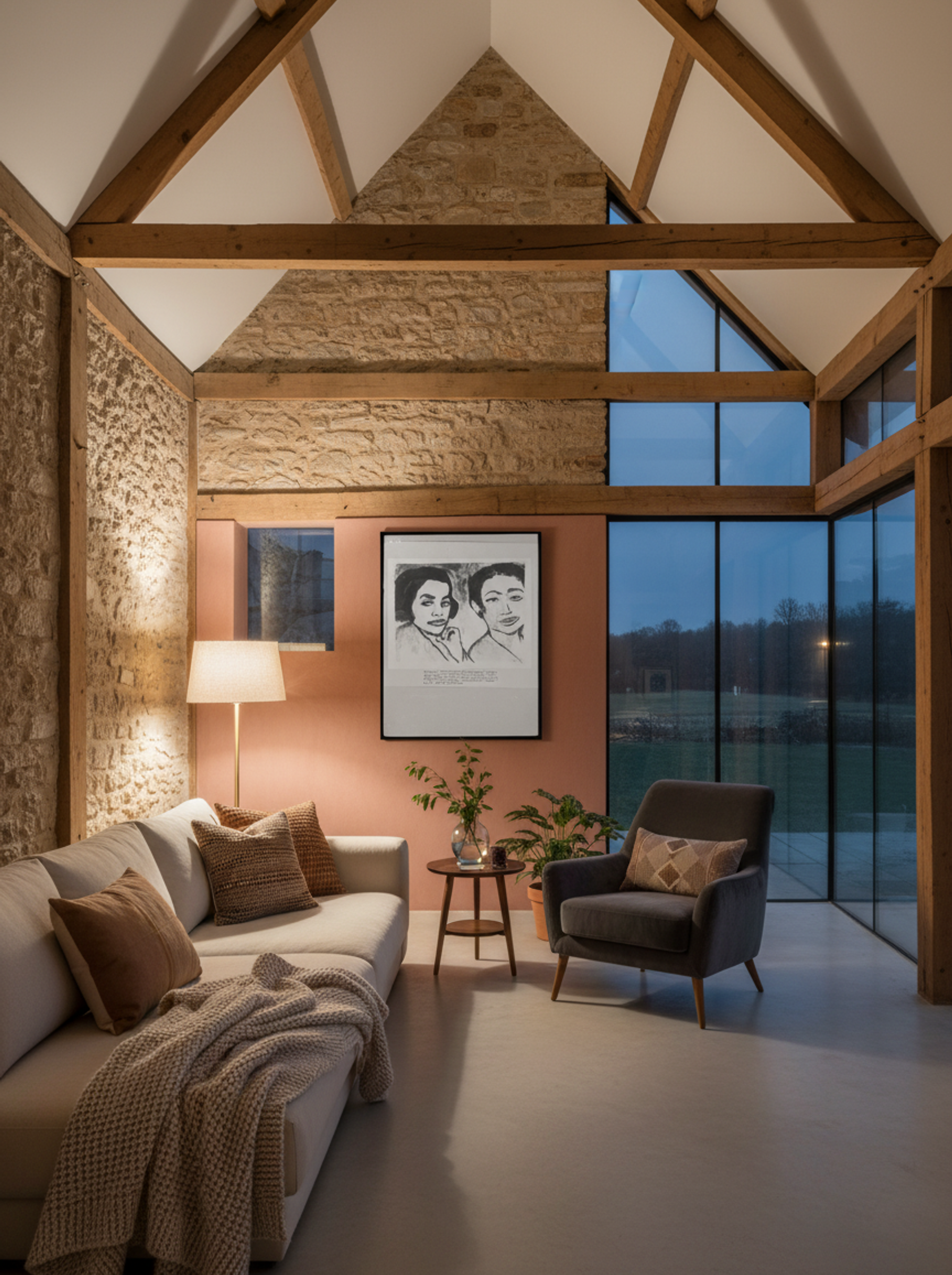 Indonesisches Paar (Indonesian Couple) - Emil Nolde
Print · Framed
Regular price From £28.00 GBPSale price From £28.00 GBP Regular price -
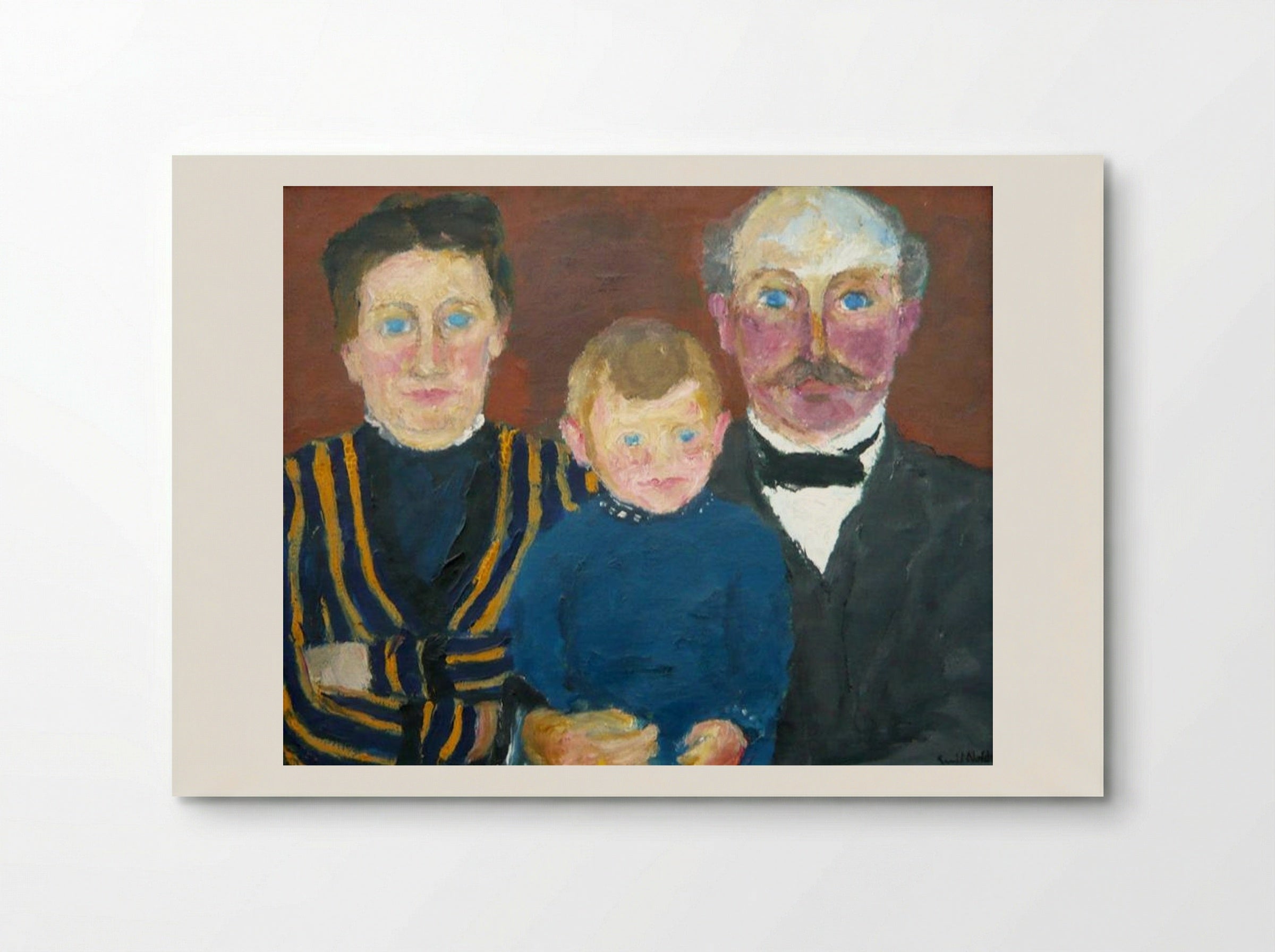
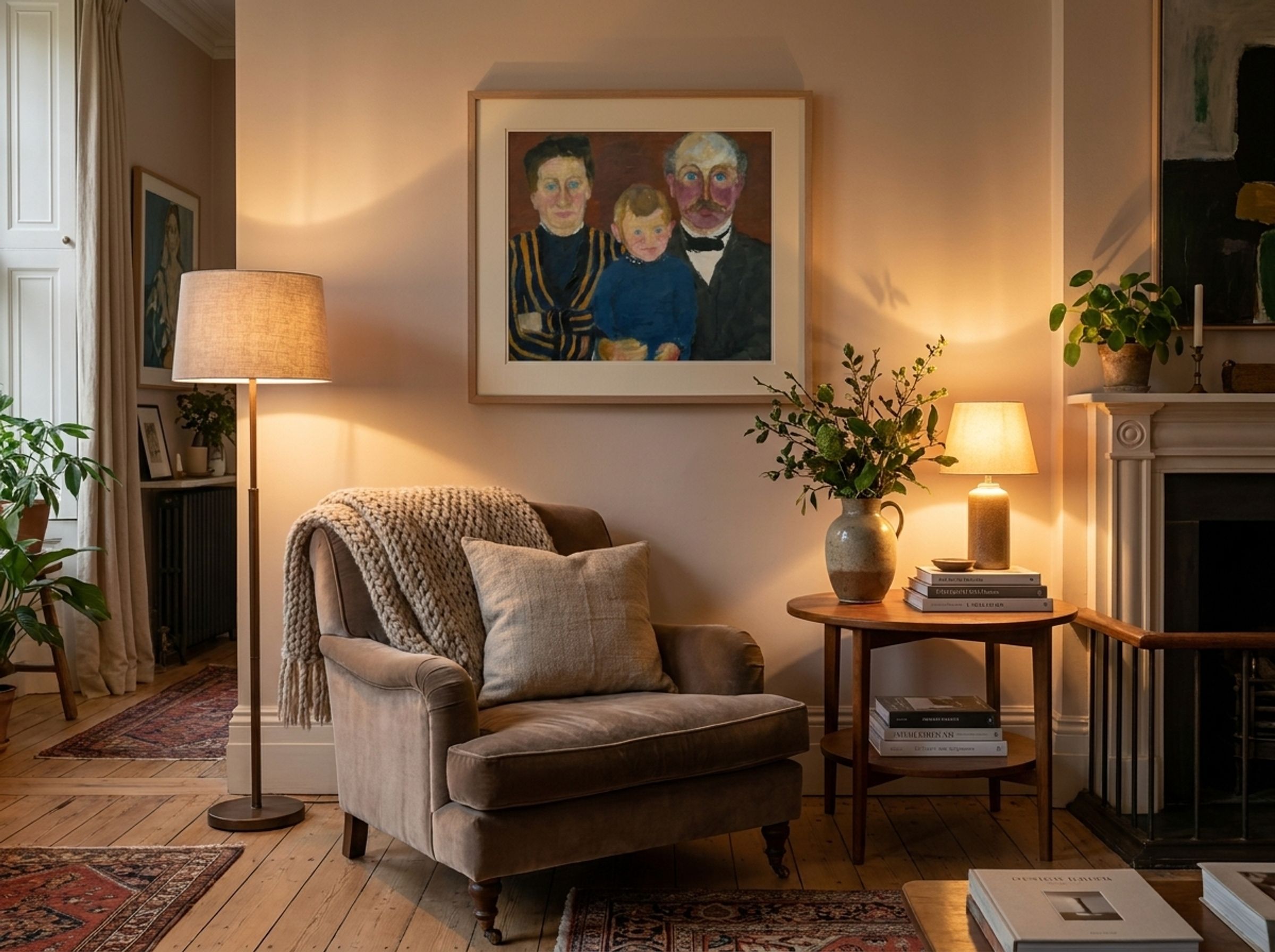 Bonnichsen Family - Emil Nolde
Print · Framed
Regular price From £28.00 GBPSale price From £28.00 GBP Regular price -
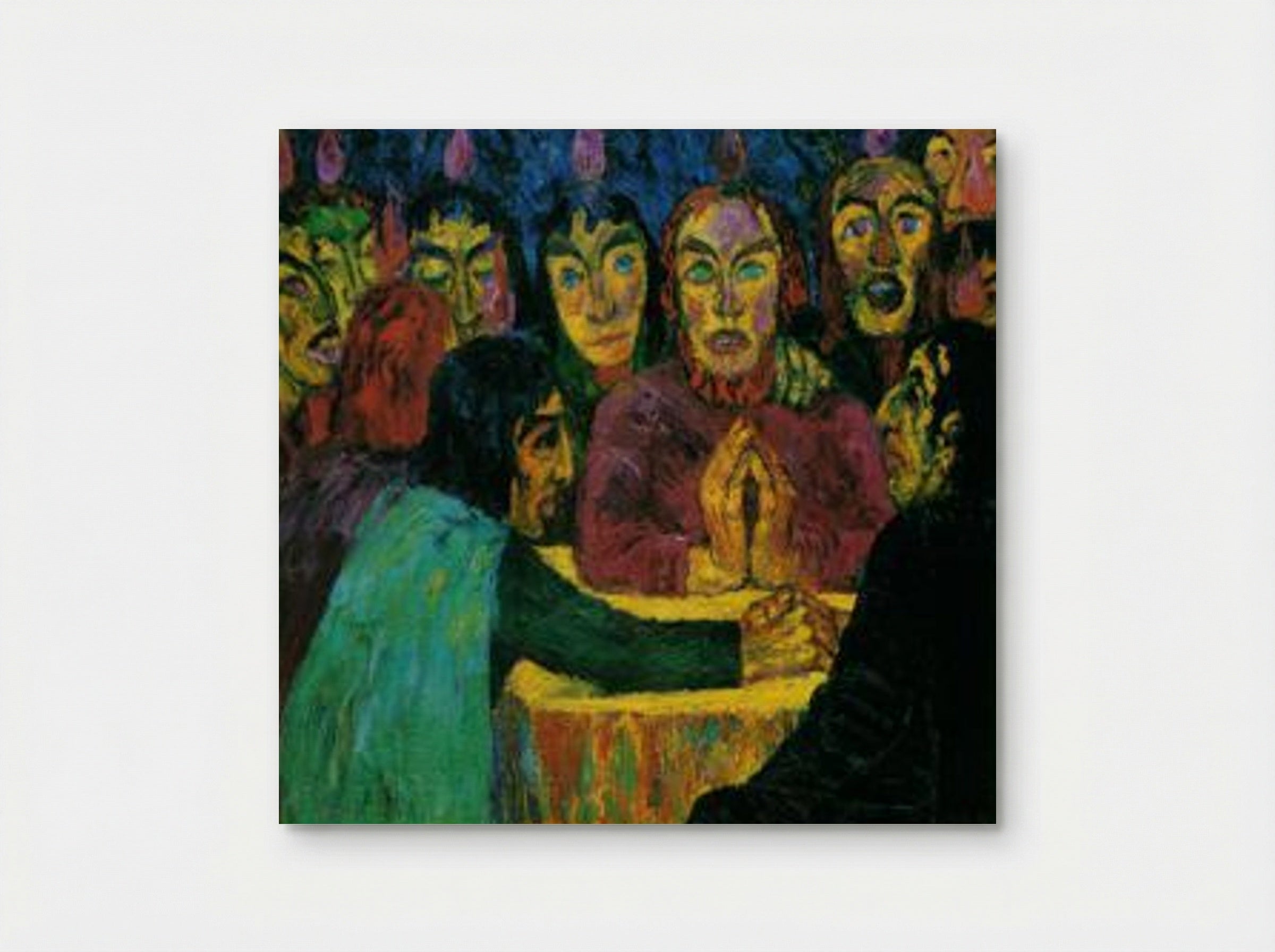
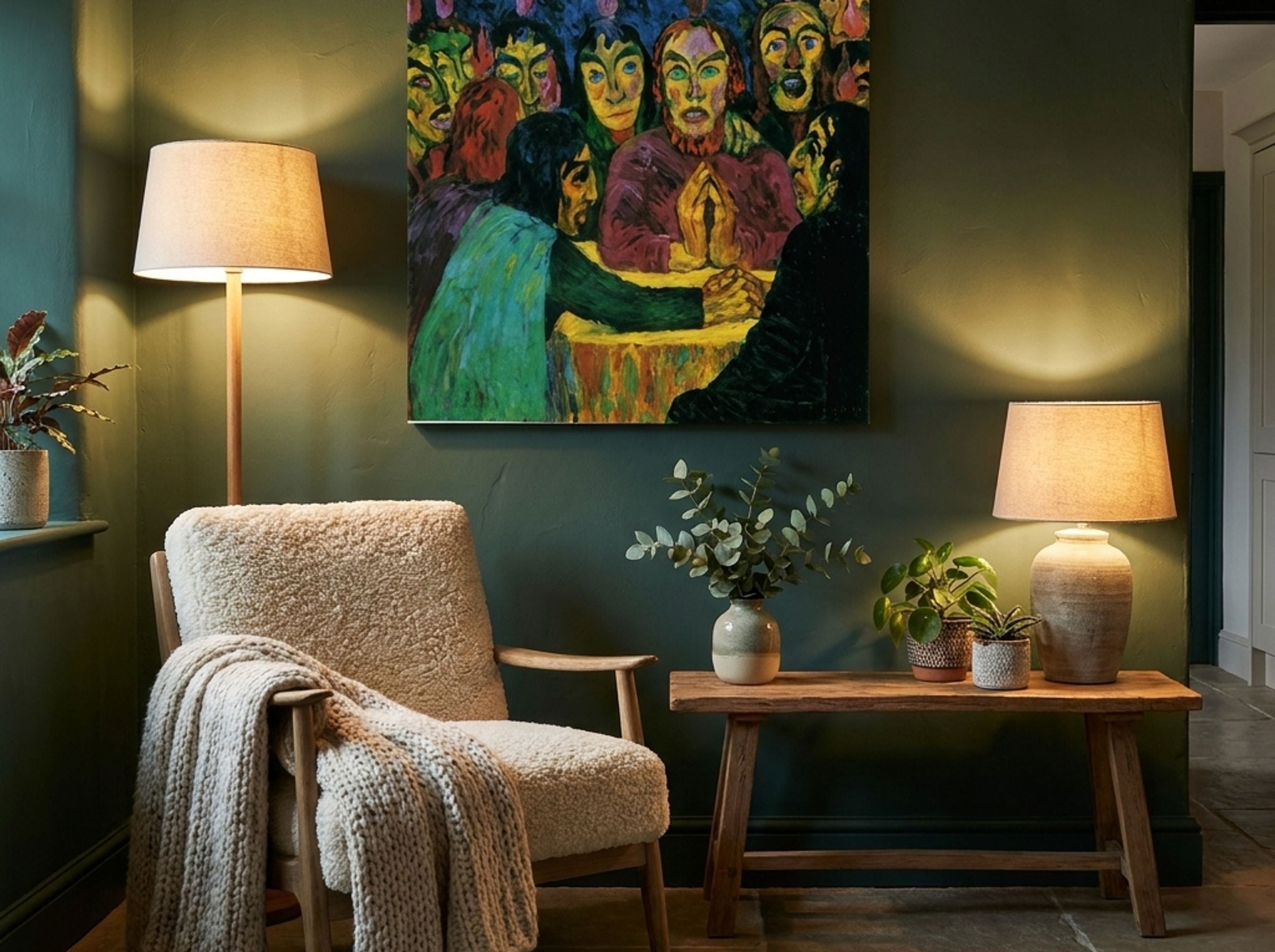 Pentecost - Emil Nolde
Print · Framed
Regular price From £37.00 GBPSale price From £37.00 GBP Regular price -
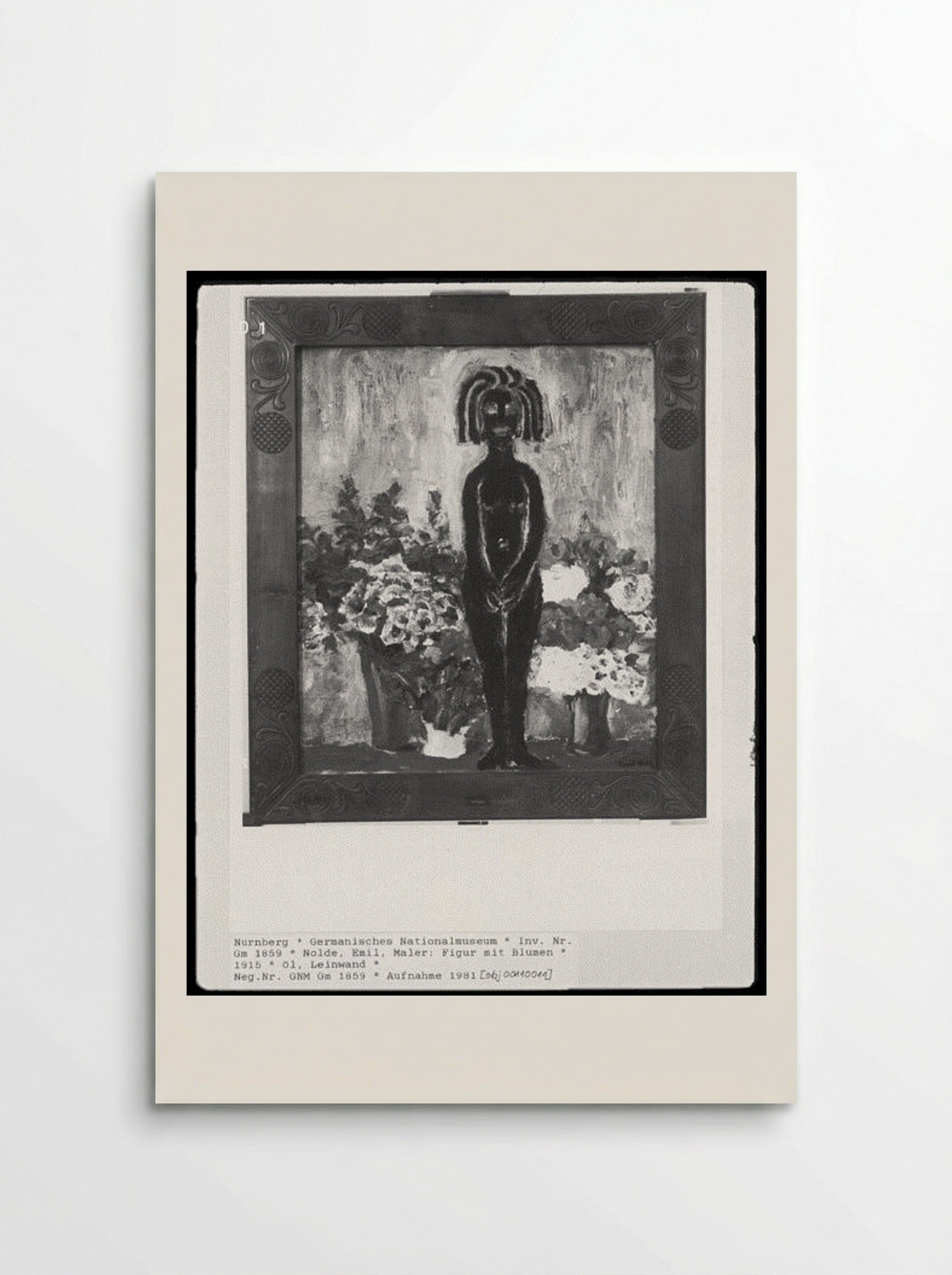
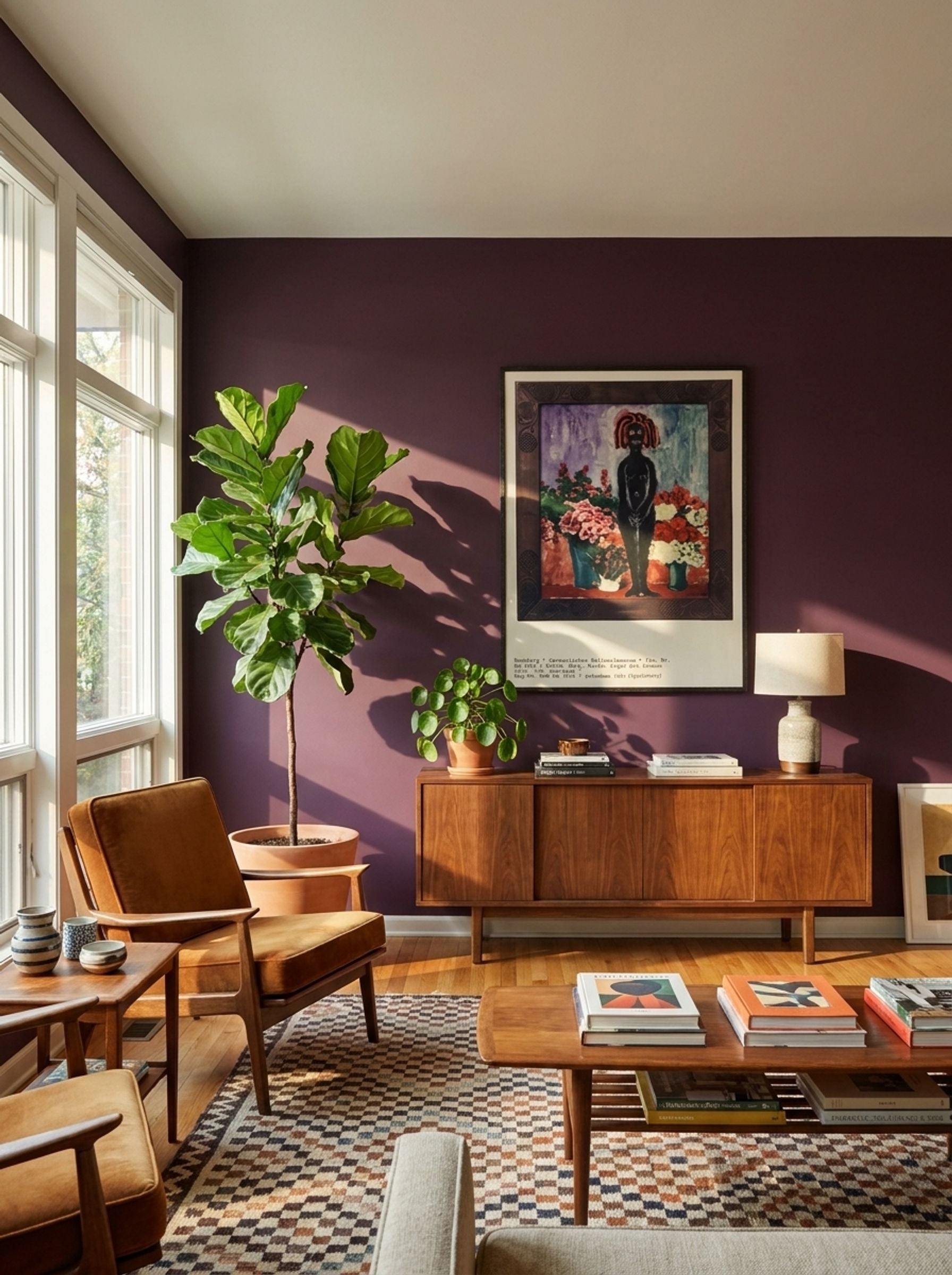 Figure with Flowers - Emil Nolde
Print · Framed
Regular price From £28.00 GBPSale price From £28.00 GBP Regular price -
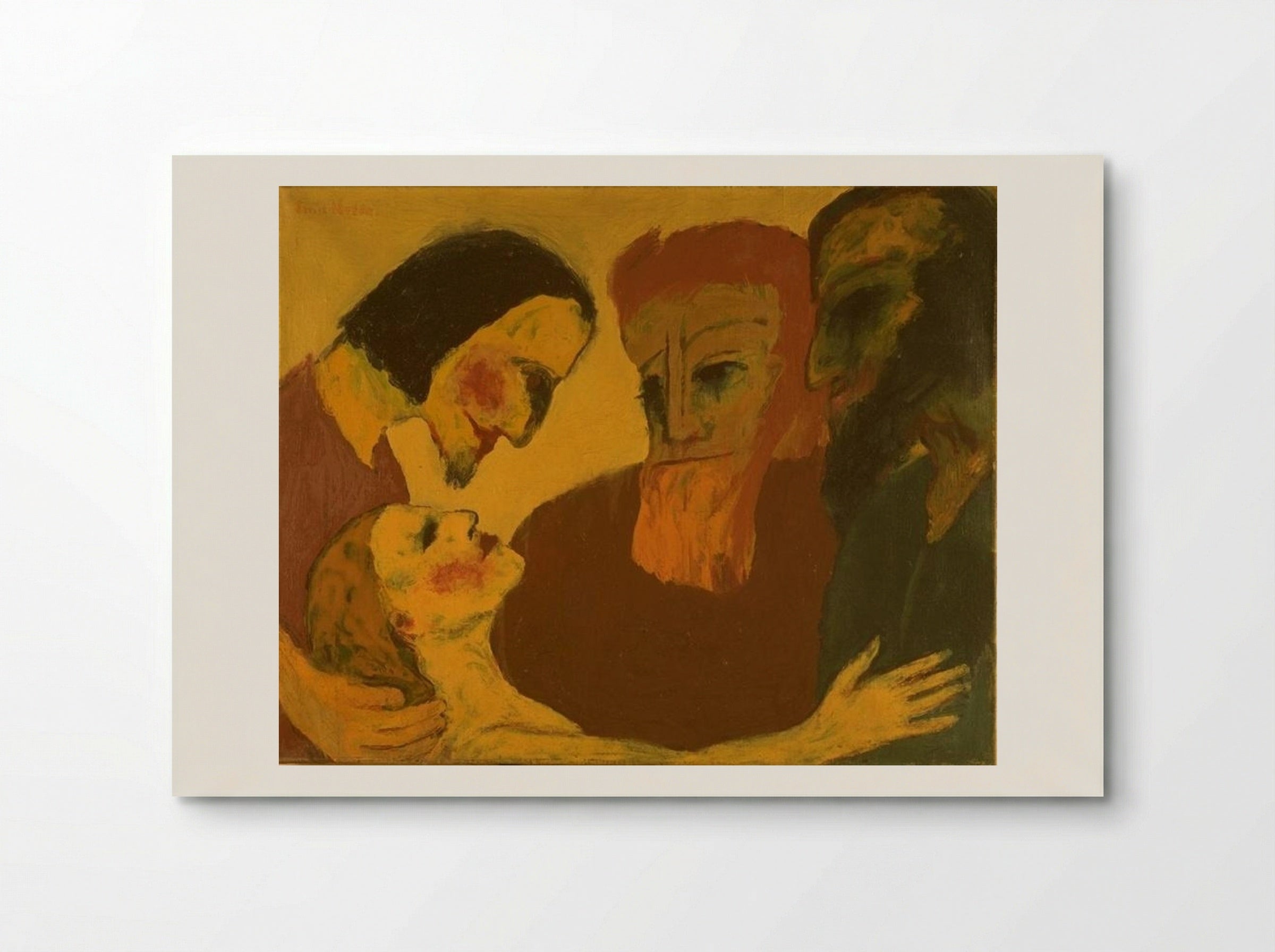
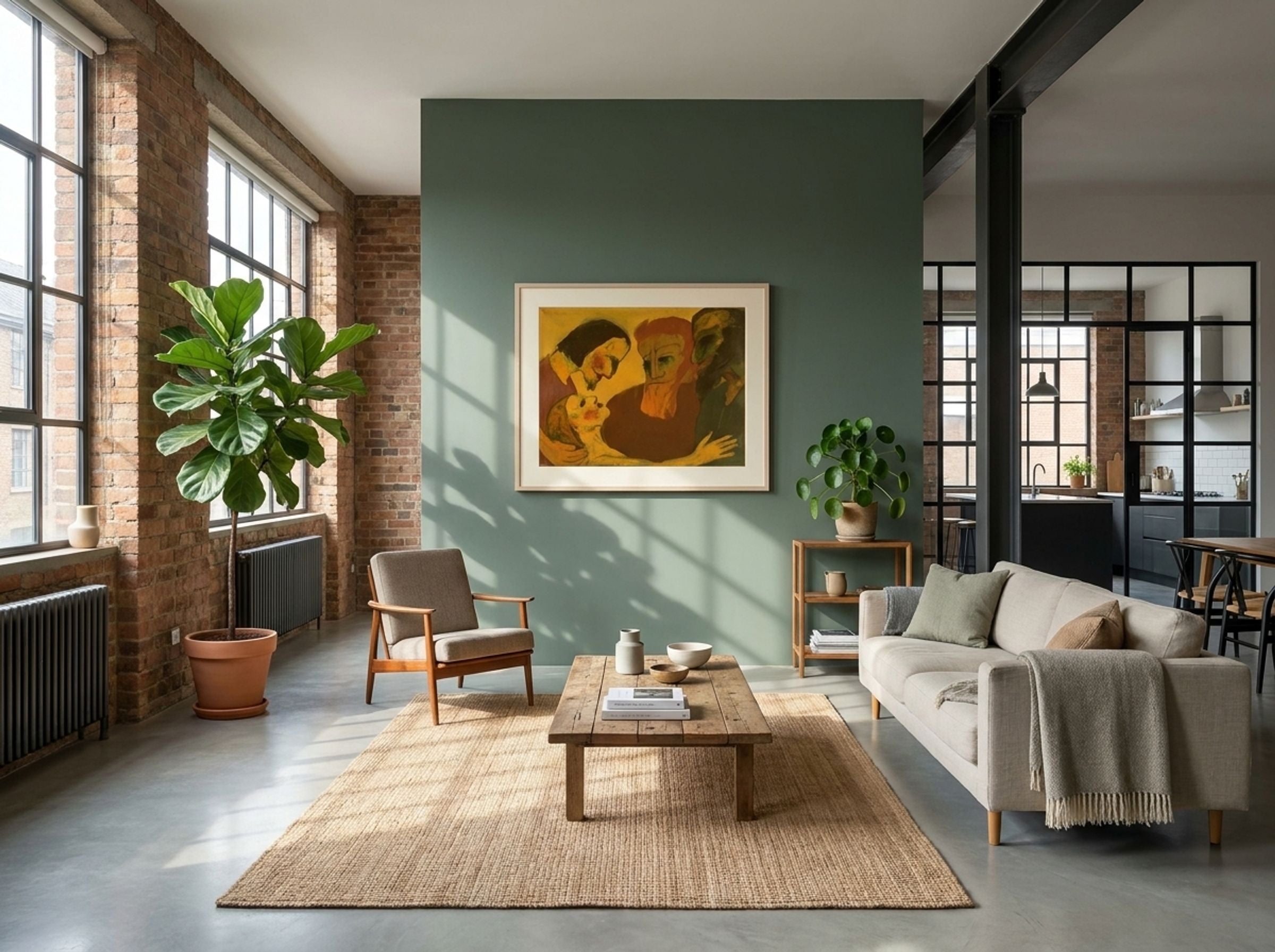 Jesus Christ and the Sinner - Emil Nolde
Print · Framed
Regular price From £28.00 GBPSale price From £28.00 GBP Regular price -
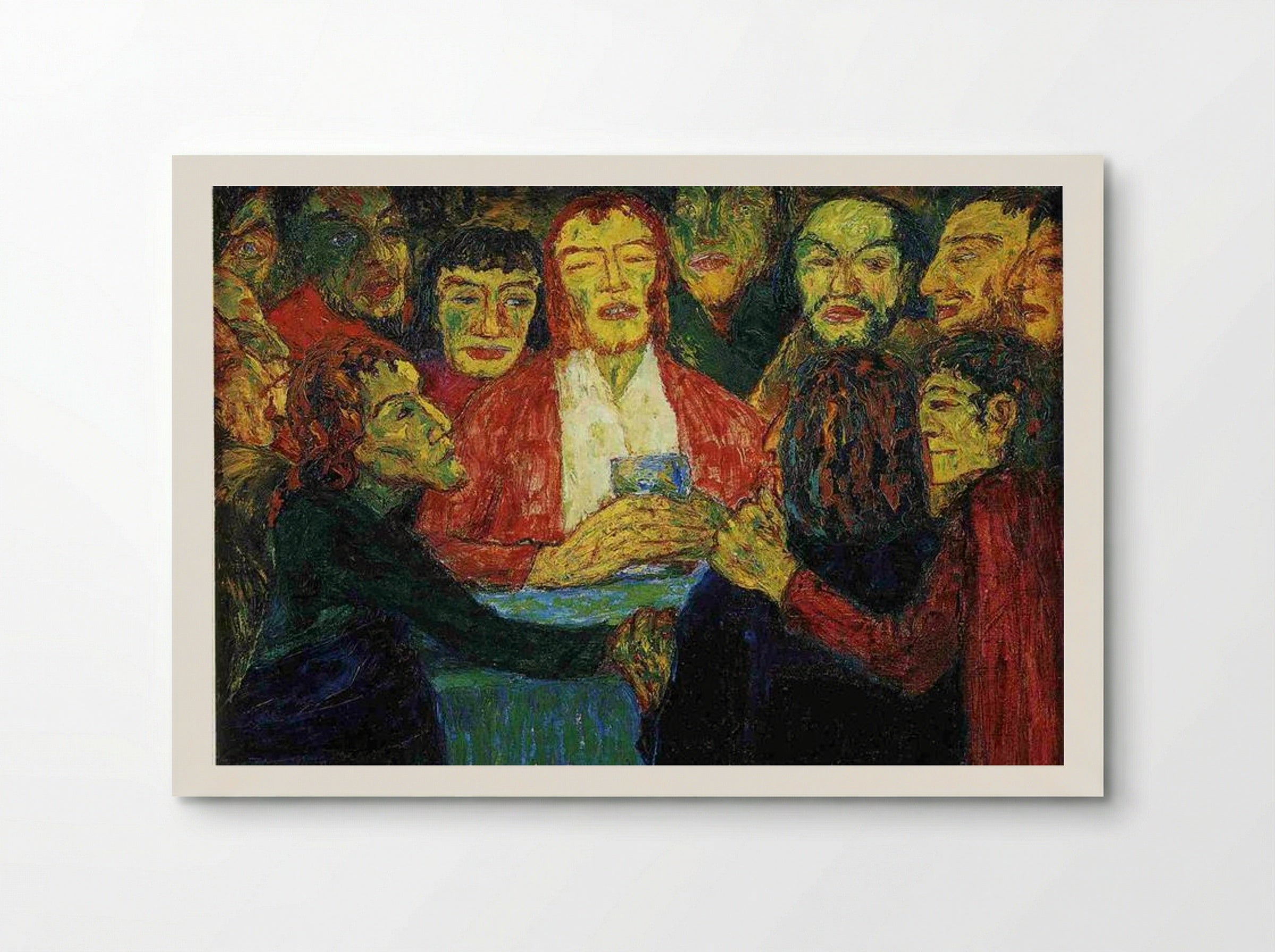
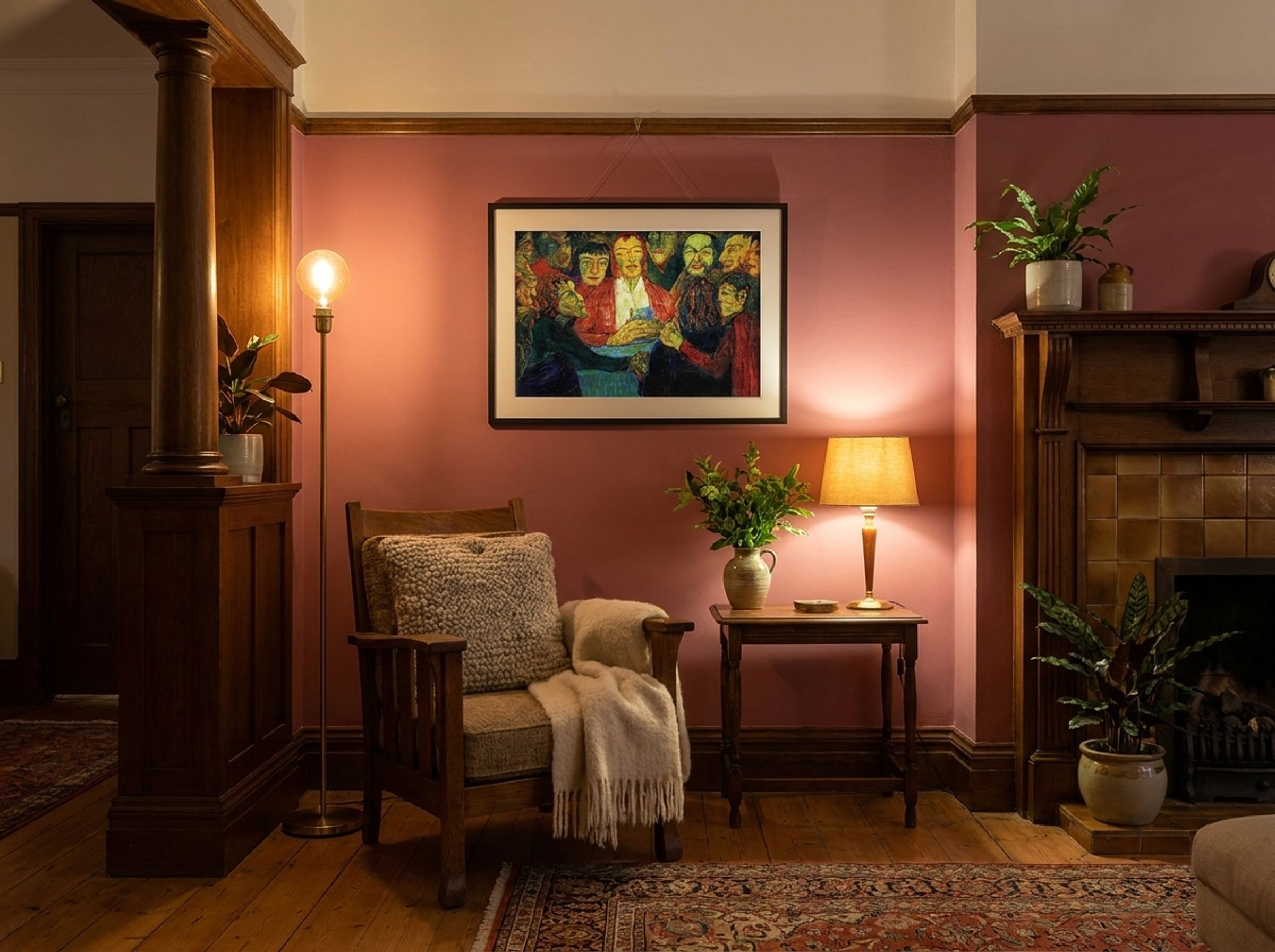 The Last Supper - Emil Nolde
Print · Framed
Regular price From £28.00 GBPSale price From £28.00 GBP Regular price -
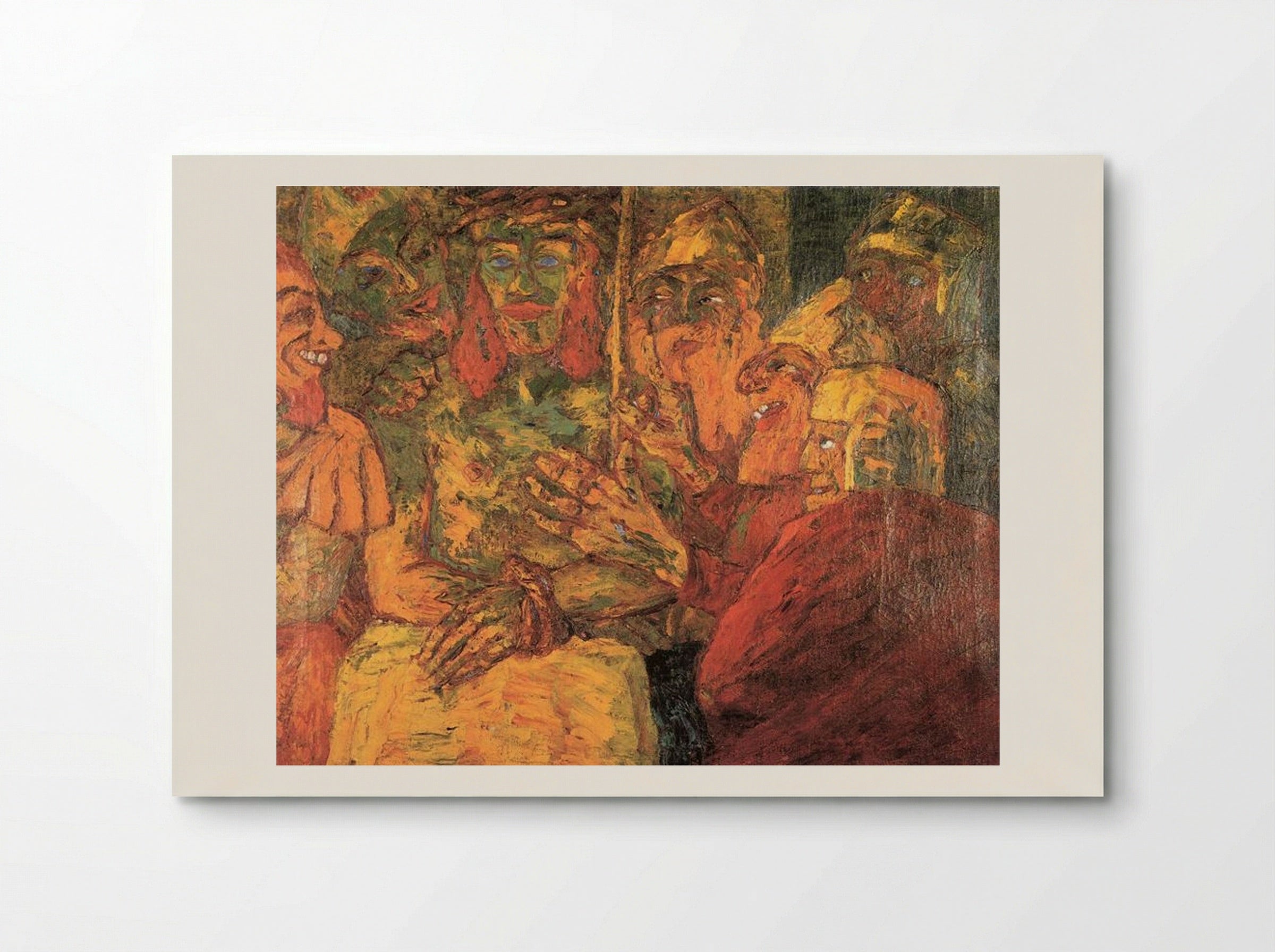
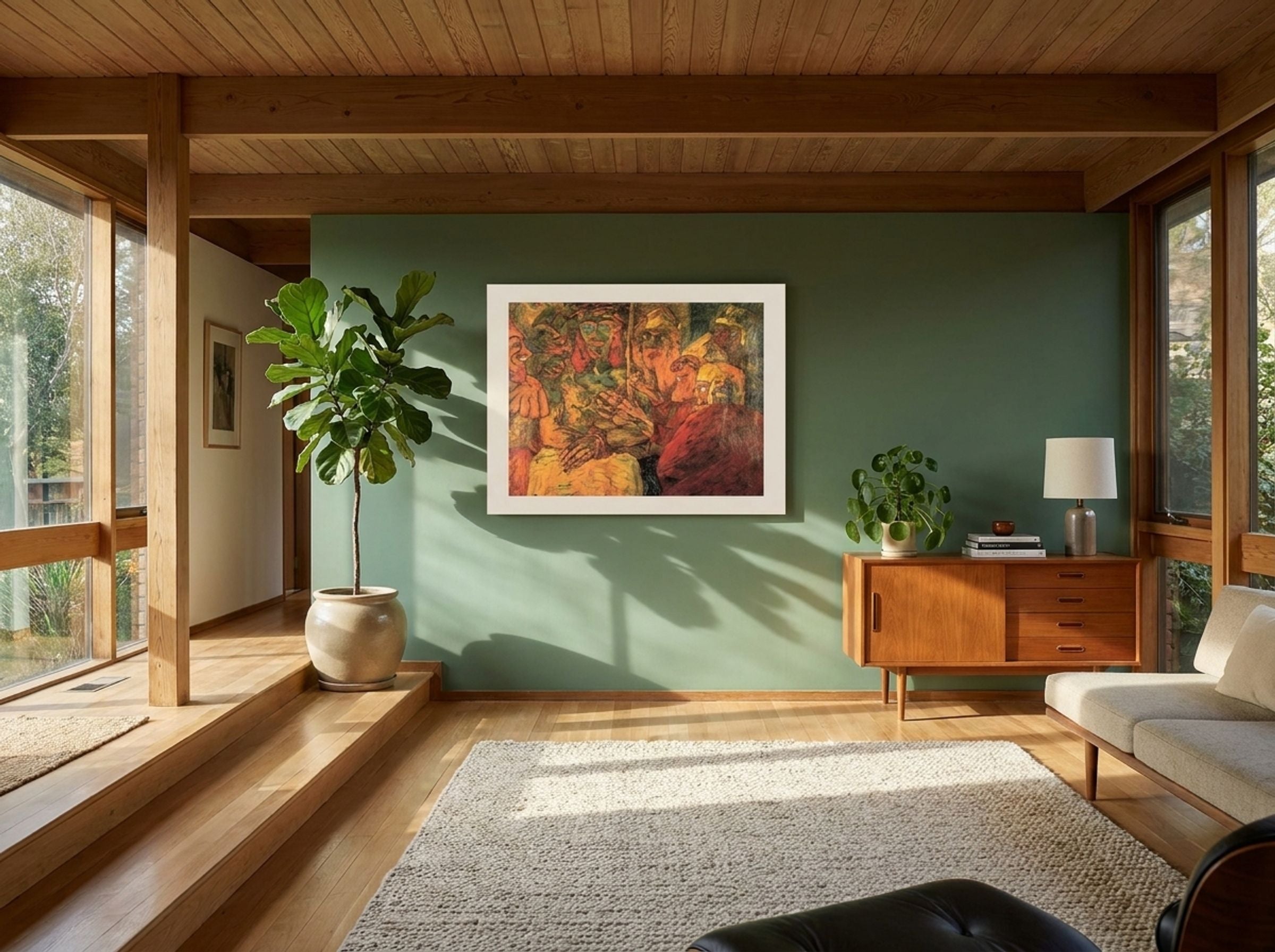 Mocking of Christ - Emil Nolde
Print · Framed
Regular price From £28.00 GBPSale price From £28.00 GBP Regular price


Artist Biography
Emil Nolde
Nolde was an Expressionist who painted flowers, seascapes, and religious scenes with a ferocity of colour that makes Fauvism look restrained. The watercolours, made on damp paper so the pigments bled and merged, are his best work: sunsets, gardens, and storm clouds rendered in saturated yellows, reds, and violets that appear to glow from within.
He was born Emil Hansen in Nolde, a village on the Danish-German border, and took the village name as his surname. He was self-taught until his late twenties, when he studied briefly in Munich and Paris. He joined Die Brücke (The Bridge), the German Expressionist group, in 1906 but left after eighteen months, finding group membership constraining. He preferred to work alone.
His religious paintings, The Life of Christ and the multi-panel Pentecost altarpiece, are violent and ecstatic. The faces are distorted, the colours clashing, the compositions compressed. They are closer to medieval devotional painting than to anything being produced in early twentieth-century Europe. The Catholic Church was unenthusiastic.
He joined the Nazi Party in 1934, apparently believing that Expressionism would be embraced as authentically German. He was wrong. The Nazis declared his work 'degenerate' in 1937, confiscated over a thousand of his paintings from German museums, and eventually forbade him from painting. He continued to work in secret, producing small watercolours he called his 'unpainted paintings.' Over 1,300 of them.
After the war he was rehabilitated and honoured. He lived to ninety-one. His Nazi Party membership has complicated his legacy permanently, and should.
He was born Emil Hansen in Nolde, a village on the Danish-German border, and took the village name as his surname. He was self-taught until his late twenties, when he studied briefly in Munich and Paris. He joined Die Brücke (The Bridge), the German Expressionist group, in 1906 but left after eighteen months, finding group membership constraining. He preferred to work alone.
His religious paintings, The Life of Christ and the multi-panel Pentecost altarpiece, are violent and ecstatic. The faces are distorted, the colours clashing, the compositions compressed. They are closer to medieval devotional painting than to anything being produced in early twentieth-century Europe. The Catholic Church was unenthusiastic.
He joined the Nazi Party in 1934, apparently believing that Expressionism would be embraced as authentically German. He was wrong. The Nazis declared his work 'degenerate' in 1937, confiscated over a thousand of his paintings from German museums, and eventually forbade him from painting. He continued to work in secret, producing small watercolours he called his 'unpainted paintings.' Over 1,300 of them.
After the war he was rehabilitated and honoured. He lived to ninety-one. His Nazi Party membership has complicated his legacy permanently, and should.
Related Artists


Why Choose Us ?