

Collection
Bart Van Der Leck
Explore curated art prints selected for distinctive homes and considered interiors.
Suggested filters
-
 Composition No. 4 (Leaving The Factory) - Bart van der Leck
Print
Regular price From £37.00 GBPSale price From £37.00 GBP Regular price -
 Still life (Bowl with apples) - Bart van der Leck
Print
Regular price From £37.00 GBPSale price From £37.00 GBP Regular price -
 Vrouw met koe (Woman with Cow) - Bart van der Leck
Print
Regular price From £37.00 GBPSale price From £37.00 GBP Regular price -
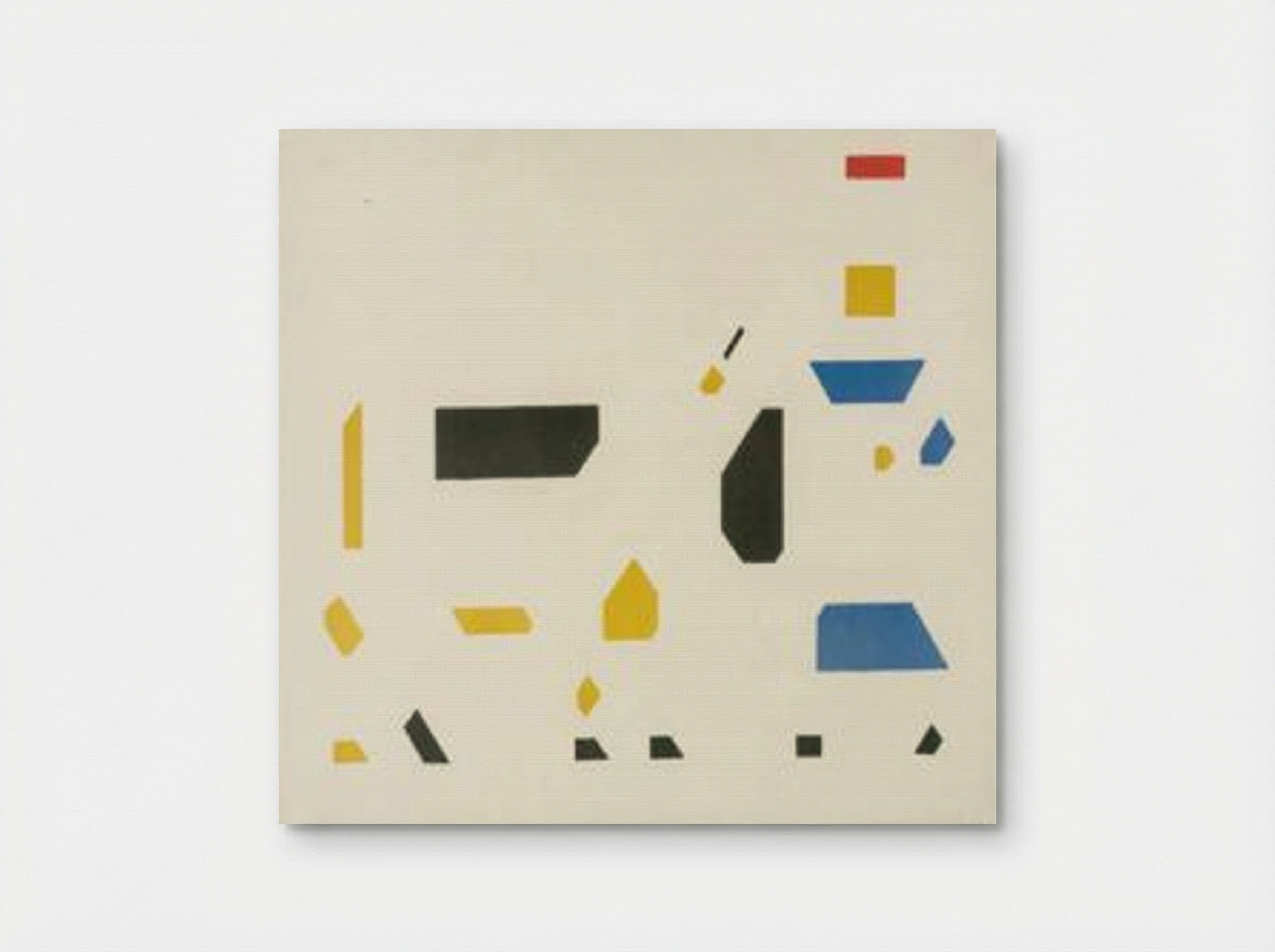 Woman and Cow - Bart van der Leck
Print
Regular price From £37.00 GBPSale price From £37.00 GBP Regular price -
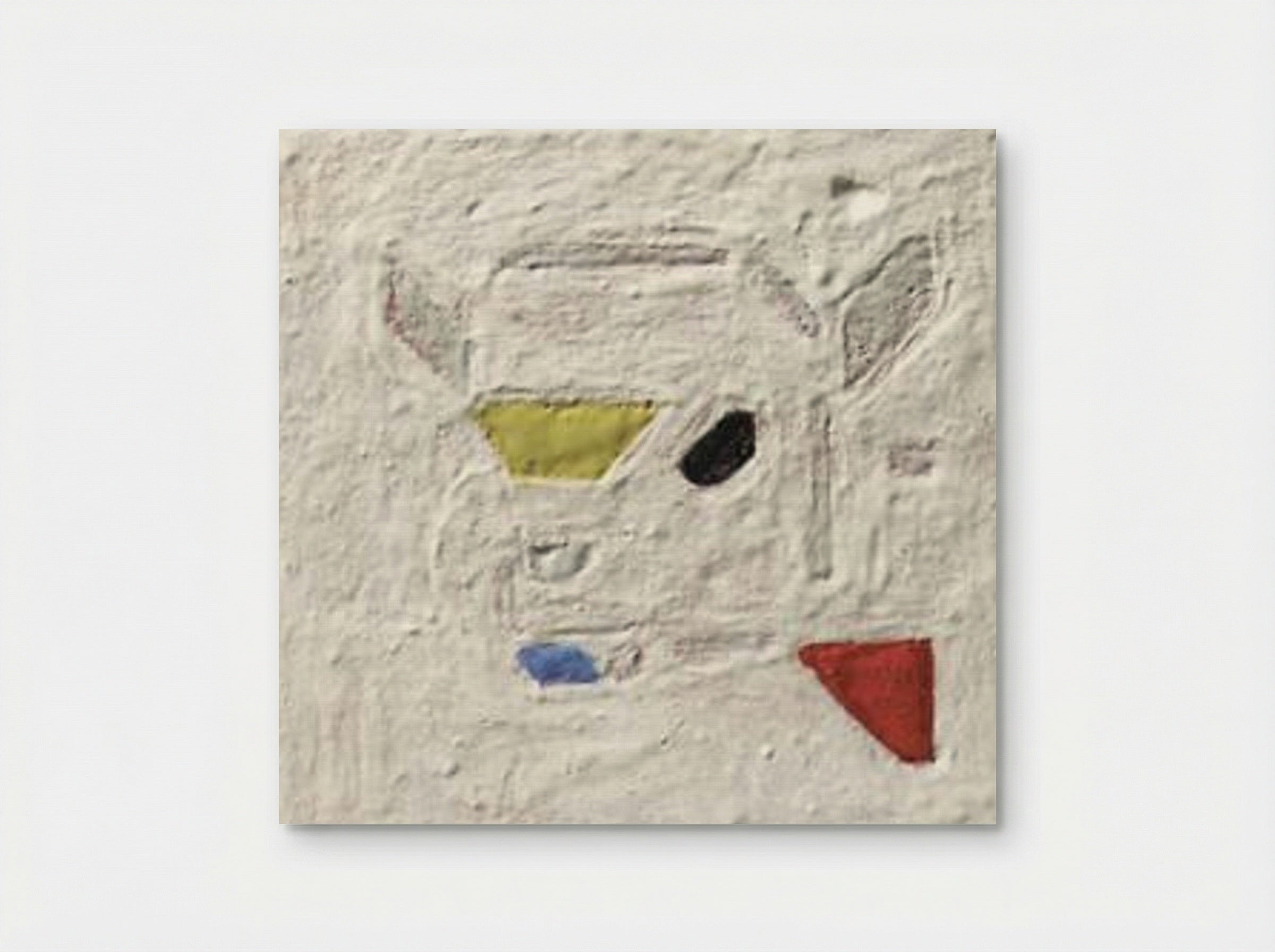 Young Goat - Bart van der Leck
Print
Regular price From £37.00 GBPSale price From £37.00 GBP Regular price -
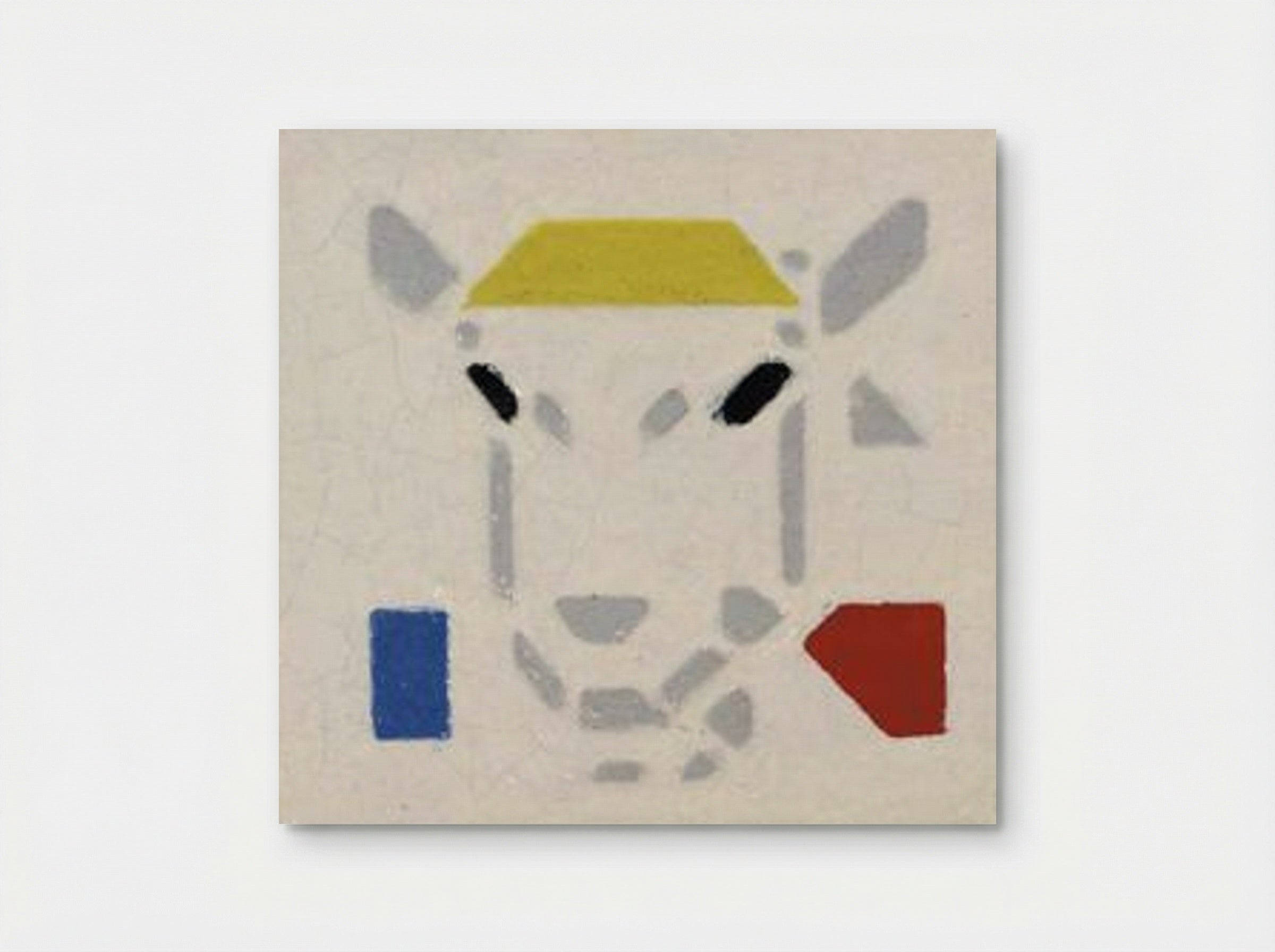 Billy-Goat - Bart van der Leck
Print
Regular price From £37.00 GBPSale price From £37.00 GBP Regular price -
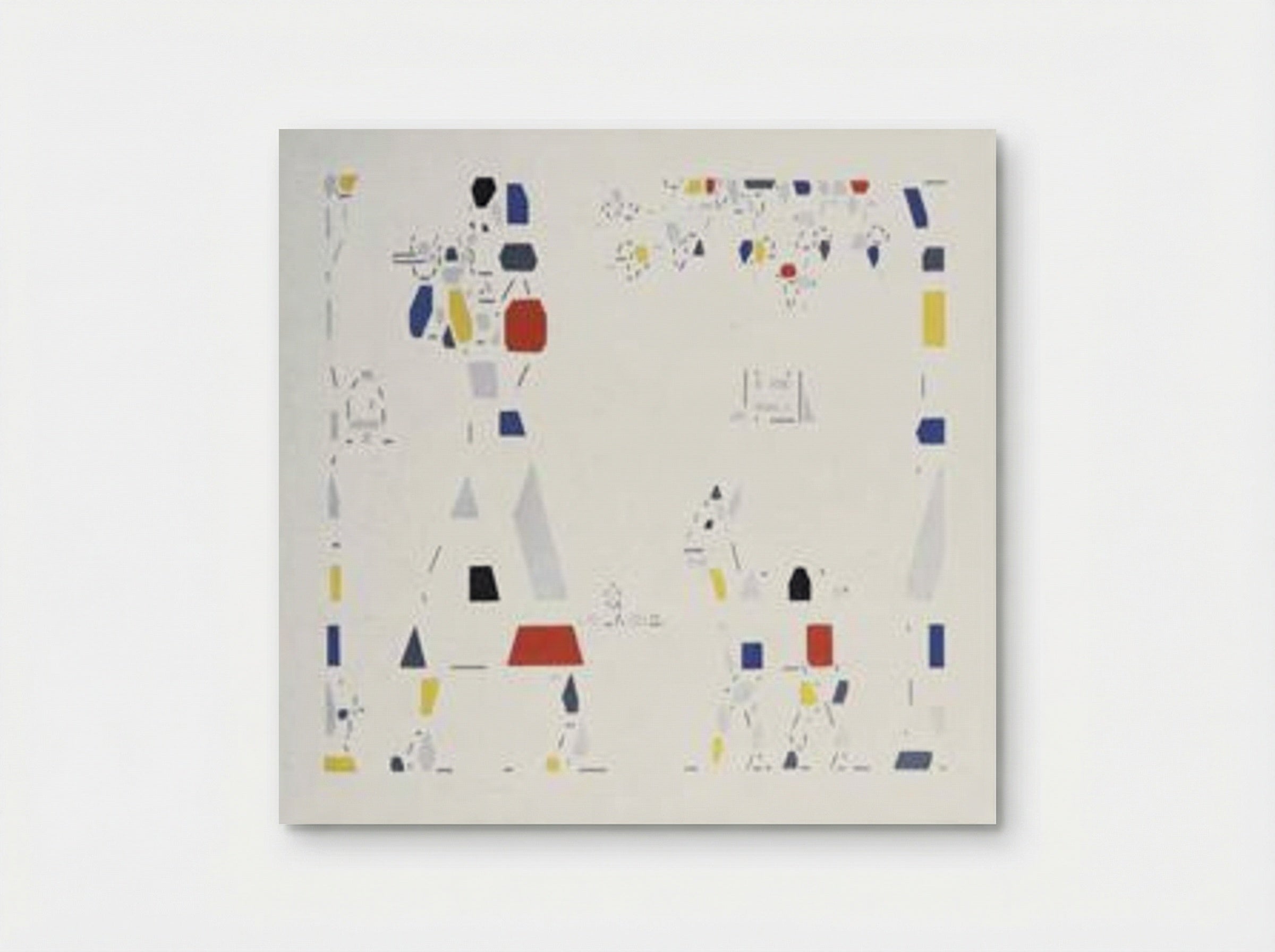 A Girl Playing the Flute with Goat - Bart van der Leck
Print
Regular price From £37.00 GBPSale price From £37.00 GBP Regular price -
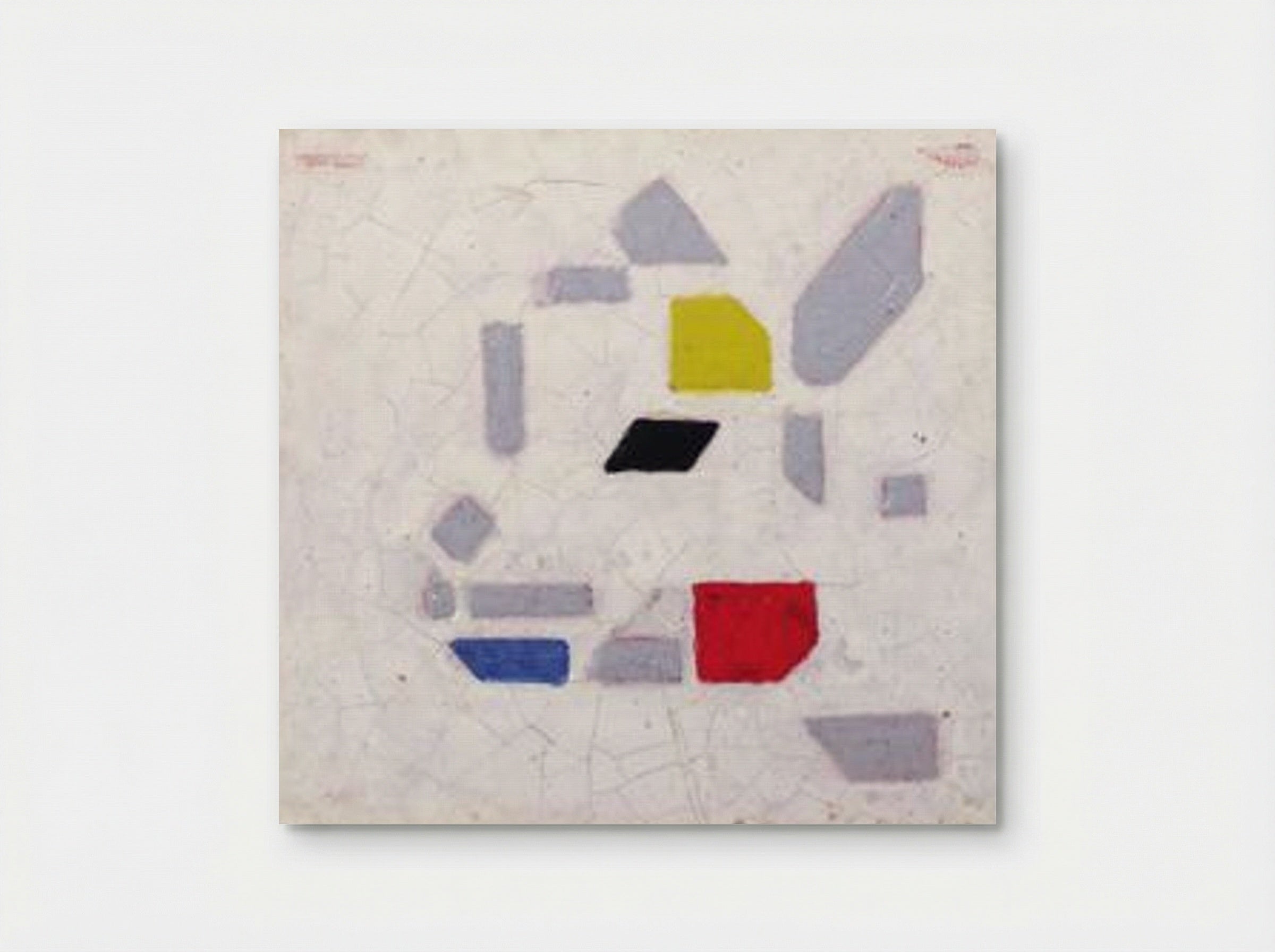 Lamb - Bart van der Leck
Print
Regular price From £37.00 GBPSale price From £37.00 GBP Regular price -
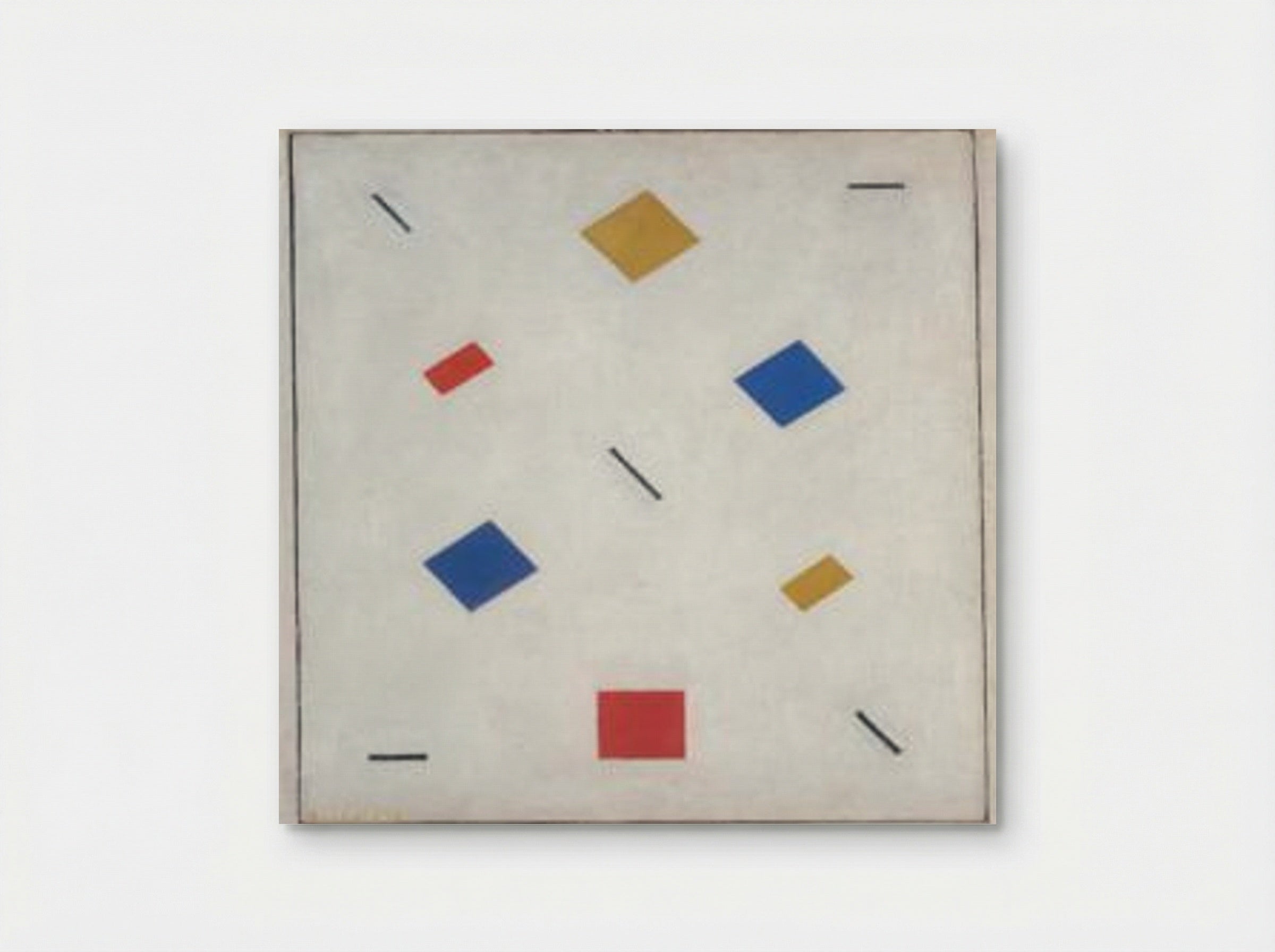 Composition - Bart van der Leck
Print
Regular price From £37.00 GBPSale price From £37.00 GBP Regular price -
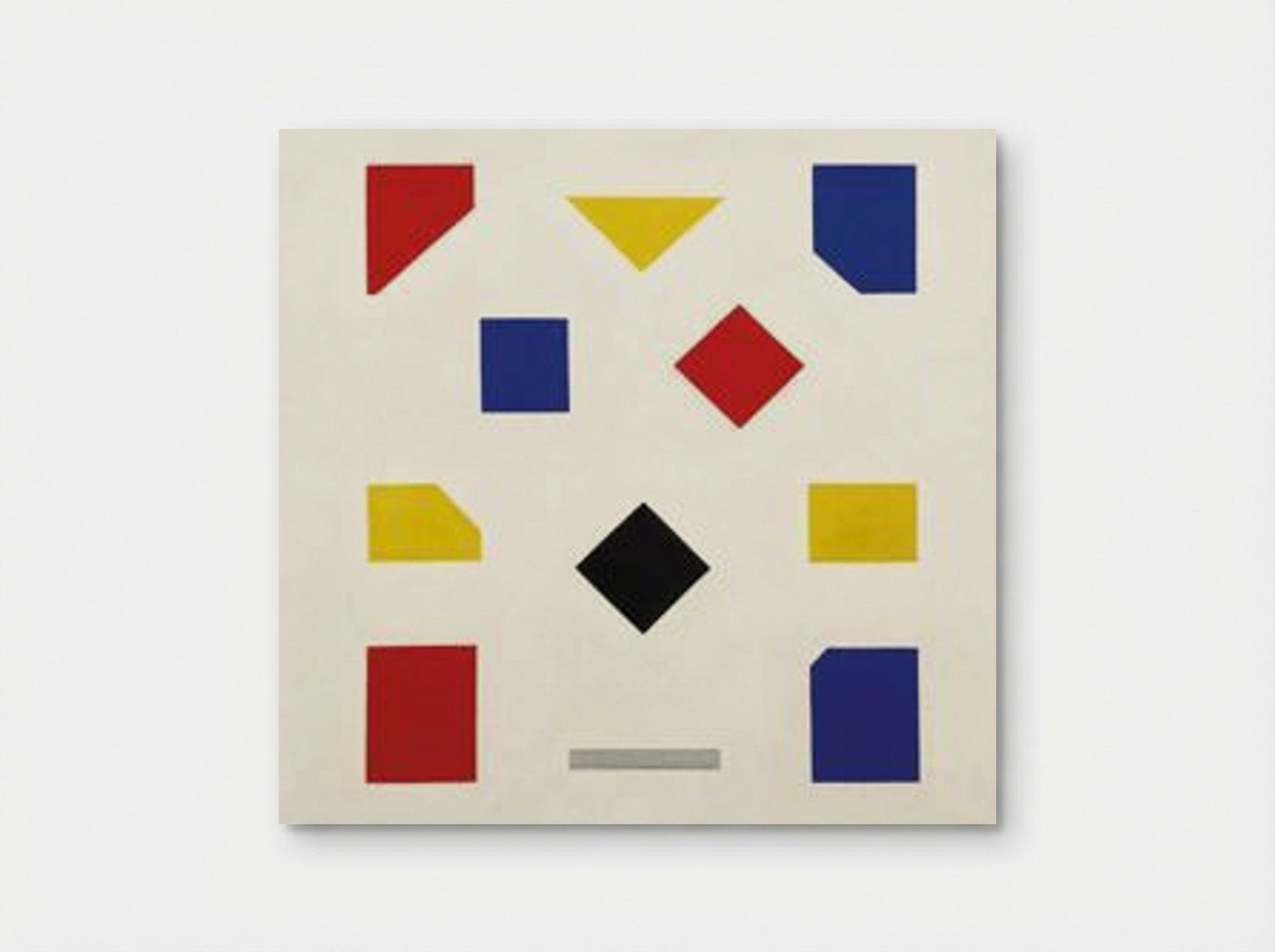 Composition with one grey stripe - Bart van der Leck
Print
Regular price From £37.00 GBPSale price From £37.00 GBP Regular price -
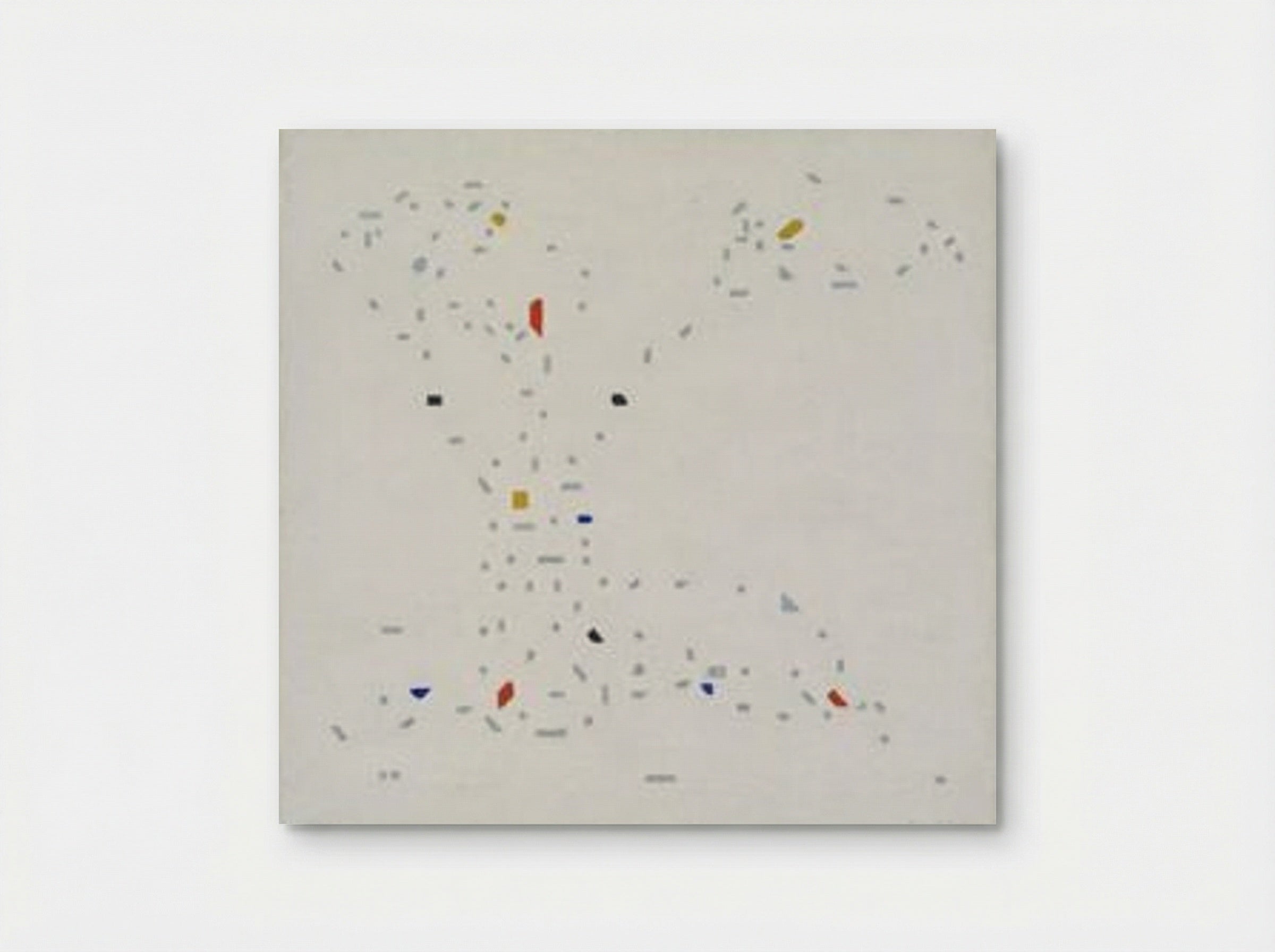 Abstract Composition - Bart van der Leck
Print
Regular price From £37.00 GBPSale price From £37.00 GBP Regular price


Artist Biography
Bart Van Der Leck
The conventional account of De Stijl gives Mondrian its theoretical centre. The record tells a more complicated story. When Mondrian arrived at Van der Leck's studio in Laren around 1916, he encountered a painter already working in pure primary colours on white, and adopted the practice. Van der Leck, born in Utrecht in 1876 to a house painter, had arrived there independently, beginning not in a fine art academy but in a stained glass workshop where he learnt the discipline of flat colour and geometric outline.
When Van der Leck, Mondrian, and Theo van Doesburg co-founded De Stijl in 1917, Van der Leck was already developing his signature method: abstraction from representational sources rather than from theory. His Triptych converts observational sketches made at a Spanish mine into forms that read as pure geometric composition. He was, as the critic Jed Rasula described it, literally ab-stracting: pulling observable subjects apart until only geometric coordinates remained.
The movement did not hold him long. Financial support from the art dealer and critic Hendrik Bremmer was central to Van der Leck's survival, and Bremmer's aesthetic tolerance had limits. As Van der Leck's painting became more abstract, Bremmer withdrew his allowance. Unlike Mondrian, who refused the same pressure and permanently lost that support, Van der Leck returned to figurative work to have it restored. He described Bremmer years later in Museumjournaal as generous but also stubborn and domineering, a patron determined to have his own way.
Away from easel painting, Van der Leck worked productively in applied design: interior commissions including the St Hubertus Hunting Lodge (1919-20), textile and packaging work for Metz and Co. from 1930, and a typeface he designed in 1941 for the avant-garde magazine Flax, later digitally revived as Architype van der Leck in 1994. He died in Blaricum in 1958, aged 81.
When Van der Leck, Mondrian, and Theo van Doesburg co-founded De Stijl in 1917, Van der Leck was already developing his signature method: abstraction from representational sources rather than from theory. His Triptych converts observational sketches made at a Spanish mine into forms that read as pure geometric composition. He was, as the critic Jed Rasula described it, literally ab-stracting: pulling observable subjects apart until only geometric coordinates remained.
The movement did not hold him long. Financial support from the art dealer and critic Hendrik Bremmer was central to Van der Leck's survival, and Bremmer's aesthetic tolerance had limits. As Van der Leck's painting became more abstract, Bremmer withdrew his allowance. Unlike Mondrian, who refused the same pressure and permanently lost that support, Van der Leck returned to figurative work to have it restored. He described Bremmer years later in Museumjournaal as generous but also stubborn and domineering, a patron determined to have his own way.
Away from easel painting, Van der Leck worked productively in applied design: interior commissions including the St Hubertus Hunting Lodge (1919-20), textile and packaging work for Metz and Co. from 1930, and a typeface he designed in 1941 for the avant-garde magazine Flax, later digitally revived as Architype van der Leck in 1994. He died in Blaricum in 1958, aged 81.
Related Artists



Why Choose Us ?