

Collection
August Macke
Explore curated art prints selected for distinctive homes and considered interiors.
Suggested filters
-

 Promenade - August Macke
Print · Framed · Canvas
Regular price From £30.00 GBPSale price From £30.00 GBP Regular price -

 People by a Blue Lake - August Macke
Print · Framed · Canvas
Regular price From £28.00 GBPSale price From £28.00 GBP Regular price -
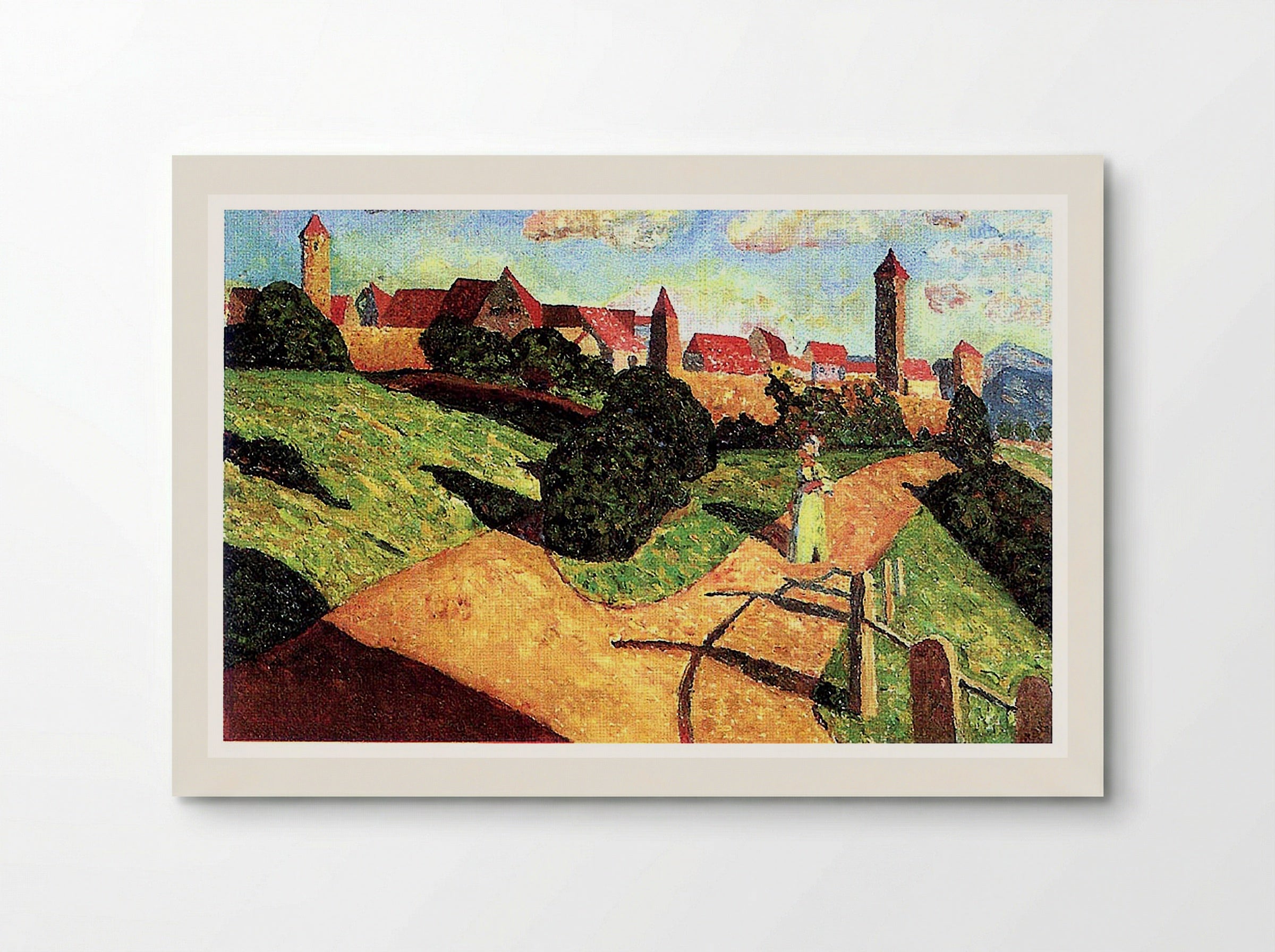
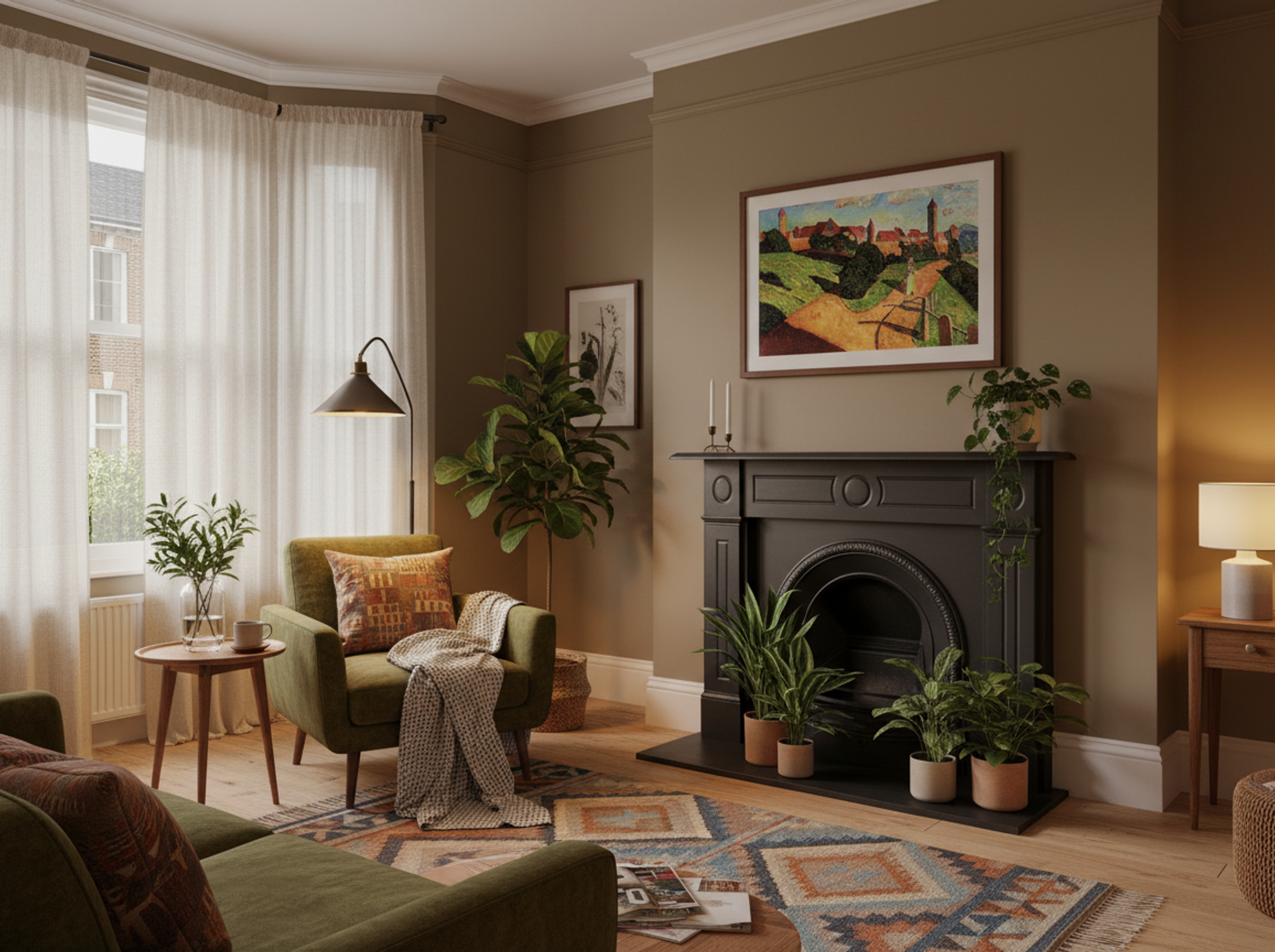 Old Town II - August Macke
Print · Framed · Canvas
Regular price From £28.00 GBPSale price From £28.00 GBP Regular price -
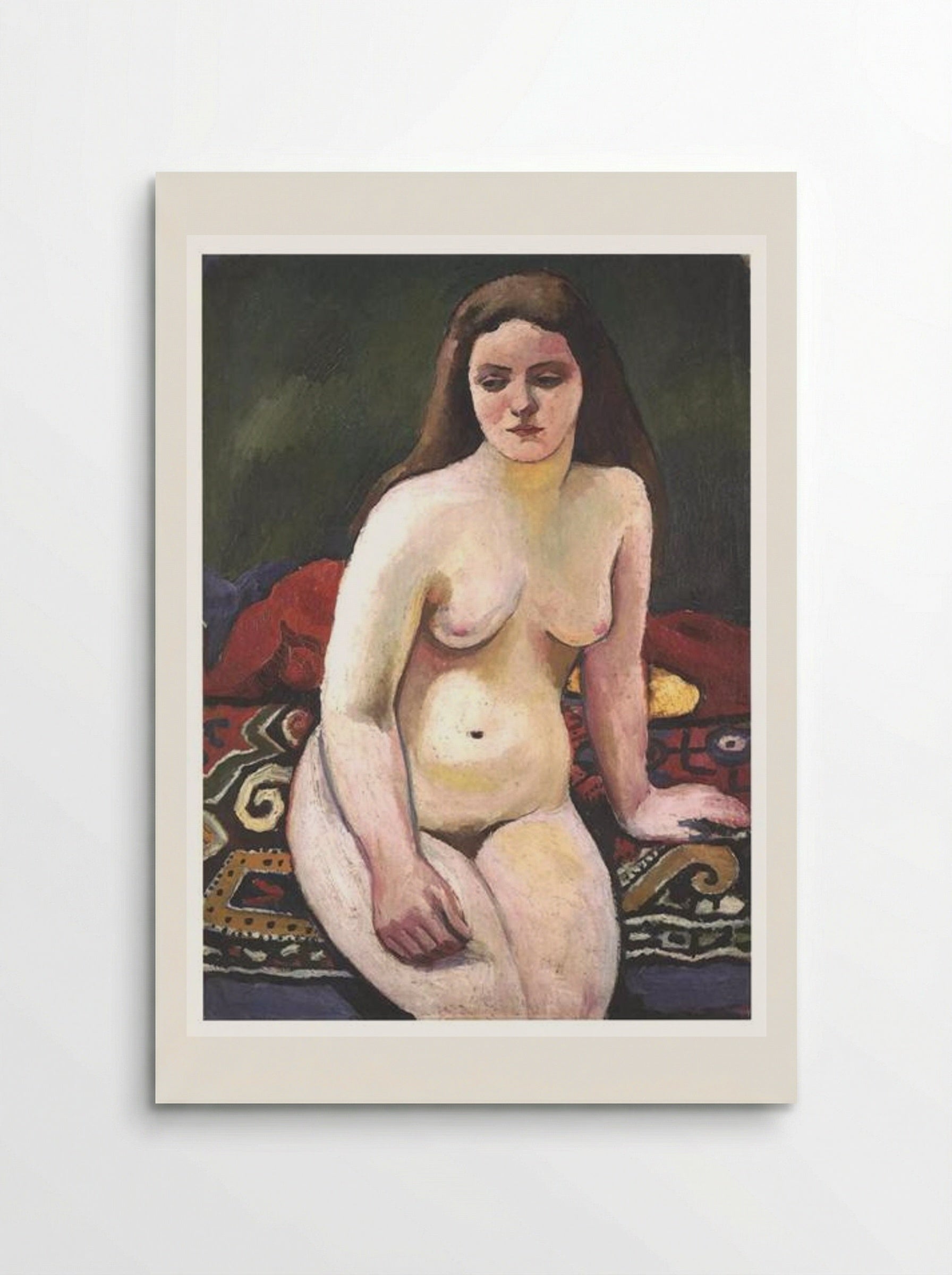 Female Nude on a Patterned Carpet - August Macke
Print
Regular price From £28.00 GBPSale price From £28.00 GBP Regular price -
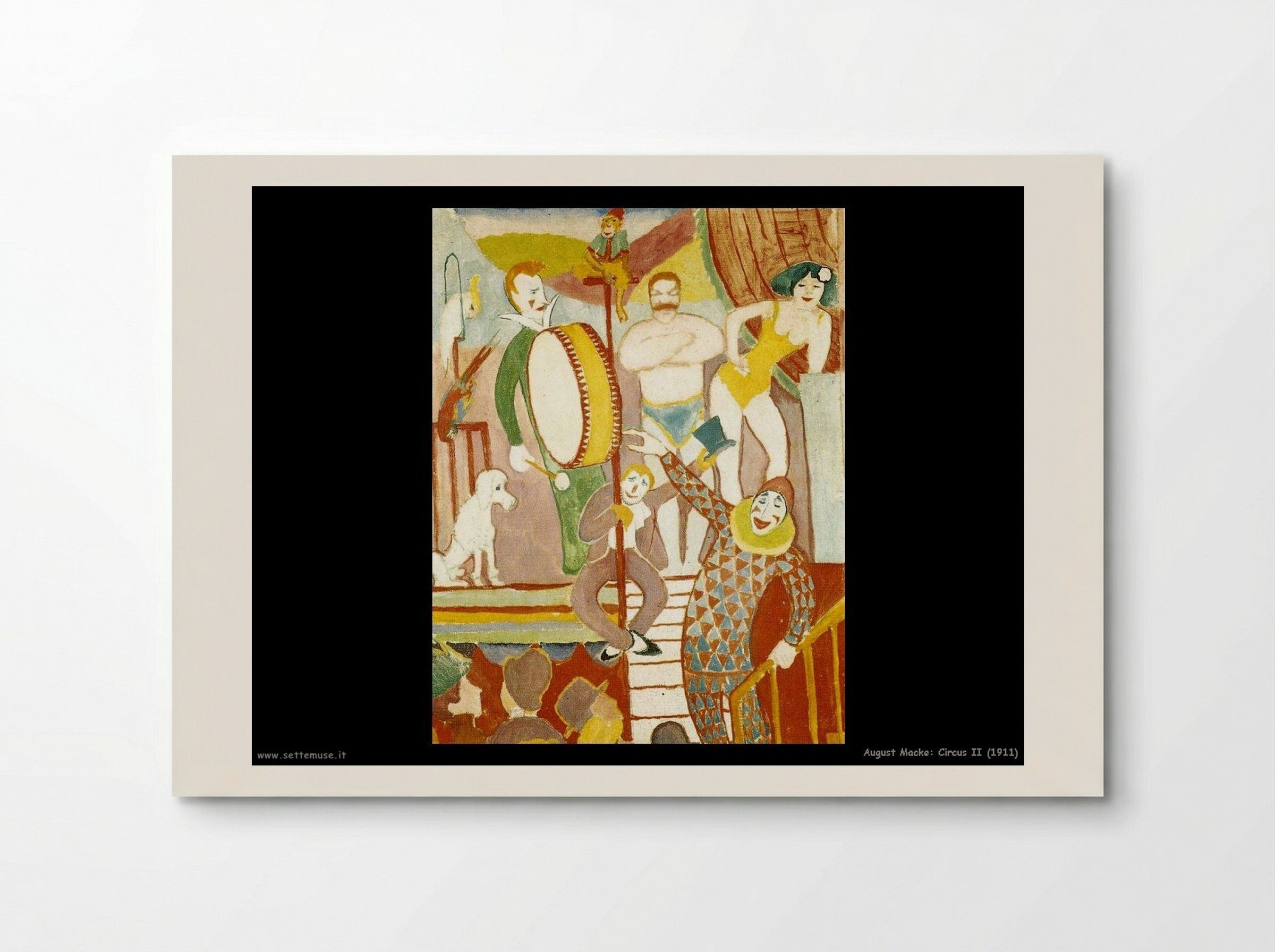 Circus II - August Macke
Print
Regular price From £28.00 GBPSale price From £28.00 GBP Regular price -
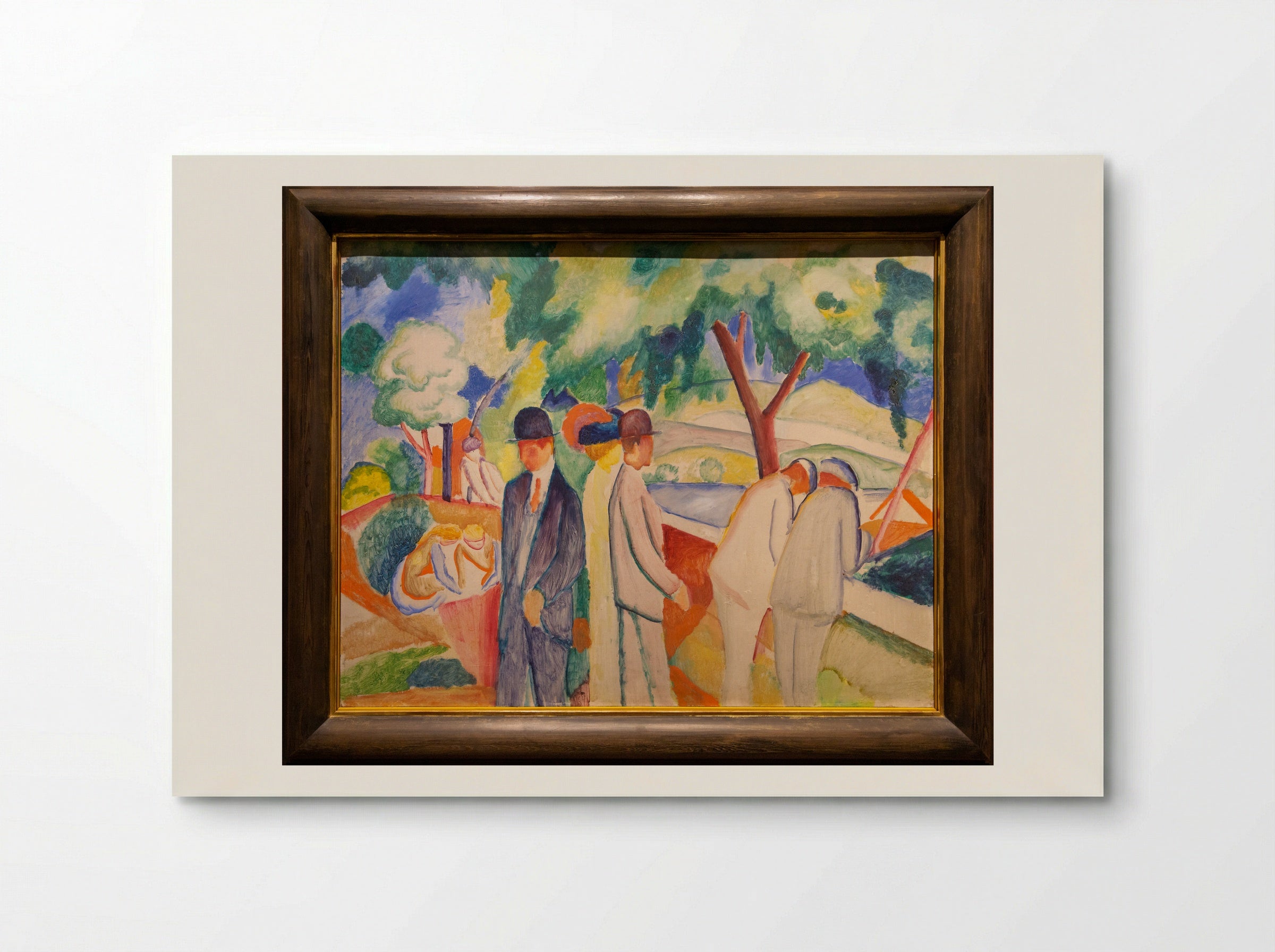 Stroller - August Macke
Print
Regular price From £28.00 GBPSale price From £28.00 GBP Regular price -
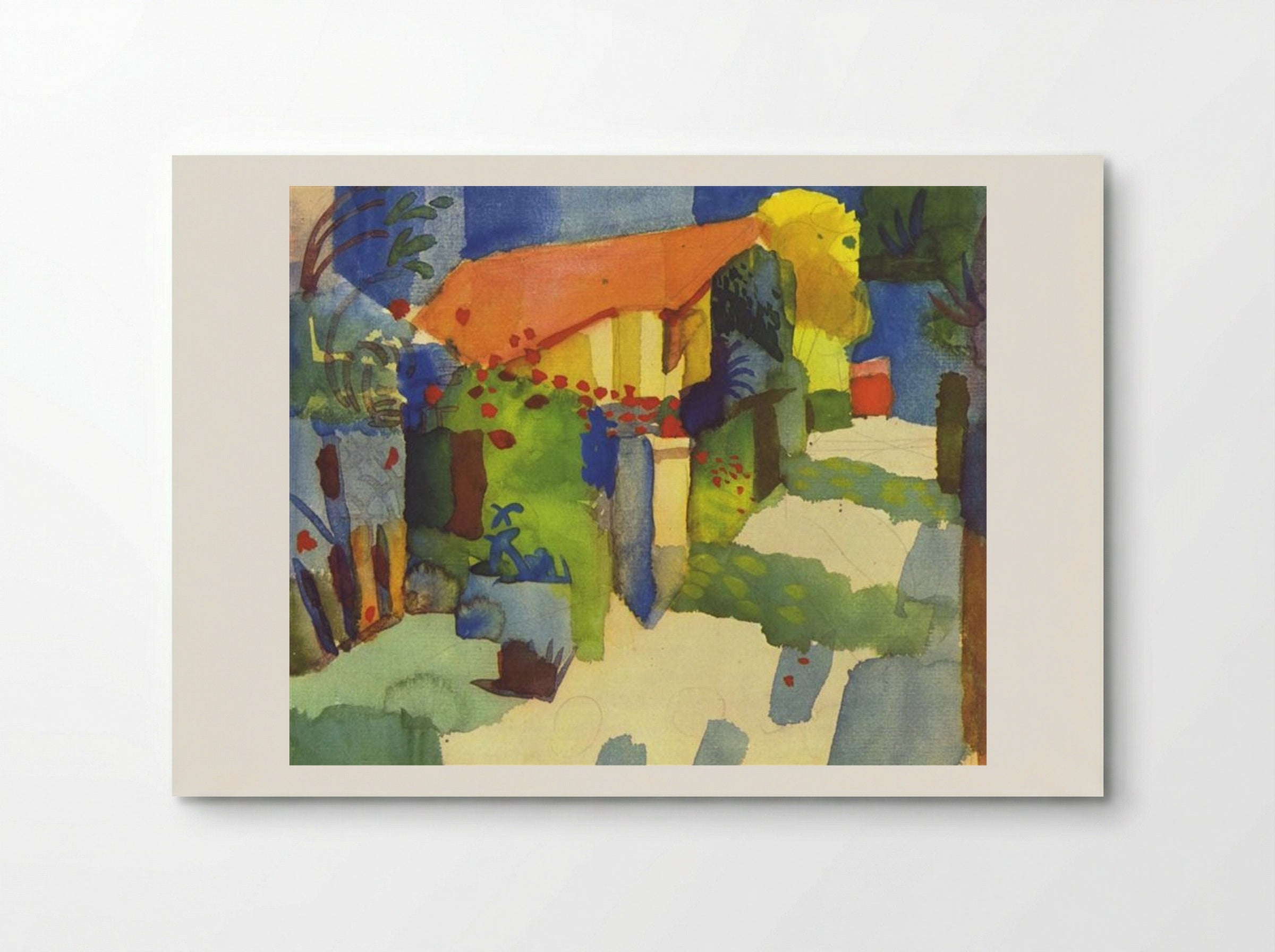 House in the Garden - August Macke
Print
Regular price From £28.00 GBPSale price From £28.00 GBP Regular price -
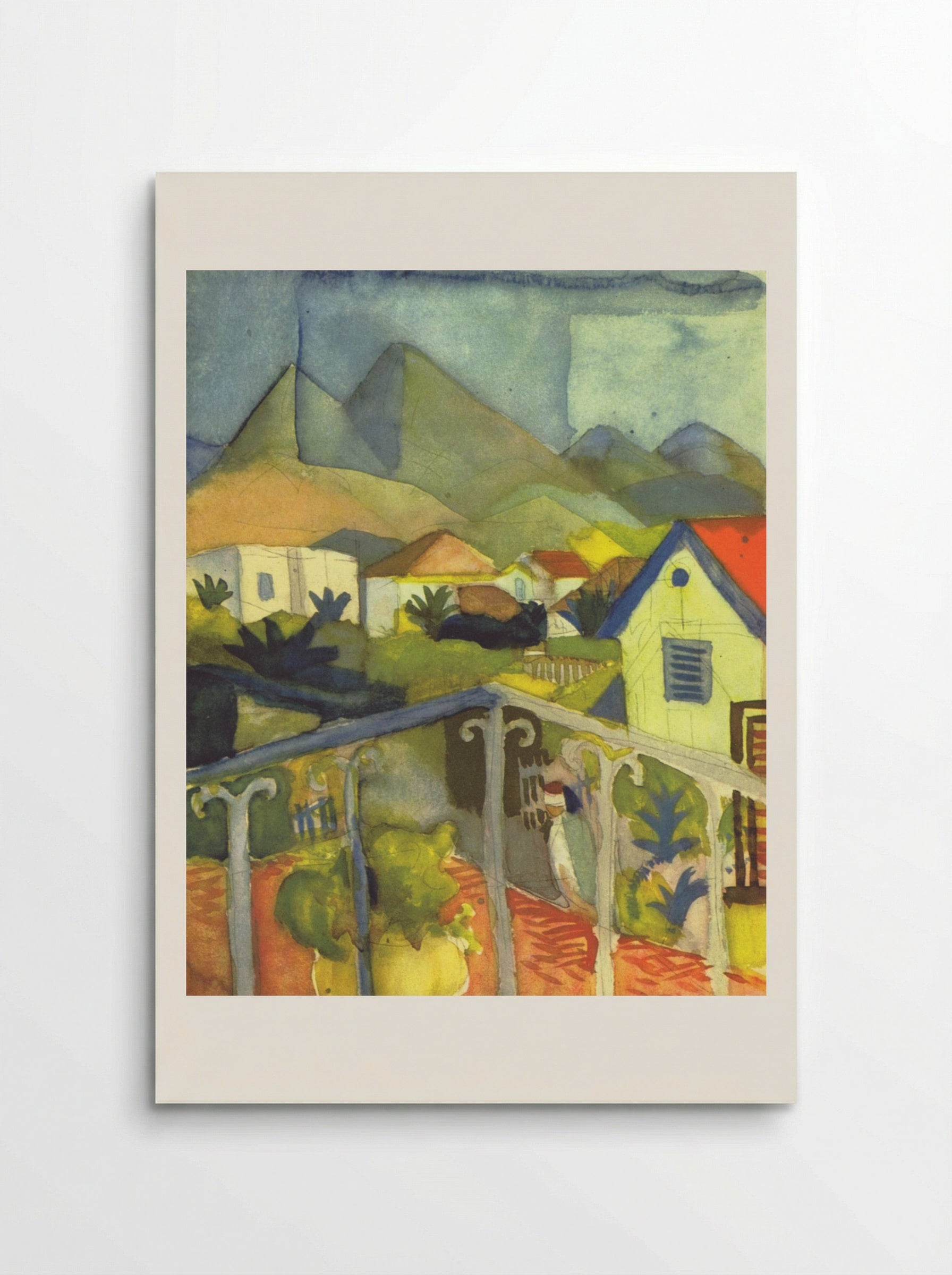 St. Germain near Tunis - August Macke
Print
Regular price From £28.00 GBPSale price From £28.00 GBP Regular price -
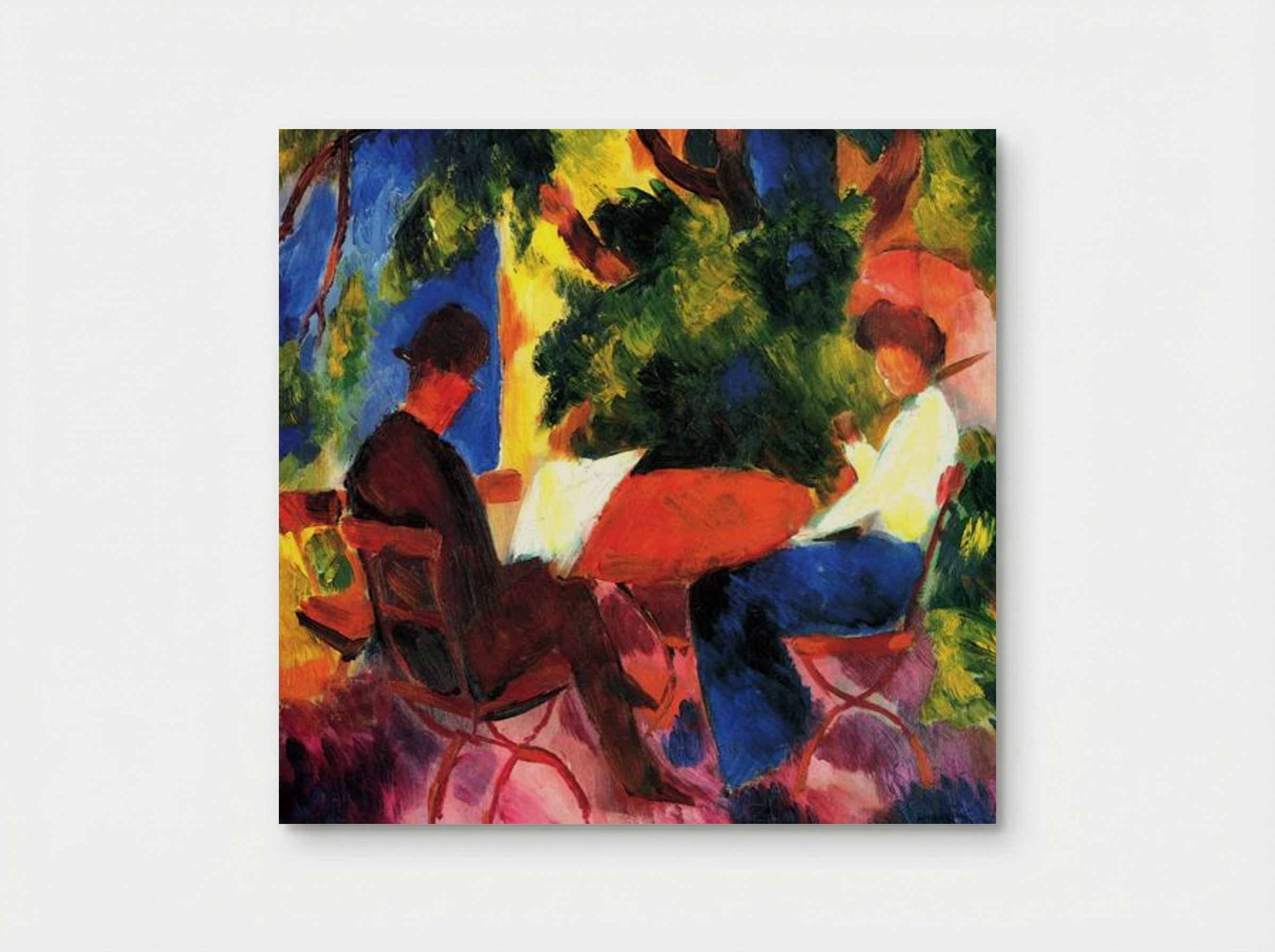 At the Garden Table - August Macke
Print
Regular price From £37.00 GBPSale price From £37.00 GBP Regular price -
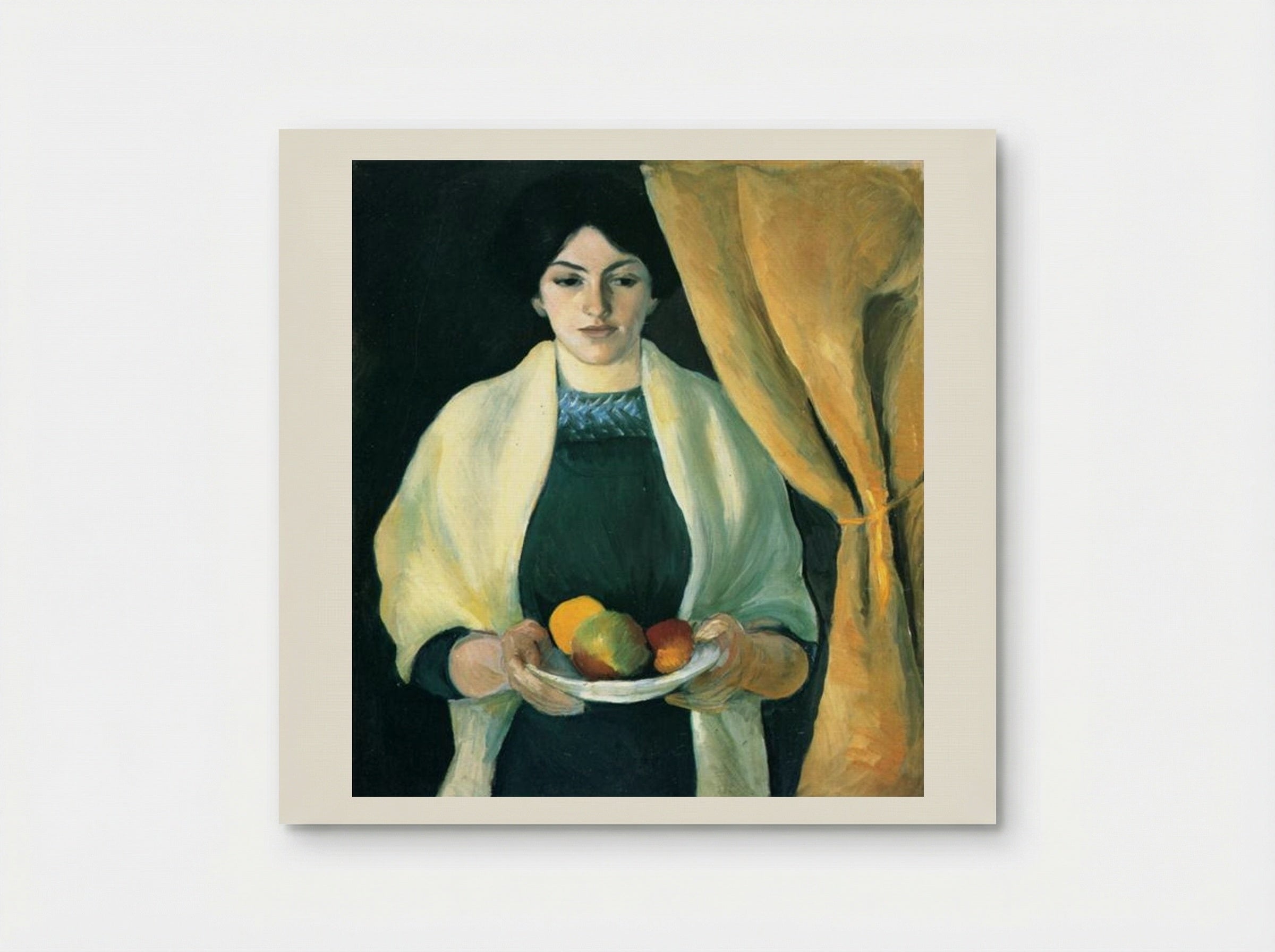 Portrait with Apples (Portrait of the Artist's Wife) - August Macke
Print
Regular price From £37.00 GBPSale price From £37.00 GBP Regular price -
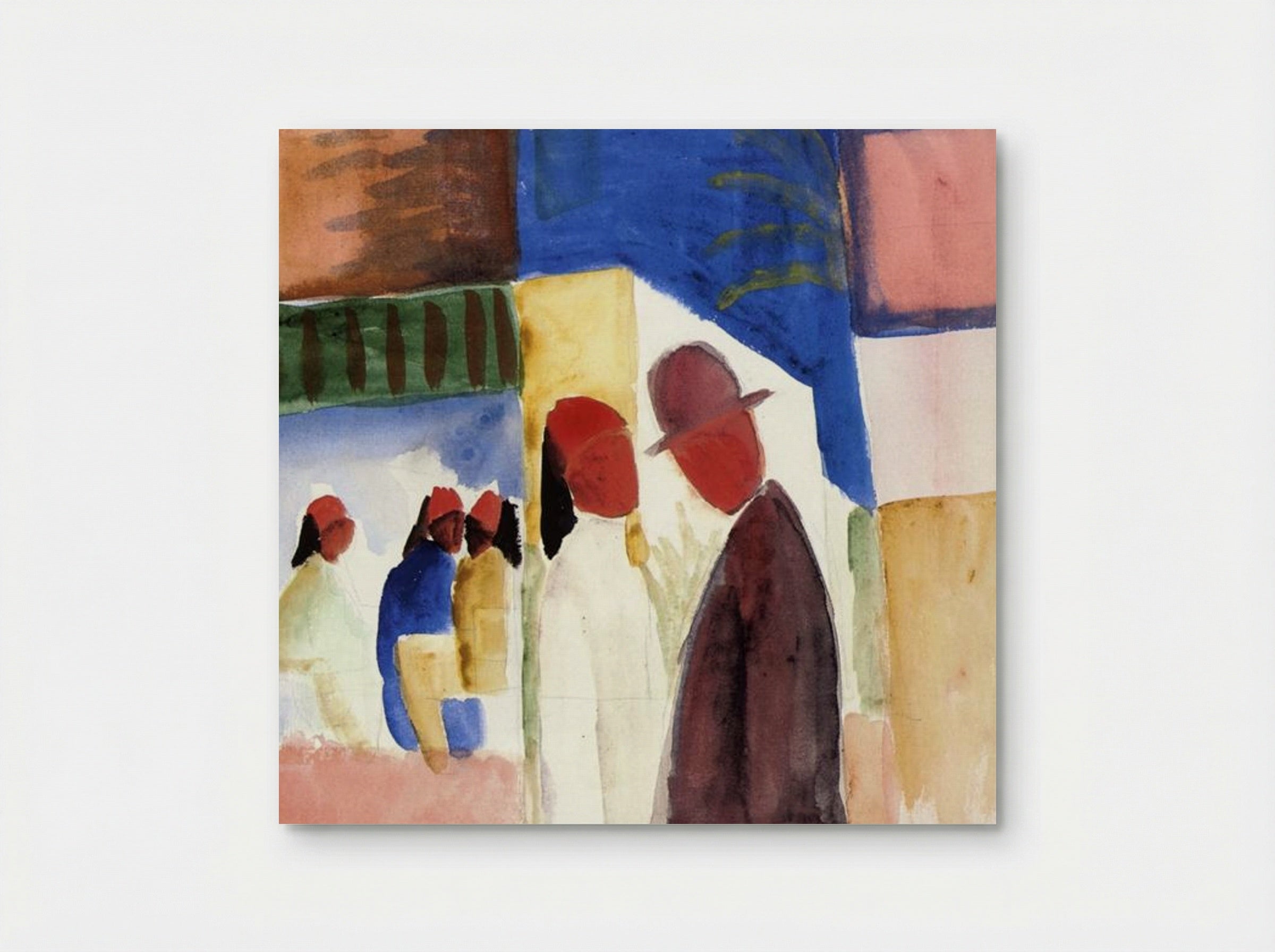 On the Street - August Macke
Print
Regular price From £37.00 GBPSale price From £37.00 GBP Regular price -
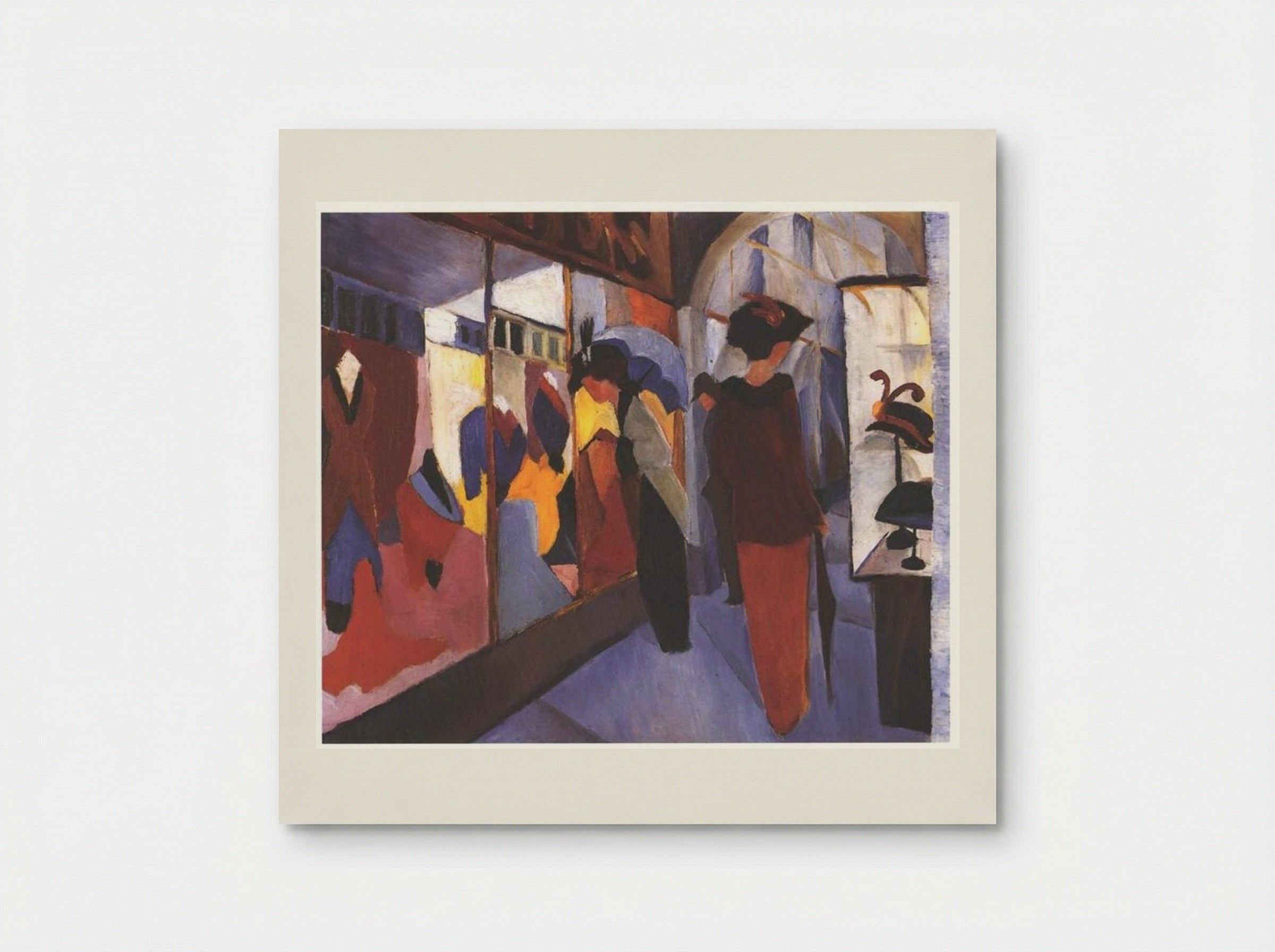 Fashion Store - August Macke
Print
Regular price From £37.00 GBPSale price From £37.00 GBP Regular price -
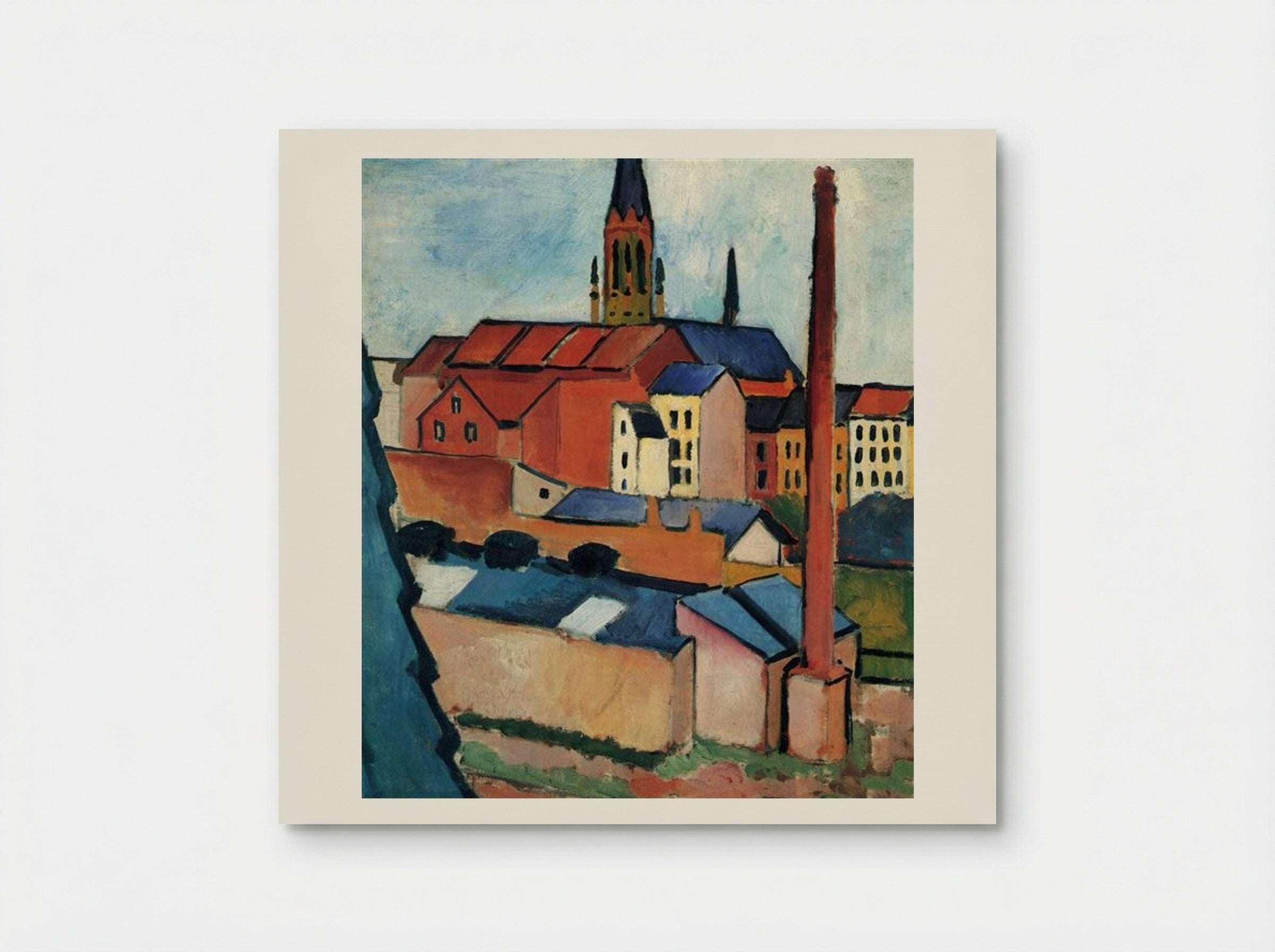 St. Mary's with Houses and Chimney (Bonn) - August Macke
Print
Regular price From £37.00 GBPSale price From £37.00 GBP Regular price -
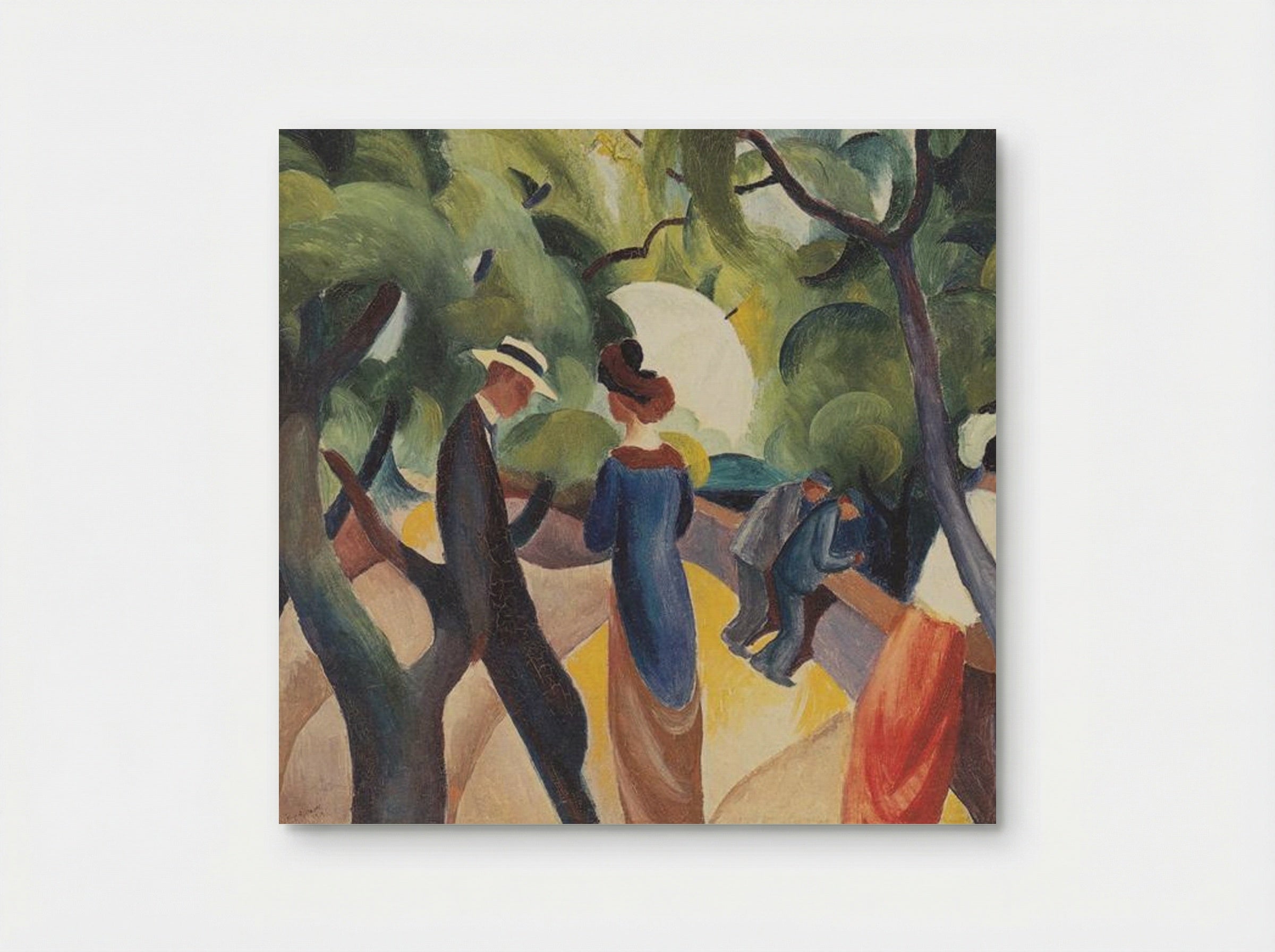 Promenade - August Macke
Print
Regular price From £37.00 GBPSale price From £37.00 GBP Regular price -
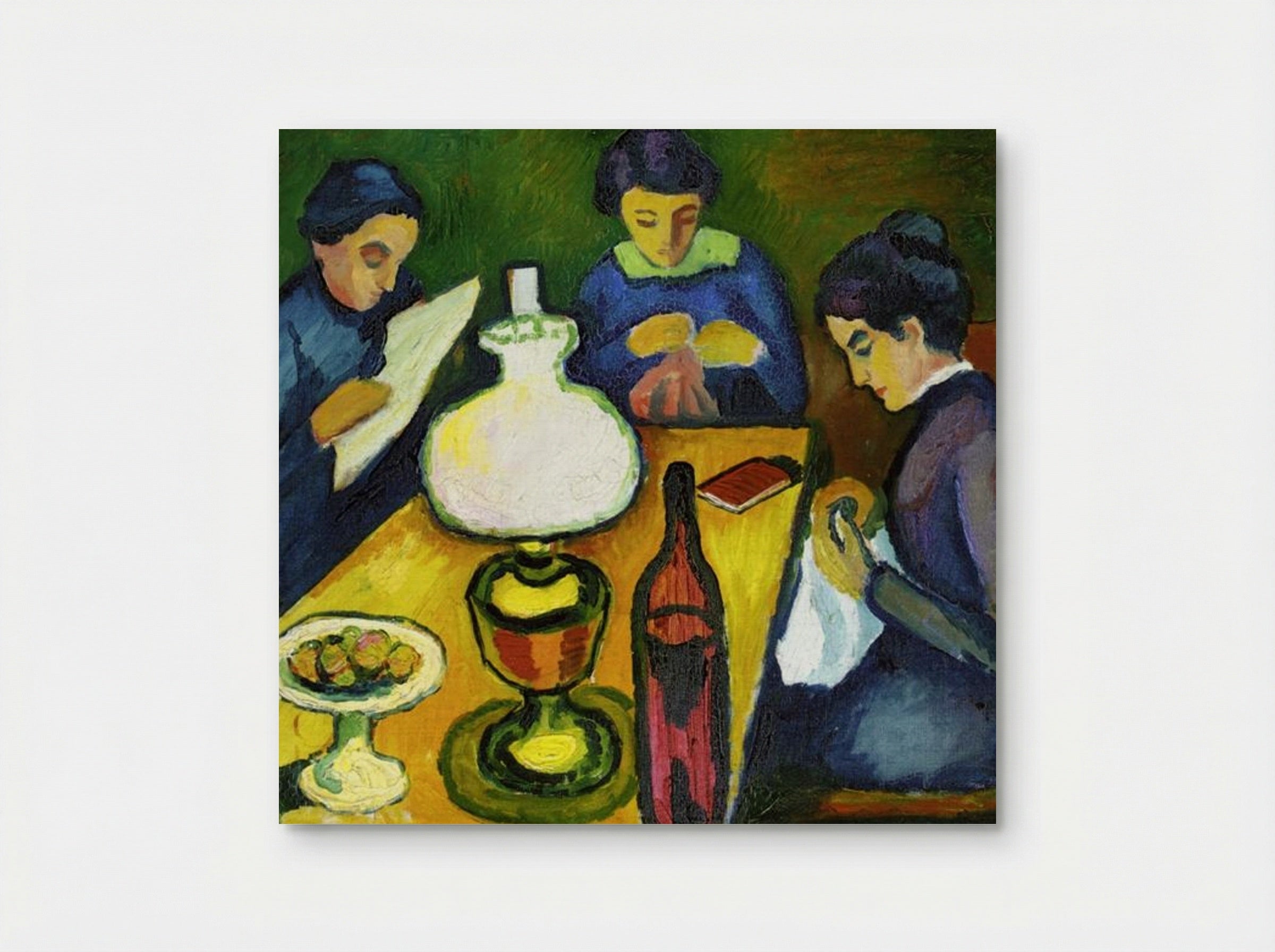 Three Women at the Table by the Lamp - August Macke
Print
Regular price From £37.00 GBPSale price From £37.00 GBP Regular price -
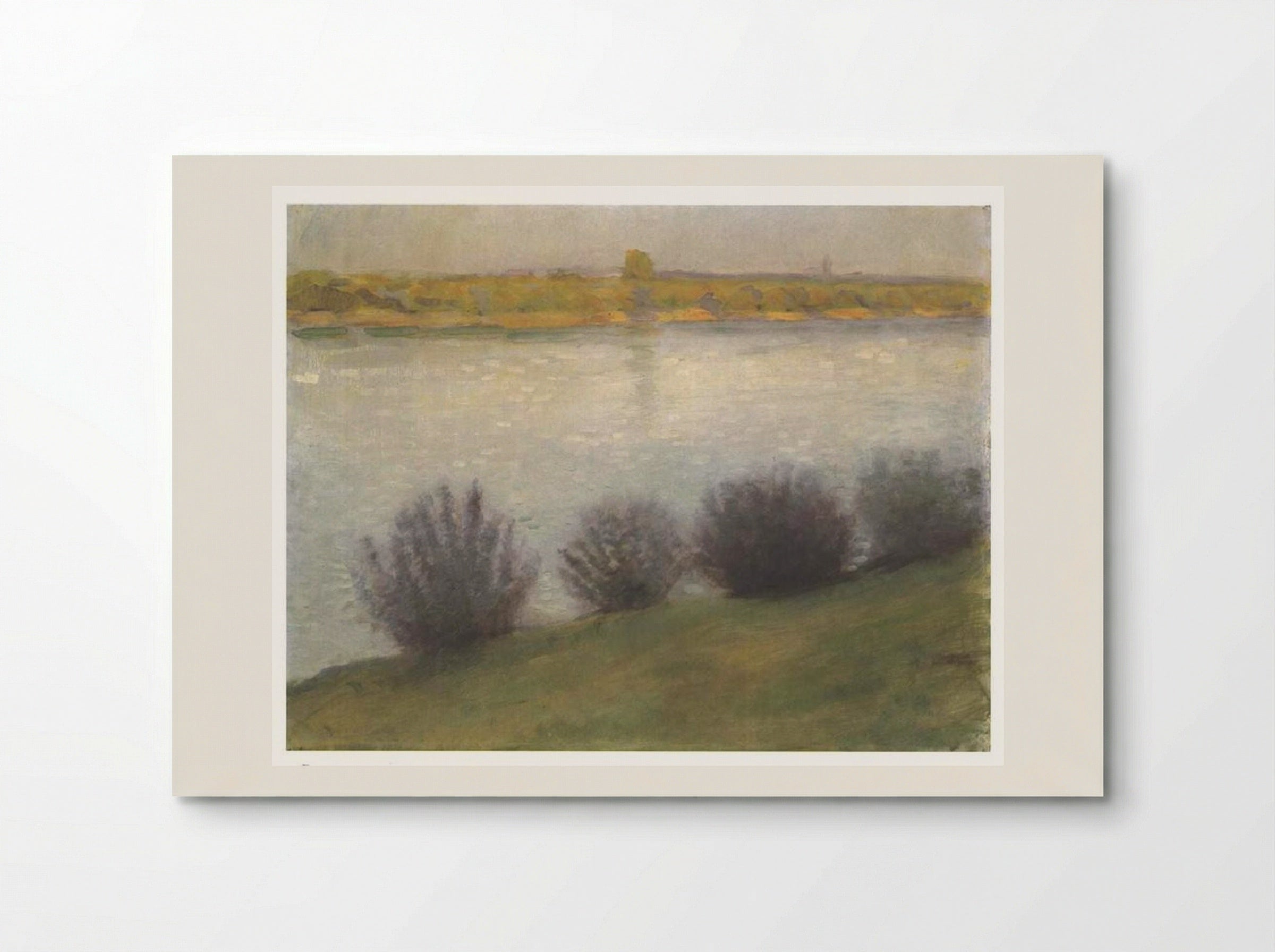 At the Rhine near Hersel - August Macke
Print
Regular price From £28.00 GBPSale price From £28.00 GBP Regular price -
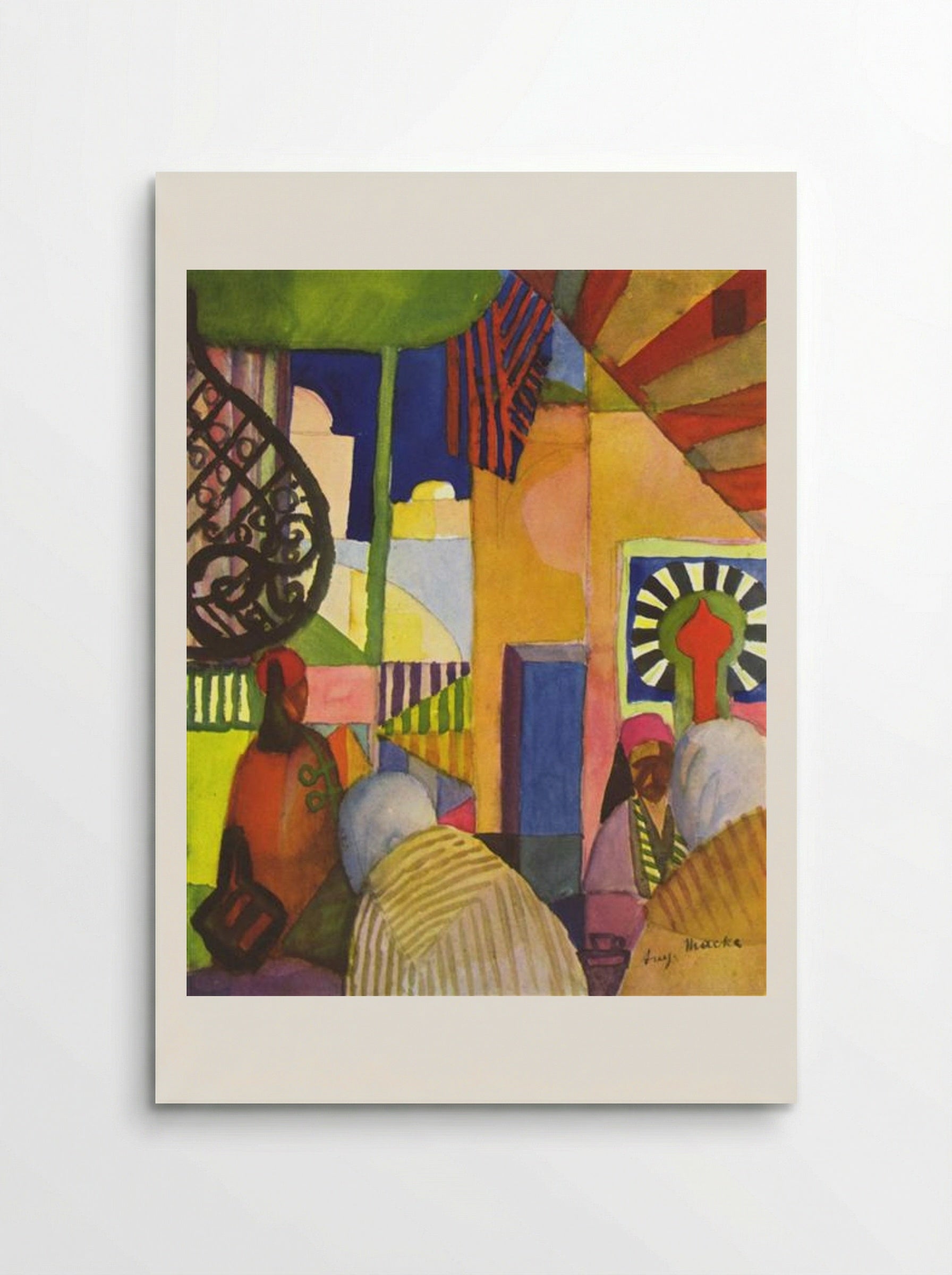 In the Bazaar - August Macke
Print
Regular price From £28.00 GBPSale price From £28.00 GBP Regular price -
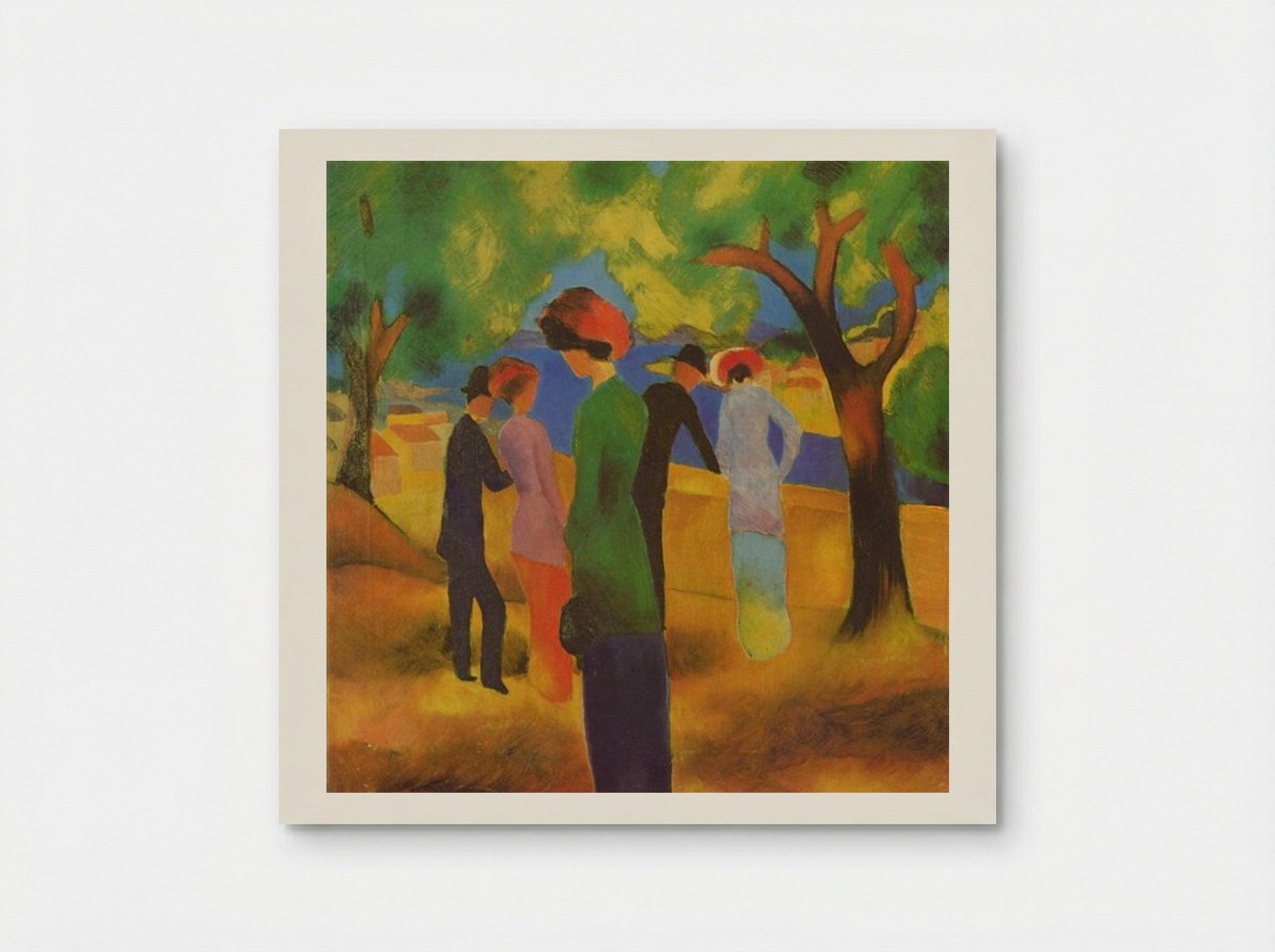 Woman in a Green Jacket - August Macke
Print
Regular price From £37.00 GBPSale price From £37.00 GBP Regular price -
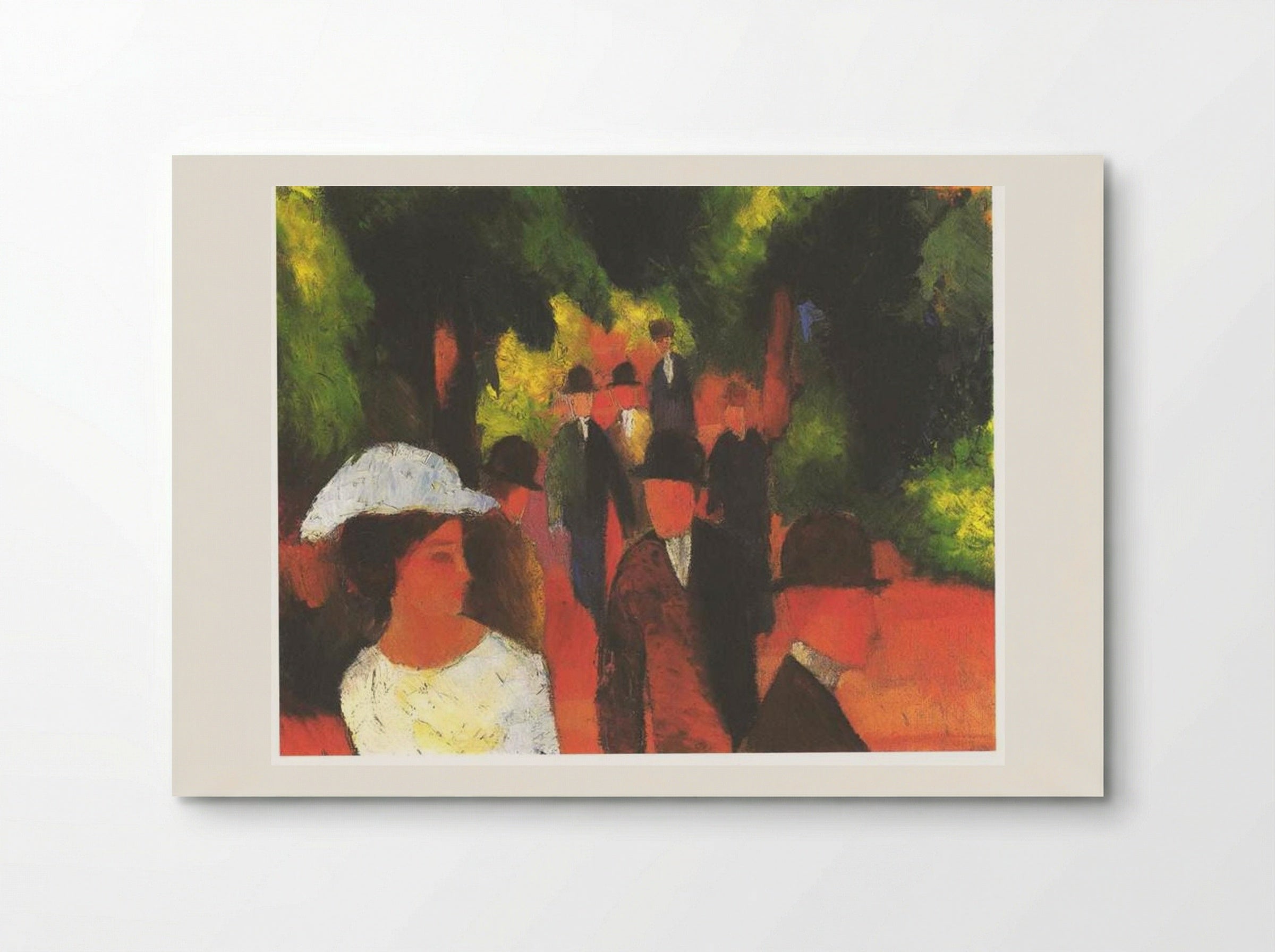
-
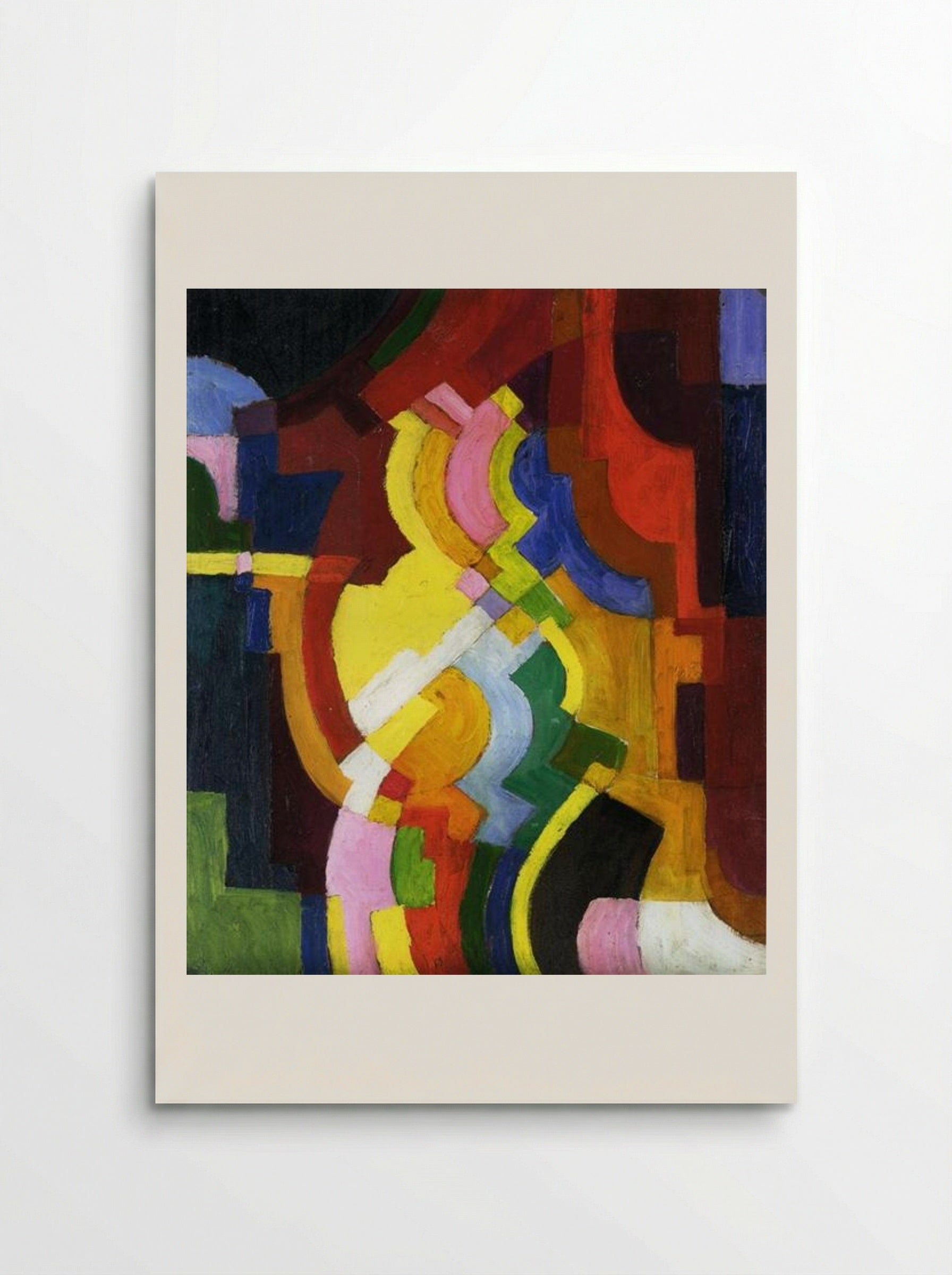 Farbige Formen III - August Macke
Print
Regular price From £28.00 GBPSale price From £28.00 GBP Regular price -
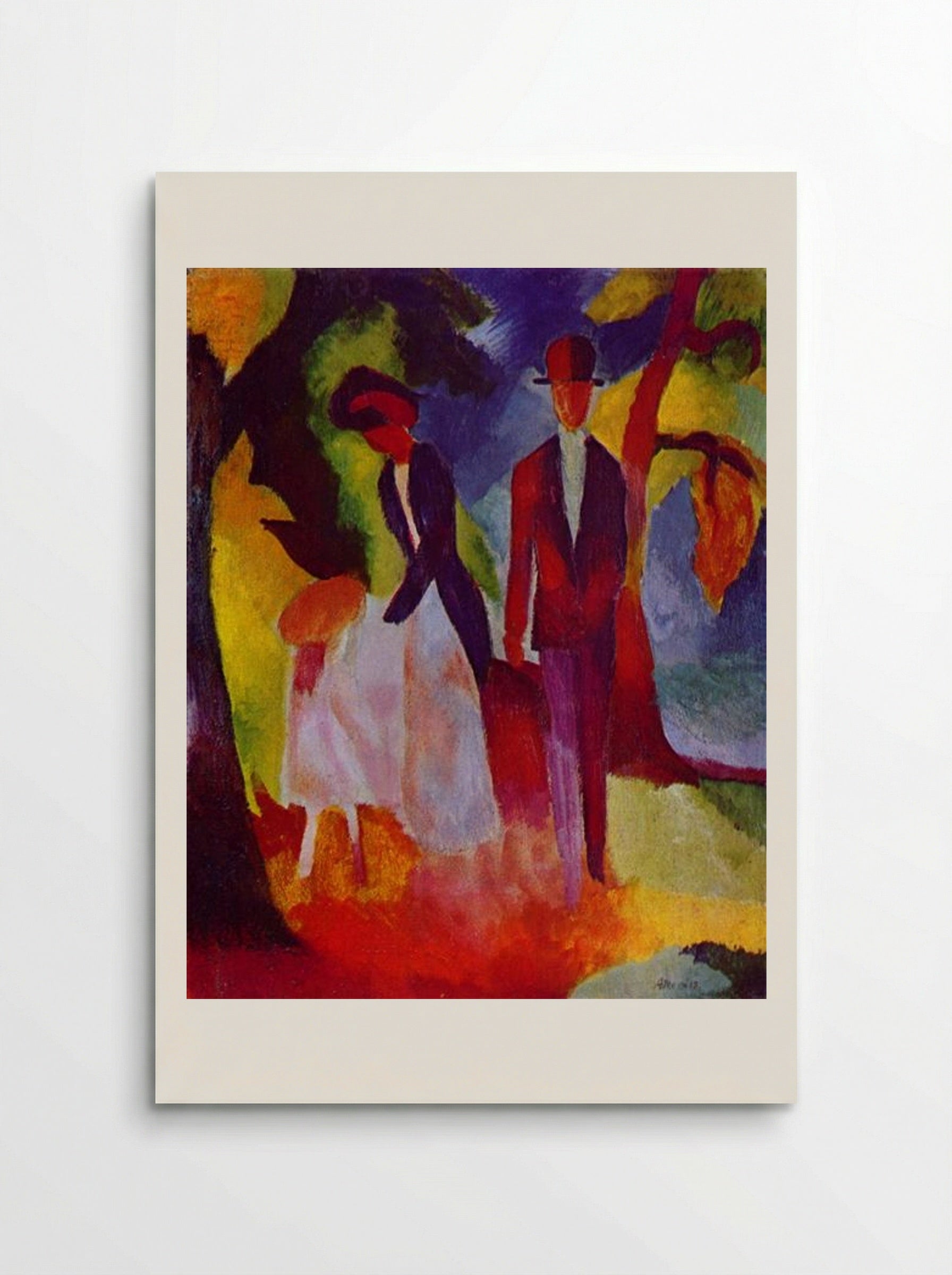 People at the Blue Lake - August Macke
Print
Regular price From £28.00 GBPSale price From £28.00 GBP Regular price -
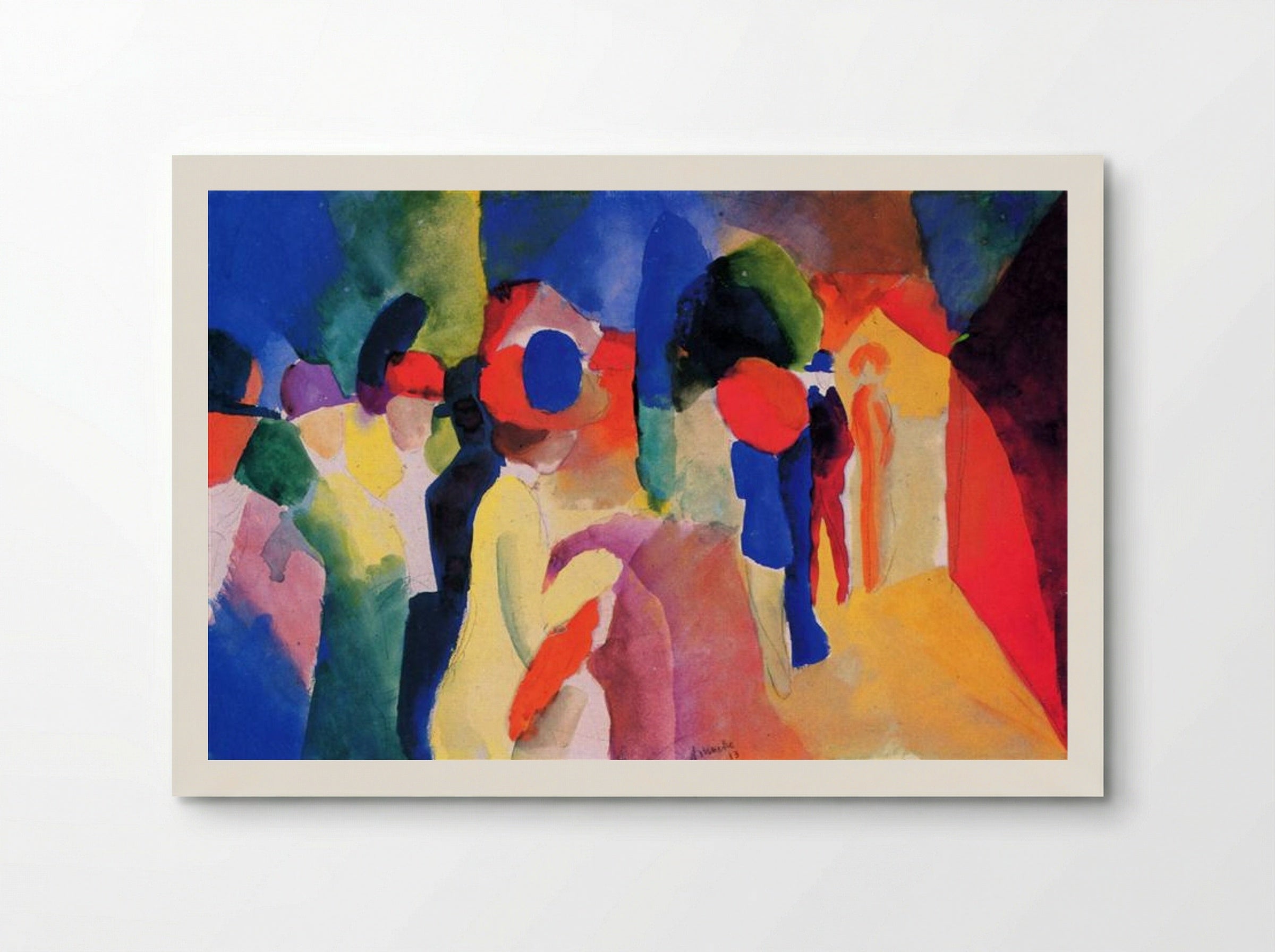 Woman with a Yellow Jacket - August Macke
Print
Regular price From £28.00 GBPSale price From £28.00 GBP Regular price -
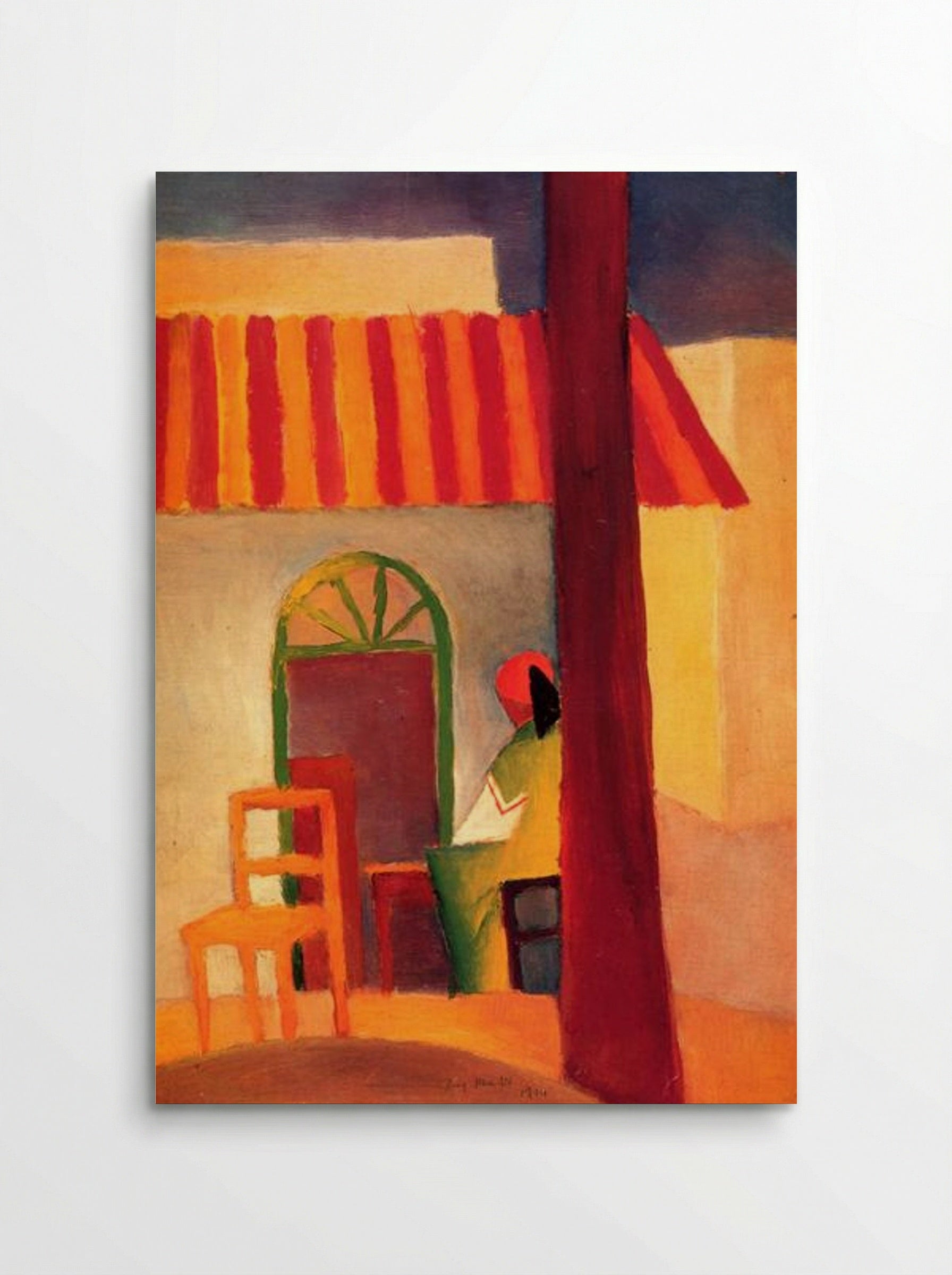 Turkish Cafe I - August Macke
Print
Regular price From £28.00 GBPSale price From £28.00 GBP Regular price -
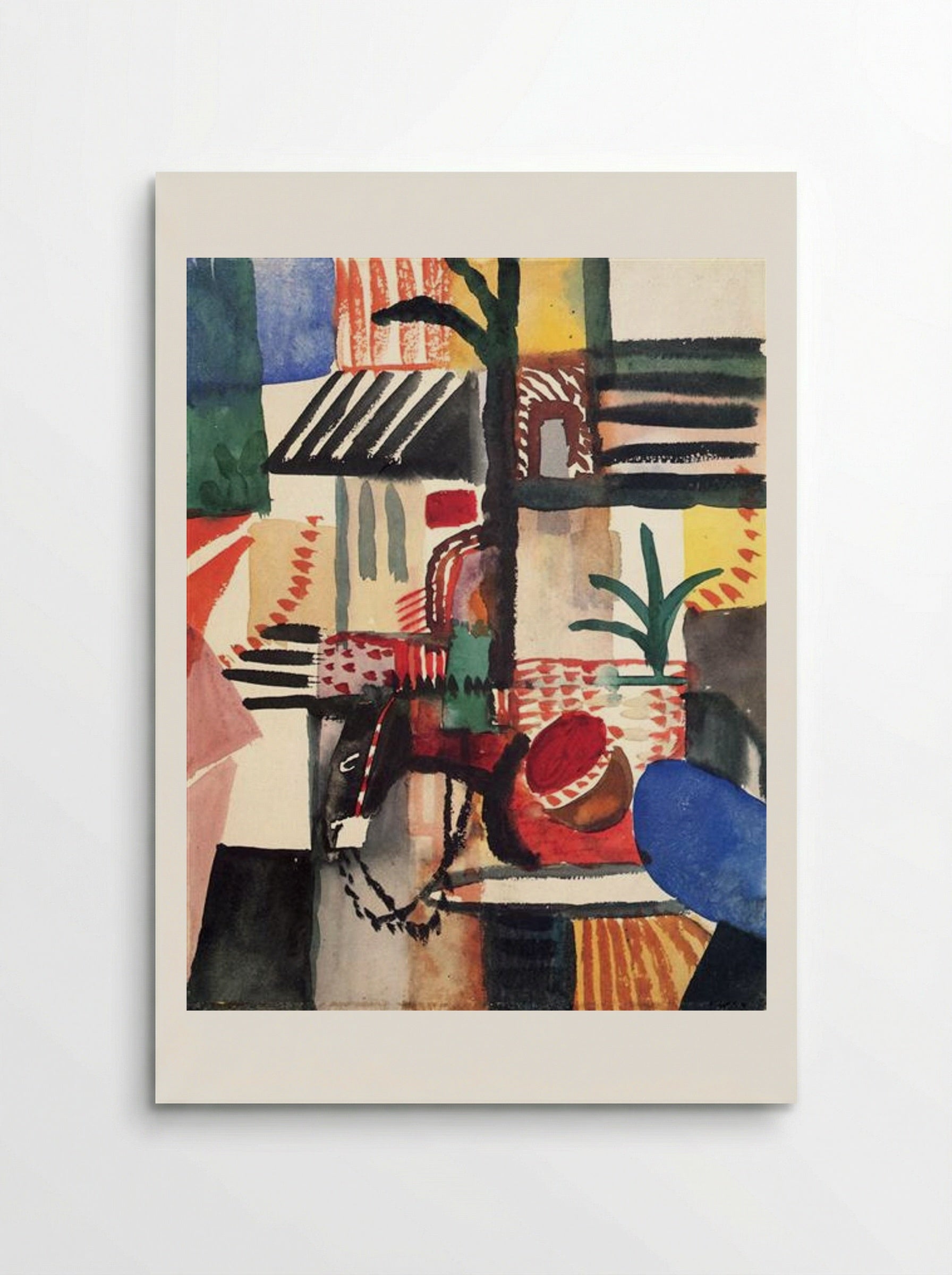 Man with Donkey - August Macke
Print
Regular price From £28.00 GBPSale price From £28.00 GBP Regular price


Artist Biography
August Macke
Macke was twenty-seven when he was killed on the Western Front in September 1914. He had been painting seriously for about six years. In April of that same year he had been in Tunisia with Paul Klee and Louis Moilliet, making watercolours in the souks of Tunis and Kairouan. The gap between the two events, four months, is one of the starkest in modern art.
He grew up in a family of building contractors in Meschede, Westphalia, with no artistic connections. He visited Paris multiple times and absorbed Impressionism, Fauvism and Cubism in rapid succession, but his paintings look like none of those movements. What he took from France was colour: warm, saturated, joyful. His street scenes, market squares and park promenades glow with a light that belongs to someone who finds the world beautiful and wants to record it before it changes.
He met Franz Marc in 1910, and through Marc became involved with Der Blaue Reiter. His temperament was the opposite of Kandinsky's theoretical intensity. Macke painted intuitively, quickly, and with an optimism that made him the most approachable of the German Expressionists.
The Tunisian watercolours are his finest work: small, luminous, almost abstract in their reduction of architecture and figures to planes of colour. Klee wrote afterward that colour had taken possession of him. The same could be said of Macke, who had been working toward that moment for years.
He was drafted immediately when war broke out. His wife Elisabeth received notification of his death six weeks later. Marc, his closest friend, was killed at Verdun in 1916.
He grew up in a family of building contractors in Meschede, Westphalia, with no artistic connections. He visited Paris multiple times and absorbed Impressionism, Fauvism and Cubism in rapid succession, but his paintings look like none of those movements. What he took from France was colour: warm, saturated, joyful. His street scenes, market squares and park promenades glow with a light that belongs to someone who finds the world beautiful and wants to record it before it changes.
He met Franz Marc in 1910, and through Marc became involved with Der Blaue Reiter. His temperament was the opposite of Kandinsky's theoretical intensity. Macke painted intuitively, quickly, and with an optimism that made him the most approachable of the German Expressionists.
The Tunisian watercolours are his finest work: small, luminous, almost abstract in their reduction of architecture and figures to planes of colour. Klee wrote afterward that colour had taken possession of him. The same could be said of Macke, who had been working toward that moment for years.
He was drafted immediately when war broke out. His wife Elisabeth received notification of his death six weeks later. Marc, his closest friend, was killed at Verdun in 1916.


Why Choose Us ?