

Collection
Alexej Von Jawlensky
Explore curated art prints selected for distinctive homes and considered interiors.
Suggested filters
-
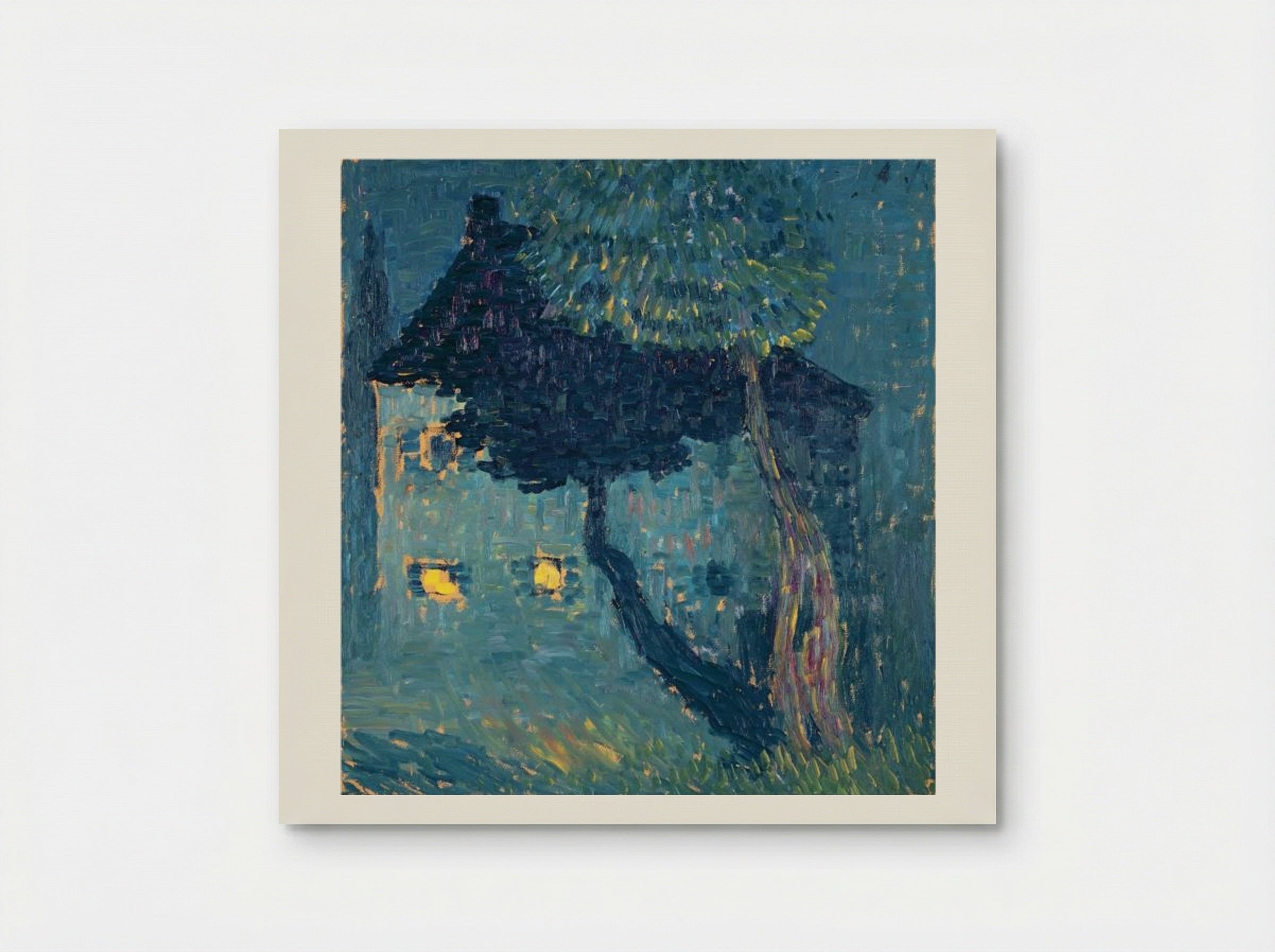
 Cottage in the Woods - Alexej von Jawlensky
Print · Framed · Canvas
Regular price From £30.00 GBPSale price From £30.00 GBP Regular price -

 Nude - Alexej von Jawlensky
Print · Framed
Regular price From £37.00 GBPSale price From £37.00 GBP Regular price -

 Still Life - Alexej von Jawlensky
Print · Framed
Regular price From £37.00 GBPSale price From £37.00 GBP Regular price -

 Still Life with Bottle, Bread and red Wallpaper with Swallows - Alexej von Jawlensky
Print · Framed
Regular price From £28.00 GBPSale price From £28.00 GBP Regular price -

 Still Life with Begonia - Alexej von Jawlensky
Print · Framed
Regular price From £37.00 GBPSale price From £37.00 GBP Regular price -
 The Church in Prerow - Alexej von Jawlensky
Print
Regular price From £37.00 GBPSale price From £37.00 GBP Regular price -

 Rote Giebel (Red Gables) - Alexej von Jawlensky
Print · Framed
Regular price From £28.00 GBPSale price From £28.00 GBP Regular price -

 Composition No. 1, Sunrise - Alexei von Jawlensky
Print · Framed
Regular price From £28.00 GBPSale price From £28.00 GBP Regular price -

 Head of a Man - Alexej von Jawlensky
Print · Framed · Canvas
Regular price From £28.00 GBPSale price From £28.00 GBP Regular price -

 The Old Jew - Alexej von Jawlensky
Print · Framed · Canvas
Regular price From £30.00 GBPSale price From £30.00 GBP Regular price -
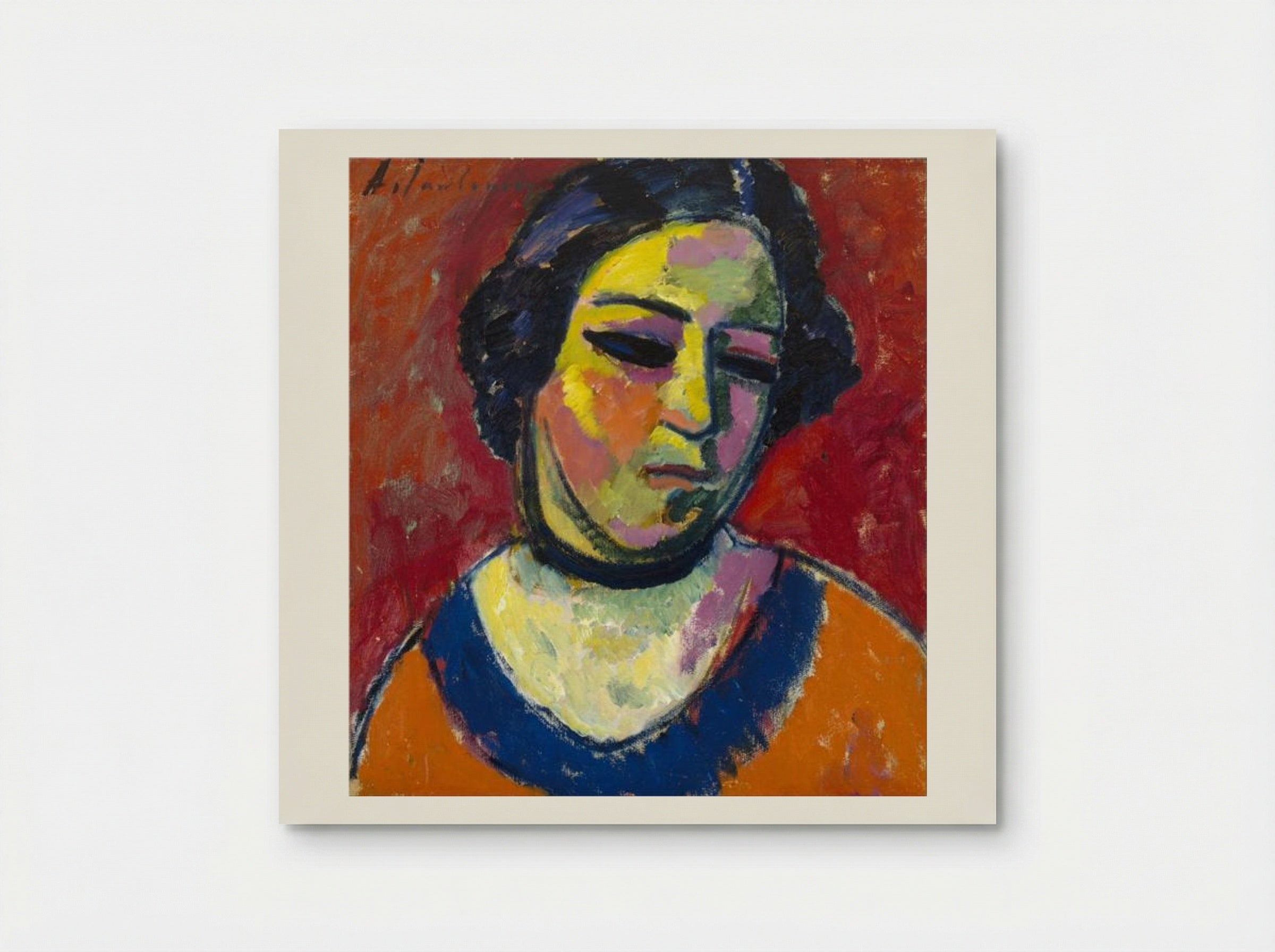
 Portrait of a Woman - Alexej von Jawlensky
Print · Framed · Canvas
Regular price From £30.00 GBPSale price From £30.00 GBP Regular price -
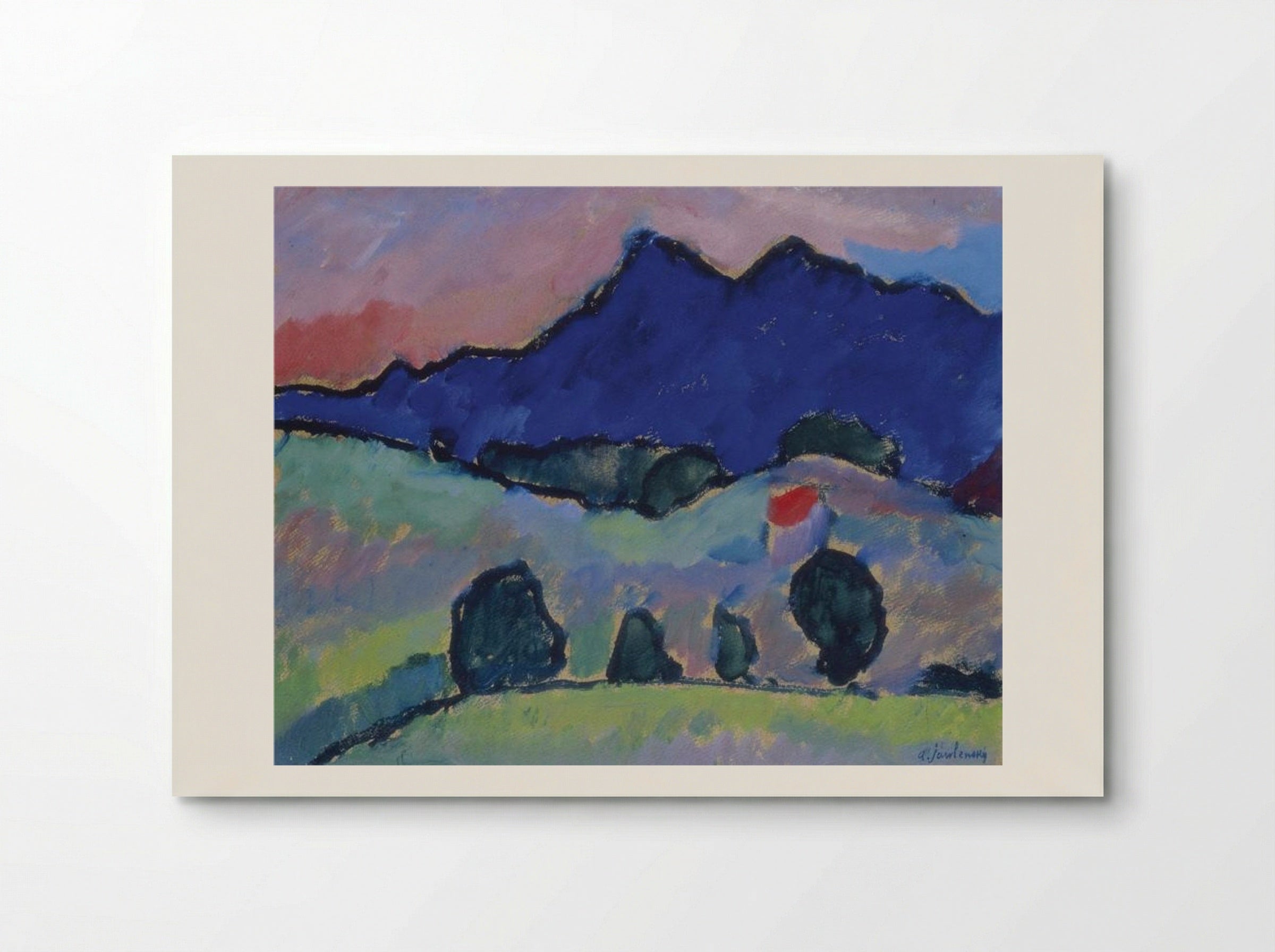
 Blauer Berg - Alexej von Jawlensky
Print · Framed · Canvas
Regular price From £28.00 GBPSale price From £28.00 GBP Regular price -
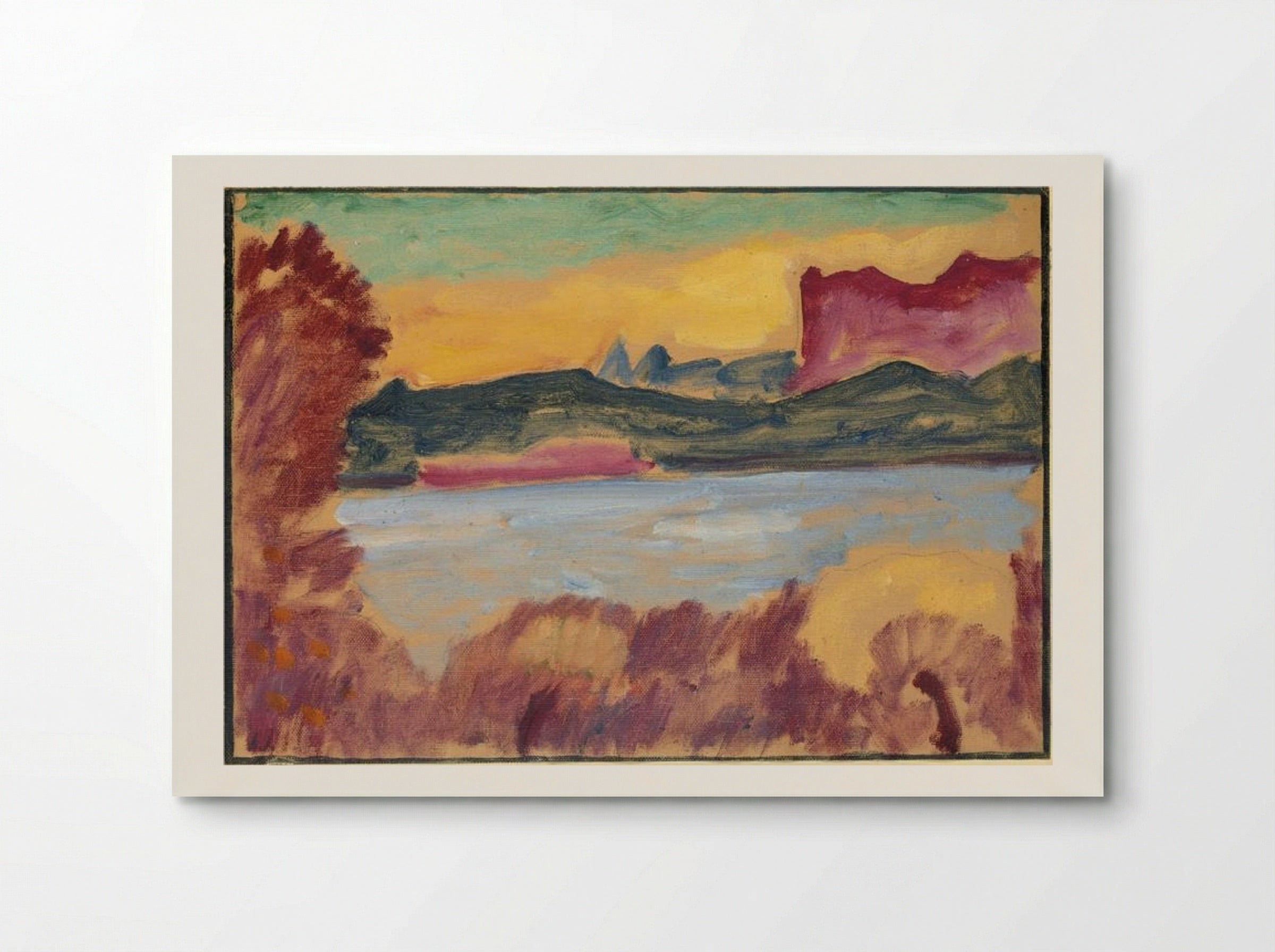
 Landschaft, Genfer See - Alexej von Jawlensky
Print · Framed · Canvas
Regular price From £28.00 GBPSale price From £28.00 GBP Regular price -
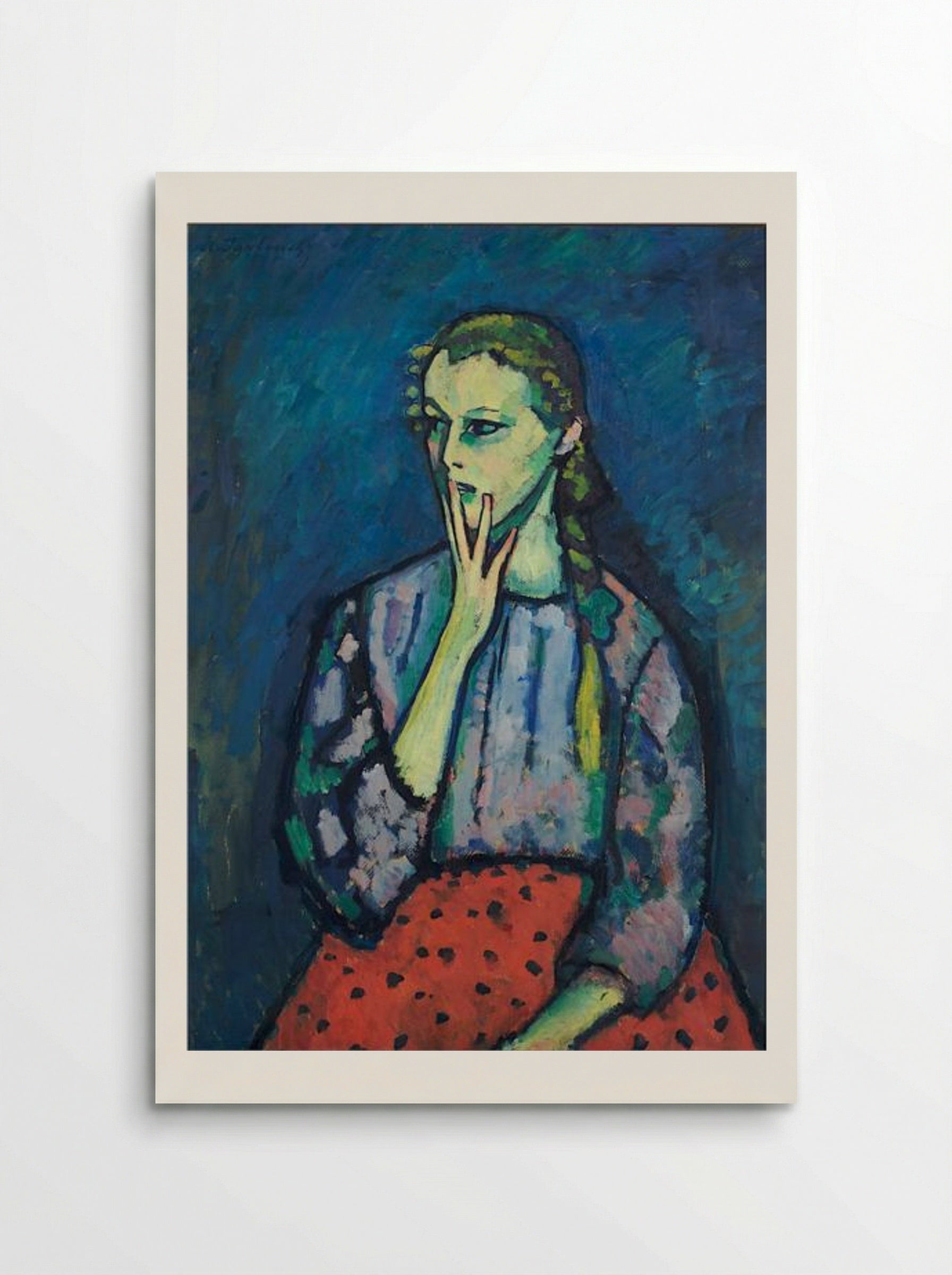
 Portrait of a Girl - Alexej von Jawlensky
Print · Framed · Canvas
Regular price From £28.00 GBPSale price From £28.00 GBP Regular price -
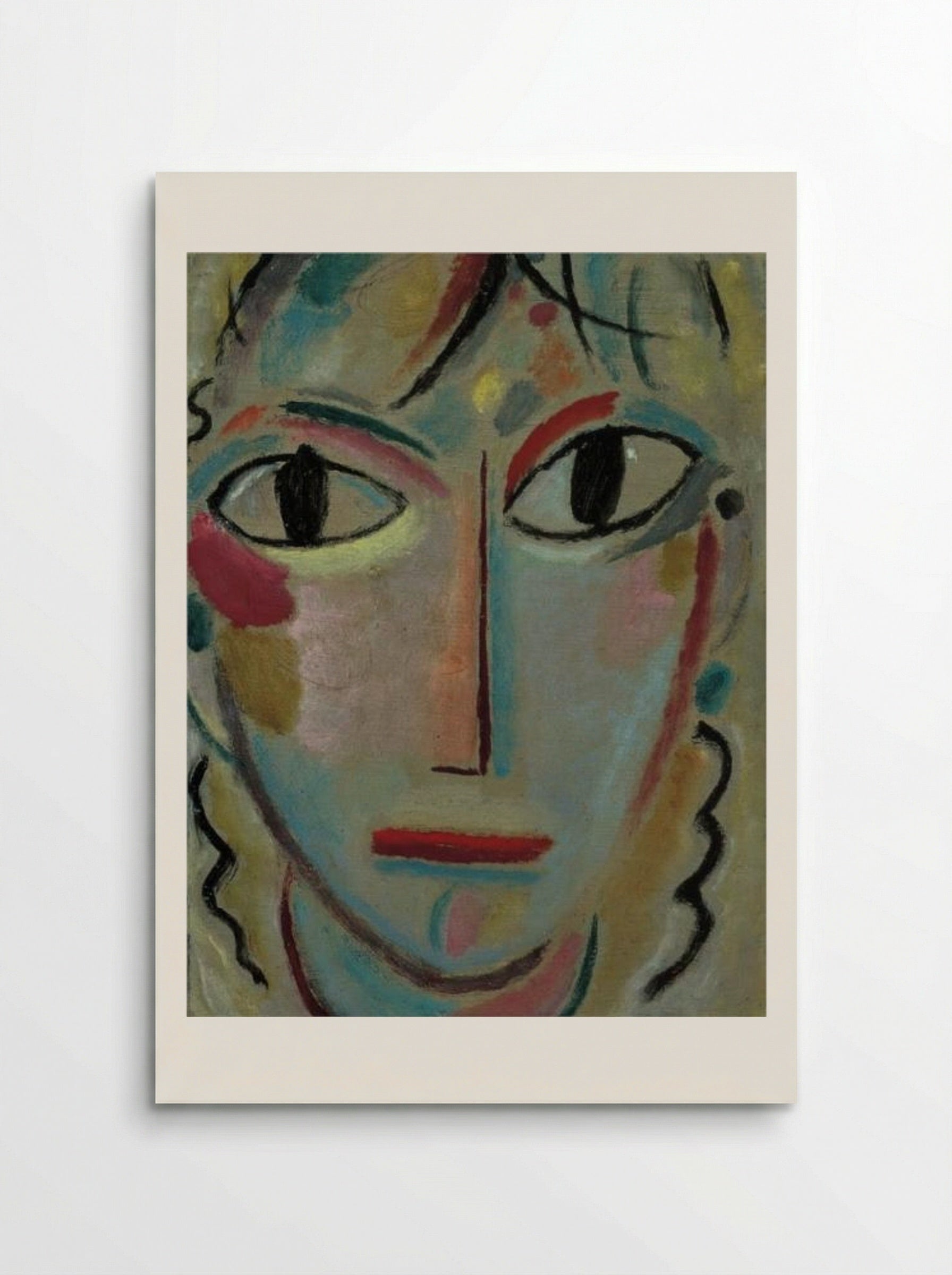
 Astonishment - Alexej von Jawlensky
Print · Framed · Canvas
Regular price From £28.00 GBPSale price From £28.00 GBP Regular price -
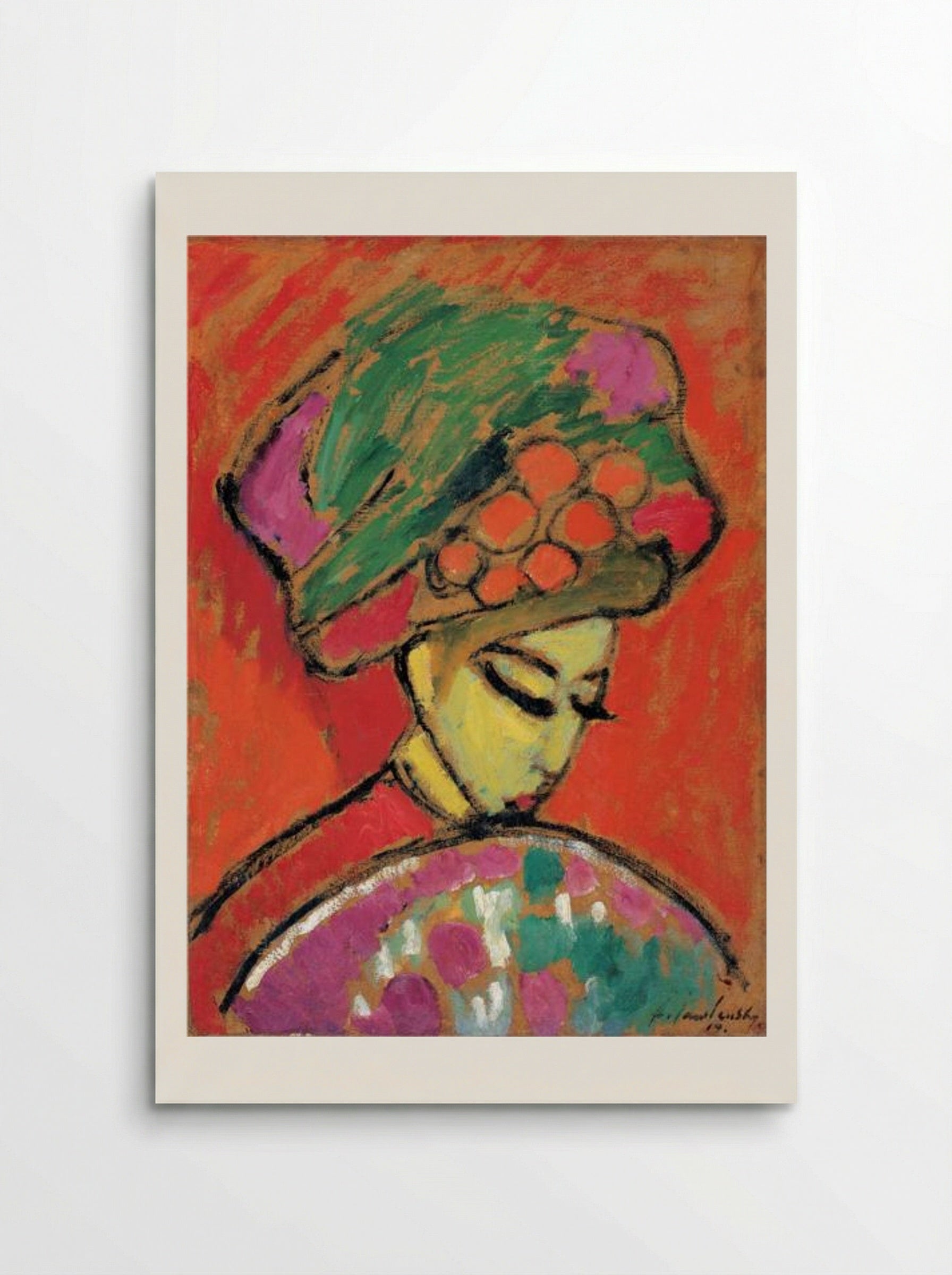
 Young Girl with a Flowered Hat - Alexej von Jawlensky
Print · Framed · Canvas
Regular price From £28.00 GBPSale price From £28.00 GBP Regular price -
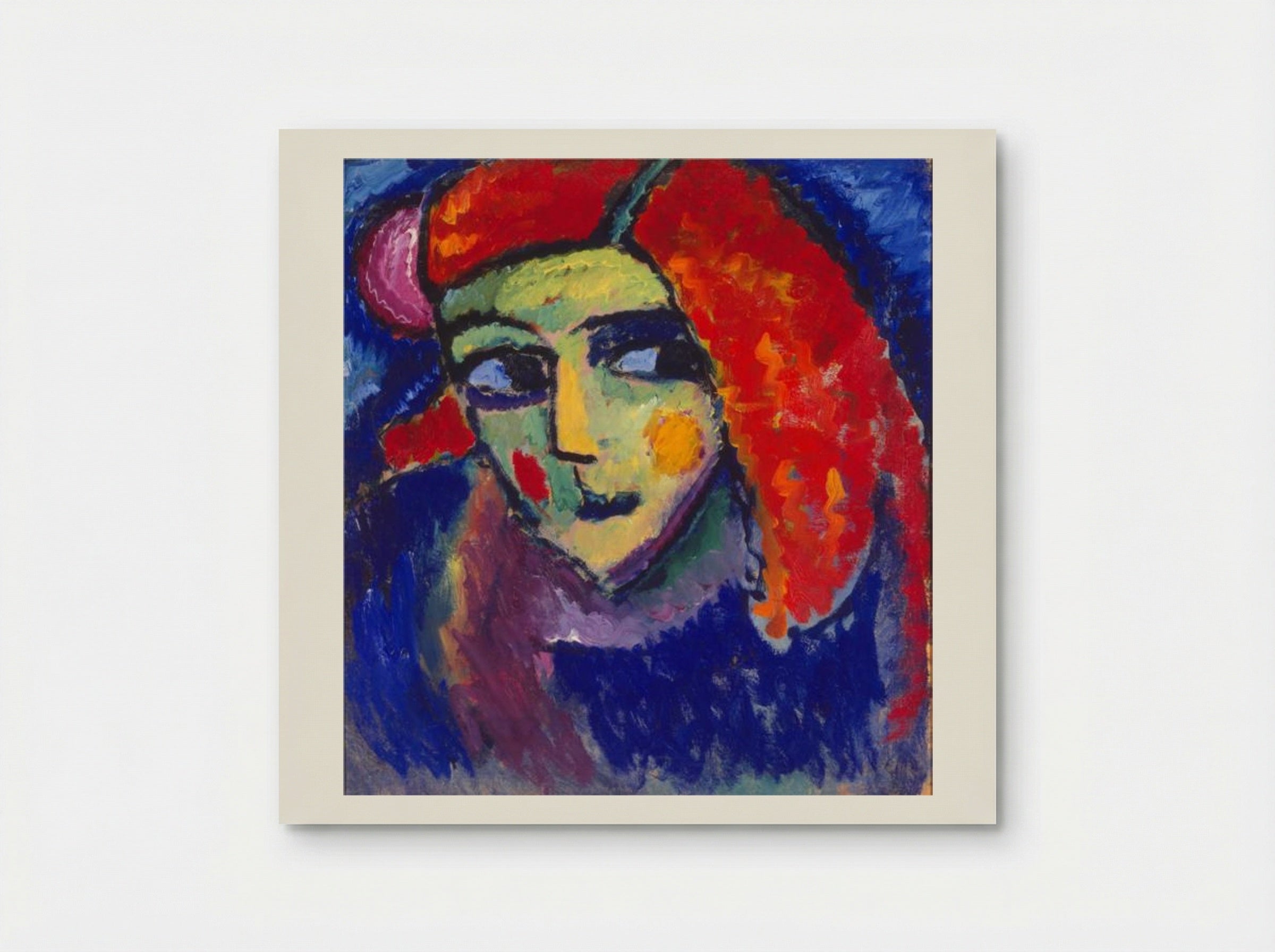
 Pale Woman with Red Hair - Alexej von Jawlensky
Print · Framed · Canvas
Regular price From £30.00 GBPSale price From £30.00 GBP Regular price -
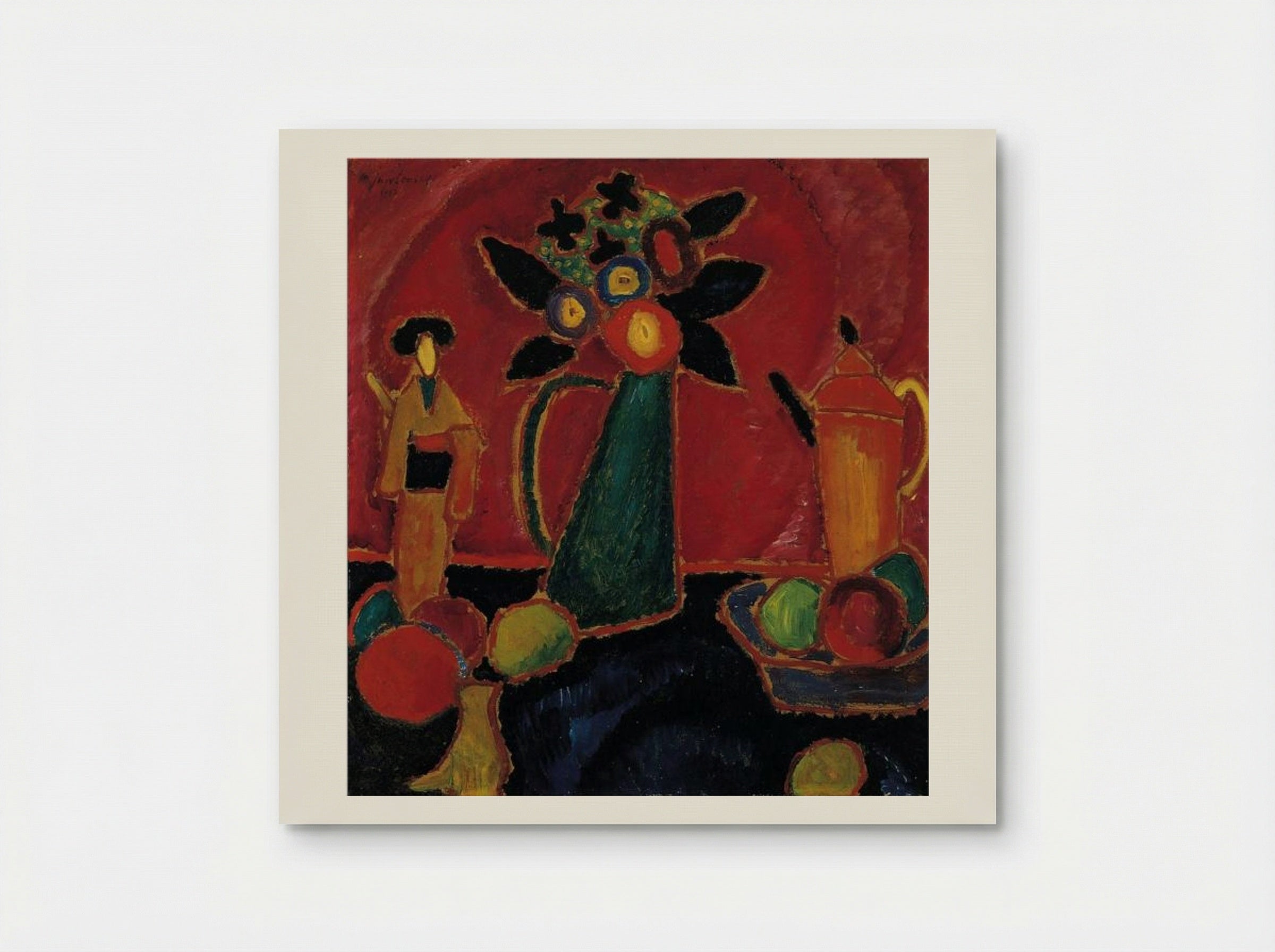
 Japanese Flower - Alexej von Jawlensky
Print · Framed · Canvas
Regular price From £30.00 GBPSale price From £30.00 GBP Regular price -
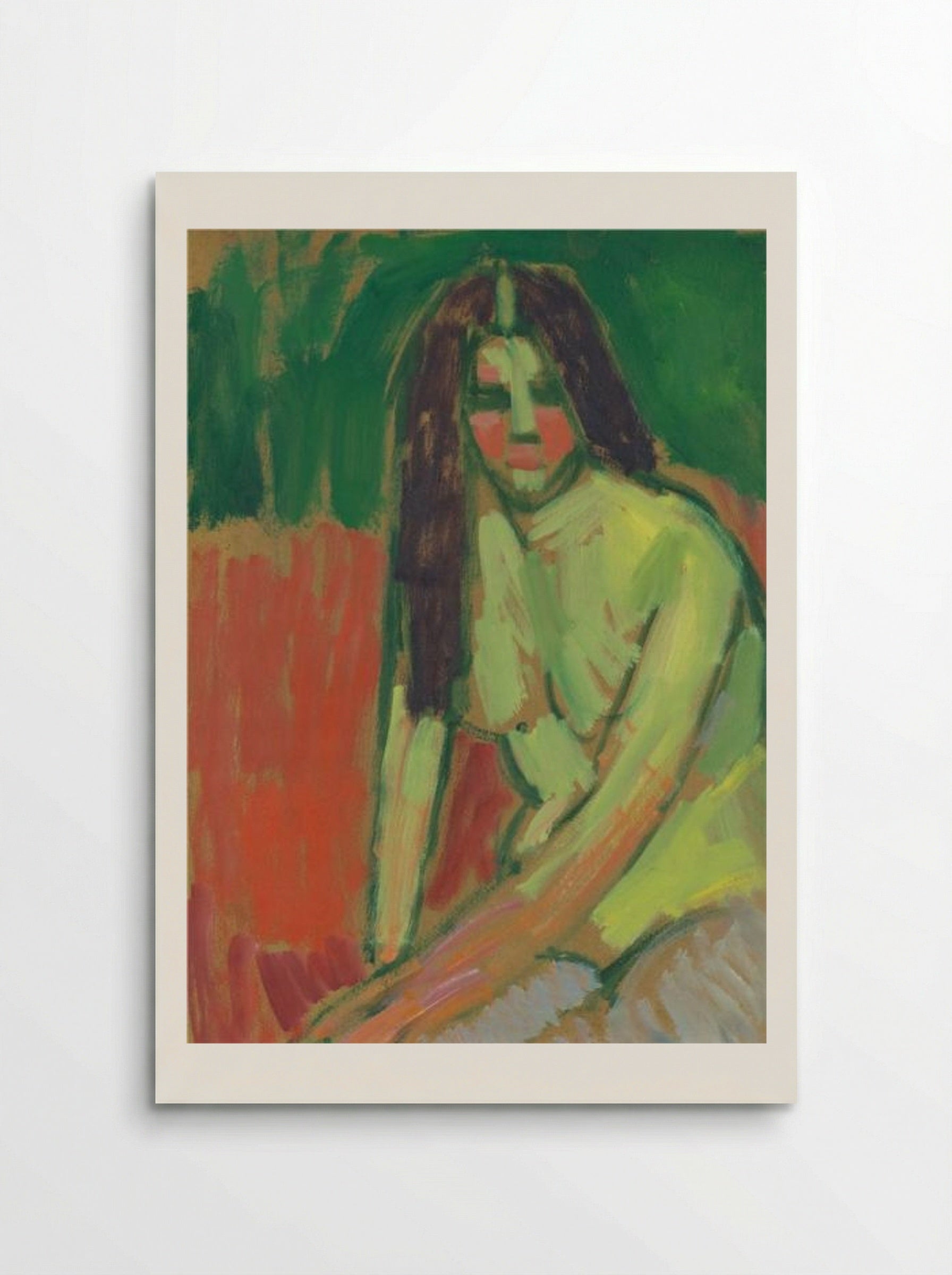
 Half-nude figure with long hair sitting bent - Alexej von Jawlensky
Print · Framed · Canvas
Regular price From £28.00 GBPSale price From £28.00 GBP Regular price -
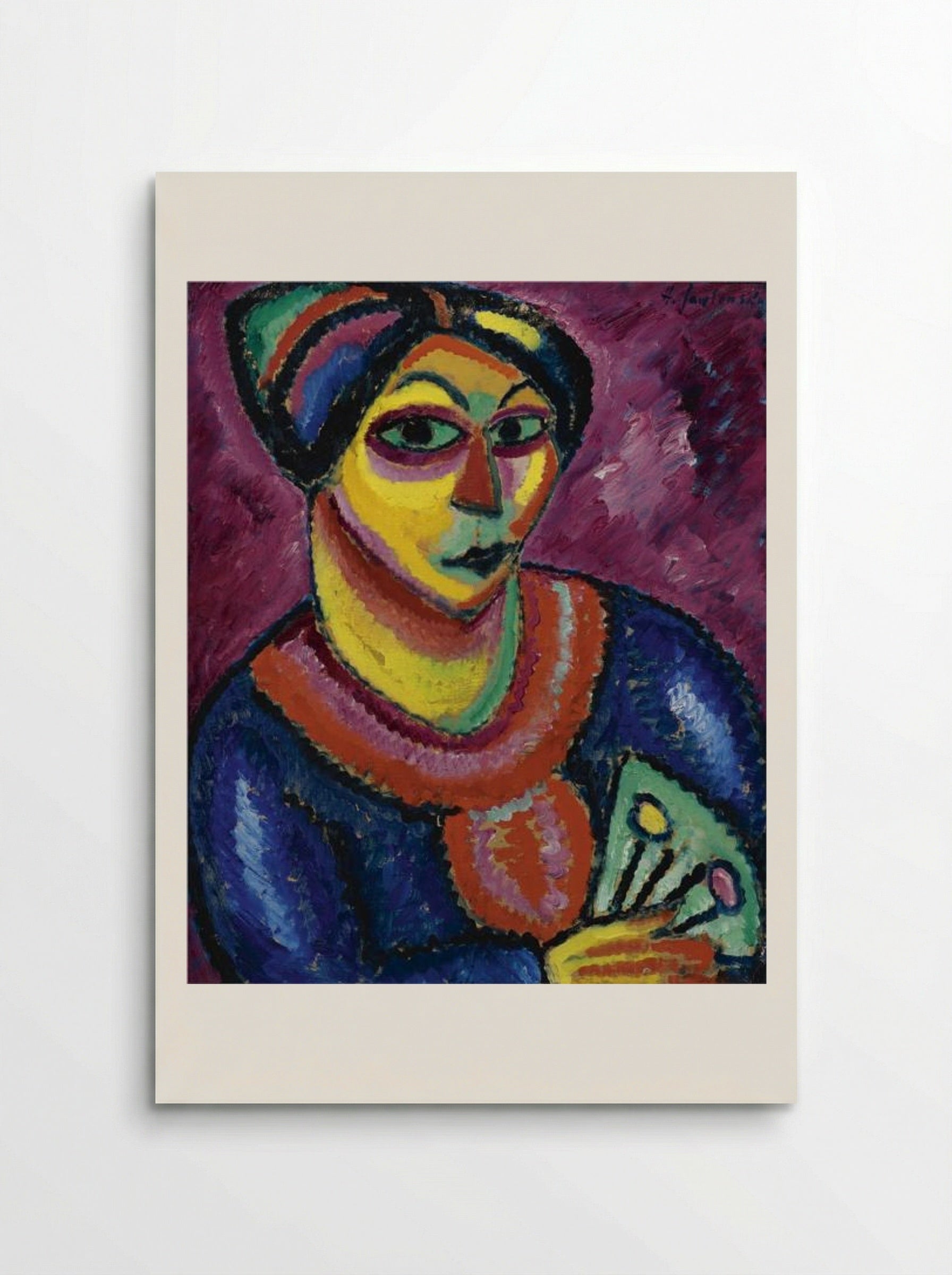
 Woman with a Green Fan - Alexej von Jawlensky
Print · Framed · Canvas
Regular price From £28.00 GBPSale price From £28.00 GBP Regular price -
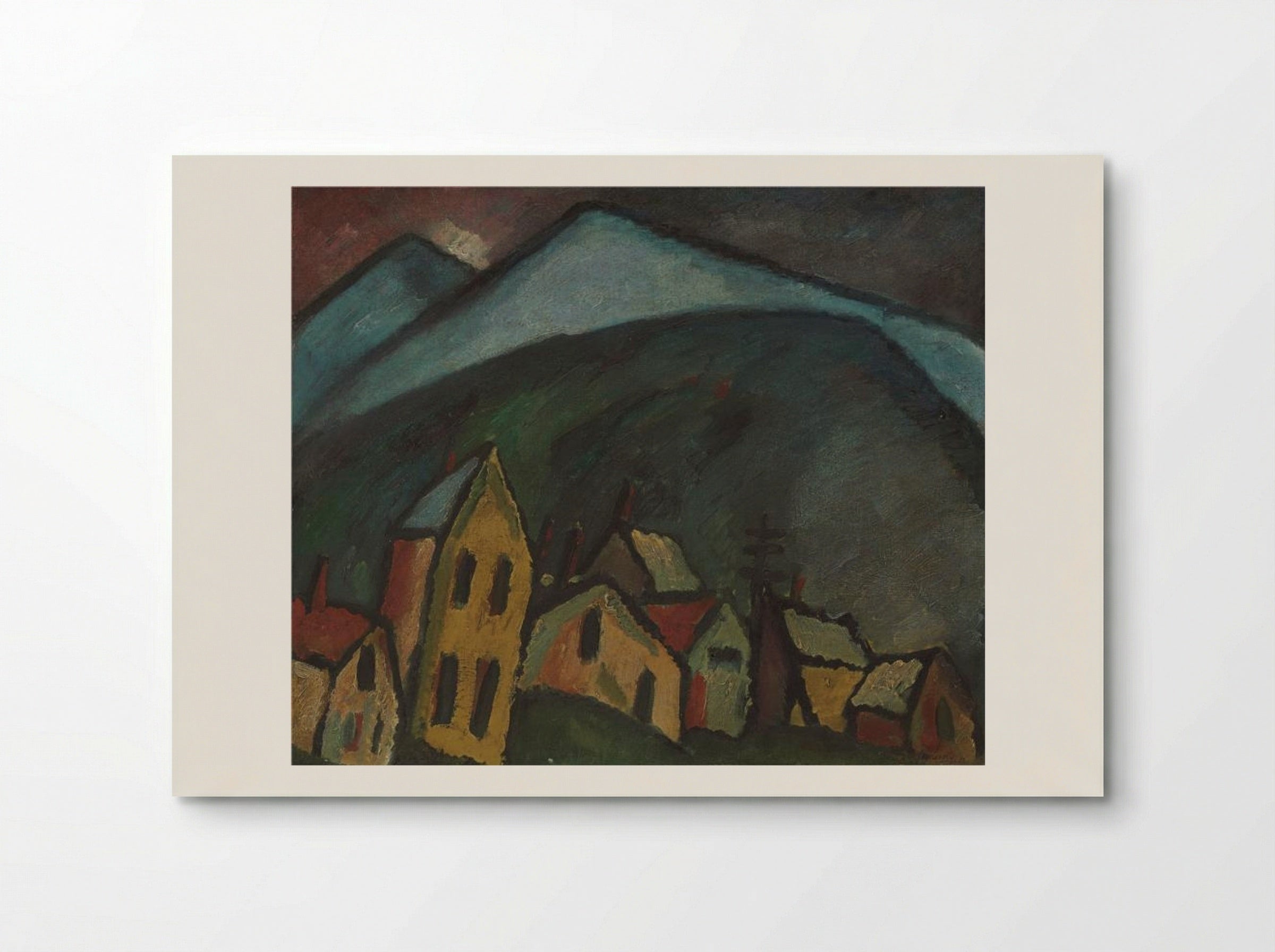
 Berglandschaft mit Häusern - Alexej von Jawlensky
Print · Framed · Canvas
Regular price From £28.00 GBPSale price From £28.00 GBP Regular price -
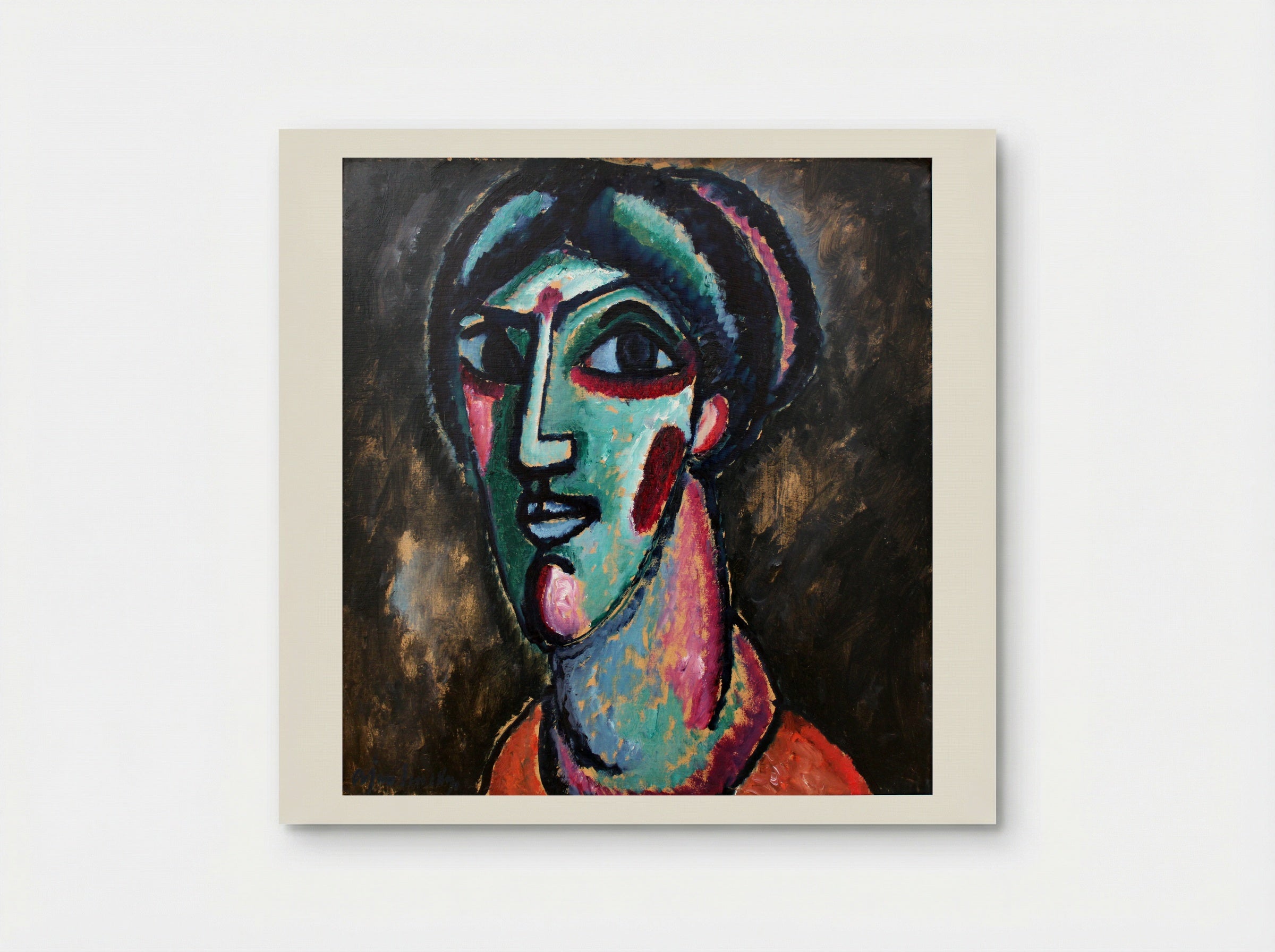
 Head in Black and Green - Alexej von Jawlensky
Print · Framed · Canvas
Regular price From £30.00 GBPSale price From £30.00 GBP Regular price -

 Sitzende Frau - Alexej von Jawlensky
Print · Framed · Canvas
Regular price From £28.00 GBPSale price From £28.00 GBP Regular price -
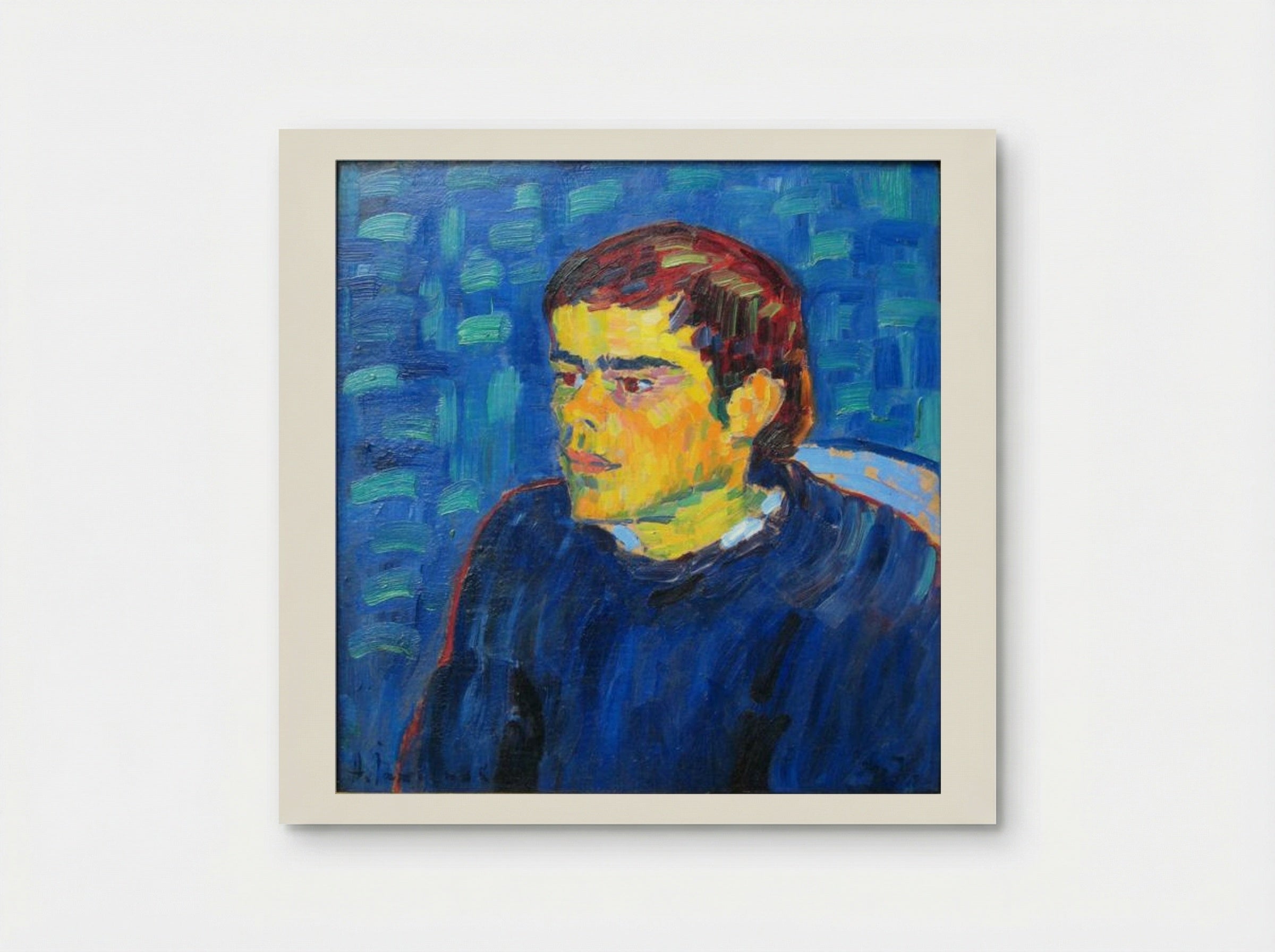
 The Hunchback - Alexej von Jawlensky
Print · Framed · Canvas
Regular price From £30.00 GBPSale price From £30.00 GBP Regular price


Artist Biography
Alexej Von Jawlensky
By 1934, arthritis had locked Jawlensky's fingers and elbows. He clamped the brush between both hands, arms outstretched, and painted roughly a thousand small canvases he called Meditations. They are among the most concentrated devotional images in modern art, produced by a man who could barely move.
Jawlensky was born in Torzhok, Russia, in 1864, the fifth child of a military family. He trained as an officer in the Imperial Guard before abandoning that career in 1889 to study painting under Ilya Repin in St Petersburg. His patron and companion Marianne von Werefkin, herself a successful painter, financed their move to Munich in 1896. There he met Kandinsky, beginning a friendship that would shape both their careers.
Matisse, Van Gogh and Gauguin all pushed Jawlensky toward bolder colour, but his real catalyst was a trip to Provence in 1905 that convinced him colour could carry spiritual weight without representational accuracy. Back in Munich he produced intense, mask-like portraits: the Mystical Heads (1917 to 1919) and Saviour's Faces (1918 to 1920) drew directly on Russian Orthodox icon traditions from his childhood. He studied theosophy, yoga and Rudolf Steiner's anthroposophy, seeking a synthesis of Eastern and Western spiritual practice through paint.
He co-founded the New Munich Artists' Association with Kandinsky and later joined Der Blaue Reiter. In 1924, Emmy Scheyer (whom Jawlensky nicknamed "Galka", Russian for jackdaw) abandoned her own painting career to promote his work in America, forming Die Blaue Vier with Jawlensky, Kandinsky, Klee and Feininger. The First World War had already forced Jawlensky from Germany to Switzerland; he returned to Wiesbaden in 1921 and stayed until his death in 1941, increasingly isolated as the Nazis classified his work as degenerate.
Jawlensky was born in Torzhok, Russia, in 1864, the fifth child of a military family. He trained as an officer in the Imperial Guard before abandoning that career in 1889 to study painting under Ilya Repin in St Petersburg. His patron and companion Marianne von Werefkin, herself a successful painter, financed their move to Munich in 1896. There he met Kandinsky, beginning a friendship that would shape both their careers.
Matisse, Van Gogh and Gauguin all pushed Jawlensky toward bolder colour, but his real catalyst was a trip to Provence in 1905 that convinced him colour could carry spiritual weight without representational accuracy. Back in Munich he produced intense, mask-like portraits: the Mystical Heads (1917 to 1919) and Saviour's Faces (1918 to 1920) drew directly on Russian Orthodox icon traditions from his childhood. He studied theosophy, yoga and Rudolf Steiner's anthroposophy, seeking a synthesis of Eastern and Western spiritual practice through paint.
He co-founded the New Munich Artists' Association with Kandinsky and later joined Der Blaue Reiter. In 1924, Emmy Scheyer (whom Jawlensky nicknamed "Galka", Russian for jackdaw) abandoned her own painting career to promote his work in America, forming Die Blaue Vier with Jawlensky, Kandinsky, Klee and Feininger. The First World War had already forced Jawlensky from Germany to Switzerland; he returned to Wiesbaden in 1921 and stayed until his death in 1941, increasingly isolated as the Nazis classified his work as degenerate.


Why Choose Us ?