

Collection
Sonia Delaunay
Explore curated art prints selected for distinctive homes and considered interiors.
Suggested filters
-
 Robe Poème, Oublions Les Oiseaux… - Sonia Delaunay
Print
Regular price From £28.00 GBPSale price From £28.00 GBP Regular price -
 Robe Poème, L’Ange a Glissé… - Sonia Delaunay
Print
Regular price From £28.00 GBPSale price From £28.00 GBP Regular price -
 Costume Design for Cleopatra - Sonia Delaunay
Print
Regular price From £28.00 GBPSale price From £28.00 GBP Regular price -
 Untitled (Abstract Composition) - Sonia Delaunay
Print
Regular price From £28.00 GBPSale price From £28.00 GBP Regular price -
 Montjoie - Sonia Delaunay
Print
Regular price From £28.00 GBPSale price From £28.00 GBP Regular price -
 Electric Prisms - Sonia Delaunay
Print
Regular price From £37.00 GBPSale price From £37.00 GBP Regular price -
 Abstract Composition - Sonia Delaunay
Print
Regular price From £28.00 GBPSale price From £28.00 GBP Regular price -
 Composition with green and blue - Sonia Delaunay
Print
Regular price From £28.00 GBPSale price From £28.00 GBP Regular price -

 Color Rhythm - Sonia Delaunay
Print · Framed
Regular price From £28.00 GBPSale price From £28.00 GBP Regular price -

 Market at Minho - Sonia Delaunay
Print · Framed · Canvas
Regular price From £28.00 GBPSale price From £28.00 GBP Regular price -
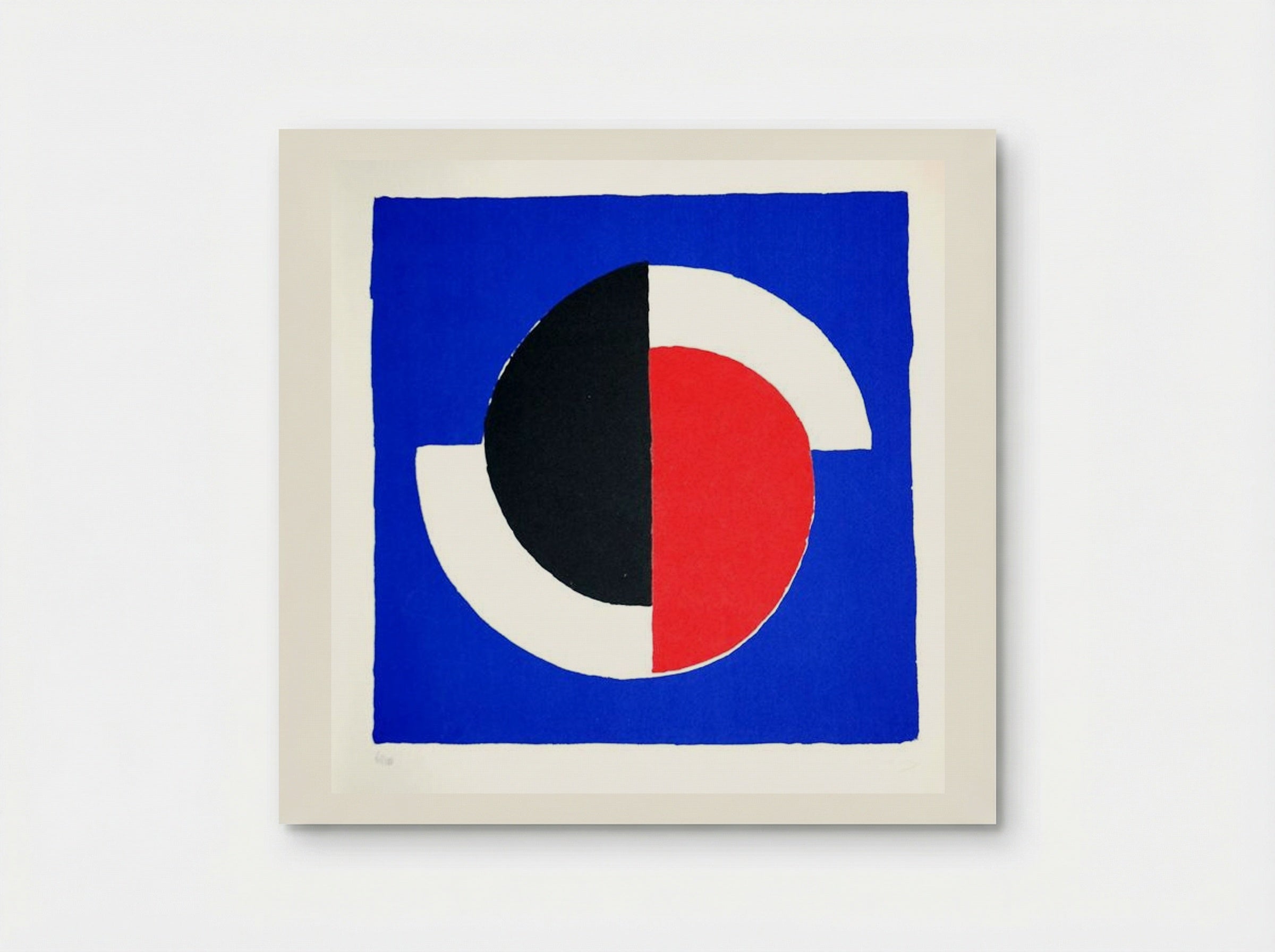 Composition Red, Blue, Black, White - Sonia Delaunay
Print
Regular price From £37.00 GBPSale price From £37.00 GBP Regular price -
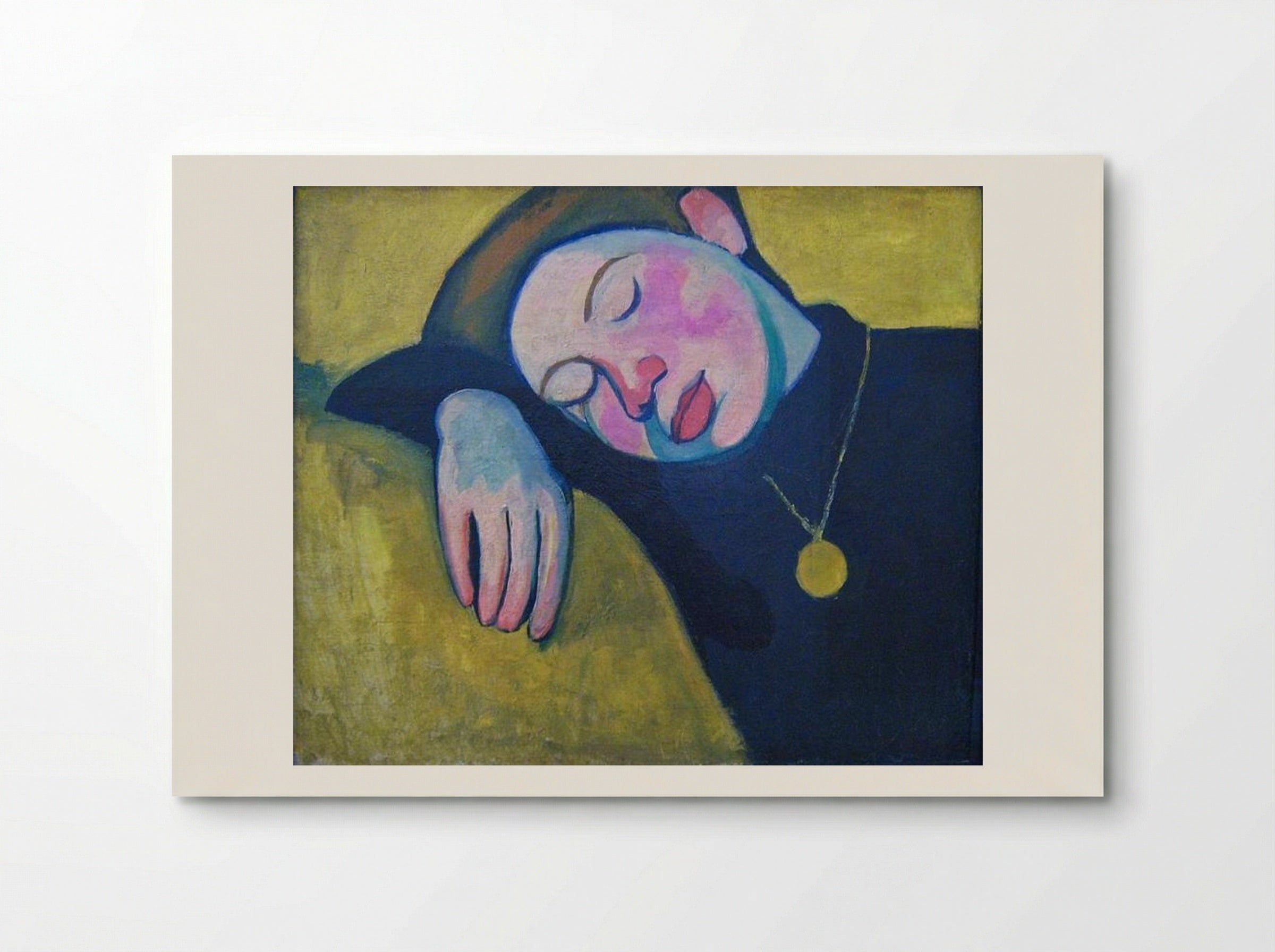 Sleeping Girl - Sonia Delaunay
Print
Regular price From £28.00 GBPSale price From £28.00 GBP Regular price -
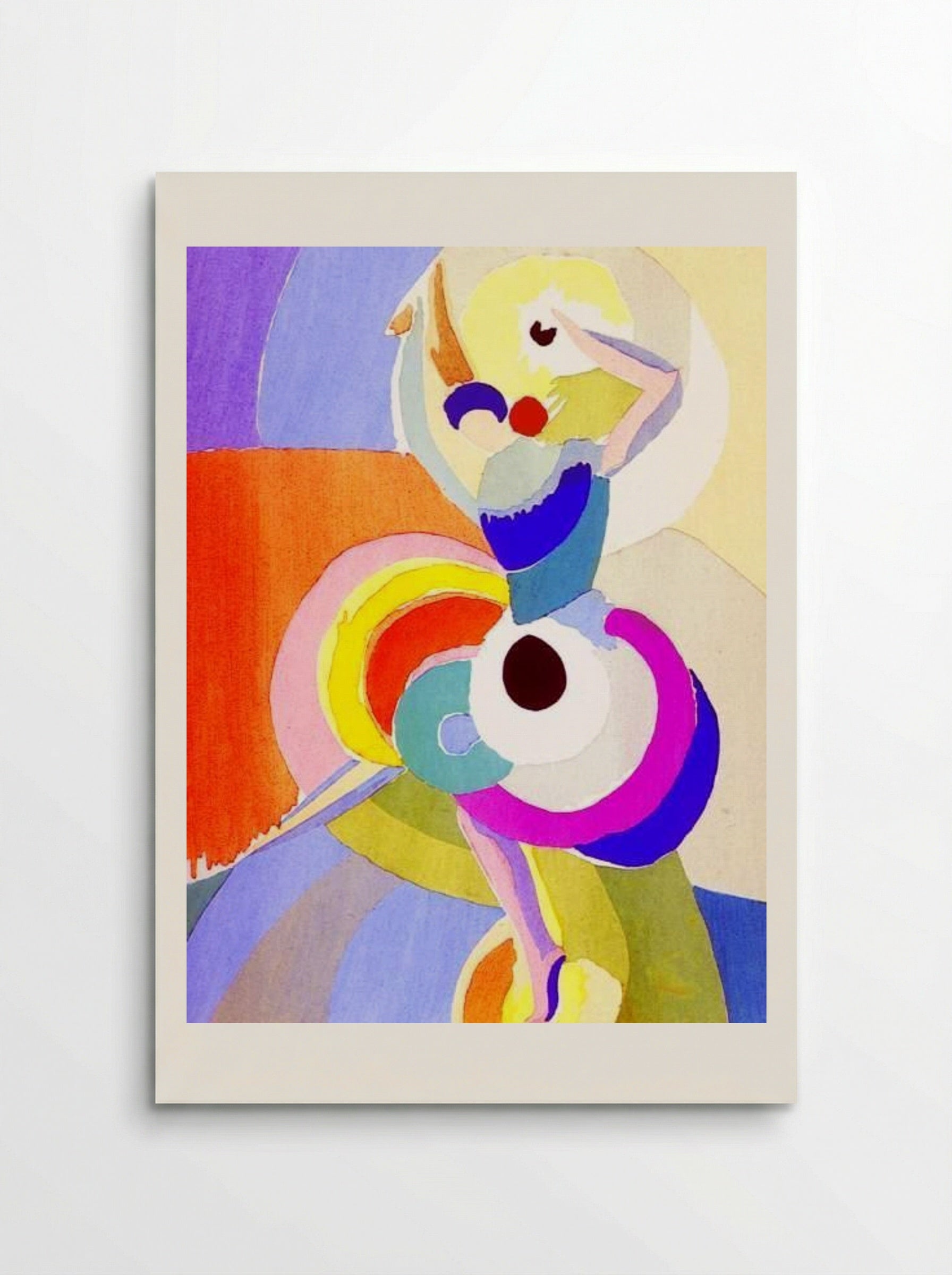 Flamenco Dancer - Sonia Delaunay
Print
Regular price From £28.00 GBPSale price From £28.00 GBP Regular price -
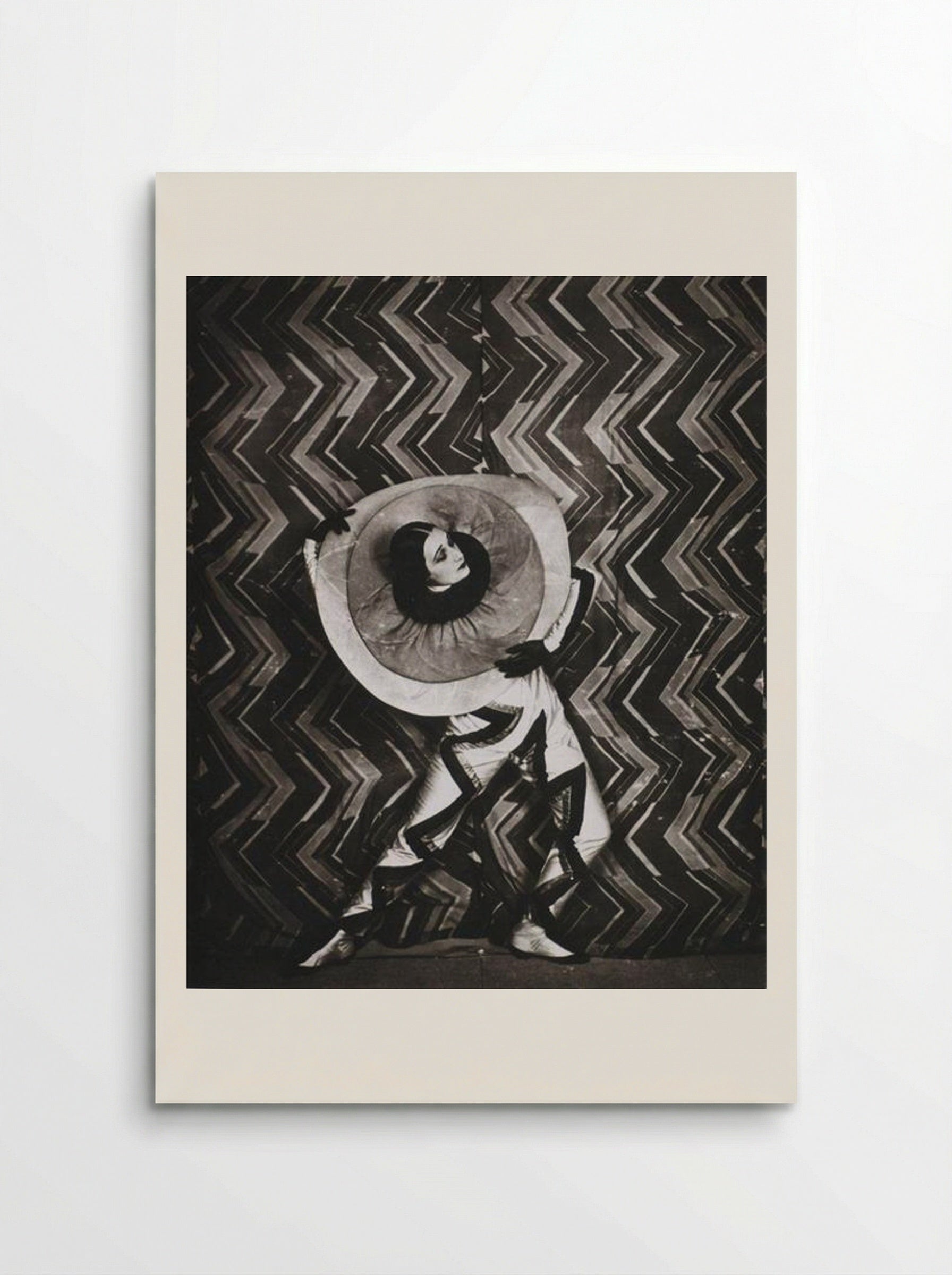
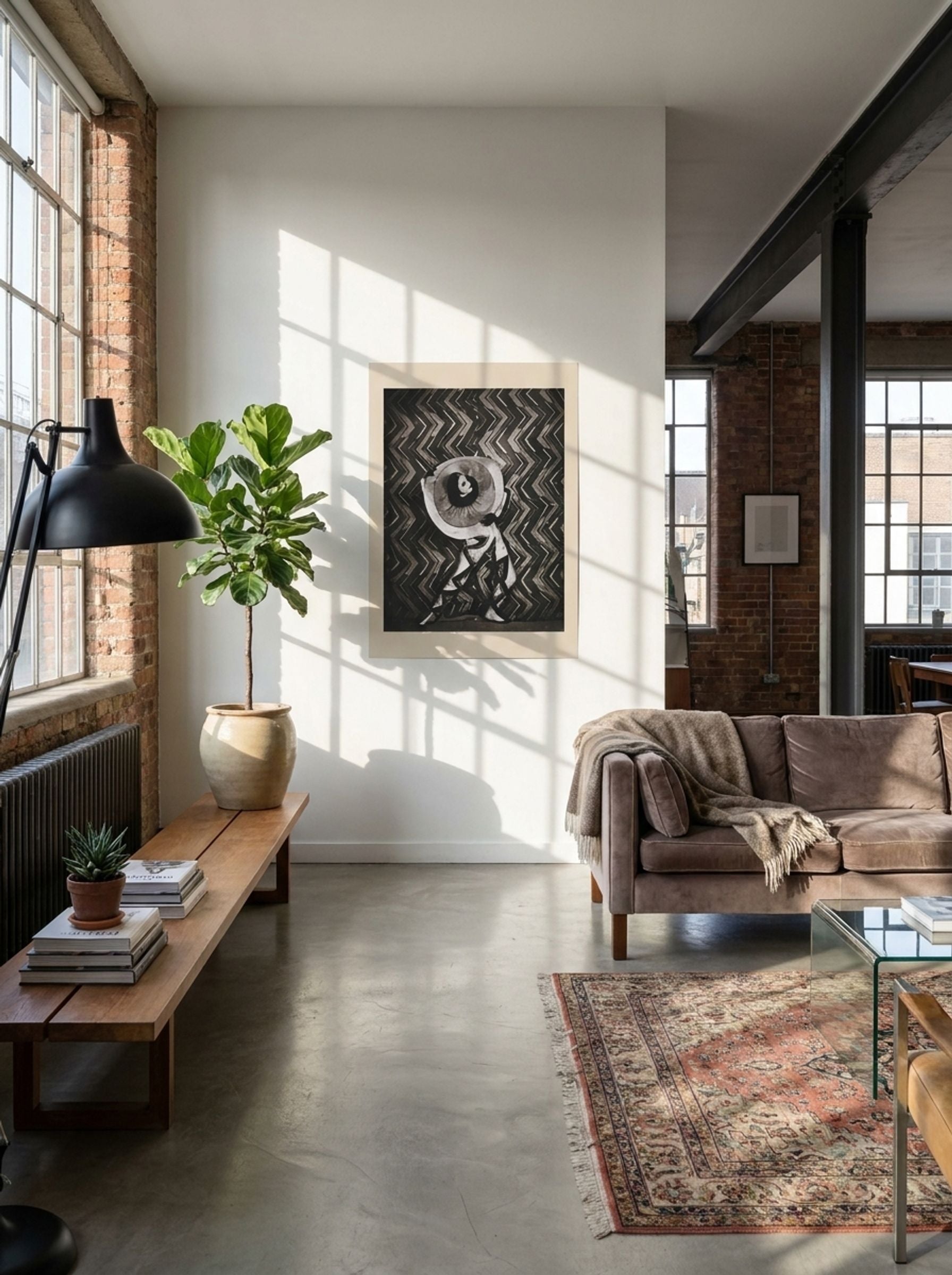 Wearing the Pierrot-Éclair costume designed by Sonia Delaunay, on the set of René Le Somptier’s film Le P’tit Parigot - Sonia Delaunay
Print · Framed
Regular price From £28.00 GBPSale price From £28.00 GBP Regular price -
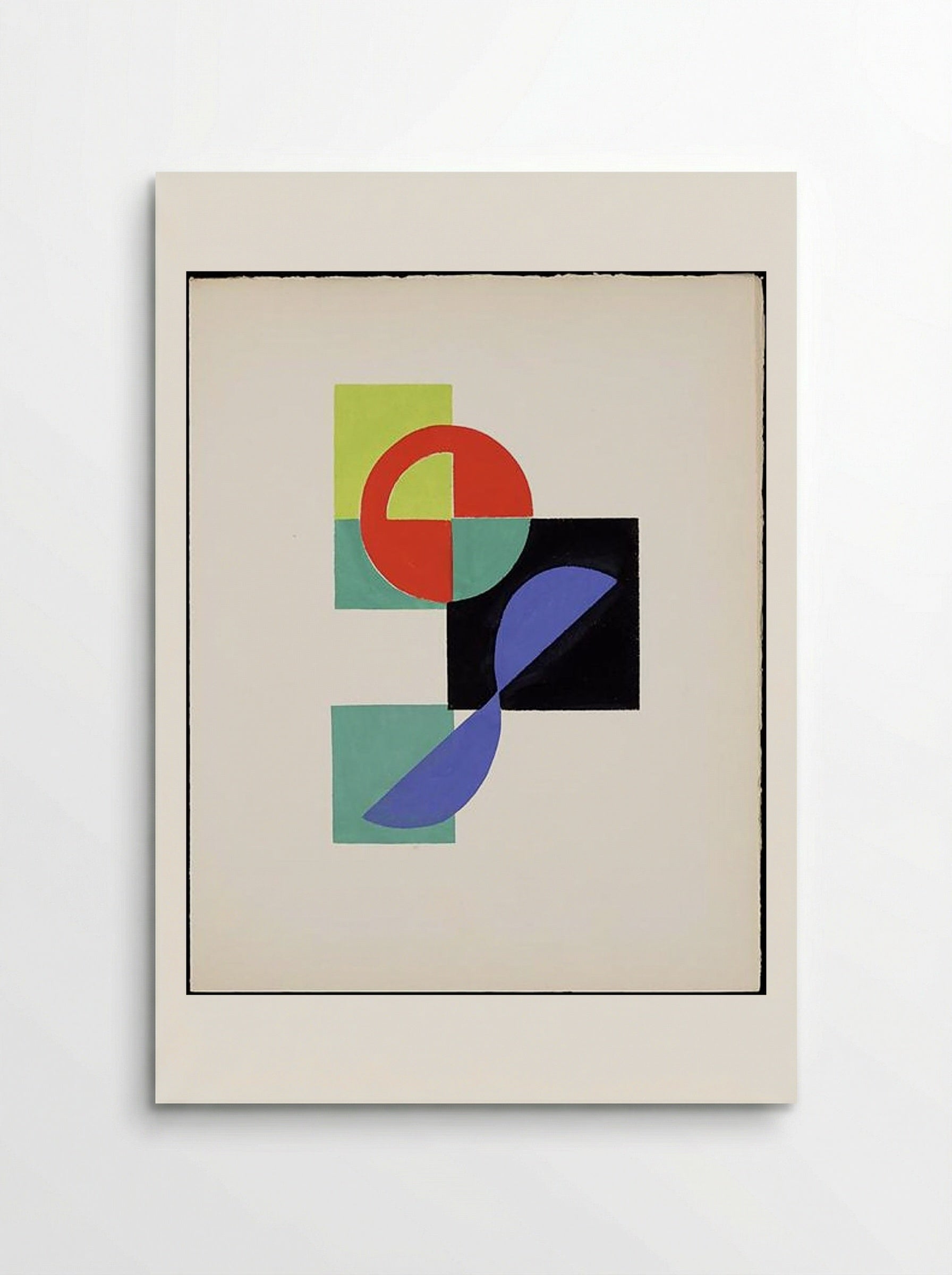
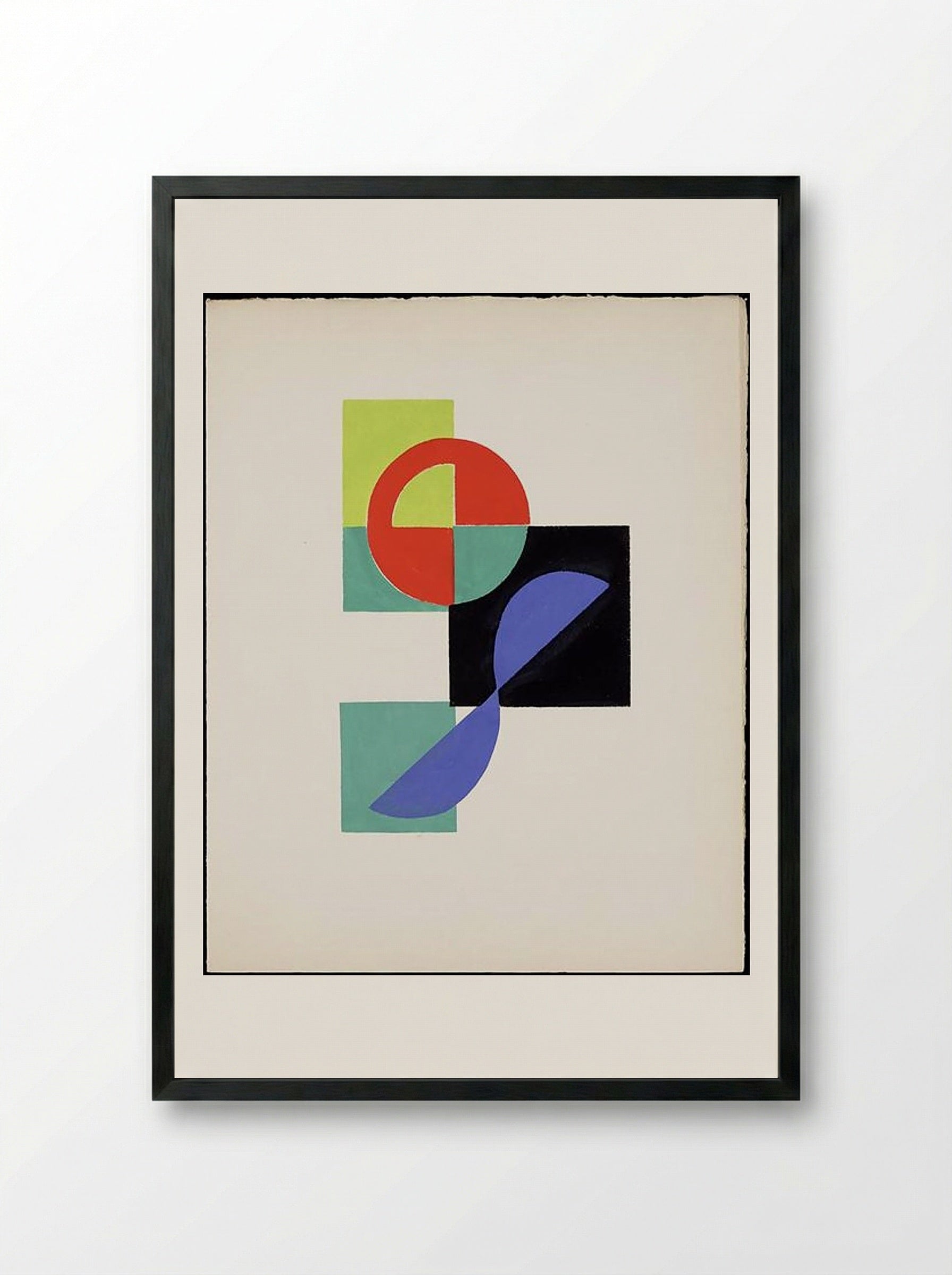 Untitled (Illustration for Tristan Tzara's _Le fruit permis_) - Sonia Delaunay
Print · Framed
Regular price From £28.00 GBPSale price From £28.00 GBP Regular price -
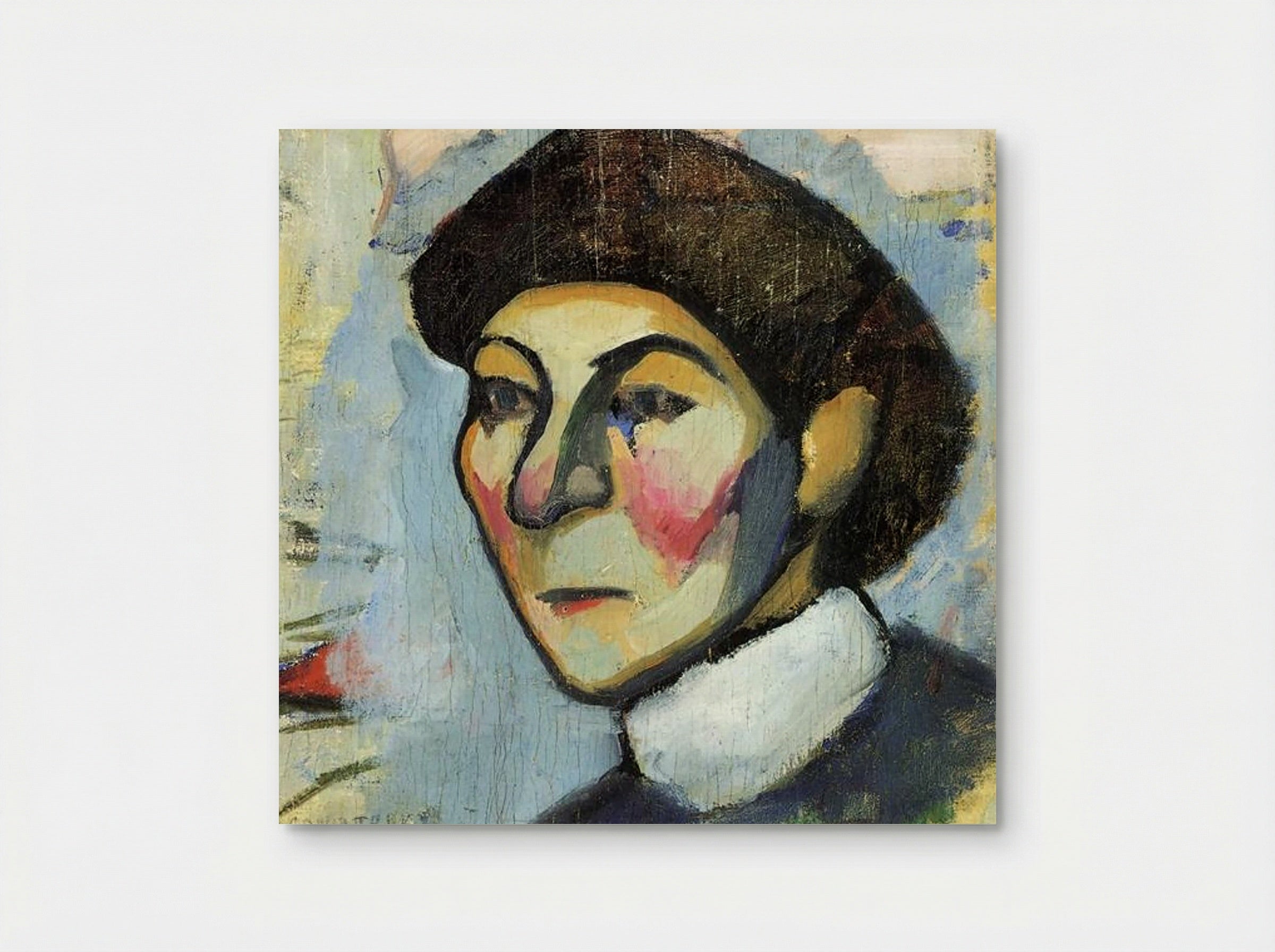
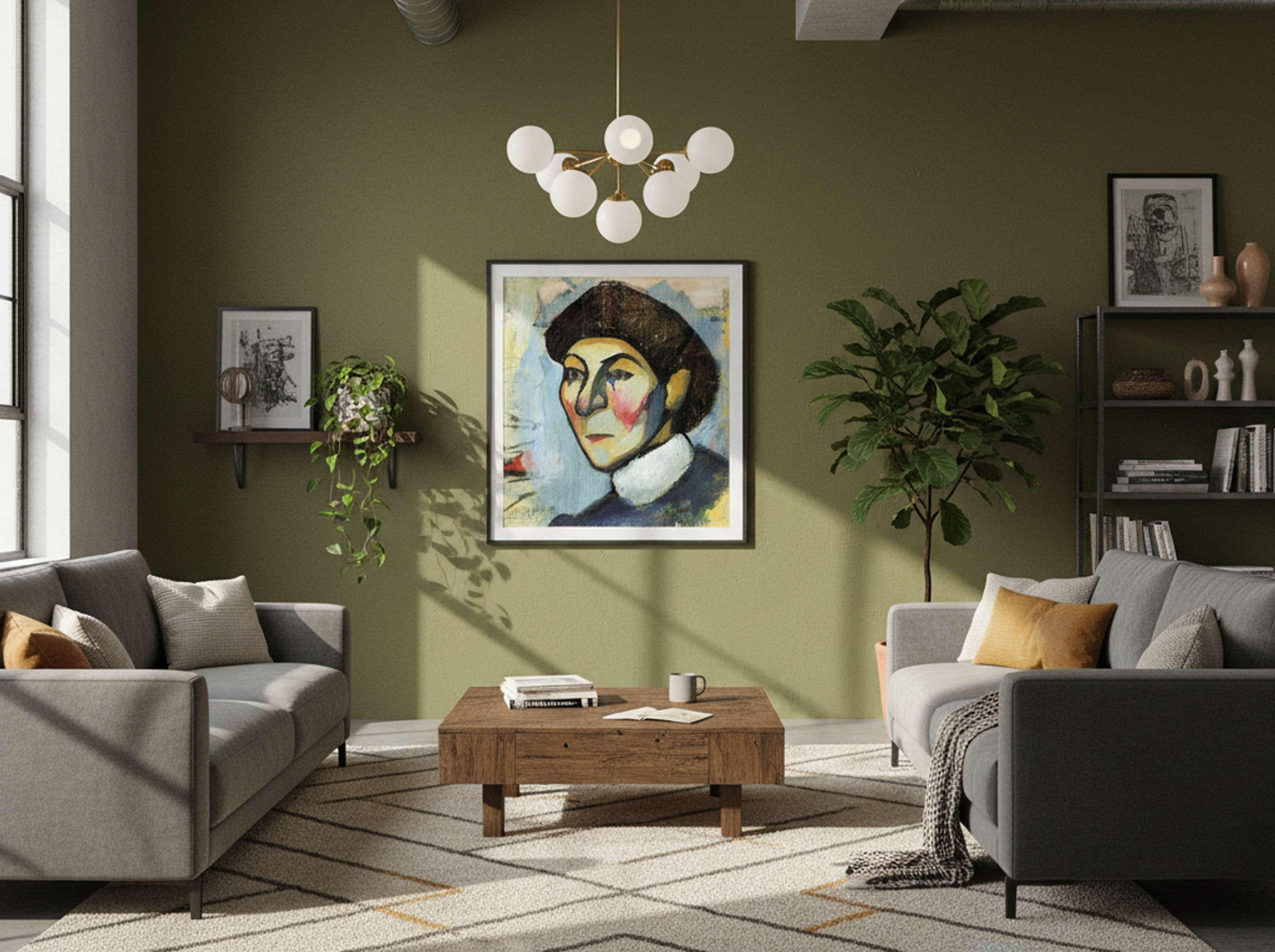 Portrait of Philomene - Sonia Delaunay
Print · Framed
Regular price From £37.00 GBPSale price From £37.00 GBP Regular price -
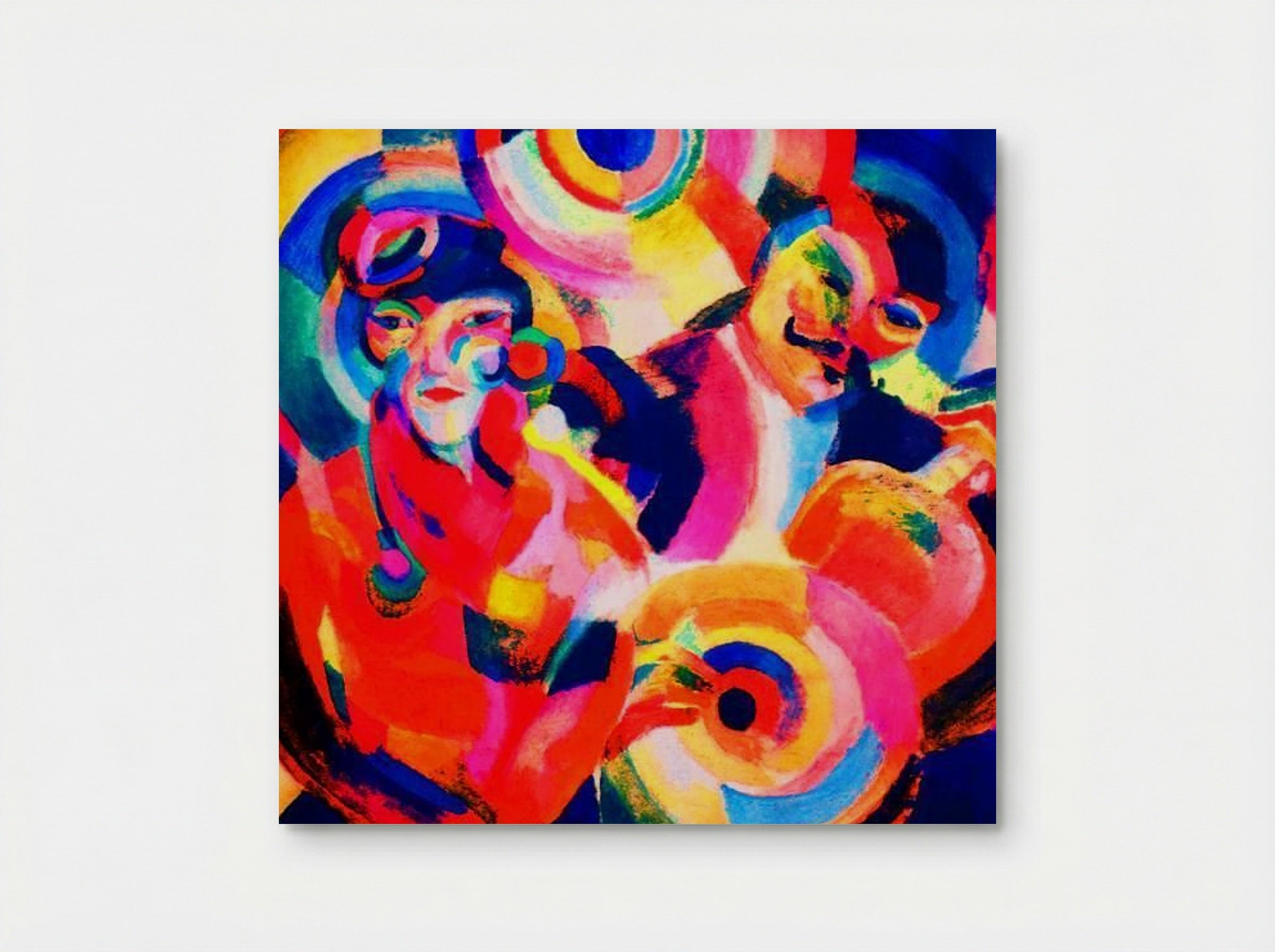
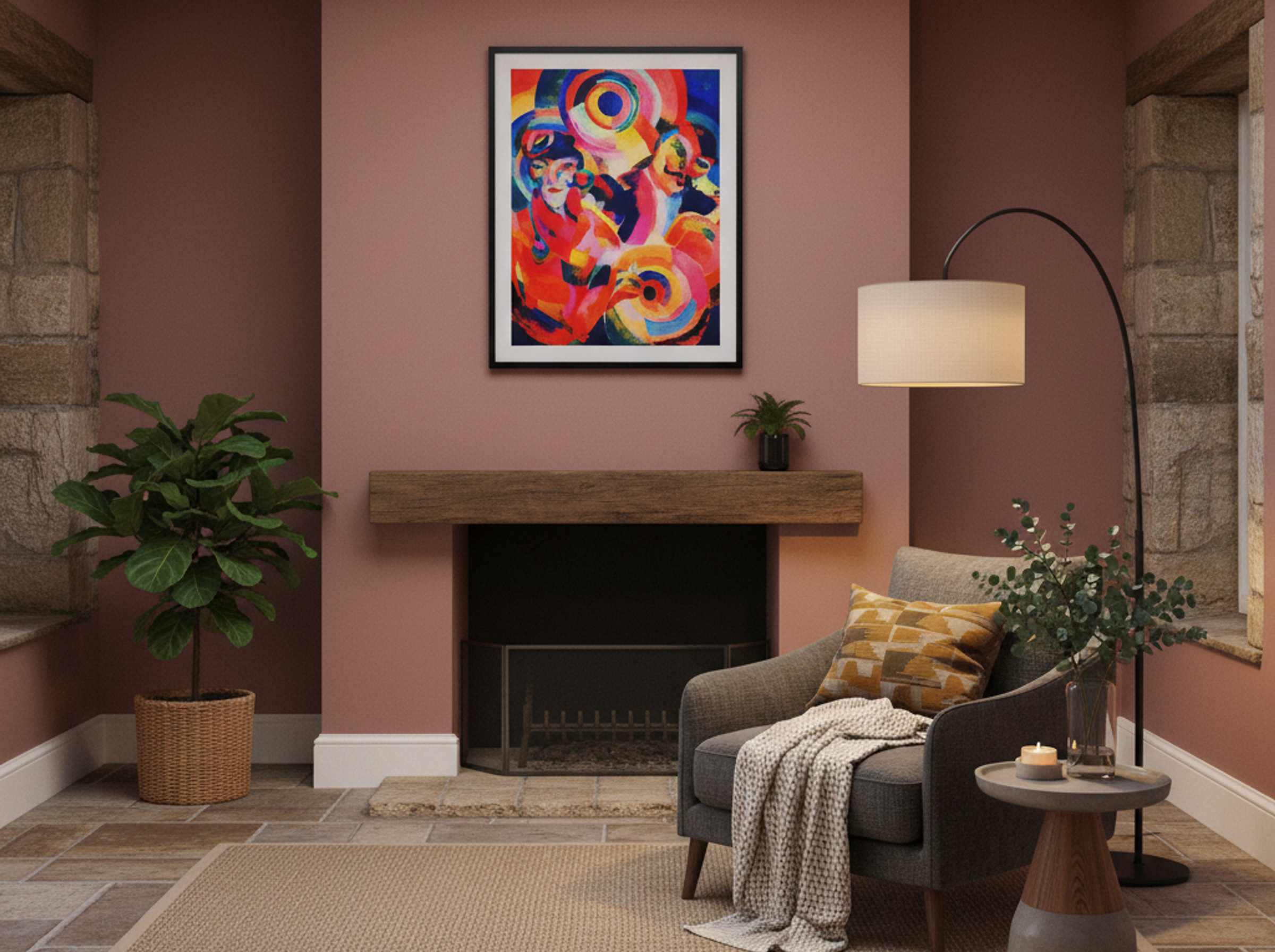 Flamenco Singer - Sonia Delaunay
Print · Framed
Regular price From £37.00 GBPSale price From £37.00 GBP Regular price -
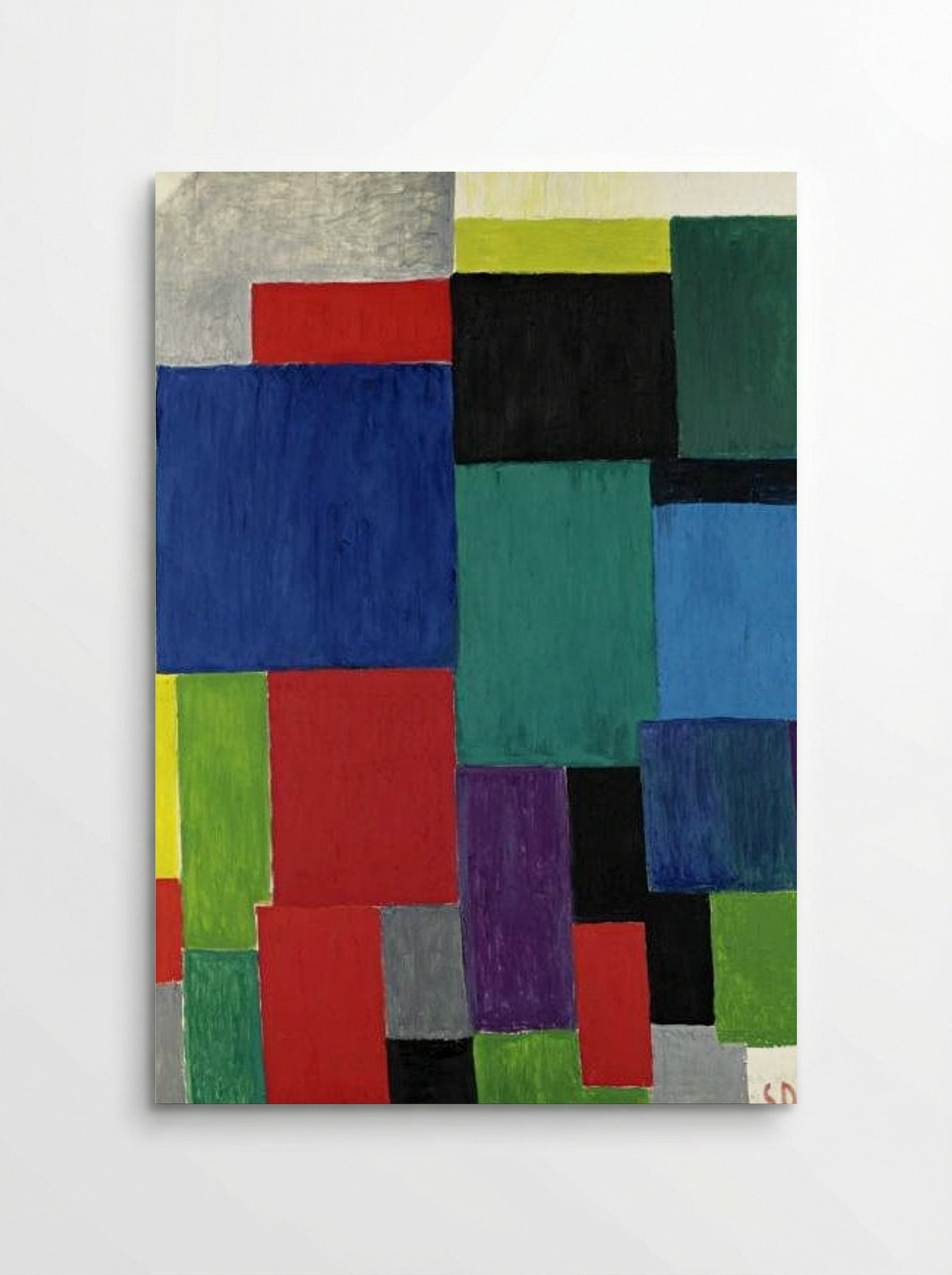
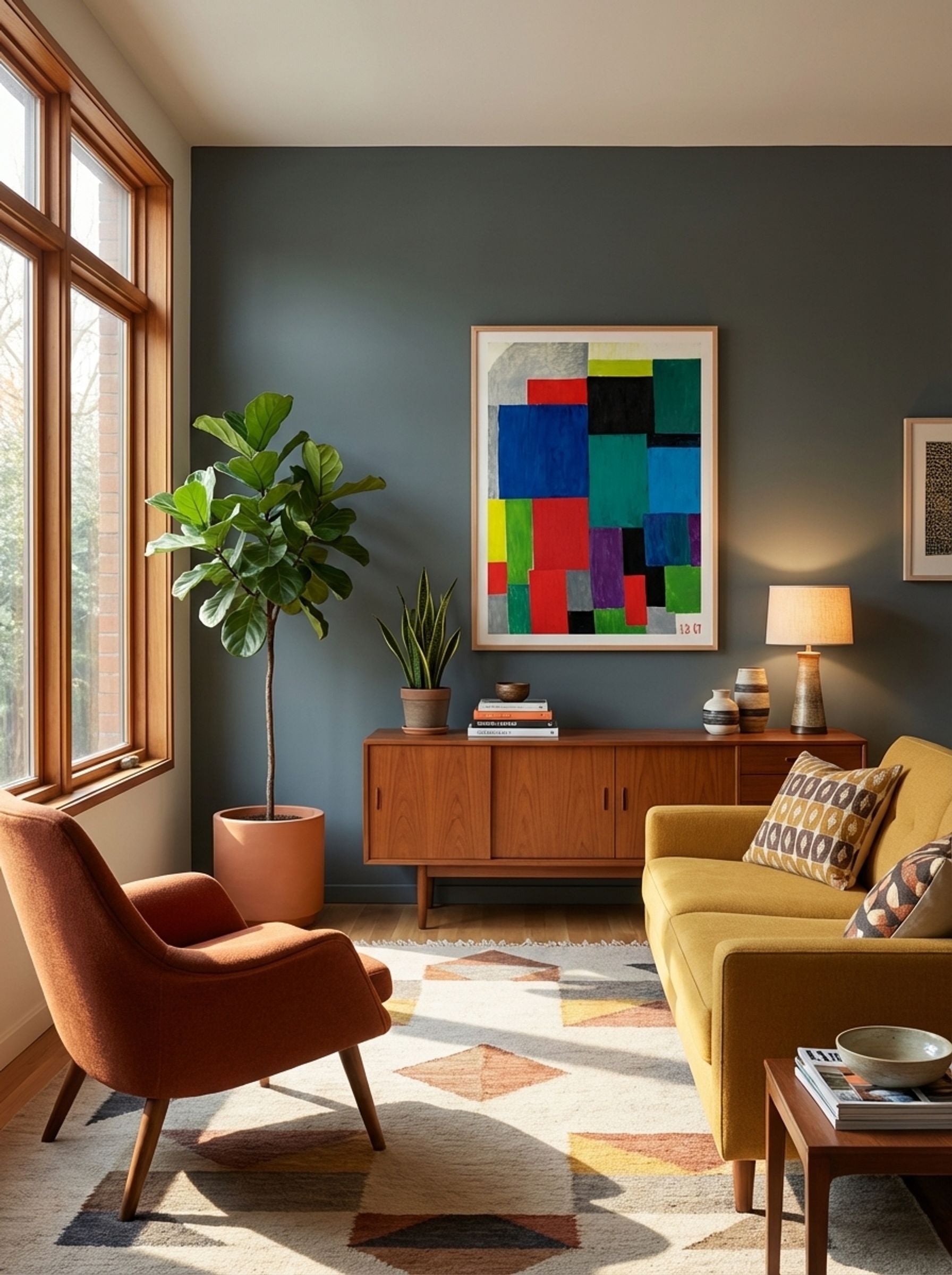 Colour Rhythm - Fine Art Print
Print · Framed
Regular price From £28.00 GBPSale price From £28.00 GBP Regular price -
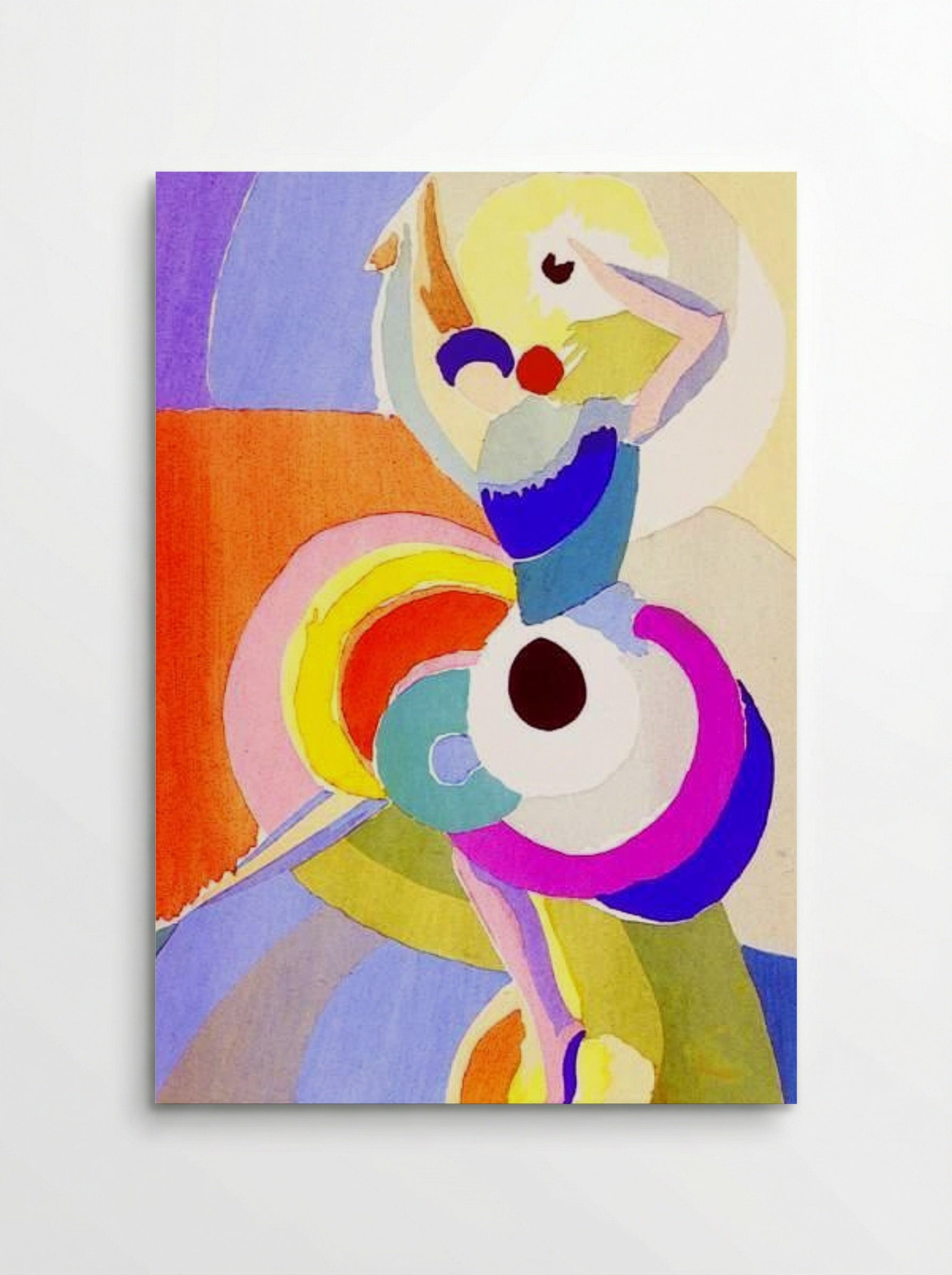
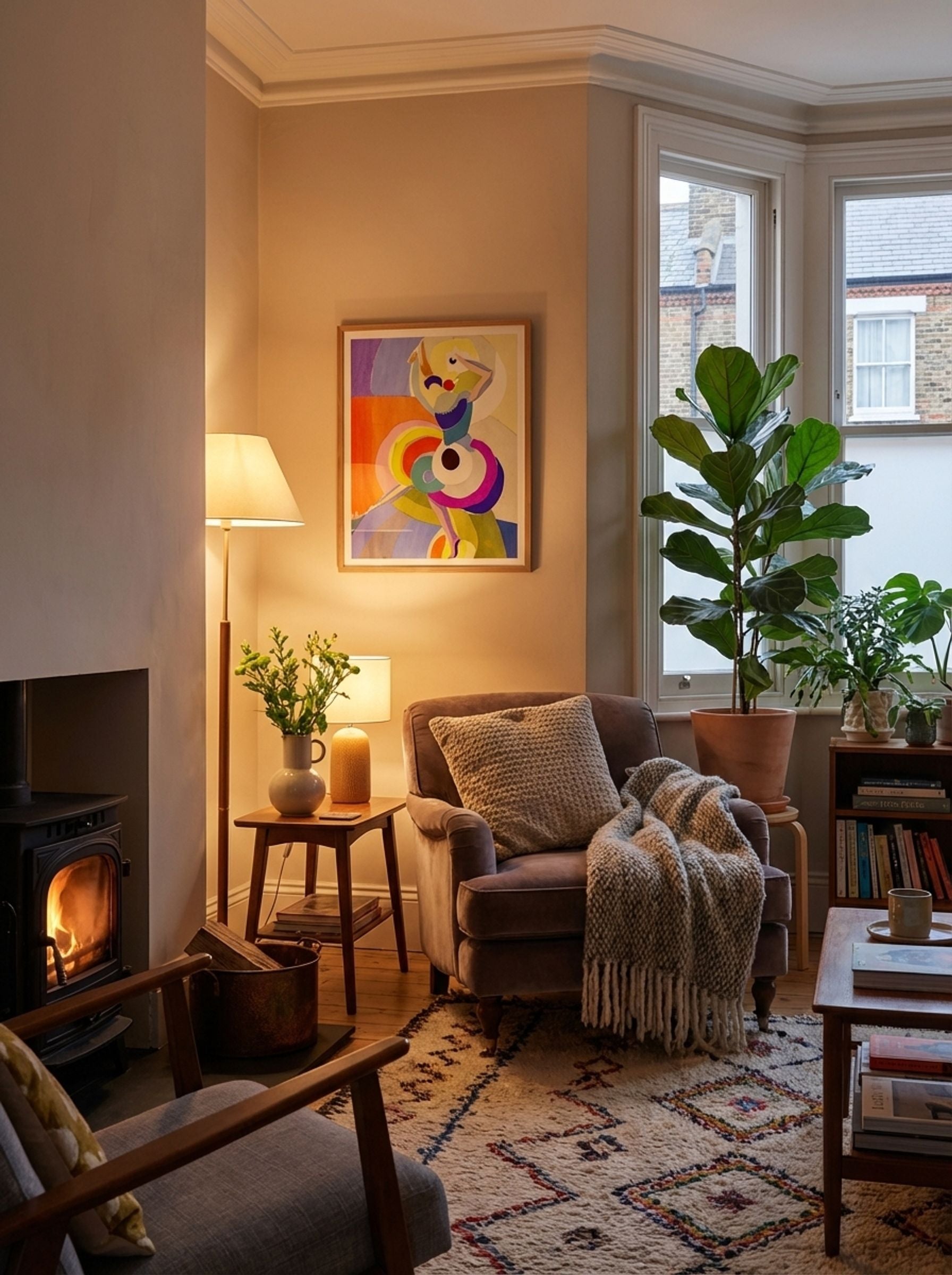 Flamenco Dancer (Abstracted Figure Study) - Fine Art Print
Print · Framed
Regular price From £28.00 GBPSale price From £28.00 GBP Regular price -
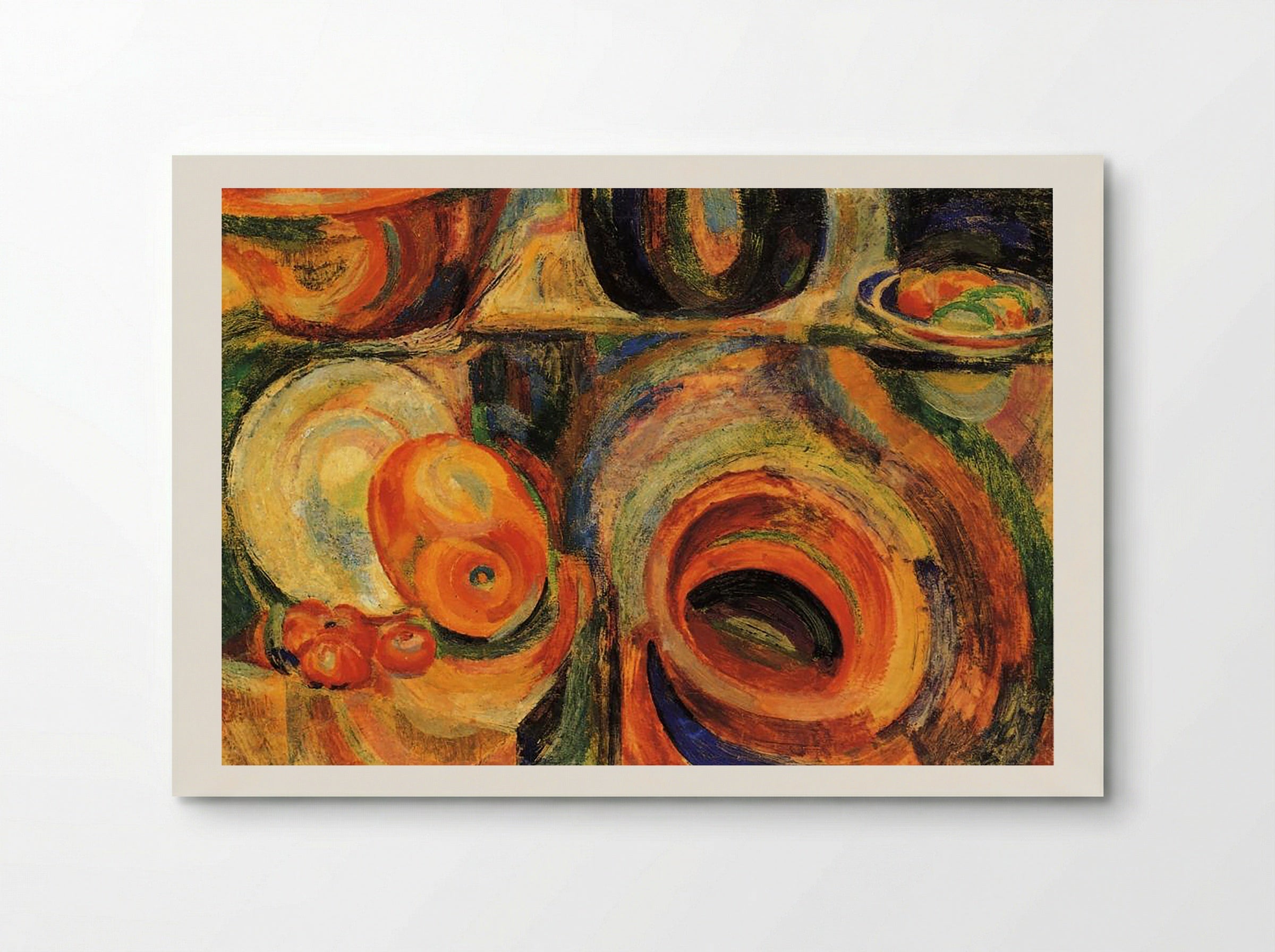
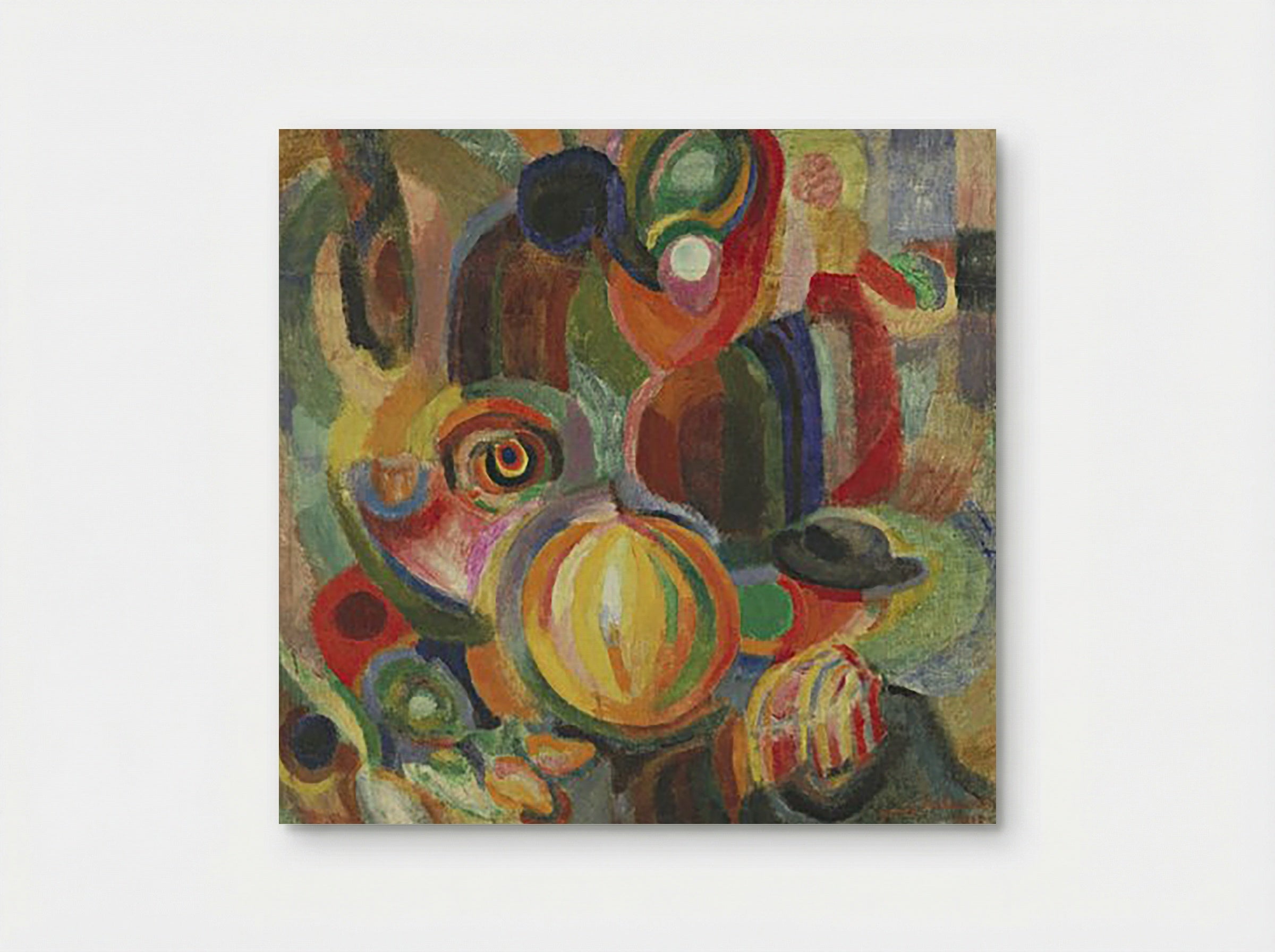
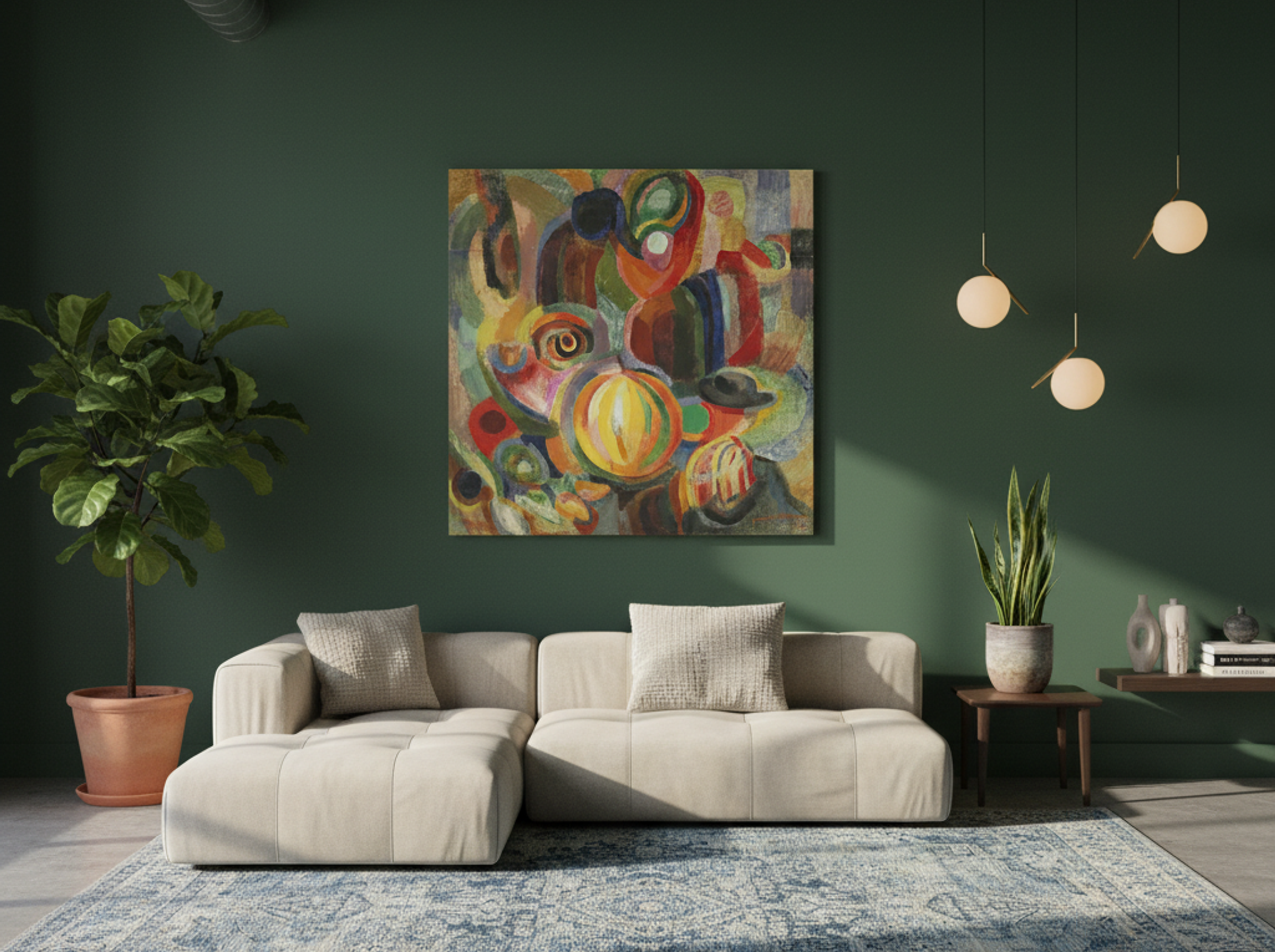
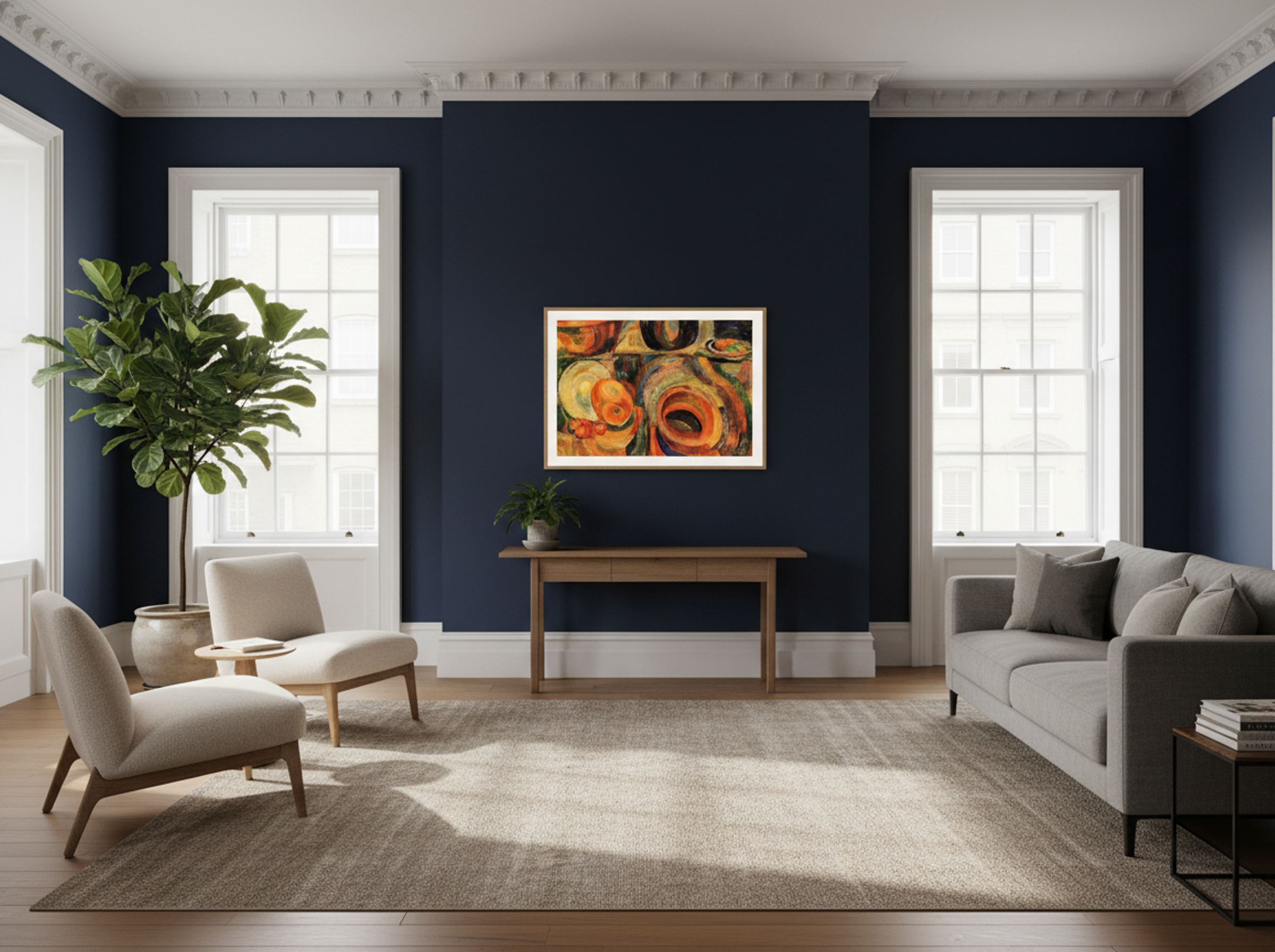 Untitled (Still Life with Fruit and Bowls) - Fine Art Print
Print · Framed
Regular price From £28.00 GBPSale price From £28.00 GBP Regular price -
 Portuguese Market (Abstract Composition) - Fine Art Print
Print · Framed
Regular price From £37.00 GBPSale price From £37.00 GBP Regular price -
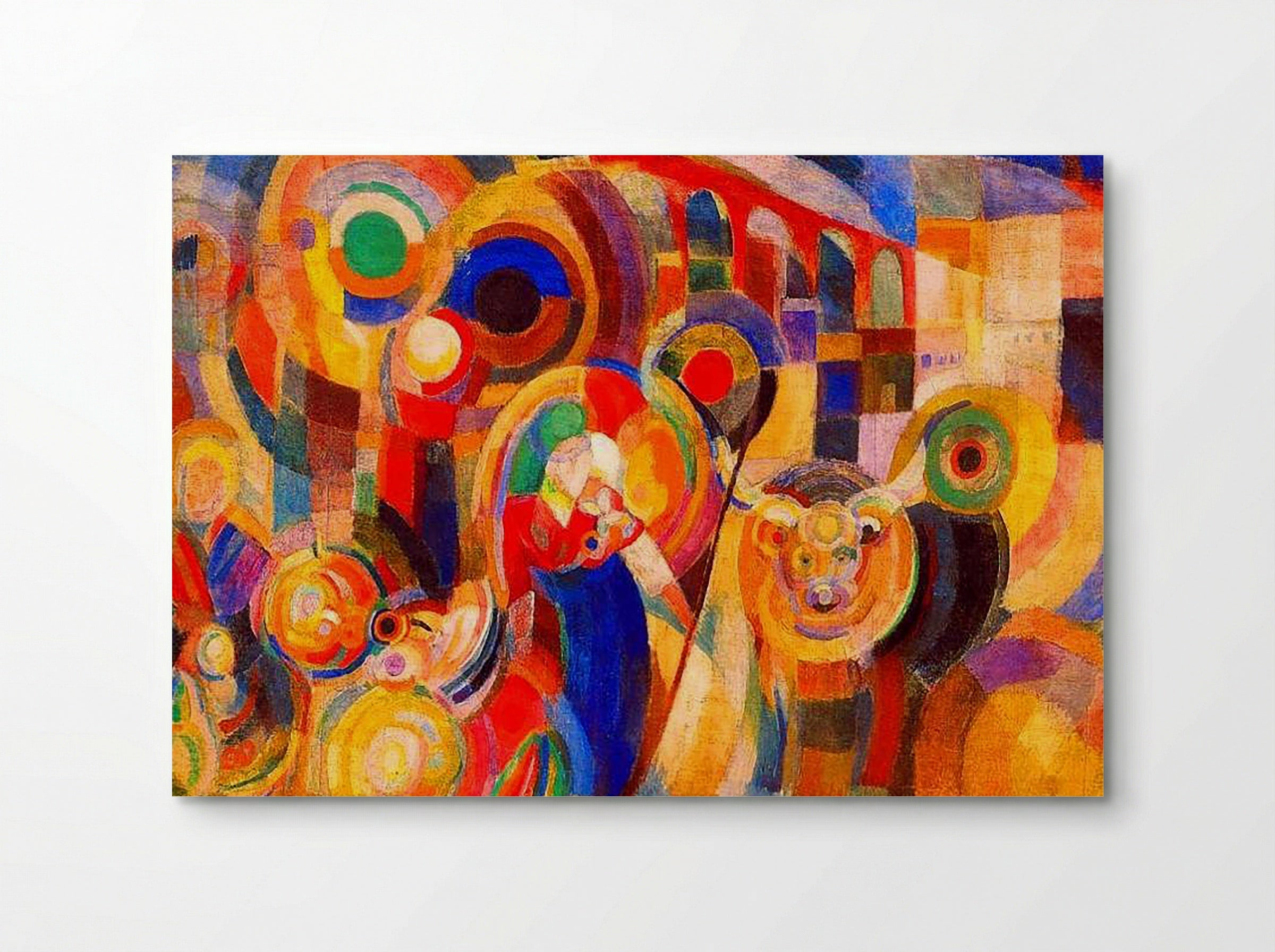
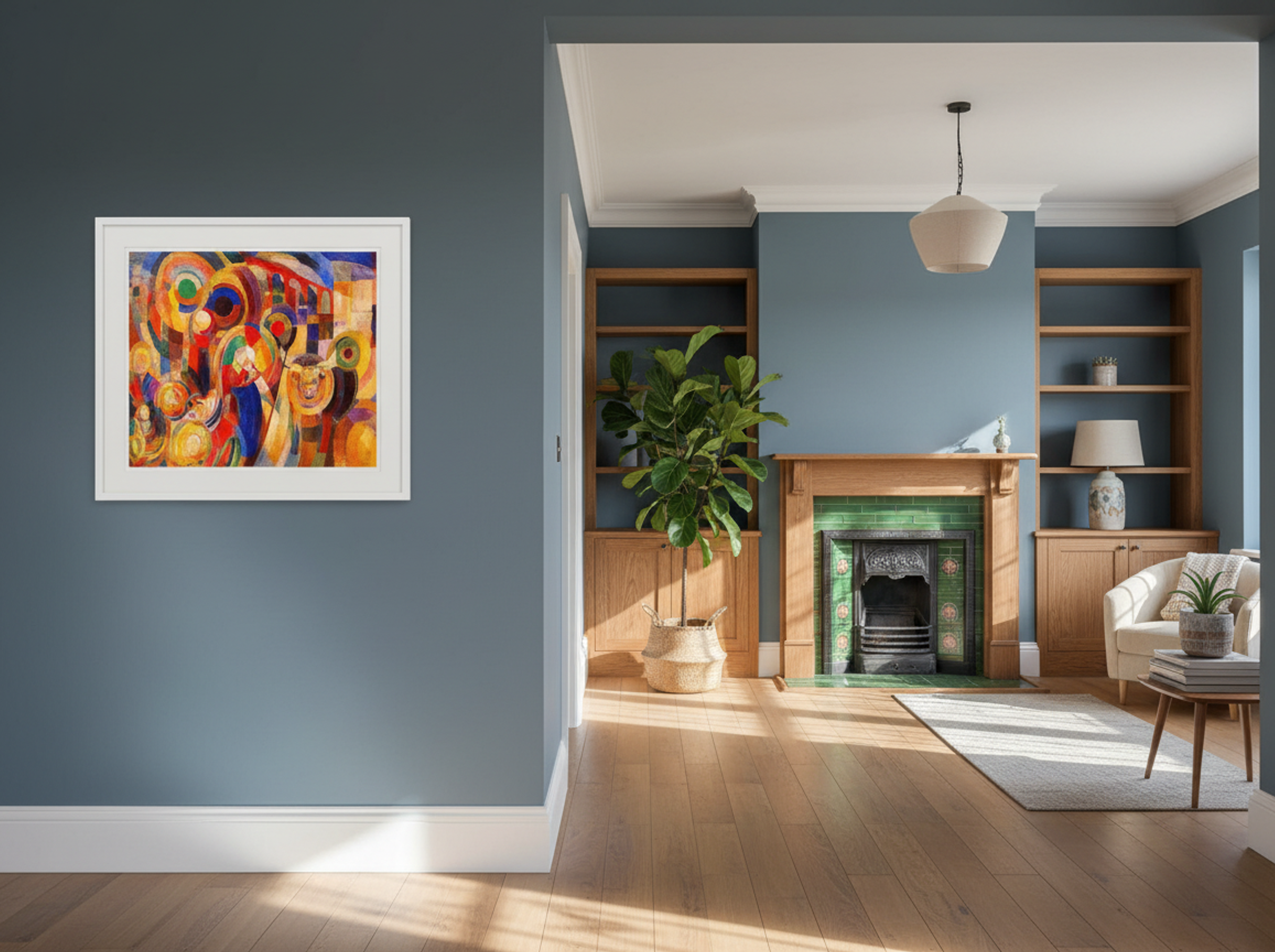 Marché au Minho (Market at Minho) - Sonia Delaunay-Terk
Print · Framed
Regular price From £28.00 GBPSale price From £28.00 GBP Regular price -
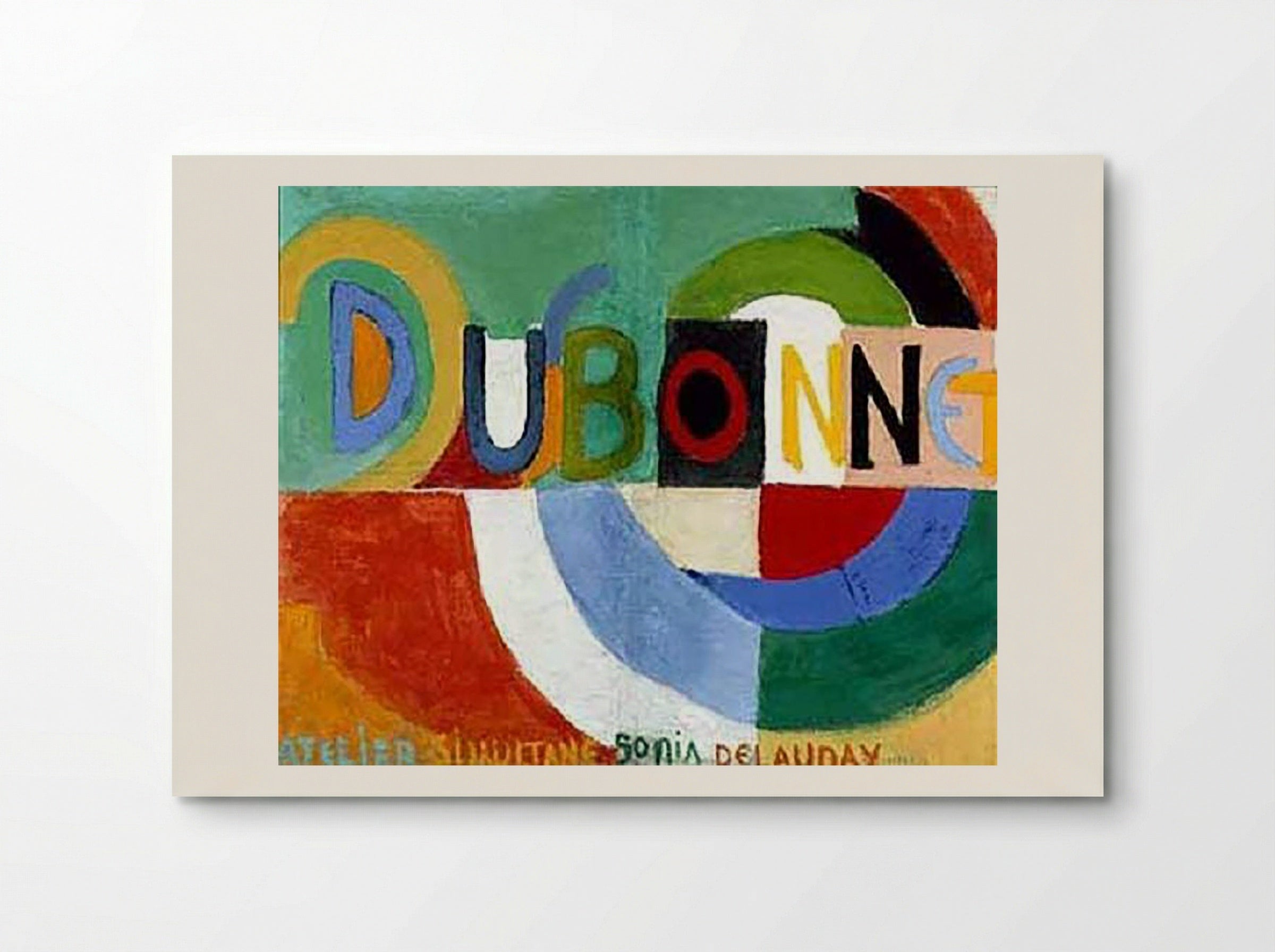
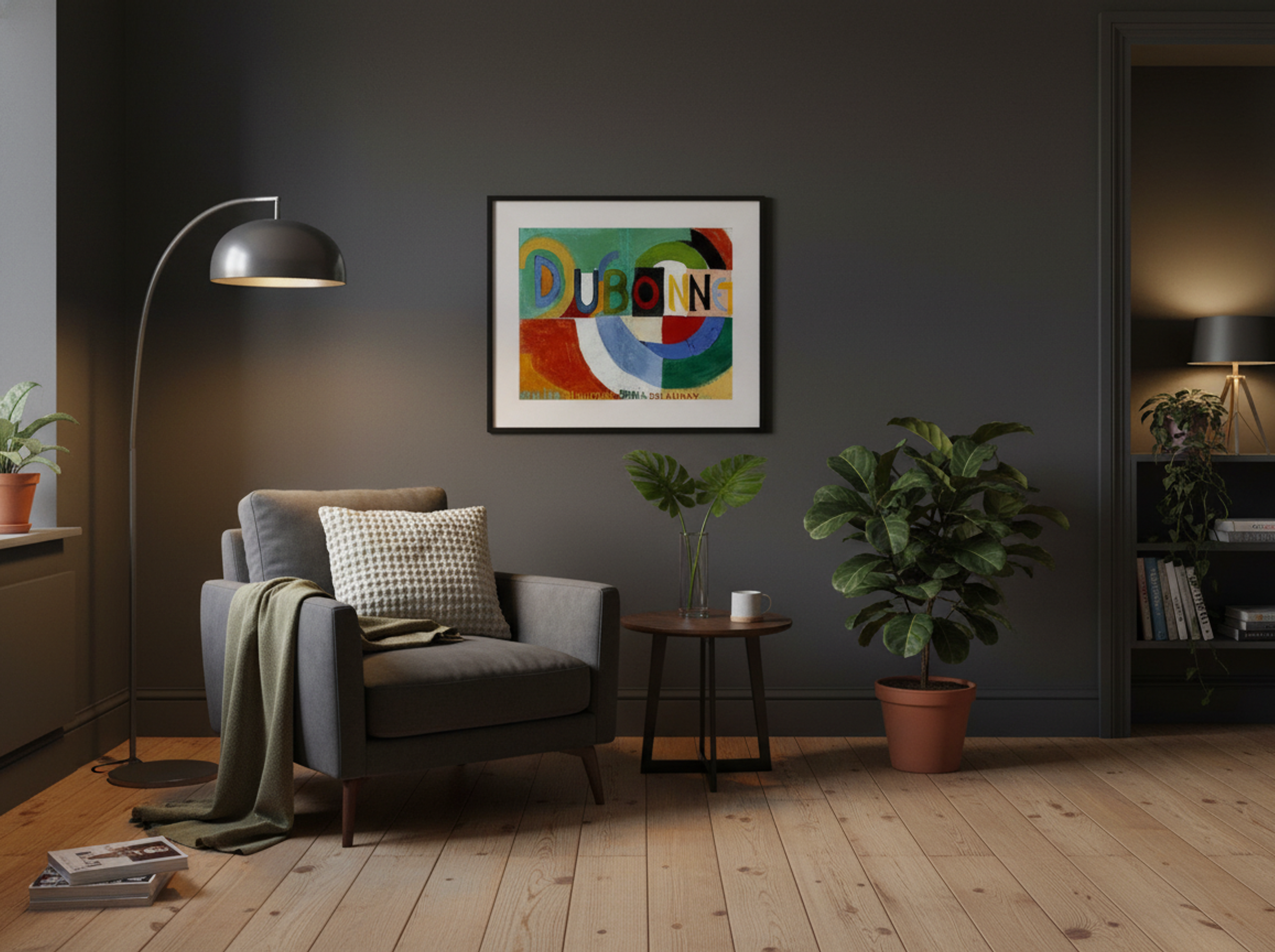 Dubonnet - Sonia Delaunay
Print · Framed
Regular price From £28.00 GBPSale price From £28.00 GBP Regular price -
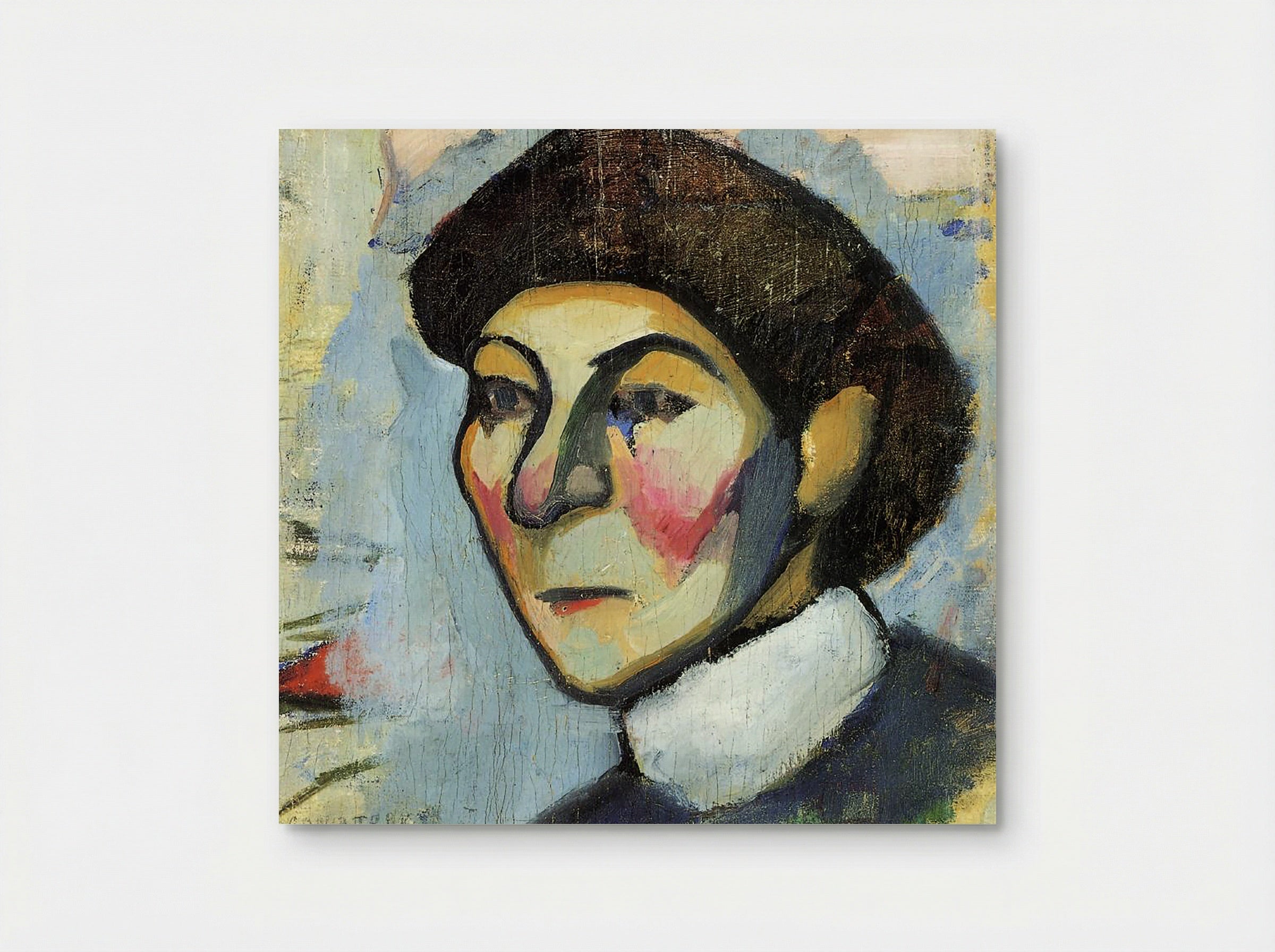
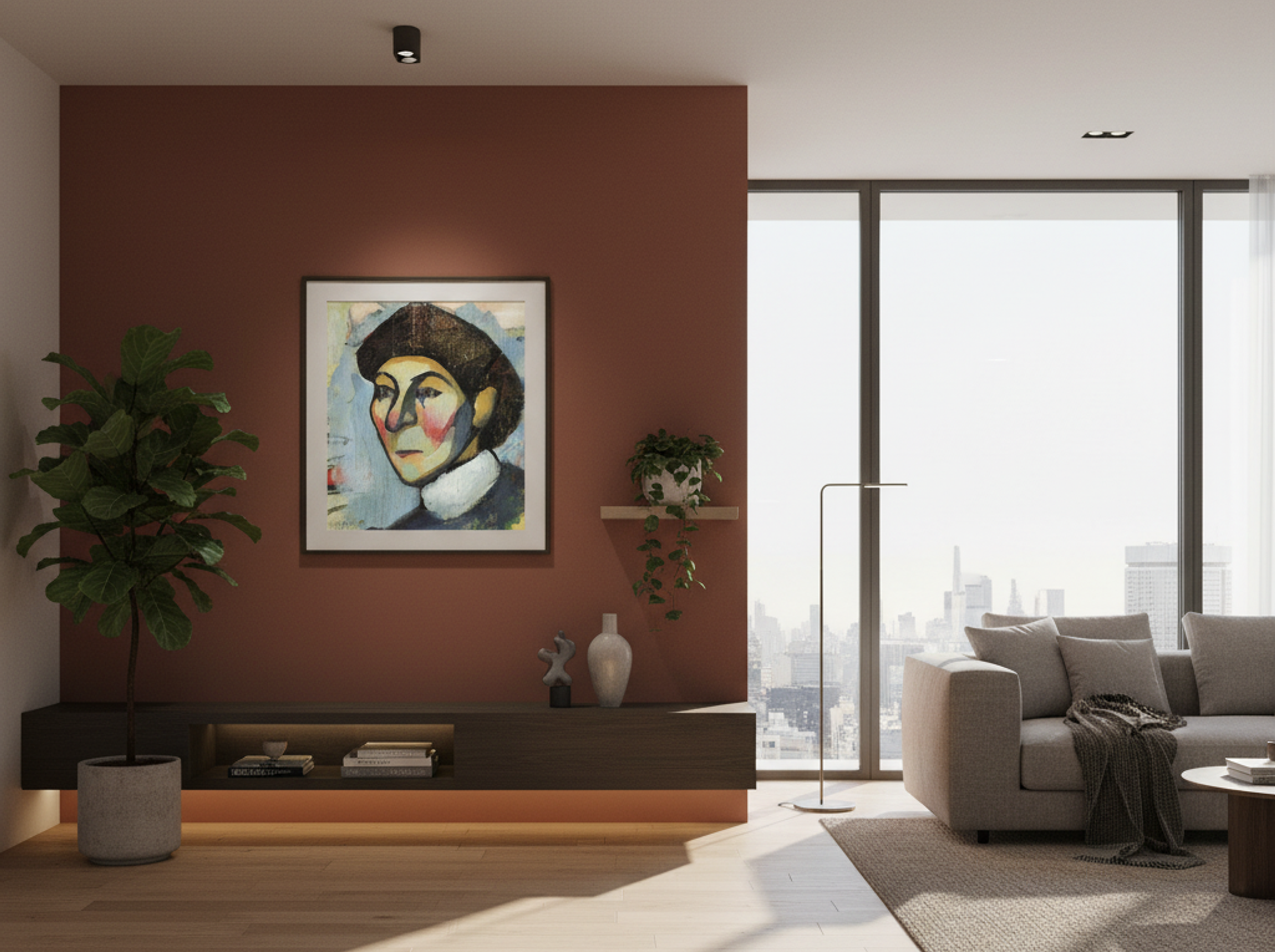 Portrait of Philomene - Sonia Delaunay-Terk
Print · Framed
Regular price From £37.00 GBPSale price From £37.00 GBP Regular price


Artist Biography
Sonia Delaunay
Delaunay's first marriage was a practical arrangement. Wilhelm Uhde was a German art dealer and closeted homosexual. The marriage covered for his sexuality while preventing her family from forcing her to return to Russia. Through Uhde she met Robert Delaunay, amicably divorced, and married Robert in 1910. Their son Charles was born in January 1911. She made a patchwork quilt for his crib from scraps of fabric, a spontaneous collage of geometry and colour. The quilt is now in the Musee National d'Art Moderne in Paris.
She was born Sara Stern in 1885 in Hradyzk, Ukraine. At five, her wealthy uncle Henri Terk adopted her and took her to St Petersburg. She grew up with access to art collections, European travel, and a good education. She studied in Karlsruhe, moved to Paris in 1905, and absorbed the Fauvists and Post-Impressionists. After meeting Robert, they developed what Guillaume Apollinaire named Orphism: a variant of Cubism built on pure colour, geometric abstraction, and dynamic movement. Their shared foundation was Chevreul's colour theory of simultaneous contrast, where adjacent colours alter each other's appearance.
In 1913, she sewed the simultaneous dress by hand from scraps of men's tailoring cloth, velvet, silk, and fur. It was designed to match the energy of the foxtrot and tango at Le Bal Bullier, a popular Parisian dance hall. Apollinaire urged readers to visit the Bal Bullier on Thursdays when the Delaunays arrived wearing her creations. The same year, she collaborated with Blaise Cendrars on La Prose du Transsiberien, a two-metre vertical fold-out combining his poem with her abstract colour panels. It is described as the first complete fusion of poetry and painting.
She treated painting, textiles, and fashion as a single practice. She set up a studio in their apartment, opened a fashion house called Sonia, and had her textile line picked up by one of Europe's biggest fabric manufacturers. In 1964, she became the first living woman to have a retrospective at the Louvre. She was seventy-nine. She died in 1979, aged ninety-four.
She was born Sara Stern in 1885 in Hradyzk, Ukraine. At five, her wealthy uncle Henri Terk adopted her and took her to St Petersburg. She grew up with access to art collections, European travel, and a good education. She studied in Karlsruhe, moved to Paris in 1905, and absorbed the Fauvists and Post-Impressionists. After meeting Robert, they developed what Guillaume Apollinaire named Orphism: a variant of Cubism built on pure colour, geometric abstraction, and dynamic movement. Their shared foundation was Chevreul's colour theory of simultaneous contrast, where adjacent colours alter each other's appearance.
In 1913, she sewed the simultaneous dress by hand from scraps of men's tailoring cloth, velvet, silk, and fur. It was designed to match the energy of the foxtrot and tango at Le Bal Bullier, a popular Parisian dance hall. Apollinaire urged readers to visit the Bal Bullier on Thursdays when the Delaunays arrived wearing her creations. The same year, she collaborated with Blaise Cendrars on La Prose du Transsiberien, a two-metre vertical fold-out combining his poem with her abstract colour panels. It is described as the first complete fusion of poetry and painting.
She treated painting, textiles, and fashion as a single practice. She set up a studio in their apartment, opened a fashion house called Sonia, and had her textile line picked up by one of Europe's biggest fabric manufacturers. In 1964, she became the first living woman to have a retrospective at the Louvre. She was seventy-nine. She died in 1979, aged ninety-four.


Why Choose Us ?