

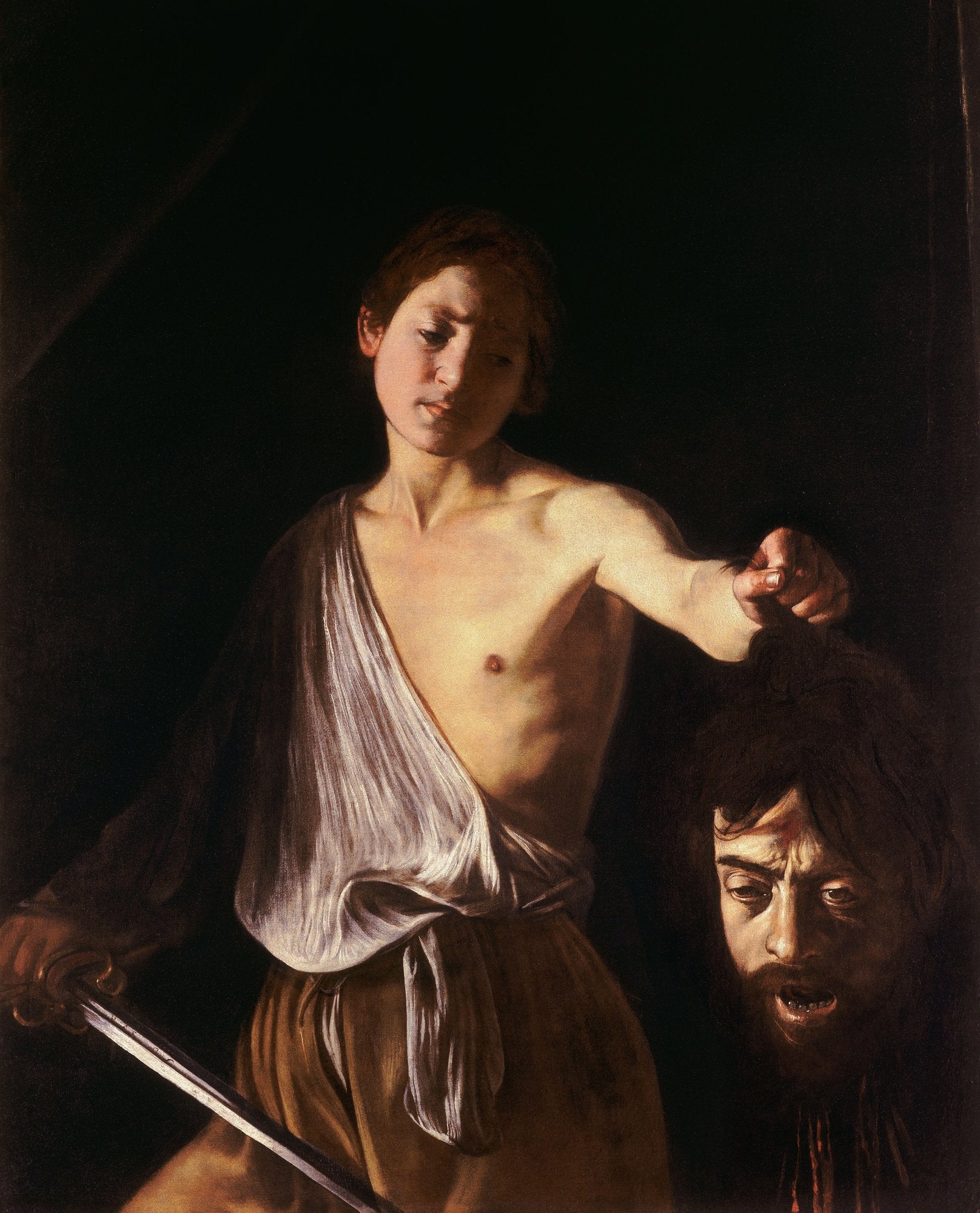
On 28 May 1606, Caravaggio killed Ranuccio Tomassoni in a sword fight in Rome. The argument may have been about an unpaid debt, a tennis match, or a woman called Fillide Melandroni. None of the contemporary accounts agree. What is certain is that Caravaggio fled the city under a death sentence, lived as a fugitive in Naples, Malta, and Sicily, and painted some of his greatest works during four years on the run.
He was thirty-five at the time of the killing. He had thirteen years left to live and produced roughly thirty paintings in them. Several rank among the most influential religious images in European art.
The Roman Years
Michelangelo Merisi da Caravaggio (1571 to 1610) arrived in Rome in his early twenties from Lombardy in northern Italy. He was already trained as a painter and within a few years was producing work for Cardinal Francesco Maria del Monte, an early collector who recognised what later viewers also did: Caravaggio painted differently from anyone else.
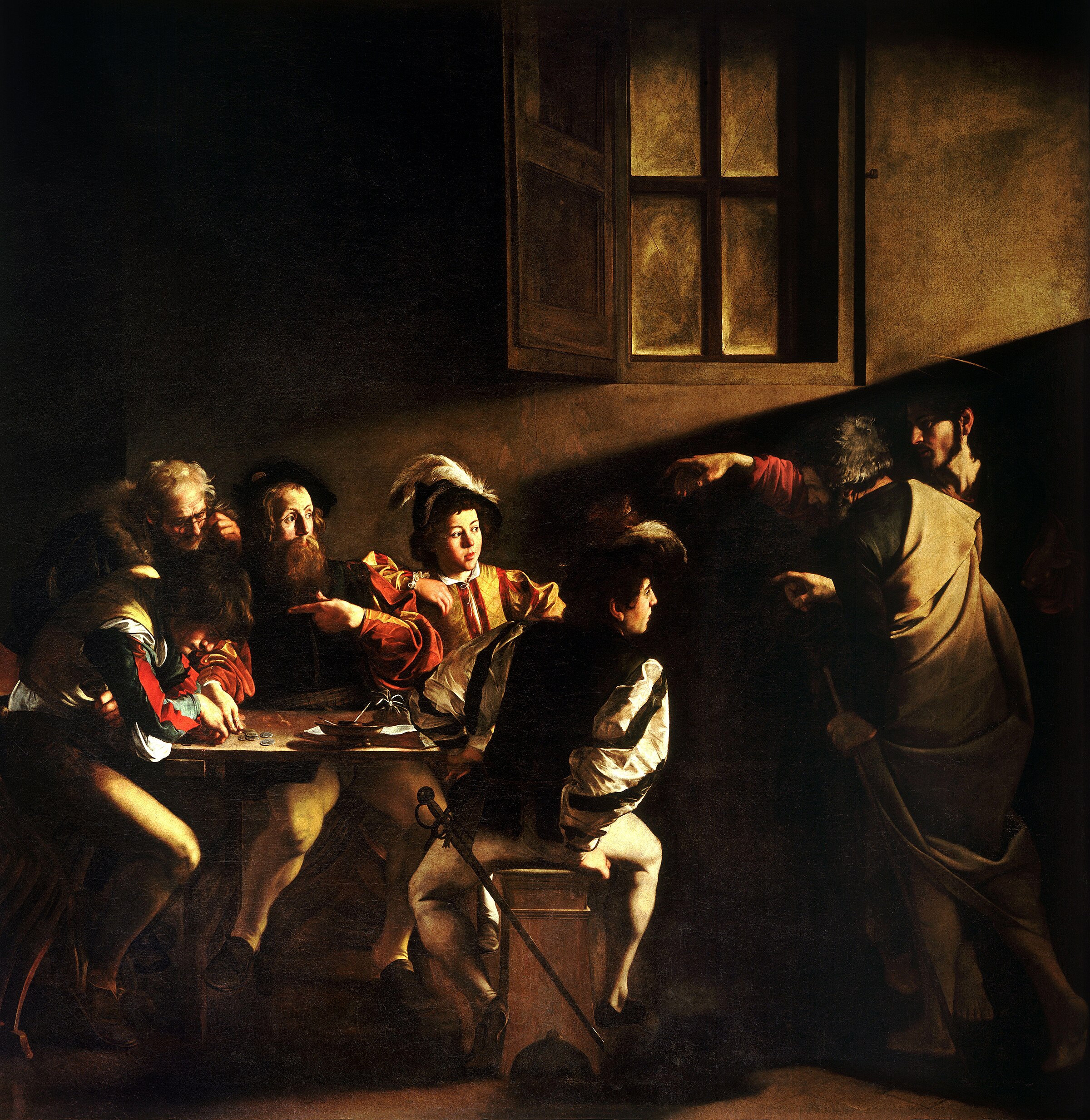
His method was to use ordinary people as models for biblical figures. The boys playing music in his early paintings were street boys, painted from life. The saints in his commissioned altarpieces had calloused hands and dirty feet. When his Death of the Virgin was rejected by the church that commissioned it, the reason given was that he had used a drowned prostitute as the model for Mary.
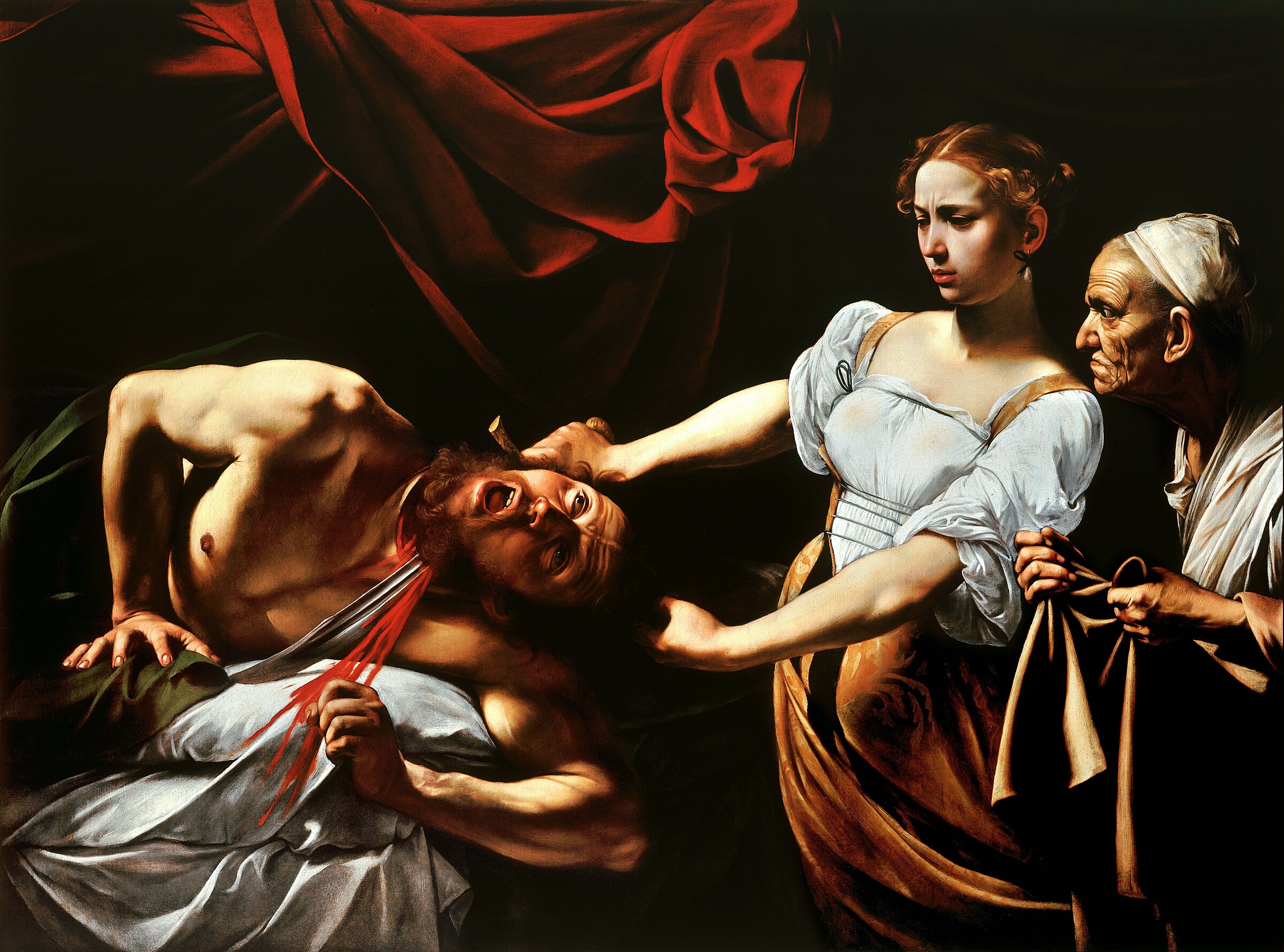
He combined this naturalism with a lighting technique called tenebrism, after the Italian word for gloomy. A single high light source picked out his figures while leaving most of the composition in deep shadow. The effect was theatrical: each painting captured a moment of maximum tension.
The Killing
The events of 28 May 1606 are reconstructed from sworn testimony given afterwards. Caravaggio and his companions met Tomassoni and his on a Sunday evening in the Campo Marzio. A duel followed. Caravaggio struck Tomassoni in the groin, severing the femoral artery. Tomassoni died of blood loss. Caravaggio was wounded in the head.
He fled Rome that night. The Pope, Paul V, condemned him to death in absentia. Anyone who recognised him was authorised to execute the sentence and present his head for a reward. Caravaggio went south, first to the Colonna estates near Naples, then to the city itself.
Naples, Malta, Sicily
In Naples he produced major works in months: the Seven Works of Mercy for the Pio Monte della Misericordia, completed in 1607, and the Flagellation of Christ for San Domenico Maggiore. Both were commissioned by Neapolitan patrons who knew about the death sentence and did not care.
He sailed for Malta in 1607 hoping to obtain a pardon by being made a Knight of the Order of Saint John. The Order accepted him. He painted the largest canvas of his career, the Beheading of Saint John the Baptist, for the cathedral in Valletta. It is the only painting he ever signed, in red, in the blood pooling from John's neck. Within months he was imprisoned for assaulting a senior knight, escaped, and fled to Sicily.
The Last Year
He moved between Syracuse, Messina, and Palermo in Sicily, painting major altarpieces in each city. By 1609 he was back in Naples, where he was attacked outside a tavern. The wounds, particularly to his face, were severe. Word reached Rome that he was dead, though he had survived.
In summer 1610 he received word that the pardon was likely. He sailed for Rome carrying three paintings as gifts for Cardinal Scipione Borghese, the man brokering his return. He never arrived. He died in July 1610 at Porto Ercole on the Tuscan coast, possibly from fever, possibly from sepsis from the Naples wounds, possibly from lead poisoning in his own paints. He was thirty-eight.
What He Left Behind
Within a decade of his death, painters across Europe were imitating his lighting. The Caravaggisti included Spaniards (Ribera, Velazquez), French (Vouet, Valentin), and Dutch (Honthorst, Terbrugghen). His influence reached Rembrandt and through him the entire Dutch Golden Age.
He left no writings, no drawings (he worked directly on the canvas without preparatory sketches), and no studio of pupils. His reputation declined for two centuries until the twentieth-century rediscovery of Baroque painting brought him back. He is now considered the most influential painter of his century.
The murder did not change his style. It accelerated it. The four years of flight produced his most direct, urgent work. The killer who painted saints did so because the saints he painted were also, in some sense, killers and outlaws. He understood them better than the painters who made them look comfortable.


