

Contemporary art does not have a single style, a single medium, or a single set of rules. It is defined more by what it questions than by what it asserts. Since the 1960s, the boundaries of art have expanded to include video, performance, installation, text, found objects, digital media, and actions that leave no physical trace. The one thing contemporary artists share is the assumption that anything can be art if it is presented as such. The argument about whether that assumption is liberating or absurd is the argument that defines the field.
The Idea Over the Object
Conceptual art, which emerged in the late 1960s, proposed that the idea behind a work was more important than the object itself. Sol LeWitt wrote: "The idea becomes a machine that makes the art." This meant that an artist could describe a work (a set of instructions for a wall drawing, for instance) and someone else could execute it. The artist's hand was no longer necessary. What mattered was the concept.
This shift had consequences that are still being worked out. If art is an idea, can it be owned? If art is an instruction, who is the artist: the person who wrote the instruction or the person who carried it out? If art does not require skill, what separates it from everything else? These questions sound academic, but they determine how galleries operate, how collectors spend money, and how artists make a living.
Installation: Art as Environment
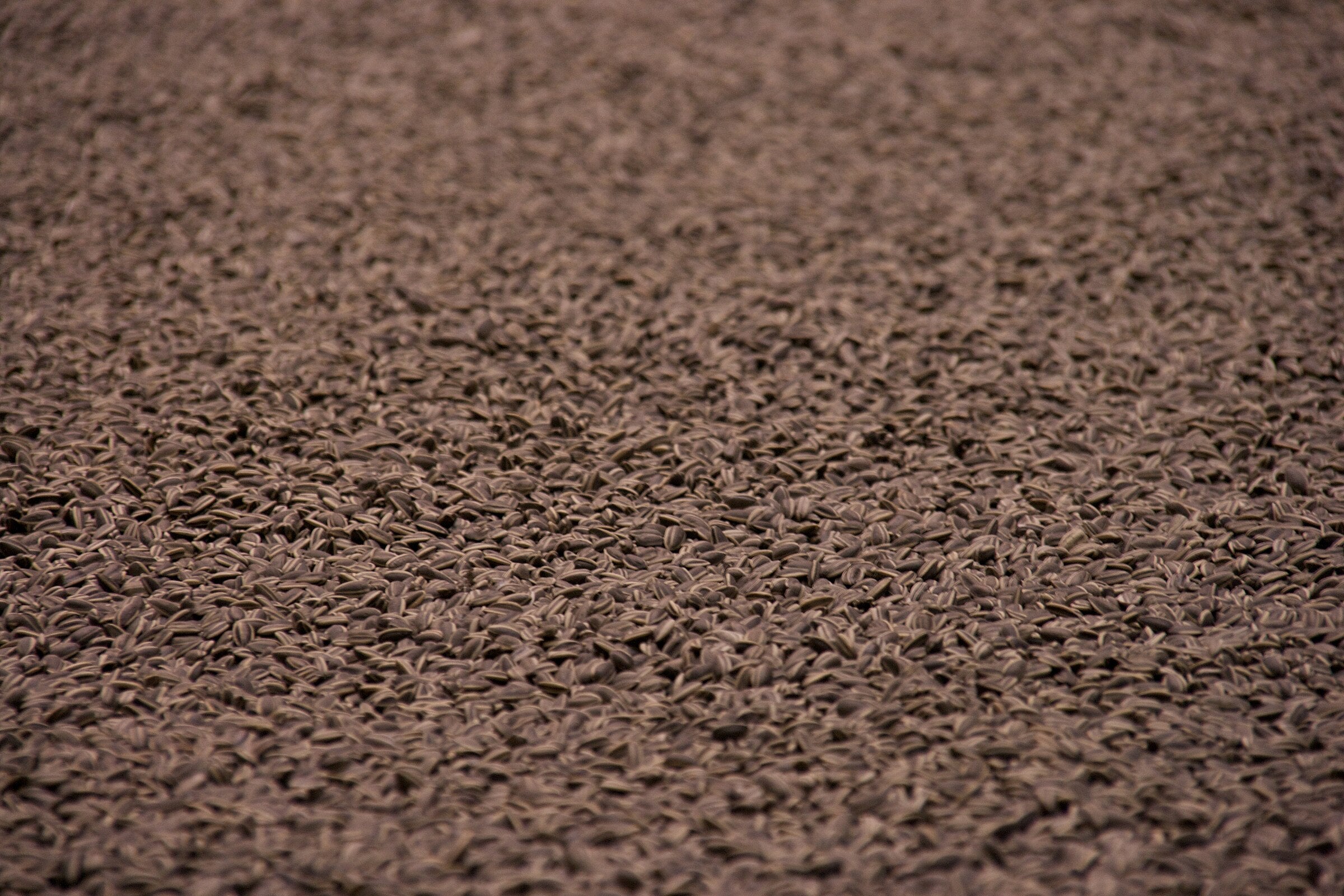
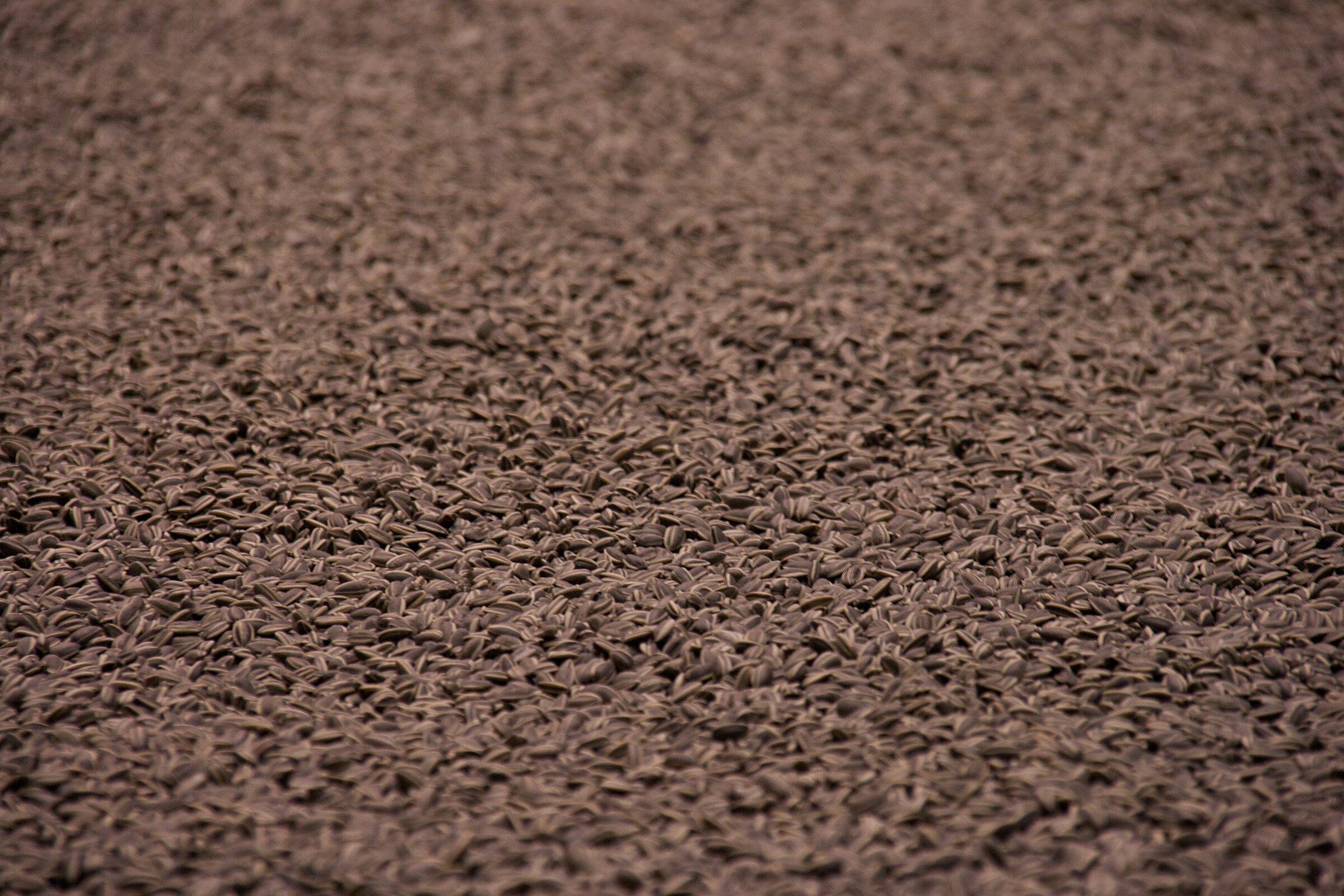
Ai Weiwei's Sunflower Seeds (2010) filled the Turbine Hall at Tate Modern with 100 million hand-painted porcelain seeds. Each seed was individually made and painted by workers in Jingdezhen, the historic centre of Chinese porcelain production. Visitors were initially allowed to walk on the seeds, but the porcelain dust posed a health risk and the interaction was curtailed. The work raises questions about mass production, individual labour, Chinese manufacturing, and the relationship between one and one hundred million. It does this without depicting anything: the seeds are not a representation; they are themselves.
The Market and the Meaning
Contemporary art operates within a market that can seem disconnected from the art itself. Auction prices for living artists regularly exceed tens of millions of pounds. Whether a work commands a high price because it is important, or is considered important because it commands a high price, is a question the market prefers not to answer.
What contemporary art does, more consistently than any previous period, is force viewers to make their own judgements. There is no established canon, no agreed-upon hierarchy, and no reliable authority to tell you what matters. The viewer must decide. This is either the great achievement of contemporary art, or its fundamental weakness. The argument continues. It is meant to.


