



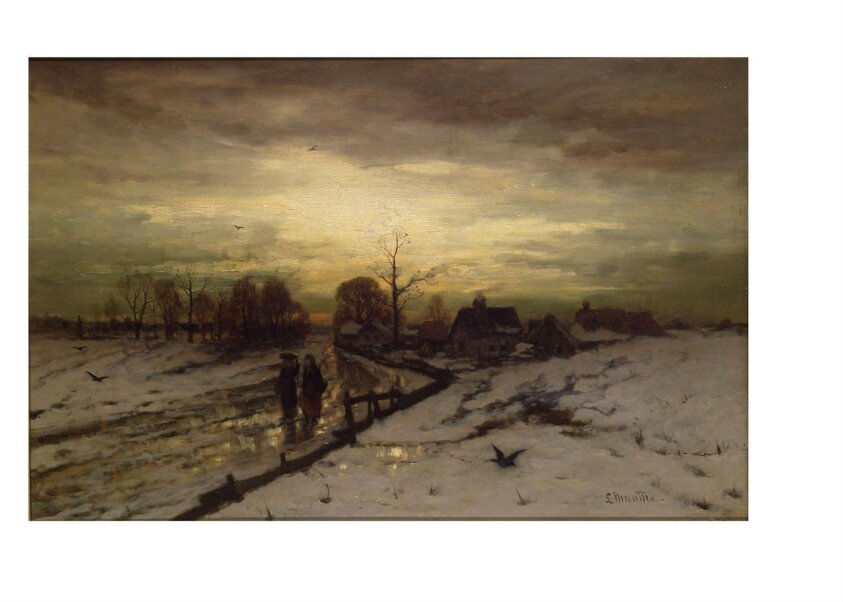
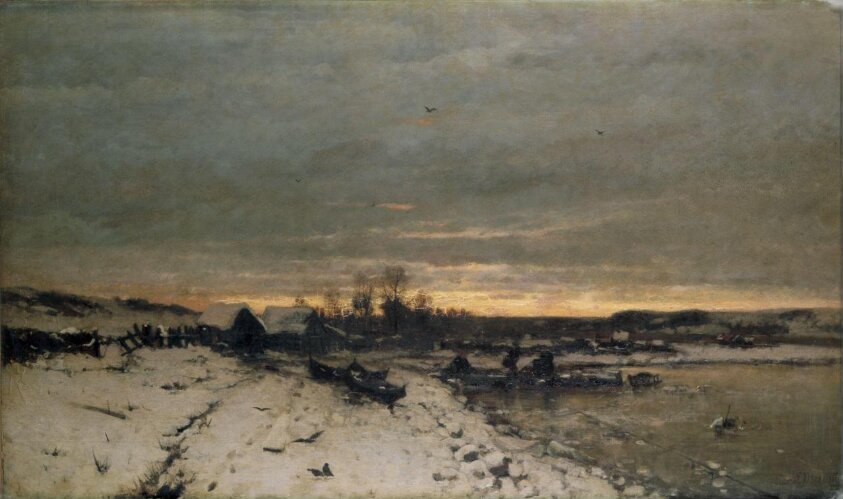
Norwegian art is most recognised for its contribution to Expressionism and Symbolism, movements that explored the inner emotional life through bold colours and simplified forms. Artists moved away from strict representation, instead using art to convey psychological states. Edvard Munch is the central figure, whose intensely personal and often angst-ridden works had a global impact. Although Norwegian art was once viewed as provincial, its unique approach to modernism has gained international recognition.
Key Movements
5 movements shaped norwegian art.
Key Artists


.jpg?width=800)


Key Ideas
-
Expressionism
Norwegian artists, particularly Edvard Munch, were instrumental in the development of Expressionism. This movement sought to depict subjective emotions and experiences, often using distorted forms and non-naturalistic colours to convey a sense of anxiety or alienation.
-
Symbolism
Symbolism, which emerged in the late 19th century, also had a significant impact on Norwegian art. Artists used symbolic imagery to explore themes of love, death, and spirituality, often drawing inspiration from Norse mythology and folklore.
-
Influence of Nature
The dramatic Norwegian environment, with its fjords, forests, and mountains, has been a constant source of inspiration for artists. Many works depict the power and beauty of nature, often reflecting a sense of awe or solitude.
Museums in Norway
11 museums.
Oslo (7)
-
National Museum of Art, Architecture and Design
-
Sparebankstiftelsen DNB’s collection
-
University of Oslo's Art collection
-
Astrup Fearnley Museum of Modern Art
Tue–Fri 12:00–17:00, Thu 12:00–19:00, Sat–Sun 11:00–17:00, closed Mondays
-
Munch Museum
Daily 10:00–21:00 (Mon–Tue 10:00–18:00) · NOK 180 adults, free under-18
-
Oslo Museum
Bymuseet/Teatermuseet: Tue/Wed/Fri/Sat/Sun 11:00–16:00, Thu 11:00–18:00; Arbeidermuseet: Sat/Sun 11:00–16:00; Interkulturelt Museum: Tue/Fri/Sat/Sun 11:00–16:00, Wed/Thu 13:00–19:00
-
Stenersen Museum


Lillehammer (1)

Meløy (1)
All Norwegian Artists
11 artists.


Frequently Asked Questions
What is Norway's greatest contribution to art?
Norway's most important contribution is its role in the development of Expressionism. Edvard Munch's intensely personal paintings, such as *The Scream*, helped define the movement's focus on subjective experience and emotional intensity. His work influenced generations of artists and continues to resonate today.Who are the most important Norwegian artists to know?
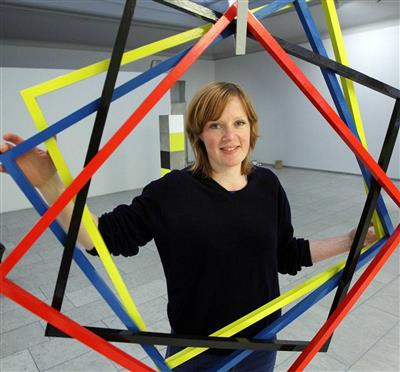
Edvard Munch is undoubtedly the most important Norwegian artist, known for his iconic paintings exploring themes of anxiety, love, and death. Camilla Low is another important figure, known for her contributions to Norwegian art.Which Norwegian artist is underappreciated?
While Edvard Munch is a household name, Camilla Low deserves greater recognition. Her work offers a unique perspective on Norwegian art.When did Norway develop a distinctive national style?
While influences from other European centres were always present, a distinctive Norwegian style began to emerge in the late 19th century. Artists like Edvard Munch and Camilla Low drew inspiration from Norwegian nature and folklore, developing a unique approach to Symbolism and Expressionism.
Love what you see? Take it home.
See all art prints →