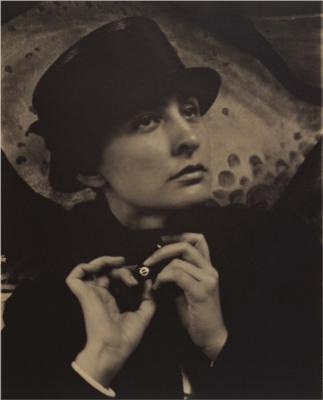
William Closson
Closson began his career as a master wood engraver during the golden age of American illustration. He developed a unique method of engraving that allowed him to mimic the fluid strokes of a brush instead of the stiff lines typical of the medium. This technique was so effective that his prints for Harper's Magazine often blurred the distinction between mechanical reproduction and original art. His technical skill earned him a medal at the Paris Salon, a rare feat for an engraver.

Biography
In the 1890s, he transitioned from engraving to painting, applying his understanding of light and texture to oils and pastels. His work often features female figures in outdoor settings, rendered with a soft focus that suggests a dreamlike atmosphere. He moved away from the sharp realism of his early career toward a style influenced by Tonalism and Impressionism. He used a limited palette to create a sense of quietude, focusing on the harmony between the human form and the natural world.
Modern collectors value Closson for his ability to bridge the gap between commercial illustration and fine art. His prints offer a sense of stillness and composure that suits contemporary interiors. Because he mastered both the precision of engraving and the softness of Tonalist painting, his work possesses a dual quality of technical rigour and visual ease. This work provides a calm aesthetic that remains relevant for those seeking art with a historical pedigree and a gentle presence.
Notable Works
Tap to view larger.
Next stop
Browse the movements →
Every movement in the collection, from the Renaissance to Pop art.
Frequently Asked Questions
When was William Closson born?
William Closson was born in 1848 and died in 1926.What is William Closson known for?
William Closson is known for william Closson was an American artist who transitioned from award-winning wood engraving to Tonalist painting, creating atmospheric scenes defined by soft light and technical rigour.


_%E2%80%93_LOC.jpg)