



1537–1612 · Dutch
Philip Galle
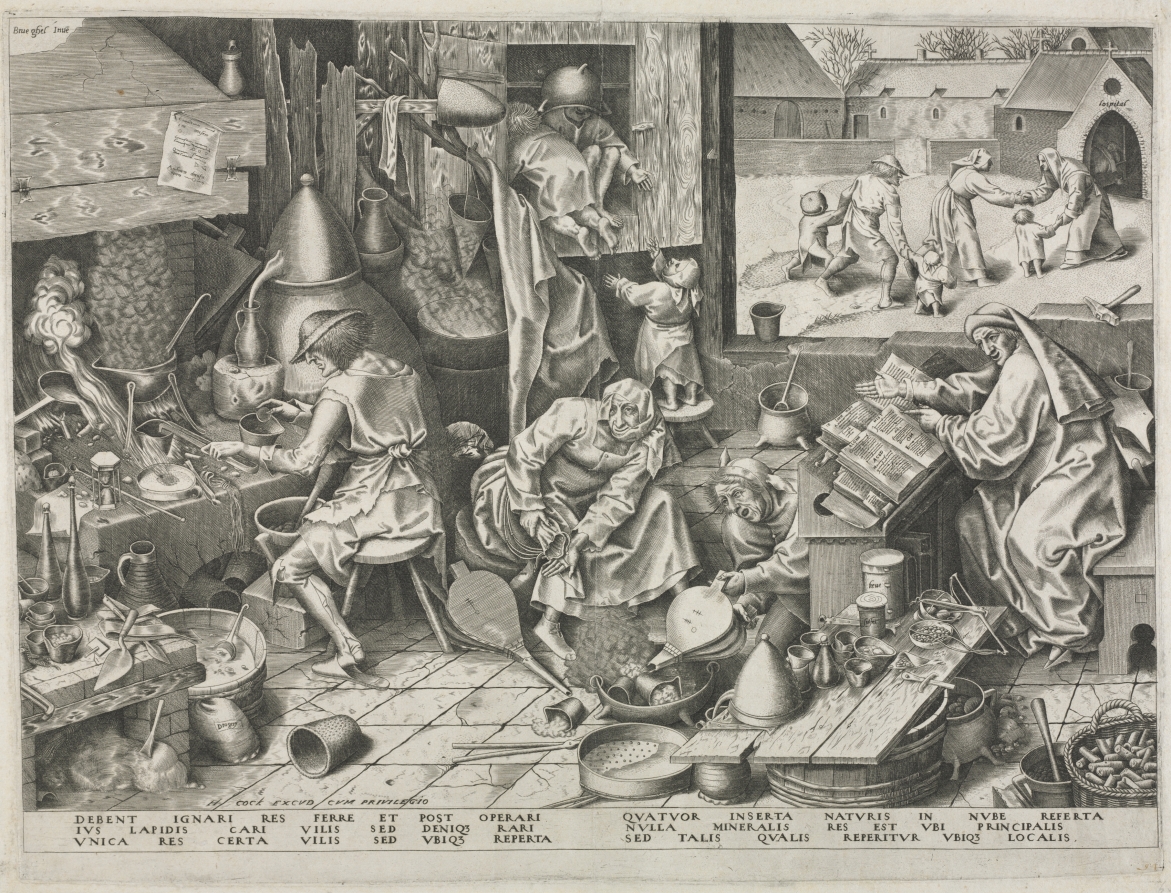
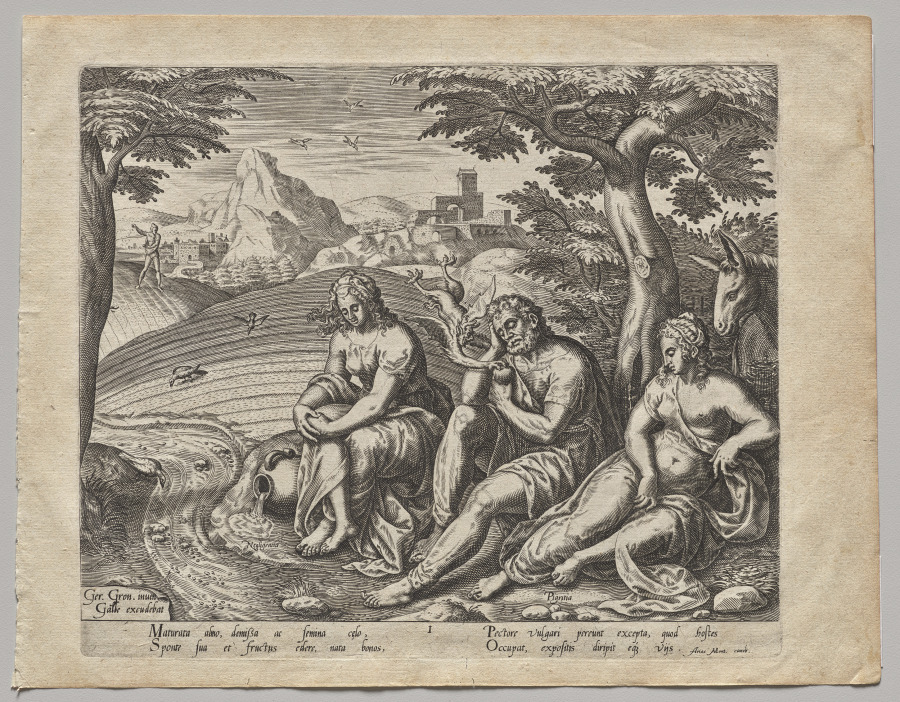
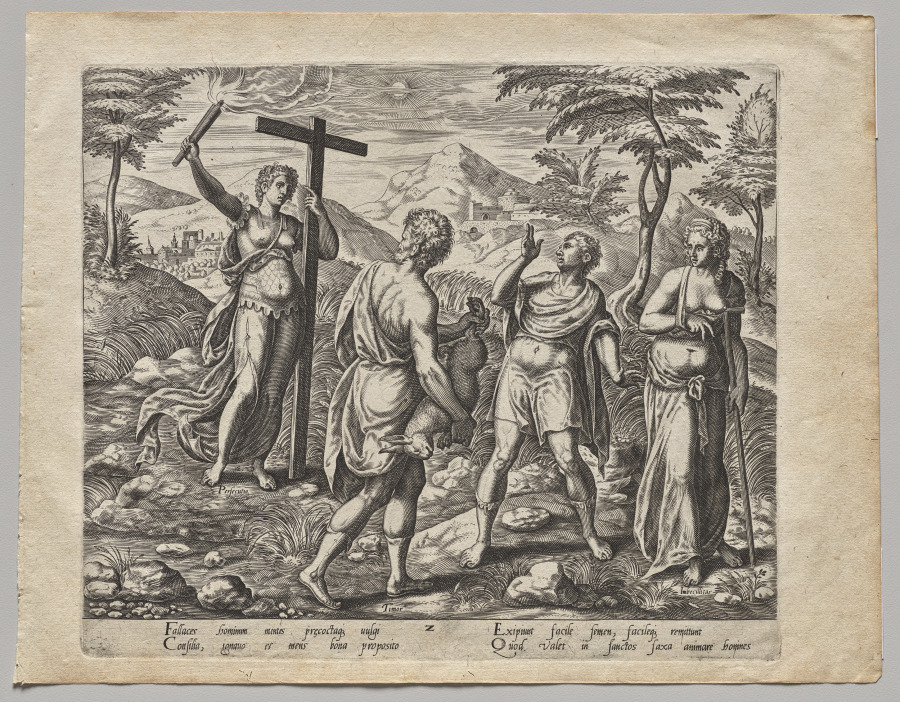
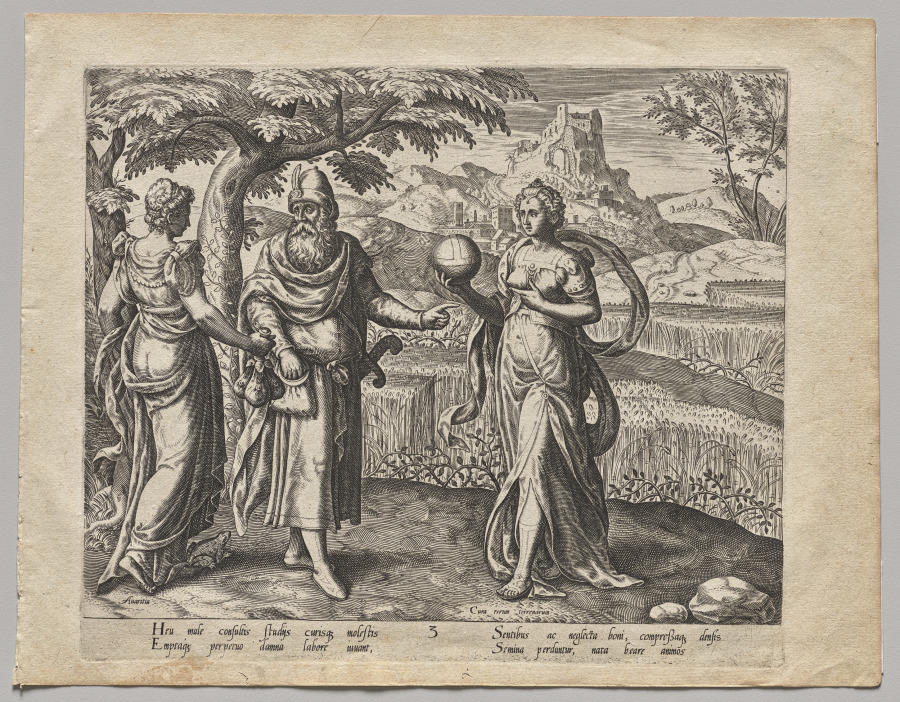
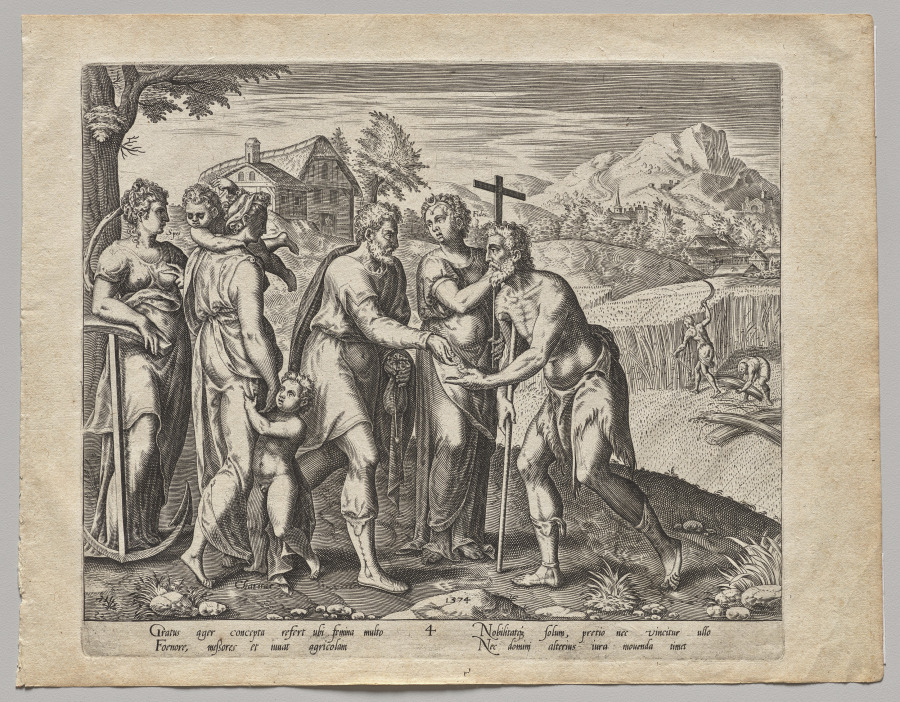
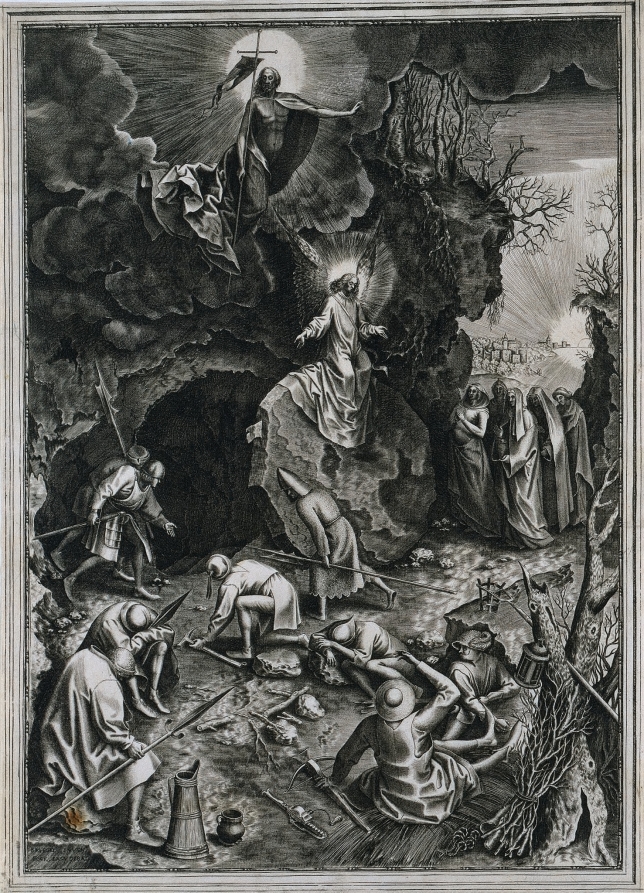
Philip Galle lived from 1537 until 1612 in the Spanish Netherlands. His known works include The Seed Falling among the Stones, The Seed Received among the Thorns, The Seed finding Good Earth, The Resurrection of Christ, and Parable of the Sower.

Biography
Solis Prints offers fine art prints of his work, including Allegory of Ambition and Sloth, De mens vecht tegen zijn eigen soort, Hemelvaart van Christus en verkiezing van Mattias, Jezebel Promises King Ahab Naboth's Vineyard, and King Cyrus Rescues Daniel from the Lion's Den.
Notable Works
Tap to view larger.
Next stop
Browse the movements →
Every movement in the collection, from the Renaissance to Pop art.
Philip Galle prints
Hand-finished archival prints from Philip Galle's body of work.
 Samson Let Out of Prison and Destroying the Temple of the Philistines - Philips Galle
From £28.00
Samson Let Out of Prison and Destroying the Temple of the Philistines - Philips Galle
From £28.00
 The Destruction of Jericho - Philips Galle
From £28.00
The Destruction of Jericho - Philips Galle
From £28.00
 Lot Making Love to His Daughter - Philips Galle
From £28.00
Lot Making Love to His Daughter - Philips Galle
From £28.00
 The Destruction of Ai and the Stoning of Achan - Philips Galle
From £28.00
The Destruction of Ai and the Stoning of Achan - Philips Galle
From £28.00
 The Way of Christ - Philips Galle
From £28.00
The Way of Christ - Philips Galle
From £28.00
 Noah's Sacrifice - Philips Galle
From £28.00
Noah's Sacrifice - Philips Galle
From £28.00
Related Artists


Take Philip Galle home.
See all Philip Galle prints →Frequently Asked Questions
When was Philip Galle born?
Philip Galle was born in 1537 and died in 1612.What is Philip Galle known for?
Philip Galle is known for philip Galle was an artist from the Spanish Netherlands who lived from 1537 to 1612.