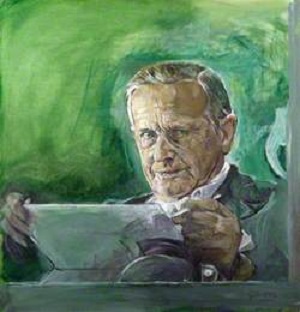
Charles Heath
Charles Heath was a primary figure in the development of the postage stamp. In 1840, he and his son Frederick engraved the original plate for the Penny Black, the first adhesive postage stamp in the world. This project required a level of precision that defined his entire career. He moved beyond the limitations of copper plates to embrace steel. This material allowed for much larger print runs without losing detail.
Biography
His artistic method relied on a command of line and tone. In works like Ingleborough from Hornby Castle Terrace, he translated the complex light of the English countryside into a series of controlled marks. He often worked from designs by J.M.W. Turner. He captured the atmospheric qualities of the original watercolours through careful hatching. His portraits, including those of Benjamin West and the Earl of Dartmouth, demonstrate a focus on clarity and formal composition.
Collectors today appreciate the crispness of his engravings. The transition to steel plates meant that his work avoided the blurred edges found in softer metal prints. His pieces provide a sense of order and historical perspective. The monochromatic nature of his prints makes them easy to place in various decor styles. They represent a period when art became accessible to a wider public through technical innovation.
Notable Works
Tap to view larger.
Next stop
Browse the movements →
Every movement in the collection, from the Renaissance to Pop art.
Frequently Asked Questions
When was Charles Heath born?
Charles Heath was born in 1785 and died in 1848.What is Charles Heath known for?
Charles Heath is known for charles Heath was a nineteenth-century British engraver known for his technical precision and his role in creating the first adhesive postage stamp, the Penny Black.