

Carl Gaertner
Carl Gaertner spent much of his career teaching at the Cleveland School of Art, where he influenced a generation of regionalist painters. Beyond his classroom duties, he maintained a rigorous practice documenting the industrial expansion of Ohio. He often utilised a specific palette of muted tones to capture the grit of urban life, moving away from the idealised depictions common in his era.
Biography
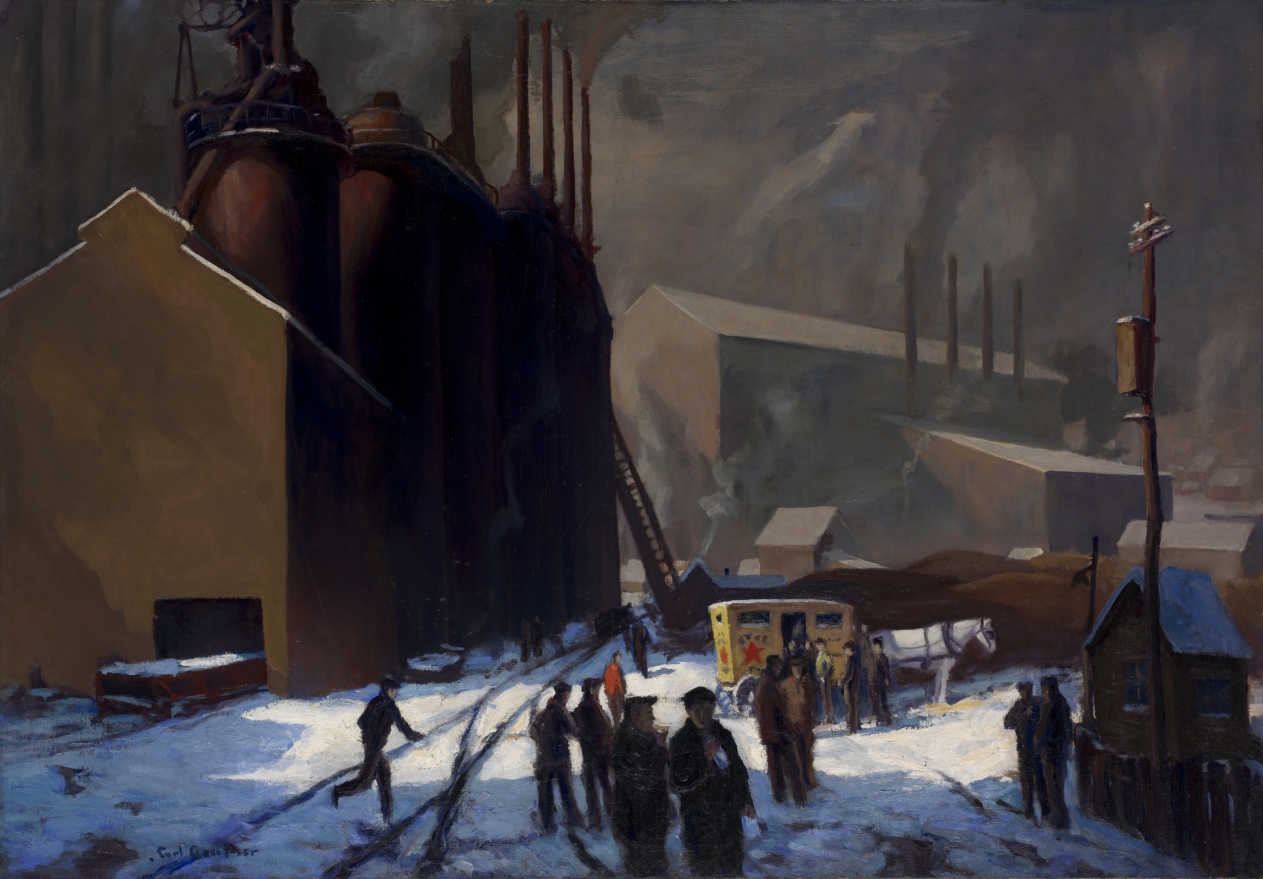
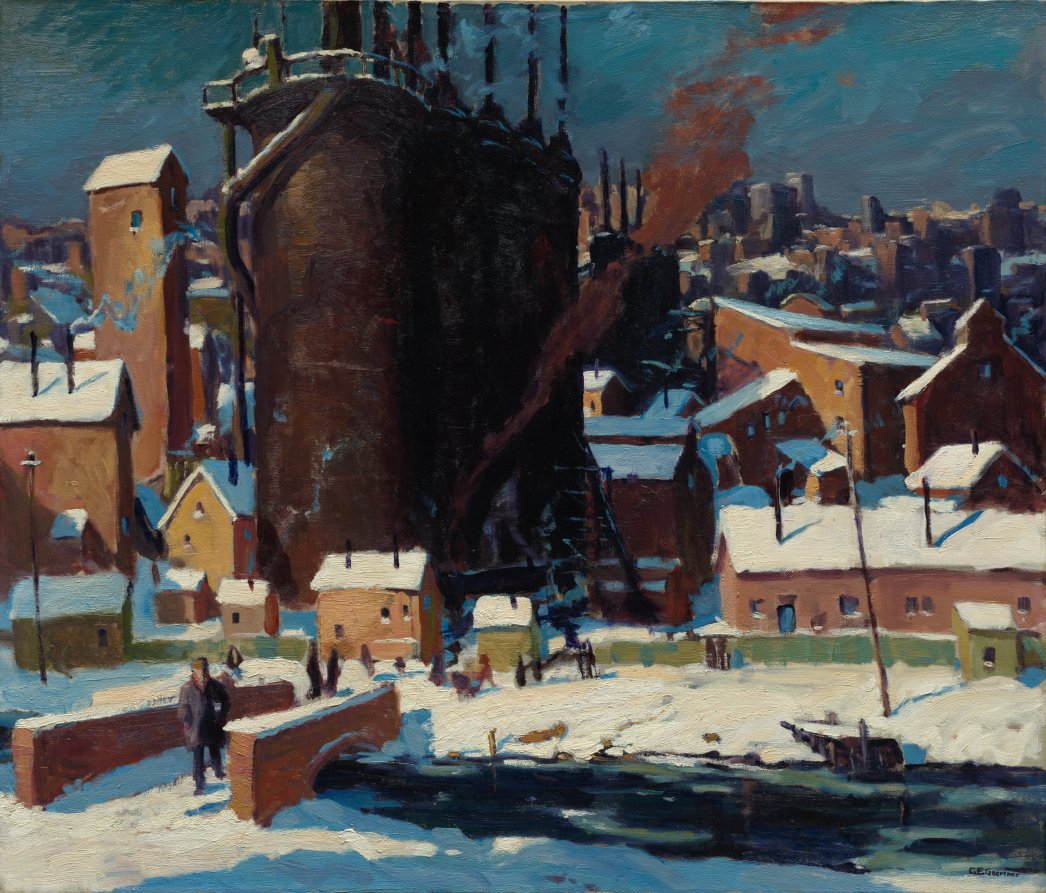
His artistic approach focused on the mechanical and the mundane. In works such as The Furnace and The Pie Wagon, Gaertner applied paint with a deliberate, heavy hand to convey the weight of steel mills and the texture of city streets. He avoided unnecessary detail, preferring to construct compositions through strong shapes and the interaction of light against dark, industrial forms.
Modern collectors value Gaertner for his honest portrayal of early twentieth-century American life. His prints provide a grounded view of the working environment, stripped of sentimentality. These pieces fit well in contemporary spaces that favour a minimalist or industrial aesthetic, offering a direct connection to the physical history of the American Midwest.
Notable Works
Tap to view larger.
Next stop
Browse the movements →
Every movement in the collection, from the Renaissance to Pop art.
Related Artists
_%E2%80%93_LOC.jpg)



Frequently Asked Questions
When was Carl Gaertner born?
Carl Gaertner was born in 1898 and died in 1952.What is Carl Gaertner known for?
Carl Gaertner is known for carl Gaertner documented the industrial grit of the American Midwest through stark, honest depictions of urban life and labour.